













Industrial & Scientific
Shop by business typeFood service suppliesServing disposablesDisposable cutleryTake out containersJanitorial & sanitationJanitorial floor careJanitorial disposables3D PrintingPro toolsPro safety shopMetal workingOccupational healthFace shieldsN95 masksMedical & dental supplyLab equipmentTesting equipmentTelescopes & microscopesWeather instrumentsStore fixtures &equipmentFarm & ranchLivestock suppliesPoultry care
Shop by category
Janitorial disposables
For the pro


FAQ
About Industrial & Scientific - Walmart.com
Your paper towel for dispenser choices can keep restrooms, offices, and work areas stocked with the right towel format. You can compare fold types, roll sizes, and case quantities to match your dispenser setup and daily traffic.
When you shop this industrial & scientific category, you can focus on dispenser-ready towels built for commercial use. You can also narrow your options by environment, ply, and bulk volume for smoother reordering.
Choosing the right paper towel for dispenser
You should start with dispenser compatibility before you compare any other detail. You can avoid mismatched refills by checking fold type, roll width, and core size.
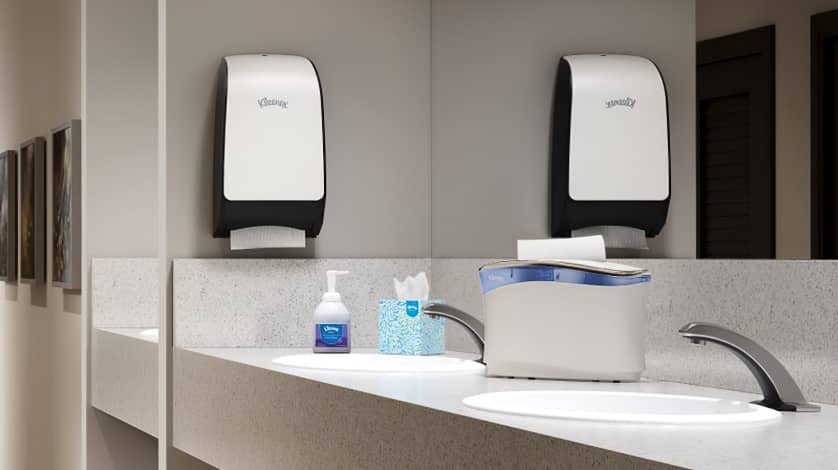
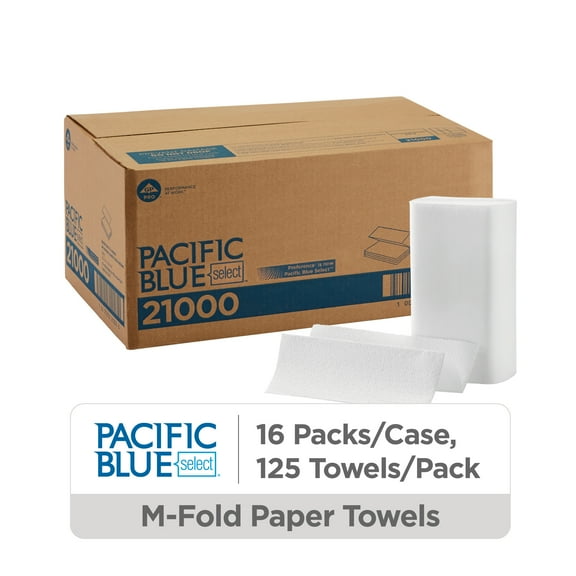
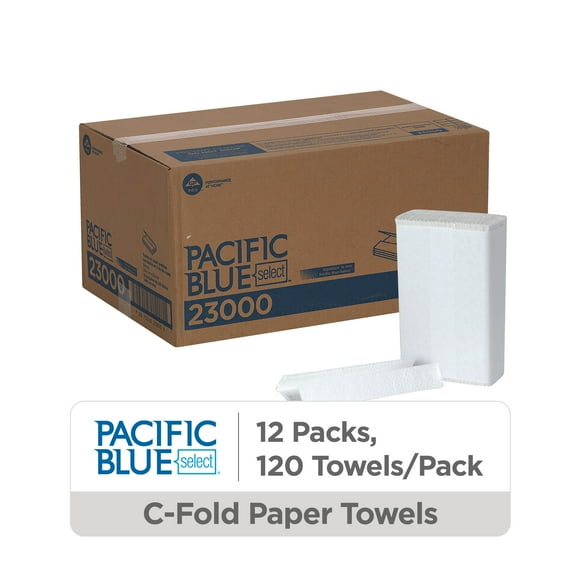
For wall units, you may need multifold, C-fold, or singlefold sheets that feed one portion at a time. For high-traffic areas, you may prefer hardwound roll towels that support fewer refill changes.
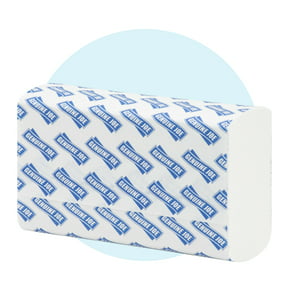
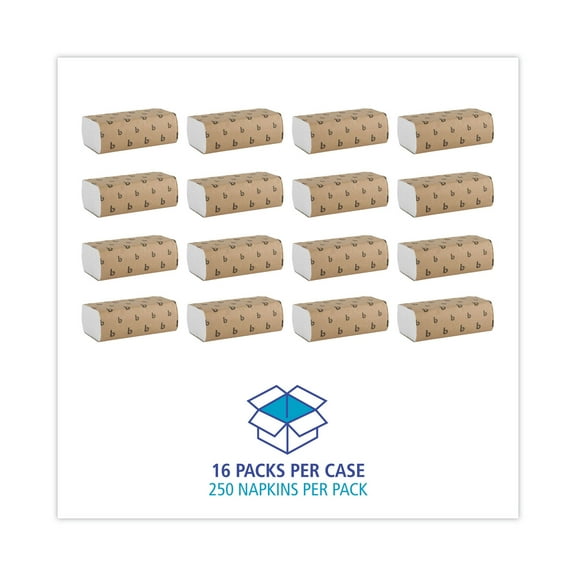
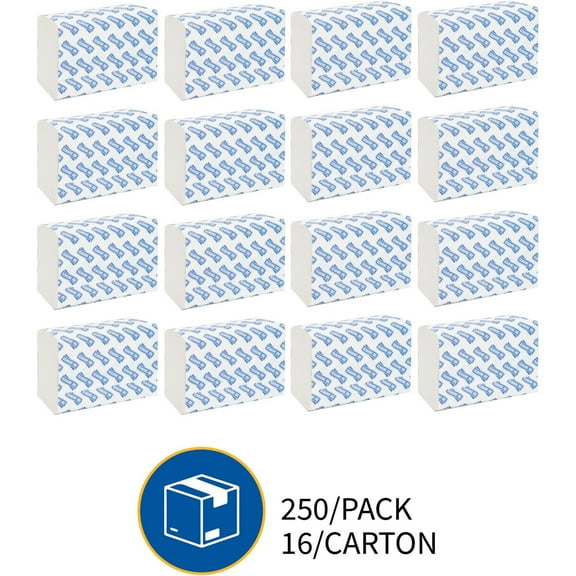
- You can use multifold towels when you want controlled dispensing and compact storage.
- You can choose C-fold towels when your dispenser accepts stacked folded sheets with a wider profile.
- You can select singlefold towels when you need simple sheet dispensing in smaller washrooms.
- You can pick hardwound roll towels when your space handles frequent hand drying throughout the day.
You should also measure your dispenser opening and check your current refill style before ordering cases. You can make faster replenishment decisions when your towel format matches your existing hardware.
How to compare restroom paper towels by ply and performance
You can compare one-ply and two-ply towels based on traffic, cleanup tasks, and refill frequency. You may find one-ply works well for everyday hand drying in steady-use restrooms.
If you need a thicker feel, you can look at two-ply options for offices, breakrooms, and guest-facing spaces. You may notice thicker sheets can reduce over-pulling when users want more absorbency.
You should think about cost per use instead of only counting sheets per case. You can sometimes use fewer stronger sheets, which helps support cleaner counters and tidier dispenser areas.
For tidy towel preferences, you can compare sheet texture, embossing, and ply to match your cleanup routine. You can keep common touchpoints presentable when the towel type fits the task.
What to look for in office paper towels and janitorial supplies
You can match towel formats to each environment for smoother maintenance across your building. You may want different refills for a restroom, office pantry, breakroom sink, or commercial kitchen station.
In restrooms, you can prioritize steady dispensing and simple refills for busy shifts. In offices, you may prefer a clean presentation and dependable hand-drying performance for staff and visitors.
For breakrooms, you can look for towels that handle light spills, wet counters, and daily hand drying. For commercial kitchens, you can compare roll capacity and refill intervals to support frequent use.
You can pair these refills with related janitorial supplies to streamline back-of-house storage and ordering. You may also coordinate with trash cans, liners, and dispenser accessories for a more organized supply area.
Understanding dispenser paper towels wholesale and case quantities
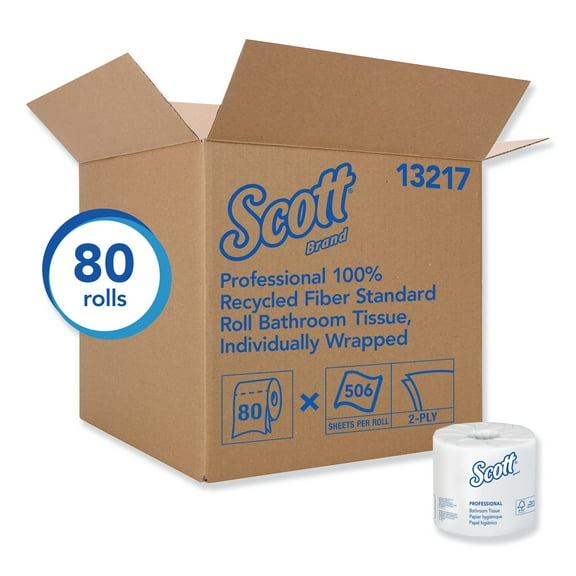
You can buy by bulk case or wholesale volume when your facility uses towels every day. You should compare sheet count, rolls per case, and storage space before choosing larger quantities.
If you manage several restrooms, you can reduce reorder interruptions by keeping case packs on hand. If you support one office kitchen, you may prefer smaller case counts that fit a supply closet.
You can also plan around usage patterns, delivery schedules, and storage shelves when you compare pallet and case options. You may keep operations running more smoothly when refills arrive in practical quantities.
When you evaluate paper towels for dispenser use, you can balance unit count with handling convenience. You can often simplify stocking routines when your cases match your team's weekly replacement pace.
Key features to check before you choose
You should review fold type, roll width, core size, sheet size, and ply before you finalize an order. You can use these details to confirm fit and avoid extra sorting in your supply room.
If recycled content matters to your facility goals, you can compare product details and package labeling closely. You should check whether certifications or material notes appear clearly on the item listing.
You can also look for dispenser-friendly packaging that helps your staff identify the right refill quickly. You may spend less time opening cases and matching cartons during routine restocking.
With the right paper towel for dispenser setup, you can keep commercial spaces ready for daily use. You can make reordering easier when your towel type, environment, and case volume all align.