

Sockets in Ratchets & Sockets




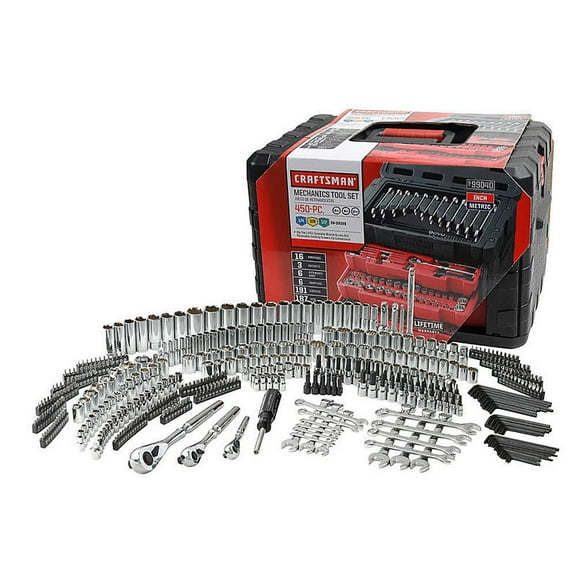

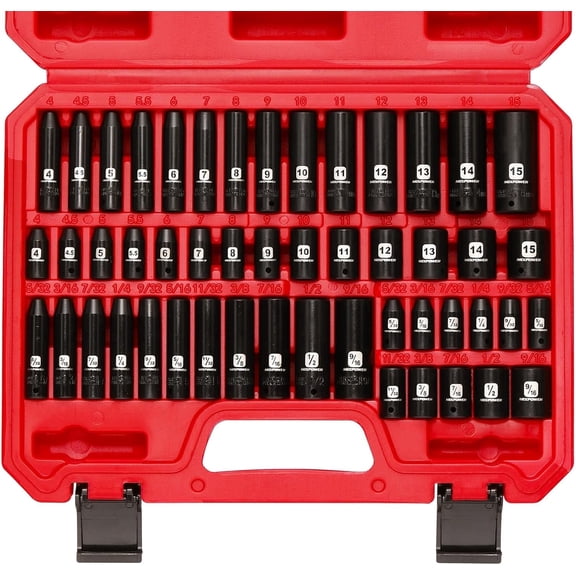
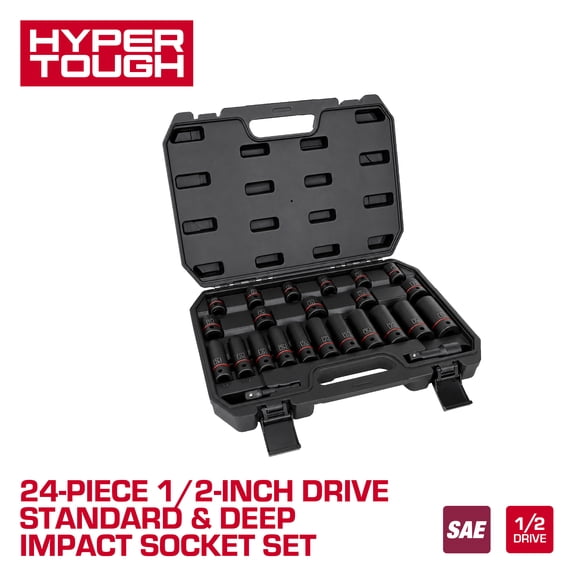
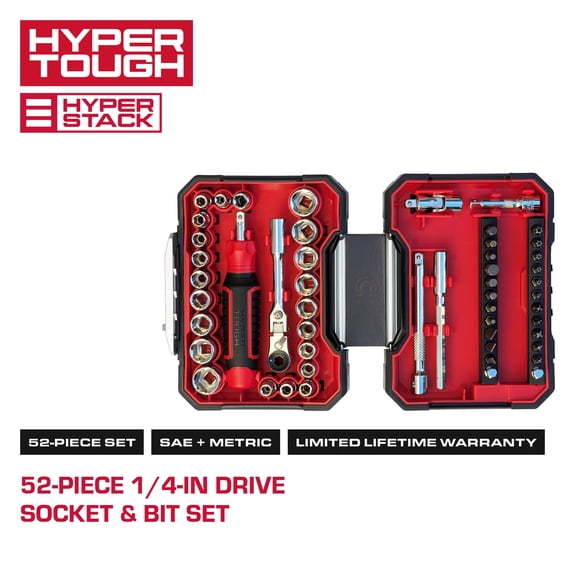
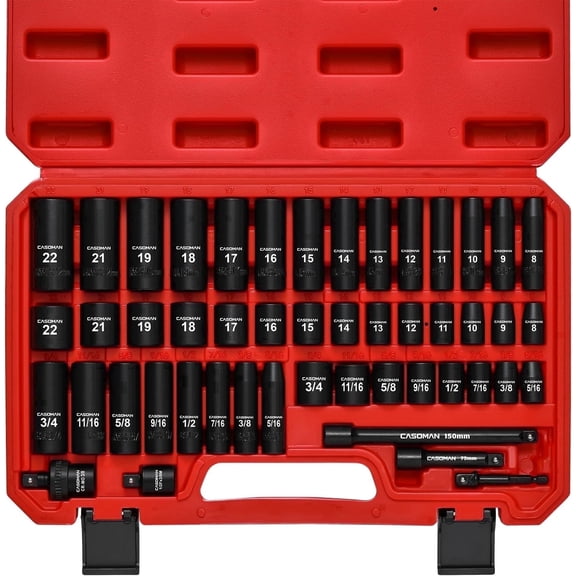
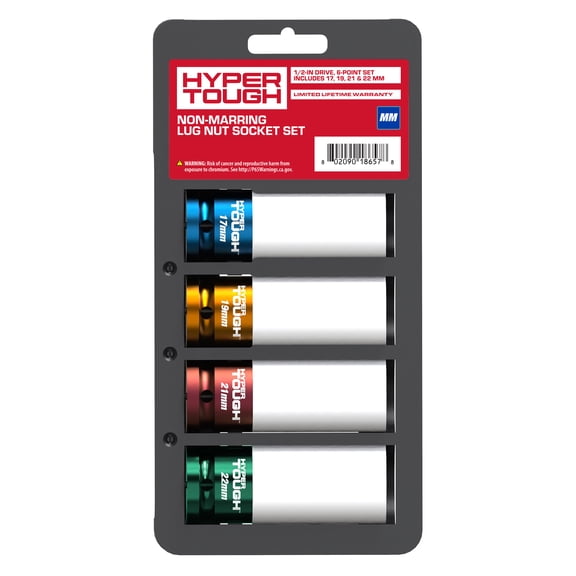
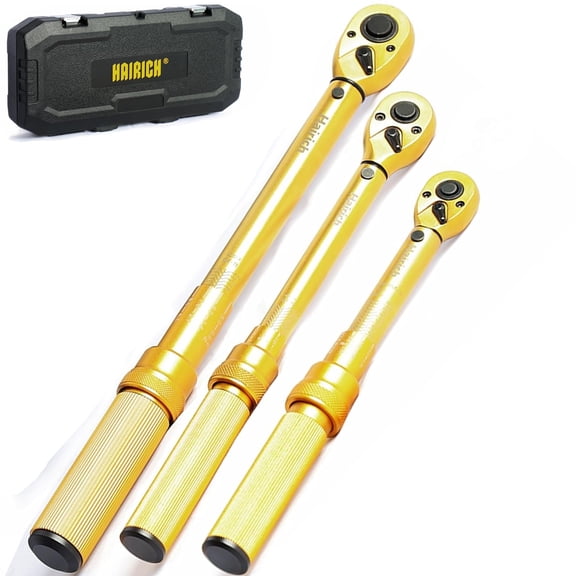
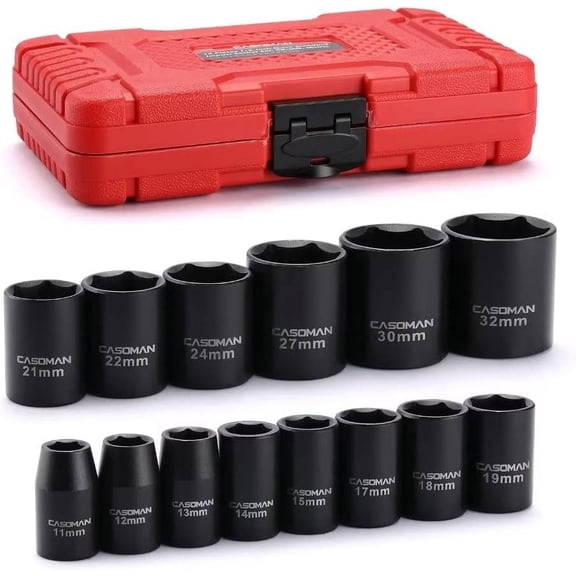





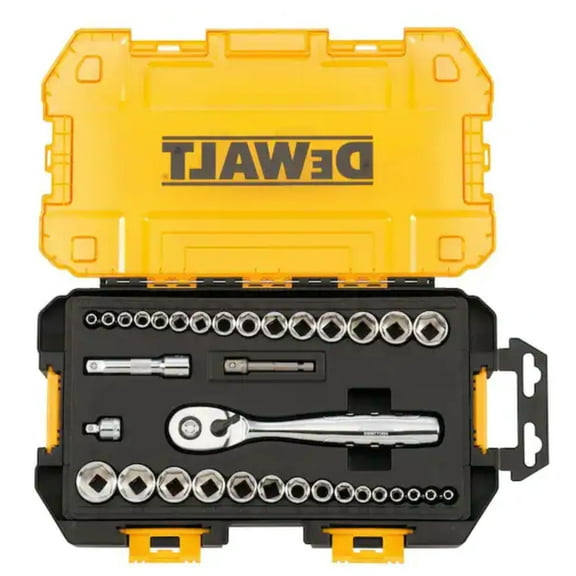

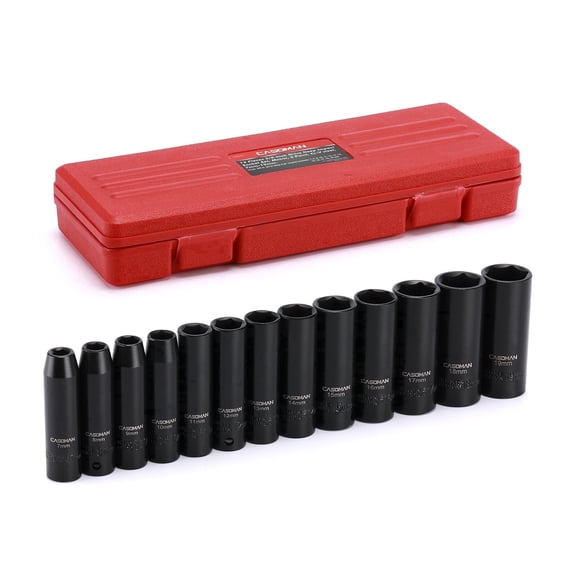
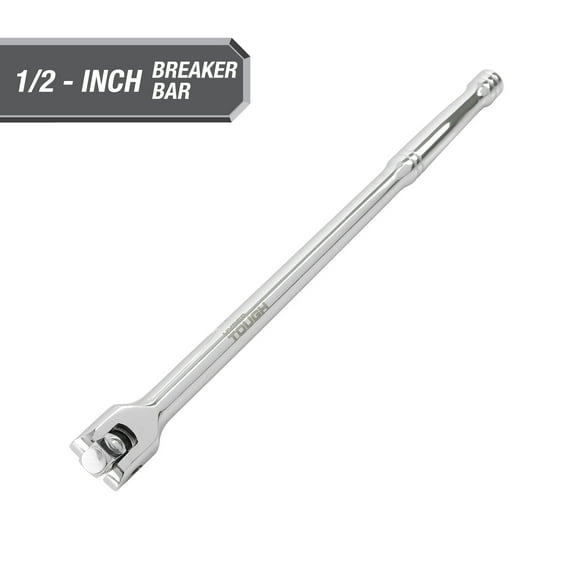
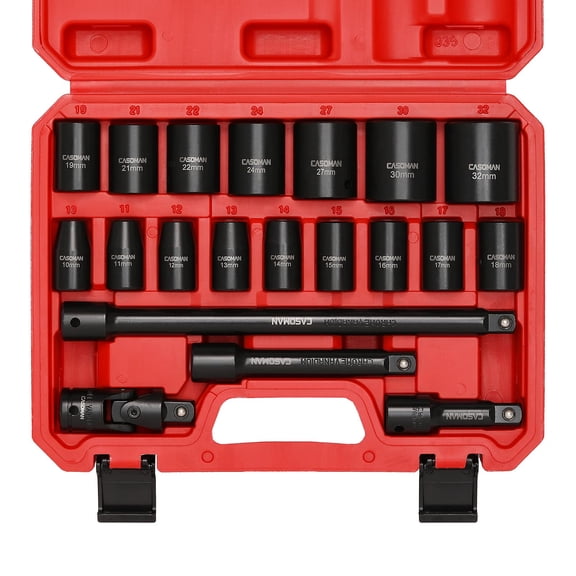
About Sockets in Ratchets & Sockets - Walmart.com
Your socket cost search gets easier when you compare drive size, socket type, and fitment details before you choose. You can quickly narrow options for ratchets, spark plug service, and tight fastener access with clearer decision points.
When you shop sockets, you usually need more than a simple size list. You may need a small socket for compact spaces, a deep socket for longer bolts, or a spark plug socket with secure fitment.
How to compare socket cost and core options
You can compare socket pricing more confidently when you start with the job, not just the tool name. You should check drive size, measurement system, depth, and point count before you decide.
If you’re comparing the price of sockets across common jobs, you’ll want to separate individual replacements from sets and specialty pieces. You can also compare spark plug tools and mini ratchet accessories by compatibility instead of appearance alone.
You’ll get more useful results when you focus on the details that affect fit and access. You can use this category to sort common repair needs into practical choices.
- You can match a socket to your ratchet drive without guessing.
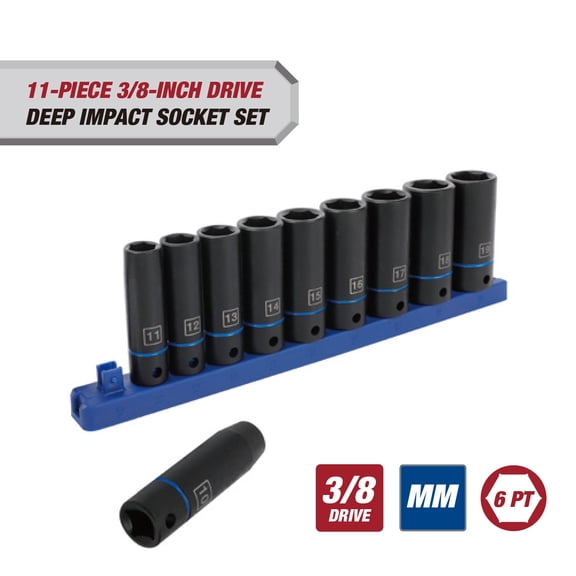
- You can choose deep or shallow styles based on bolt length and clearance.
- You can compare Metric and SAE sizes for the hardware you already have.
- You can select 6-point or 12-point openings based on fastener shape and access.
- You can find spark plug socket options designed for tune-up tasks and narrow wells.
You’ll notice these choices matter because sockets aren’t interchangeable across every task. You can avoid extra trial and error when your tool matches the fastener, extension, and working space.
Choosing the right drive size
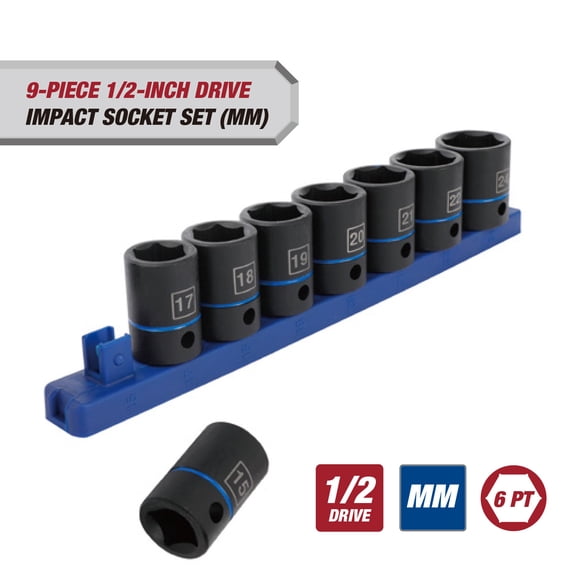
You should start with drive size because your socket must fit your ratchet or handle. You’ll usually see 1/4-inch, 3/8-inch, and 1/2-inch drives across this category.
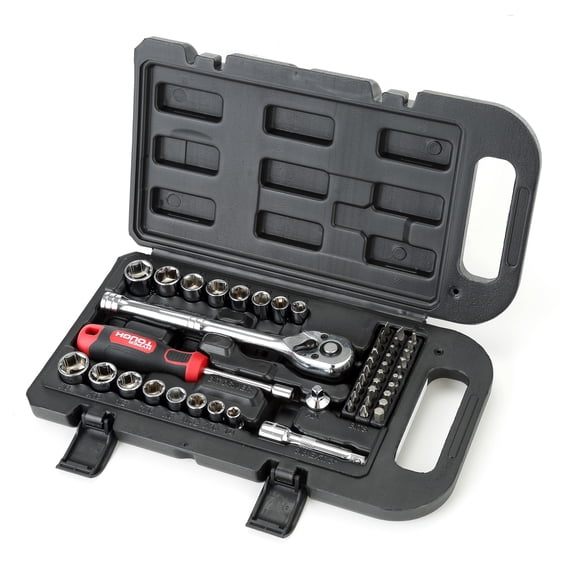
If you’re working in tighter spaces, you may prefer a 1/4-inch option or a small socket setup. You can use 3/8-inch drive for many common repairs, while 1/2-inch drive suits larger fasteners.
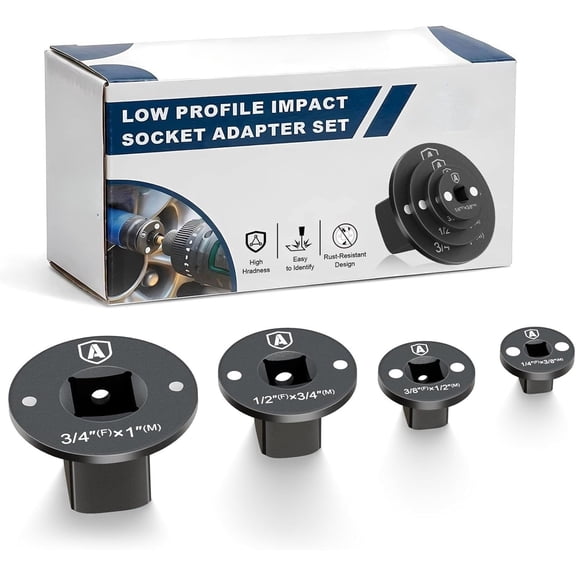
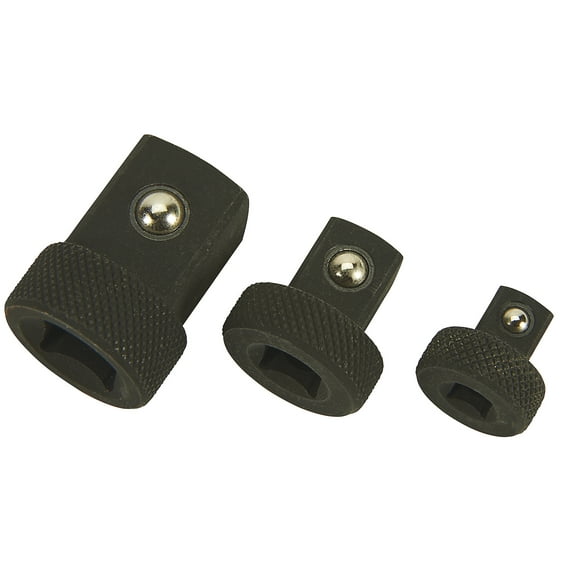
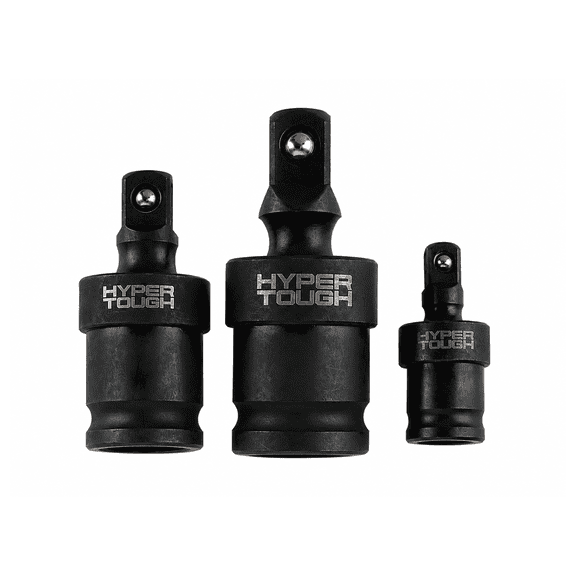
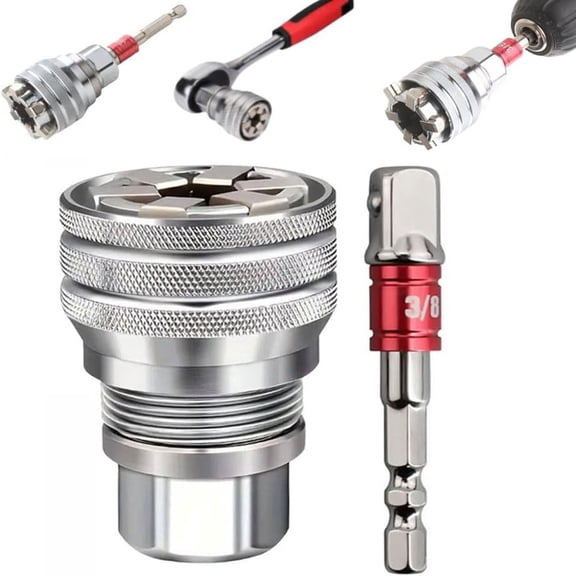
You should also check whether your extensions, adapters, and breaker tools match the same square drive. You’ll get a smoother setup when every piece connects without forcing the fit.
Choosing socket type and depth
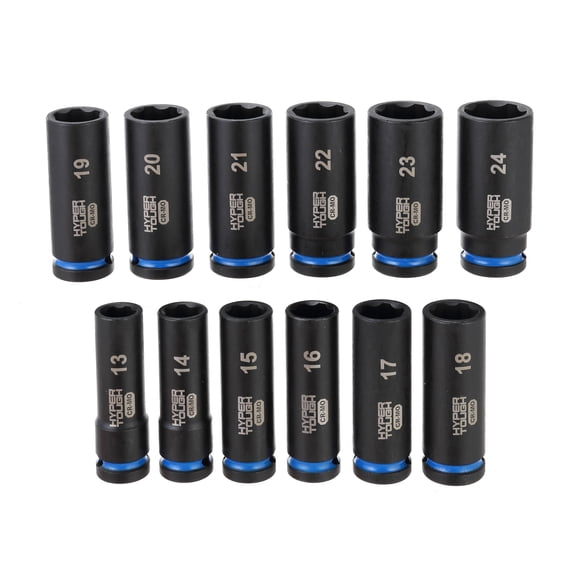
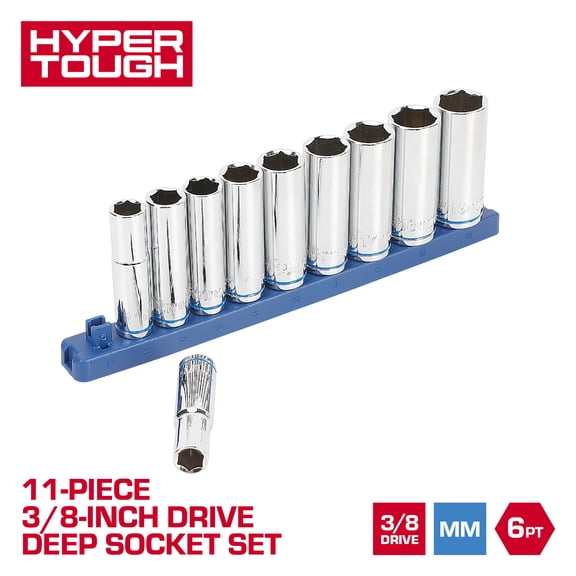
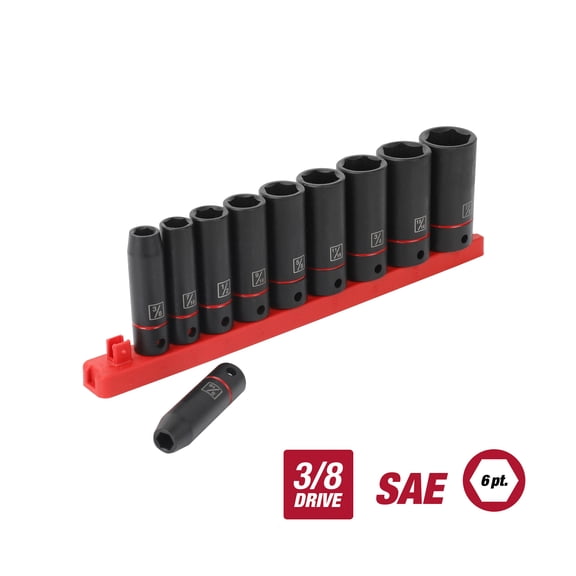
You can compare shallow socket and deep socket styles by how far the fastener sits from the surface. You’ll usually want shallow styles for tighter clearance and deep styles for longer studs.
If you’re handling tune-up work, you may need a spark plug socket instead of a standard pattern. You can look for fitment details that help the socket reach into narrow plug wells.
You should treat specialty options differently from standard fastener sockets because the opening and interior design can vary. You’ll often see spark plug wrench searches linked with brand-specific tool needs and compact engine service.
Comparing Metric, SAE, and point count
You should compare Metric sizes in millimeters and SAE sizes in fractional inches before you pick a socket. You can avoid loose fit or skipped sizes when your hardware standard matches your tool.
If you work on mixed equipment, you may want both systems available in your toolbox. You’ll have an easier time switching between household hardware, automotive tasks, and outdoor power equipment.
You should also check whether a socket uses a 6-point or 12-point opening. You can use 6-point styles for a snugger grip on hex fasteners, while 12-point styles help with quicker alignment.
What to look for in material and finish
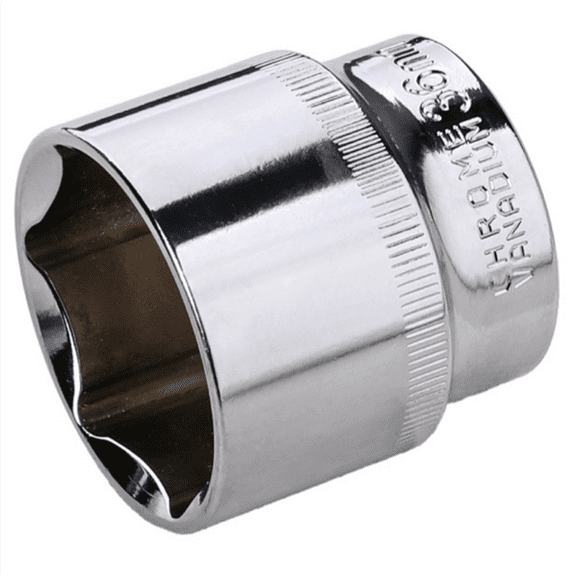
You can compare chrome vanadium, alloy steel, and black oxide finishes as part of your selection process. You should use these details to understand feel, appearance, and intended tool style.
If you prefer a polished look, you may lean toward chrome finishes in general tool storage. You might choose darker finishes for certain shop setups where you want a different surface appearance.
You should still prioritize fitment, size, and access over finish alone. You’ll get more practical use from the right dimensions than from appearance by itself.
How sockets fit real projects
You can use a 1/4-inch shallow socket for dash hardware, small brackets, and other compact fastening points. You’ll appreciate the smaller profile when clearance is limited around nearby parts.
If you’re working on general repairs, a 3/8-inch setup often covers many everyday tasks. You can pair that drive with deep or shallow styles depending on stud length and surrounding space.
You may reach for a 1/2-inch socket when larger hardware calls for a sturdier connection. You can also pair it with longer handles when leverage matters during removal.
For tune-up work, you can choose a spark plug socket that fits the plug size and well depth. You should check compatibility notes carefully if you’re searching terms like Stihl spark plug wrench or Echo spark plug wrench.
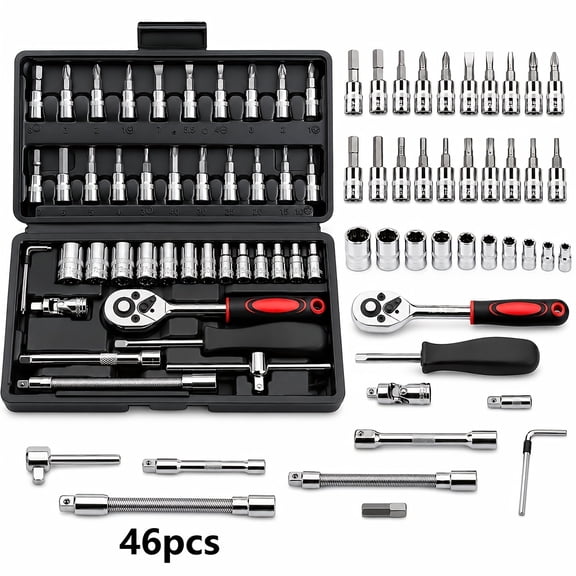
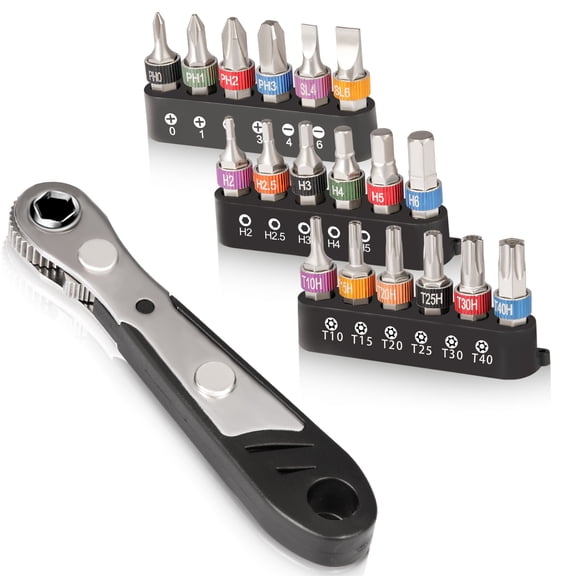
If you want a compact carry option, you may compare accessories linked with a Wadsworth mini ratchet set. You can use that style when you need shorter swing arcs in cramped work zones.
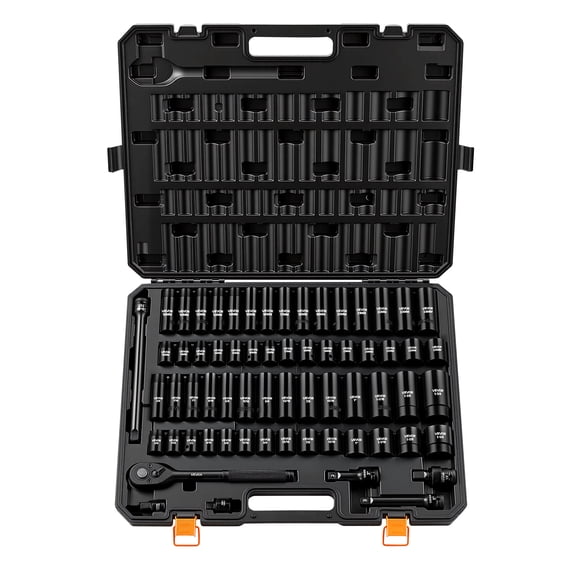
You can also compare socket prices by deciding whether you need one replacement size or a broader assortment. You’ll often narrow the field faster when you know your ratchet size, hardware standard, and application first.
Understanding socket pricing and selection
You can make sense of socket pricing when you compare compatibility before quantity. You should focus on drive match, depth, measurement system, and specialty fitment for a more accurate choice.
Your socket search becomes simpler when each option matches the task in front of you. You’ll finish with a setup that fits your ratchet, reaches the fastener, and supports cleaner tool organization.