





All Smart TVs - 4K Smart TV Models & Streaming TVs
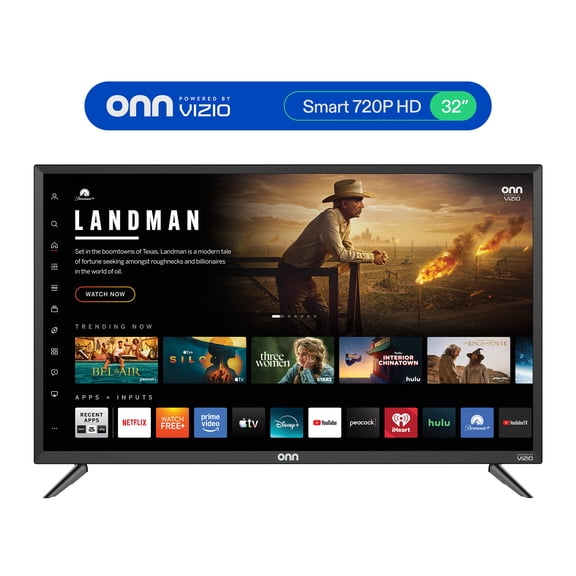





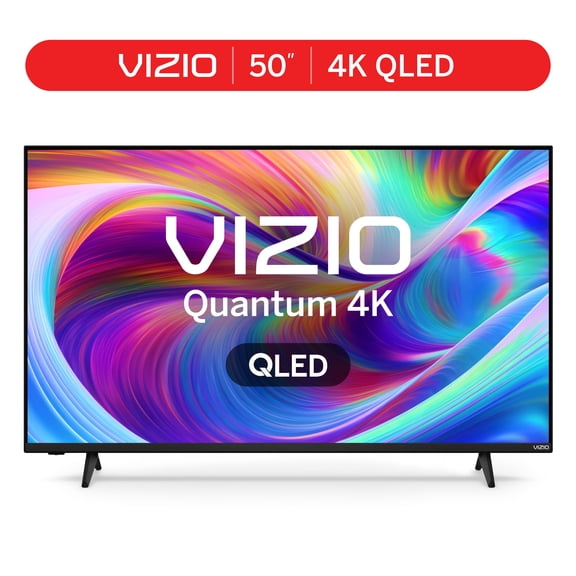

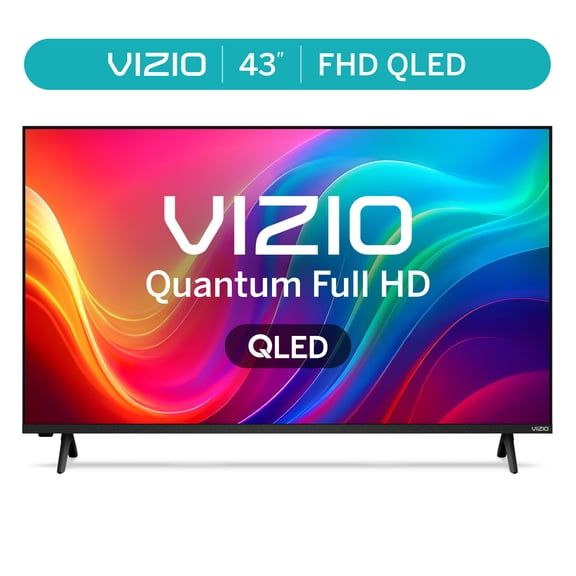
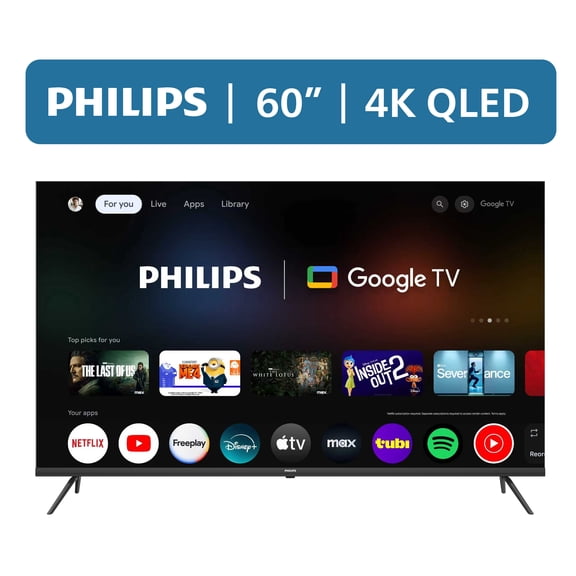
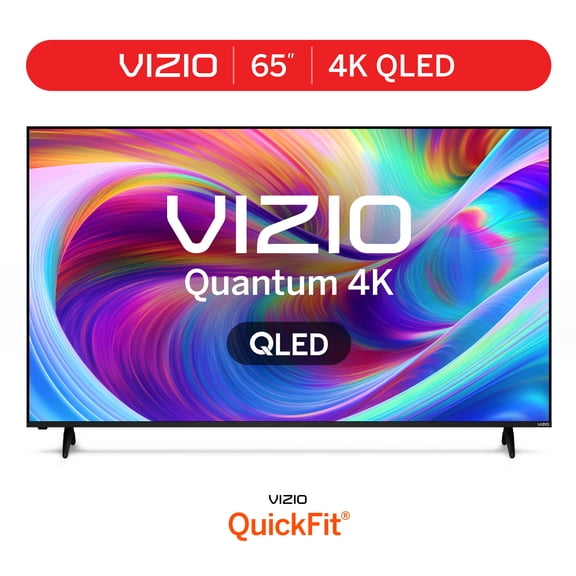











About All Smart TVs - 4K Smart TV Models & Streaming TVs - Walmart.com
You can compare tvs faster when you focus on screen size, display technology, and smart features that fit your room and routine. You'll also find key differences in refresh rate, resolution, and platform support, which matter when you stream, watch sports, or play games.
How to choose tvs for your space
You should start with viewing distance, because screen size changes how comfortable and immersive your setup feels. You'll usually want a 32-inch model for compact rooms, while 55-inch and 65-inch screens suit many living spaces.
If you sit farther back, you may prefer 75-inch and larger flat screen tvs for a fuller picture. You'll want to measure your wall, stand, and seating area before you compare dimensions.
You should also think about resolution with size, since larger screens can show more detail with the right source. You'll notice 4K UHD looks especially sharp on mid-size and large televisions.
- You can match 32-inch screens to bedrooms, dorms, and small apartments.
- You can use 55-inch and 65-inch sizes for everyday family rooms.
- You can choose 75-inch and larger screens for wide seating areas and movie nights.
- You can look for 4k tvs when you want crisp detail on bigger displays.
Choosing display technology in tvs
You should compare OLED, QLED, LED, and Mini-LED by picture style, room lighting, and viewing habits. You'll see that each display technology supports a different mix of contrast, brightness, and screen uniformity.
If you want deep blacks in a darker room, you may lean toward oled tvs for strong contrast. You'll often notice individual pixel lighting creates precise shadows and defined highlights.
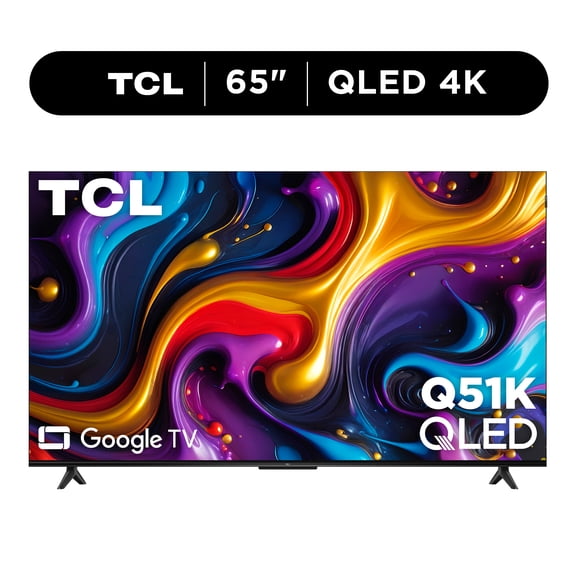
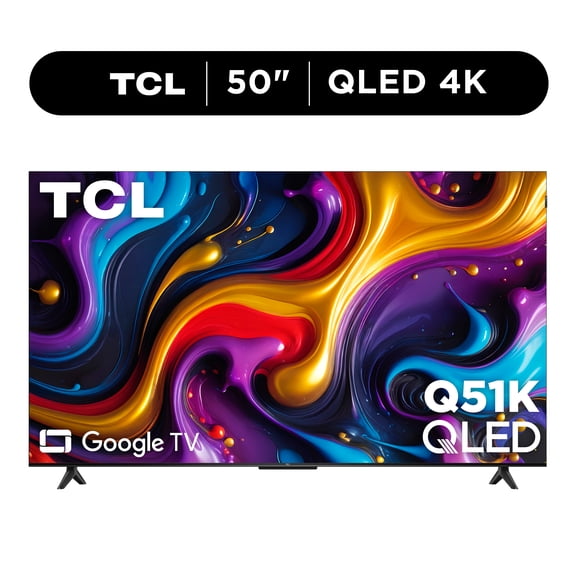
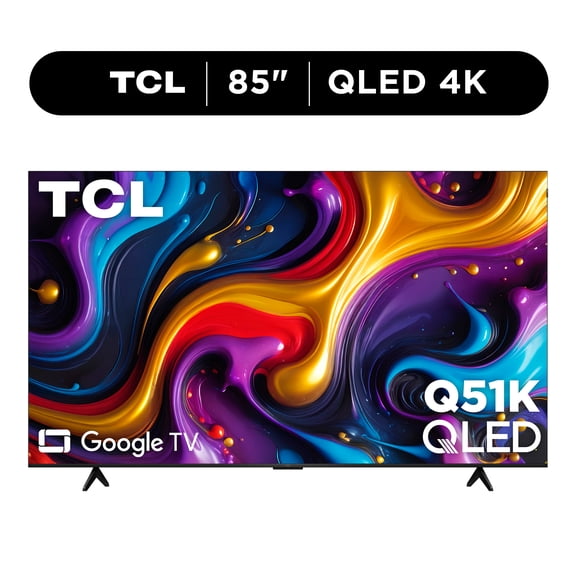
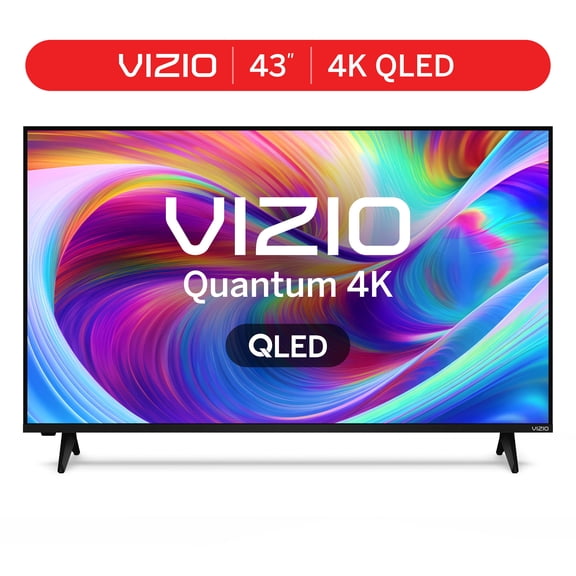
If your room gets bright daylight, you may compare qled tvs for vivid color and strong brightness. You'll often appreciate that extra light output during daytime sports, news, and casual streaming.
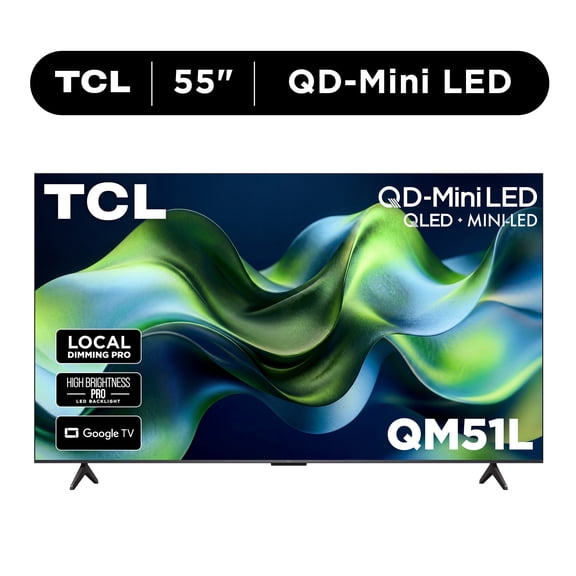
You can also consider standard led televisions when you want familiar performance across many sizes and setups. You'll find Mini-LED useful when you want finer backlight control and improved contrast balance.
When you compare OLED and QLED, you should think about what you watch frequently. You'll likely favor OLED for cinematic viewing, while you may prefer QLED for bright rooms and mixed family use.
You can also check whether long static images fit your routine before you choose a screen type. You'll often prefer QLED or LED for heavy channel surfing, scoreboards, or menu-based use.
What to look for in smart tvs and platforms
You should choose smart tvs by interface, app support, and device compatibility across your home. You'll want a platform that feels easy to navigate and works smoothly with your streaming habits.
If you already use certain voice assistants or connected devices, you should check platform fit first. You'll often narrow choices by Roku TV, Google TV, Fire TV, or WebOS before anything else.
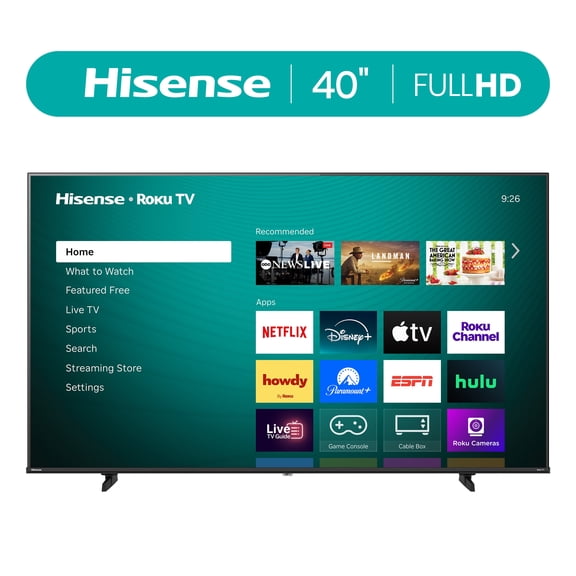
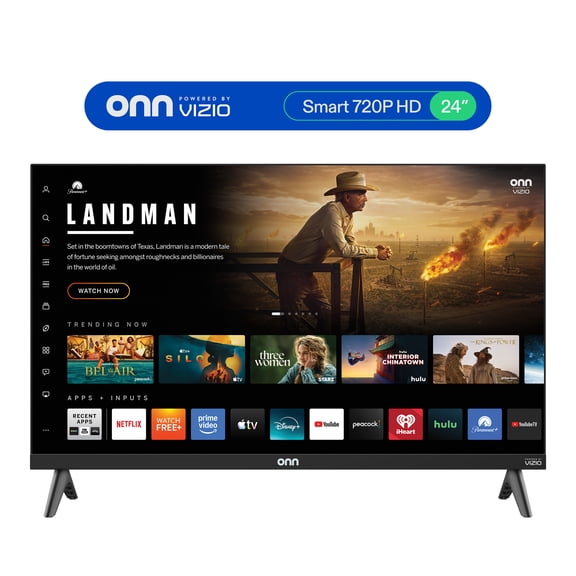
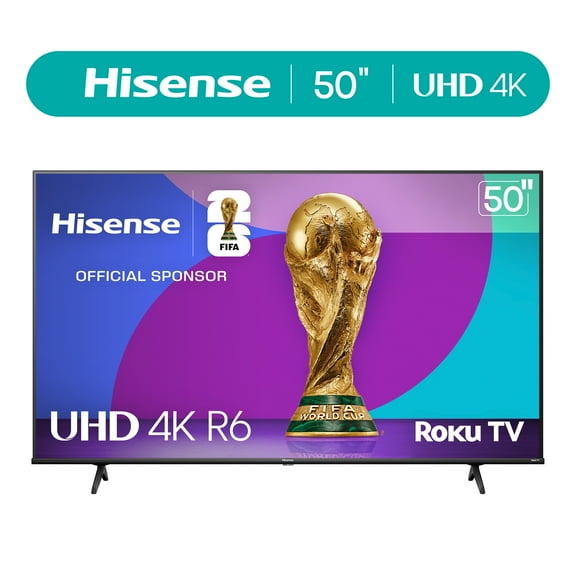
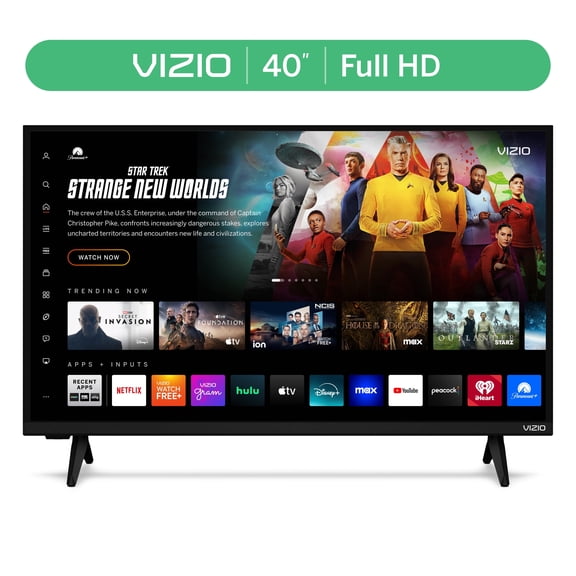
You may like Roku TV when you want a simple home screen and straightforward app access. You'll often prefer Google TV when you want personalized recommendations and broad account integration.
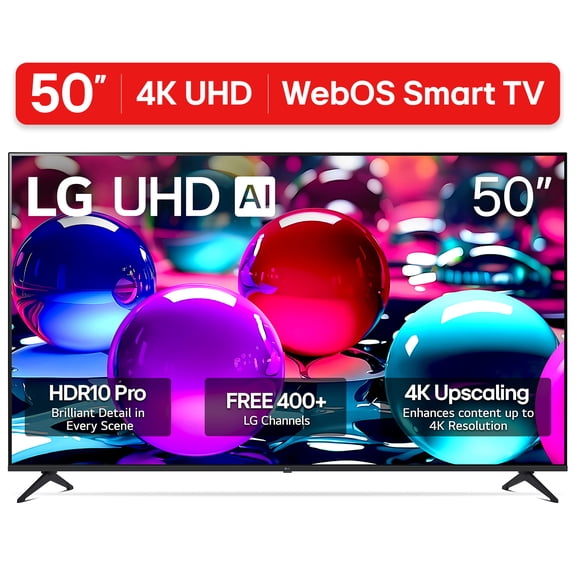
If you stream through Amazon services, you may look at Fire TV for familiar controls and menus. You'll often consider WebOS when you want quick navigation and a clean smart interface.
You should also confirm app availability, casting options, and remote design before you decide. You'll get a smoother setup when your television platform matches your phone, speakers, and daily streaming routine.
Comparing resolution, refresh rate, and gaming features
You should compare 1080p Full HD, 4K UHD, and 8K by screen size and content source. You'll usually see 4k tvs as the practical sweet spot for streaming, sports, and console play.
If you want a smaller second screen, you may still consider 1080p for casual viewing. You'll typically focus on 4K for larger screens, because higher detail becomes easier to appreciate.
For gaming tvs, you should check refresh rate, HDMI inputs, and console compatibility before you buy. You'll want 120Hz or 144Hz support when you play fast-moving games and want smoother motion.
You should also look for HDMI 2.1 and VRR when gaming matters in your setup. You'll get more responsive performance with compatible consoles and devices that support those features.
If you mainly watch shows and movies, you may find 60Hz works well for everyday use. You'll likely notice 120Hz helps sports fans and gamers who want cleaner motion during quick action.
Matching televisions to everyday rooms and routines
You can narrow televisions quickly when you connect each feature choice to a real room and routine. You'll make clearer decisions when you compare how you will actually use the screen each day.
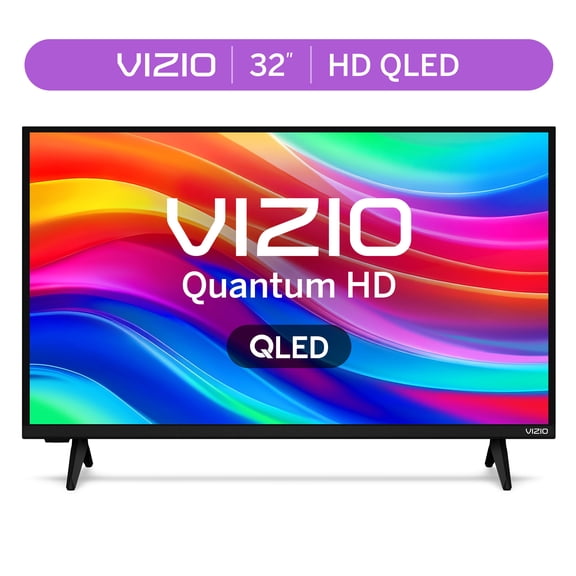
For a bedroom or dorm, you may choose a 32-inch or compact smart screen with easy app access. You'll keep viewing comfortable without overwhelming a dresser, desk, or smaller wall.
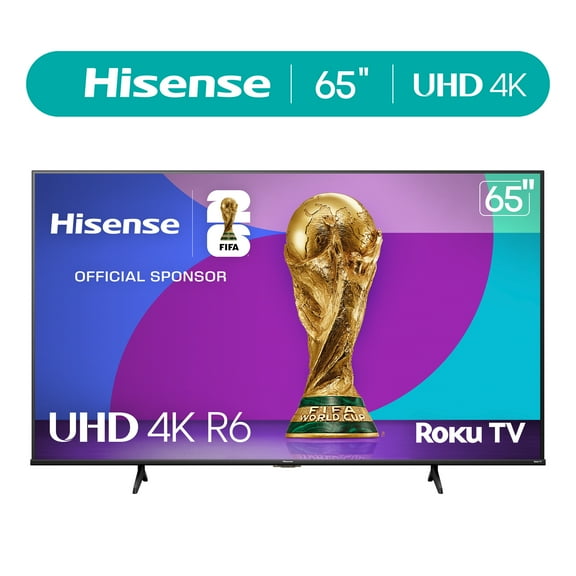
For a family room, you may consider 55-inch or 65-inch televisions with 4K resolution and a familiar platform. You'll get an easy fit for streaming series, weekend sports, and everyday movie nights.
If you build a brighter living room setup, you may compare QLED or Mini-LED with larger screen sizes. You'll usually appreciate stronger brightness when sunlight reaches the screen during the day.
For a darker movie room, you may favor OLED with a larger display and cinematic picture settings. You'll often enjoy richer contrast and more detailed shadow areas in evening viewing.
If gaming leads your search, you should pair 120Hz or 144Hz support with HDMI 2.1 and VRR. You'll create a setup that feels smoother for racing, sports, and action titles.
You may also plan ahead for seasonal events when a bigger screen changes the experience. You'll notice large super bowl tvs feel more immersive for watch parties and shared seating areas.
When you compare these choices carefully, you can find televisions that suit your room, your content, and your connected devices. You'll end up with a screen that fits how you watch every day.