

Shades in Blinds & Shades





















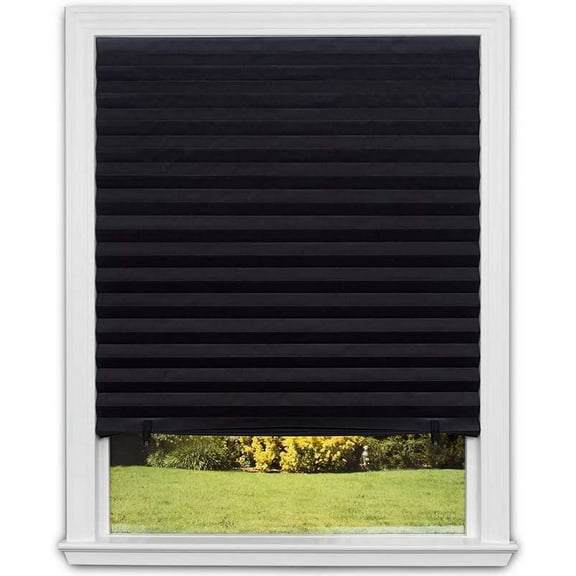
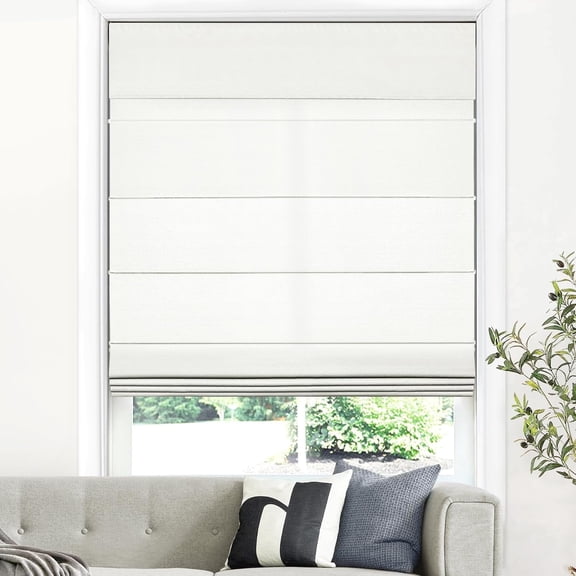


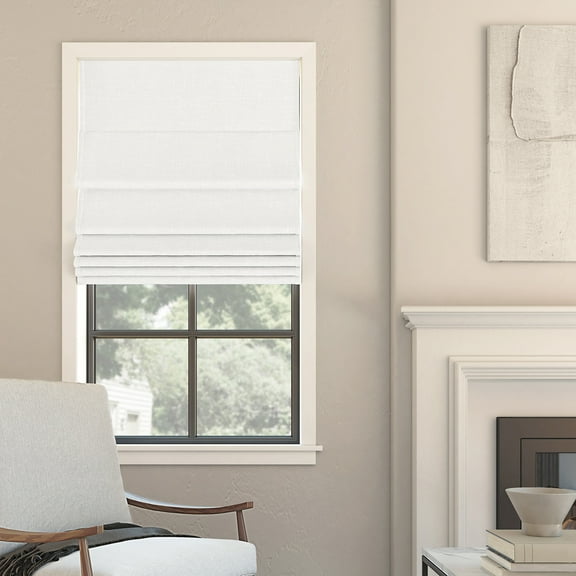


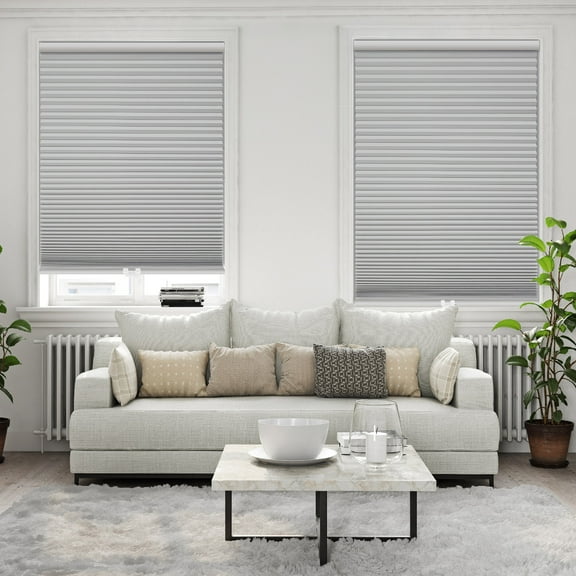















About Shades in Blinds & Shades - Walmart.com
Your window cover shade can change how each room feels, looks, and functions. You can compare light control, mount type, and material choices that fit your windows and your daily routine.
When you shop shades for indoor windows, you may want cleaner lines than curtains and more flexibility than fixed panels. You can also find options that help you manage glare, privacy, and sunlight throughout the day.
How to choose the right window cover shade
You should start with your window measurements before you compare colors or styles. You can get a cleaner fit when your width, height, and mounting space match your shade type.
If you prefer an inside mount, you should check your frame depth first. You can usually get a built-in look, while outside mount options can cover more glass and trim.
You may choose outside mount styles when you want fuller coverage or when your window frame has limited depth. You can also use this mount to make smaller windows look taller.
When you compare control types, you should think about convenience and your household setup. You can choose cordless, corded, or motorized designs based on how you open and close shades.
You may notice cordless options create a clean profile and simple daily use. You may prefer corded styles when you want a familiar manual option, while motorized shades add remote-friendly control.
Choosing shades window shoppers use for light control
You should match light control to the room, not just the color. You can choose blackout, room darkening, light filtering, or sheer styles based on how much brightness you want.
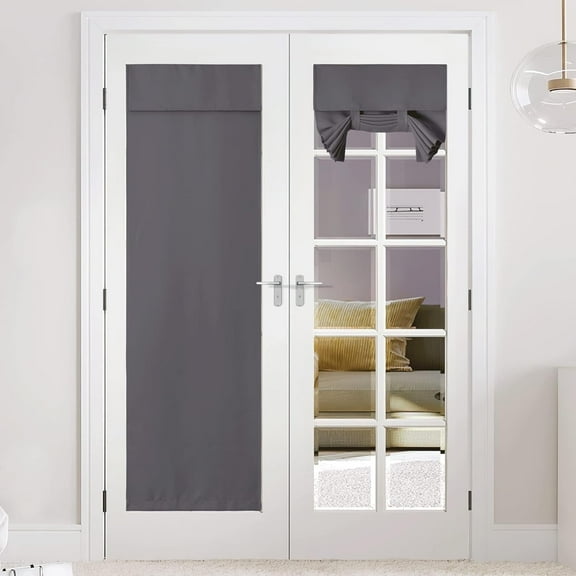
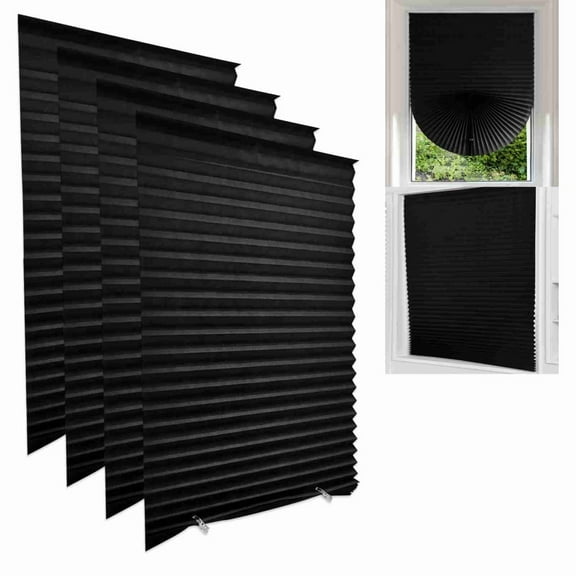
If you want window shades for privacy in bedrooms or media rooms, you may look at blackout or room darkening options. You can get stronger coverage that helps block outdoor light.
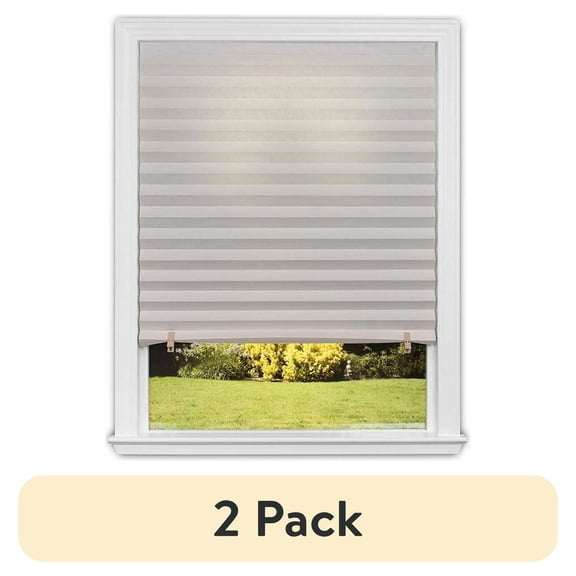
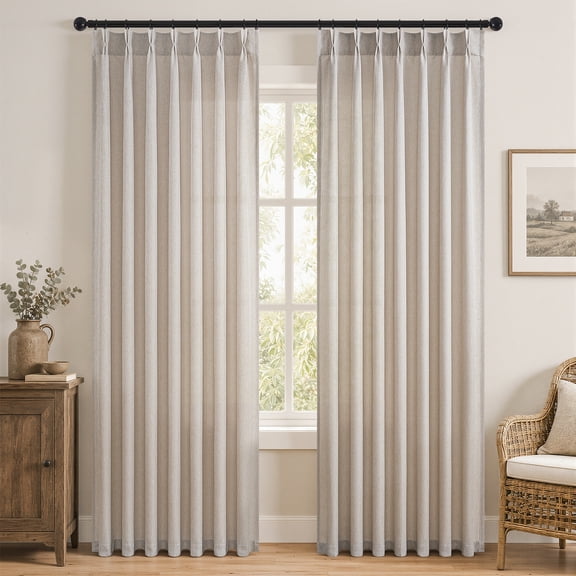
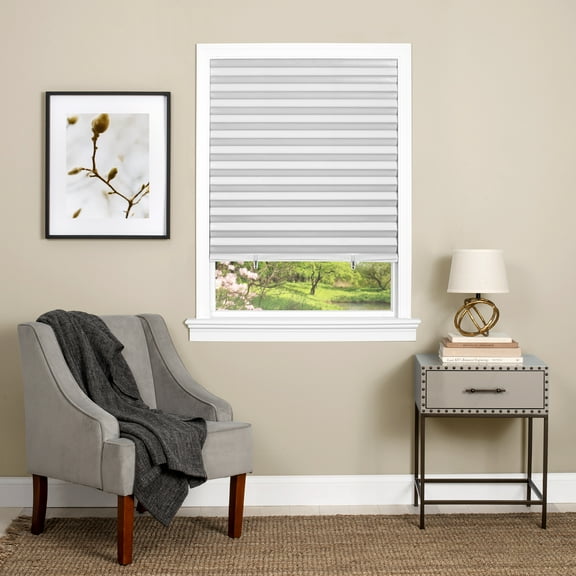
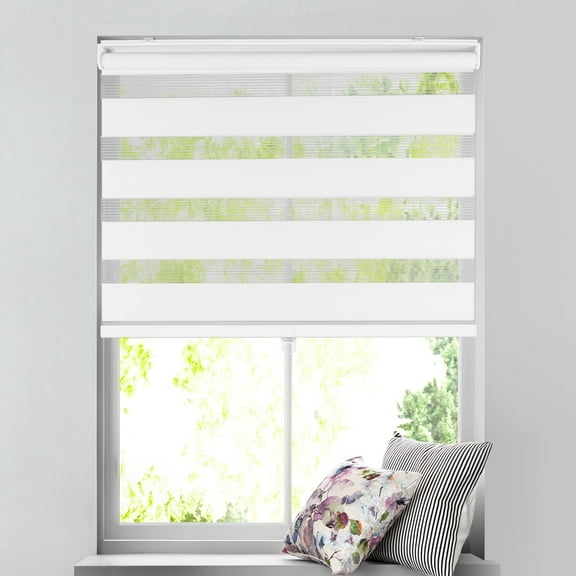
When you want a softer glow in kitchens or living areas, you may prefer light filtering shades. You can keep natural light moving through the room without leaving the window fully exposed.
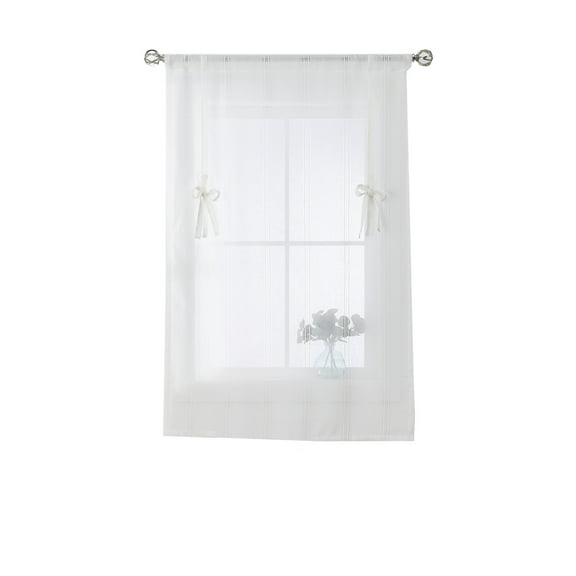
You may choose sheer styles when you want daylight and a lighter visual feel. You may often like these for spaces where glare matters less than an open appearance.
- You can use blackout shades when you want stronger light blocking for sleep spaces.
- You can choose light filtering styles when you want daylight with a softer indoor look.
- You can pick room darkening options when you want a middle ground for comfort and coverage.
- You can consider sheer shades when you want brightness and a more open window view.
Comparing materials for shades for indoor windows
You should compare material choices based on texture, cleaning, and insulation. You can narrow your options faster when you know how each material works in your space.
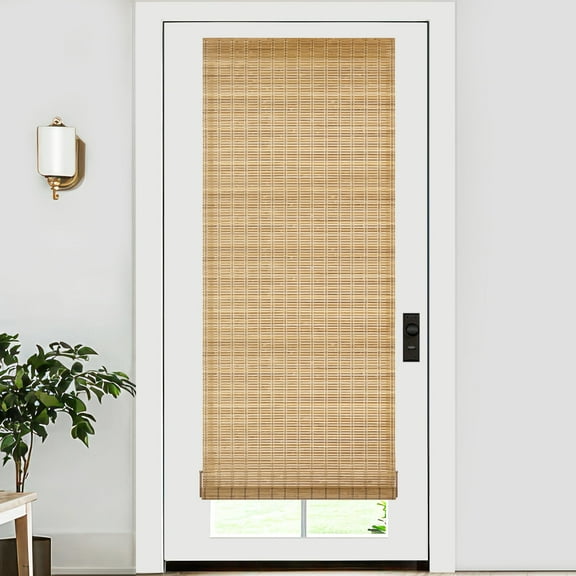
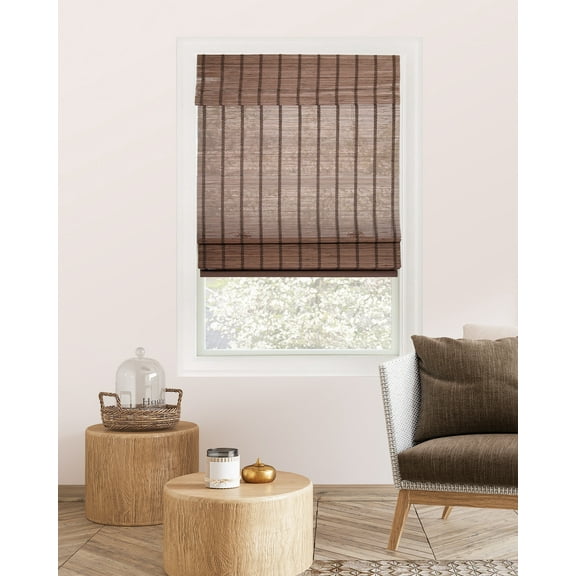
If you like a natural look, you may consider bamboo or woven wood shades. You can bring warm texture to casual rooms, dining spaces, and relaxed home decor.
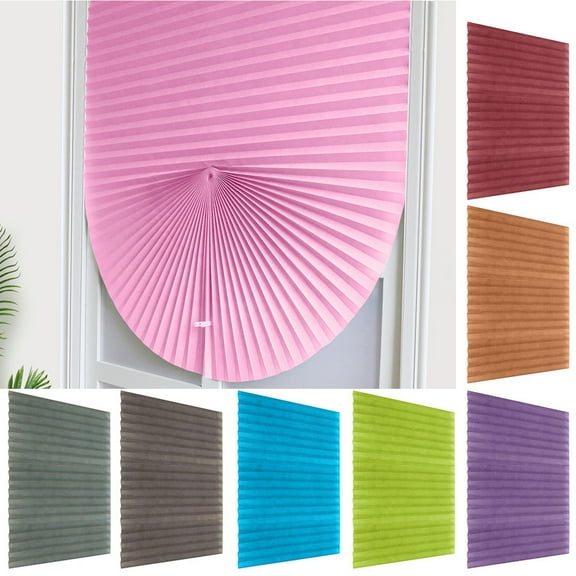
When you want a softer finish, you may choose fabric shades in many colors and patterns. You can coordinate them with bedding, rugs, or upholstered furniture more easily.
You may look at vinyl shades when you want a smooth surface that’s easy to wipe clean. You may often find vinyl useful in active households and utility-focused rooms.
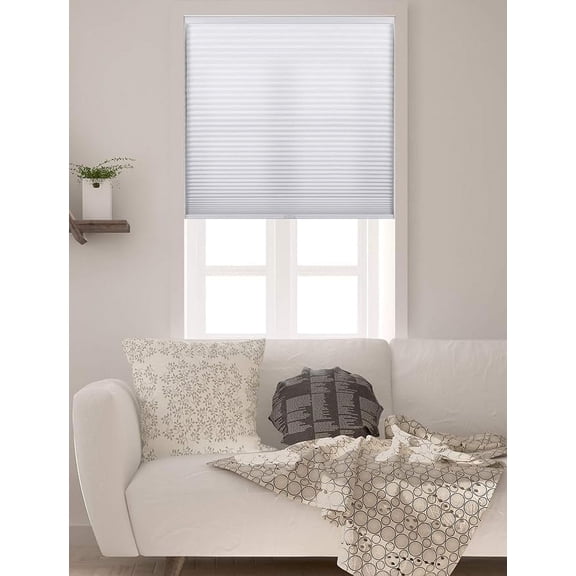
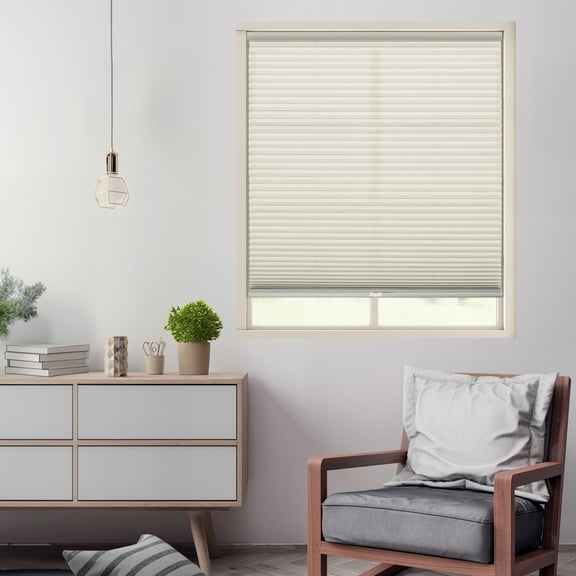
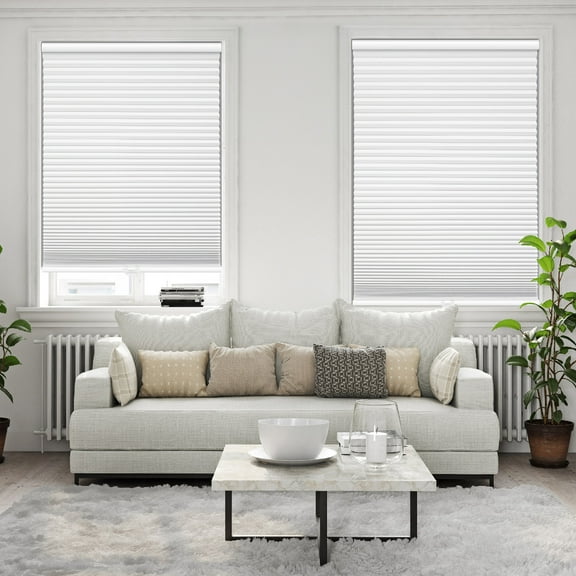
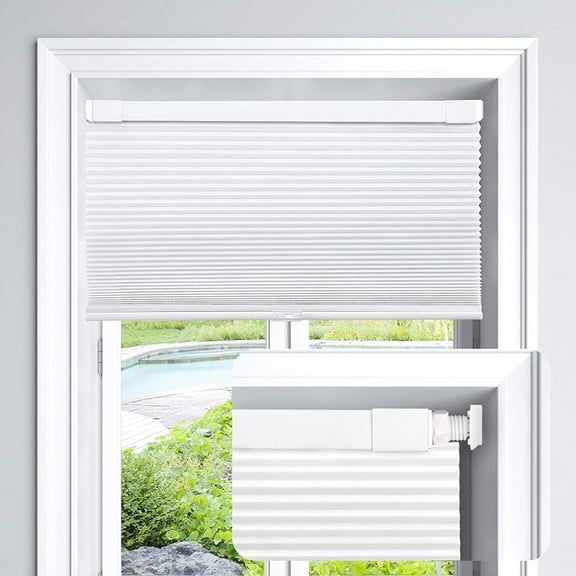
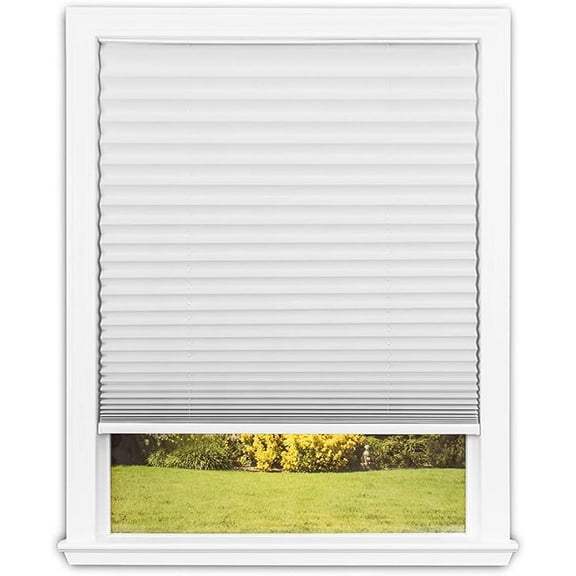
If you want added insulation, you should compare cellular or honeycomb designs closely. You can notice how their pleated structure creates air pockets that support a more comfortable indoor feel.
Understanding style choices in windows shades
You should think about style after you confirm your measurements and light goals. You can then compare roller, roman, cellular, and solar designs with more confidence.
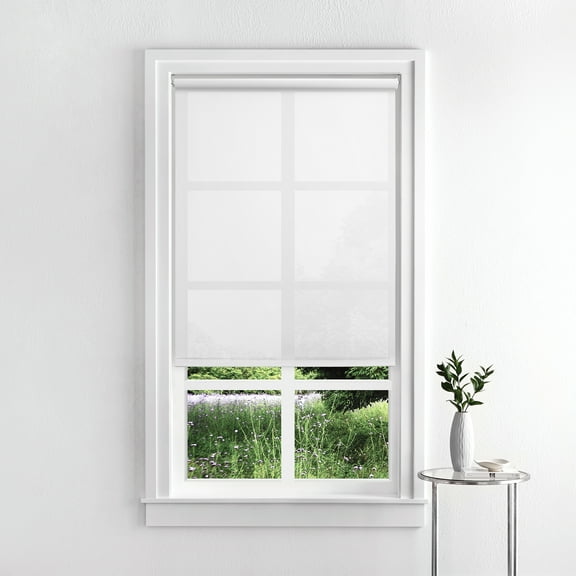
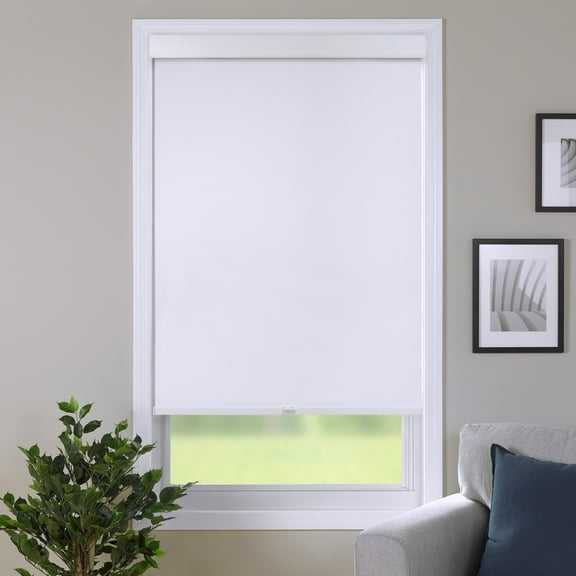
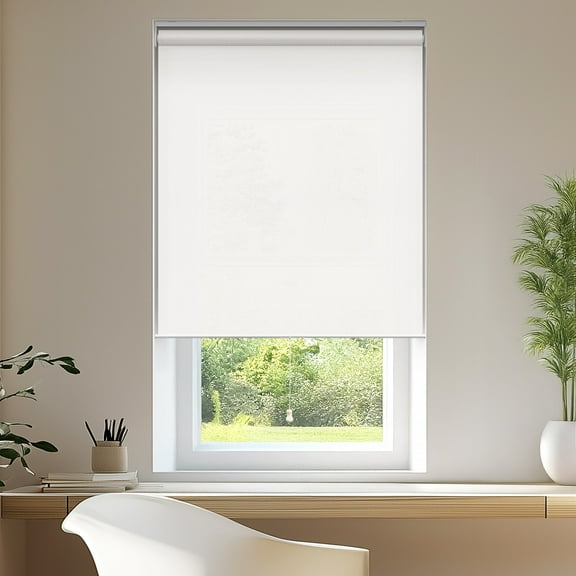
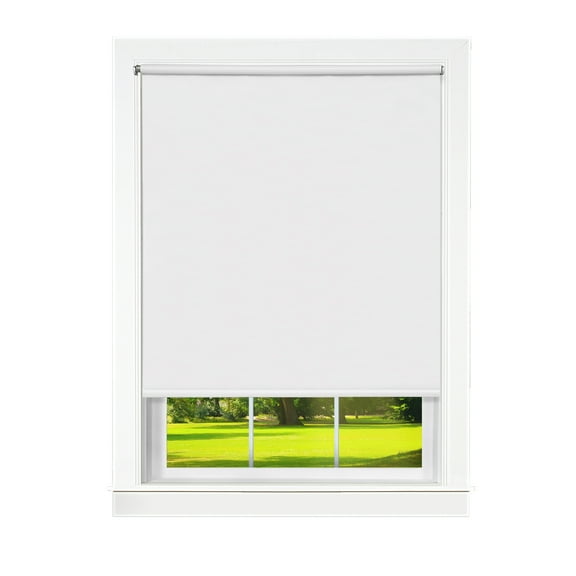
If you want a simple profile, you may choose roller shades for easy everyday use. You can get a streamlined look that works well in modern rooms and smaller spaces.
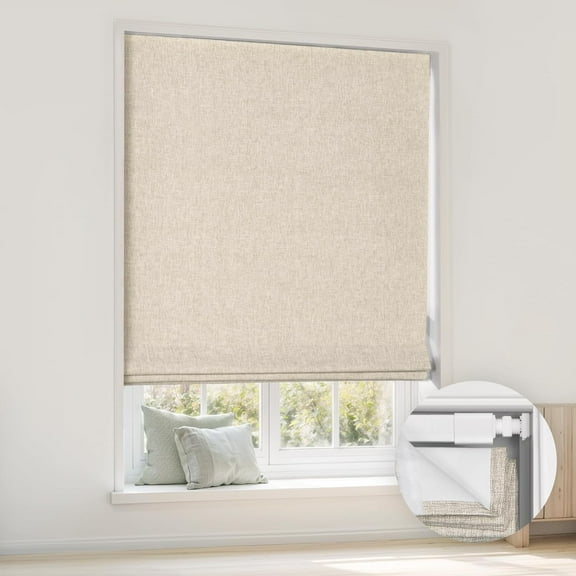
When you want softer folds, you may prefer roman shades for a more decorative finish. You can use them to bring texture and shape to bedrooms, dining rooms, or sitting areas.
You may choose cellular shades when you want a compact stack and added insulation. You may also like how they fit many rooms where clean lines matter.
If you want to cut glare while keeping an outdoor view, you should compare solar shades. You can use them in sunny rooms, home offices, and living spaces with strong afternoon light.
Using window shade for home rooms and routines
You should match your window shade for home use to each room’s purpose. You can make better choices when you consider privacy, sunlight, cleaning, and the way you use the space.
In bedrooms, you may want stronger coverage and simple operation early and late in the day. You may often prefer blackout, room darkening, or cordless options for a calmer setup.
For living rooms, you may want balanced light and a style that works with changing daylight. You can compare roman, roller, or light filtering styles for shared spaces.
In kitchens and bathrooms, you may focus on easy cleaning and everyday durability. You can look at vinyl or streamlined designs that handle frequent use well.
If you’re choosing shades for room updates across the whole house, you should compare mount type and material together. You can create a more consistent look while still fitting each room’s needs.
When you think about window shade cost, you should compare size, mechanism, material, and design first. You can understand what affects selection most when you weigh those features against your room goals.
You can buy window shades with a clearer plan when you measure carefully and compare light control side by side. You can get window coverings that fit your space, support privacy, and finish each room with purpose.