

Window Shades





































About Window Shades - Walmart.com
Window shades help you control light, privacy, and style in one update. You can compare window shades by shade type, control style, light control, and material before you choose.
You may want a cleaner look than curtains alone can give. You’ll also notice shades can fit tight inside mounts or cover trim with outside mounts.
Choosing the right window shades for your space
You should start with fit, because sizing affects how your shades look and work. You can measure inside mounts for a built-in look or outside mounts for wider coverage.
For inside mounts, you’ll want to measure window width and height in several spots. You should use the smallest width and the longest height for a closer fit.
With outside mounts, you can cover more glass and soften uneven trim lines. You may also block more light when you extend coverage beyond the frame.
You can narrow your options faster when you compare common shade types side by side. You’ll usually see roller shades, roman shades, cellular shades, pleated styles, and bamboo shades.
- You can choose roller shades when you want a clean, low-profile look.
- You may prefer roman shades when you want soft folds and a dressed-up finish.
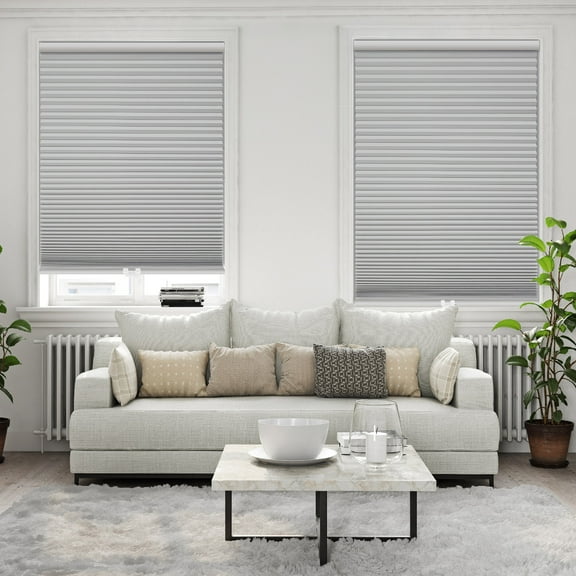
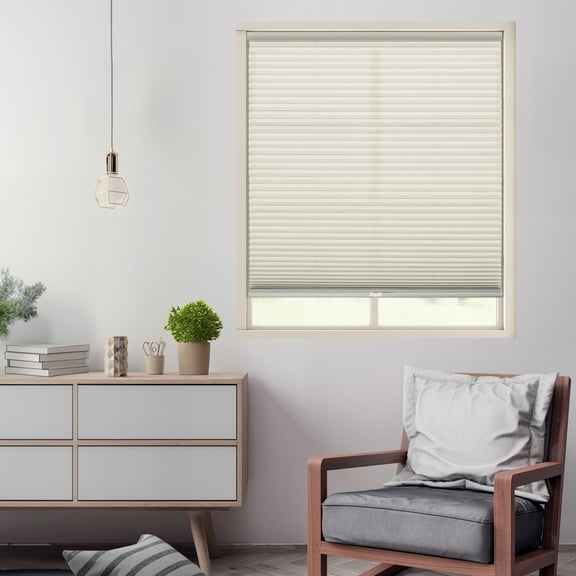
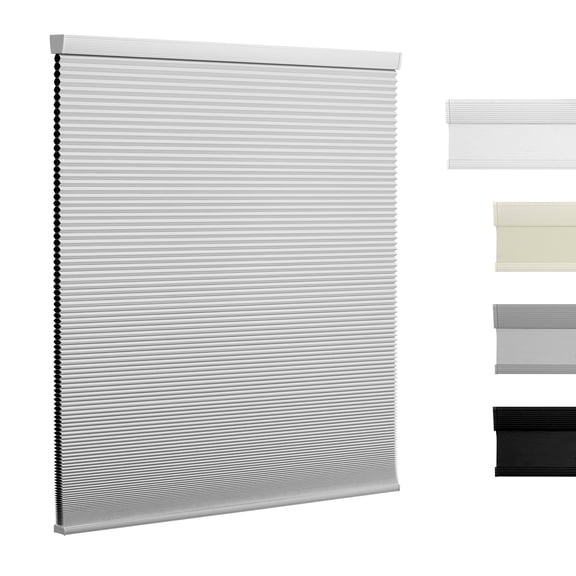
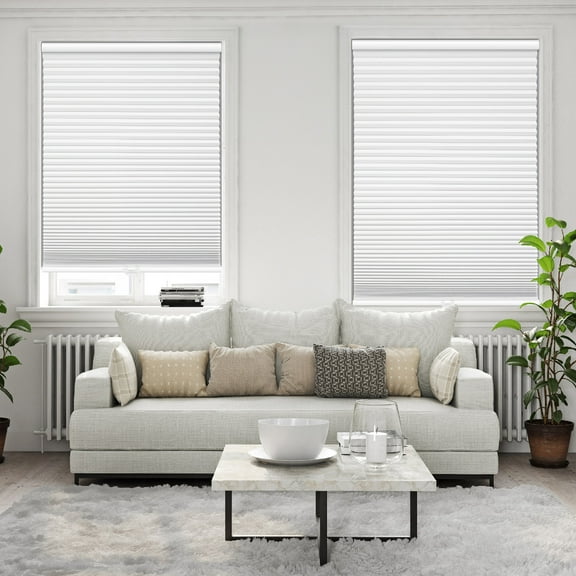
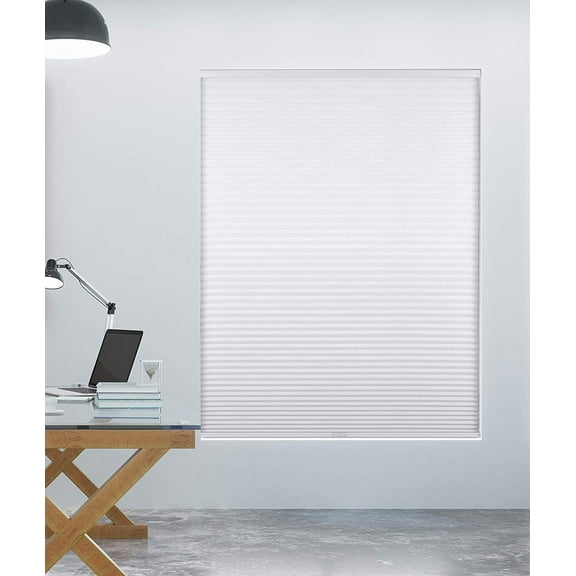
- You’ll like cellular shades when you want added insulation and a crisp shape.
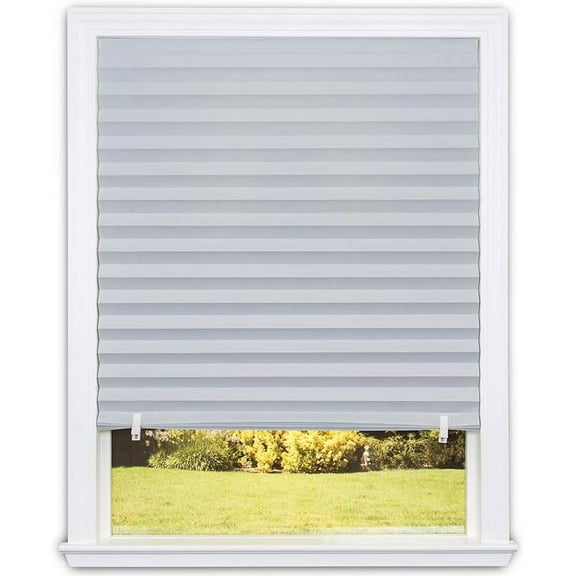
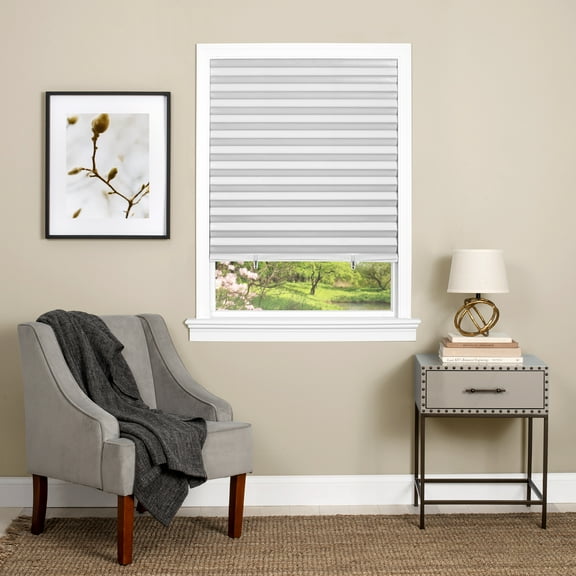
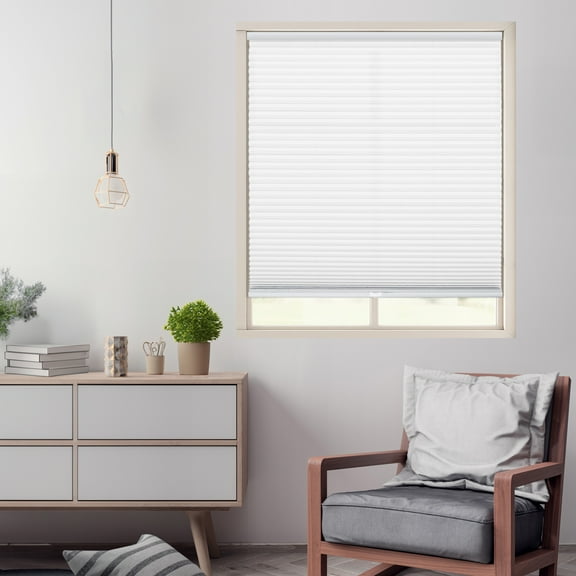
- You can use pleated shades when you want texture with a slim stack.
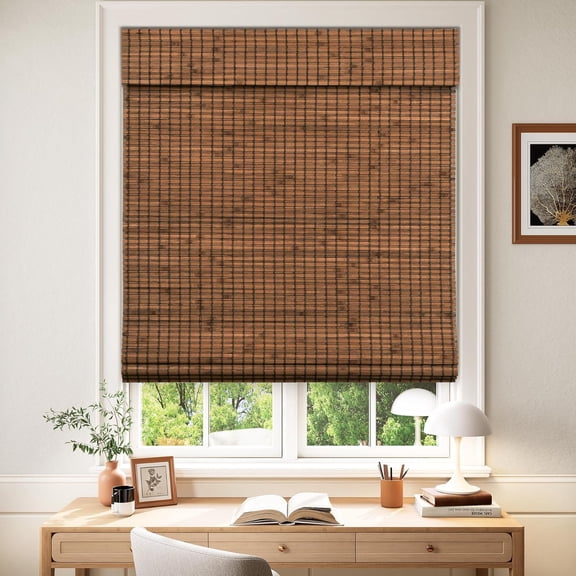
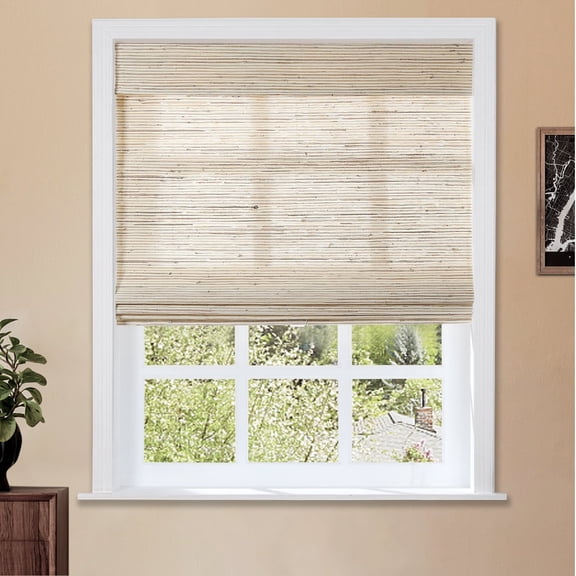
- You may pick bamboo shades when you want a natural woven look.
Comparing shade types and materials
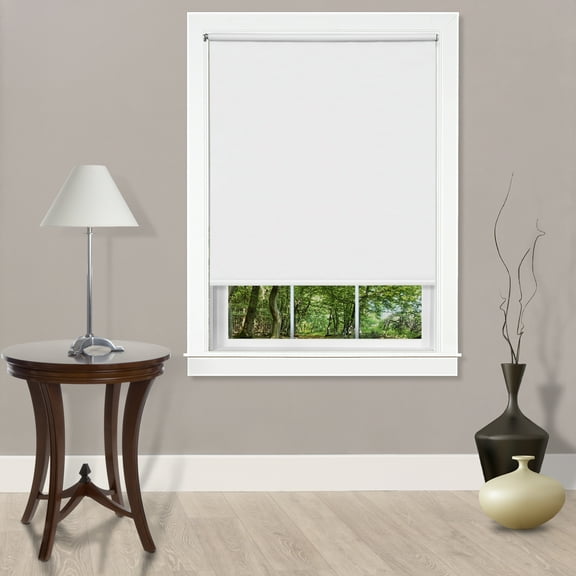
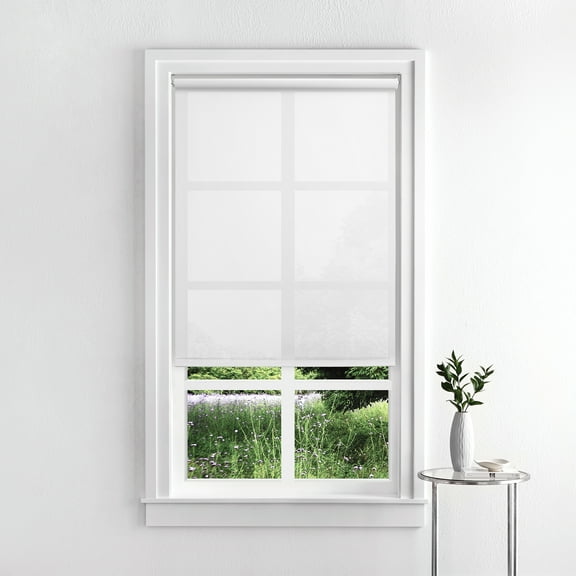
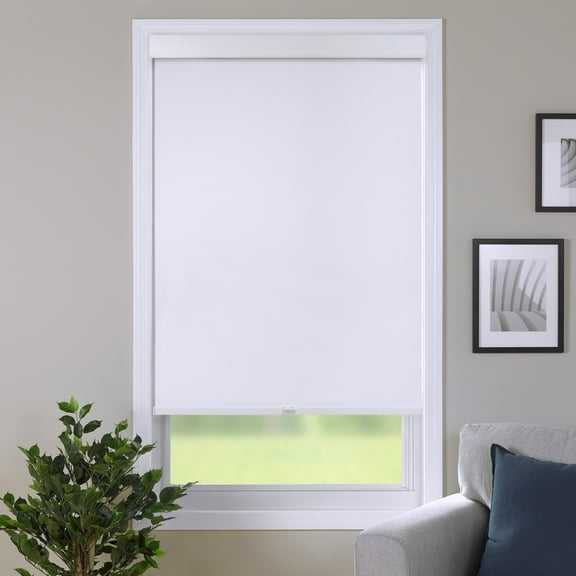
Roller shades give you a flat panel that rolls up neatly at the top. You’ll find they suit modern rooms, busy kitchens, and windows with limited depth.
Roman shades fold into soft sections, so you get more fabric presence. You may choose them when your bedroom, dining room, or office needs a warmer finish.
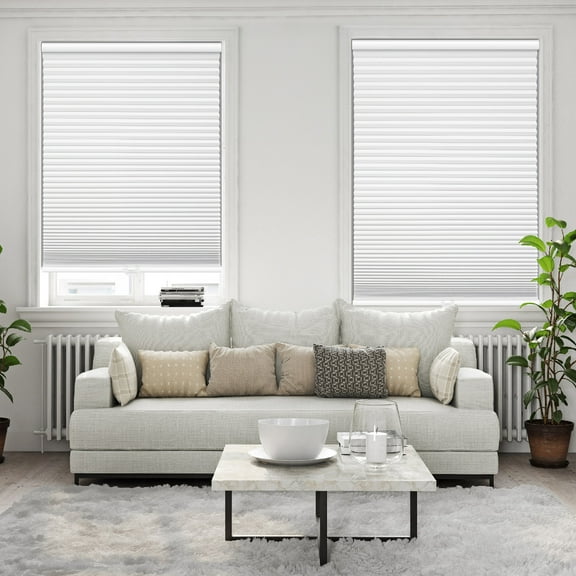
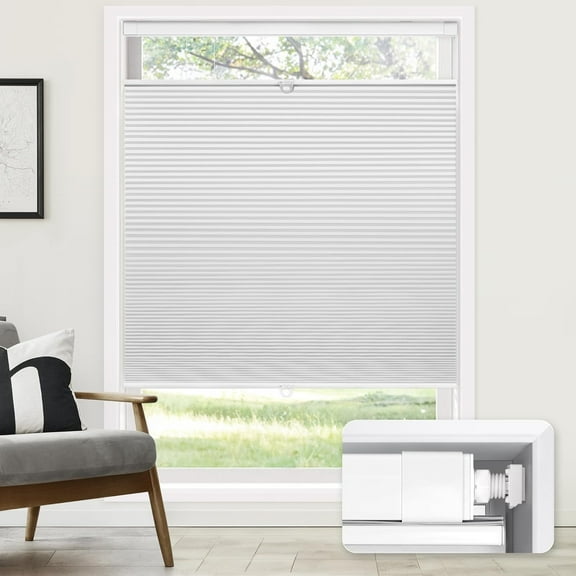
Cellular shades use honeycomb pockets that trap air within the design. You’ll often see higher R-value potential here, which means your window covering may insulate more effectively.
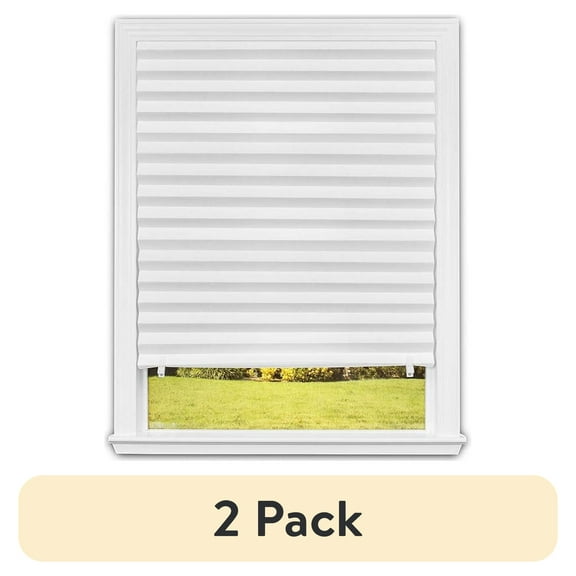
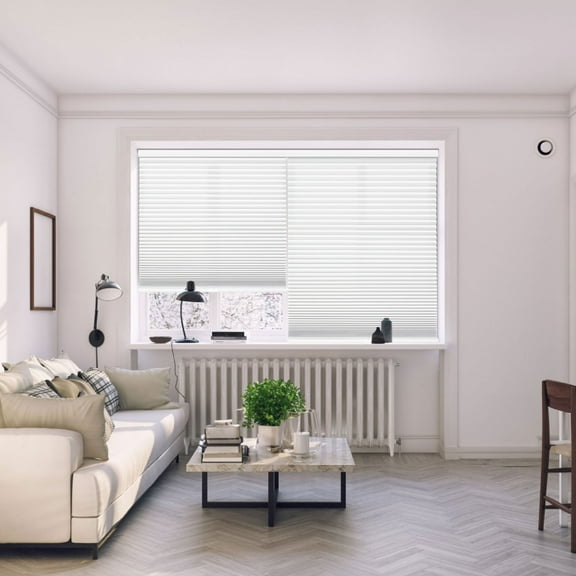
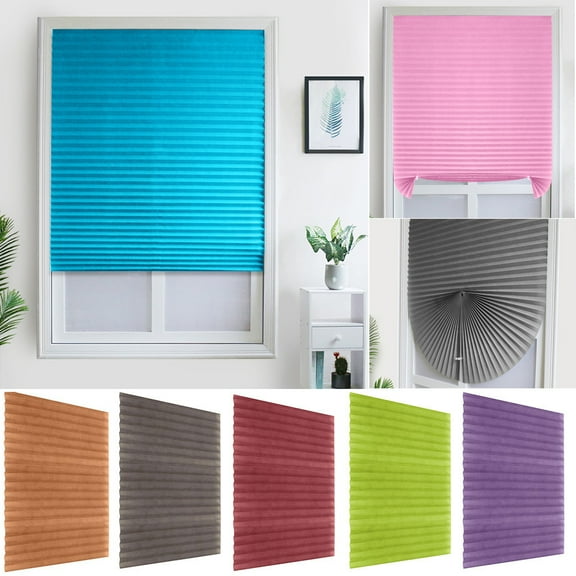
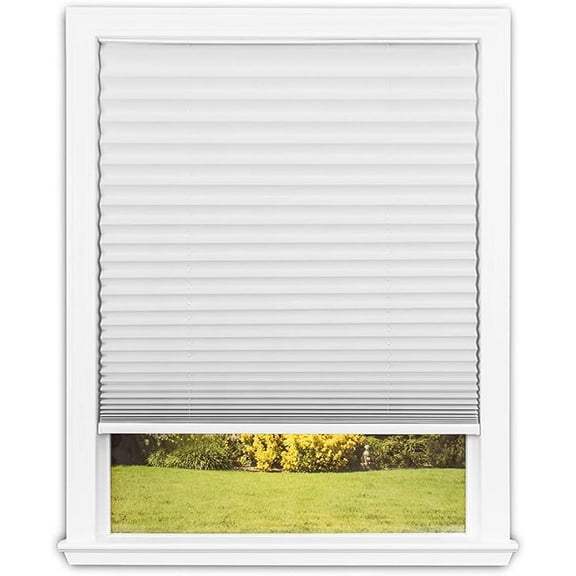
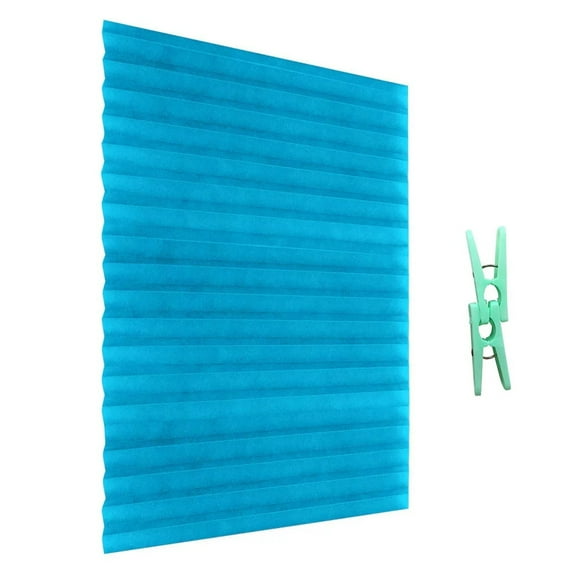
Pleated shades create crisp lines with a lighter profile than bulkier fabric styles. You can use them when you want texture without a heavy window treatment look.
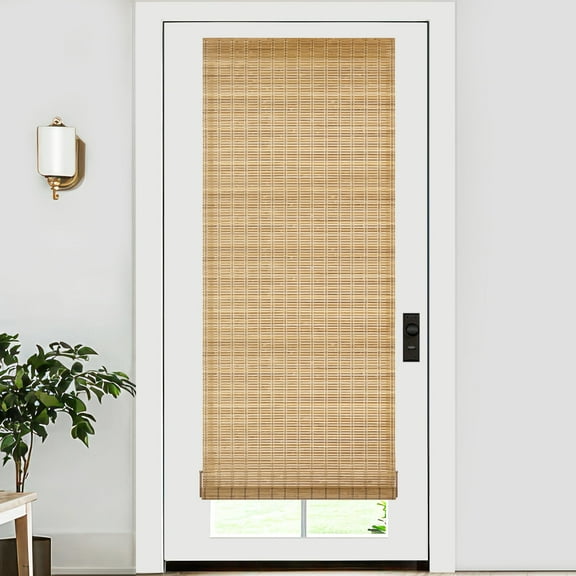
Bamboo shades bring woven variation that adds depth and an organic feel. You should expect filtered light with many natural weaves unless you add a liner.
Material also changes how your shades perform from room to room. You may prefer fabric for softness, vinyl for easy wipe-down care, bamboo for texture, or polyester for everyday versatility.
Deciding on light control and cordless window shades
You should match light control to the room instead of choosing one level everywhere. You’ll get very different results from blackout shades, room darkening options, light filtering styles, and sheer designs.
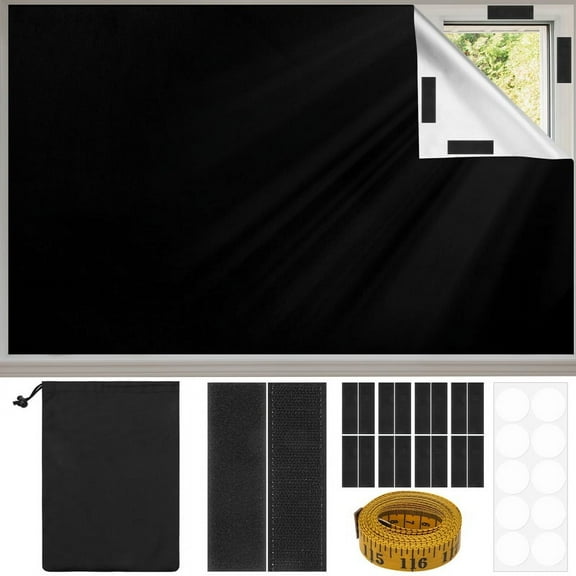
Blackout shades work well when you want very low light in bedrooms or media spaces. You may prefer room darkening styles when you want coverage without a fully sealed effect.
Light filtering shades let in a softer glow while helping you keep privacy. You can use sheer options when you want daylight to stay present during the day.
You should also compare control types before you decide on a final style. You can choose cordless window shades for a cleaner appearance, corded designs for familiar operation, or motorized options for added convenience.
With cordless shades, you raise or lower the shade without a hanging cord. You may like that streamlined look on family-room windows, nursery windows, or frequently used spaces.
Motorized shades can help you adjust tall windows or wide windows more easily. You’ll also appreciate them when your furniture placement makes manual access less convenient.
Using window shades in bedrooms, kitchens, and sunny rooms
You can use different combinations of features based on how each room works. You’ll get more satisfaction when your shade type matches your daily routine and light needs.
In bedrooms, you may want blackout shades or cellular shades for a calmer setup. You can pair outside mounts with blackout fabric when you want more edge coverage.
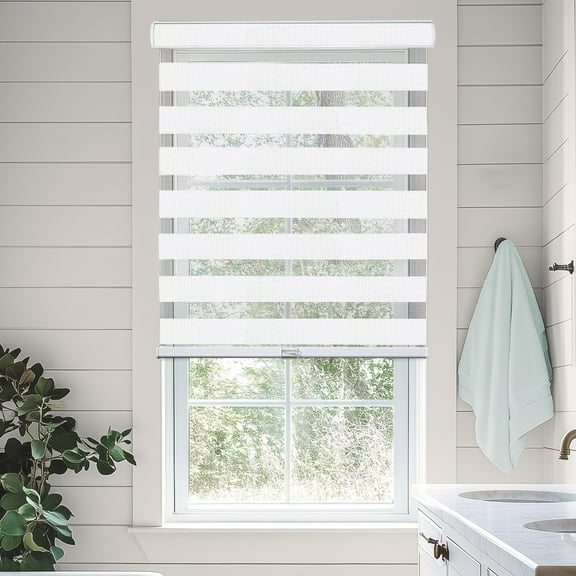
For kitchens or bathrooms, you might look at roller shades in vinyl or polyester. You’ll likely appreciate smoother surfaces that fit a simpler, easy-care routine.
In living rooms, roman shades can add softness without overwhelming the window. You may also use light filtering fabrics when you want daytime brightness with softer glare.
For sunny rooms, solar shades for windows can help you manage brightness and outdoor views together. You’ll often notice they reduce harsh glare while keeping a more open feel.
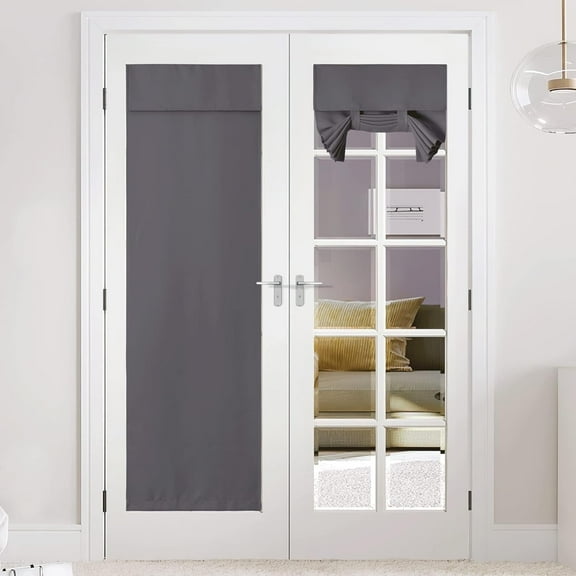
If you’re covering patio doors or extra-wide windows, you should check width ranges first. You can then compare roller or cellular styles that suit broader spans and repeated use.
You may also layer shades with curtains when you want more dimension or coverage. You’ll create a flexible setup that shifts from open daylight to added privacy more easily.
When you compare mount style, control type, light control, and material together, your choice becomes clearer. You’ll end up with window treatments that fit your room, your routine, and your preferred level of coverage.