

Porter-Cable in Shop By Pro Tools Brand














About Porter-Cable in Shop By Pro Tools Brand - Walmart.com
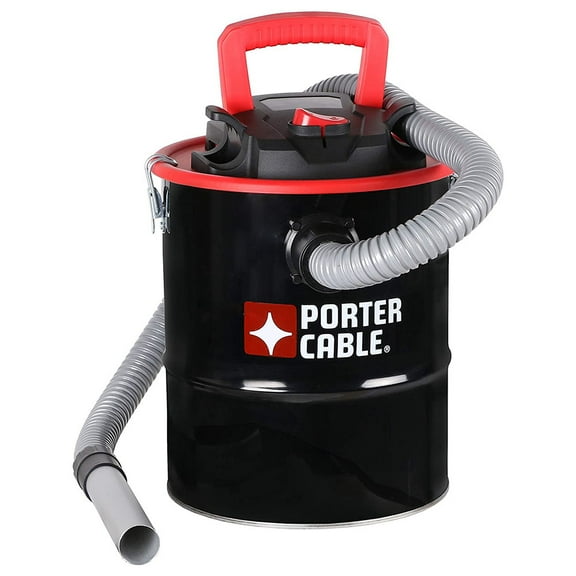
You can compare porter-cable tools at Walmart by tool type, power source, and battery platform before you choose gear for home projects or workshop tasks. You can also find category-specific options like 20V MAX compatibility, drills, sanders, compressors, saws, and oscillating tools in one place.
If you’re narrowing a busy project list, you can use this porter-cable page to match tools to the work you do frequently. You can focus on cordless flexibility, corded runtime, or replacement batteries and accessories that fit your current setup.
How to choose porter-cable tools by job type
You should start with tool type because each category supports a different task in your workspace. You can choose drills for fastening, sanders for surface prep, saws for cutting, compressors for air-powered setups, and oscillating tools for detail work.
When you compare a porter cable drill with a sander or saw, you can narrow your choice quickly. You can match the tool to your material, working pace, and the kind of finish you expect.
You can get practical benefits when you match the right tool type to your projects. You can notice these decision points matter during everyday use across rooms, surfaces, and materials.
- You can use drills for driving screws, drilling pilot holes, and assembling shelves, cabinets, or framing components.
- You can use sanders to smooth wood, prep painted surfaces, and refine edges before staining or finishing.
- You can use saws when you need repeated cuts in boards, trim, sheet goods, or renovation materials.
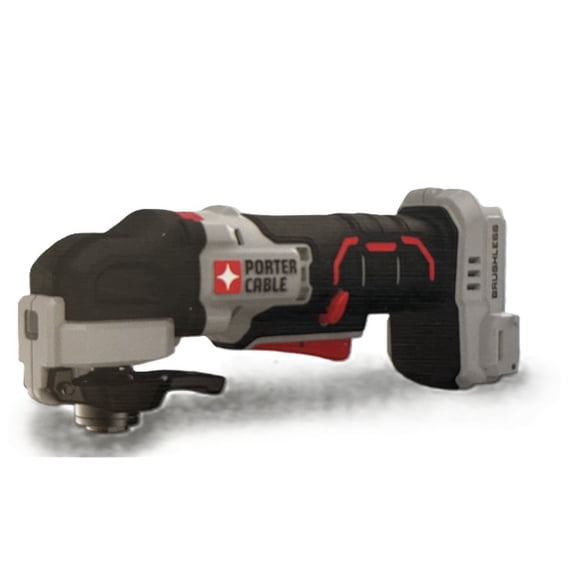
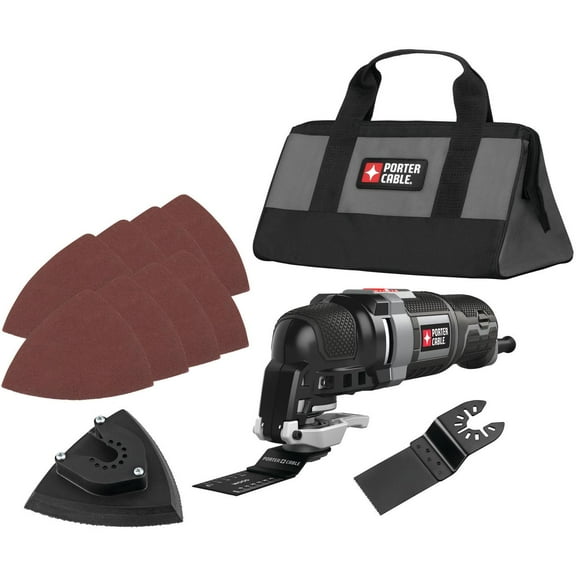
- You can use oscillating tools for flush cuts, scraping, grout removal, and tighter spaces around corners.
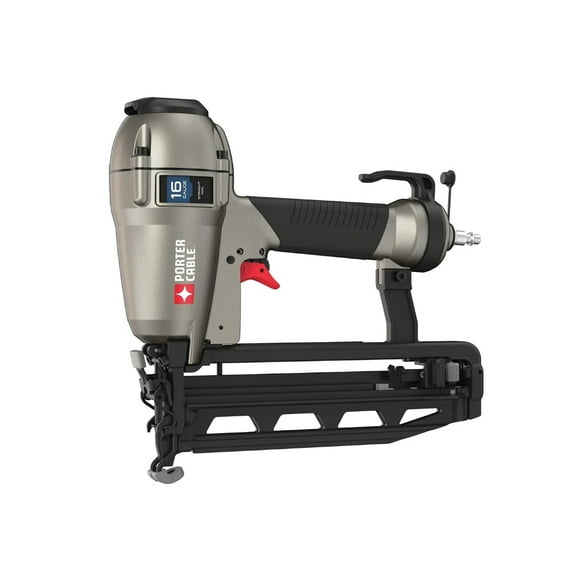
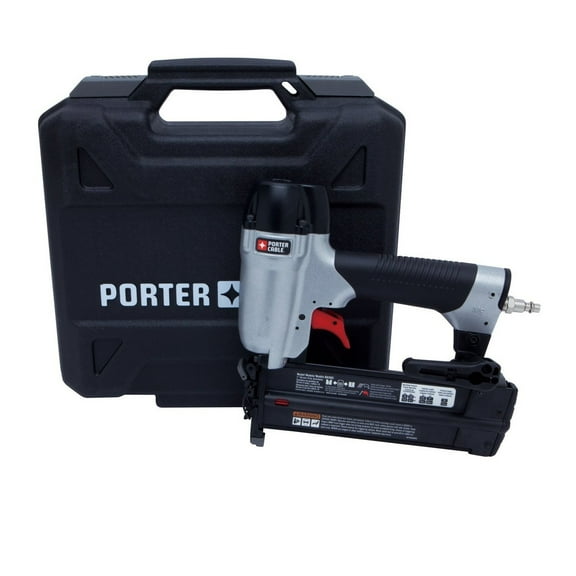
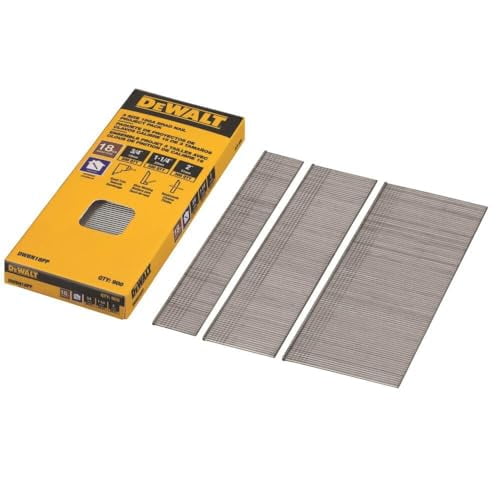
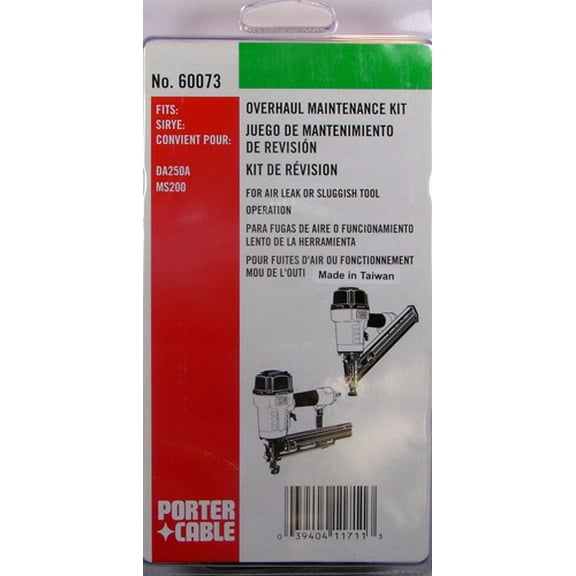
- You can use compressors when your setup includes nailers, inflation tasks, or air-powered shop tools.
You should also consider how often you switch tasks during a project. You can benefit from a brand page that lets you compare related categories without leaving the same shopping path.
Choosing porter-cable tools by power source and platform
You can often decide between cordless and corded models based on where and how you work. You can appreciate cordless tools when you move between rooms, ladders, garages, and outdoor spaces.
You may prefer corded tools when you want steady runtime for longer sanding or cutting sessions. You can avoid battery swaps during extended bench work or repetitive shop tasks.
You should check voltage platform next because compatibility affects convenience across your collection. You can confirm whether your tools use 20V MAX or 12V before adding a bare tool or backup battery.
If you already own 20V MAX equipment, you can keep your setup simpler by staying within that platform. You can spend less time sorting chargers and more time keeping your workflow consistent.
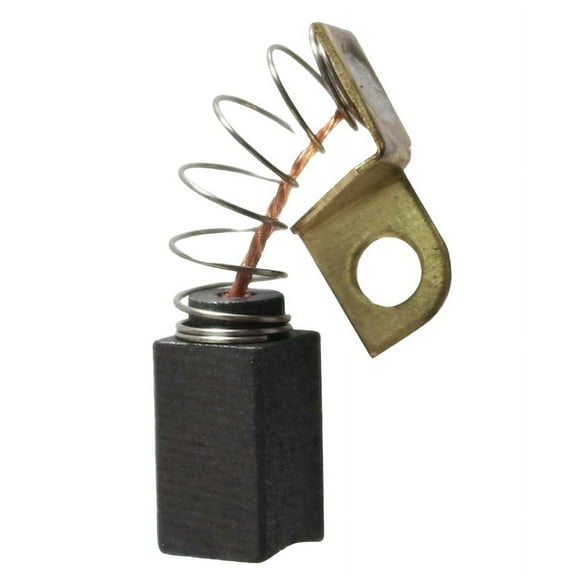
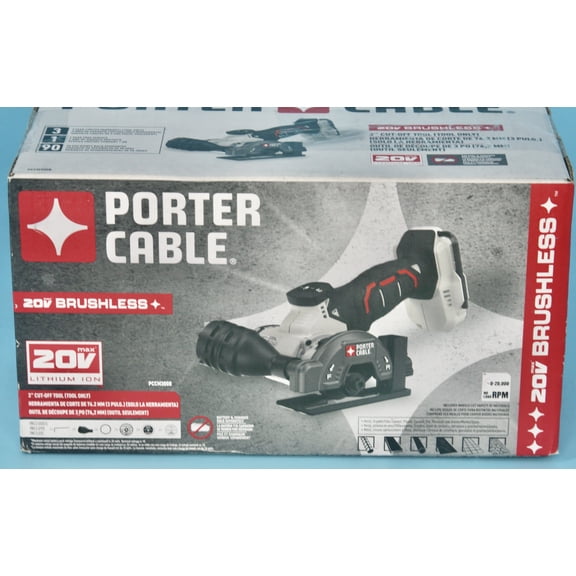
You can also compare brushless and brushed motor types when performance matters to your routine. You can usually notice brushless options run with less friction, while brushed designs may suit familiar replacement needs.
When you compare motor types, you should connect the term to real use. You can typically get longer runtime and less maintenance attention from brushless models during repeated drilling or cutting tasks.
You should also look at comfort details before you decide. You can notice weight, grip shape, and balance matter when you carry tools upstairs or hold them through longer passes.
Using porter-cable tools for DIY and workshop projects
You can build a highly useful setup when you pair tool choices with your actual project list. You may need different combinations for furniture assembly, trim updates, deck work, or garage organization.
If you handle weekend repairs, you can start with a porter cable drill and expand from there. You can cover fastening, pilot holes, and quick household installs before adding cutting or sanding tools.
For surface prep, you can pair sanders with projects like cabinet refreshes, table refinishing, or paint-ready trim. You can get a smoother workflow when your tool matches the finish you want.
If your projects include framing, boards, or repeated trim cuts, you can focus on saw options first. You can want enough power and a manageable form that fits your workspace and material size.
You can also use oscillating tools when you need access in tighter spots around floors, door frames, or fixtures. You can appreciate their control when larger saws feel awkward in compact areas.
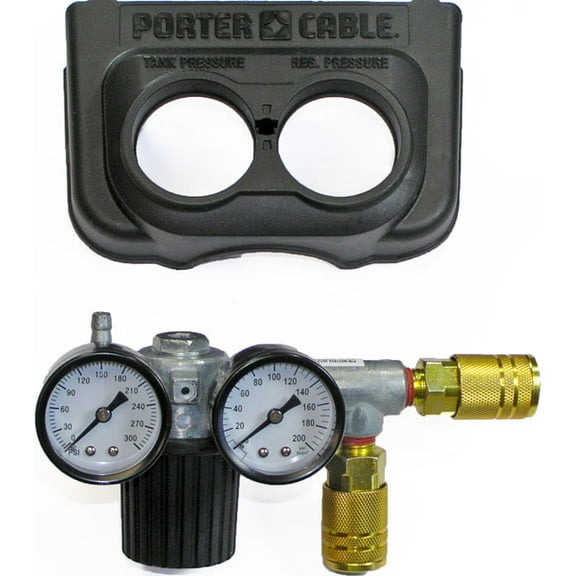
When your setup includes nailers or air accessories, you can compare compressors by capacity and portability. You can want a model that fits your space without crowding your garage or workshop.
You should think about platform growth if you plan to add tools over time. This can make future replacements simpler when your batteries, chargers, and bare tools stay aligned.
What to look for when buying porter-cable at Walmart
You can use this porter-cable assortment to compare drills, sanders, compressors, saws, and accessories in one shopping destination. You can also review corded and cordless formats without switching between unrelated brand pages.
If you’ve searched who sells porter cable, you can use Walmart to find tools, batteries, and related equipment together. You can have a simpler time checking compatibility details, intended use, and format before you choose.
You should read each listing for battery inclusion, charger inclusion, and whether you’re buying a bare tool or complete kit. You can avoid mismatched expectations when you confirm exactly what comes in the box.
You can also compare size, grip style, and included accessories to match your workspace. You can make a highly informed choice when you measure your storage area and project demands first.
With porter-cable options organized around real tool decisions, you can choose equipment that fits your platform, your projects, and your working style. You can finish with a highly consistent setup from the first battery charge to the final cut.