

Plumbing in Home Improvement
































About Plumbing in Home Improvement - Walmart.com
Plumbing supplies help you handle leaks, upgrades, and planned repairs with parts that match your pipes, fixtures, and connection type. You can compare materials, sizes, and installation methods, so your project stays aligned with your home’s plumbing setup.
How to choose plumbing supplies for your project
When you compare plumbing parts, you’ll want to start with compatibility before you choose any finish or material. You should check thread size, pipe diameter, and schedule rating, because small differences can change how your connection fits.
If your line carries drinking water, you should also check whether your part lists NSF or ANSI lead-free standards. You can use that detail to narrow options for water supply lines, shutoff updates, and fixture connections.
Your project type also shapes which part category makes sense. You may need pipe fittings for direction changes, plumbing valves for flow control, or plumbing connectors for transitions between materials.
Choosing material and application type
Material affects where and how you use each part. You’ll often compare brass, copper, PVC, stainless steel, and PEX based on moisture exposure, pressure needs, and installation style.
Brass works well when you want sturdy threads and common fixture connections in kitchens and bathrooms. Copper can suit water supply lines when you’re matching existing metal pipe and planned soldered joints.
PVC often fits drain, waste, vent, and many sewer applications where solvent weld connections are common. PEX can help you route water lines through tight spaces, because you can bend it around framing changes.
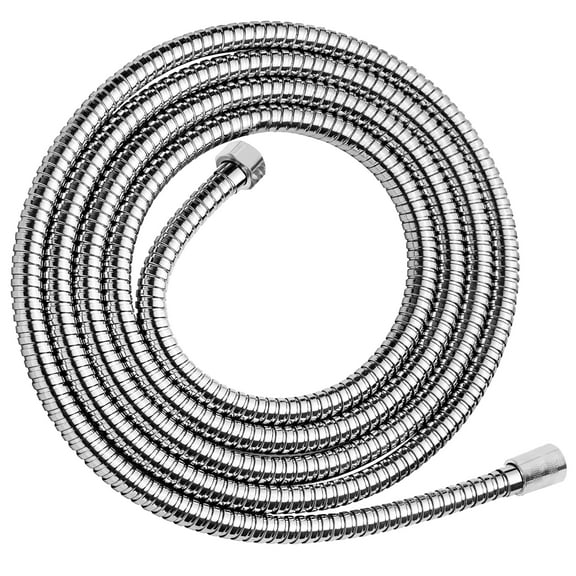
Stainless steel can make sense when you want corrosion-resistant replacement plumbing hoses or braided supply lines. For outdoor faucet parts, you should check weather exposure, valve style, and the exact hose or spout connection.
Key differences in connection type and installation
Connection type changes how quickly you can install a part and what tools you’ll need. You should compare threaded, push-to-connect, compression, soldered, and solvent weld options before you start.
Threaded parts can help you replace many valves, adapters, and fixture connections with familiar hand tools. You’ll want to confirm thread type and size, so your connection seals correctly without guesswork.
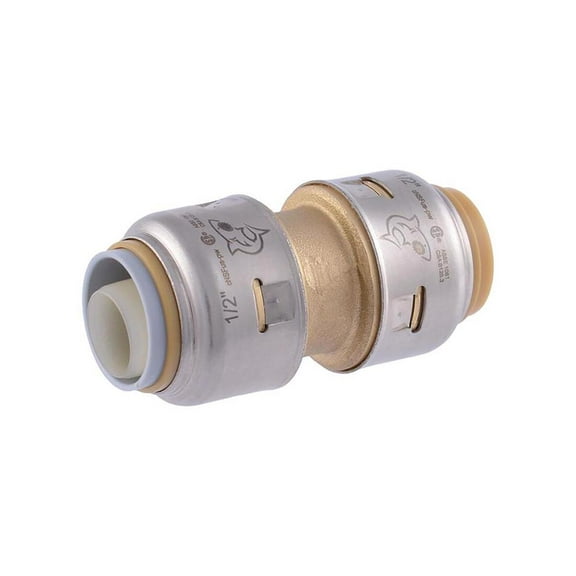
Push-to-connect fittings can simplify updates when you want a tool-light option for certain pipe materials. You should still confirm pipe compatibility and diameter, because that fit matters as much as convenience.
Compression connections can work well under sinks and behind toilets where you need a clean, serviceable joint. Soldered copper connections may suit permanent metal runs, while solvent weld joints match many PVC plumbing pipes.
- You can use valves to control water flow at fixtures, appliances, and branch lines.
- You can use adapters to transition between materials, diameters, or connection styles.
- You can use gaskets to support a tighter seal in many faucet, drain, and toilet connections.
- You can use hoses for supply hookups where flexibility matters behind appliances or sinks.
What to look for in plumbing parts and pressure rating
Part type and pressure rating should match the job, not just the opening in front of you. You’ll want low pressure, standard residential, or high pressure schedule 80 parts based on line demand.
For water supply projects, you should look closely at pressure rating, diameter, and whether the part supports your pipe material. For drainage or sewer work, you’ll usually focus on slope-friendly fittings, solvent weld compatibility, and pipe size.
When you compare plumbing valves and fittings, you should think about access after installation. A shutoff valve under a sink, for example, should fit the line size and leave room for future replacement.
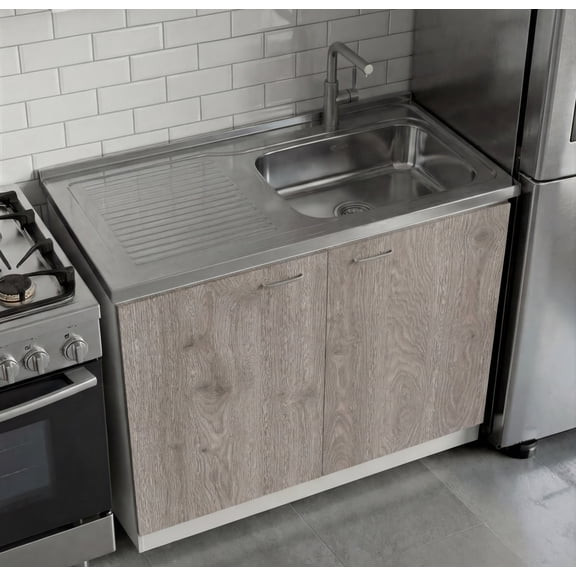
Kitchen sink plumbing parts often require careful matching between trap pieces, adapters, supply hoses, and shutoff connections. Bathroom repairs may call for compact valves, flange parts, or fittings that work in tighter spaces.
Matching plumbing supplies to real home repairs
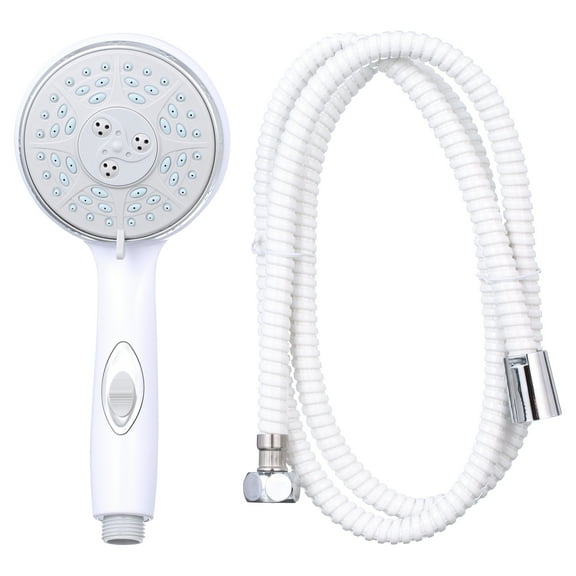
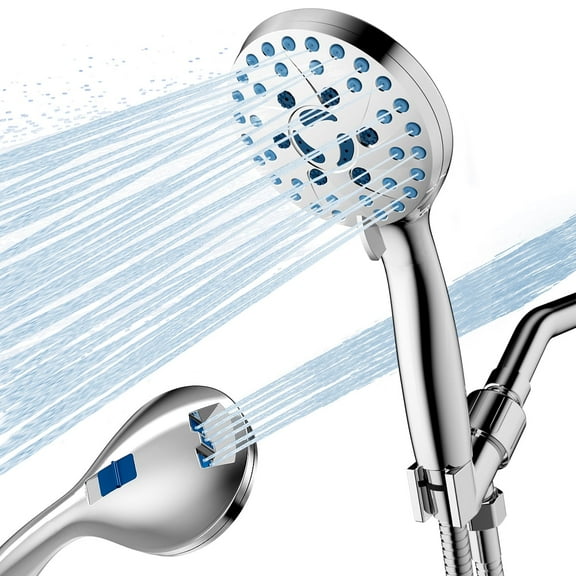
You can narrow your options faster when you match each dimension to the repair you’re planning. A bathroom faucet update may need brass adapters, compression valves, and replacement plumbing hoses with the right thread size.
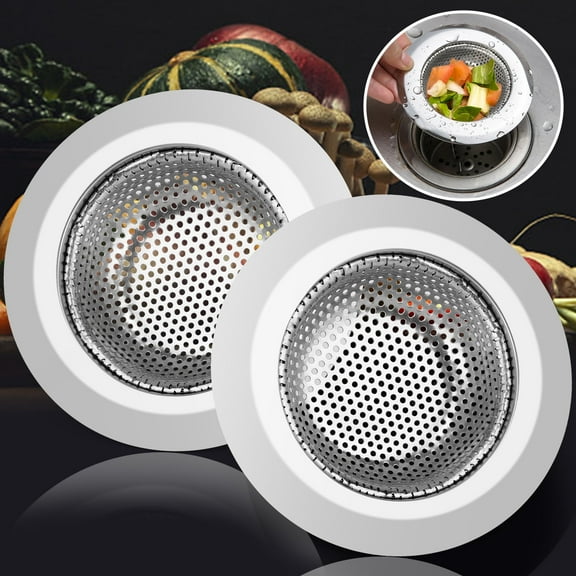
For a kitchen sink refresh, you might compare stainless steel braided hoses, threaded shutoff valves, and drain fittings sized for your trap assembly. You should measure existing openings first, because even common sink parts vary.
If you’re extending a water supply line, you may look at PEX runs with push-to-connect fittings for simpler routing. If you’re repairing an older copper section, you might prefer copper-compatible connections that fit your current layout.
Outdoor faucet parts often need careful matching for thread size, valve style, and exposure to changing weather. Sewer and drain projects usually call for PVC components, solvent weld joints, and fittings shaped for turns and branch lines.
When you choose plumbing supplies with the right material, application, connection type, and pressure rating, you reduce installation guesswork. You’ll finish with parts that fit your system and support a cleaner, more predictable repair.