

Outlets by Location in Outlets


























About Outlets by Location in Outlets - Walmart.com
Electrical outlets help you match power access to each room, surface, and exposure level in your home. You can compare indoor, outdoor, and wet-location options more clearly when you shop by installation location.
You may need different outlet types for a bathroom vanity, a covered patio, or a kitchen backsplash. You can get a cleaner fit when you compare code-focused details like GFCI protection, amperage, and mounting style.
How to choose electrical outlets by location
You should start with the space where you install your outlet. Your indoor outlets for dry rooms differ from outdoor electrical outlets and options made for wet locations.
In living rooms and bedrooms, you may focus on everyday wall outlets, USB access, and a neat finish. In patios, garages, and exterior walls, you should look for weather-resistant designs and weatherproof outlet covers.
Bathrooms, laundry areas, kitchens, and other splash-prone spaces often call for GFCI outlets. You can use that protection-focused design where local code requires a shutoff response around moisture exposure.
- You can choose indoor outlets for dry rooms and standard daily use.
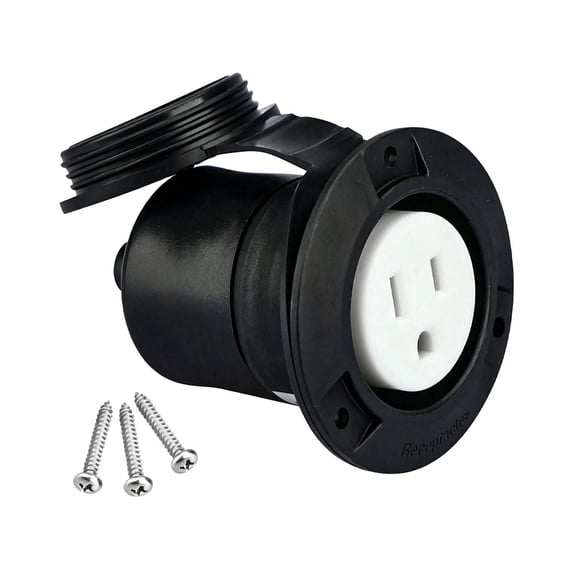
- You can choose outdoor electrical outlets for patios, porches, and exposed exterior walls.
- You can choose GFCI outlets for wet locations like bathrooms, kitchens, and utility areas.
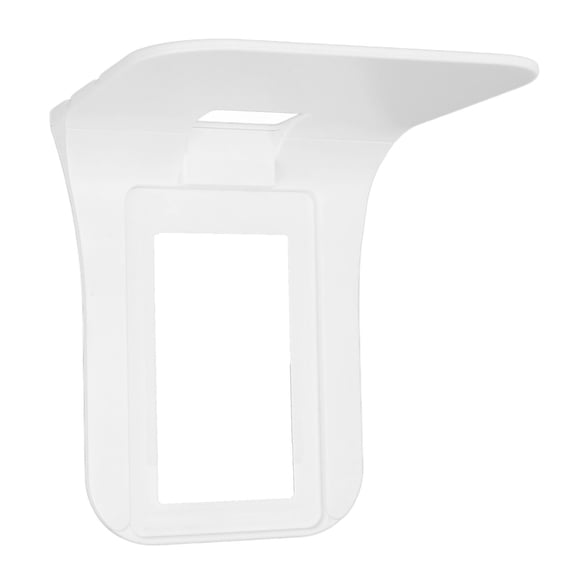
- You can add weatherproof outlet covers where your outlet faces rain, sprinklers, or damp air.
Choosing outlet type for your room
You should compare outlet type based on what you plug in and where you install it. Your options may include standard duplex styles, GFCI outlets, AFCI designs, USB wall outlets, and pop up outlets.
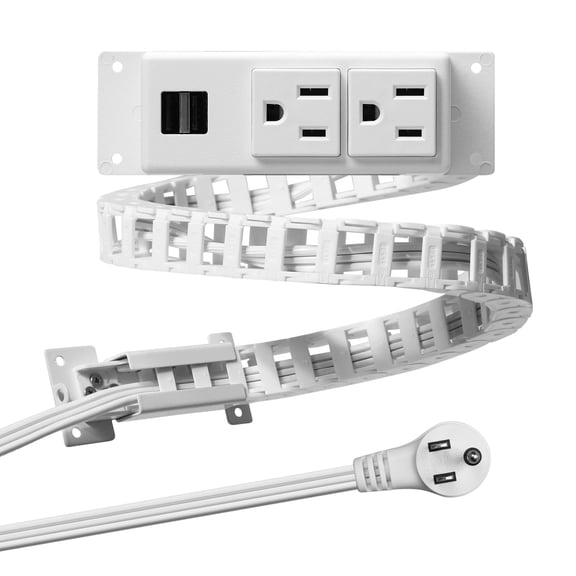
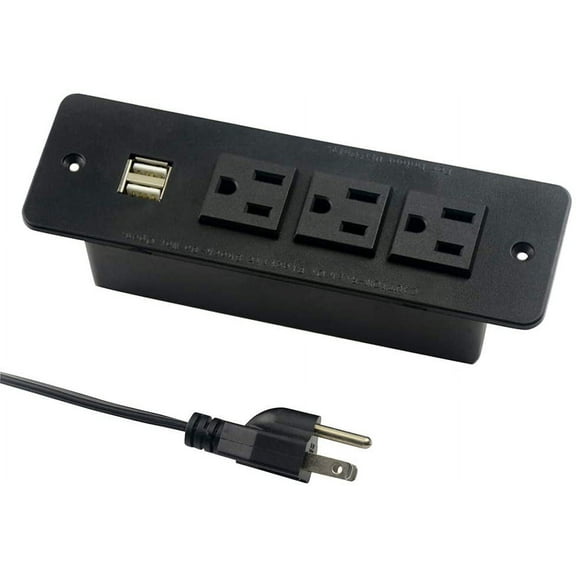
If you want a familiar setup for lamps, chargers, and small electronics, you may prefer standard duplex wall outlets. If you need charging access at a desk or nightstand, you can look for USB ports built into the receptacle.
You may also compare AFCI options when your project needs arc-fault protection in specific living spaces. You should check your project requirements carefully so your outlet type matches your room and wiring plan.
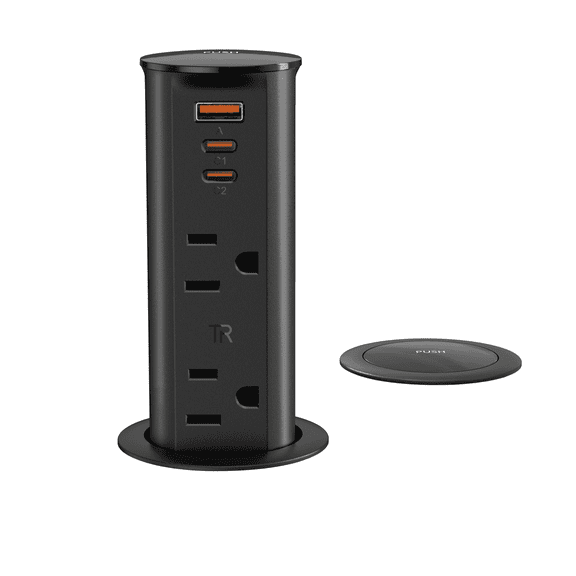
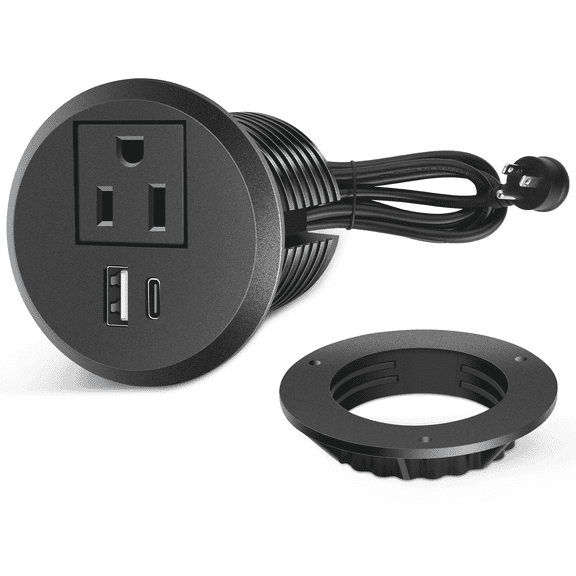
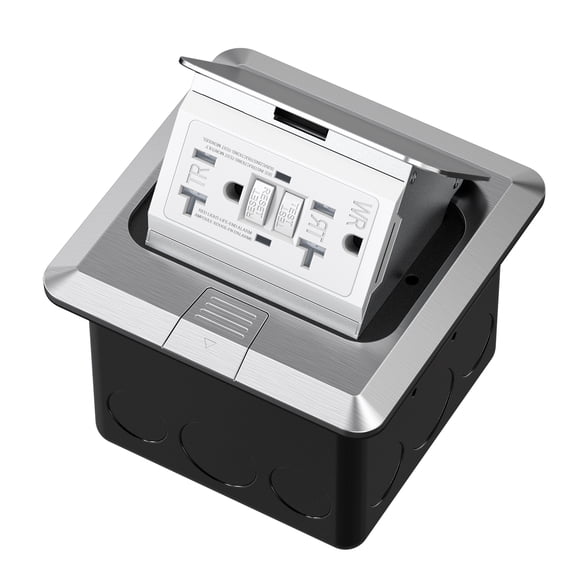
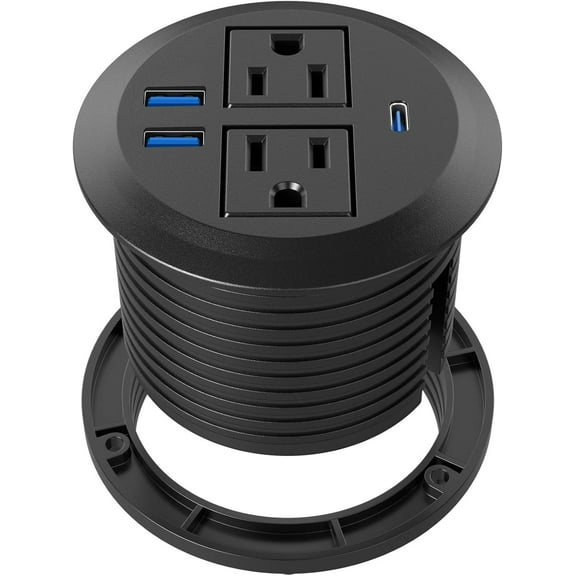
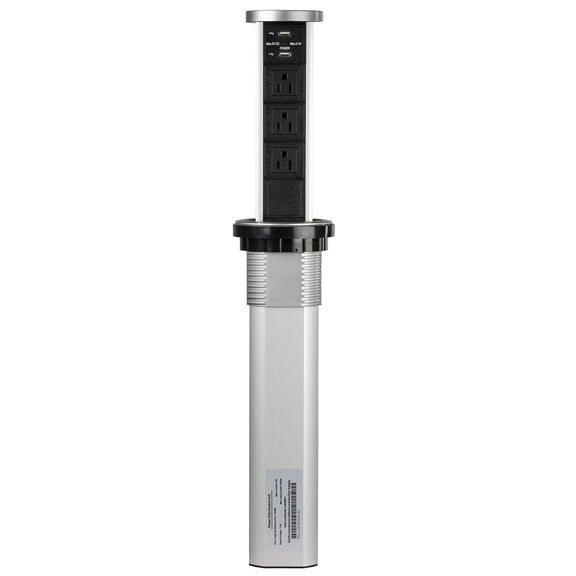
For kitchen islands, desks, or counters, pop up outlets can give you power without a permanent wall location. You can close them when not in use, which helps your surface look less cluttered.
Comparing amperage and electrical load
You should match amperage to the tools, appliances, or circuits in your space. Your common choices include 15 Amp, 20 Amp, and 30 Amp configurations, depending on your setup.
For many bedrooms, offices, and living areas, a 15 Amp outlet may fit your general household devices. For heavier-use spaces, you may need a 20 amp electrical outlet to match the circuit and plug shape.
You should check whether your existing circuit, breaker, and connected equipment call for a specific rating. You can avoid fit issues when you confirm amperage before replacing wall outlets in a workshop, kitchen, or utility area.
If you’re updating a dedicated appliance area, you may also see 30 Amp options for select equipment needs. You should compare the receptacle pattern carefully so your outlet matches the intended connection.
Checking mounting style and installation fit
You should measure your space before choosing wall mount, recessed, floor, or pop-up styles. Your install can feel simpler when the outlet shape matches your box, surface, and cable path.
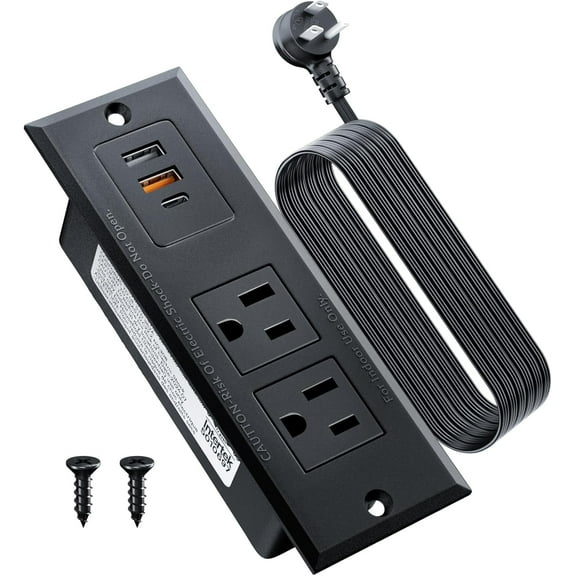
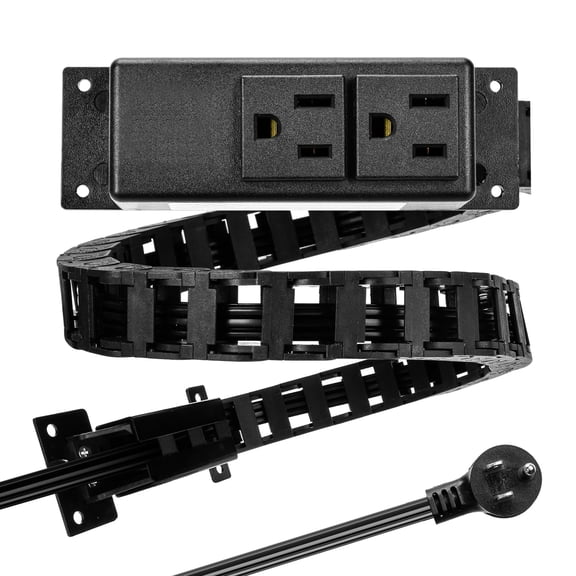
Wall mount outlets work for many standard replacement projects and everyday room updates. Recessed designs can help your furniture sit closer to the wall when you want a flatter profile.
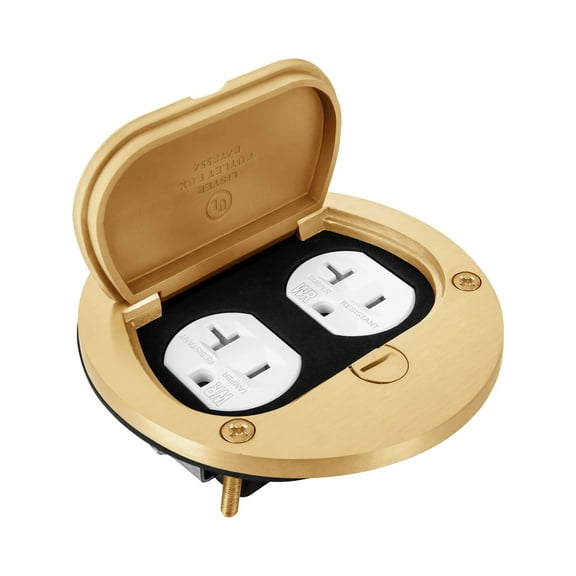
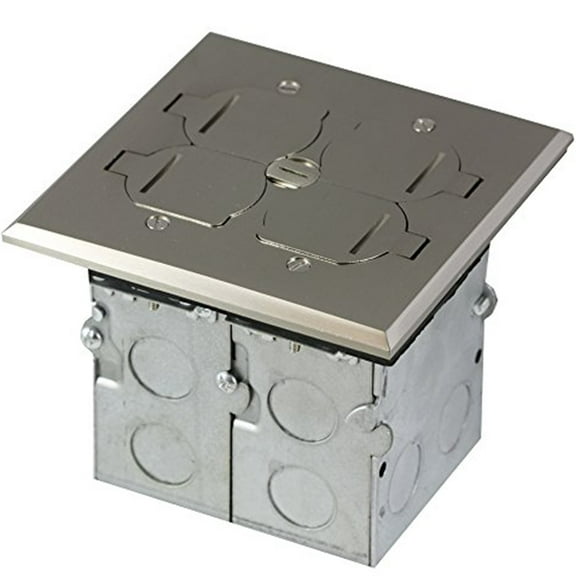
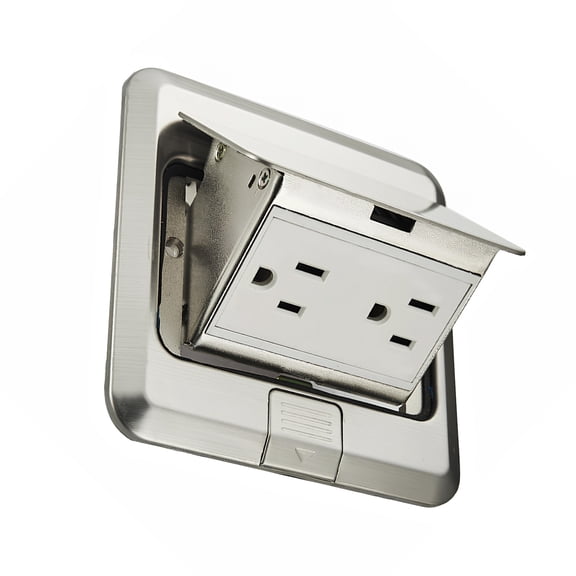
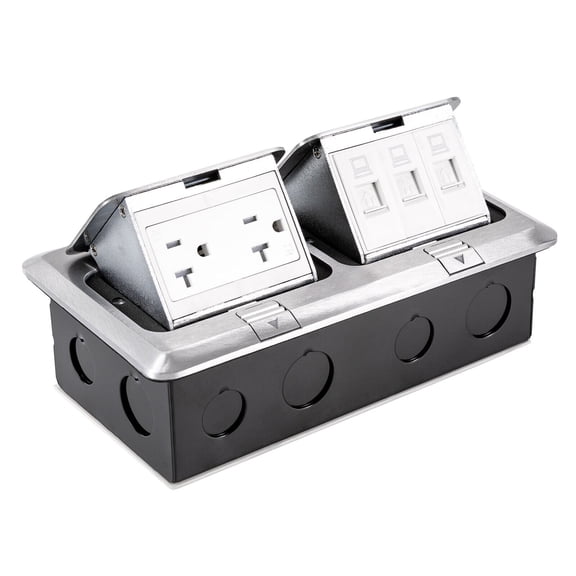
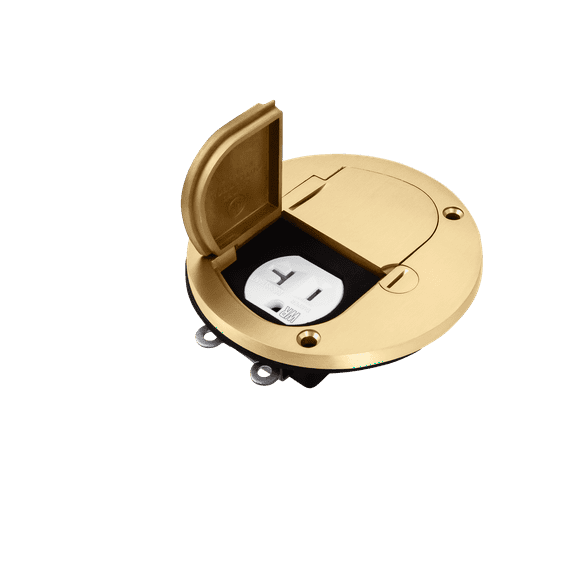
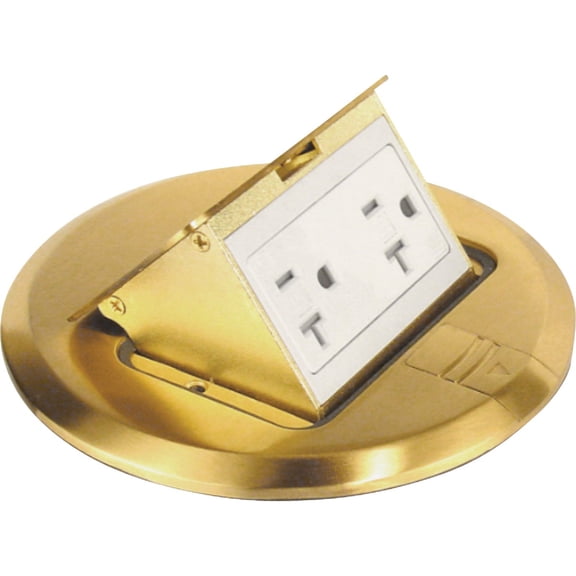
Floor outlets can bring power to open areas where walls aren’t nearby, such as seating zones or conference-style spaces. Pop-up styles can work well when you want hidden access on counters or work surfaces.
You should also check plate compatibility, box depth, and room around the wiring. You can make installation planning easier when you compare these details before choosing your outlet.
Using outdoor electrical outlets and GFCI outlets
You can use outdoor electrical outlets for holiday lighting, landscape tools, patio speakers, or other exterior connections. You should pair exposed installations with weatherproof outlet covers when the area sees rain or damp air.
For bathrooms, kitchens, garages, laundry rooms, and covered outdoor areas, GFCI outlets can support code-minded planning. You should look for weather-resistant ratings and reset-test access where moisture exposure is part of daily use.
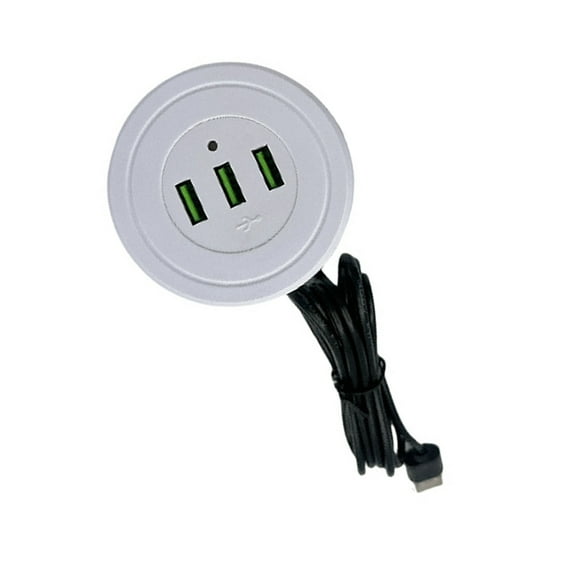
If you’re updating a family room or home office, USB wall outlets can reduce charger clutter around desks and side tables. You can keep phones, tablets, and small devices powered without using a bulky adapter.
For seasonal decorating, you may also compare an outdoor outlet timer with your exterior setup. You can create a more organized lighting routine when your outlet plan supports patios, walkways, and entry areas.
You can make a stronger choice when your electrical outlets match location, outlet type, amperage, and mounting needs. You can finish your project with a cleaner fit, easier access, and outlet performance that suits each space.