

Microphones in Musical Instruments
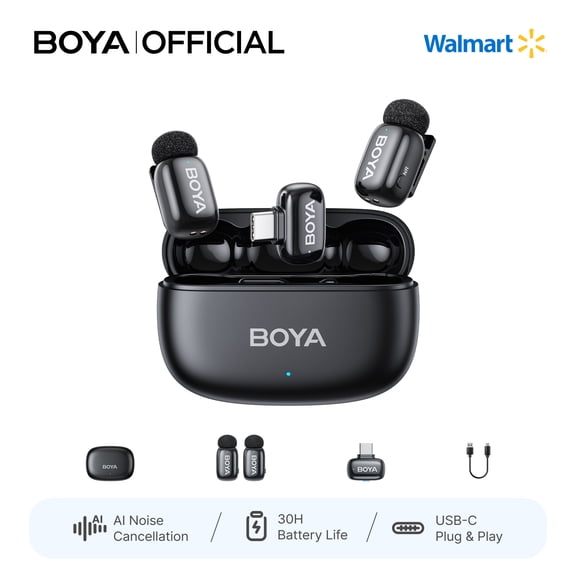


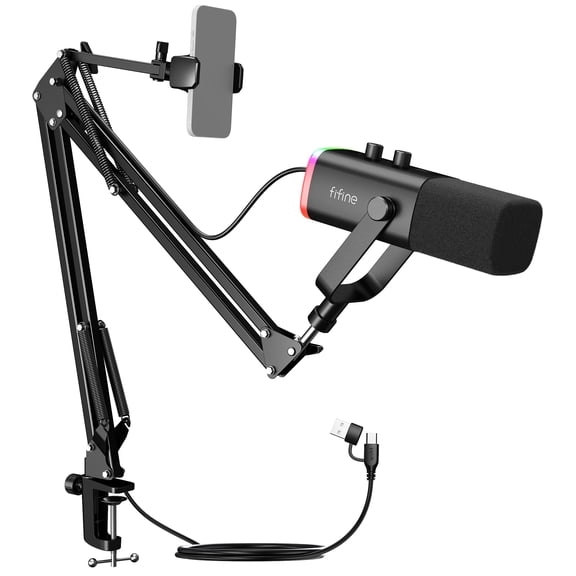
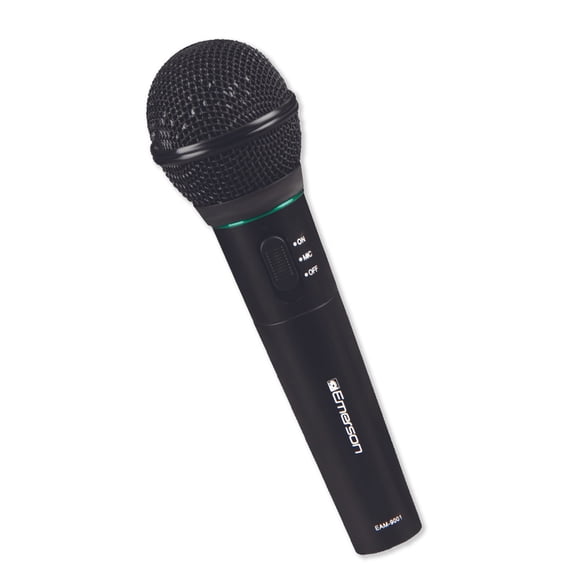
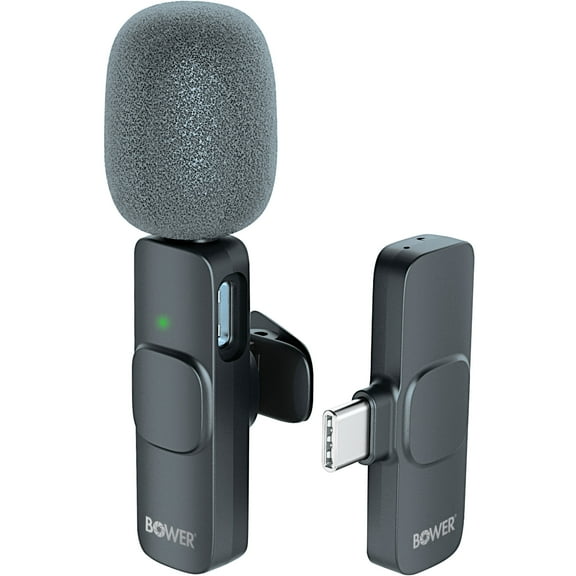

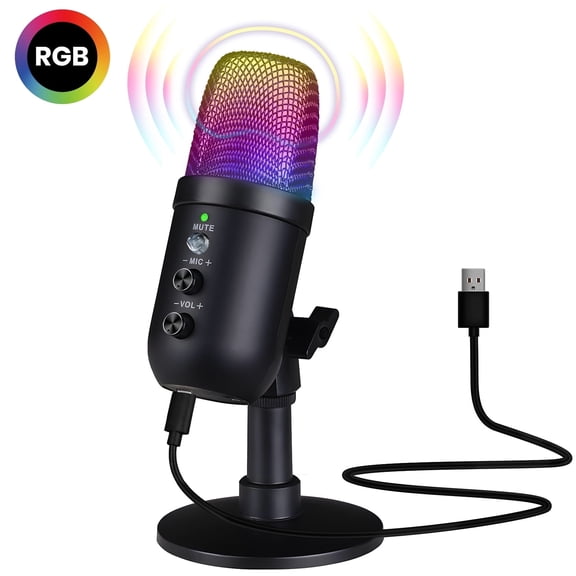
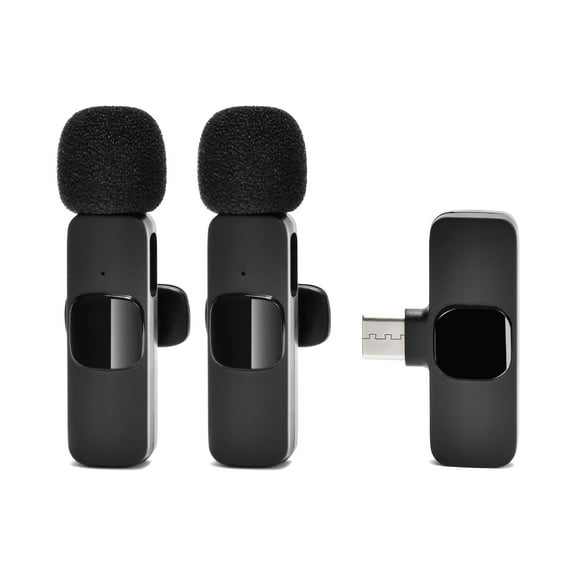
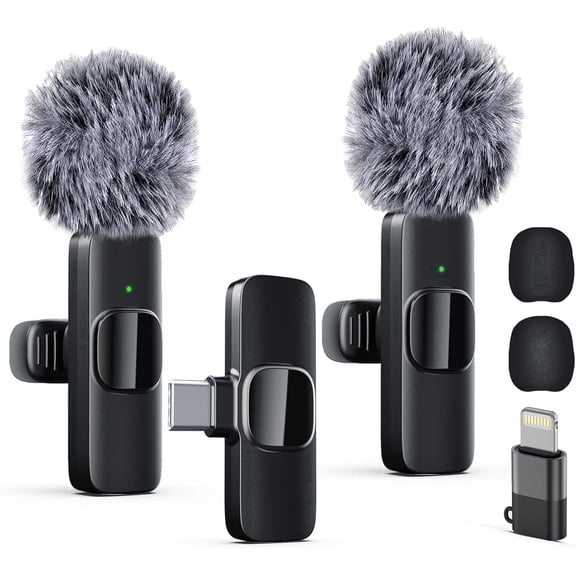
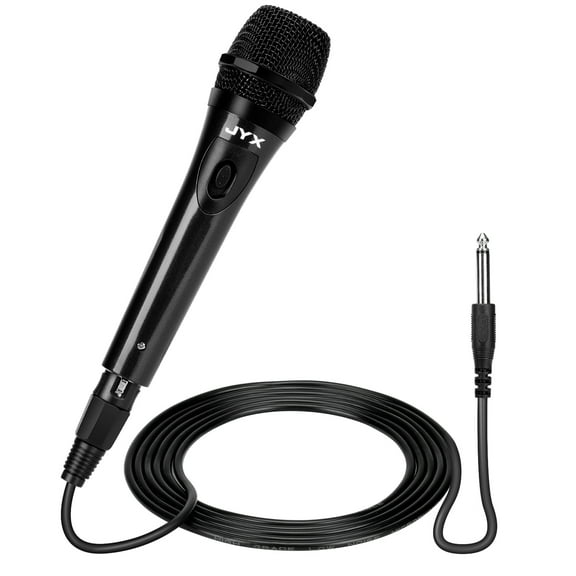





















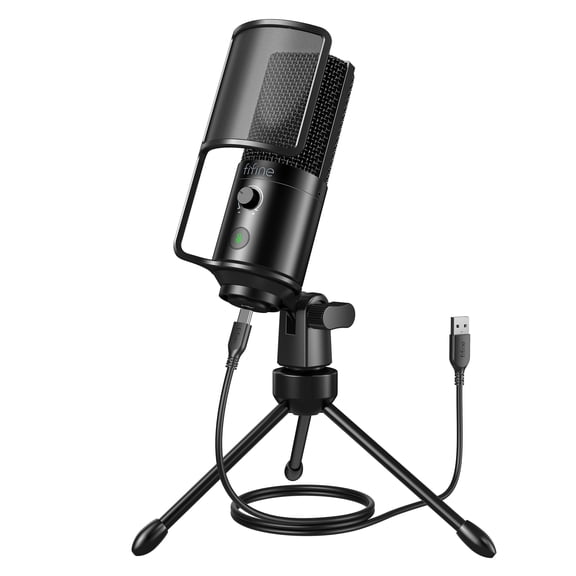


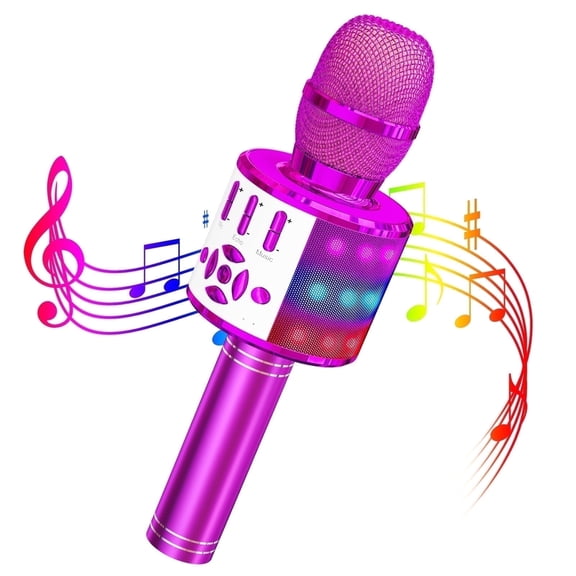


About Microphones in Musical Instruments - Walmart.com
You can compare microphones more clearly when you shop by connection, pickup style, and recording setup. You’ll find options for streaming, vocals, meetings, and stage use in one category.
When you narrow your choices by how you’ll connect and where you’ll record, you avoid mismatched gear. You’ll also spot whether you need a handheld mic, a desktop model, or a lapel microphone.
How to choose microphones by connection type
You should start with connection type because it shapes setup time and device compatibility. You’ll usually choose between USB, XLR, wireless, and Bluetooth models.
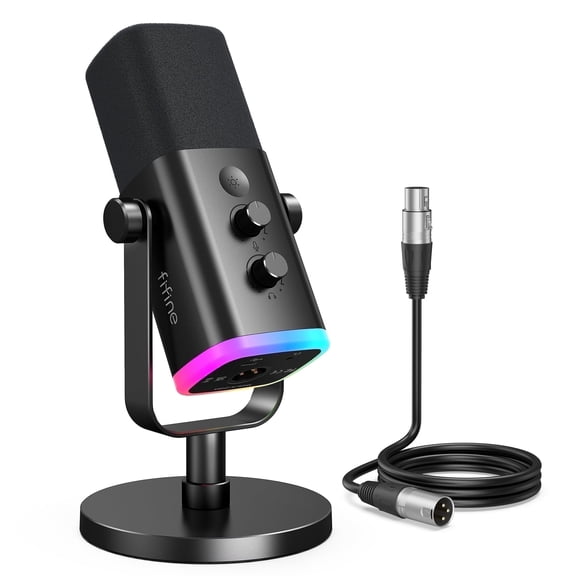
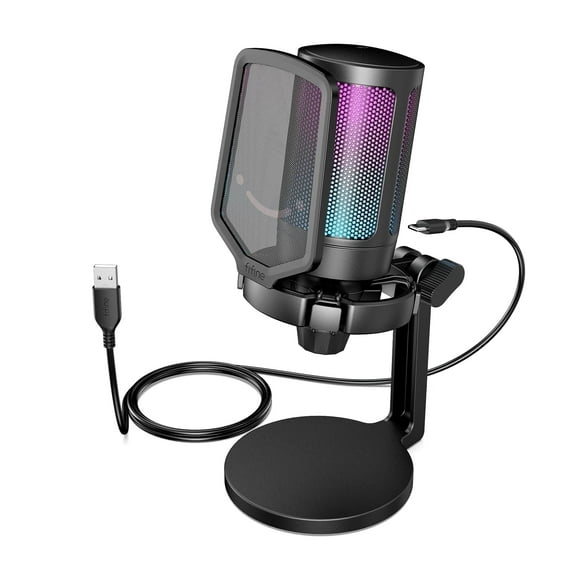
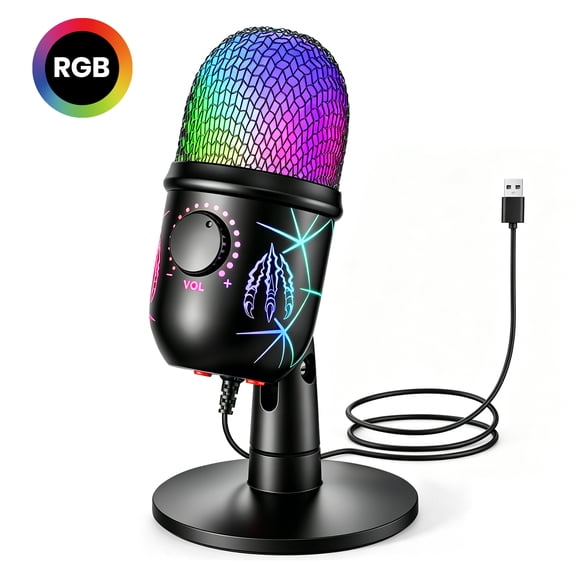
If you want simple setup, you may prefer usb microphones that plug into many computers directly. If you want mixers or audio interfaces, you may lean toward XLR for a more expandable setup.
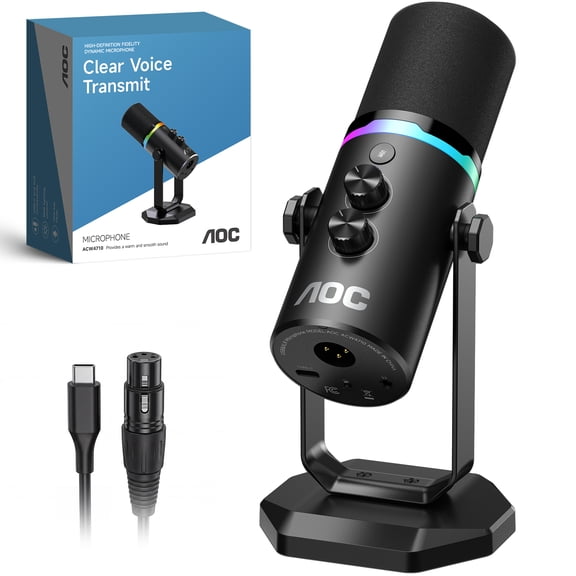
You should check whether your recording microphone needs extra gear before you finalize your choice. If you choose XLR, you may need an interface, cable, and sometimes 48V phantom power.
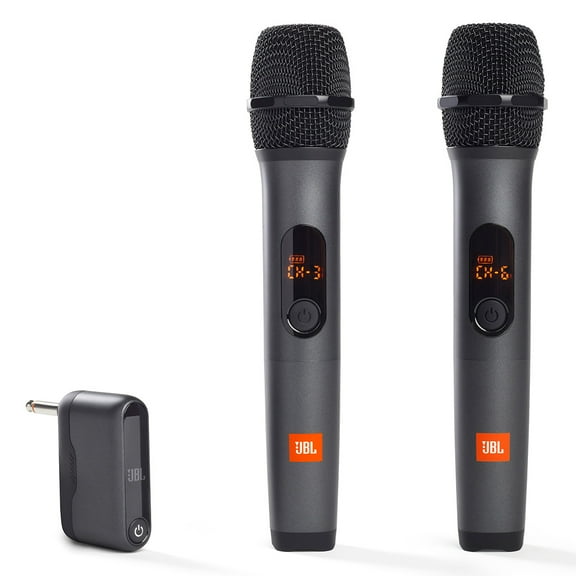
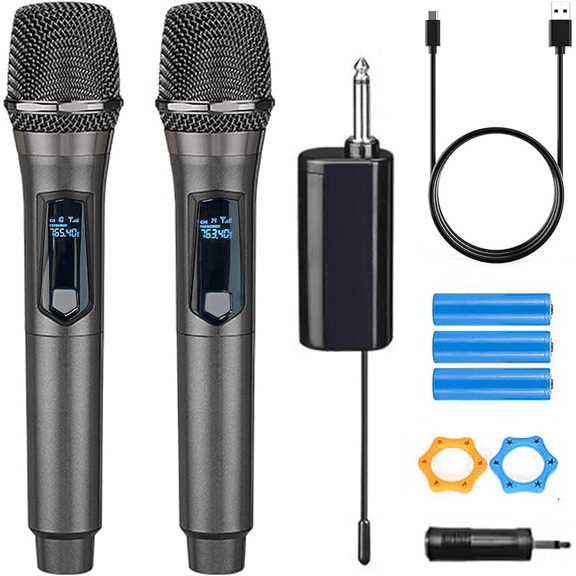
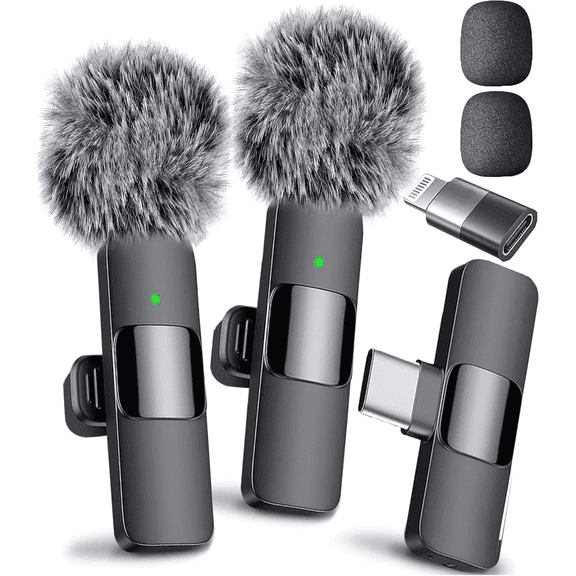
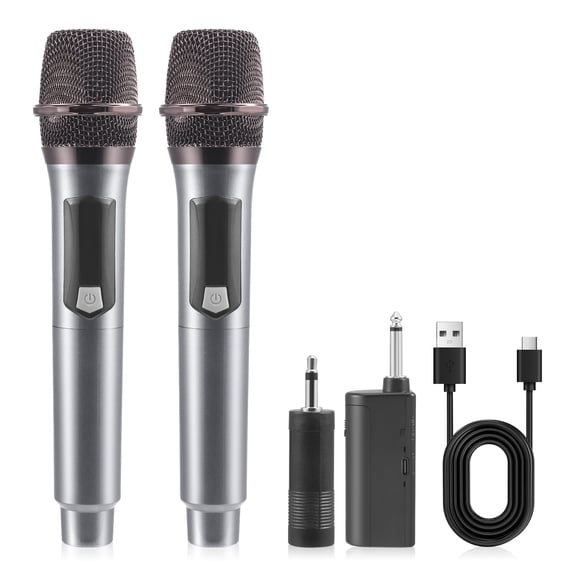
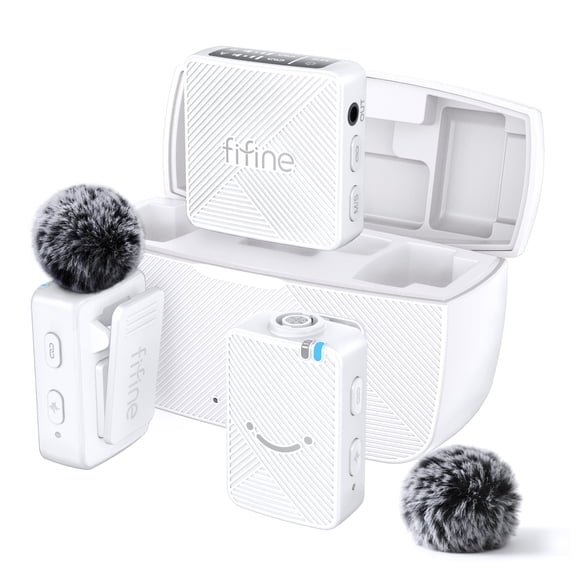
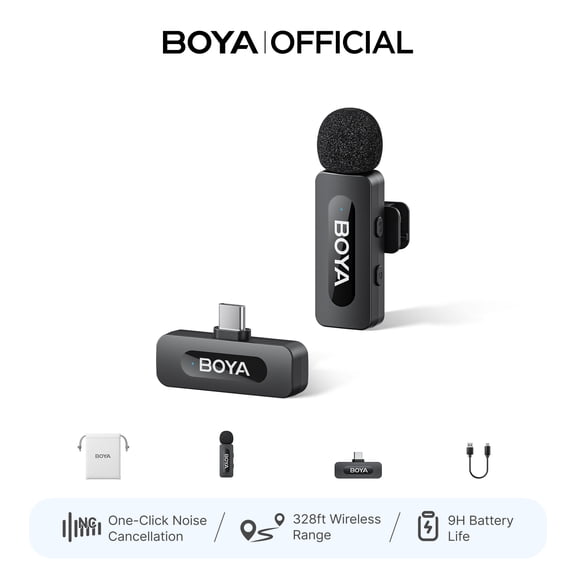
You may prefer wireless microphones when you want room to move during speeches, classes, performances, or events. You should check battery type, receiver style, and operating range before you compare models.
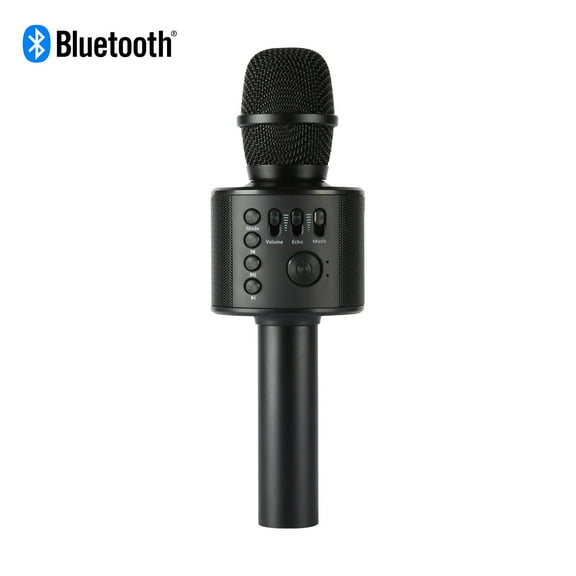
If you want a compact setup for mobile devices or casual listening spaces, you might consider Bluetooth options. You should confirm your device pairing needs and connection stability before you decide.
What to look for in condenser microphones and other microphone types
You can narrow your search faster when you compare microphone type with your recording space. You’ll often see condenser, dynamic, ribbon, and lavalier options across this category.
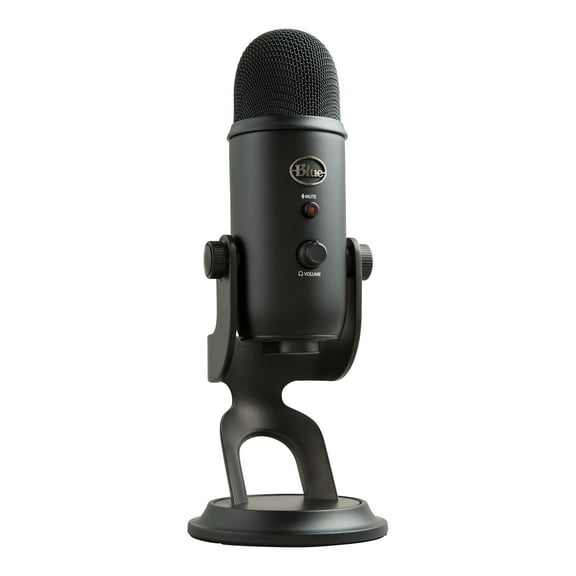
If you record in a quiet room, you may like condenser microphones because they capture detail and subtle voice texture. You should confirm whether your setup supports the power requirements first.
If you record near speakers, instruments, or busy rooms, you may prefer dynamic models for focused voice pickup. You’ll often see them used for a vocal microphone during rehearsals and live performance.
You may consider ribbon styles when you want a classic recording character for certain studio setups. You should review handling needs and compatible gear because these options often suit experienced users.
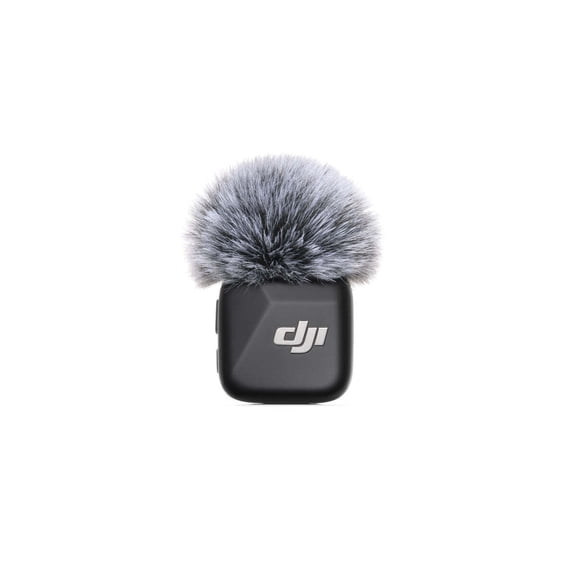
If you need a small, wearable format, you may choose a lavalier or lapel microphone for presentations and video. You’ll appreciate clip-on designs when you want hands-free voice capture.
- You can choose USB when you want plug-and-play convenience for home recording.
- You can choose XLR when you want mixer or interface compatibility.
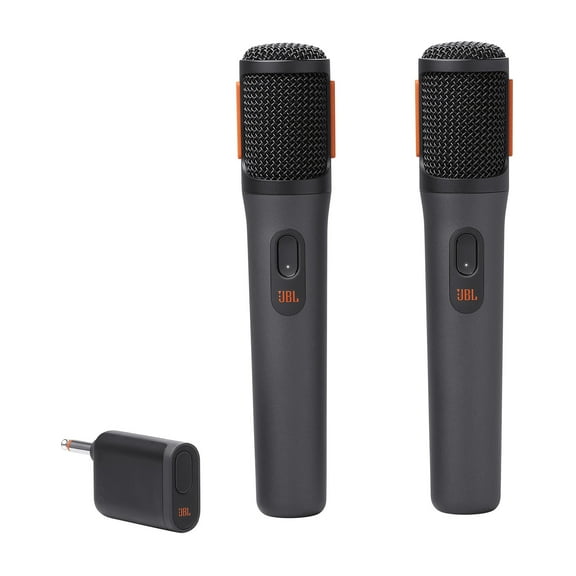
- You can choose wireless when you need movement across rooms, stages, or classrooms.
- You can choose condenser when you want detailed voice pickup in quieter spaces.
- You can choose dynamic when you want focused sound in louder environments.
Choosing the right microphones for podcasting, gaming, and vocals
You should match your microphone to the way you’ll use it each day. You’ll notice that form factor and pickup style can affect comfort, desk space, and voice consistency.
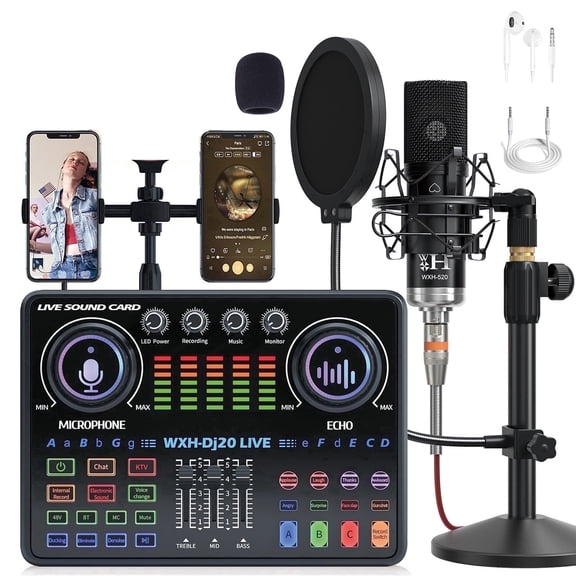
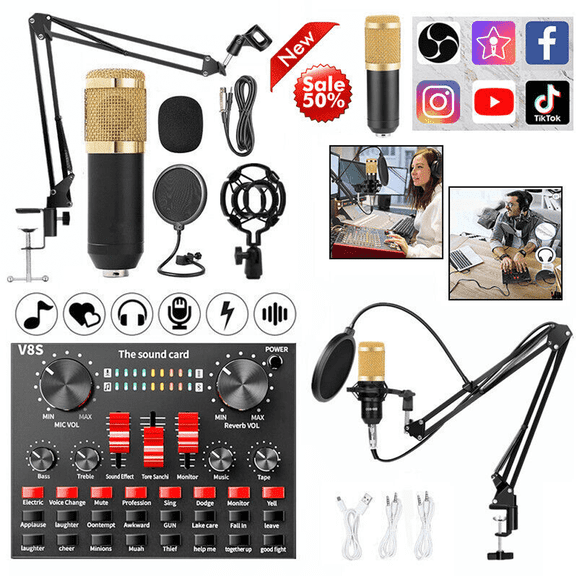
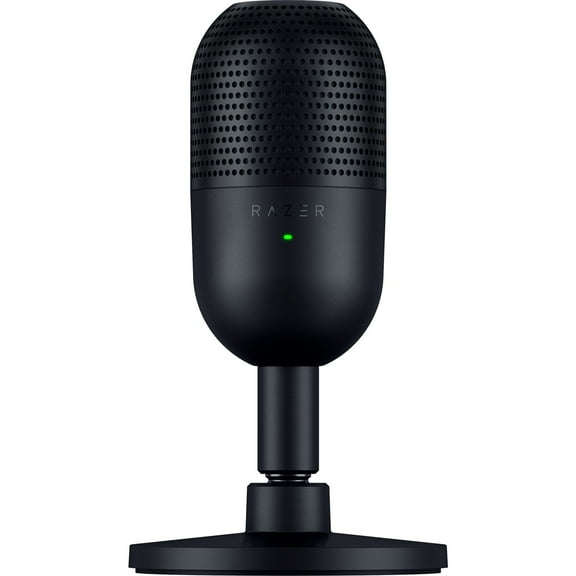
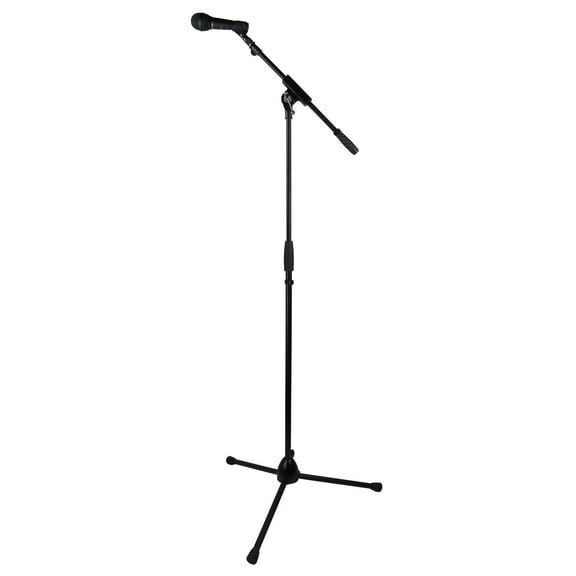
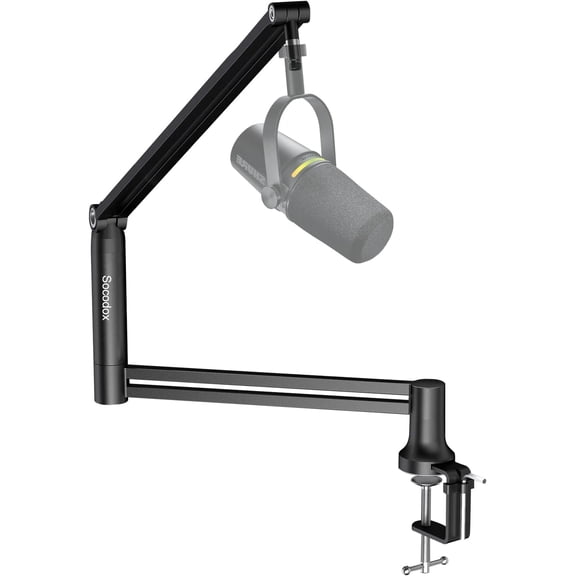
If you’re building a desk setup, you may prefer desktop or stand-mounted gaming microphones for streaming and chat. You should look for included stands, pop filters, or shock mounts to simplify setup.
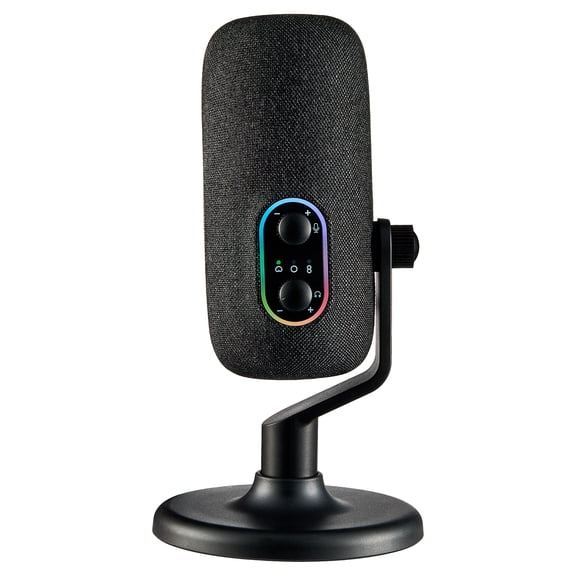
If you record interviews or episodes at home, you may want a podcast microphone with USB output. You’ll get a more direct path to your computer without adding extra audio hardware.
If you track singing or spoken word, you may compare a vocal microphone by room type and voice level. You should consider whether you’re recording in a treated room or a shared space.
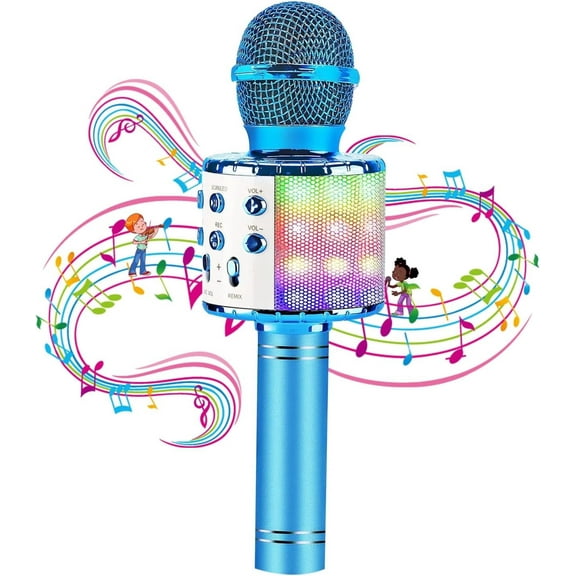
If you host parties or family sing-alongs, you may want a karaoke microphone that’s easy to pass around. You’ll often prefer handheld shapes for group use and casual setup.
When you need discreet audio for video, teaching, or presentations, you may choose clip-on styles. You’ll like headset and lapel formats when you want stable placement during movement.
Features that help you compare microphones with confidence
You can make a smarter choice when you compare accessories, controls, and power needs together. You should check what comes in the box before you choose a setup.
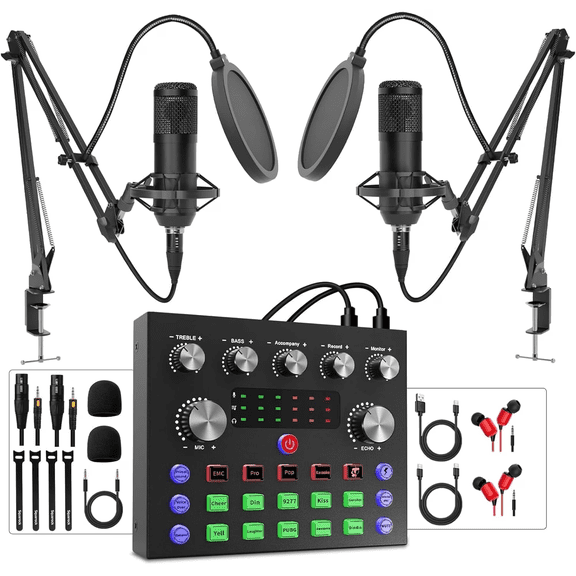
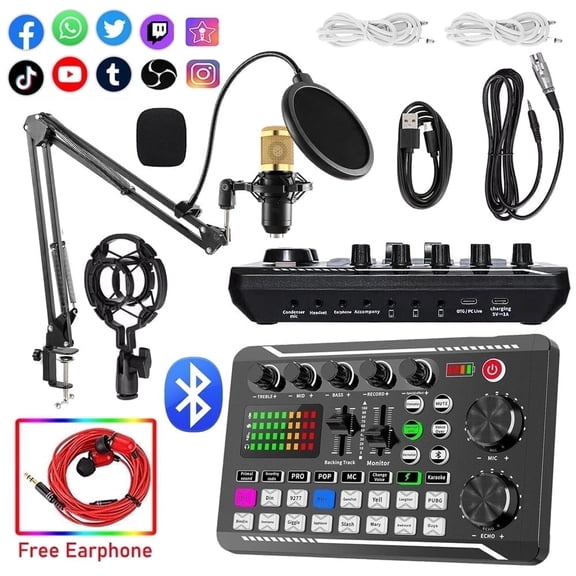
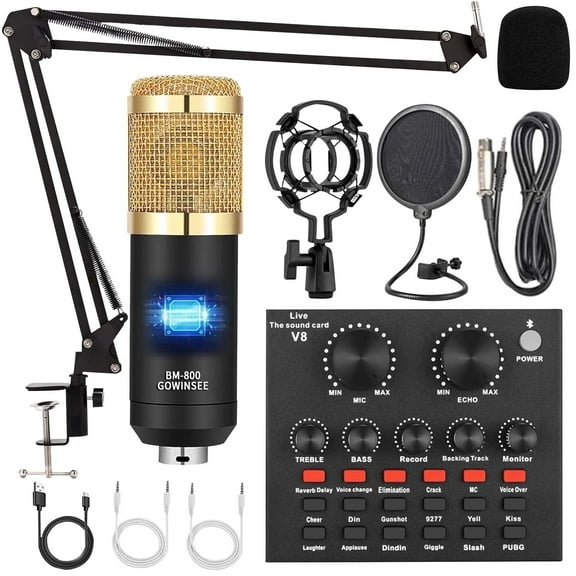
If you want fewer extra purchases, you may look for bundles with stands, mounts, pop filters, or cables. You’ll benefit from those accessories when you’re setting up a desk or home recording corner.
You should also review mute buttons, gain knobs, headphone jacks, and onboard monitoring options. You’ll get more day-to-day control when those features match your workflow.
If you’re comparing USB versus XLR, you should think about how much flexibility you want later. You may start with USB now, then move to XLR when you add mixers or multiple inputs.
You should measure your space and confirm placement before you choose handheld, headset, or desktop designs. You’ll end up with a setup that fits your room, your device, and your routine.
You can shop microphones with more confidence when you understand connection type, microphone style, and daily use. You’ll choose gear that fits your setup cleanly and helps your voice come through clearly.