




Musical Instruments



































![Otamatone Monster Electronic Portable Music Instrument / Synthesizer Toy from Japan by Maywa Denki (Officially Licensed) [English Instructions] - Violet](https://i5.walmartimages.com/seo/Otamatone-Monster-Electronic-Portable-Music-Instrument-Synthesizer-Toy-Japan-Maywa-Denki-Officially-Licensed-English-Instructions-Violet_31f75b4d-6d5f-46f0-9d86-f787d4bc2f47.1e5b9bb3c58c74156bbc8682b49b26b8.png?odnHeight=576&odnWidth=576&odnBg=FFFFFF)
![Pink, variant on Otamatone Monster Electronic Portable Music Instrument / Synthesizer Toy from Japan by Maywa Denki (Officially Licensed) [English Instructions] - Violet](https://i5.walmartimages.com/asr/8325546e-d03b-4038-950b-1bafdeaf038b.c4cfd98f12d4744014d108f67aeab6ea.png?odnBg=FFFFFF&odnHeight=30&odnWidth=30)
![Violet, variant on Otamatone Monster Electronic Portable Music Instrument / Synthesizer Toy from Japan by Maywa Denki (Officially Licensed) [English Instructions] - Violet](https://i5.walmartimages.com/asr/31f75b4d-6d5f-46f0-9d86-f787d4bc2f47.1e5b9bb3c58c74156bbc8682b49b26b8.png?odnBg=FFFFFF&odnHeight=30&odnWidth=30)

















About
You can compare musical instruments more clearly when you shop by family, skill level, bundle setup, and power type. You'll spot starter-ready options, full-size picks, and practical music equipment for practice, lessons, and performance.
Whether you're starting lessons or expanding your setup, you'll want details that match how you play. You'll find guitars, drums, keyboards, wind instruments, and electronic options that fit different spaces and playing goals.
How to choose musical instruments by family
You'll narrow musical instruments faster when you start with the sound and playing style you want. You'll usually choose between string, percussion, wind, keyboard, and electronic categories.
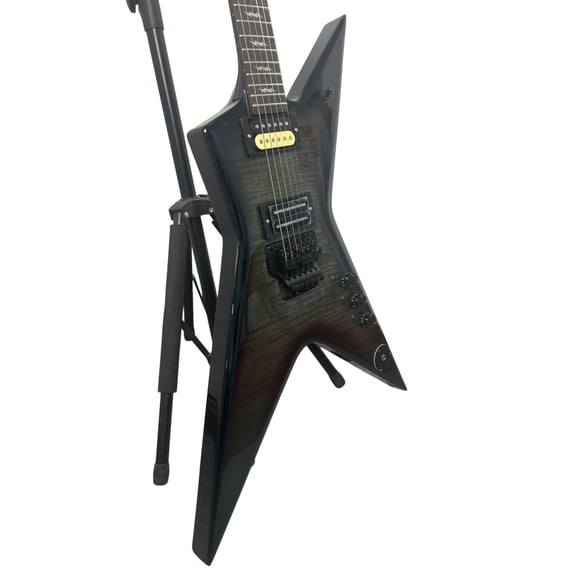
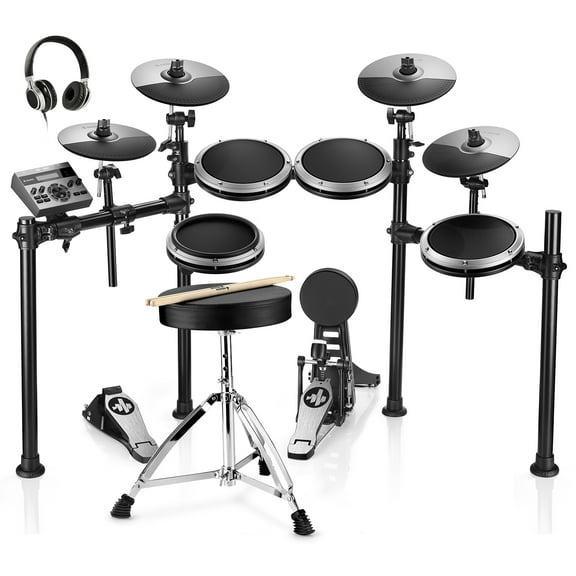
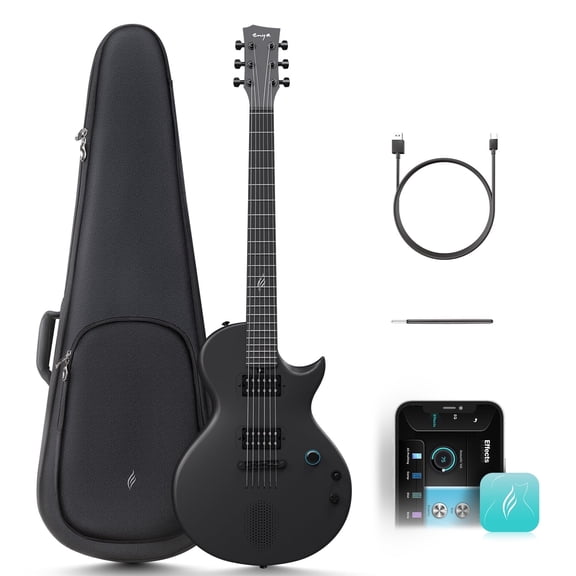
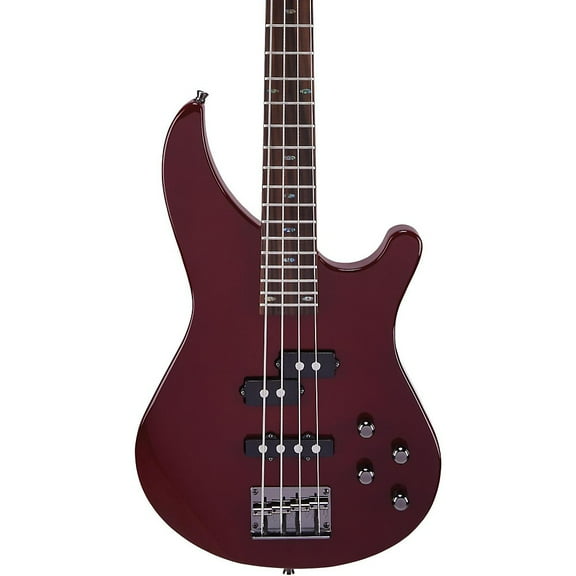
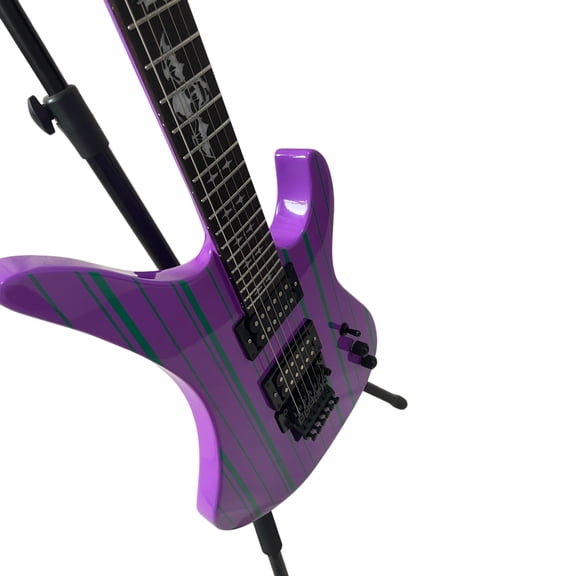
If you want chords, riffs, and songwriting flexibility, you'll often start with string options like acoustic or electric guitars. If you want rhythm and timing practice, you'll likely compare drums, pads, and hand percussion.
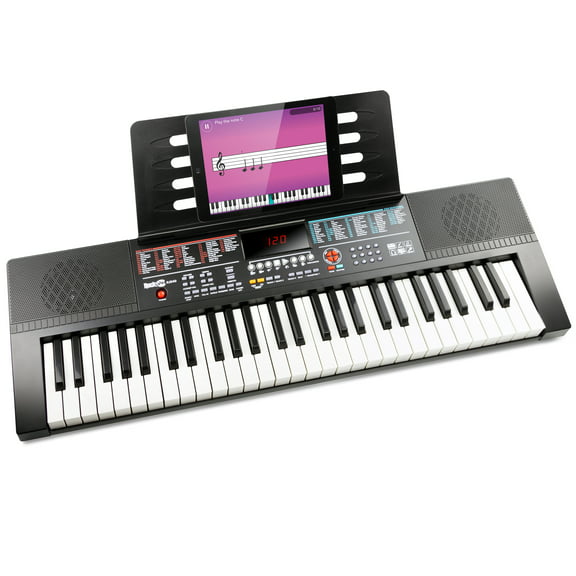
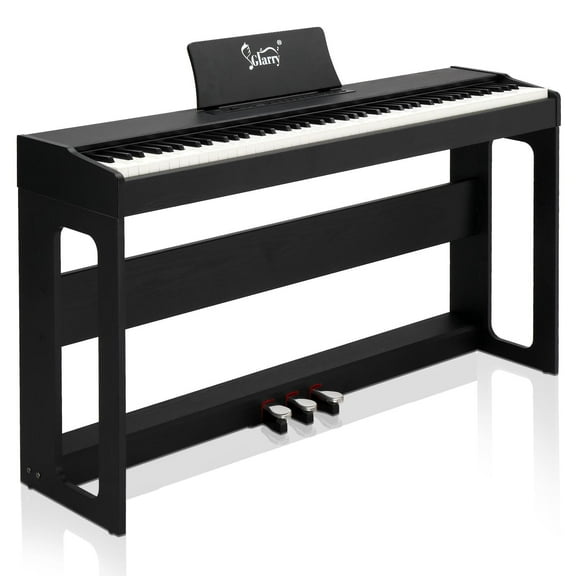
For melody and breath control, you'll look at wind instruments such as flutes, clarinets, and saxophones. If you want wide note range and easy chord layout, you'll often prefer keyboards or digital pianos.
- You can choose string instruments when you want fretted playing, strumming, or amplified tone options.
- You can choose percussion when you want hands-on rhythm practice and strong timing development.
- You can choose wind instruments when you want expressive phrasing and breath-driven control.
- You can choose keyboard instruments when you want visible note patterns and layered sounds.
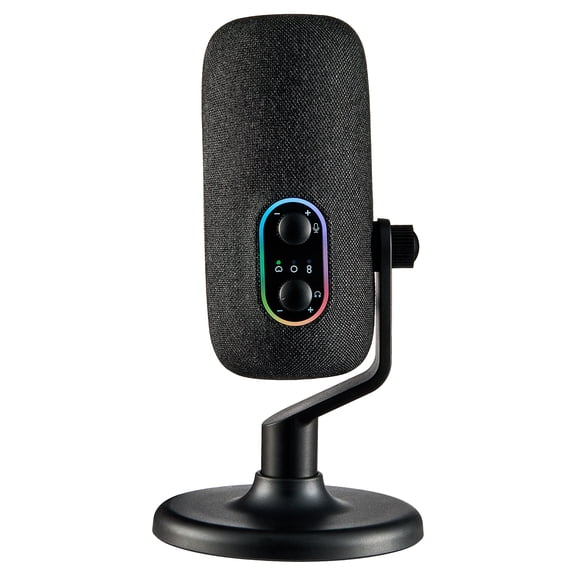
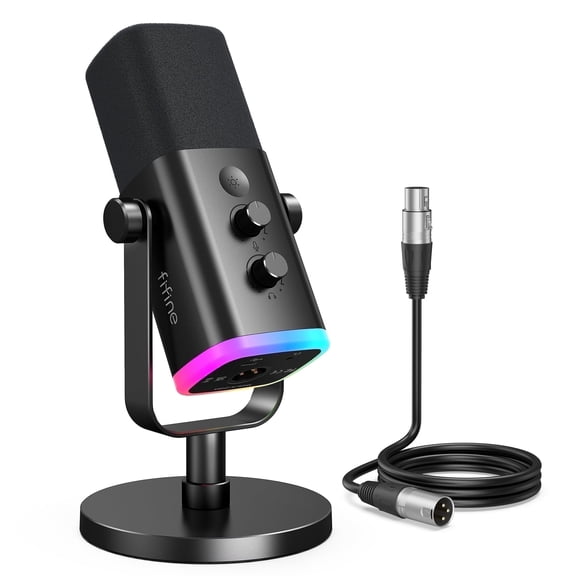
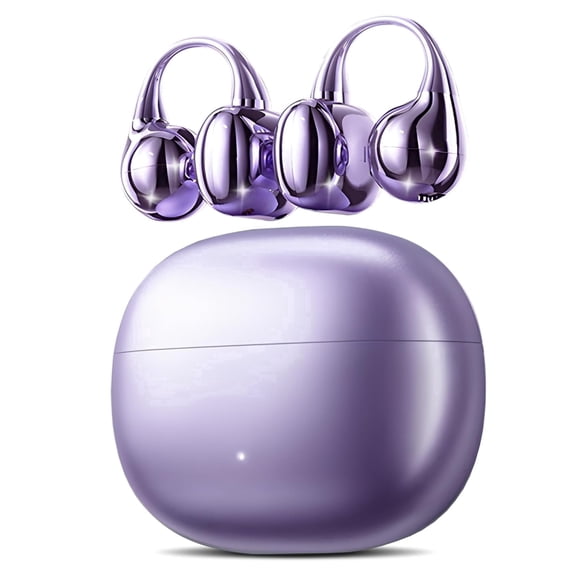
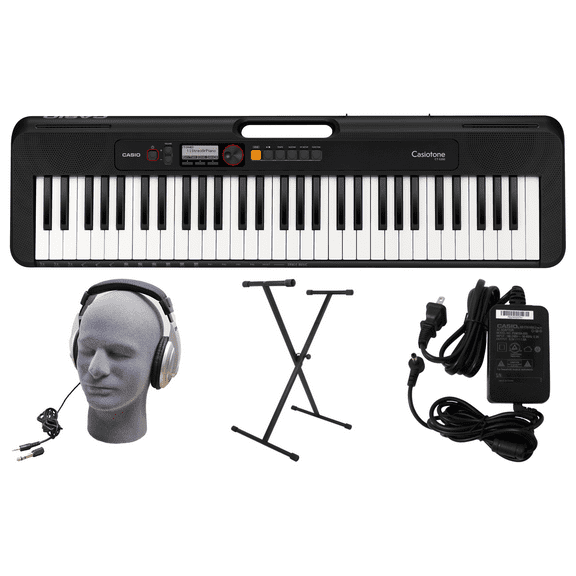
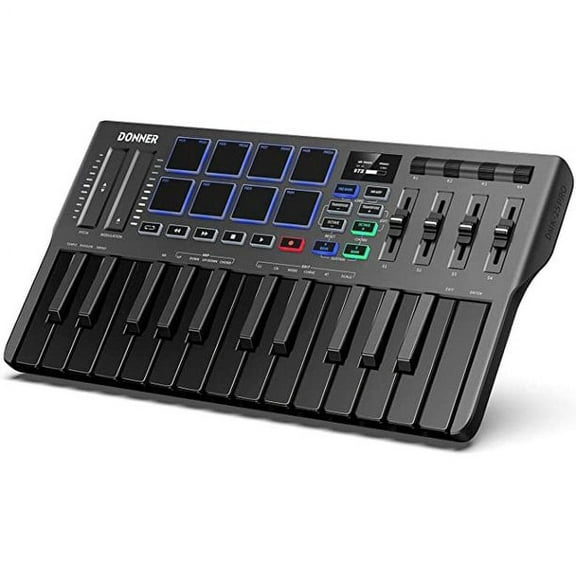
- You can choose electronic instruments when you want MIDI or USB connections for recording and software use.
Choosing musical instrument bundles for your skill level
You should match your setup to your experience, because beginner and advanced players usually want different controls and included gear. You'll often get a smoother start from musical instrument bundles that cover your basic essentials.
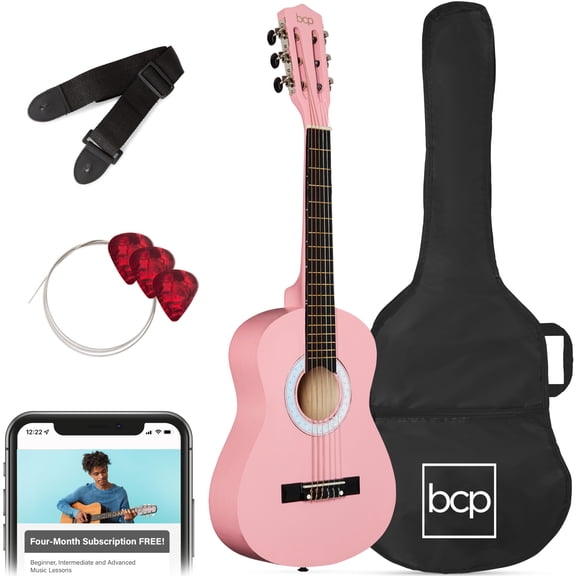
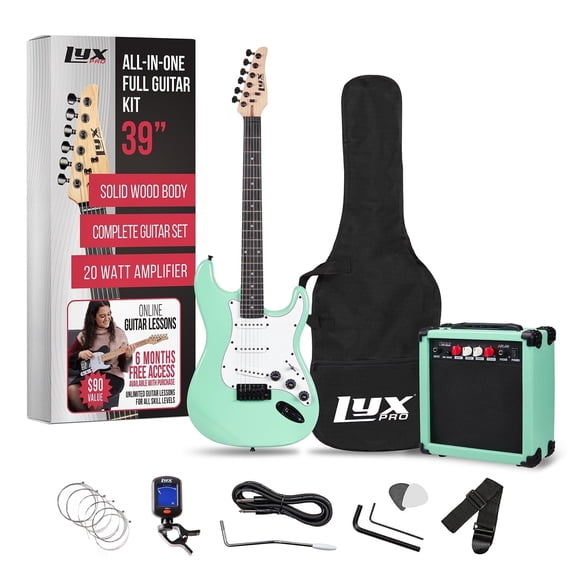
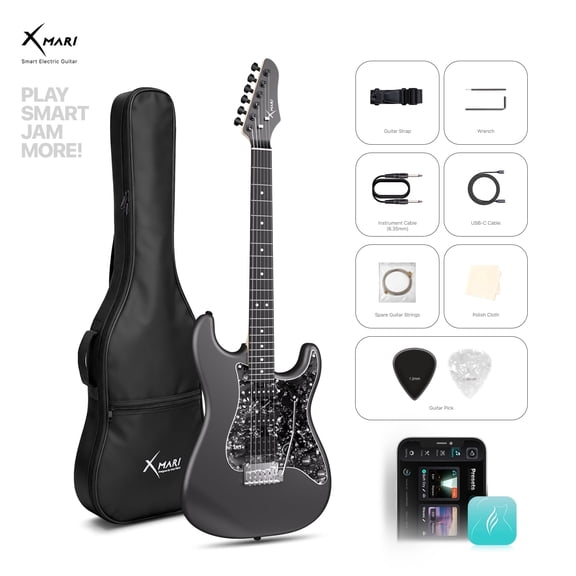
If you're new, you'll likely want simple controls, a comfortable size, and accessories that let you start right away. You'll often look for bundles with a tuner, strap, case, sticks, stand, cable, or lesson-friendly extras.
If you've played longer, you'll often compare component quality and upgrade flexibility before choosing a solo instrument. You'll usually check whether your accessory kit supports your preferred amp, pedal, stand, or recording setup.
For children, you'll want to compare scale length, key size, and overall dimensions before choosing. You'll usually find smaller guitars and compact keyboards easier to handle during early lessons.
What to look for in package configuration
You can save time when you compare solo instruments, starter bundles, and accessory kits as separate buying paths. You'll want a package that matches what you already own and what you still need.
A solo instrument usually works well when you already have your core extras at home or in your studio. You'll have more freedom to choose your own case, stand, cable, picks, or snare heads.
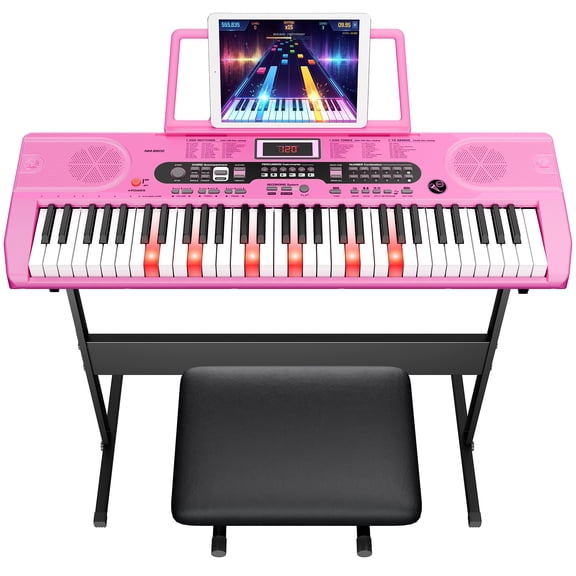
Starter bundles make sense when you want a more complete setup in one choice. You'll often see beginner-focused combinations that include a practice amp, gig bag, stool, stand, headphones, or sticks.
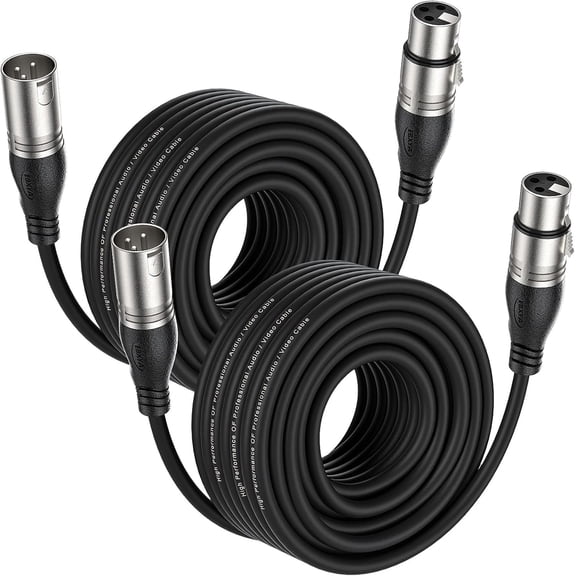
An accessory kit helps when you already own the instrument but want to round out daily use. You'll often compare maintenance items, replacement parts, cables, tuners, metronomes, and carrying solutions.
Comparing acoustic, electric, and MIDI or USB options
You should consider how you'll hear, power, and connect your instrument before you decide. You'll usually compare acoustic, electric, and MIDI or USB formats based on your room and setup.
If you want a straightforward practice experience, you'll often prefer acoustic options that work without extra gear. You'll hear sound directly from the instrument, which can simplify lessons and casual playing.
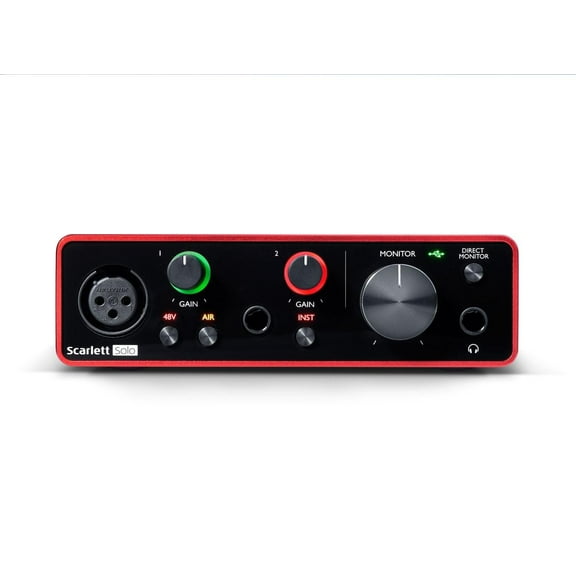
If you want amplified volume, effects, or stage-friendly control, you'll likely choose electric models. You'll usually need supporting music equipment like an amp, cable, interface, or powered speaker.
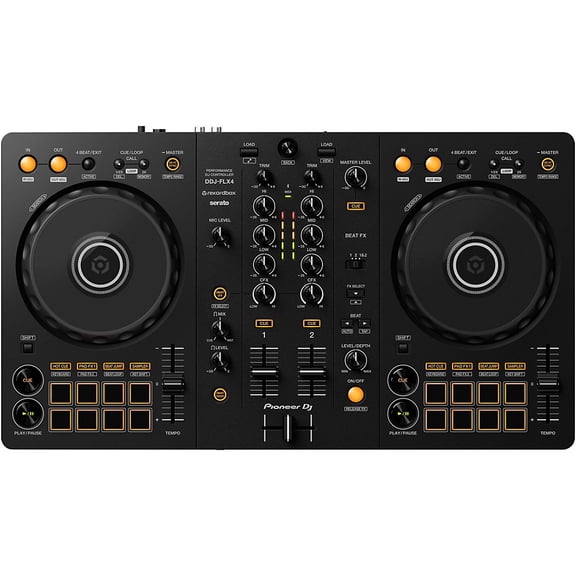
When you create tracks on a computer, you'll want MIDI or USB connectivity for software control. You'll often see this on keyboards, drum controllers, and electronic gear, including some mk3-style models.
Using guitars, drums, and keyboards in real spaces
You can match instrument type to your room size, practice routine, and learning goals. You'll often find that the right category depends on where and how often you play.
For bedroom practice, you'll often want compact keyboards, acoustic guitars, or electronic drum pads with headphone support. You'll keep your setup easier to manage in smaller spaces.
For lessons and school music, you'll usually want portable cases, foldable stands, and straightforward controls. You'll appreciate bundles that keep your main accessories together from home to class.
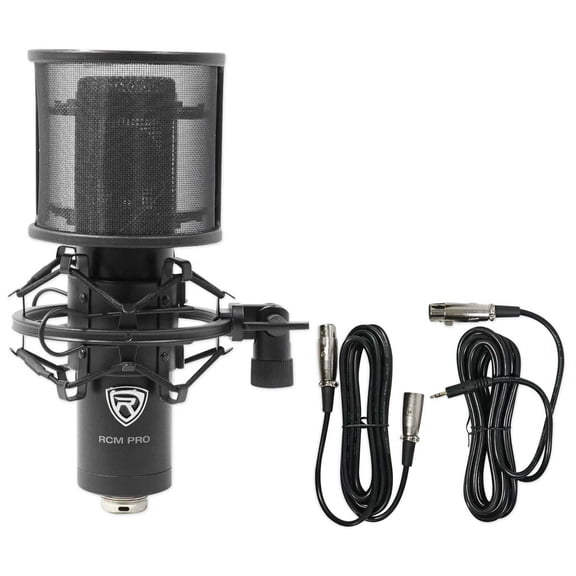
If you're building a home recording setup, you'll likely compare USB keyboards, electronic drums, and electric guitars with interface-ready connections. You'll get easier integration with software and track layering.
For group playing, you'll want gear that supports quick setup and reliable transport. You'll often choose bundles or accessory kits that help you carry cables, sticks, tuners, and protective storage.
You can shop musical instruments with more confidence when you compare family, skill level, package configuration, and connectivity first. You'll make a clearer choice that fits your practice style, space, and essential accessories.