

Hyper Tough Tools in Hyper Tough



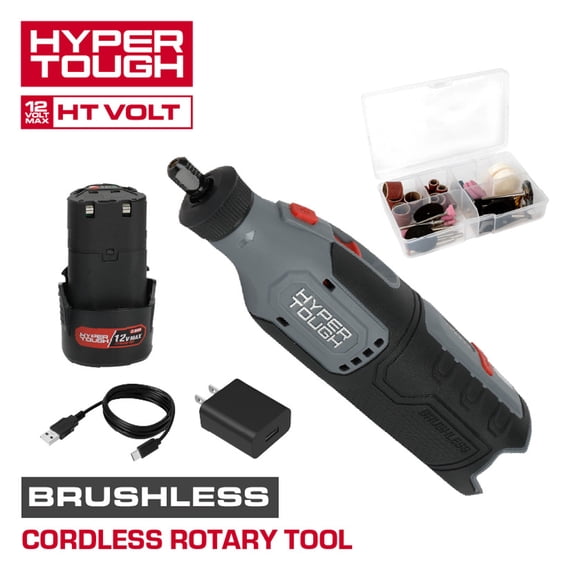

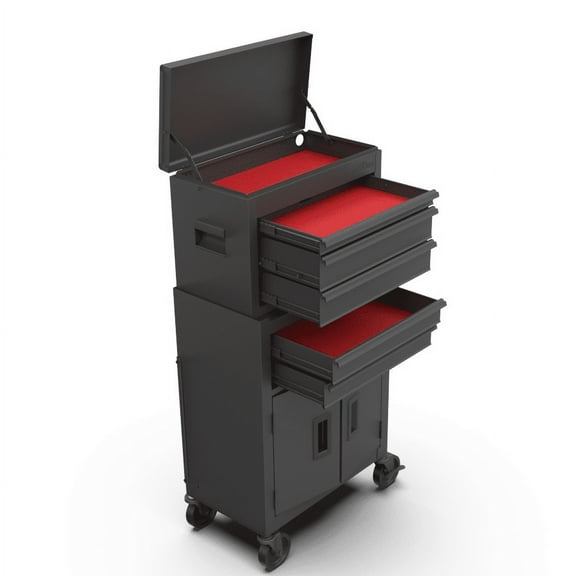


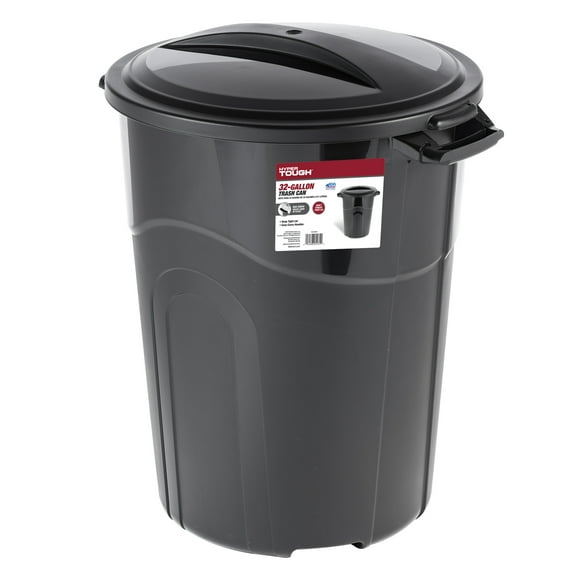

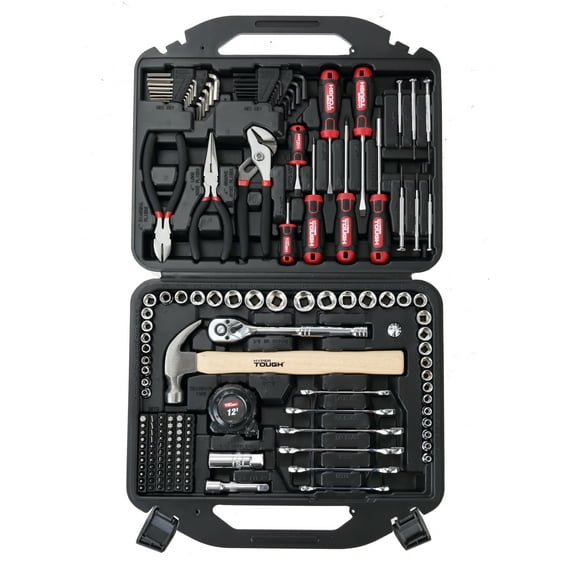
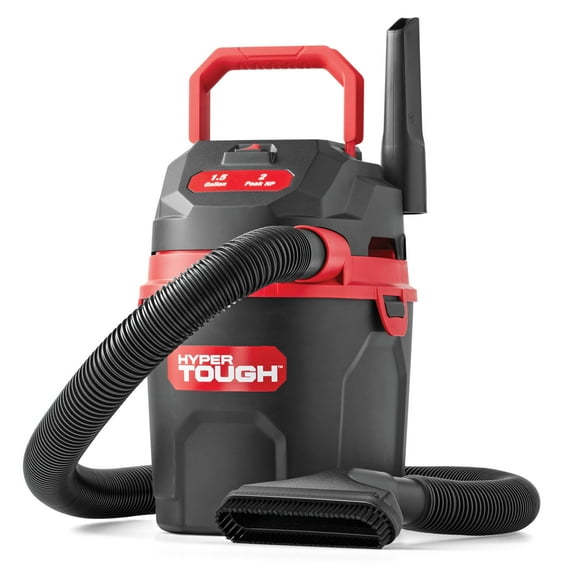
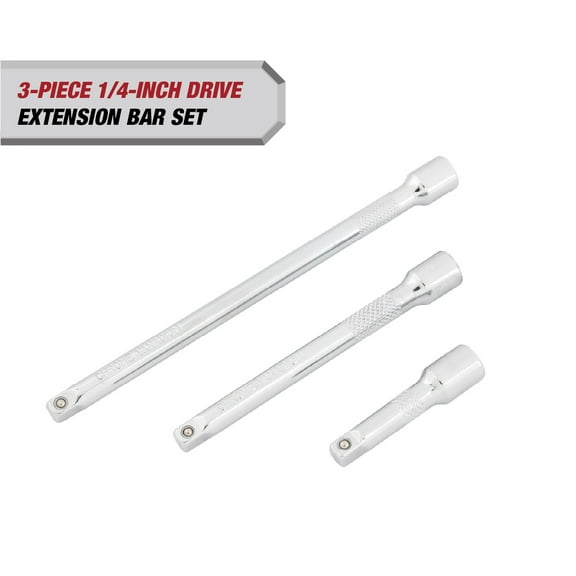


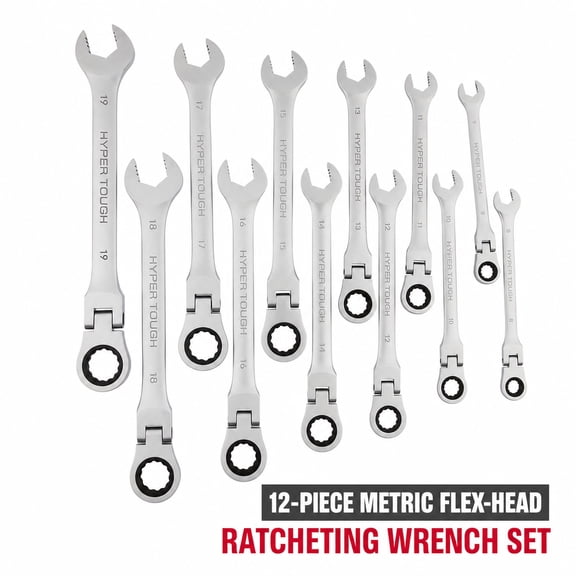
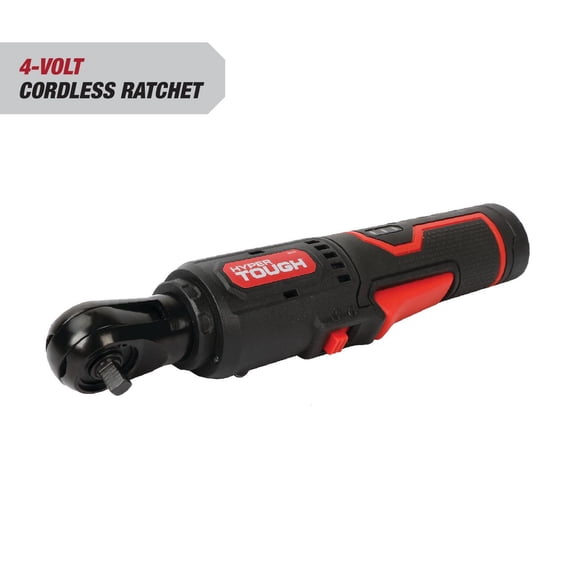










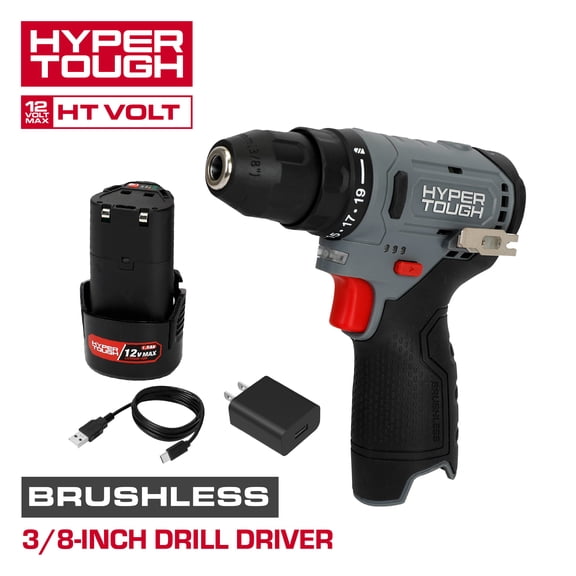
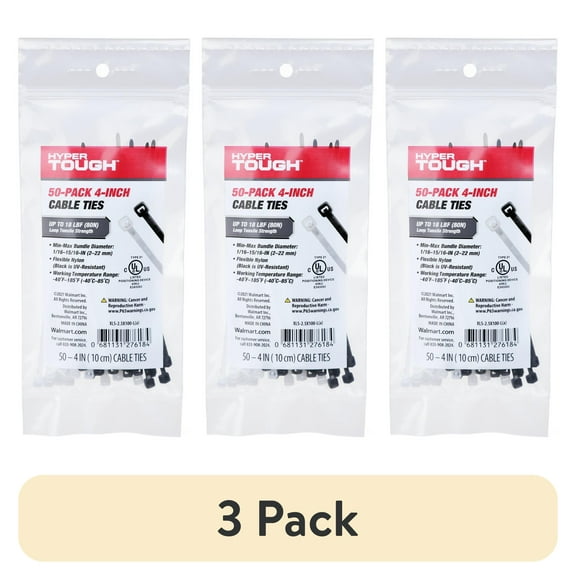

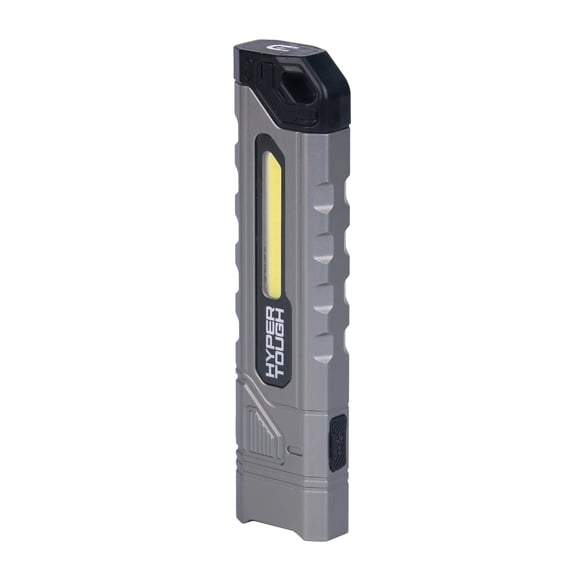
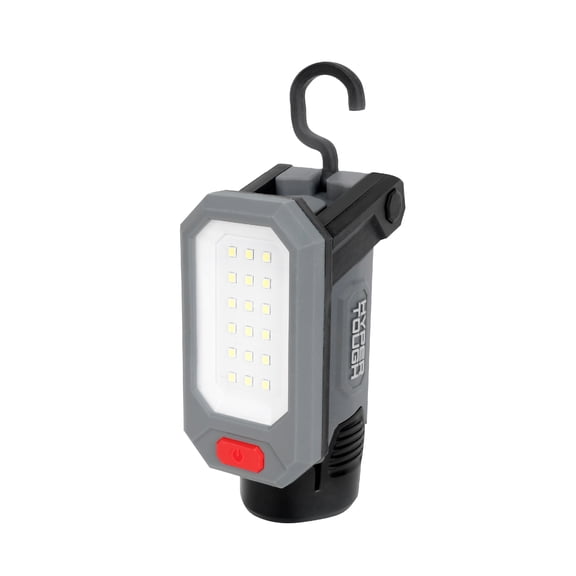



About Hyper Tough Tools in Hyper Tough - Walmart.com
Hyper Tough tools help you tackle home projects with a clear path across cordless, corded, and manual options. You can compare power source, voltage platform, tool type, and set size without guessing what fits your DIY routine.
If you're building a starter setup or expanding your garage, you can use this page as a practical buying guide. You'll find Hyper Tough products that cover repairs, assembly, yard-edge tasks, storage, and everyday upkeep around your home.
Choosing Hyper Tough tools by power source
You should start with power source because it shapes where and how you work. You'll usually choose cordless for mobility, corded for steady runtime, or manual tools for grab-and-go control.
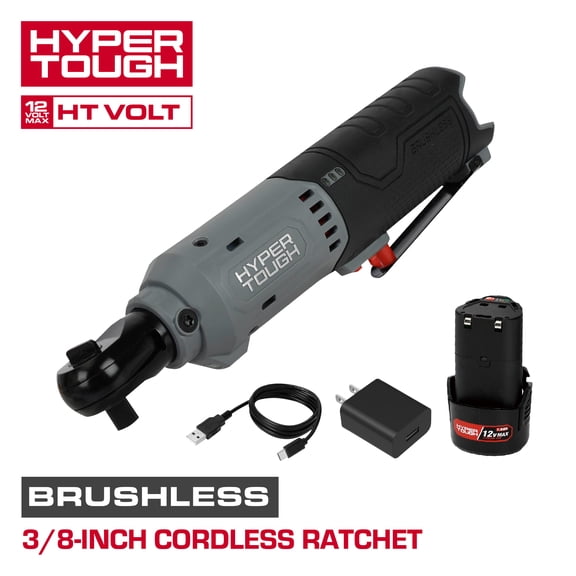
When you compare hyper tough battery tools with corded options, you should match them to your workspace first. You'll appreciate cordless tools for ladders, driveways, and rooms without a nearby outlet.
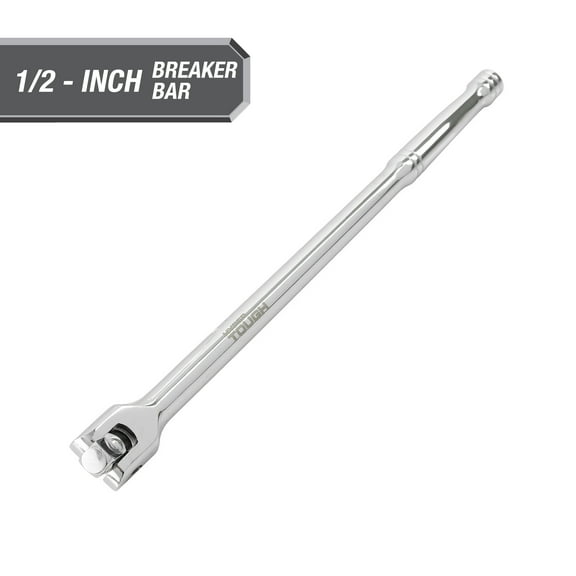
Corded tools make sense when you want continuous power for longer sanding, grinding, or cutting sessions. Manual hand tools help you handle quick adjustments, furniture assembly, and tight spaces with direct control.
- You can move easily around your home with cordless tools that travel between rooms and outdoor spaces.
- You can keep long projects steady with corded tools that don't pause for battery changes.
- You can handle precision tasks with manual tools when you want simple control and easy storage.
- You can build a versatile setup by mixing power sources based on your project list.
Who sells hyper tough tools?
If you're asking who sells hyper tough tools, you can find them at Walmart and on Walmart.com. You can shop the brand in one place while comparing tool categories, batteries, chargers, and storage options.
You may also search for herramientas hyper tough, and you'll want clear English product details when you compare options online. You can use this browse page to narrow by tool type, project scope, and battery platform.
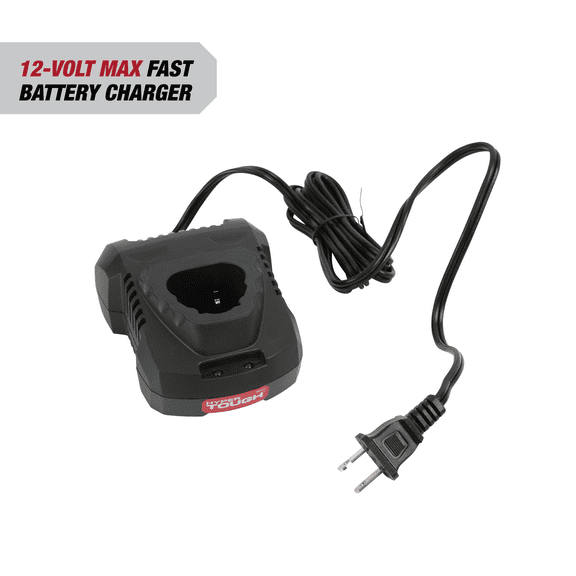
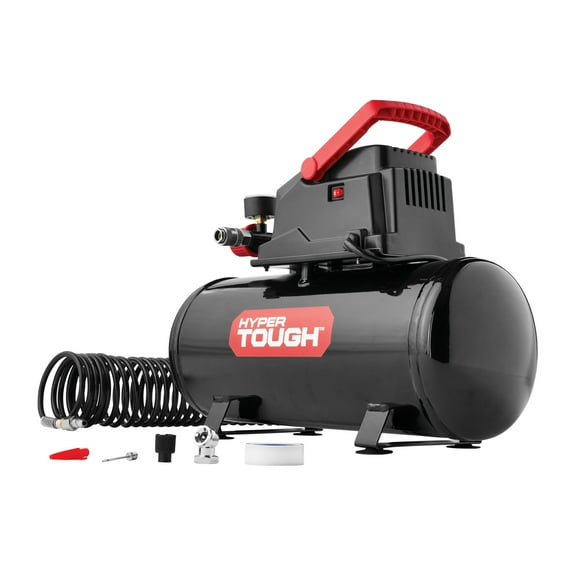
Because you're often buying into a system, you should look for batteries, chargers, and accessories on the same page. You'll make a direct choice when your drill, work light, inflator, and spare battery fit one platform.
How to compare voltage platforms
You should check voltage before anything else if you're considering cordless equipment. You'll usually see 12V Max for lighter tasks, 20V Max for broader DIY work, and 120V corded for outlet-powered tools.
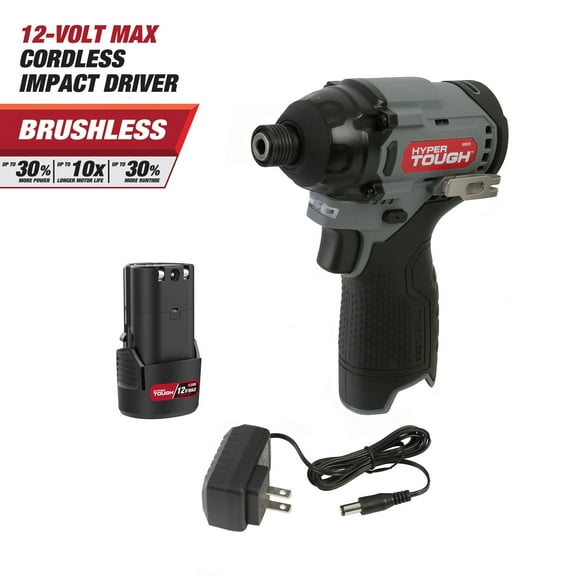
A 12V Max platform often suits lighter-duty jobs where you want a smaller tool in your hand. You'll notice it can feel easier to manage for quick fixes, cabinet hardware, and indoor touch-up tasks.
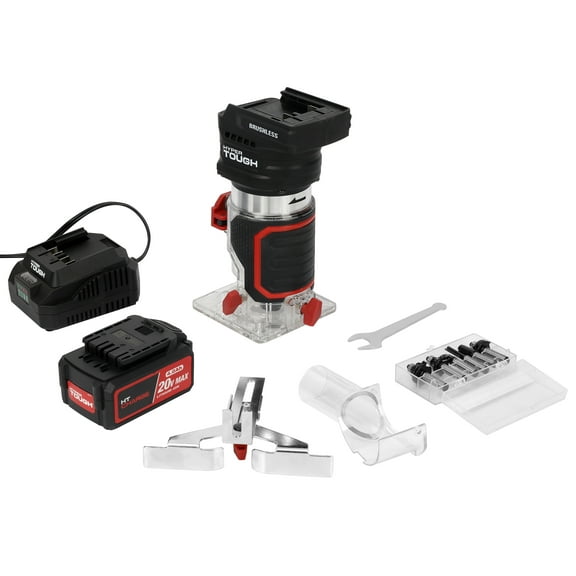
A 20V Max platform matters when you want broader compatibility across hyper tough battery tools. You'll want to check whether the same battery works across your drill, impact driver, blower, light, or inflator.
You should also compare amp-hours when you review battery packs. You'll generally get longer runtime from a higher amp-hour battery, while a lower amp-hour pack may feel lighter during overhead work.
For corded tools, you should confirm 120V compatibility with your outlets and extension setup. You'll get steady power for benches, garages, and work areas where you expect longer run times.
Choosing tool type and set size
You should next compare tool type, because your project list drives what belongs in your kit. You'll typically sort choices into power tools, hand tools, tool storage, and accessories.
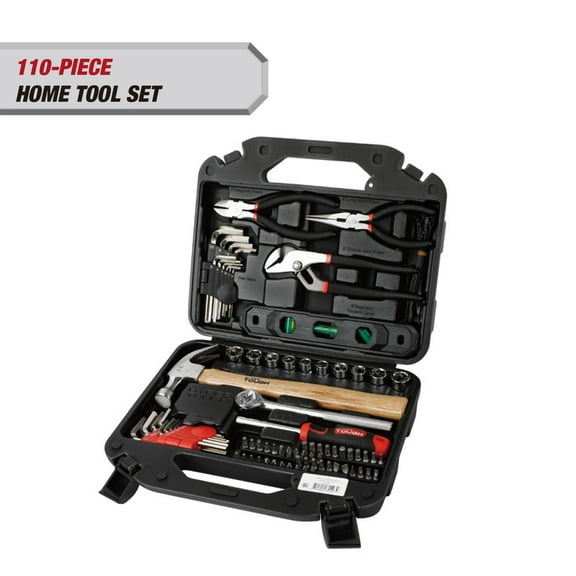
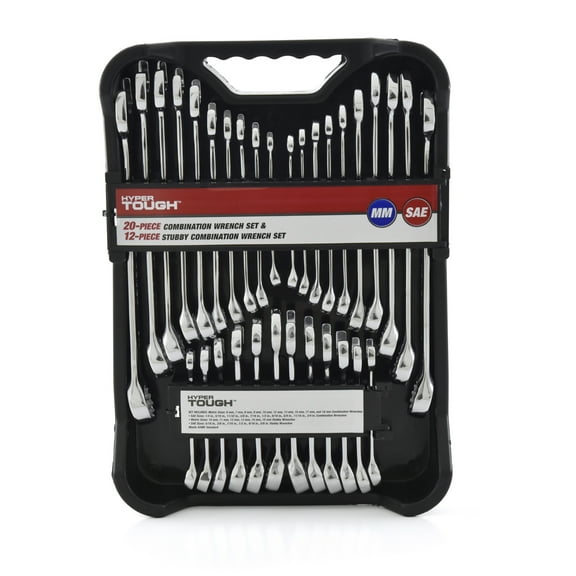
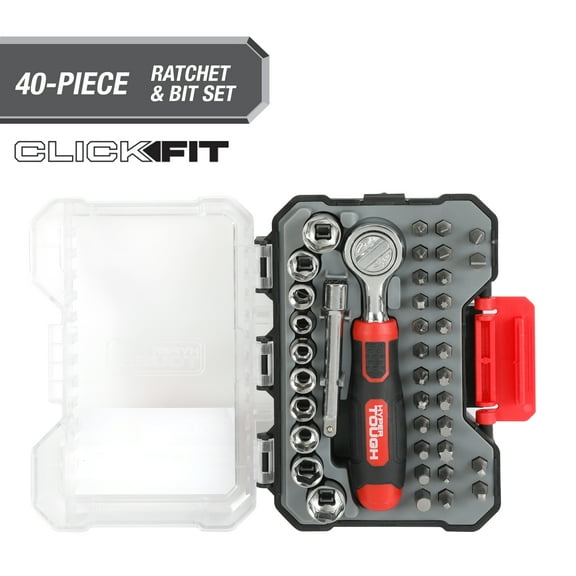
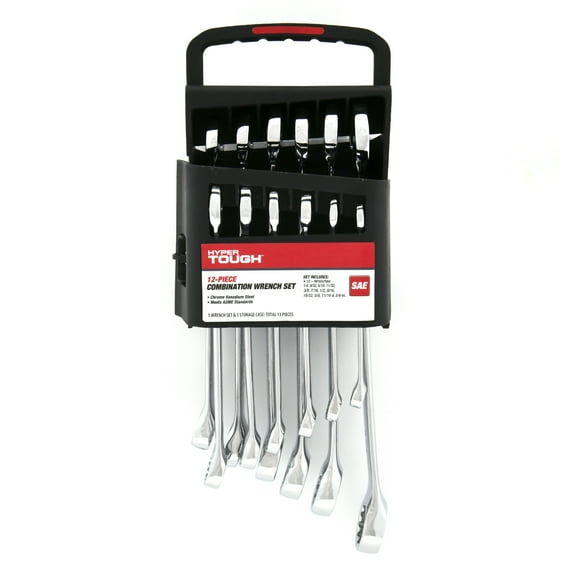
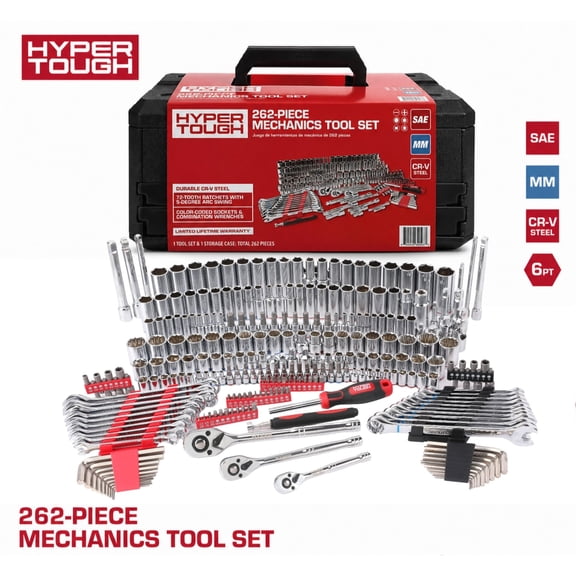
If you're handling varied home tasks, a hyper tough tools set can simplify your first purchase. You'll often get a complete starting point with common pieces that support assembly, fastening, measuring, and basic repairs.
An individual tool works well when you already own batteries, chargers, or key hand tools. You'll avoid duplication and focus on the next tool your workshop actually needs.
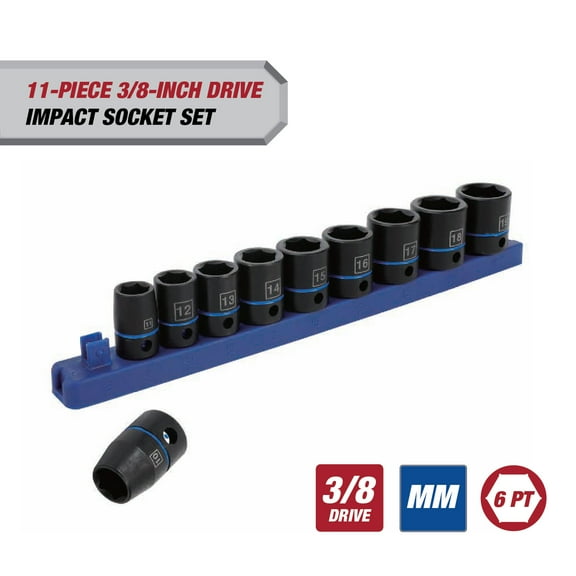
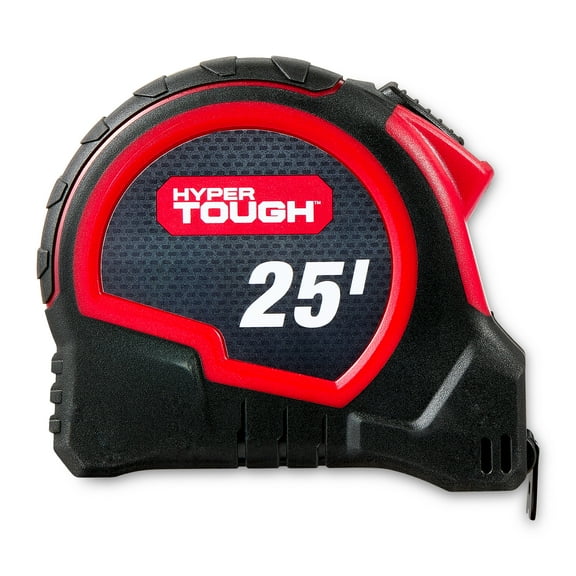
A multi-piece set usually fits shoppers who want everyday coverage across several task types. You'll want to compare included items carefully, especially sockets, screwdrivers, pliers, bits, and measuring tools.
A combo kit can make sense when you want several cordless tools on one battery platform. You'll want to check whether the kit includes a charger, battery count, storage case, and useful accessories.
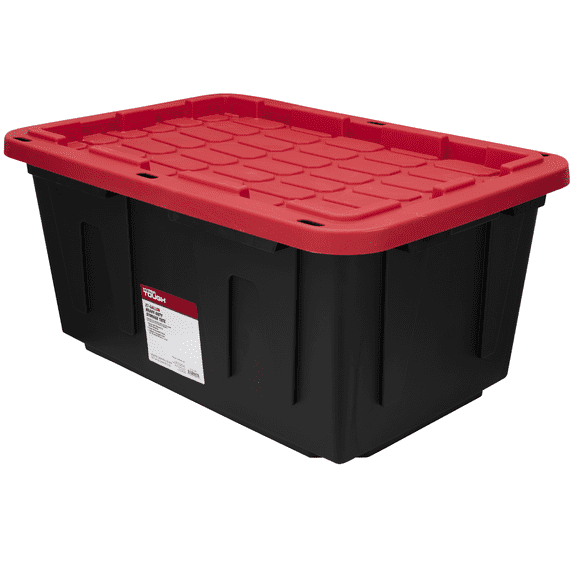
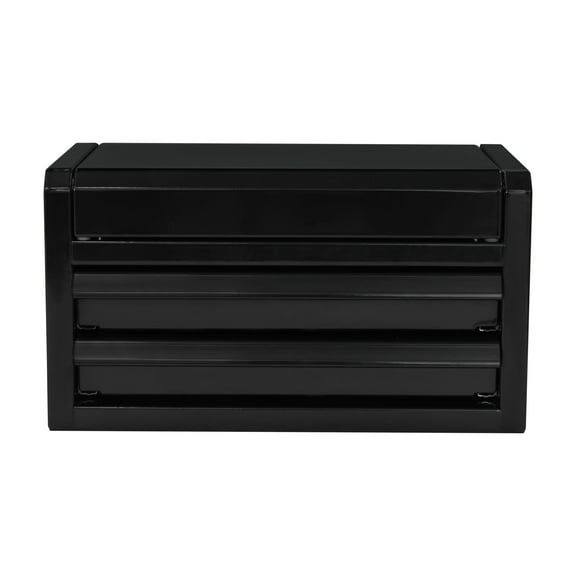
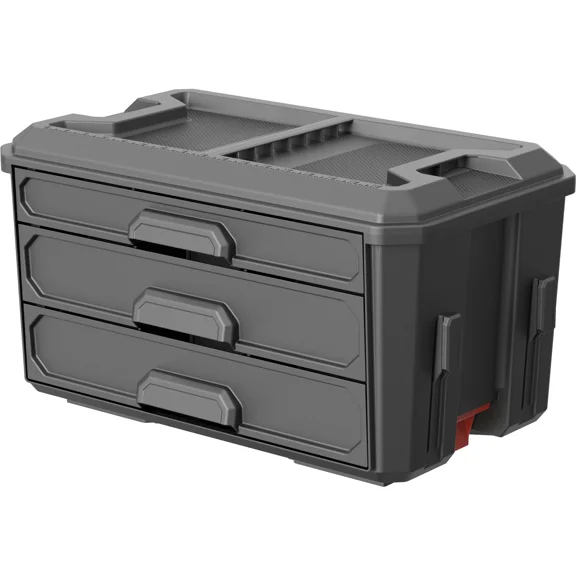
Tool storage deserves equal attention because organization affects how quickly you can start each job. You'll work efficiently when boxes, bags, or organizers keep sockets, bits, fasteners, and chargers easy to find.
Matching use cases to your DIY routine
If you're furnishing an apartment or replacing fixtures, you may prefer a compact drill, basic hand tools, and a small organizer. You'll cover hanging shelves, tightening hardware, and simple assembly without carrying a full workshop.
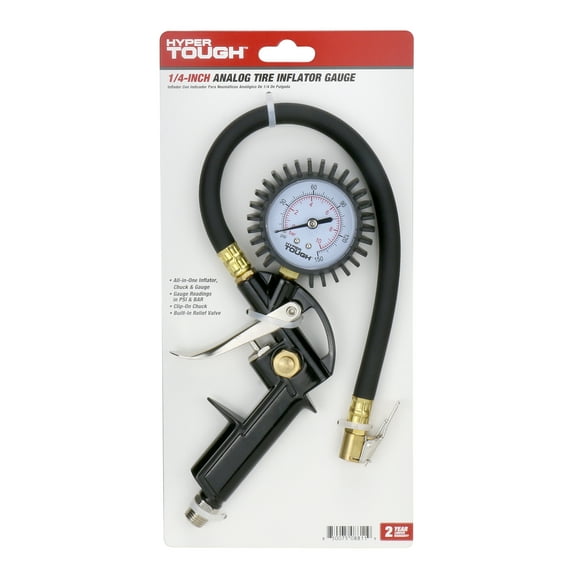
For garage projects, you may want a broader 20V Max setup with storage and extra batteries. You'll appreciate fewer interruptions when you move from drilling to inflating tires or lighting a dim work area.
If you're setting up a first home toolkit, a hyper tough tools set can create a strong base. You'll get practical coverage for picture hanging, furniture assembly, minor repairs, and seasonal upkeep.
When you take on repeat weekend projects, you should compare combo kits against single-tool additions. You'll build your collection intentionally when each purchase supports your existing battery platform and storage plan.
You should also review warranty details and support information before you choose a system. You'll feel more confident when your DIY tools align with the use level, replacement parts, and accessory availability you expect.
With clear choices across power source, voltage, tool type, and set size, you can build a setup that fits your space. You'll finish projects with fewer compatibility surprises and a well-organized home workshop.