

Industrial & Scientific Featured Brands







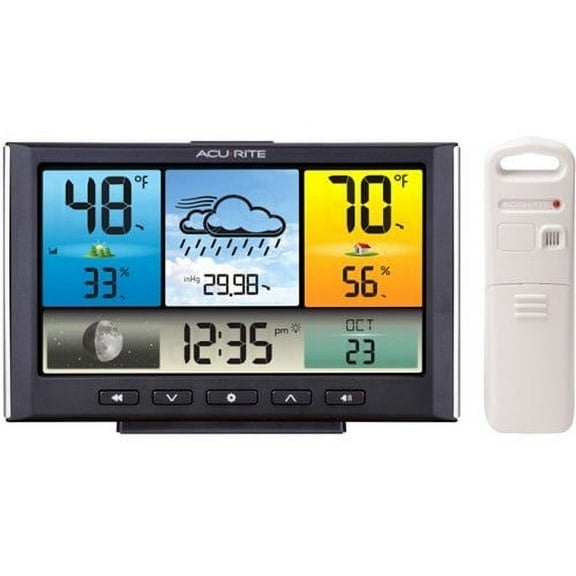



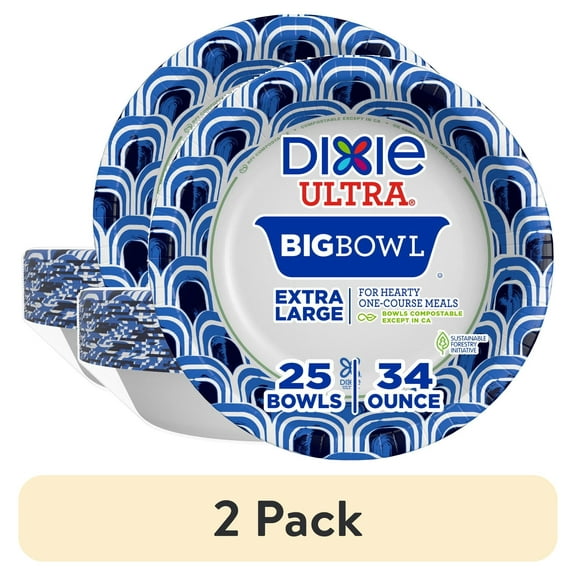
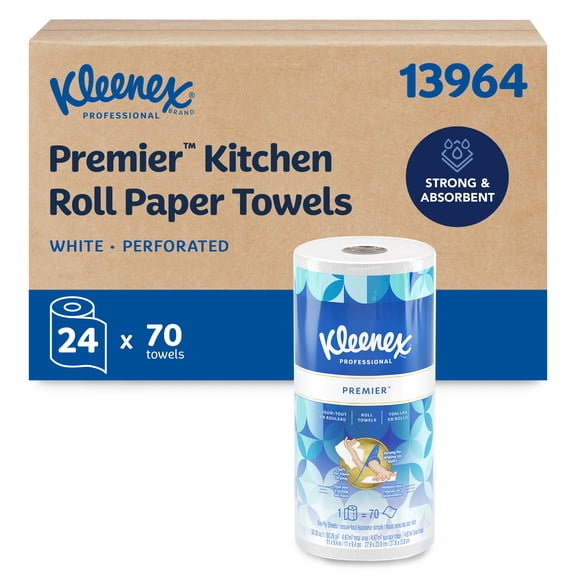

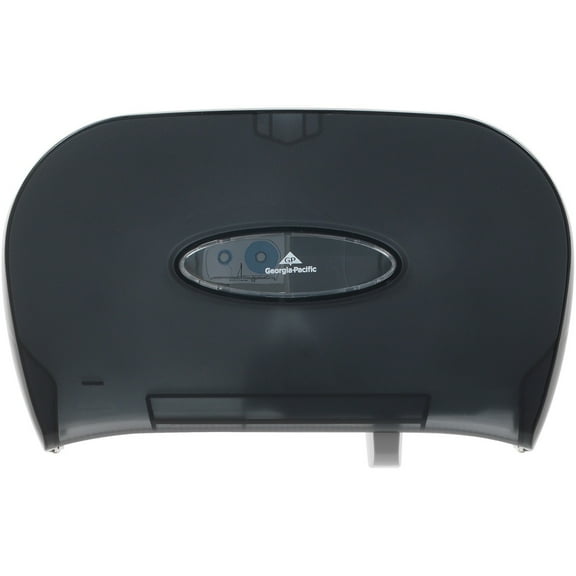

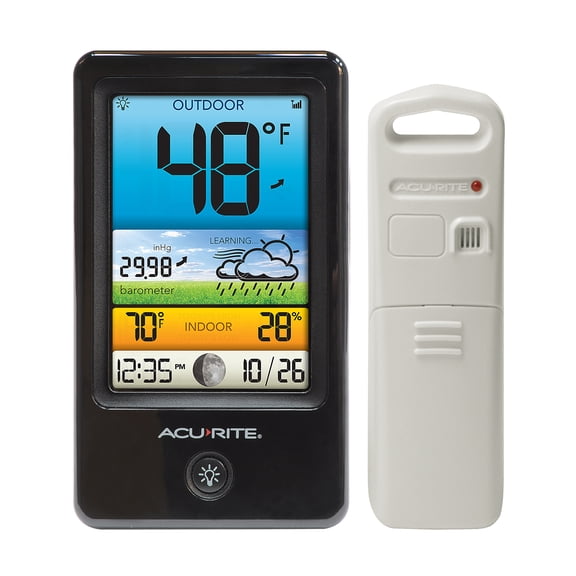








About Industrial & Scientific Featured Brands - Walmart.com
Industrial scientific brands help you source business-ready supplies for labs, facilities, and job sites in one place. You can compare equipment types, compliance details, and material grades with clearer buying guidance.
How to choose industrial scientific brands
When you shop industrial scientific brands, you usually need products that match your workplace tasks and purchasing standards. You can narrow options faster by checking equipment type, application, and ordering needs first.
Start with the environment where you'll use each item. You may need bench-ready scientific lab supplies, durable safety equipment, rugged material handling products, or MRO tools for ongoing maintenance.
Next, compare how each category supports daily workflows. You can keep procurement organized when your supplies align with manufacturing lines, laboratory research, facility maintenance, or construction tasks.
Choosing equipment type for your work
Equipment type shapes how easily you can build complete carts for your team. You can group scientific lab supplies, safety equipment, and maintenance essentials around the work your staff handles every day.
- You can select lab supplies when your team needs containers, measuring tools, and bench accessories for repeatable research tasks.
- You can choose safety gear when your workplace requires visible, job-specific protective items for training, inspections, and daily use.
- You can compare material handling products when your crew moves cartons, stock, or equipment across warehouses and production areas.
- You can add MRO tools when your facility depends on steady upkeep, repairs, and replacement parts for smooth operations.
That approach gives you a clearer path from department needs to reorder planning. You can also reduce mismatched purchases when each item type serves a defined operational purpose.
Checking compliance and standards
Compliance details matter when you buy for regulated workplaces. You should compare ANSI certified, OSHA compliant, and FDA compliant references because those terms help you match products to documented workplace requirements.
ANSI certified usually signals that you should review a recognized performance standard for the item category. OSHA compliant tells you manufacturers design the product to align with workplace safety expectations and inspection needs.
FDA compliant may appear on select items tied to controlled environments or product contact requirements. You should confirm whether that level of review applies to your use case before finalizing larger orders.
These standards are decision tools, not just labels. You can purchase with more clarity when compliance language matches your site rules, training documents, and internal approval process.
Comparing material grade and durability
Material grade helps you judge how products may perform in demanding settings. You should compare industrial grade, healthcare-grade, and commercial grade options based on your environment and handling patterns.
Industrial grade often fits heavy daily use, repeated cleaning, and tougher surfaces. Commercial grade can make sense when you need dependable performance for routine business operations and shared work areas.
Healthcare-grade may matter when your workflow requires more specialized material standards or cleaner-use expectations. You can avoid overbuying or underbuying when your grade choice matches the actual task.
Durability also affects replacement cycles and workflow consistency. You should look for sturdy construction, dependable finishes, and practical designs that hold up under frequent use.
Matching industrial equipment brands to applications
Industrial equipment brands vary by application, so you should match them to the work you manage. You can compare options more effectively when you start with the setting instead of the product label.
For manufacturing, you may prioritize commercial industrial supplies that support throughput, storage, and routine maintenance. For laboratory research, you may focus on scientific lab supplies that support organized, repeatable setups.
In facility maintenance, you may need MRO tools, cleaning accessories, and replacement essentials that keep operations moving. On construction projects, you may look for safety equipment and handling gear built for active job sites.
This application-first method helps you align departments, purchasing lists, and replenishment plans. You can make faster approvals when every item connects to a defined operational use.
What to look for in bulk procurement
Bulk purchasing needs more than a long product list. You should check pack sizes, replenishment patterns, and shipping timelines so your team can maintain supplies without frequent interruptions.
Brand reliability matters here because you need consistent specs across repeat orders. You can simplify training and inventory management when replacement items follow familiar formats and dimensions.
You should also review warranty details in plain terms before ordering. That step helps you understand coverage periods, claim steps, and whether the product fits your organization's purchasing expectations.
Shipping logistics can shape your timeline as much as product selection. You can plan receiving space, storage flow, and department distribution when order quantities and delivery windows are clear.
Why this category supports business purchasing
This category brings industrial scientific brands into a practical comparison path for business buyers. You can evaluate compliance, durability, equipment type, and application needs with less guesswork.
When your supplies match your workflow, your team can keep labs, facilities, and job sites running with fewer purchasing gaps. You get a more organized path to dependable operational support.