

Featured Brands in Professional Safety Shop
























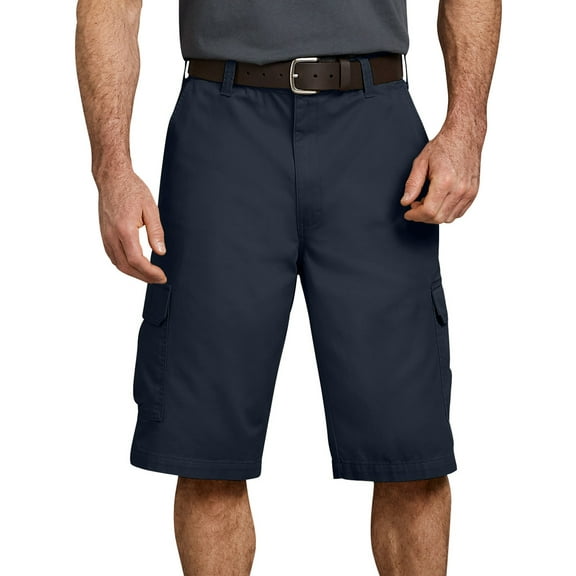


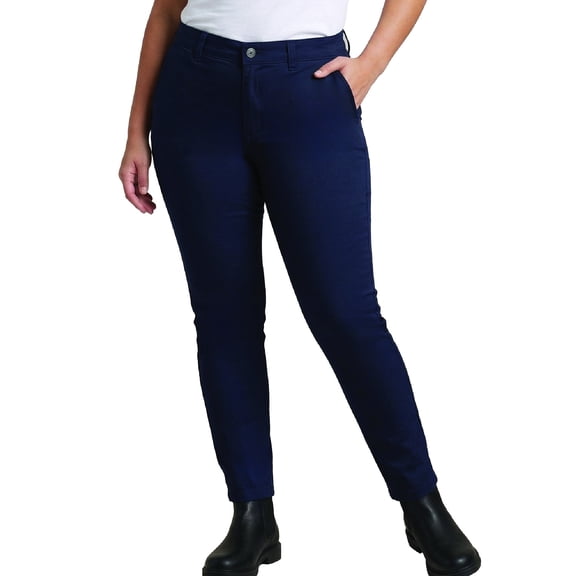


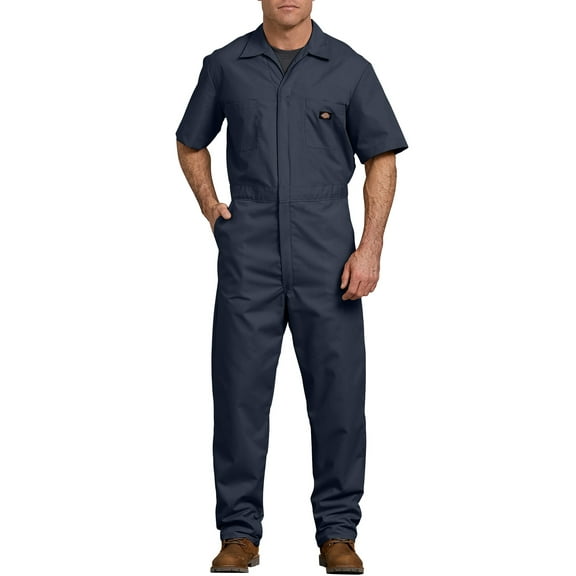


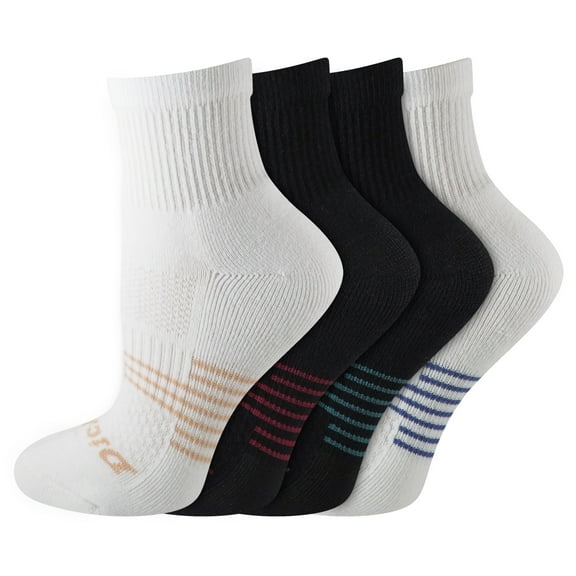










About Featured Brands in Professional Safety Shop - Walmart.com
Professional safety equipment helps you compare trusted workplace gear with clearer buying criteria. You can review PPE types, protection ratings, and job-specific options in one brand-focused destination.
How to choose professional safety equipment
Start with the task instead of the package design, and you’ll make more informed picks. Your work area, wear time, and exposure level should guide each choice.
Another useful step is matching the PPE type to the job before you compare brands. You may need hard hats, safety glasses, respirators, or high-visibility vests for daily work.
Next, compare protection ratings that support your workplace requirements and purchasing standards. You can look for ANSI certified options, OSHA compliant designs, N95 respirators, or Class 2 visibility gear.
- You can choose hard hats for overhead tasks, material handling, and active jobsites.
- You can choose safety glasses when your work calls for clear, impact-rated eye coverage.
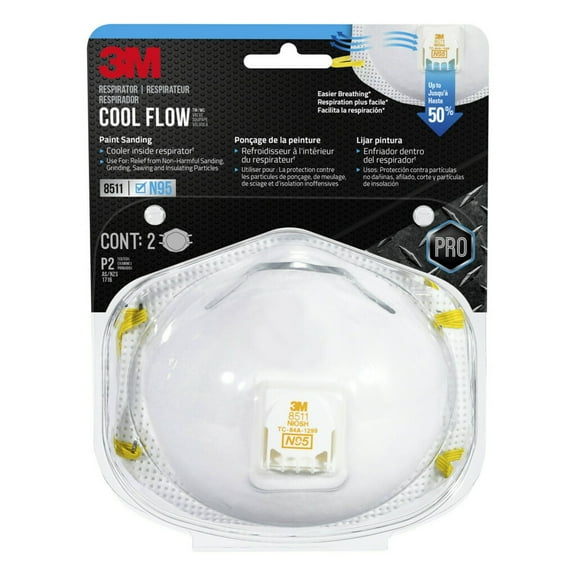
- You can choose respirators when your workflow requires a specific filtration format and rating.
- You can choose high-visibility vests when your team needs high visibility around traffic or equipment.
With those filters in place, you can compare safety equipment brands with less guesswork. Your shortlist becomes clear when each option matches the task, rating, and work environment.
Choosing personal protective equipment by compliance needs
Compliance details matter when you standardize gear across crews, departments, or repeat orders. You may review ANSI Z87.1 for eyewear, OSHA regulations, and NIOSH ratings for respirators.
Those terms work well as practical filters during product review and approval. You can use them to align purchases with workplace requirements and documented specifications.
Just as important, you should compare the hazard type with the protection level. You may need impact coverage, splash shielding, particulate filtration, or flame-resistant materials.
When you connect the task to the rating, you can avoid mismatched gear. Your eyewear, head protection, or respiratory option should reflect the actual environment.
What to look for in professional safety gear materials
Material choices shape comfort, wear life, and cleaning routines during repeated use. You may compare polycarbonate lenses, heavy-duty nylon components, steel-toe footwear, and flame-resistant fabrics.
For clear visibility and dependable daily wear, you may prefer polycarbonate in eyewear. For straps, belts, or bags, you may prefer heavy-duty nylon that handles repeated handling.
You should also compare reusable and disposable formats based on shift length and replacement plans. Your operation may prefer washable gear in some roles and single-use formats in others.
Comfort deserves a close look when your team wears gear across long shifts. You may need lightweight construction, adjustable closures, breathable panels, or cushioned contact points for steady wear.
Matching industrial safety supplies to the job
Industry application can narrow your options before you compare detailed specs. You’ll often need different industrial safety supplies for construction, manufacturing, welding, and healthcare.
On construction sites, you may choose hard hats, Class 2 vests, and safety glasses. Your crew may need gear that stays visible and secure during movement, lifting, and outdoor work.
In manufacturing spaces, you may focus on eyewear, gloves, respirators, and protective clothing. Your selection should reflect machine exposure, airborne particles, and repeated shift use.
For welding tasks, you may need face coverage, flame-resistant apparel, and steel-toe footwear. Your setup should reflect sparks, heat exposure, and durable materials for demanding work.
In healthcare settings, you may prioritize respirators, protective apparel, and disposable formats. Your purchasing plan may also consider comfort, easy replacement, and clear sizing across teams.
Comparing safety equipment brands for everyday sourcing
Brand comparison can support repeatable purchasing lists when consistency matters across teams. You may compare safety gear brands for fit consistency, rating visibility, and category depth.
Clear labeling helps you review product pages quickly and document choices with confidence. You should look for certifications, intended use details, and compatible accessories that are easy to identify.
It also helps when assortments cover several core categories instead of one item type. Your sourcing process gets straightforward when eye protection, respiratory options, and visibility gear follow a familiar system.
You may also benefit from linked paths to PPE, safety glasses, and high-visibility clothing. When you organize professional safety equipment around ratings, materials, and job demands, your final choice becomes straightforward.