

Drum Stands in Drums


















About Drum Stands in Drums - Walmart.com
Drum stands help you build a steady, playable kit with the right support for every drum and cymbal. You can compare stand type, bracing, adjustability, and portability to match your setup and playing style.
If you're replacing worn hardware or building a new rig, you need parts that fit standard drum kits. You can use this guide to compare drum holders, mounts, and support options with more confidence.
Choosing the right drum stands
When you compare stand type first, you can narrow your options faster and avoid mismatched hardware. You should match each stand to the instrument position you want to support.
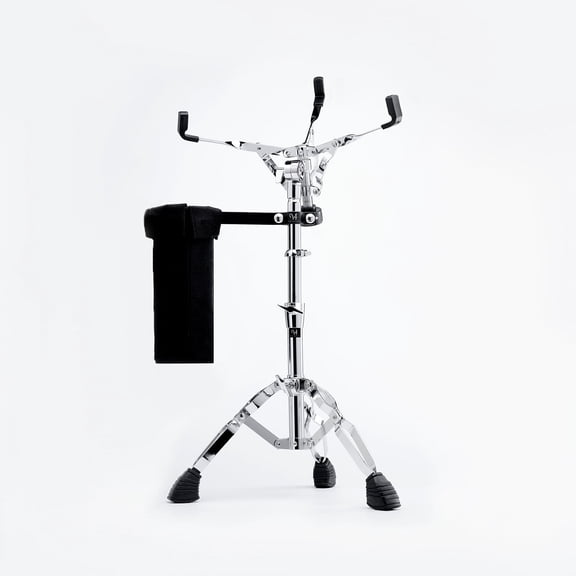
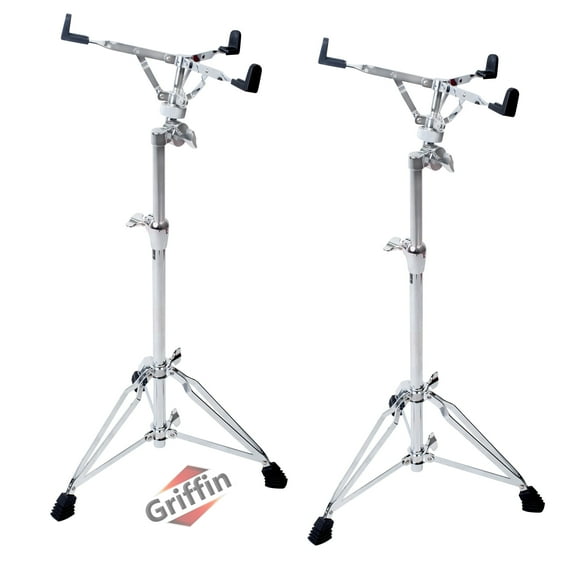
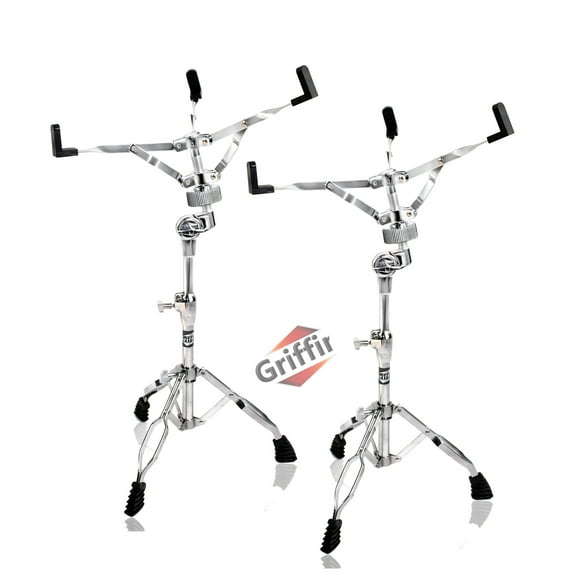
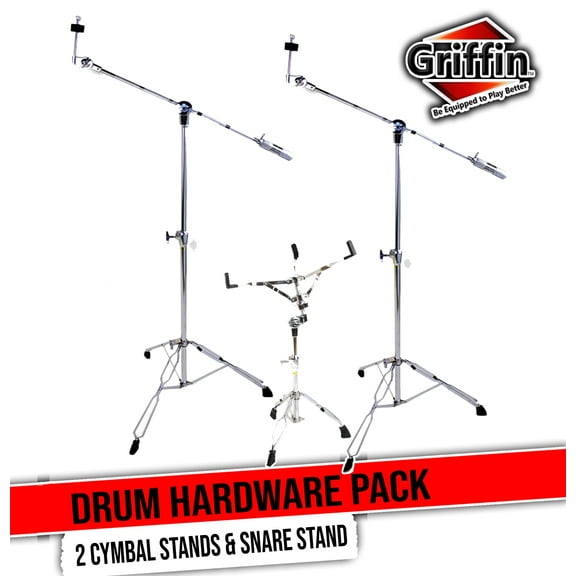
A snare stand uses a basket that grips your drum shell area, so you should check basket size before you choose. If you use a piccolo or deep snare, you should compare the adjustment range carefully.
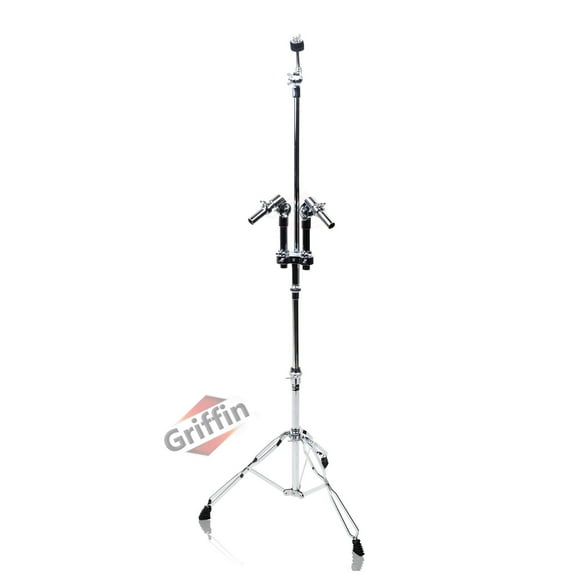
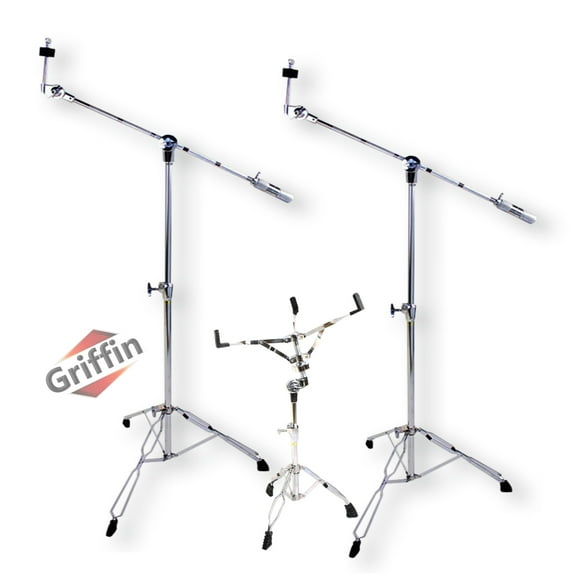
A cymbal stand supports crashes, rides, or splashes, and you can choose straight or boom styles. If you want more reach over your bass drum or toms, you may prefer a boom arm.
A hi-hat stand gives you pedal control and cymbal support in one piece of hardware. If your kit feels cramped, you should compare footprint and leg shape before you buy.
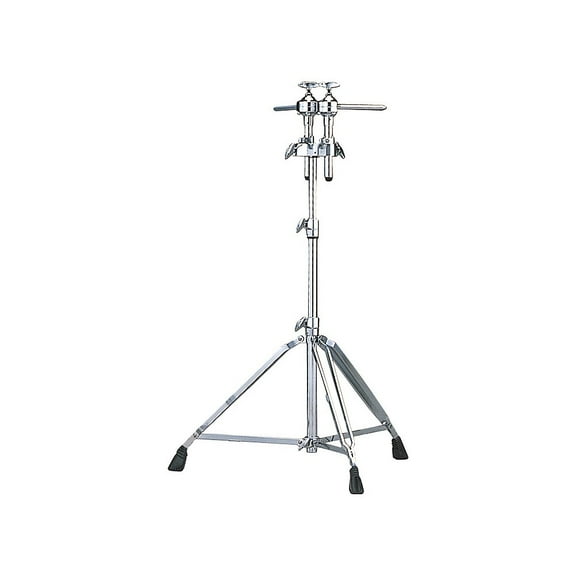
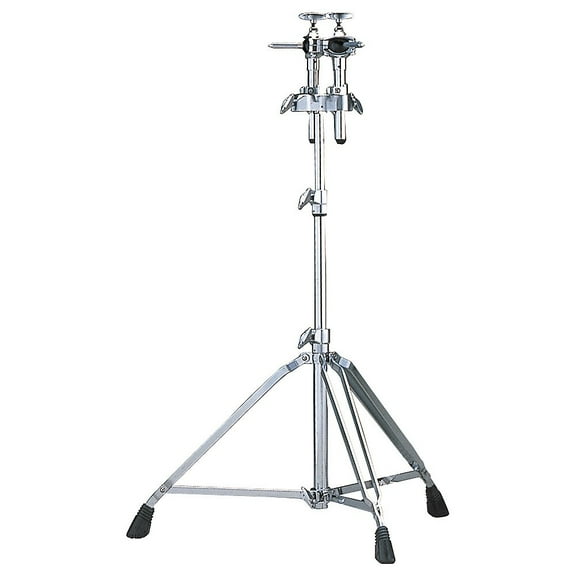
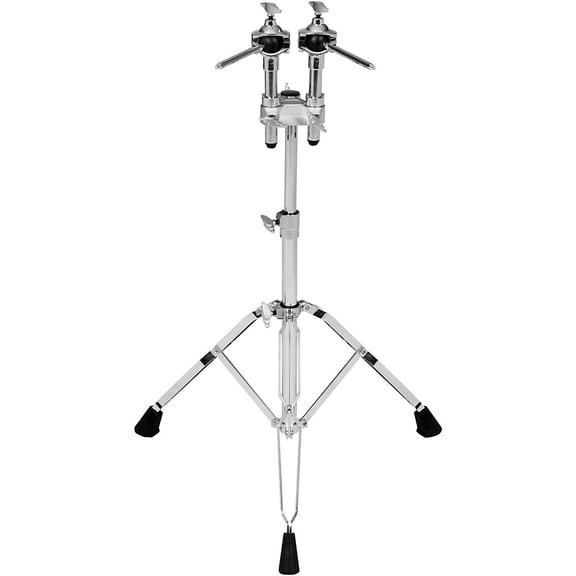
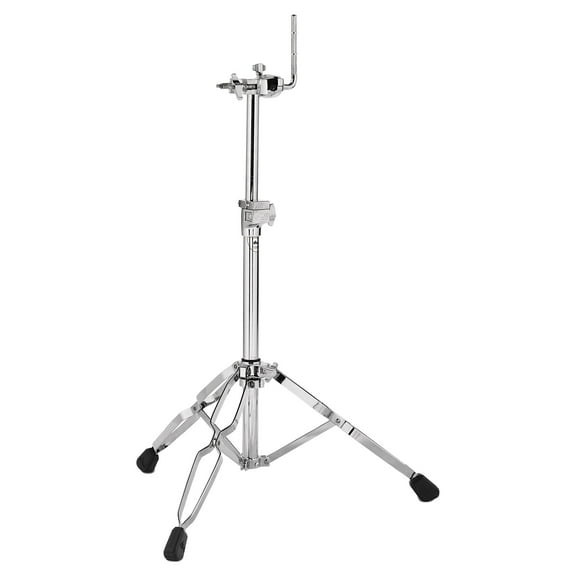
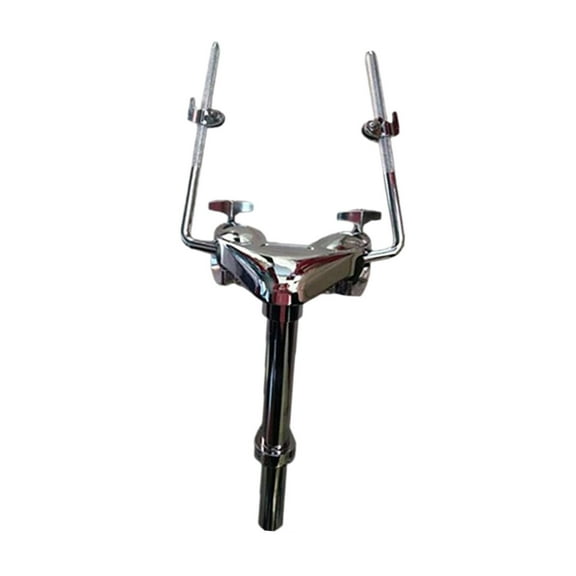
A tom stand can help you position rack toms without depending on your bass drum mount. If you want a flexible drum set stand layout, you may like separate tom support.
How to compare drum stand stability
Bracing affects how planted your setup feels when you play with force. You should compare single-braced and double-braced legs based on your playing intensity and kit weight.
Single-braced options can feel lighter to carry, and you may like them for rehearsals or smaller kits. If you move gear often, you may appreciate easier lifting and faster packing.
Double-braced hardware adds extra leg support, so you can get a steadier feel during heavier sessions. If you strike hard or mount larger cymbals, you may want that extra structure.
- You can use double-braced legs when your kit includes heavier cymbals or larger drums.
- You may prefer single-braced models when your setup travels often between practice spaces and stages.
- You should check leg spread if you need stability without blocking nearby pedals or stands.
- You can compare rubber feet and base shape when your kit sits on wood, carpet, or risers.
Stability also depends on how your hardware shares space with pedals and other stands. You should look for leg designs that fit your kit without forcing awkward angles.
What adjustability means for your setup
Adjustability changes how easily you can place your snare, cymbals, and toms where your hands naturally fall. You should compare height range, tilter style, and memory locks before you choose.
A geared tilter moves in set steps, so you can make repeatable angle changes with clear stopping points. If you like precise positions, you may find that style easier to dial in.
A gearless tilter gives you smoother angle control, and you can fine-tune cymbal placement with fewer limits. If you want exact cymbal tilt, you may prefer that freer adjustment.
Memory locks help you return to the same height after transport, so your setup takes less guesswork. If you gig often, you may appreciate quicker setup between rehearsals and shows.
You should also check cymbal thread size and mount compatibility before choosing drum stands & mounts. If your cymbal hardware uses standard fittings, you can swap pieces more easily across your rig.
For snare support, you should compare basket adjustment with your drum diameter and shell depth. If your snare sits too high or too tight, your playing position can feel off.
Choosing portability for practice, gigs, and storage
Portability matters when you carry hardware bags, load vehicles, or store your kit between sessions. You should compare collapsible designs, overall weight, and heavy-duty construction with your routine.
Collapsible stands fold down for easier packing, and you may need that convenience in small practice rooms. If your storage space is tight, you should check folded length before deciding.
Lightweight options can reduce the strain of carrying multiple pieces from one venue to another. If you play shorter sets or smaller kits, you may not need bulkier hardware.
Heavy-duty hardware can support larger components and frequent setup changes, so you may choose it for demanding use. If your kit stays assembled often, you may accept added carry weight.
You can also compare how a drummer stand fits your full layout before picking individual pieces. If your ride, hi-hat, and snare sit close together, you should measure spacing around pedals and throne placement.
How to match drum holders to real playing setups
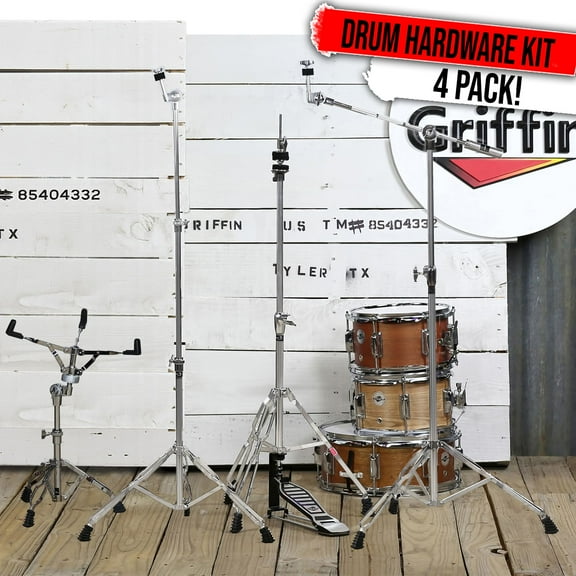
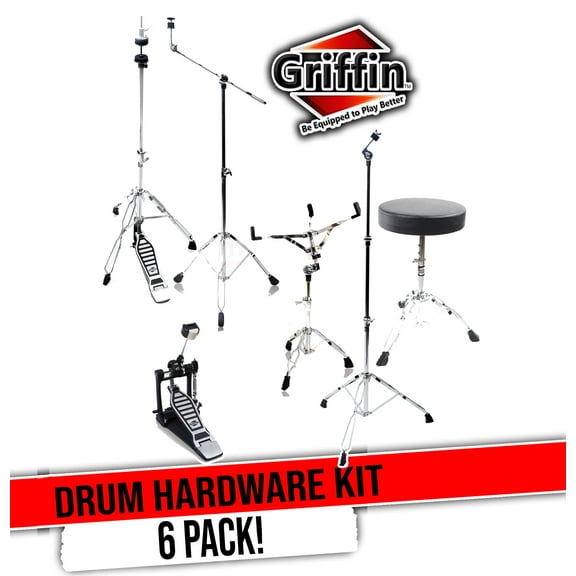
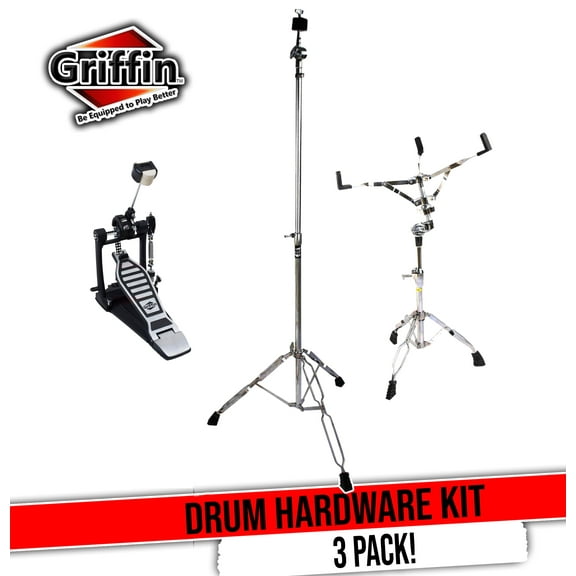
If you're building a beginner practice kit, you may want simple adjustments and lighter hardware. You can start with a snare stand, a hi-hat stand, and a cymbal stand that fit standard sizes.
If you're setting up for school band, worship, or home recording, you may want cleaner placement options. You can use boom cymbal support and memory locks to repeat your setup more easily.
If you play louder styles, you may want double-braced support and a wider base under larger cymbals. You can reduce unwanted movement by matching heavier hardware to heavier playing.
If you travel for gigs, you may prefer collapsible pieces that fit hardware bags without taking over your trunk. You can balance carry weight and stage stability by mixing lighter and heavier stands.
When your kit uses separate tom mounting, you should compare tom stand height and arm placement carefully. If your bass drum lacks tom mounts, you can still create a comfortable layout.
With the right drum stands, you can keep your kit stable, adjustable, and easier to set up every time. You can focus more on your playing when your hardware fits your drums, cymbals, and space.