

Bidets in Toilets and Bidets
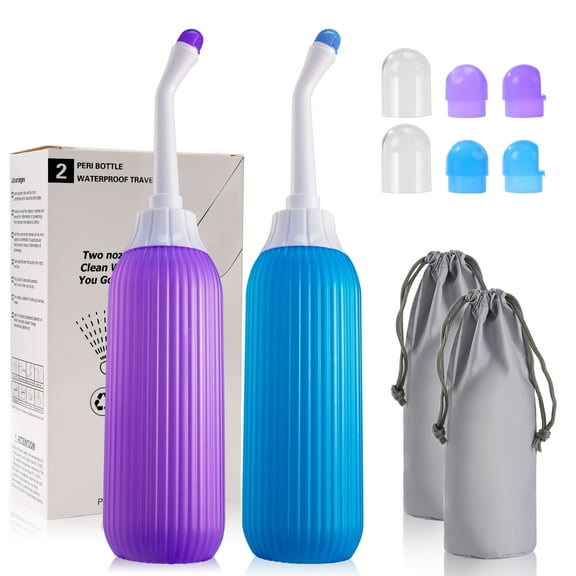

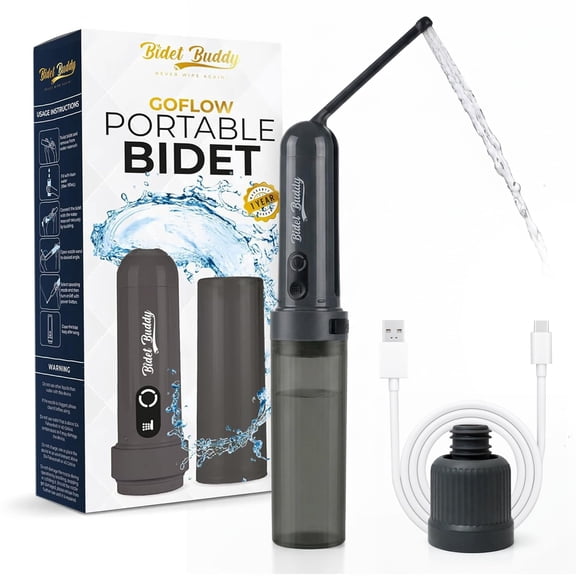
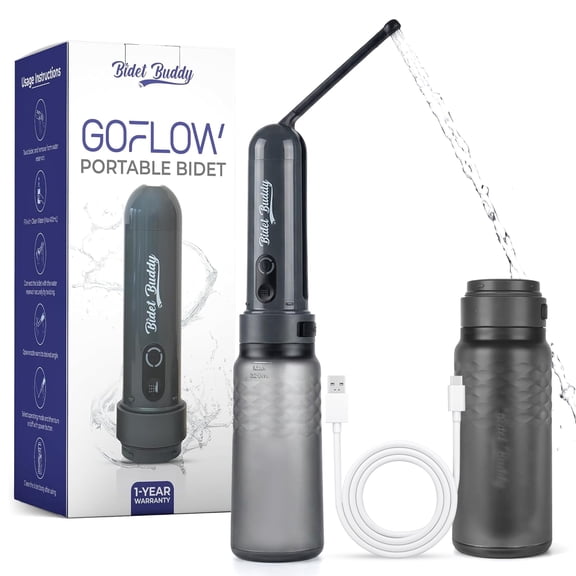
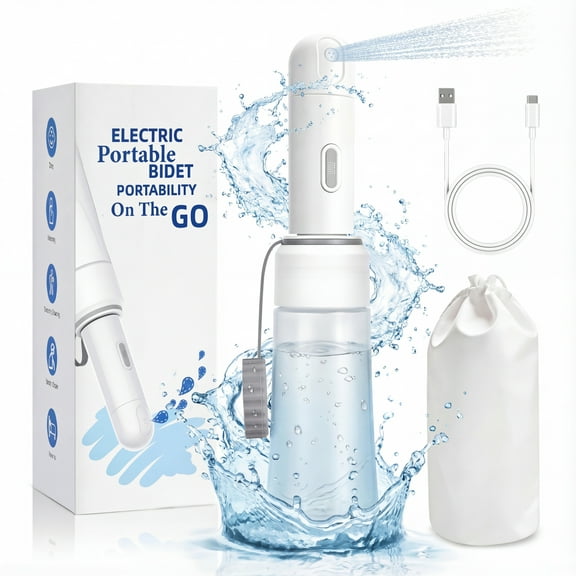
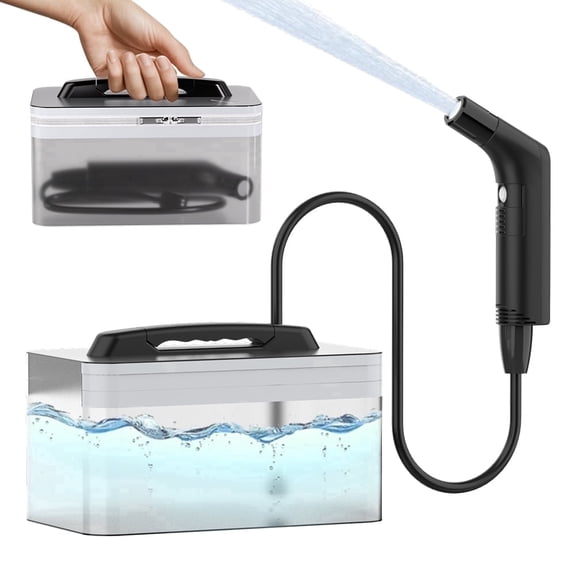


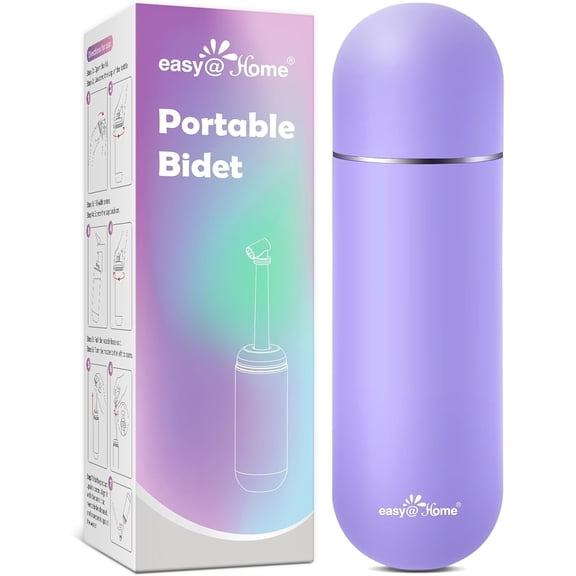





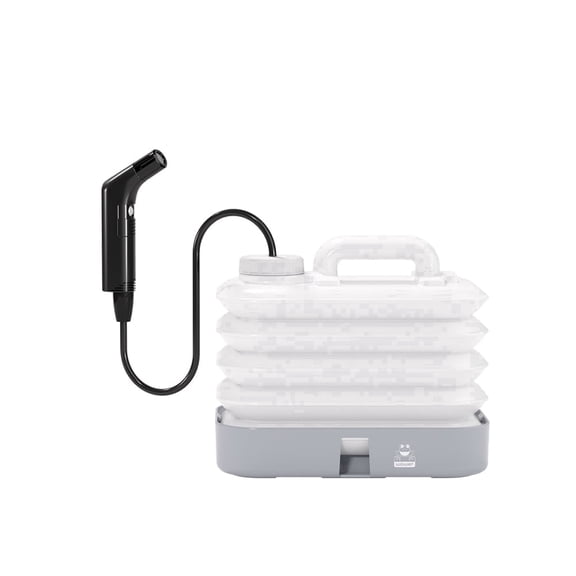


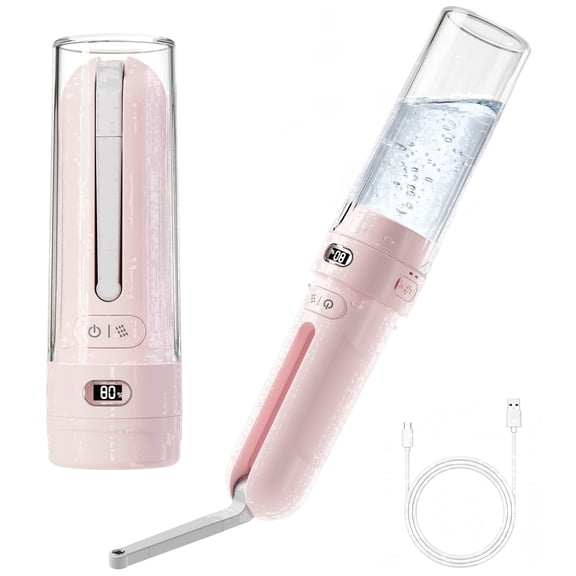









About Bidets in Toilets and Bidets - Walmart.com
You can compare toilets and bidets more confidently when you understand bowl shape, flush performance, and bidet features before you choose. You’ll also narrow your options faster when you match rough-in size, room layout, and cleaning preferences to your bathroom plan.
Choosing toilets and bidets by bowl shape
Start with bowl shape because you’ll feel the difference every day, and you’ll need the right fit for your space. You’ll often see elongated toilets, round bowls, and compact elongated designs across modern bathroom updates.
Elongated toilets give you a longer seat area, and you’ll often prefer them in primary bathrooms or larger layouts. Round bowls use less front space, so you’ll find them easier to place in smaller rooms.
Compact elongated designs split the difference, and you’ll get added comfort without taking as much floor space. Before you buy, you should measure from the wall to the bolt caps and confirm your rough-in.
You’ll usually need a 12-inch rough-in, which is the standard setup in many homes. If your bathroom has tighter clearances, you should also check door swing and vanity spacing.
Comparing flush type and water use
Flush type affects how your bathroom feels during daily use, and you’ll notice differences in water use and clearing power. You can compare single flush, dual flush, gravity flush, and pressure assisted systems as practical decision points.
Single flush models keep operation simple, and you’ll get one consistent flush setting each time. Dual flush toilets give you two flush options, so you can match water use to the job.
Gravity flush systems use tank-fed force, and you’ll often recognize them as a familiar choice for many homes. Pressure assisted designs add extra push, so you may prefer them in busy households.
When you compare GPF ratings, you’ll get a clearer view of ongoing water use. You should look for efficient designs and check whether WaterSense certification appears in the product details.
- You can use dual flush toilets when you want more control over everyday water use.
- You can choose gravity flush models when you want a familiar setup and straightforward replacement planning.
- You may prefer pressure assisted options when your household needs stronger bowl clearing performance.
- You should review GPF details when you want to compare long-term efficiency between models.
Deciding between one piece toilets and other installation types
Installation style changes how your toilet looks, how you clean around it, and how much effort setup may take. You can compare one piece toilets, two piece models, wall hung toilets, and floor mounted options.
One piece toilets have a joined tank and bowl, and you’ll often like their cleaner lines. You may also find them easier to wipe down because you won’t clean around a tank seam.
Two piece toilets separate the tank and bowl, and you’ll often appreciate easier handling during installation. If you’re replacing an older unit, you may find this style familiar and easier to match.
Wall hung toilets free up visible floor space, and you’ll get a more open look in streamlined bathrooms. Floor mounted styles remain a common choice, and you’ll usually have more compatibility with standard layouts.
You should always check product dimensions, mounting requirements, and included parts before you decide. If you’re planning a remodel, you’ll want installation details that match your plumbing layout.
Understanding bidet toilets and smart toilets
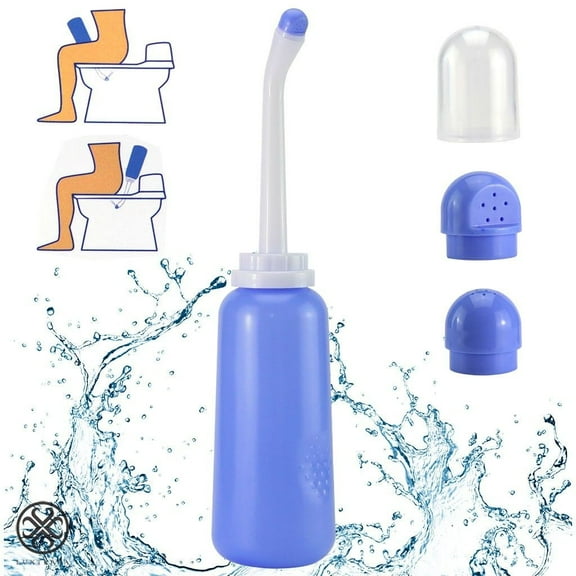
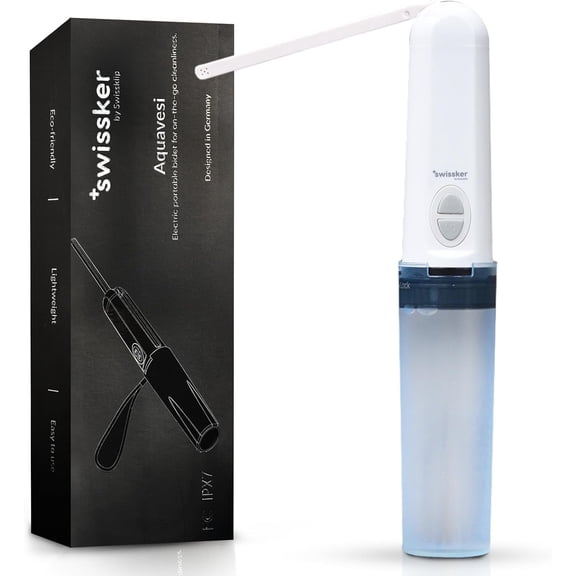
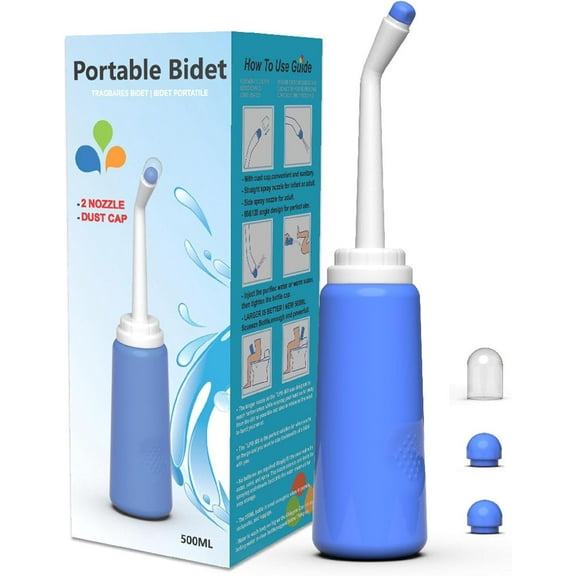
Bidet toilets bring washing features into your fixture, and you’ll see options ranging from simple spray functions to more advanced comfort settings. You can also compare smart toilets when you want integrated controls and streamlined styling.
Many bidet toilets include adjustable spray settings, and you’ll have more control over your routine. Some models add a heated seat, so you’ll get extra comfort during colder mornings.
You may also find a warm air dryer, and you’ll reduce dependence on separate paper products. A self-cleaning nozzle can simplify upkeep, and you’ll appreciate that during regular bathroom cleaning.
Before choosing advanced bidet functionality, you should check whether your bathroom has a nearby GFCI outlet. You’ll also want to confirm whether the model needs an electrical connection for heating or control features.
If you’re comparing smart toilets, you should look at control placement, cleaning functions, and overall dimensions. You’ll make a more confident choice when those features match your room and daily habits.
Matching toilets and bidets to your bathroom project
Your project type should guide your decision, and you’ll save effort when you match features to the room. For a powder room, you may prefer a round bowl or compact elongated design.
In a primary bathroom, you might choose elongated toilets with bidet functionality for added comfort and convenience. If you’re updating a modern space, you may lean toward one piece toilets or wall hung toilets.
For family bathrooms, you can focus on dual flush toilets, easy-clean surfaces, and dimensions that fit shared use. If you’re replacing an older fixture quickly, you should confirm rough-in size and floor compatibility first.
You can also pair your choice with related upgrades, such as bidet toilet seats, toilet repair parts, or bathroom vanities. When you plan the full project together, you’ll create a more coordinated bathroom update.
You’ll choose more confidently when you compare shape, flush system, installation style, and bidet features in one place. With the right toilets and bidets, you can create a bathroom that fits your space, routine, and cleanup preferences.