

All Step Stools in Step Stools



































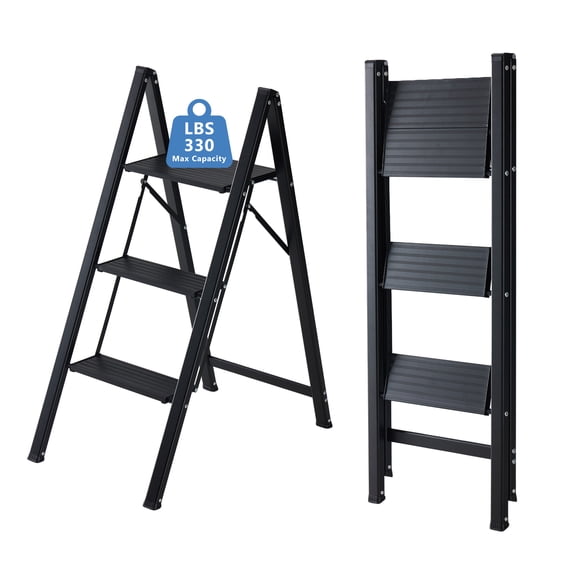


About All Step Stools in Step Stools - Walmart.com
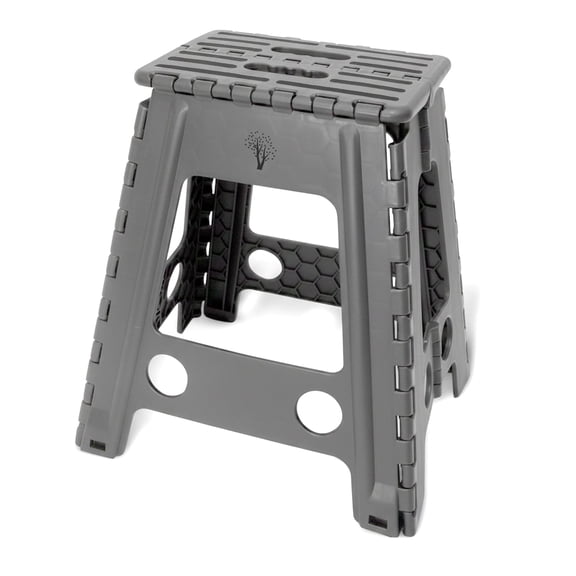
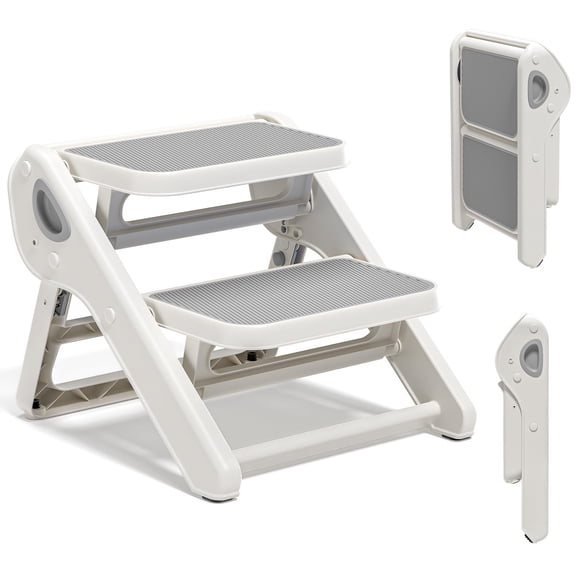
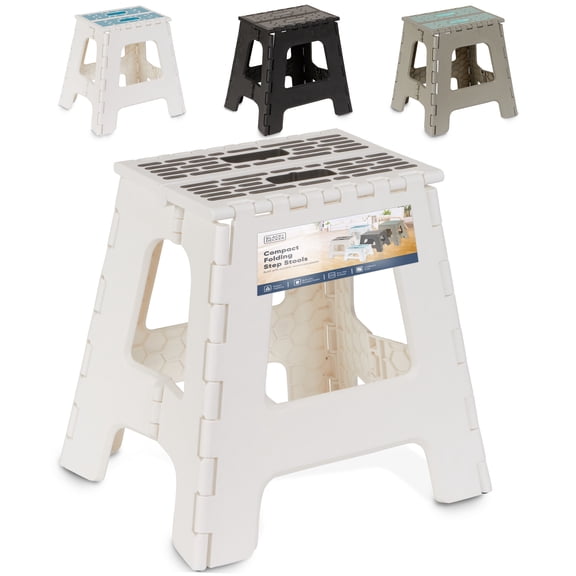
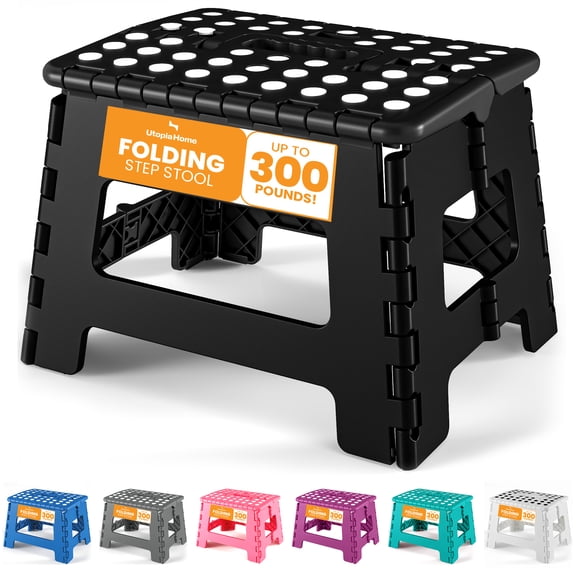
Step stools help you reach high shelves, deep cabinets, and tucked-away storage with less stretching around your home. You can compare folding designs, wooden step stools, and plastic options by height, material, and intended user.
How to choose step stools for your space
When you compare step stools, you should first measure the reach you need in your kitchen, closet, bathroom, or laundry room. You can then narrow your choice by design, step count, and surface grip.
For tight storage, you may prefer folding step stools that collapse flat behind a pantry door or beside your refrigerator. For daily access, you may prefer a rigid frame that stays ready near cabinets or counters.
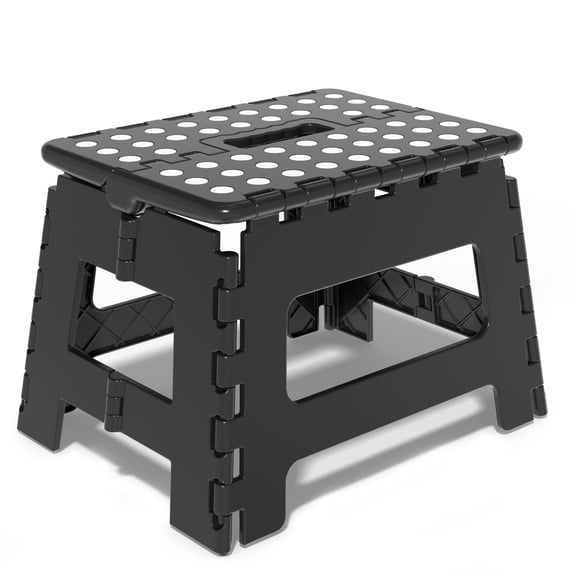
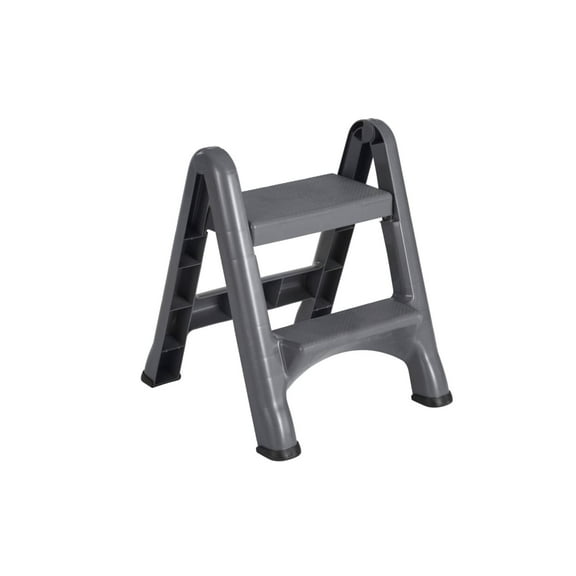
- You can use folding designs when you need quick setup and slim storage.
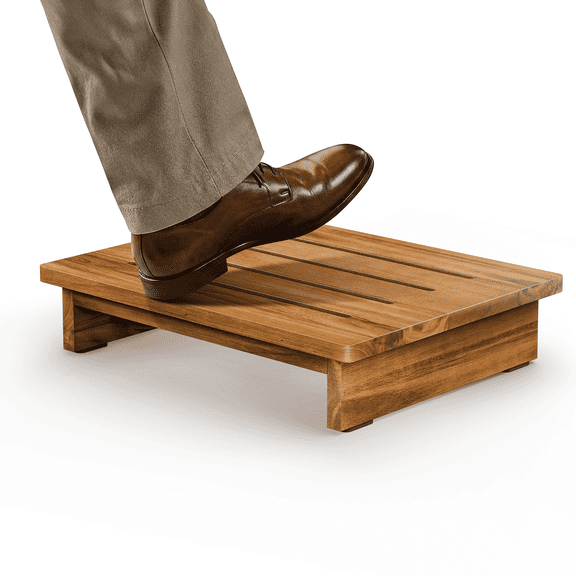
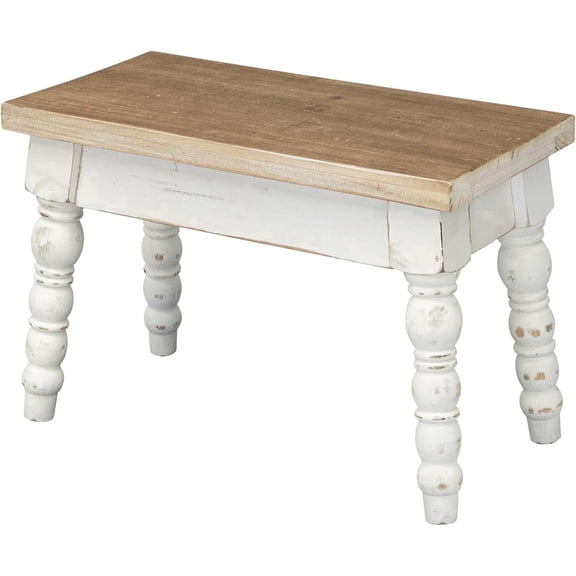
- You can choose wooden step stools when your room calls for a furniture-like look.
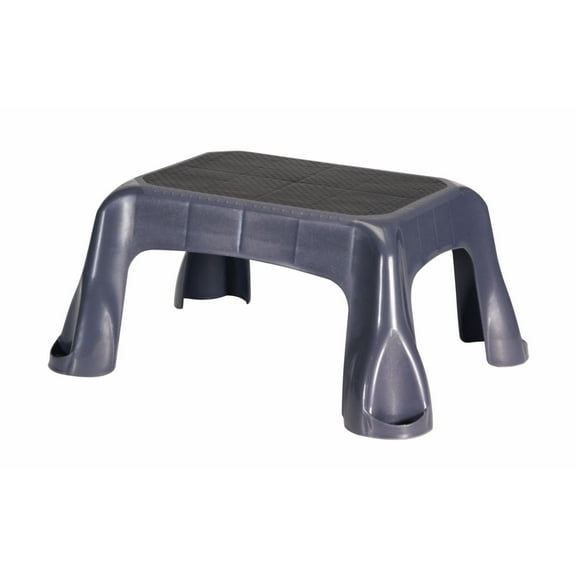
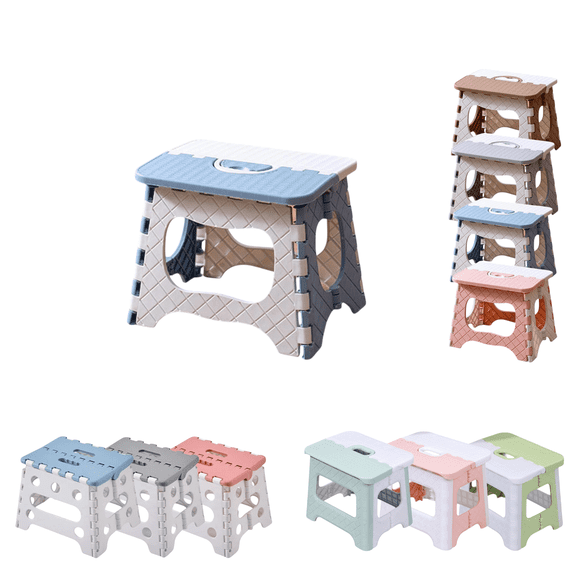
- You can pick plastic step stools when you want a lighter option to move often.
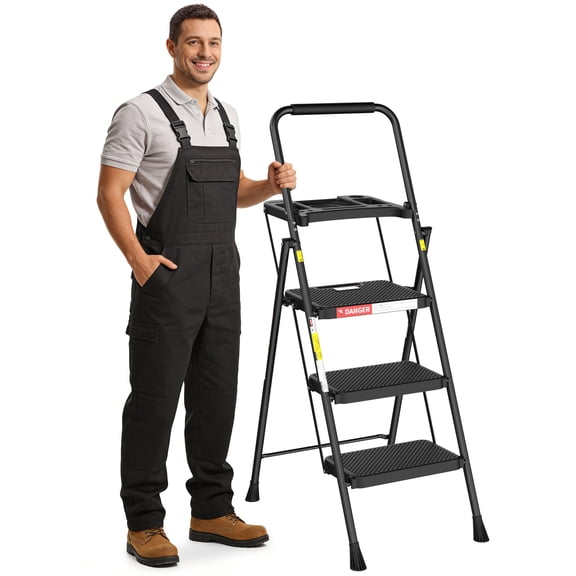
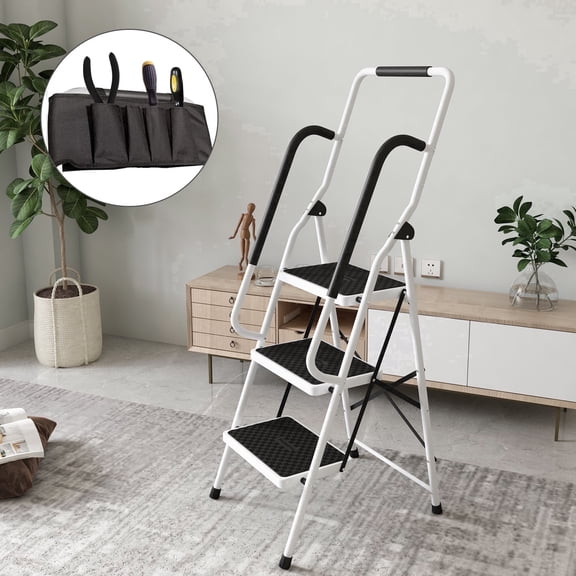
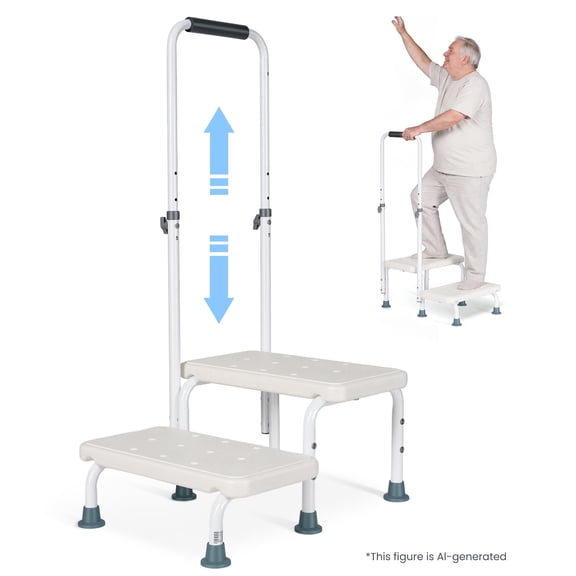
- You can select a with-handle design when you want extra support while stepping up.
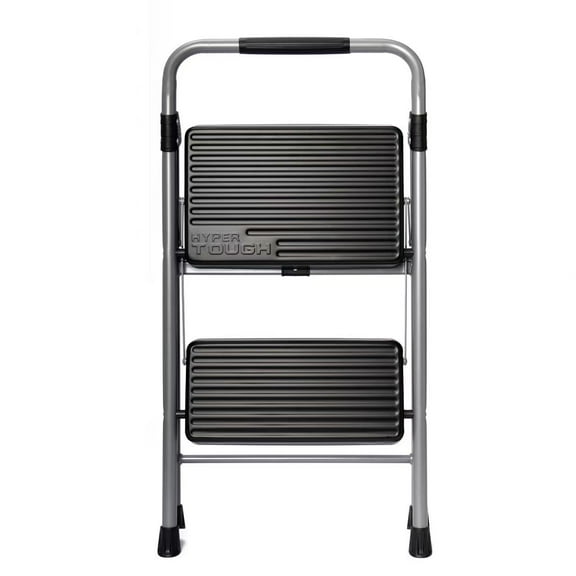
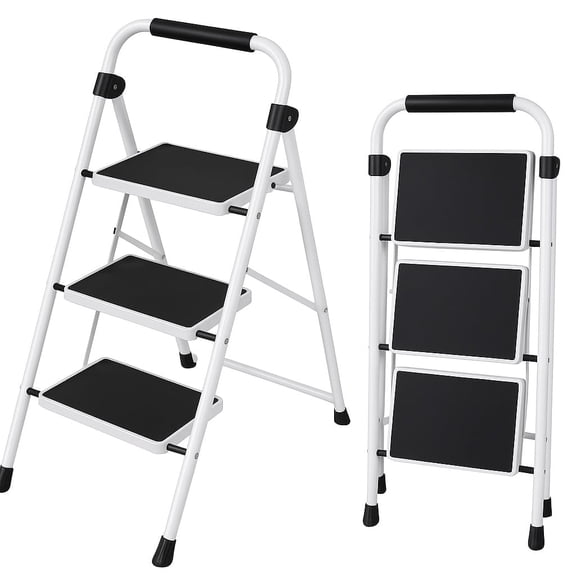
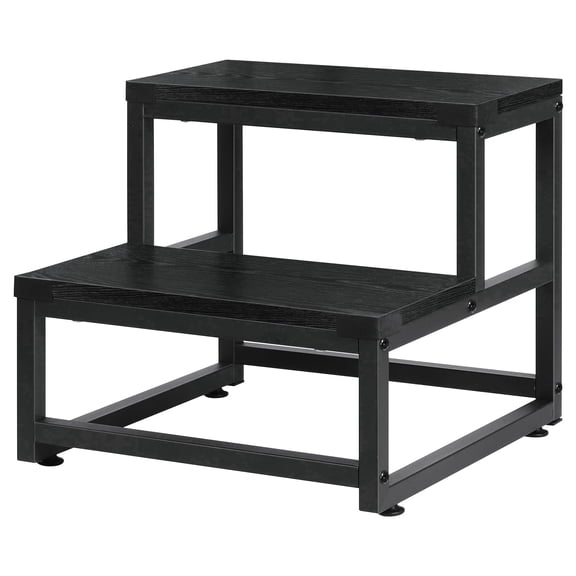
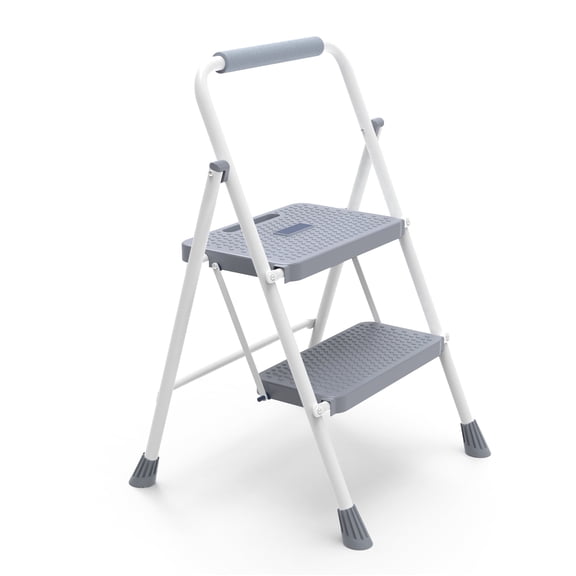
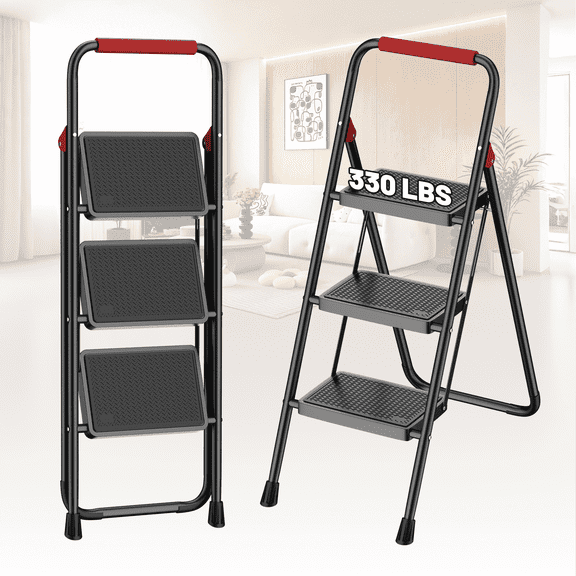
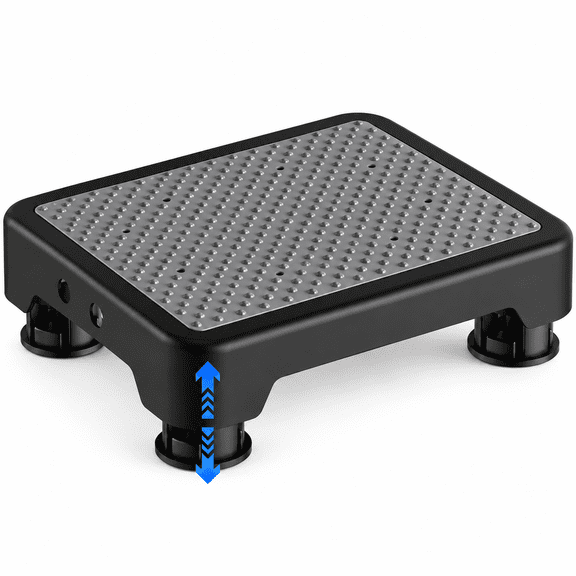
If you need more reach, you should compare a 2 step stool or a three-step model for higher cabinets. If you need a quick boost, you may only need a one-step design.
Choosing design and material for daily use
Design affects how you carry, store, and place your stool around the house. You should compare folding, rigid, with-handle, and step ladder styles based on your routine.
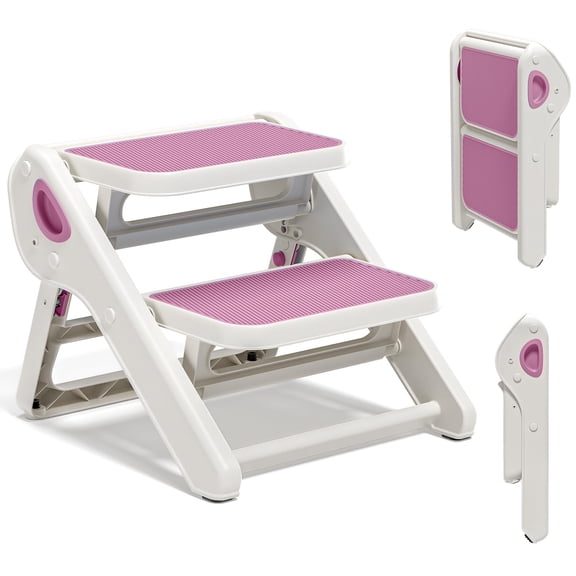
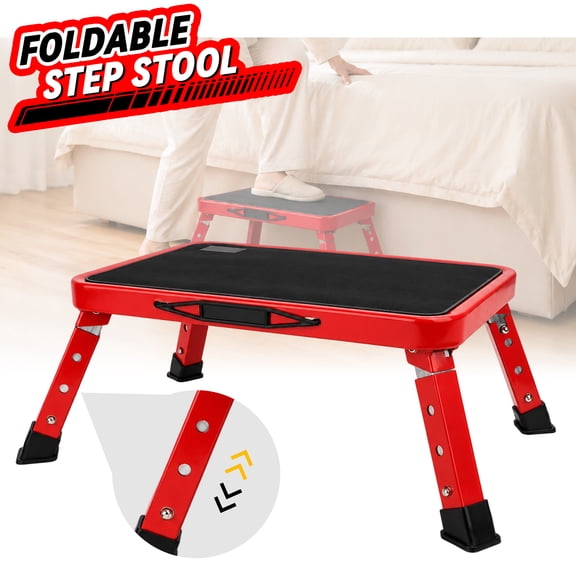
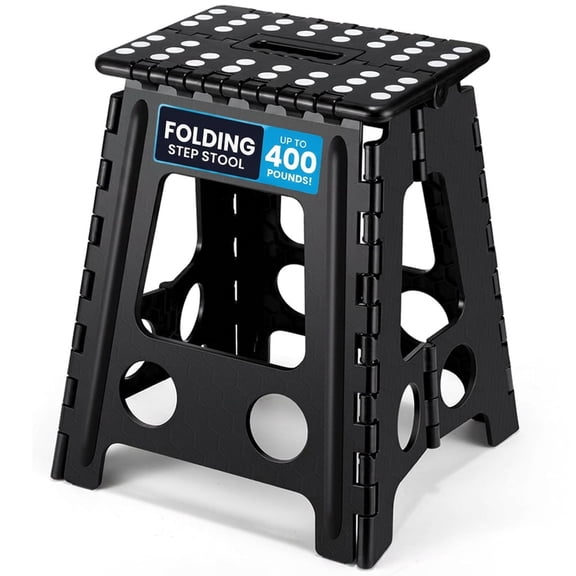
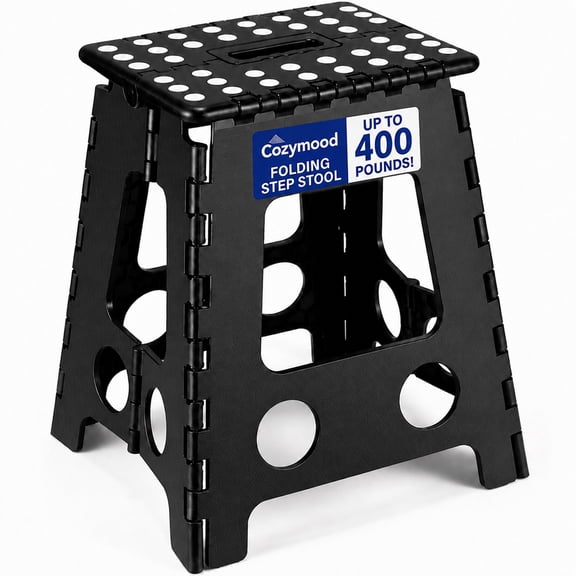
Folding step stools work well when you need occasional reach and limited storage space. You can slide many flat-folding styles into narrow gaps between appliances or inside utility closets.
Rigid designs suit spots where you need frequent access to upper shelves or cupboards. You can leave them in place without unfolding them each time you cook or clean.
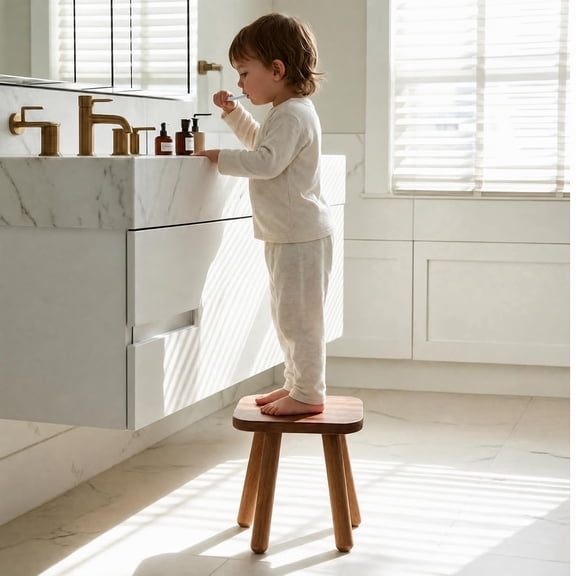
Wooden step stools can blend with kitchen islands, vanities, or built-in shelving. You may choose wood when your room has warm finishes and you want a stool that looks less utilitarian.
Plastic step stools are often easier for you to carry from room to room. You may like plastic for quick tasks in bathrooms, playrooms, or laundry areas.
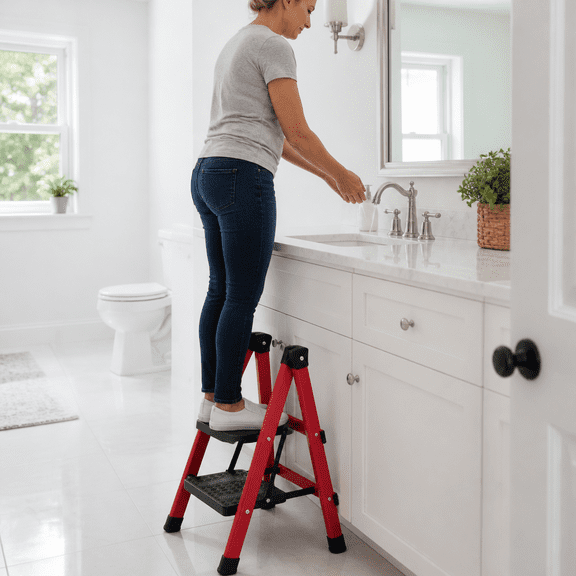
Metal and steel frames can give you a sturdy feel for repeated household use. You should check whether the frame shape, tread depth, and feet fit your flooring.
What to look for in step stools safety and weight capacity
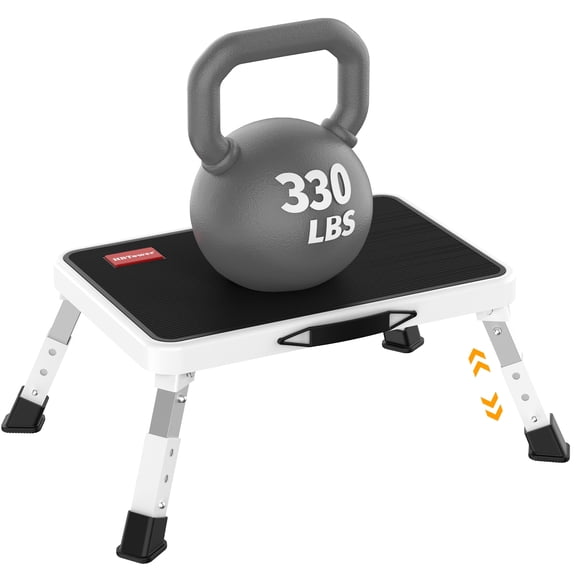
You should check load capacity in pounds before you choose step stools for adults or a step stool for kids. You should also review ANSI duty rating details when they appear in the product specs.
ANSI duty rating shows you how safety standards classify a stool for intended load support. You can use that rating with listed pound capacity to make a clearer decision.
Slip resistance matters when you step up with socks, bare feet, or smooth-soled shoes. You should look for non-slip grip material on the step surface and rubberized feet underneath.
Rubberized feet help you keep the stool planted on tile, vinyl, or wood floors. Non-slip treads help your footing feel more secure when you reach for dishes, towels, or supplies.
If you share one stool across rooms, you should compare handle height, platform width, and step depth. Those details can change how steady you feel during repeated daily use.
Matching step count to reach and user needs
You should match step count to the height you need, not just the stool's overall look. A one-step model can suit lower cabinets, while taller storage often calls for added steps.
For standard kitchen uppers, you may find a 2 step stool gives you enough reach for dishes, pantry bins, or small appliances. For closets or higher shelving, you may need a three-step design.
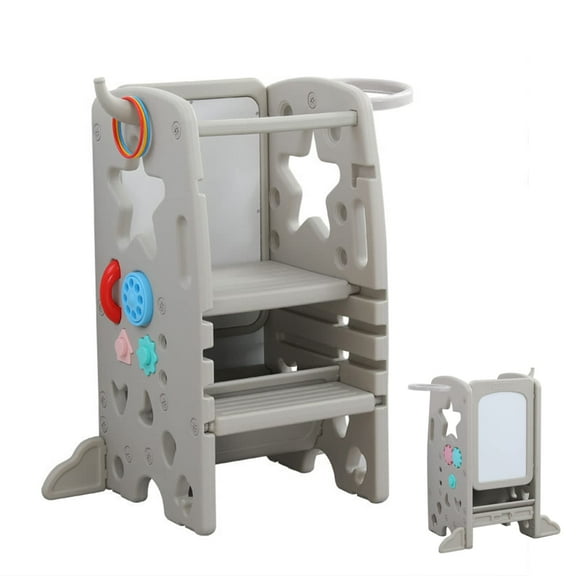
If you're choosing a step stool for kids, you should focus on lower height, broad treads, and easy carry weight. If you're choosing step stools for adults, you may prioritize reach, load capacity, and handle support.
Toddlers often use stools near sinks or counters, so you should compare platform size and grip texture carefully. Kids may also benefit from a shape that fits neatly beside a vanity.
Adults may use step ladder styles for changing bulbs, accessing linen shelves, or organizing top cabinets. You can choose a compact frame when your home needs reach without bulky storage.
Using step stools in kitchens, bathrooms, and closets
In kitchens, you can use step stools to reach upper cabinets, pantry shelves, and small appliances above the refrigerator. Wooden finishes may suit visible spaces, while folding styles suit narrow storage.
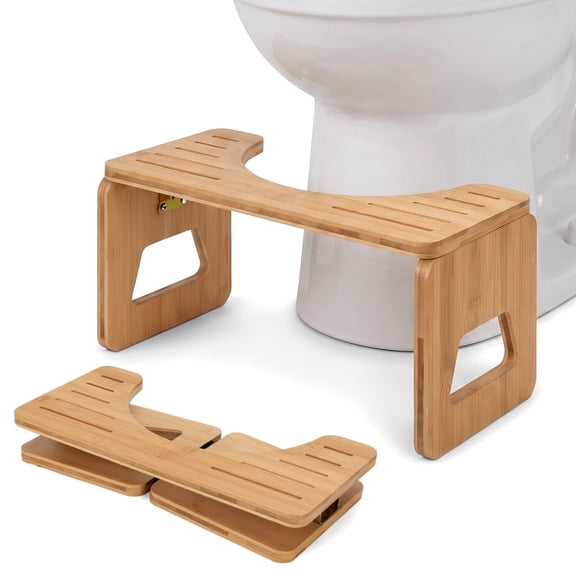
In bathrooms, you may want a smaller footprint that fits beside a vanity or toilet. Plastic step stools can be convenient when you move them often between the sink and closet.
For bedroom closets, you can compare taller step counts for top shelves, bags, and seasonal bins. A with-handle design can help you feel guided while reaching overhead storage.
In laundry rooms, you may need quick access to detergents, baskets, or shelf organizers above machines. A folding frame can be practical when your floor space stays tight.
For family spaces, you should think about who will use the stool most often and where it will live. That choice can guide you toward kids' sizing, adult reach, or multiroom portability.
When you compare design, material, step count, and safety details, you can narrow step stools to the option that fits your daily reach. The right choice helps you access shelves and cabinets with steadier footing and simpler storage.