



Massage Balls in Sports Medicine


























About Massage Balls in Sports Medicine - Walmart.com
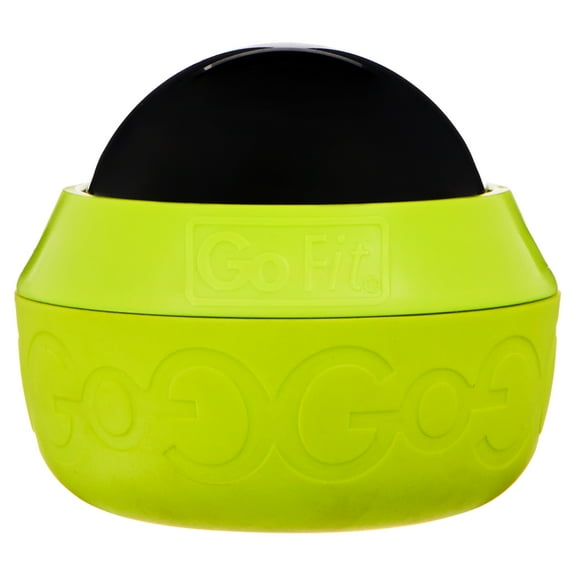
You can use massage balls to target tight spots with compact pressure and easy control. You'll notice they fit gym bags, recovery kits, and small storage spaces without taking over your routine.
When you compare this category, you should focus on texture, density, size, and shape first. You'll make a clearer choice when you match the ball to your body area and preferred pressure style.
How to choose massage balls
You should start with material and texture because surface feel changes how direct the pressure feels. You'll often compare hard rubber, spiky plastic, dense foam, and silicone when you want different contact and grip.
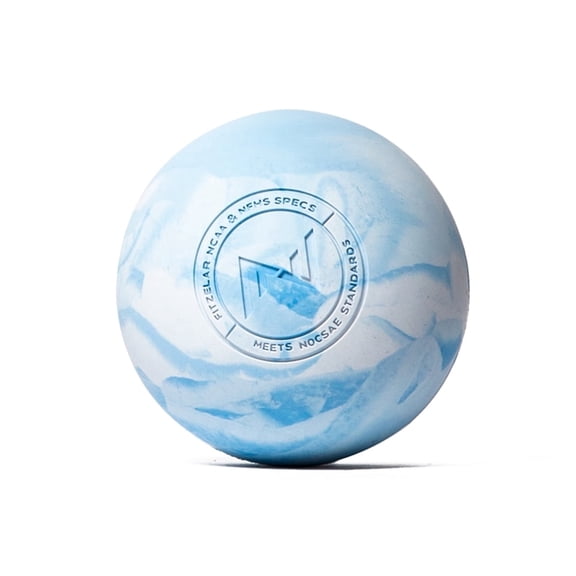
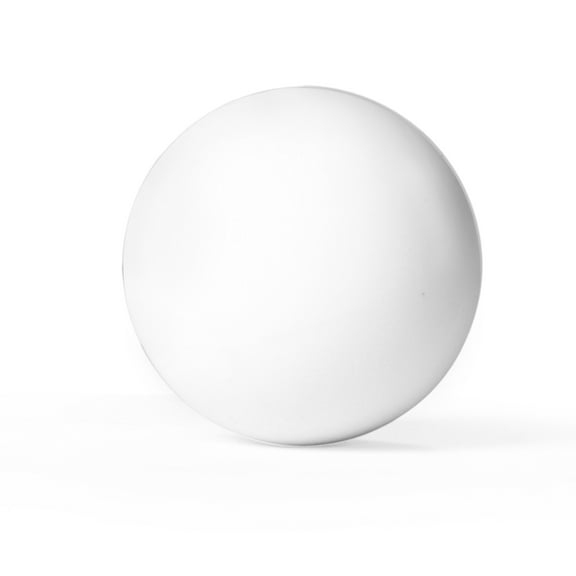
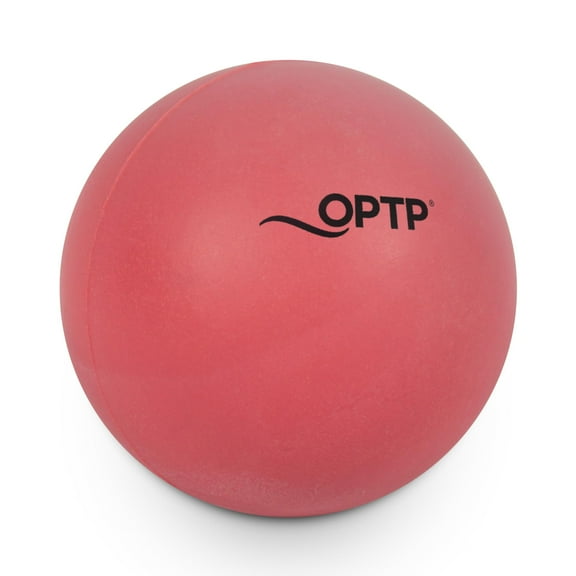
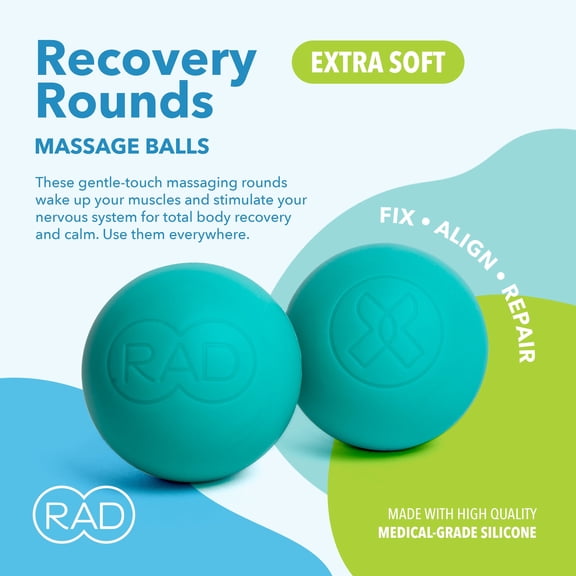
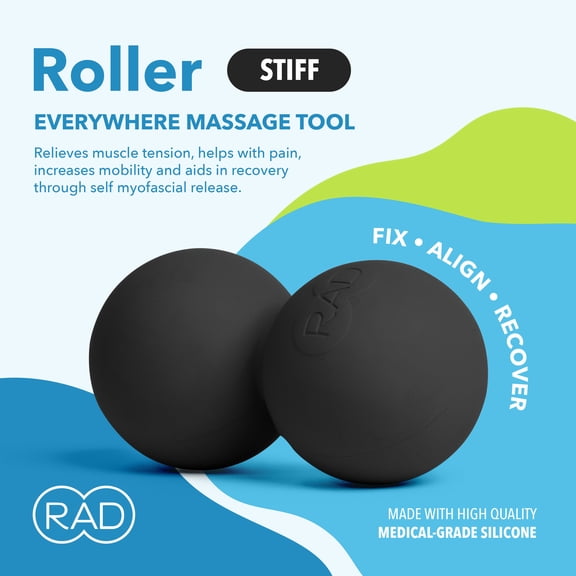
If you want a hard rubber ball for massage, you'll usually get firmer, more direct pressure. If you want denser contact without sharp texture, you'll often prefer smooth rubber or lacrosse-style options.
You may also compare shore durometer rating when you want a technical way to judge firmness. You'll use that number as a guide, since higher firmness usually feels less forgiving on tender areas.
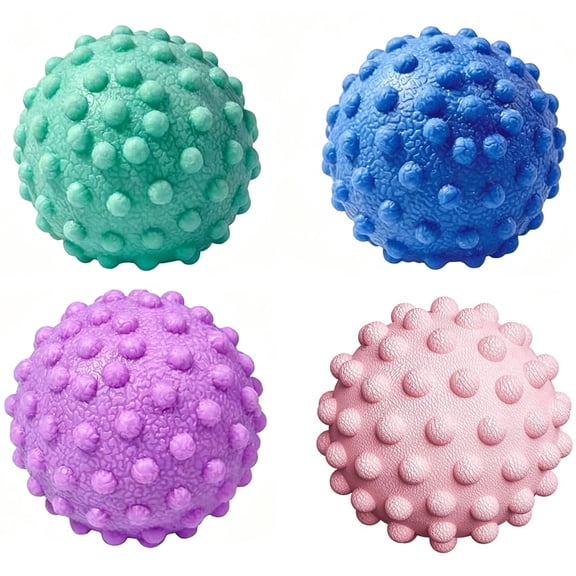
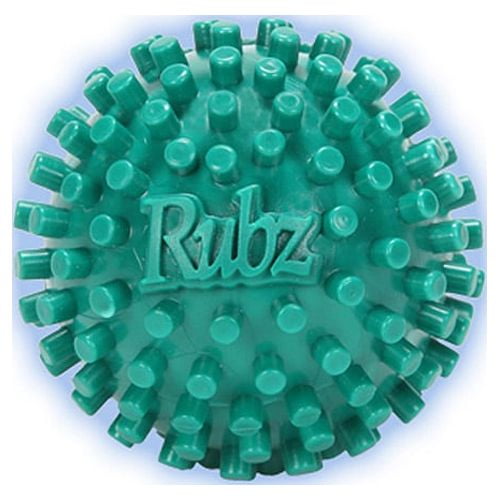
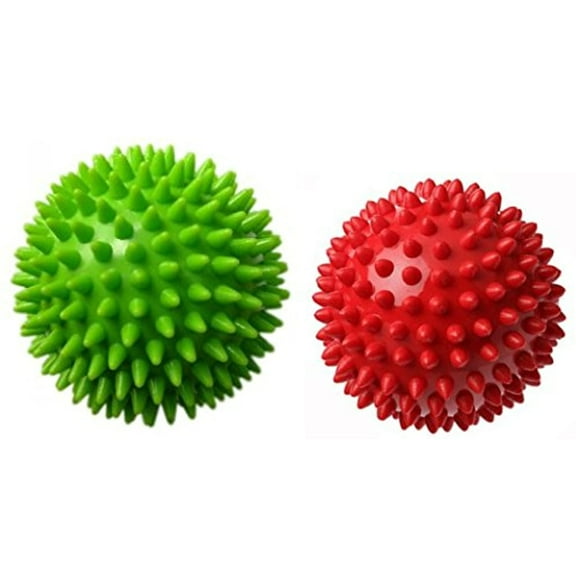
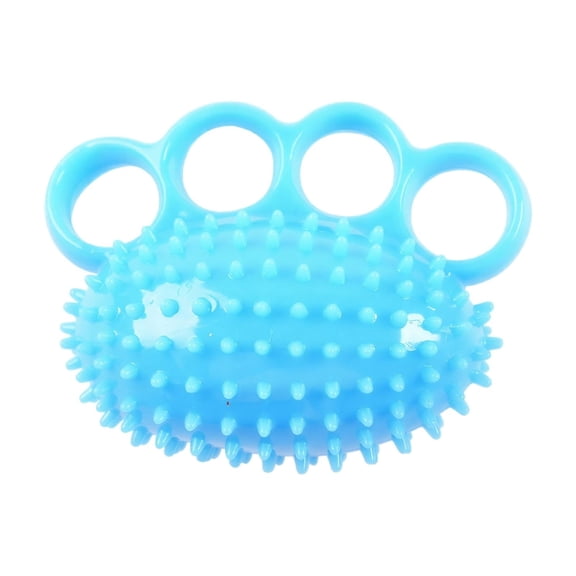
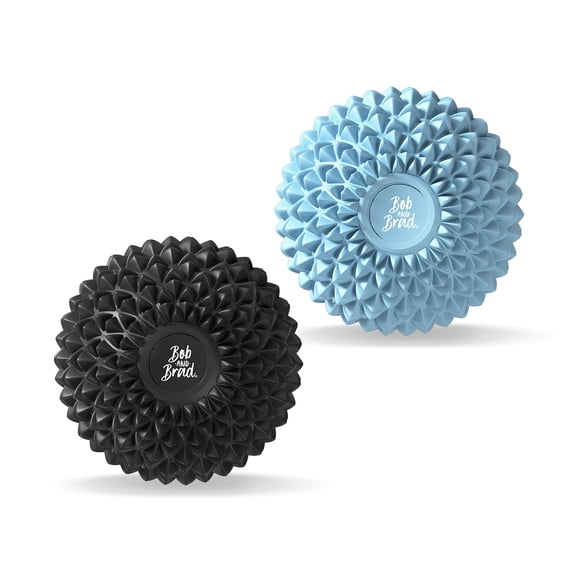
When you want more surface stimulation, you'll often consider spiky plastic designs for acupressure-style contact. When you want a softer touch, you'll usually lean toward dense foam or silicone.
- You can carry them easily for travel, gym sessions, and office breaks.
- You can target smaller areas like arches, palms, and shoulders with more precision.
- You can choose smooth or textured surfaces based on your preferred pressure feel.
- You can pick single, peanut, lacrosse, or spiky designs for different body positions.
Choosing material, texture, and firmness
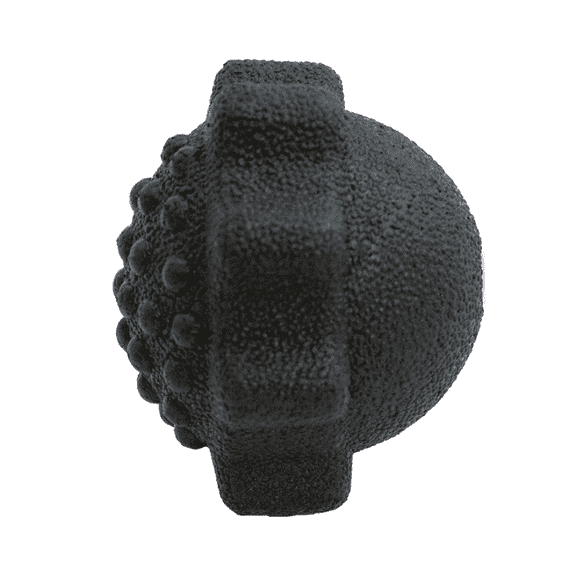
You should compare texture and density together because they change both feel and control. You'll often find smooth balls glide more evenly, while textured balls create more pointed contact.
If your routine includes deeper pressure, you may choose a massage rubber ball with a firmer build. If your routine needs a gentler start, you'll usually appreciate foam or silicone surfaces.
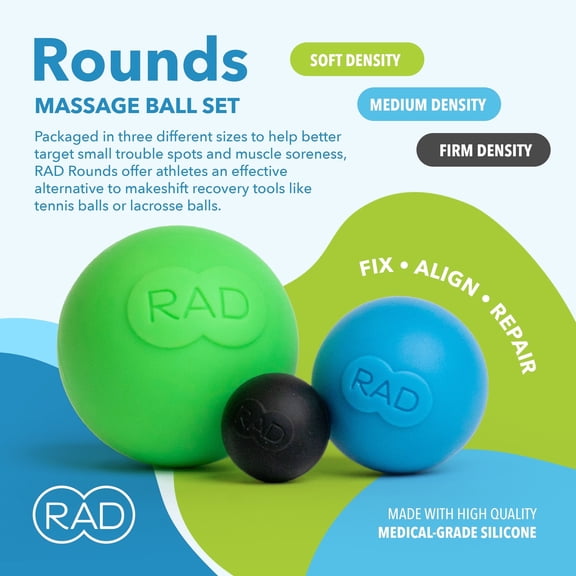
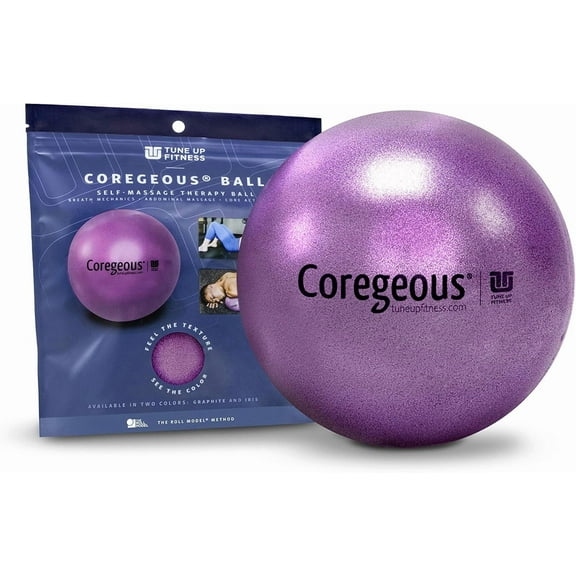
You should look at ball diameter too, because size affects how focused the contact feels. You'll often use smaller balls for feet and hands, while larger sizes spread pressure across broader areas.
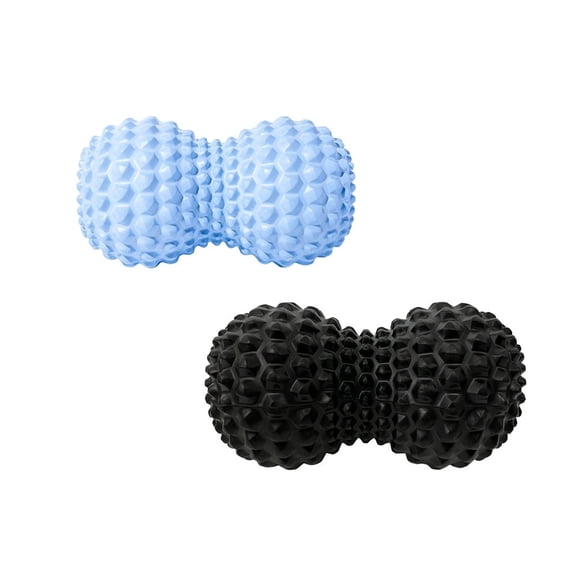
When you compare a single ball with a peanut double ball, you'll notice a clear difference along the spine area. You'll often use peanut shapes when you want space through the center channel.
If you want an exercise massage ball for workouts or mobility drills, you should consider grip and portability. You'll likely prefer a texture that stays put on floors, mats, and walls.
Matching target area and application type
You should choose by body area because feet, back, shoulders, and hands need different shapes. You'll usually want focused contact for arches, but broader coverage for larger muscle groups.
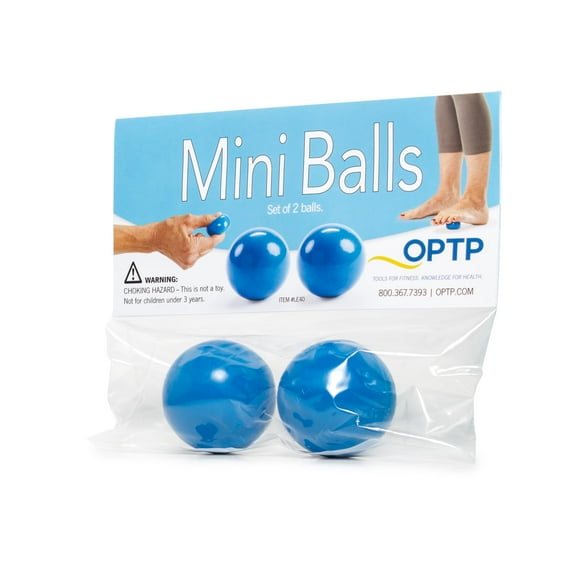
For myofascial release balls feet shoppers, you should look for compact sizes that roll under the arch easily. You'll usually want enough firmness to feel pressure without losing control.
If you want back use, you may prefer a larger single ball or a peanut design. You'll often get steadier placement against a wall, floor, or yoga mat with those shapes.
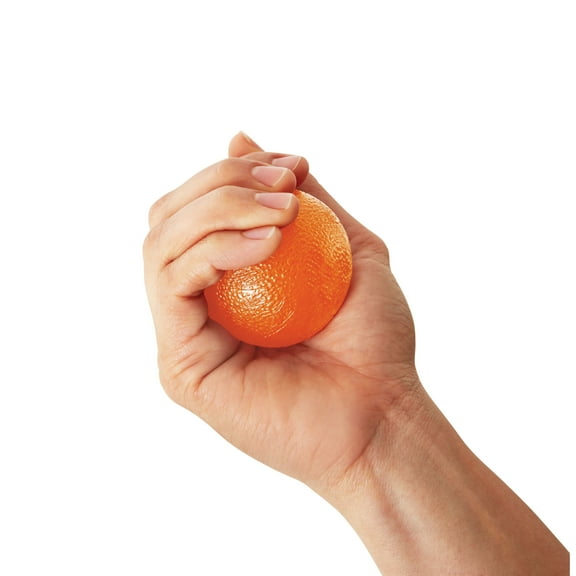
When you want a neuro ball for hands, you should look for smaller sizes and manageable texture. You'll find compact designs easier to move across palms and fingers during desk breaks.
If you're comparing a physiotherapy massage ball with an acupressure option, you should think about contact style. You'll usually choose smoother surfaces for rolling, while spikes create a more pointed feel.
You may also see shoppers search for a pain ball or cramp balls when they want concentrated pressure tools. You'll make a smarter choice by comparing firmness, shape, and target area instead of relying on one label.
Comparing design types and everyday use
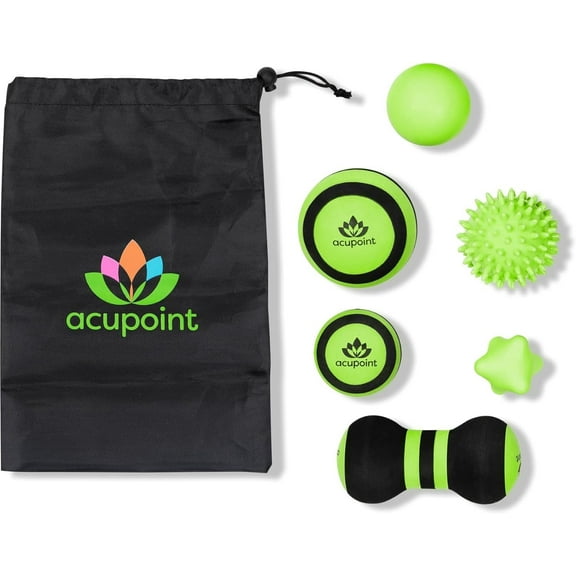
You should compare single ball, peanut double ball, lacrosse ball, and spiky ball designs as different use formats. You'll often prefer single balls for versatility and peanut shapes for more guided placement.
If you want a lacrosse-style design, you'll usually get a smooth, dense feel with compact size. If you want more surface stimulation, you'll likely choose a spiky ball instead.
You should also think about where you'll use them during the day. You'll appreciate portable options when you keep one in a work bag, recovery kit, or gym locker.
For warmups, cooldowns, and mobility work, you may want an option that moves easily between feet, shoulders, and back. You'll get more flexibility when you choose a shape that works on the floor and against a wall.
If you're building a recovery setup, you should consider how massage balls pair with foam rollers and yoga mats. You'll create a more complete routine when your tools cover both broad rolling and precise pressure.
You may also want to compare simple singles with multipacks when you rotate locations or routines. You'll find that extra pieces help when you keep one at home and one on the go.
With the right texture, size, and design, you can make massage balls a practical part of daily recovery. You'll feel more confident choosing a tool that fits your feet, back, hands, or post-workout routine.