


Cones and Hurdles in Baseball Coaching Gear




























About Cones and Hurdles in Baseball Coaching Gear - Walmart.com
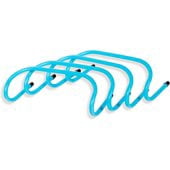
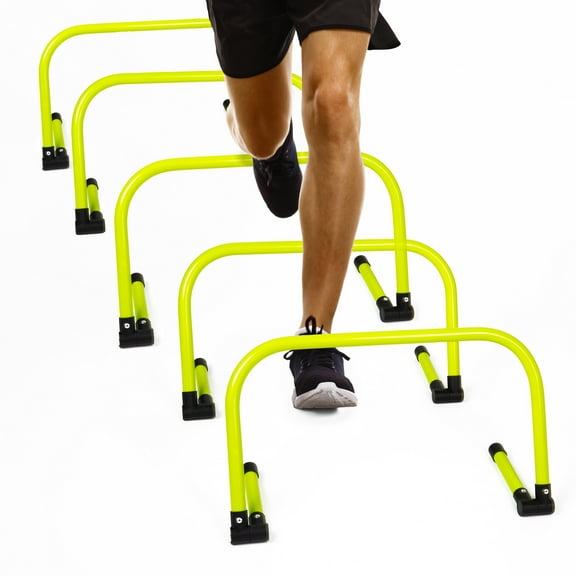
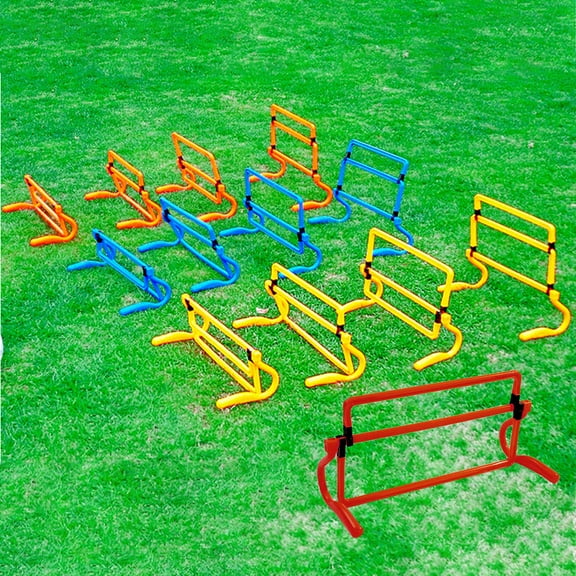
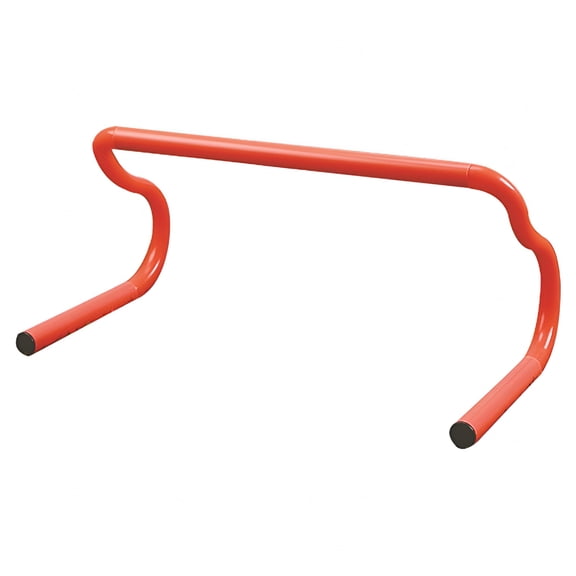
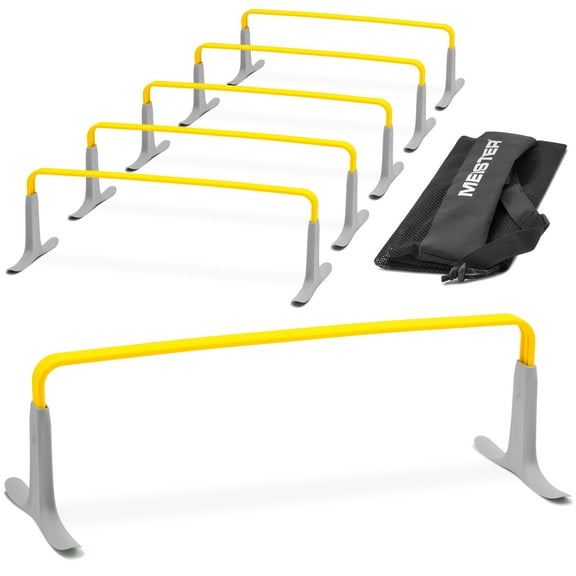
Hurdles for training help you build quicker footwork, cleaner jumps, and sharper drill variety for soccer, football, track practice, and youth agility sessions. You can compare height, material, and sport-specific designs more easily when you shop this category with clear training goals in mind.
If you're coaching kids, running team drills, or setting up backyard practice, you need equipment that fits your space and skill level. You'll find options here that support short sprint work, lateral movement, and repeatable hurdle patterns without bulky setup.
How to choose hurdles for training
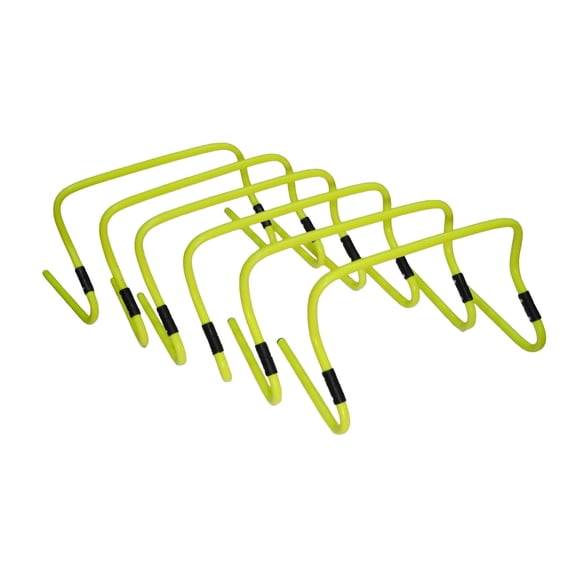
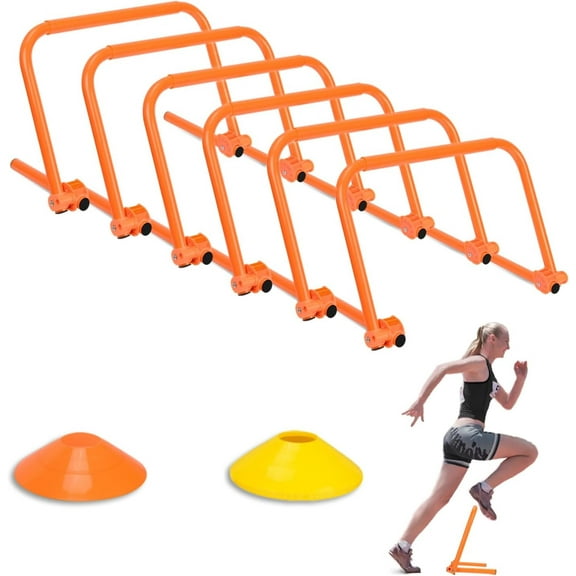
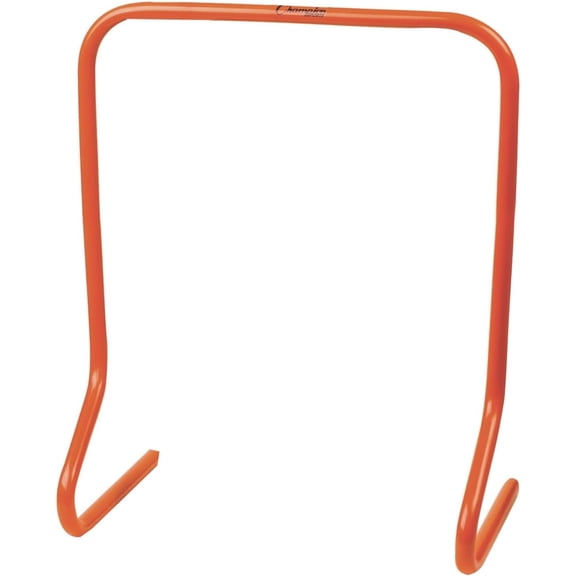
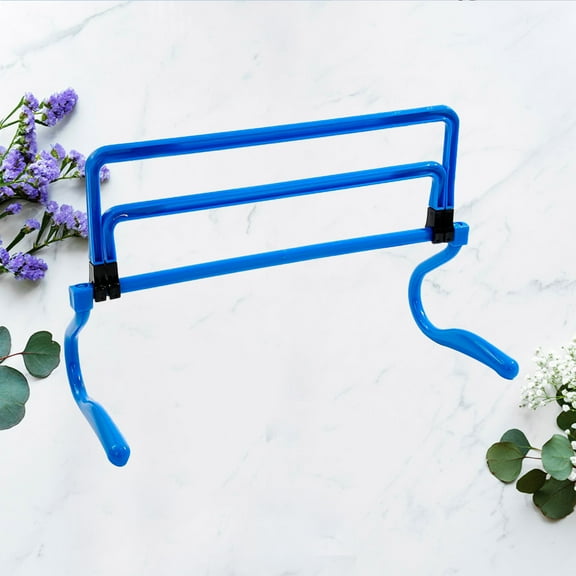
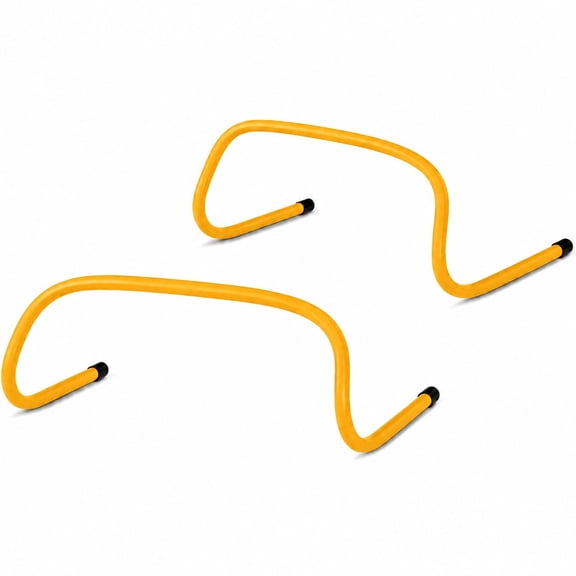
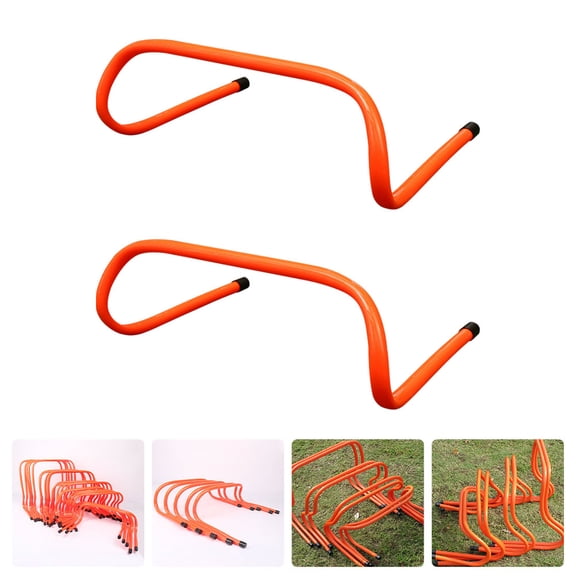
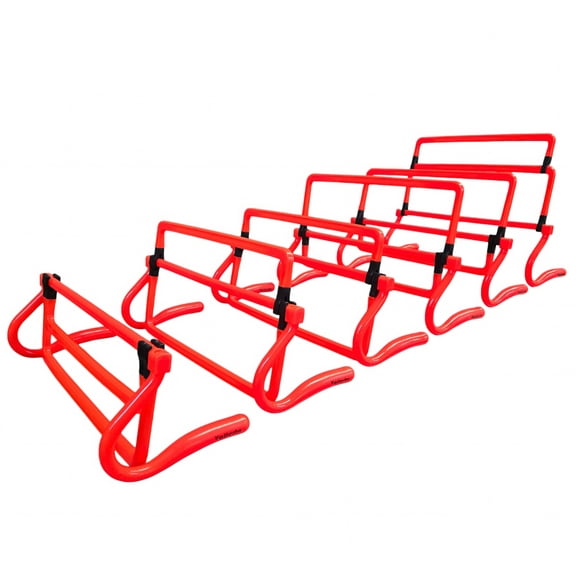
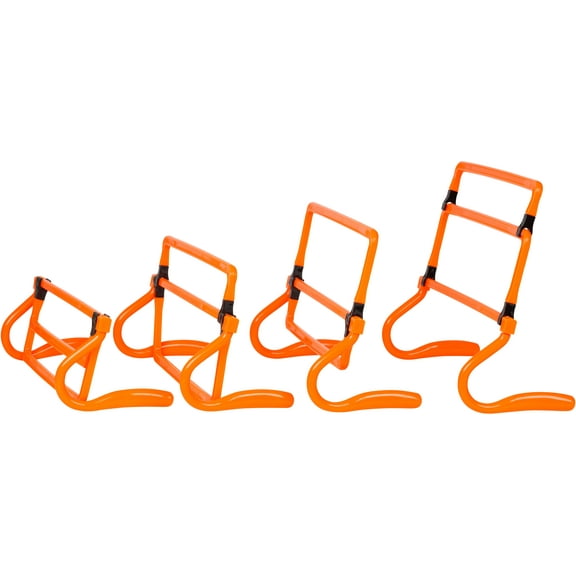
You should start with hurdle height because it shapes how each drill feels and how athletes move through the pattern. You'll often see fixed height styles and adjustable hurdles for kids in common ranges like six inches and 12 inches.
If you're training younger athletes, you may prefer lower heights for quick-step drills and early coordination work. If you're training older players, you may want taller settings that challenge knee lift and timing.
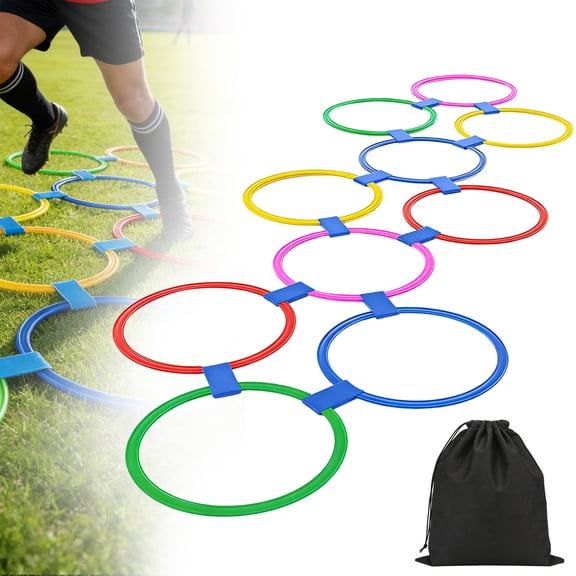
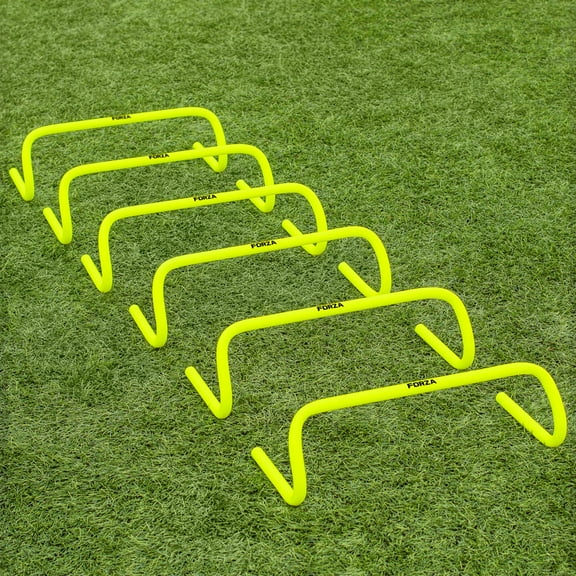
You can also compare spacing and drill flow before you choose a training hurdle set. You'll want enough pieces for shuttle runs, ladder alternatives, and short burst stations during practice.
- You can use lower hurdles for fast feet, rhythm drills, and beginner agility work.
- You can choose adjustable designs when your household or team includes mixed ages and skill levels.
- You can set taller options for stride control, knee drive, and more demanding field drills.
- You can pick lightweight sets when you need quick setup, teardown, and simple storage.
Choosing plastic hurdles and build details
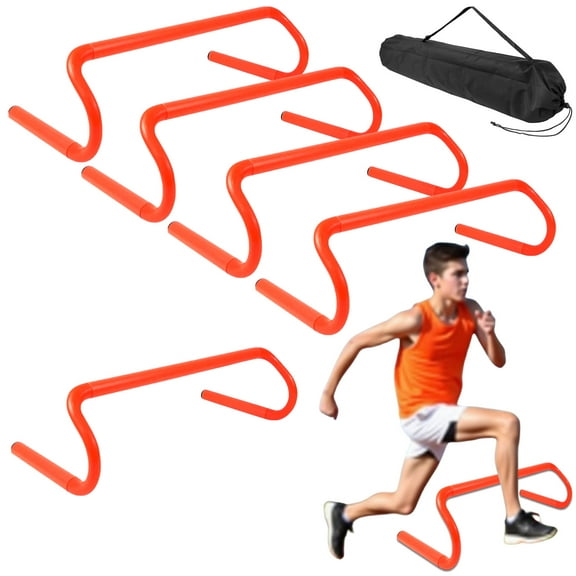
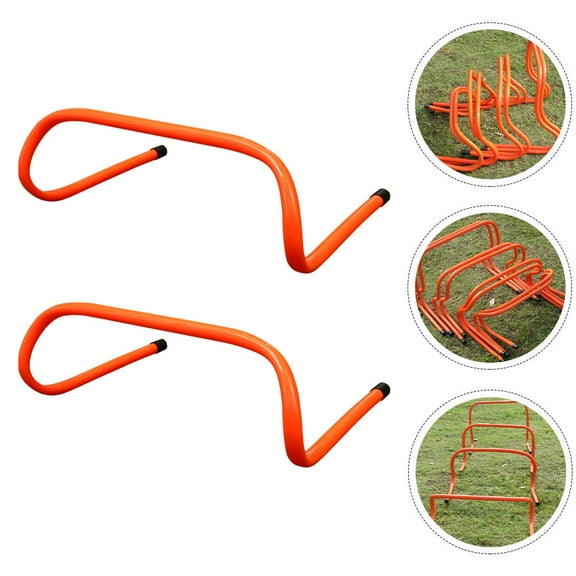
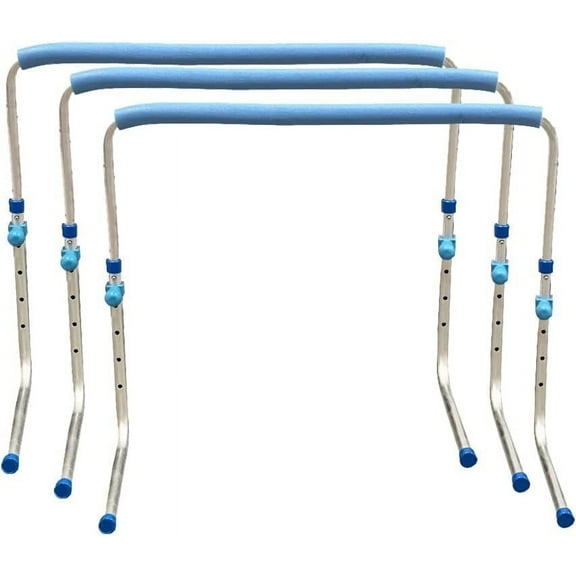
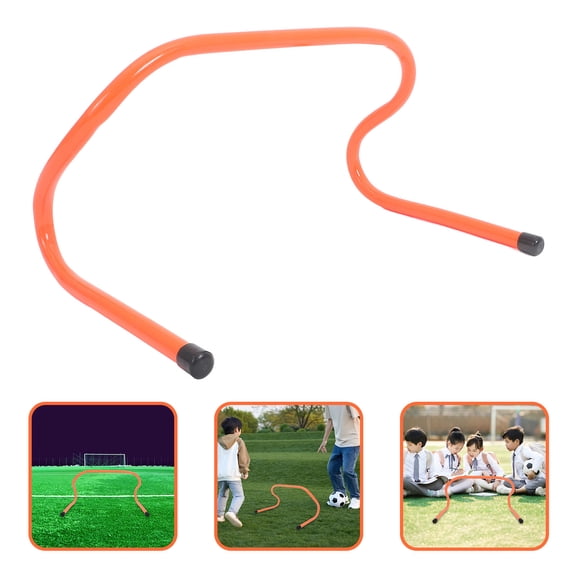
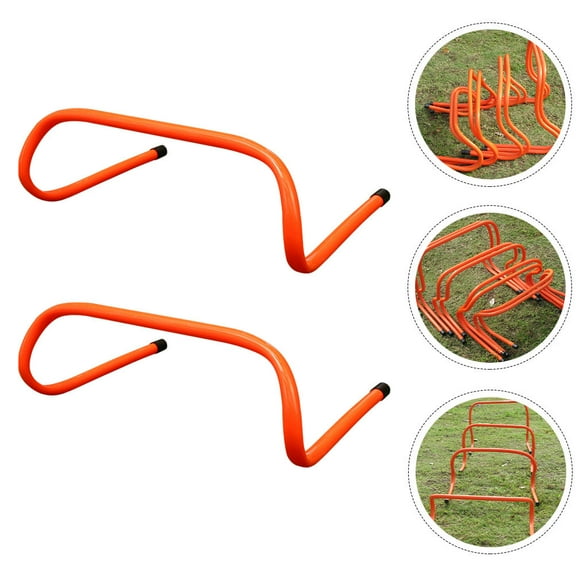
You should compare material next because it affects feel, portability, and contact during fast drills. You'll often see plastic hurdles, PVC frames, and foam styles designed for repeated practice on grass, turf, or gym floors.
If you want a lighter setup, you may lean toward plastic or PVC because you can carry and stack them easily. If you want softer contact, you may consider foam options for youth sessions and indoor training spaces.
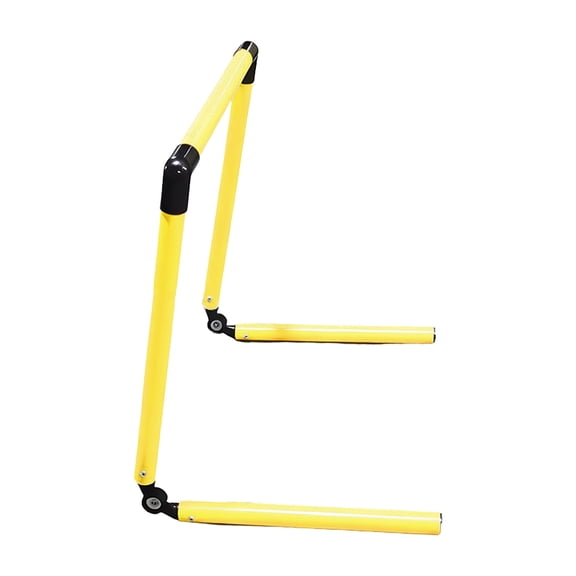
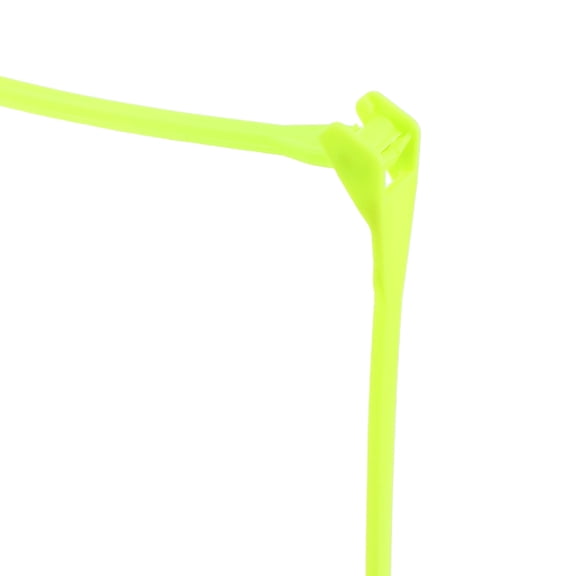
You should also look for designs that collapse or give on contact during footwork drills. You'll appreciate that breakaway-style construction supports smoother resets when athletes clip a hurdle mid-run.
For regular team use, you may compare crossbar shape, base width, and stackability before choosing a set. You'll notice these details matter when you move between stations or store equipment after practice.
Matching kids hurdles to your athlete
You should match the hurdle size to the person using it, not just the sport. If you're buying kids hurdles, you'll usually want lower heights, lighter frames, and simple spacing for repeat drills.
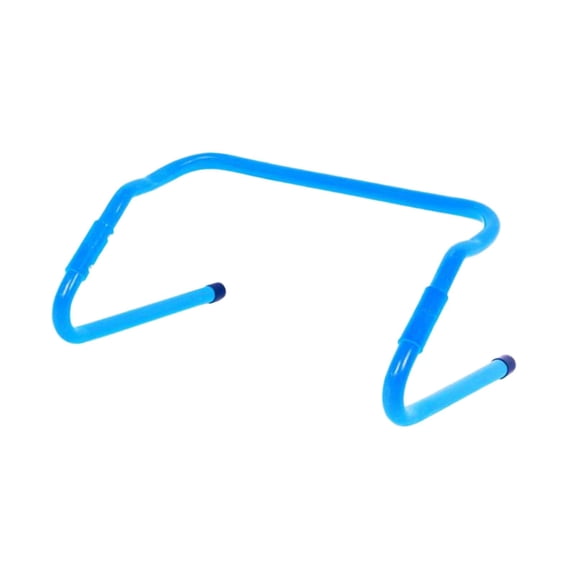
You may want adjustable hurdles for kids when several ages share the same equipment during school, rec, or backyard sessions. You'll get more flexibility when one set supports beginner footwork one day and quicker progression the next.
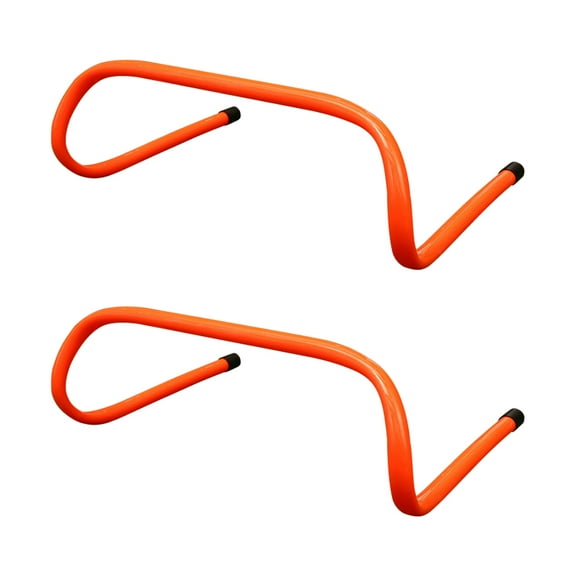
If you're shopping for youth athletes, you may look for mini hurdles or little hurdles that fit shorter strides. You'll keep drill patterns cleaner when hurdle height matches movement control and pacing.
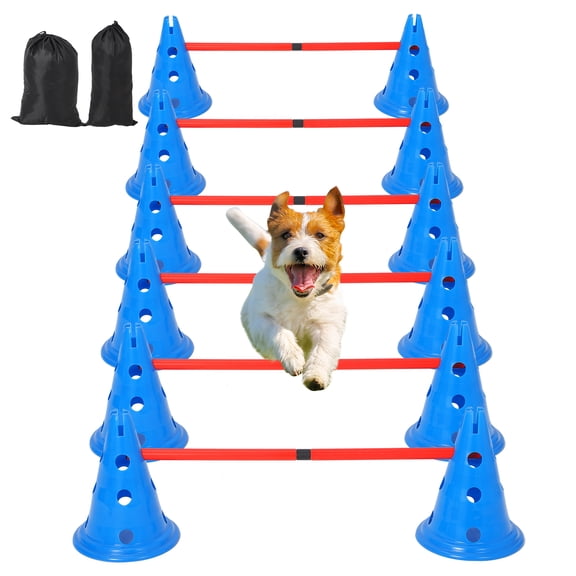
You can also find options for adults who need speed sessions, warmups, or conditioning circuits. If you're training dogs, you may prefer lighter small hurdles with lower profiles for agility course practice.
Picking hurdles by sport and practice style
You should choose by sport because drill goals change between soccer, football, track and field, and dog agility. You'll get more useful training sessions when hurdle style matches movement patterns you actually practice.
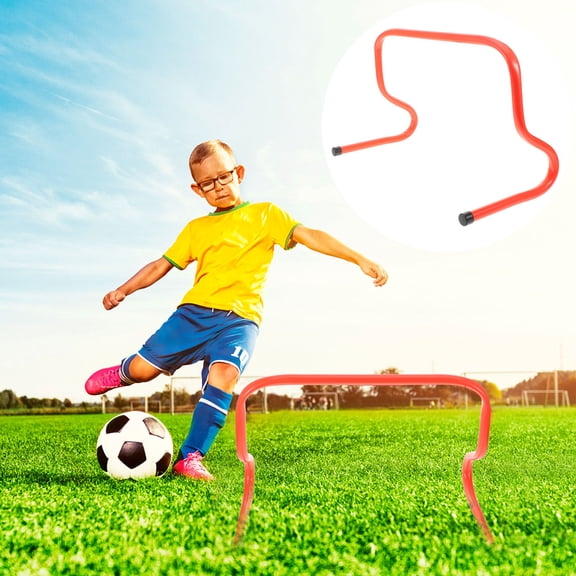
For soccer training hurdles, you may want low heights that support quick touches, lateral steps, and short acceleration bursts. You'll often pair them with cones and agility ladders during technical footwork circuits.
If you're buying football hurdles equipment, you may look for sets that fit explosive high-knee drills and rapid direction changes. You'll want sturdy spacing and easy resets for position drills during team practice.
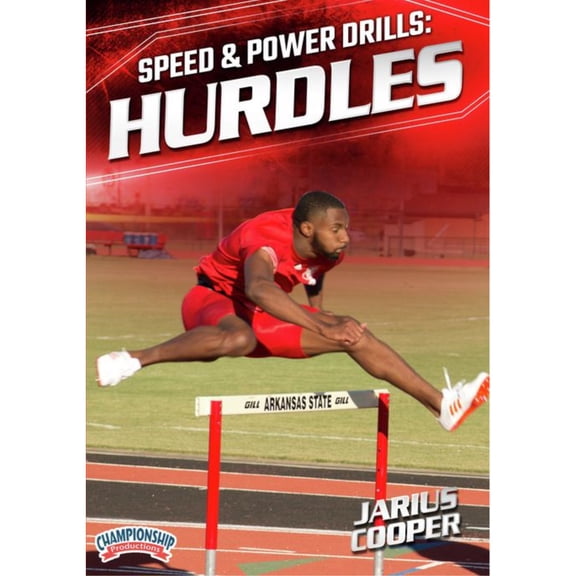
For track and field work, you may use a training hurdle setup for warmups, sprint mechanics, and rhythm exercises. You'll benefit from consistent heights and clean placement when you repeat the same pattern across lanes.
If you're building a home setup, you may want stackable pieces with a carrying bag or strap. You'll make practice easier when equipment moves quickly from garage storage to the yard or park.
What to look for before you decide
You should check whether the set includes enough hurdles for your full drill plan. You'll avoid gaps in your routine when you compare count, height range, and storage features before choosing.
You may also compare fixed height against adjustable designs based on who uses the equipment most often. You'll usually want fixed styles for simple repeat sessions and adjustable styles for shared training needs.
When you choose carefully, your hurdles for training can support faster setup, smoother drills, and more focused practice across ages and sports. You'll feel ready to build sessions that match your space, your athletes, and your routine.