

Ceramic & Pottery Supplies in Art Supplies



















About Ceramic & Pottery Supplies in Art Supplies - Walmart.com
You can explore ceramics molding and sculpting supplies for classroom projects, studio work, and home crafting with materials that match your process. You can compare air-dry, oven-bake, and kiln-fire options, so your project setup fits your space and timeline.
If you’re shaping miniatures, hand-built bowls, ornaments, or practice forms, you may want materials and tools that fit your skill level. You can compare clay types, firing methods, and tool sets here, so your project starts with fewer surprises.
How to choose ceramics molding and sculpting materials
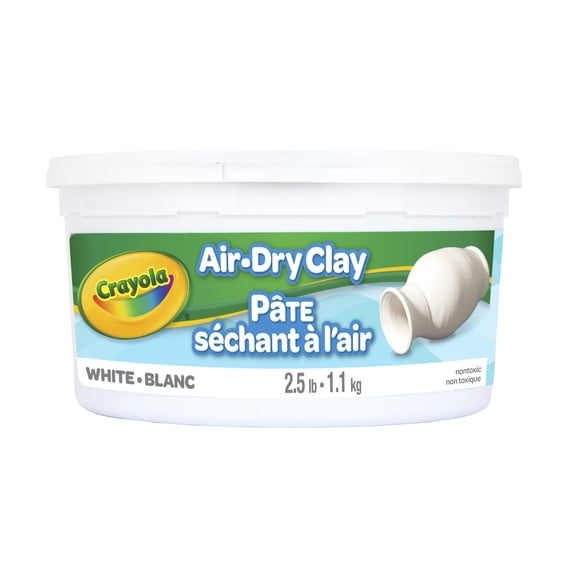
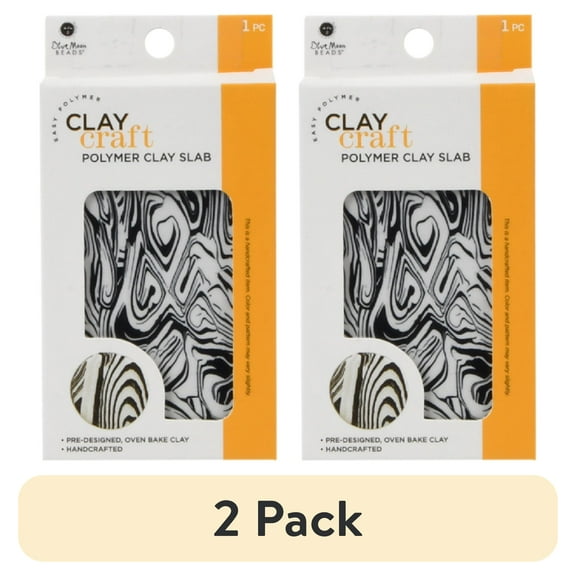
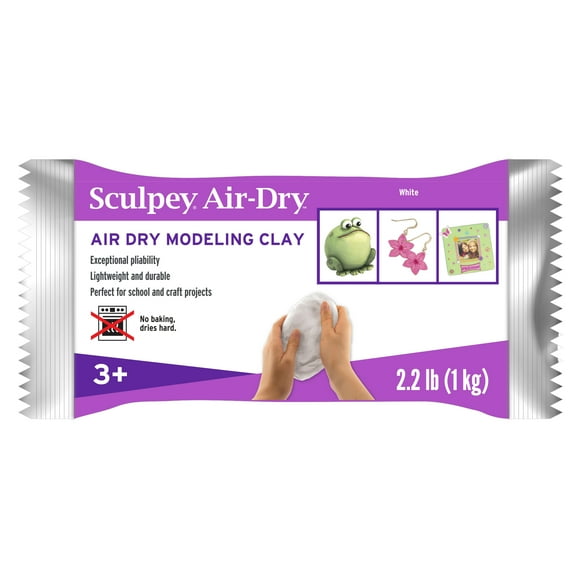
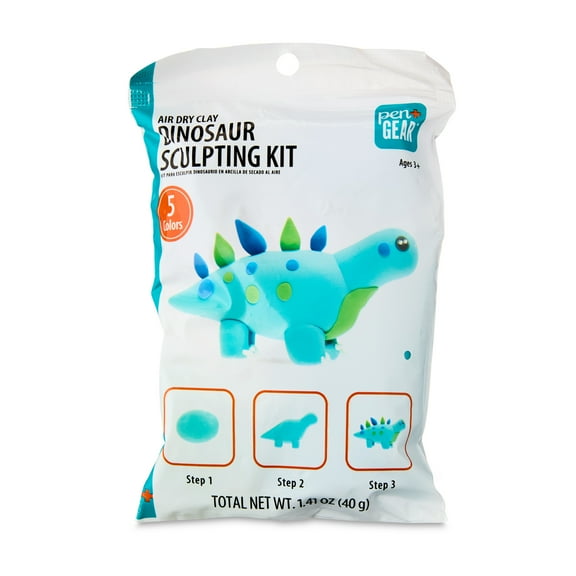
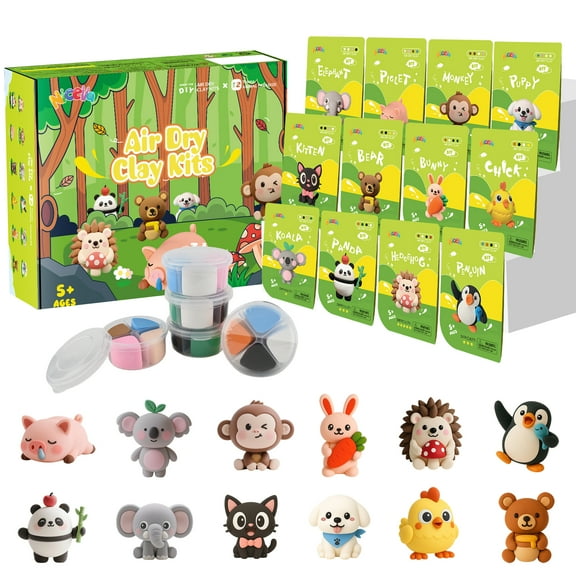
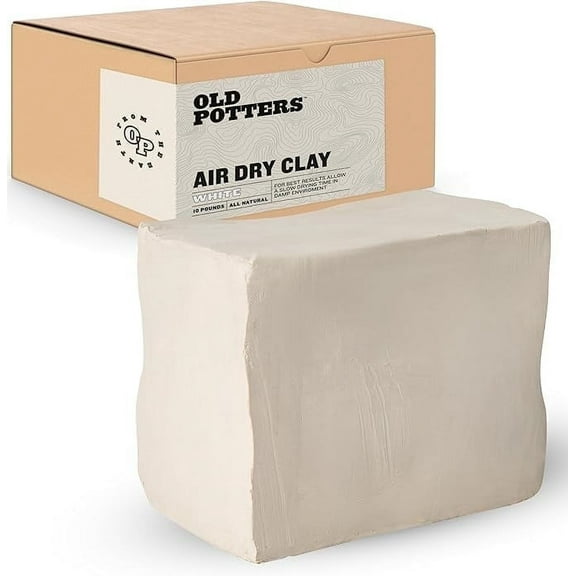
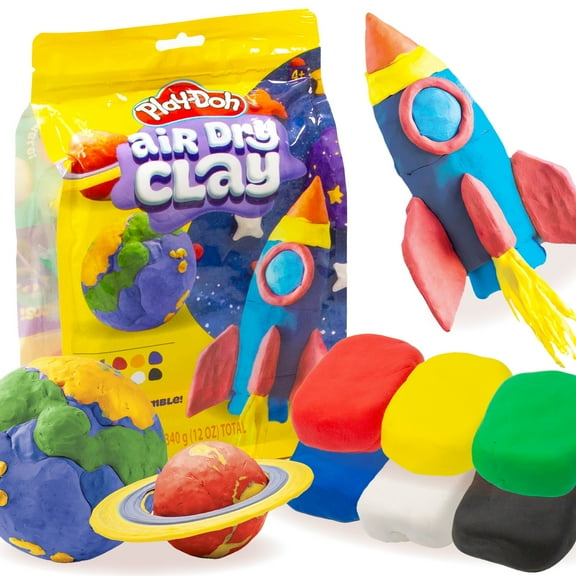
When you compare material types, you should start with how you want your finished piece to set. You can choose air dry clay for sculpting when you want a no-kiln option, or choose polymer clay when you plan to use an oven.
If you’re making traditional pottery pieces, you may prefer pottery clay that’s designed for kiln-fire projects. You can also choose silicone molds for crafts when you want repeat shapes, cleaner edges, and faster batch making.
You may notice that pliability changes how your project feels in your hands. If you want crisp lines for miniatures or facial details, you should look for clay that holds fine marks well.
For larger forms, you may want a material that stays workable while you smooth seams and shape curves. You can often use softer clay for broad forms, then add detail with clay sculpting tools.
What to look for in clay sculpting tools and supplies
You can match your material to your pace, which helps your project feel more manageable from start to finish. If you don’t have kiln access, you can still create finished pieces with air-dry or oven-bake options.
Another benefit is project flexibility across age groups and spaces. You can set up simple activities for classrooms, hobby tables, or art rooms without relying on the same equipment each time.
You can also gain more control over texture, carving, and shaping when you use the right tool type. If your project needs grooves, smoothing, or trimming, your results usually look cleaner and more intentional.
- You can choose air dry clay for sculpting when you want simple setup and no firing equipment.
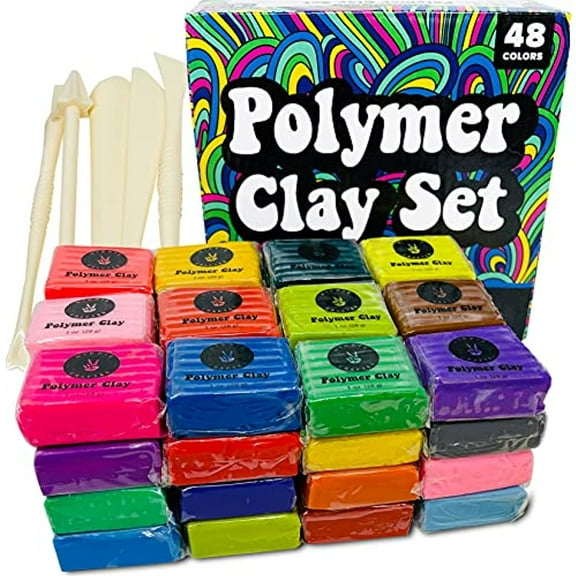
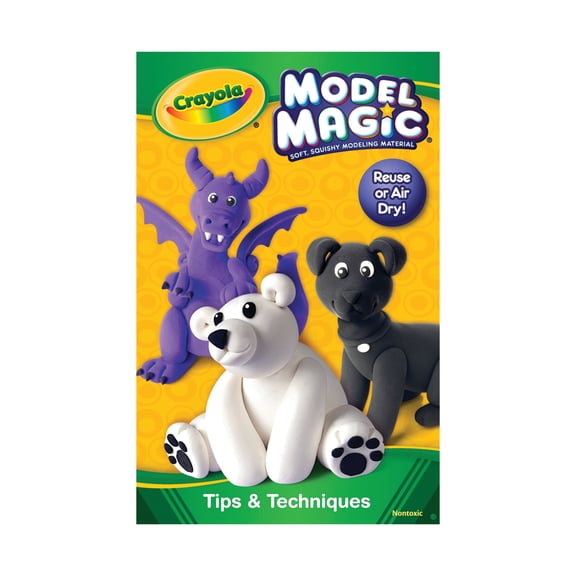
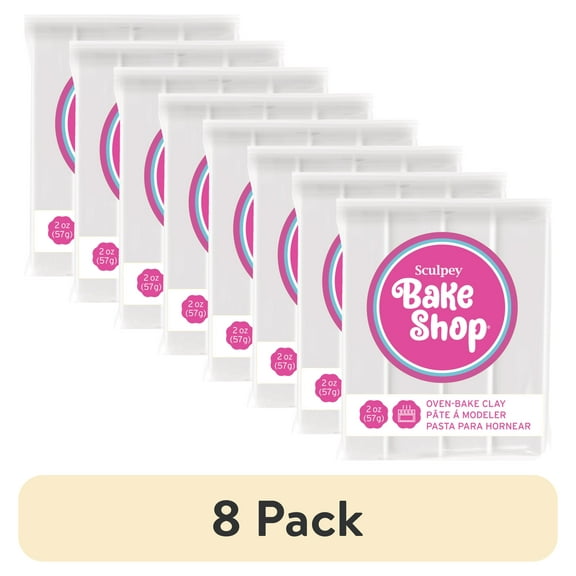
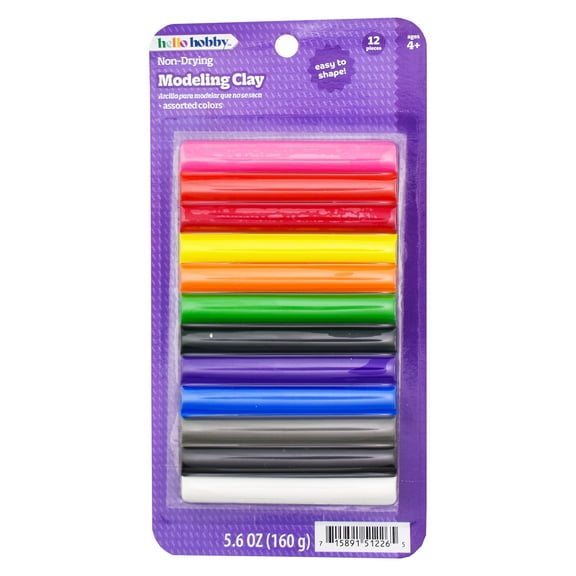
- You can use polymer clay for charms, figurines, and small detailed pieces that benefit from oven-bake finishing.
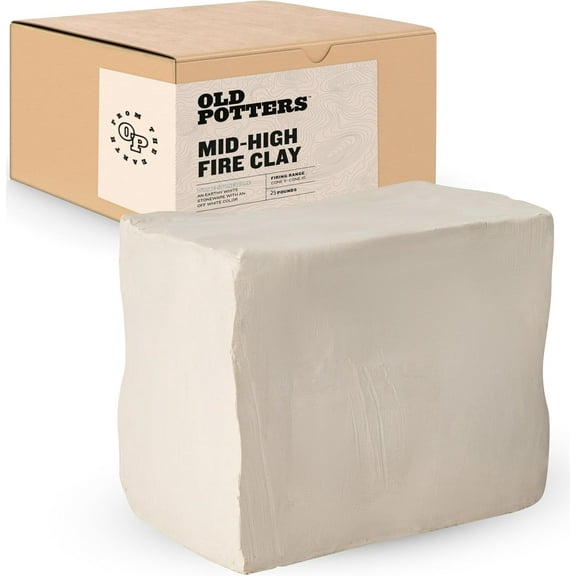
- You can select pottery clay when you’re building mugs, bowls, or vessels for kiln-fire workflows.
- You can use silicone molds for crafts when you want repeatable shapes for gifts, ornaments, or classroom sets.
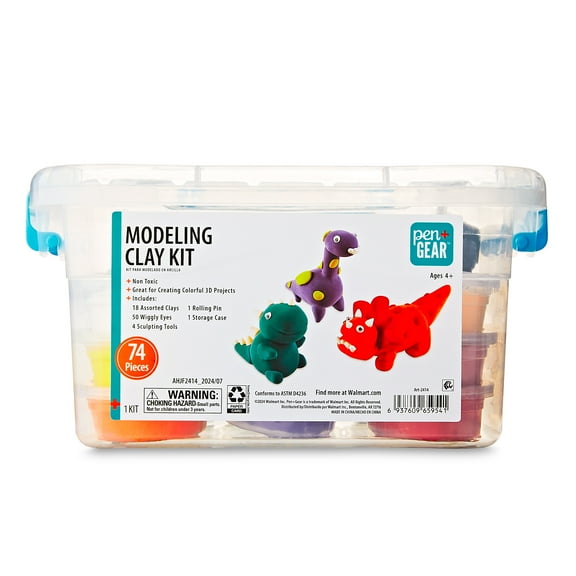
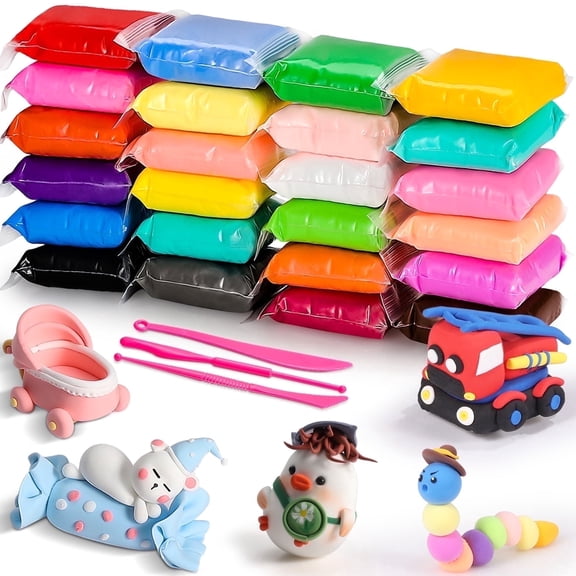
- You can compare sculpting clay kit options when you want a coordinated starting point for beginner practice.
If you’re buying for school or shared use, you may also check package details and intended age guidance. You can keep your selection simple by choosing clearly labeled materials and formats that fit your planned activity.
Choosing firing methods, materials, and tool types
Firing method is one of the major decisions in ceramics molding and sculpting. You should check whether your clay is air dry, oven-bake, or kiln-fire before you plan your project time.
Air-dry options work well when you want pieces to set at room conditions over time. Oven-bake options suit smaller projects, while kiln-fire clay supports traditional ceramic processes and glazed finishes.
Material type also affects texture and detail retention. You may find polymer clay useful for small sculpted forms, while pottery clay often supports wheel throwing, slab work, and coil building.
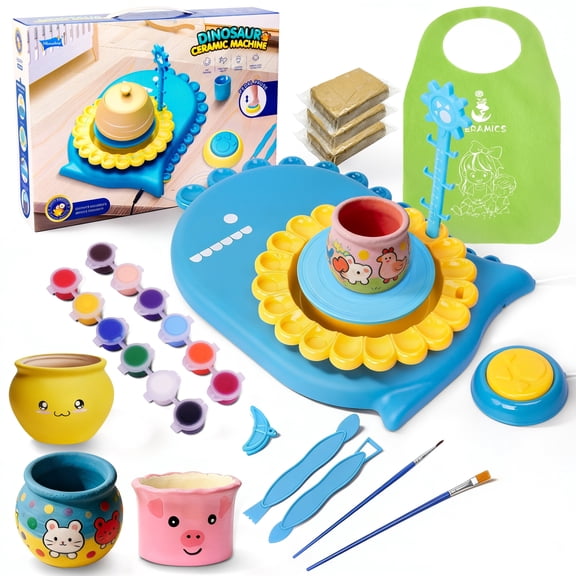
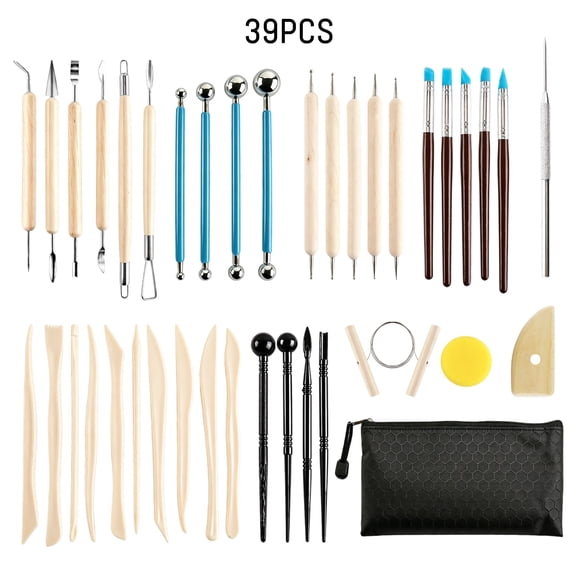
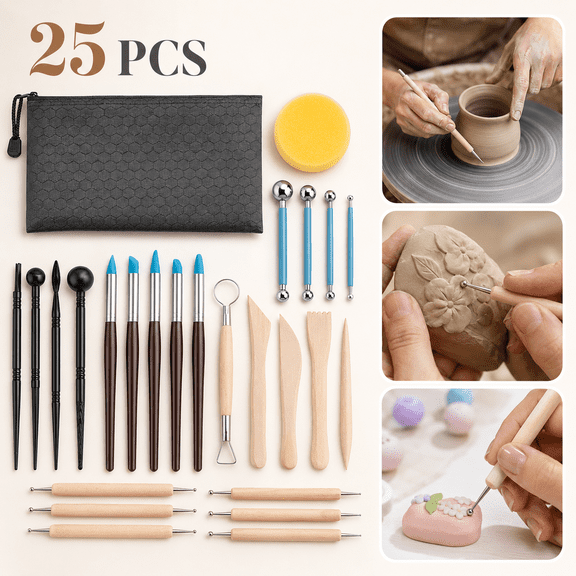
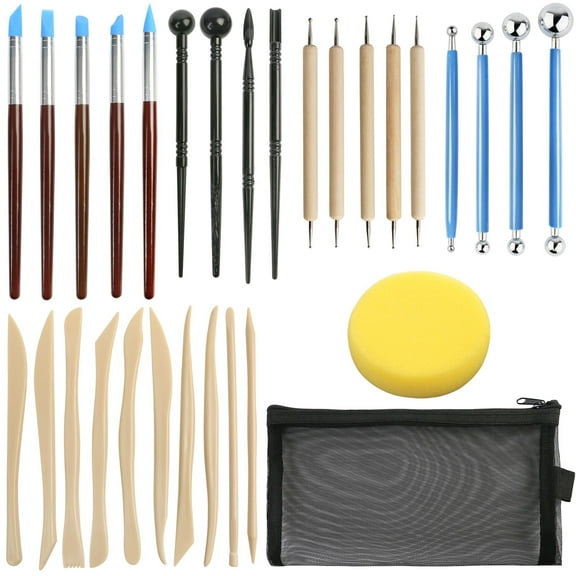
If you’re comparing tool types, you should look at what you already own and what your project needs. Some sculpting clay kit options include basic carving tools, while pottery wheel supplies or specialty brushes may be separate.
You can use carving tools for lines, cuts, and trimming around edges. You can use sculpting brushes for smoothing surfaces, blending texture, or applying water during pottery shaping.
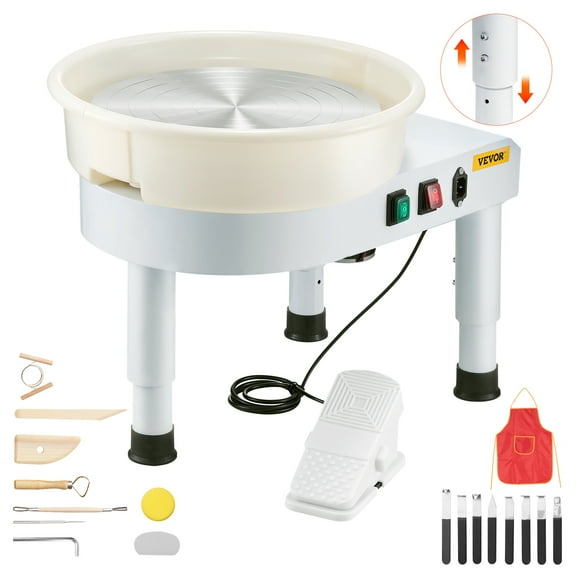
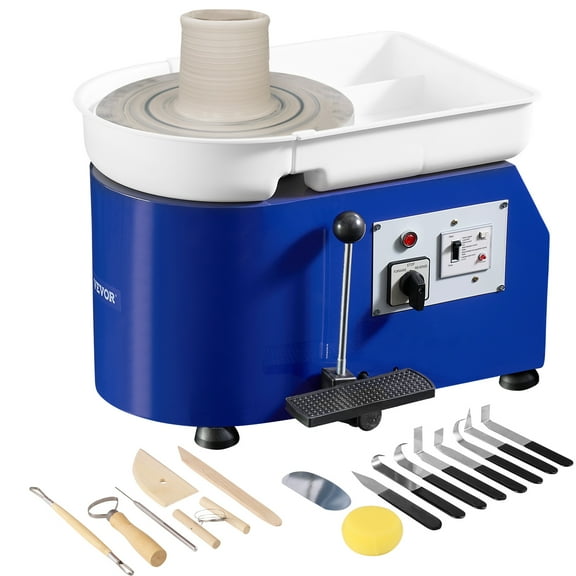
Molds can help you repeat forms with more consistency, especially for ornaments, cast shapes, and classroom multiples. Pottery wheels support centered forms and round profiles when you want bowls, cups, or similar pieces.
Matching skill level and project type to your supplies
If you’re a beginner, you may want simple materials that are easy to shape and easy to finish. You can start with a sculpting clay kit or air dry clay for sculpting when you want a more direct setup.
For intermediate projects, you may compare clays by firmness, finish, and shaping method. You can add clay sculpting tools, molds, and texture tools as your projects become more detailed.
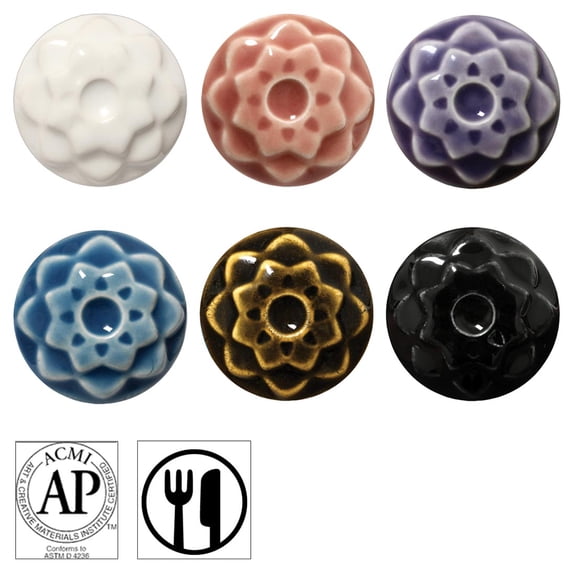
If you work at a professional level, you may focus on material consistency and process fit. You can compare pottery clay, ceramic glaze compatibility, and pottery wheel supplies based on your studio routine.
You can also match supplies to the scale of your work. If you’re making miniatures, you may want clay that holds fine detail, while larger decor pieces may need longer working time.
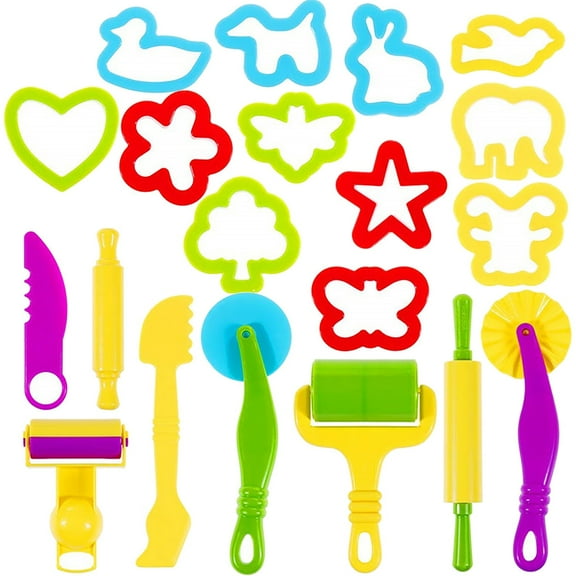
For group projects, you may prefer materials that are simple to portion and distribute across tables. You can pair molds, basic tools, and easy-finish clay for lessons, camps, or weekend crafts.
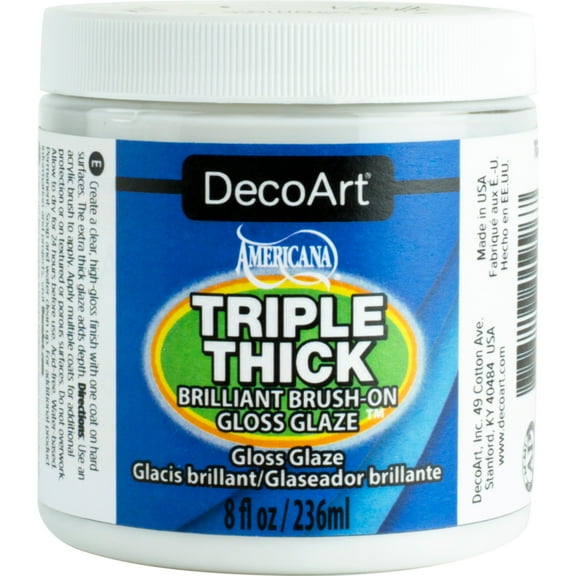
If you’re creating gifts, decor, or seasonal pieces, you can choose silicone molds for crafts and small-format clay options. You can then finish with paint or ceramic glaze when your project type allows that final step.
With the right mix of material, firing method, and tools, you can build projects that fit your space and skill level. You can feel more confident choosing supplies when each part of your process matches your creative plan.