














Arts, Crafts & Sewing
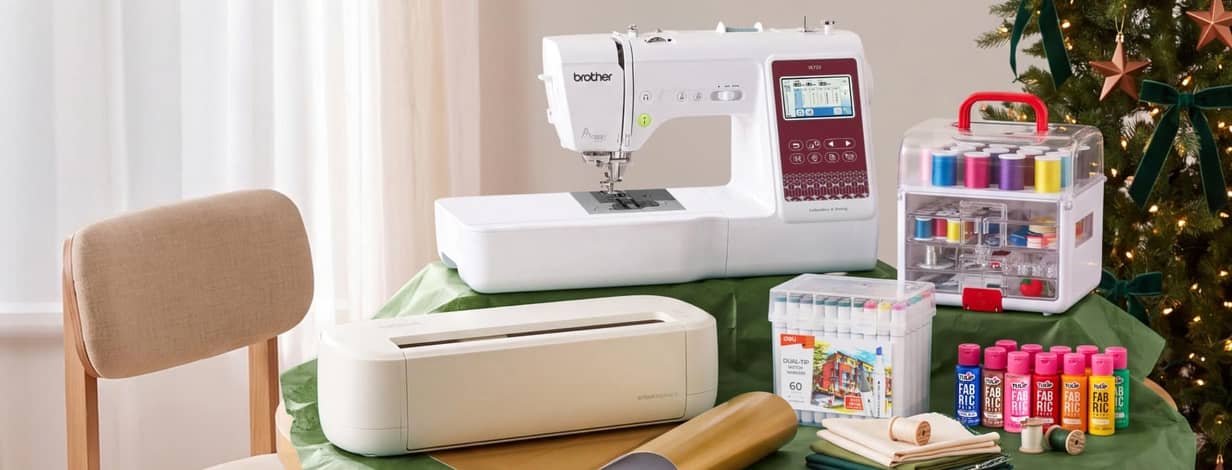
Shop by category
Holiday Crafting
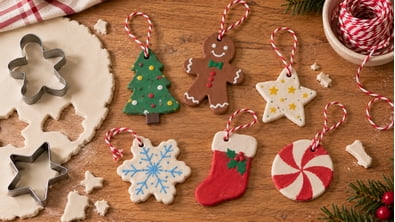
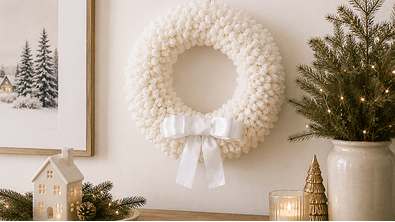


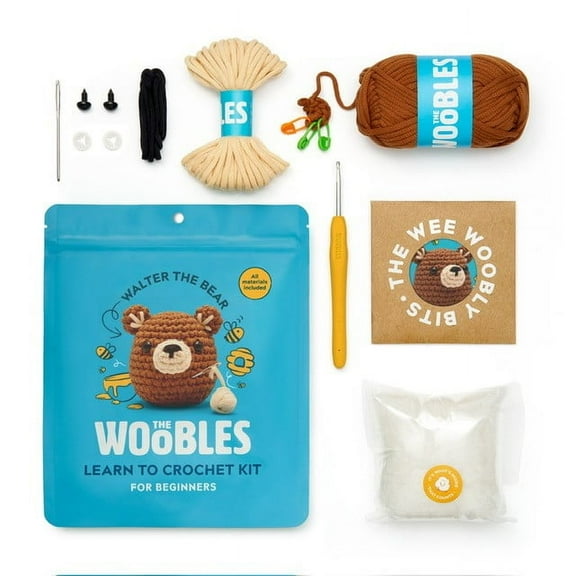

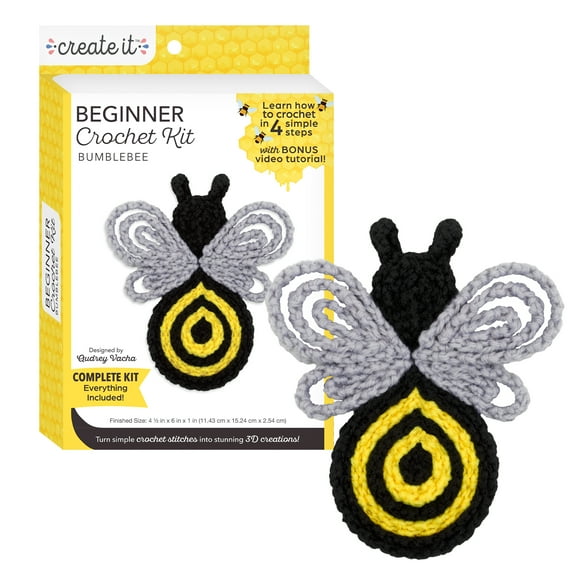
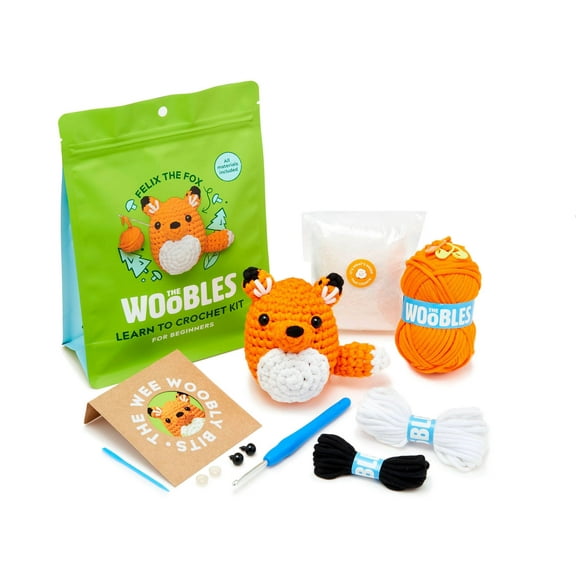


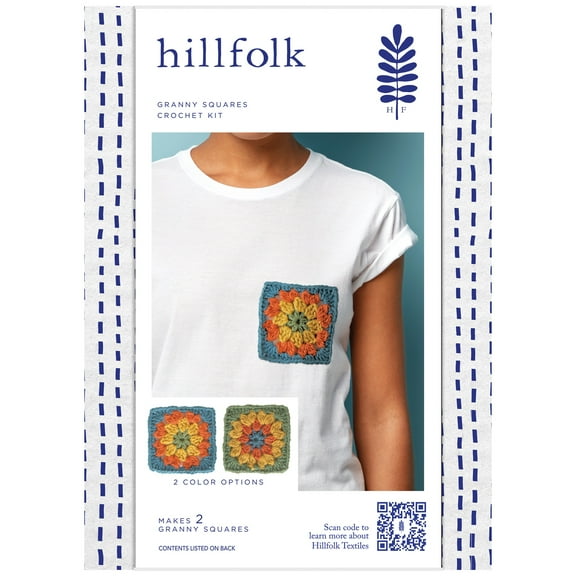
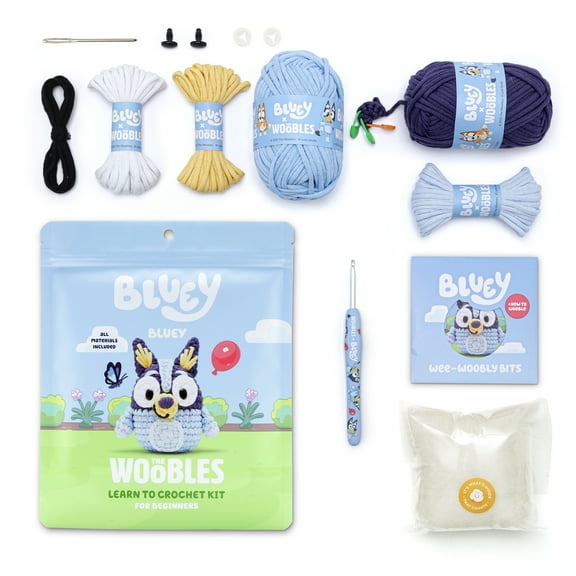




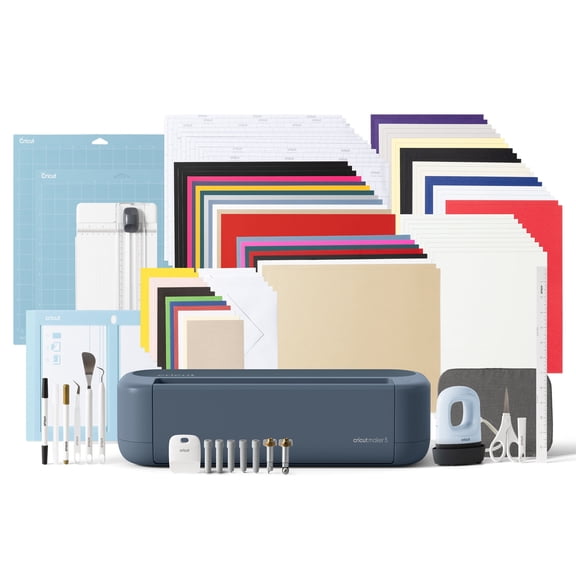


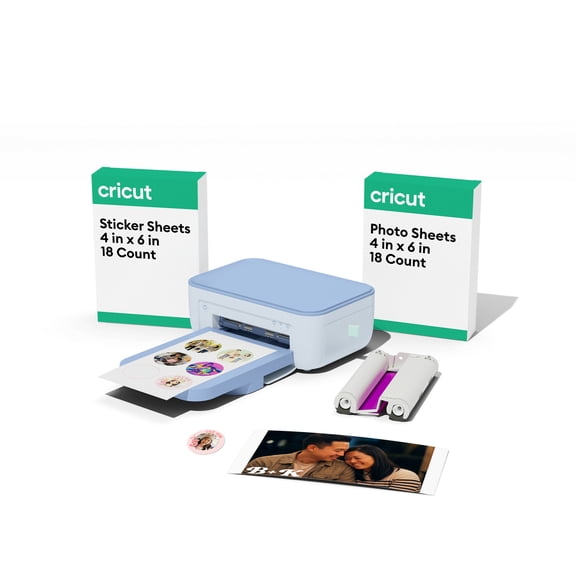

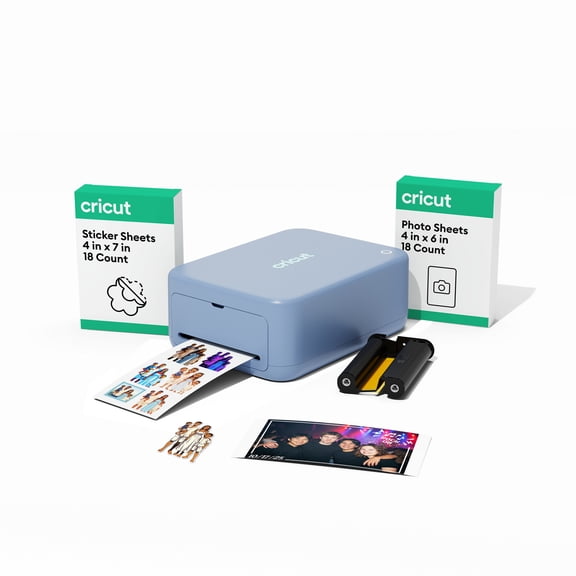
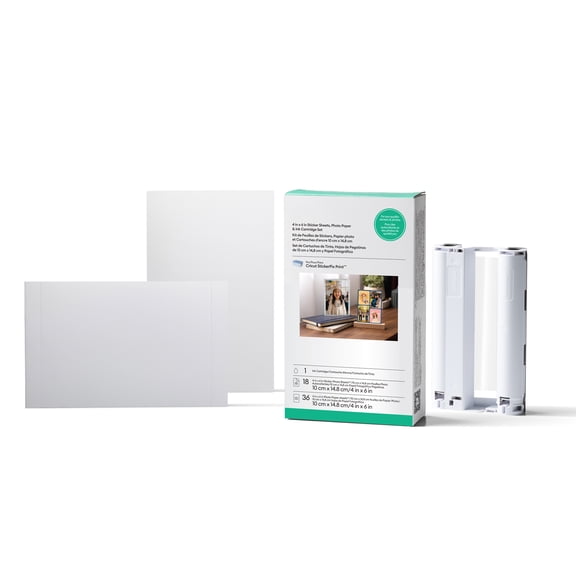
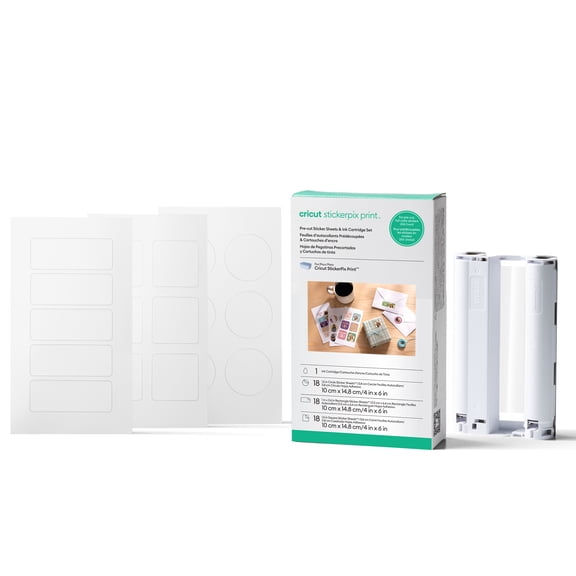
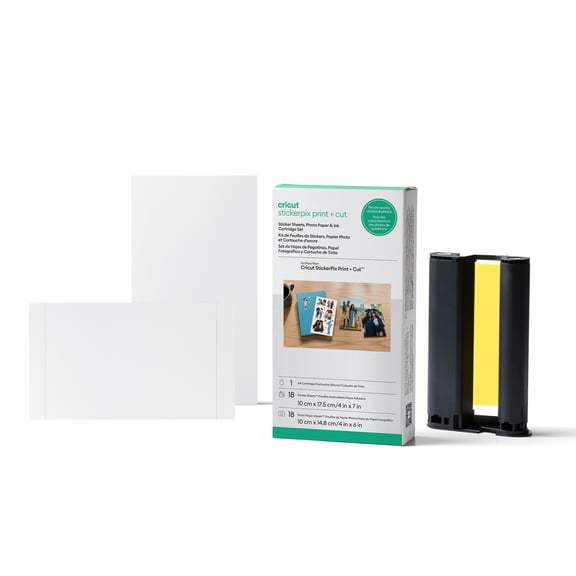

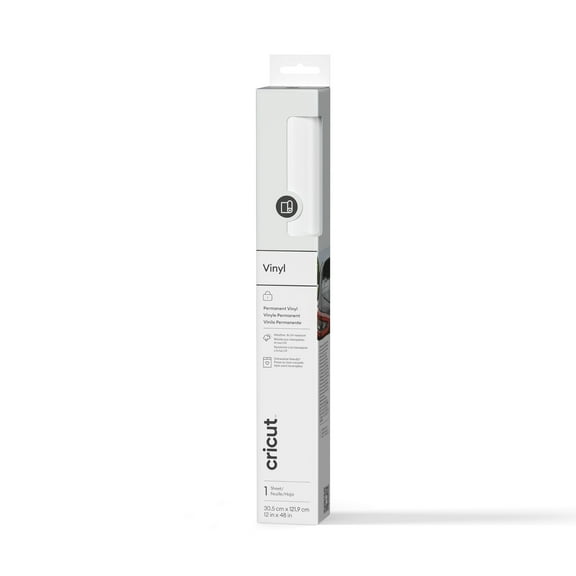
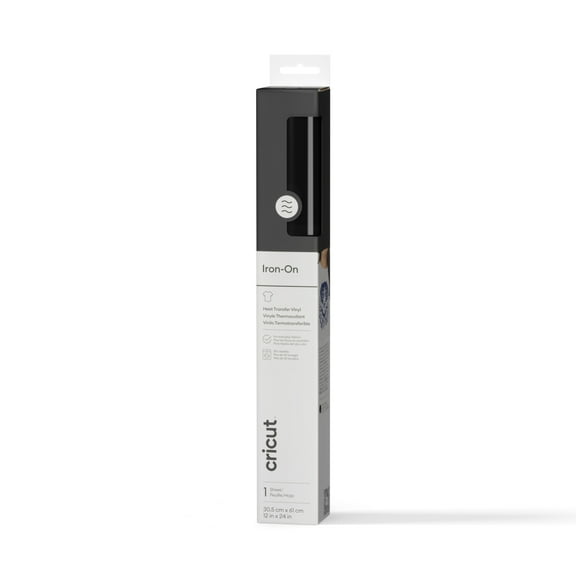


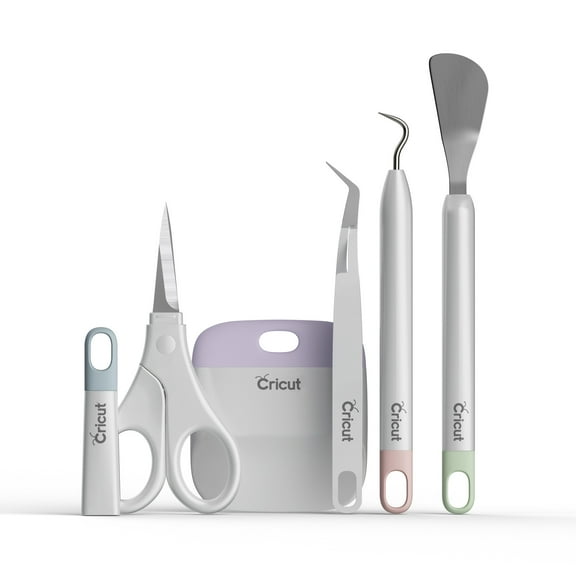



Handpicked crafts








Brands we love




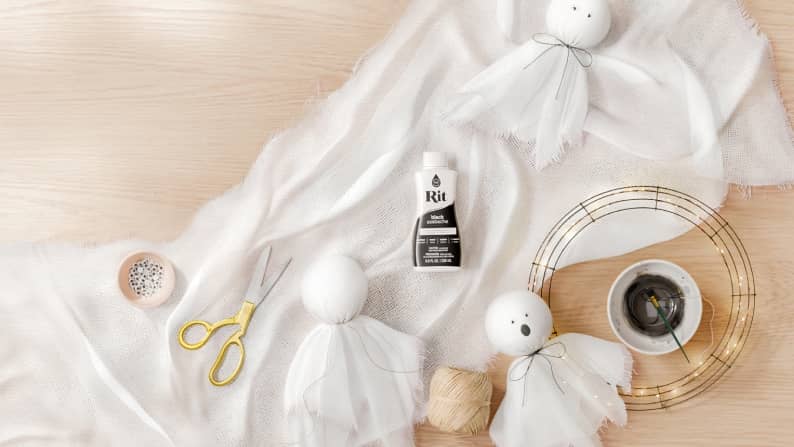
Halloween arts and crafts
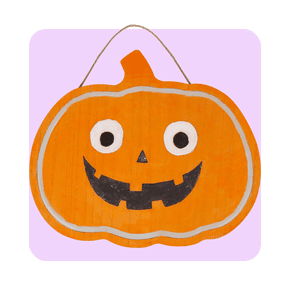
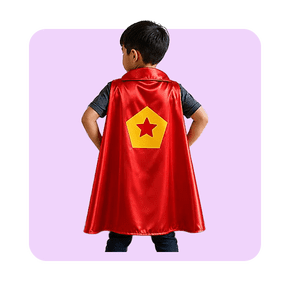
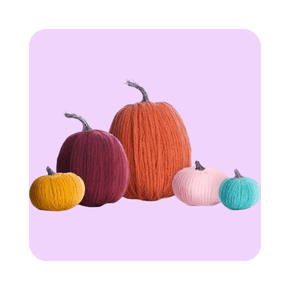
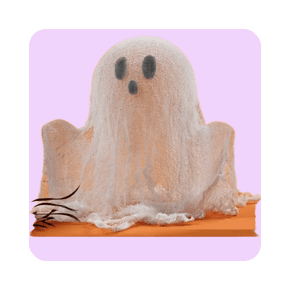
Halloween crafting faves
Find paint, fabric & more.

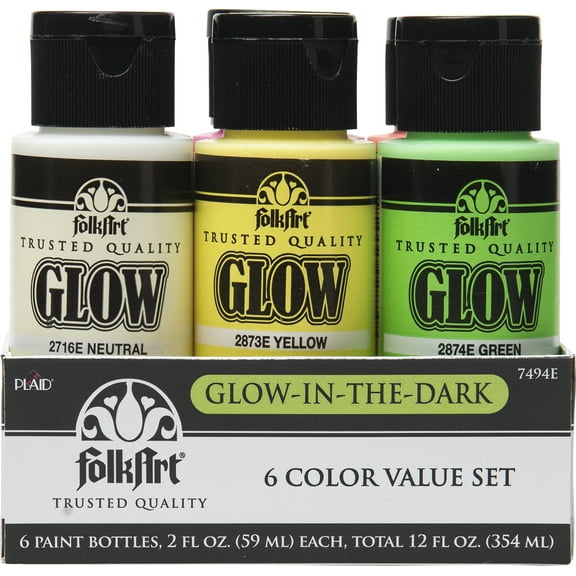

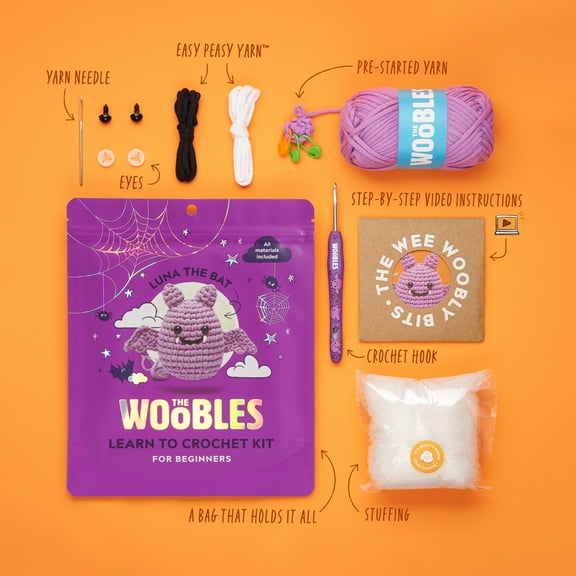





FAQ
About Arts, Crafts & Sewing
With arts and crafts supplies from Walmart, you can plan projects across sewing, painting, paper crafting, knitting, and jewelry making. You can also choose pickup, delivery, or shipping when you want craft supplies online with convenient access.
If you’re comparing arts and crafts categories, you’ll notice this page covers both hands-on basics and machine-based tools. You can move from kids’ projects to Cricut Maker materials, sewing notions, yarn, and paint in one place.
How to choose arts and crafts supplies by project type
When you start with your project, you can narrow supplies faster and avoid mismatched materials. You should match sewing needs with fabric, thread, needles, and patterns, while painting projects call for paint, brushes, palettes, and surfaces.
For paper crafting, you may want cardstock, patterned paper, adhesive, scissors, and cutting tools sized for detailed work. If you’re making jewelry, you can compare beads, wire, findings, and pliers based on the finish you want.
You’ll also want to think about knitting before you choose yarn weight, fiber feel, and needle size. If you’re shopping for mixed media, you can combine paper, paint, embellishments, and storage that keeps small pieces sorted.
- You can match supply types to sewing, knitting, painting, paper crafting, or jewelry making.
- You can compare fabric, yarn, paint, brushes, beads, and paper for specific techniques.
- You can choose starter materials for simple projects or deeper assortments for ongoing making.
- You can find classroom packs and multipacks when your group project needs larger quantities.
Choosing craft supplies near me for skill level and use
If you’re shopping for kids or beginners, you should look for simple formats and easy-to-handle tools. You may prefer larger beads, washable paint formats, pre-cut shapes, or beginner sewing kits with clear essentials.
When your projects are more advanced, you can compare finer brushes, specialty fabric, detailed cutting tools, and expanded color ranges. You should also check pack counts if your classroom, club, or event needs repeatable supplies across many projects.
For shared spaces, you can organize choices by age group, project time, and cleanup needs. If you’re searching craft supplies near me or arts and craft shops near me, you may also want pickup options that fit your schedule.
What to look for in cutting machines, sewing machines, and heat presses
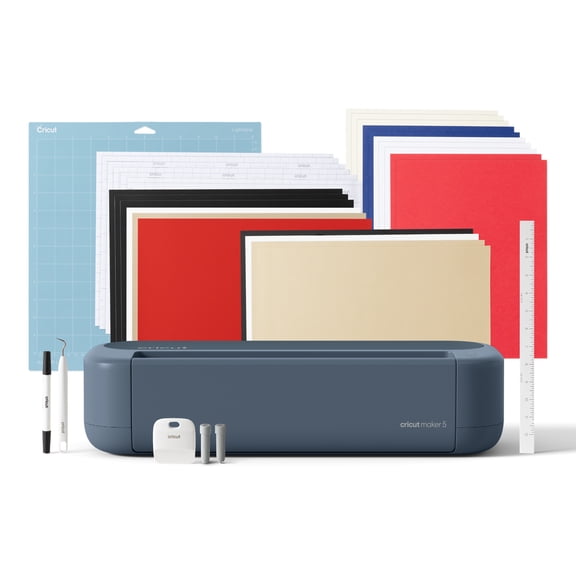
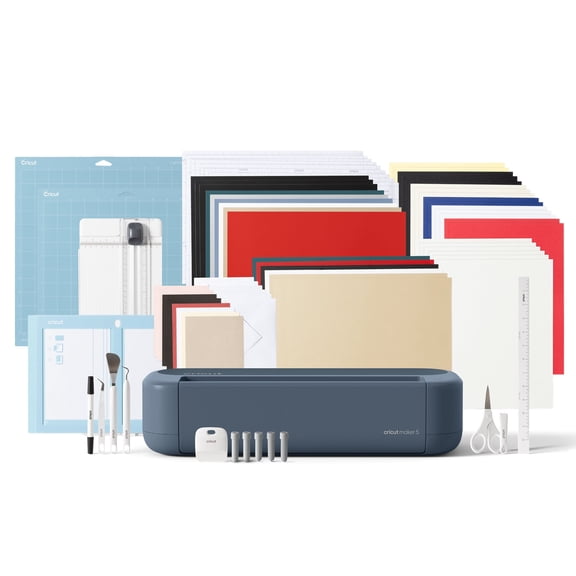
If you’re considering a Cricut Maker or another cutting machine, you should check material compatibility before you choose tools and mats. You can compare whether your machine supports vinyl, cardstock, iron-on, or thicker materials for your planned projects.
You should also look at blade pressure and material thickness guidance, because those details affect clean cuts and smoother assembly. If your designs include layered paper flowers or iron-on graphics, you can use those specs to narrow the right setup.
When you’re comparing sewing machines, you may focus on stitch options, speed control, and workspace size for your fabric projects. If you’re choosing a heat press, you should check plate size and intended material types before pairing blanks and transfer materials.
How to compare supply types for texture, finish, and quantity
As you compare yarn, fabric, paper, paint, brushes, and beads, you should think about texture and finish first. You’ll notice that chunky yarn suits cozy knits, while smooth cardstock supports cleaner cuts and folds.
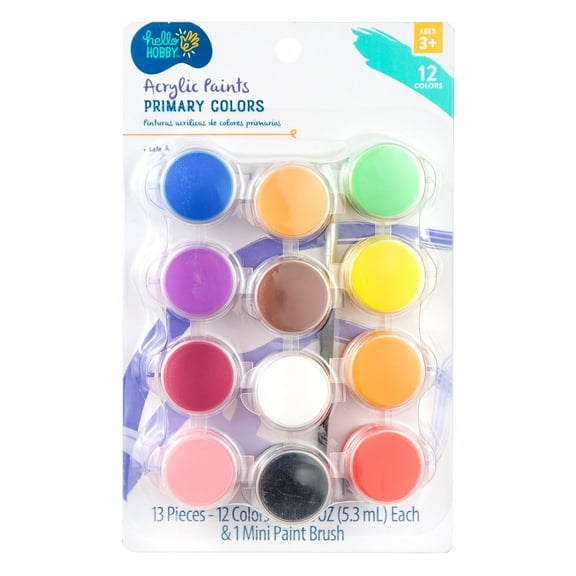
Paint and brushes also work as a pair, so you should match brush shape to your stroke style and surface. If your project needs crisp lines, broad coverage, or detail work, you can compare brush sets by intended use.
For events, classrooms, and group crafting, you may want multipacks, refill packs, or larger counts of basics. You can keep projects moving when your adhesive, beads, paper sheets, or paint quantities match your group size.
Finding a craft shop near me and craft supplies online
If you’re balancing inspiration with convenience, you can use this category for both local intent and project planning. You may look for a craft shop near me when you need supplies quickly, then use craft supplies online to compare materials in more detail.
You can also shop with pickup or delivery options when timing matters for school projects, party decor, or seasonal making. If you’re searching craft stores open now, you likely want clear access to core supplies like paint, yarn, fabric, and paper.
For shoppers using tienda de manualidades searches, you can still compare the same project types and supply groups here. You can move from sewing machines to beads, from knitting yarn to paper crafting tools, with choices organized around your project.
How to match arts and crafts supplies to real projects
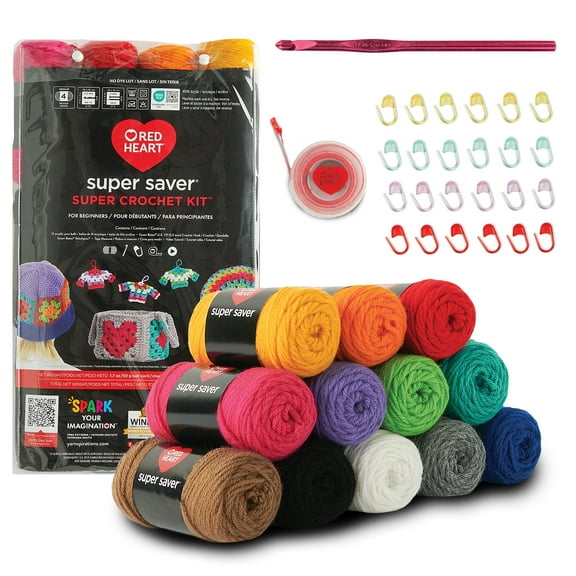
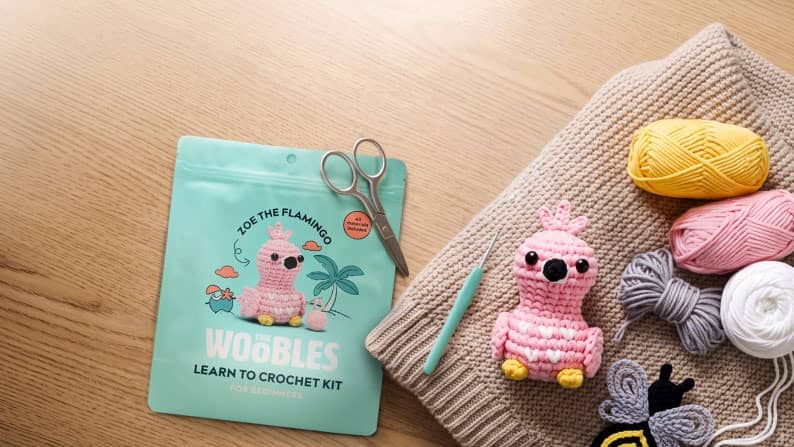
For a beginner sewing project, you can start with fabric, thread, pins, scissors, and a machine that fits simple repairs or basic seams. If you’re planning a knitting gift, you can choose yarn weight and needles that match the pattern difficulty.
When you’re making classroom crafts, you may need paper, washable color options, kid-friendly tools, and larger pack sizes. If your focus is home decor, you can combine cutting machines, vinyl, paint, and blanks for coordinated designs.
For scrapbook pages or cards, you can use patterned paper, adhesive runners, stamps, and precise cutters for layered details. If you’re creating jewelry, you can match bead size, wire type, and findings to the look and assembly method you want.
With arts and crafts choices organized by project, tool compatibility, supply type, and skill level, you can make confident decisions faster. You can complete everything from quick kids’ activities to detailed Cricut Maker projects with supplies that fit your plan.