












Quilts in Bedding


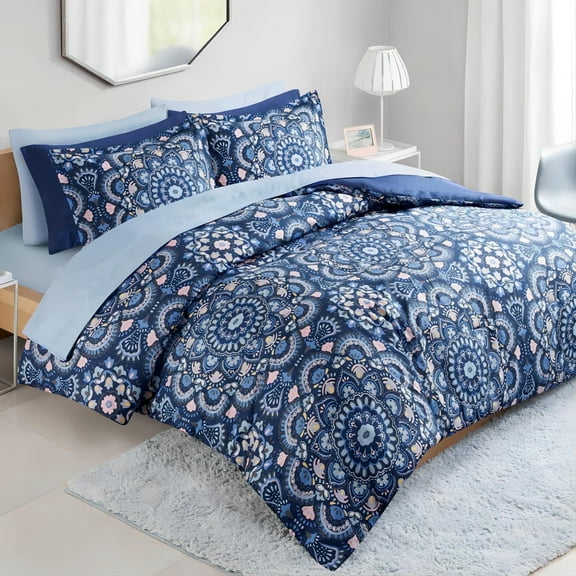
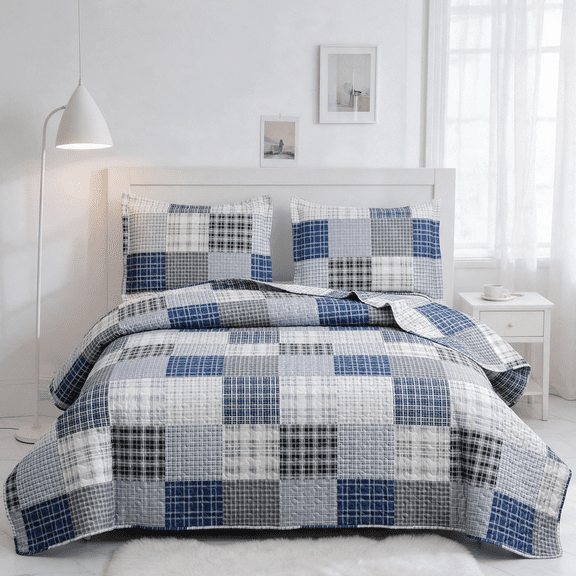
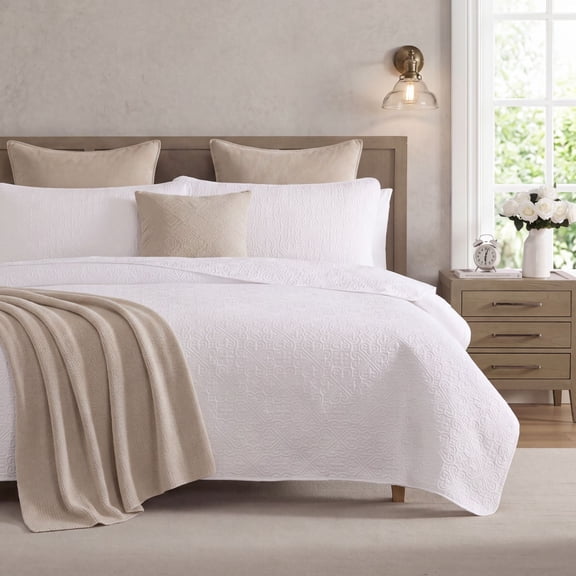


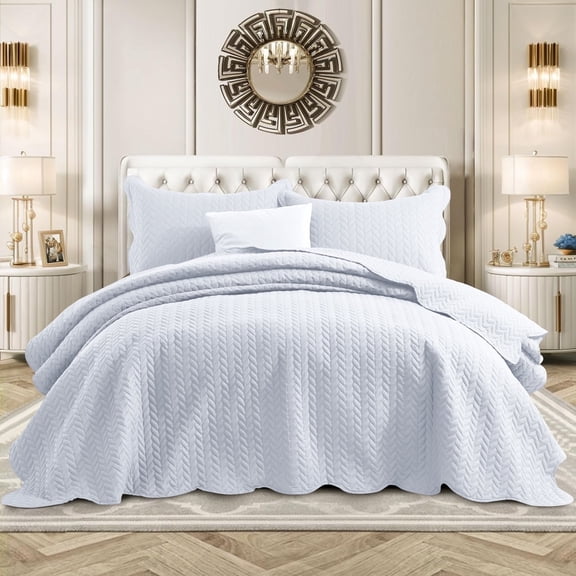






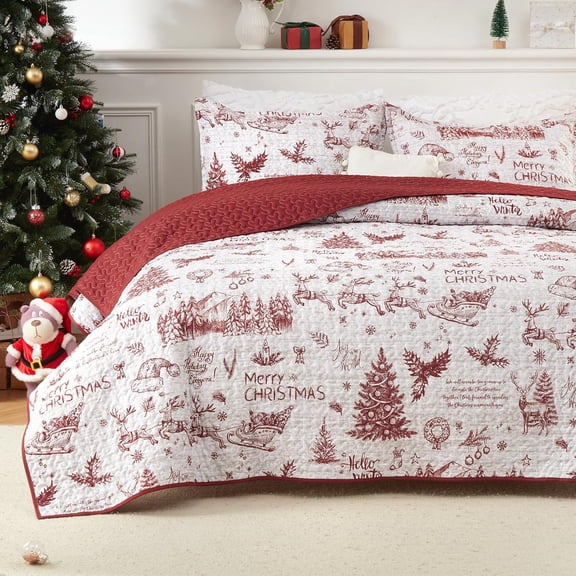


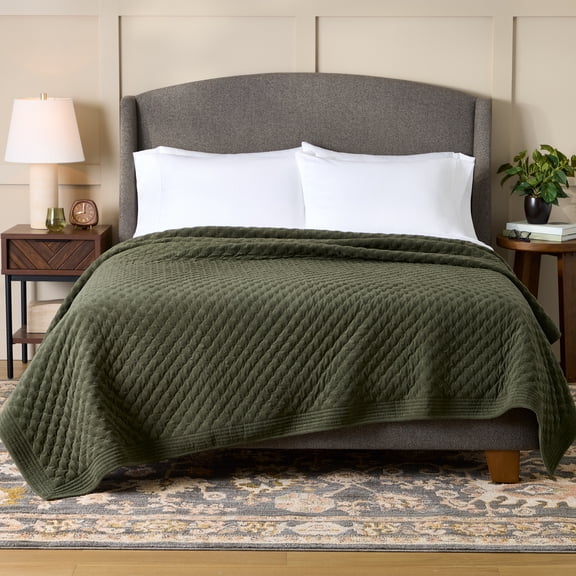


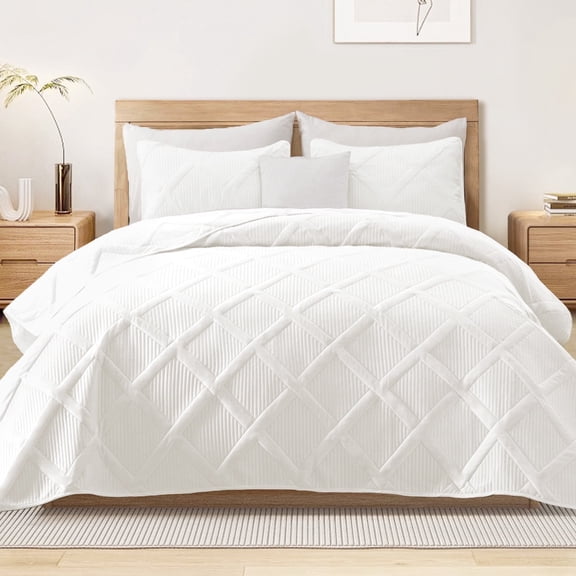


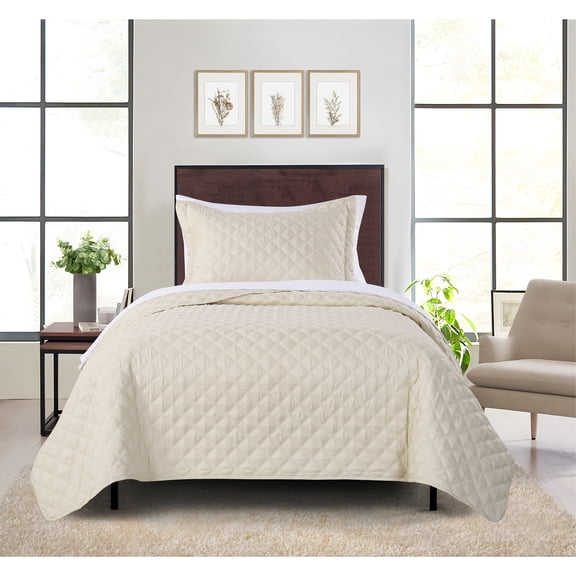


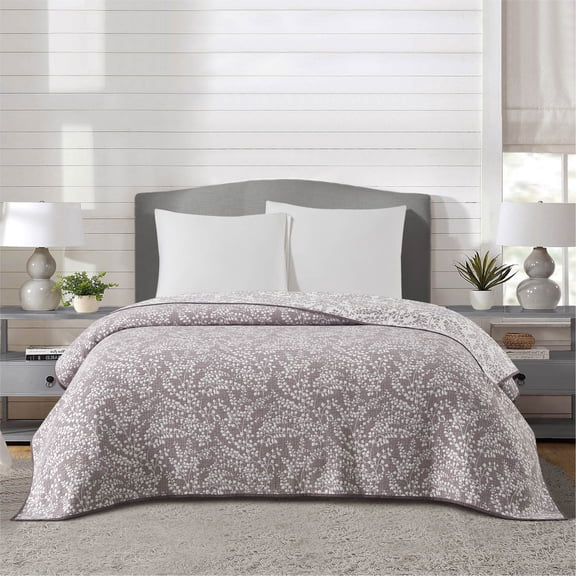


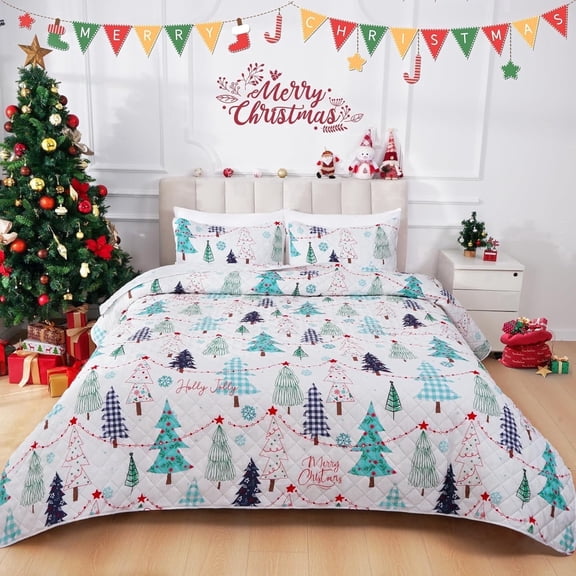


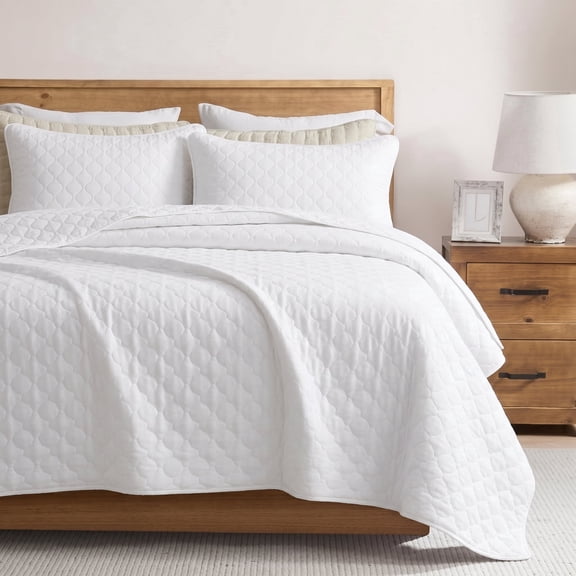


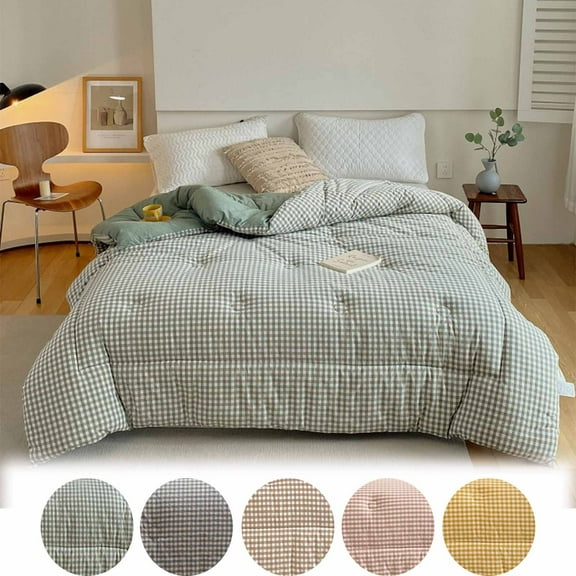








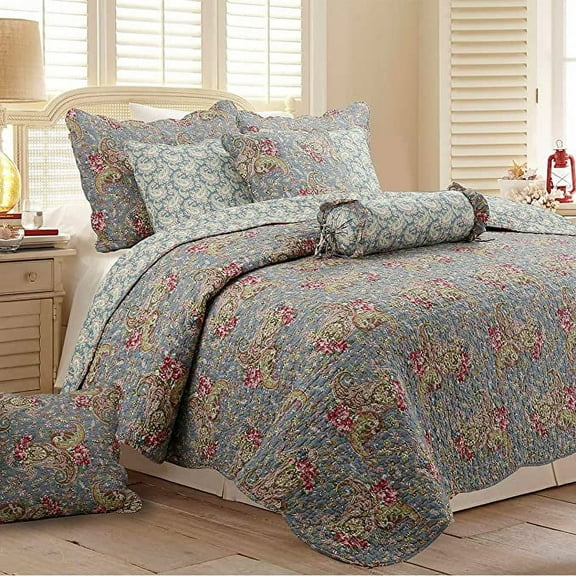


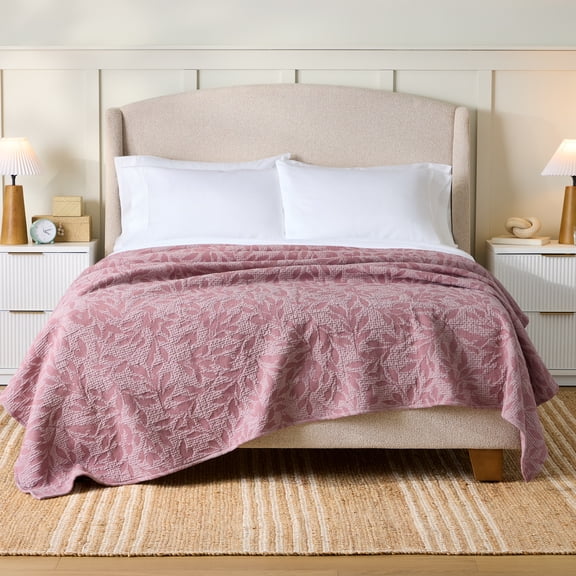


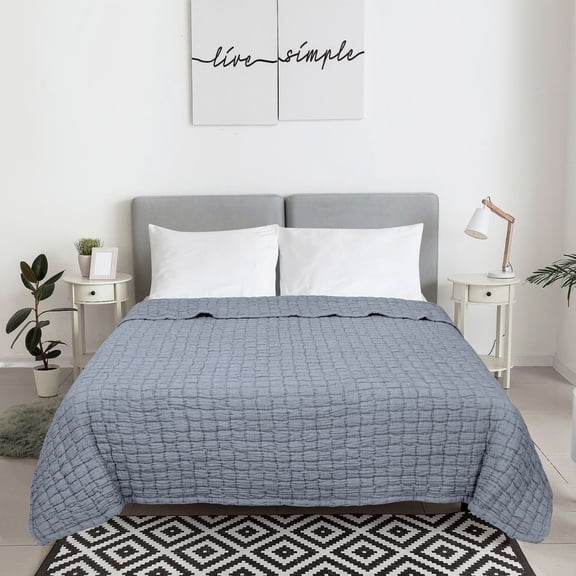


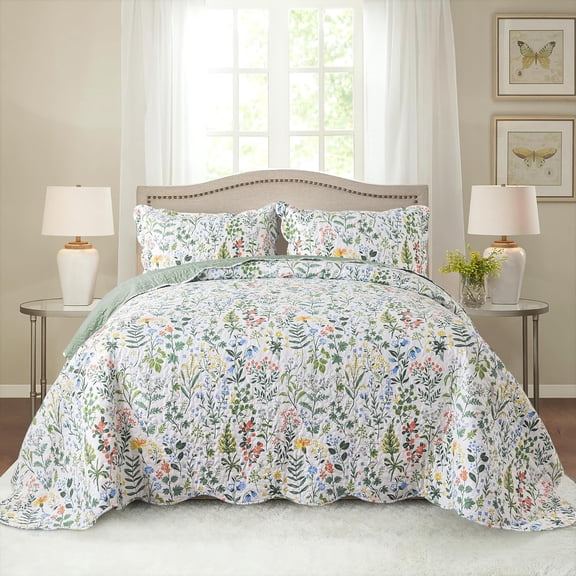


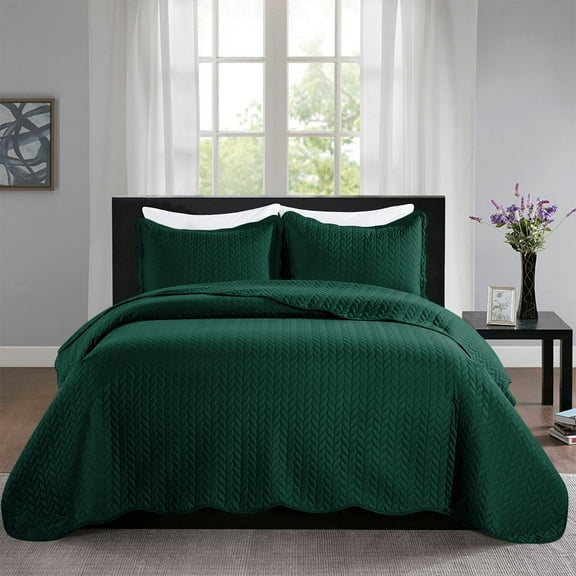


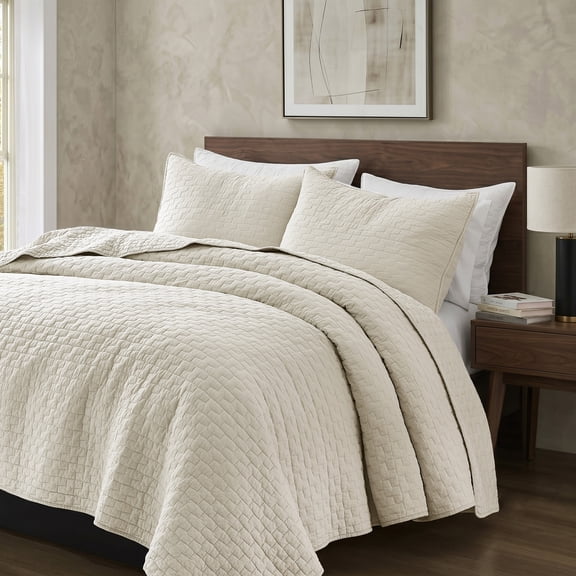


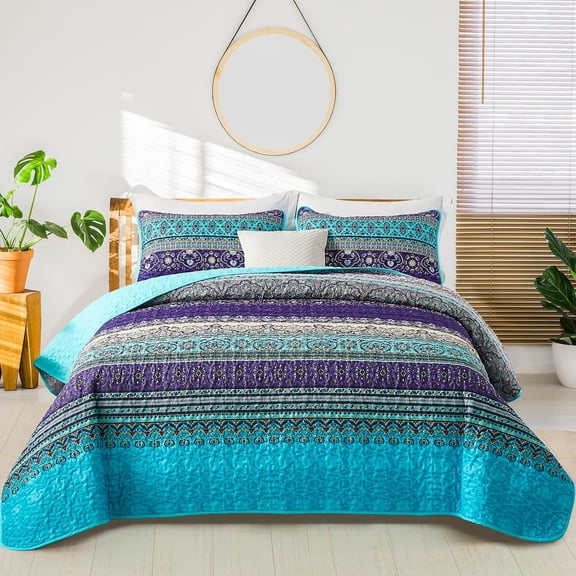


About Quilts in Bedding - Walmart.com
Quilts give your bed lightweight layering, flexible warmth, and a finished look through changing seasons. With the right size, material, and set configuration, you can match your room and your routine.
Because this category includes multiple weights and fabric types, you can compare practical details before you choose. That makes it easier for you to narrow quilt bedding sets, cotton quilts, and bed quilts for everyday use.
Choosing quilts by size and drape
Size should come first because your quilt’s drape shapes your bed’s appearance and coverage. When you compare dimensions, you can choose a tailored fit or extra side drop.
Standard mattress dimensions help you start, but oversized quilt dimensions can change the final look. If your mattress sits tall, you should measure its height so your quilt hangs as expected.
In smaller rooms, a Twin quilt can keep your bed neat without excess fabric at the sides. For larger bedrooms, queen size quilts and king quilts can give your bed broader coverage and full drape.
- If your bed is compact, you can use a Twin quilt for cleaner proportions and easier folding.
- When your room needs balanced coverage, you can compare Full and Queen dimensions with your mattress depth.
- For wider mattresses, you can check King and California King measurements before choosing extra length or width.
- If your bed has a pillow top, you should measure height first so your quilt doesn’t look too short.
Choosing quilt bedding sets and included pieces
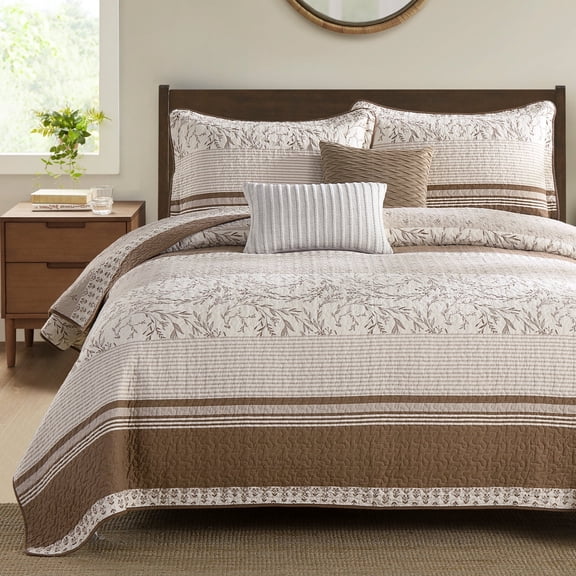
Set configuration matters because included pieces shape how complete your bed looks right away. By checking each listing, you can tell whether you’re getting the quilt alone or coordinated shams too.
Quilt bedding sets can simplify styling when you want a matched setup across pillows and top layers. If you already have favorite pillow covers, a quilt-only option may fit your room more naturally.
Piece count deserves a close look because Twin options often include fewer extras than larger sizes. Before you decide, you should confirm whether your set includes one sham or two.
Choosing cotton quilts and other materials
Material is an important comfort decision because fabric changes breathability, texture, and warmth. If you like lighter airflow, cotton quilts can feel crisp and easy to layer.
Polyester and microfiber can make sense when your household wants simple upkeep and a smoother surface. For a decorative bed, velvet can add a fuller look, while linen can add visible texture.
Your room temperature can guide this choice as much as your style preferences do. During warm months, lightweight summer quilts can work well alone, and cooler nights can call for extra layers underneath.
- With cotton quilts, you can focus on breathable layering and a classic bed feel.
- With polyester or microfiber, you can prioritize easy care and dependable everyday warmth.
- With velvet, you can create a richer surface look for guest rooms or styled primary bedrooms.
- With linen, you can bring in relaxed texture that pairs well with casual bedding.
Comparing lightweight quilts, all-season weights, and care
Weight changes how your bedding works across the year, so you should compare it early. If you sleep warm or layer often, lightweight quilts can feel easier to use night after night.
All-season options can suit bedrooms with steady indoor temperatures and simple bedding routines. When you want a substantial top layer, you can look at heavier constructions with fuller coverage.
Care instructions also shape daily use because some fabrics fit frequent washing more easily than others. If your bedding gets regular rotation, machine-washable bed quilts can keep upkeep straightforward.
Decorative styles may call for specialized care, which can affect how often you use them. Before choosing, you should check whether your routine fits machine washing or occasional dry cleaning.
Using quilts in bedrooms, guest spaces, and seasonal layers
Different rooms call for different combinations of size, material, and weight. In guest spaces, you might prefer lightweight quilts that fold neatly and store easily between visits.
Primary bedrooms often benefit from broader coverage, especially when you want queen size quilts or king quilts with complete drape. For children’s rooms, a Twin quilt can make bed changes simpler and less bulky.
Seasonal layering is another reason many shoppers choose quilts over thicker top layers. In spring and summer, you can use a cotton quilt over sheets, then add a blanket later when temperatures shift.
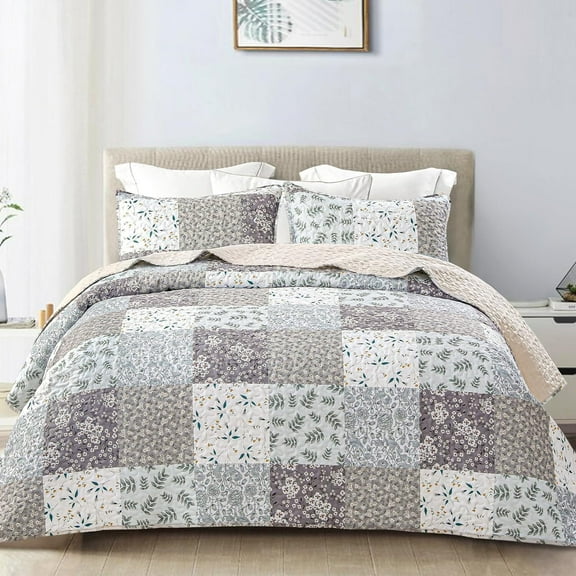
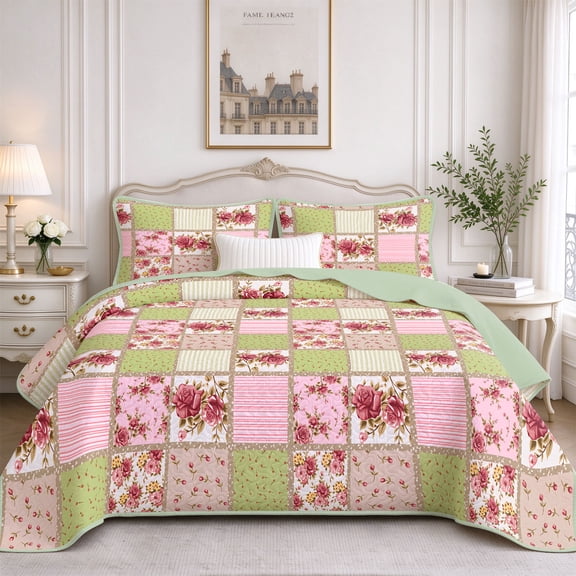
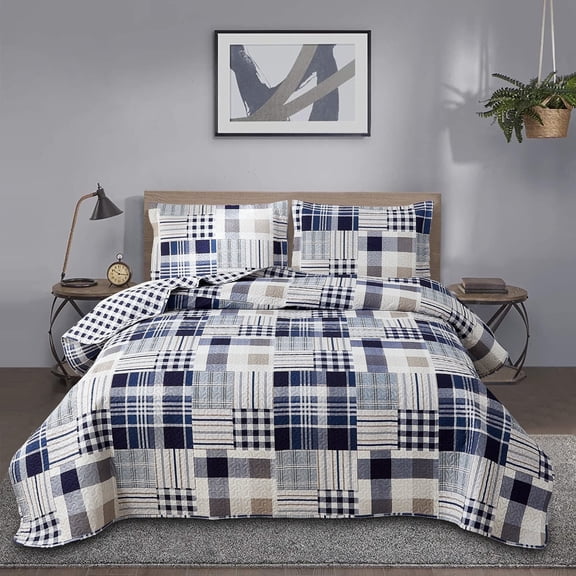
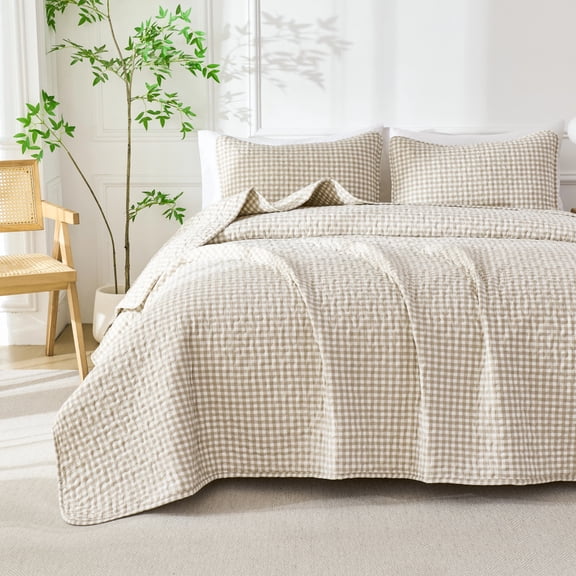
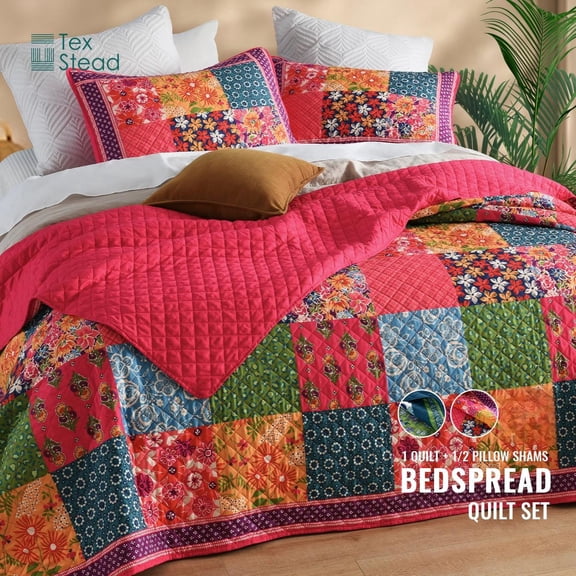
Pattern and finish can also shape how your room feels from day to night. If you want a casual look, patchwork quilts can add texture, while solid designs can keep the bed more tailored.
Quilts also work well with other bedding categories when you want more flexibility in your setup. Alongside comforters, bed sheets, and blankets, you can build layers that adjust with your space and your season.
Choosing quilts with confidence
When you compare drape, material, care, and set inclusions in a practical order, your decision becomes more straightforward. You can end up with quilts that fit your mattress, support your routine, and keep your bed easy to style.
That kind of match matters because your bedding needs to work every day, not just look good once. With the right quilt, you can get lighter layering, simpler upkeep, and coverage that feels right for your room.