

Random Orbit Sanders in Sanders


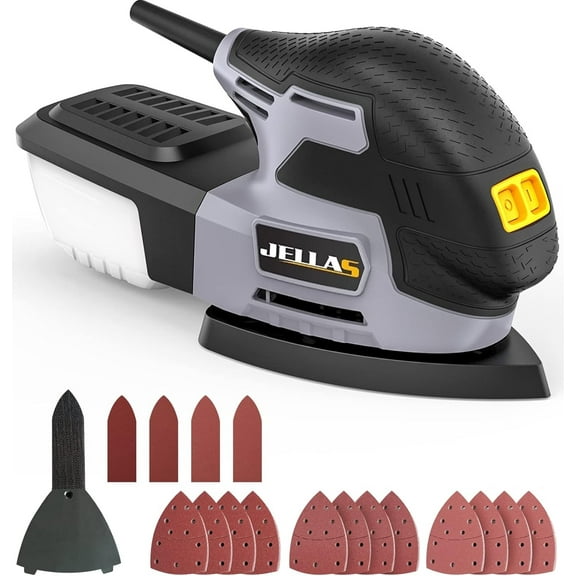
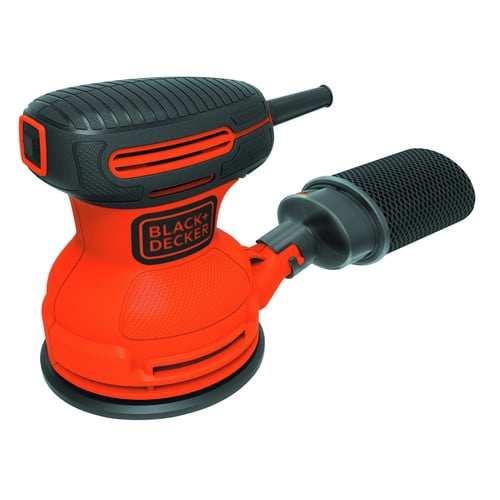
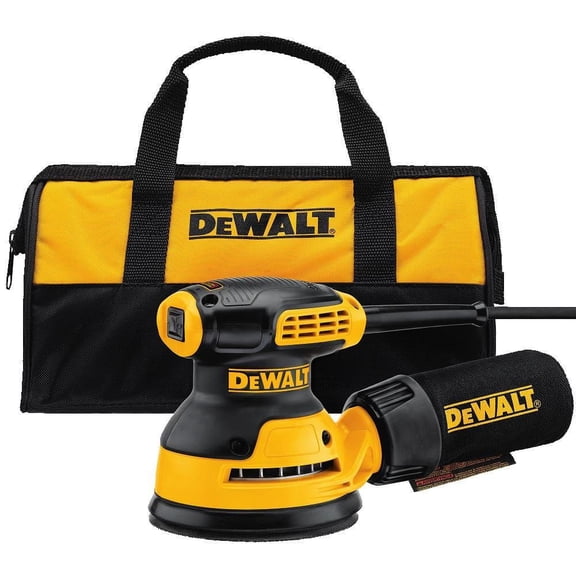
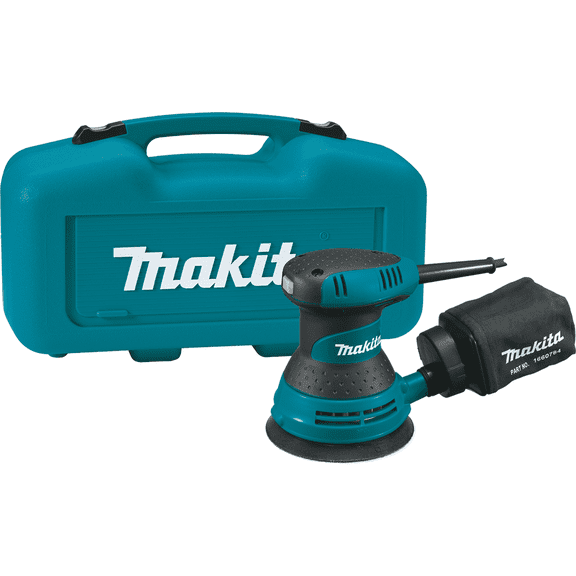






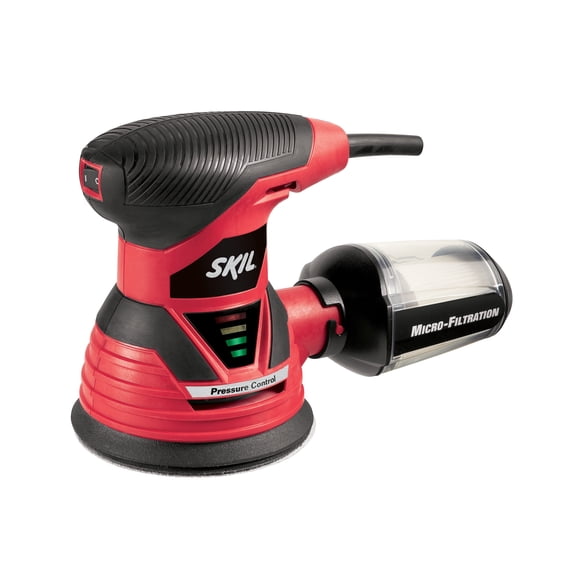
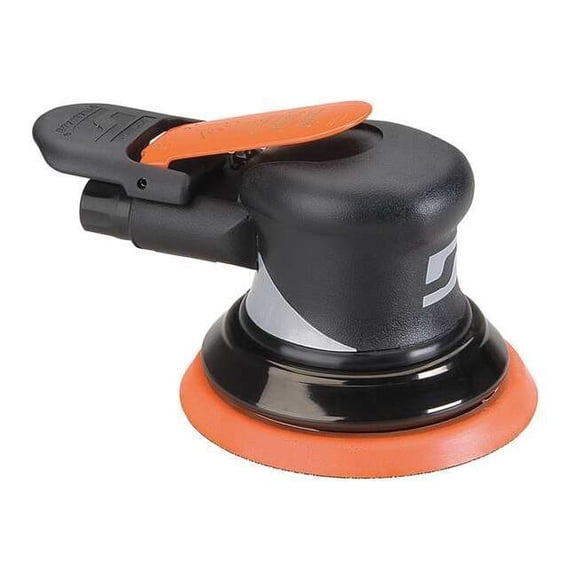

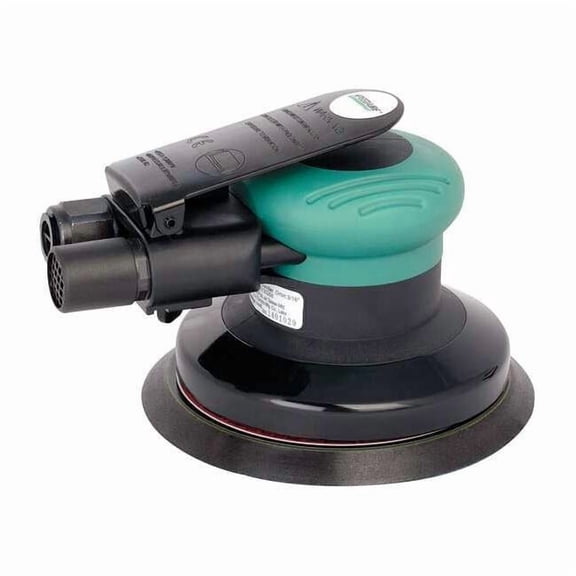
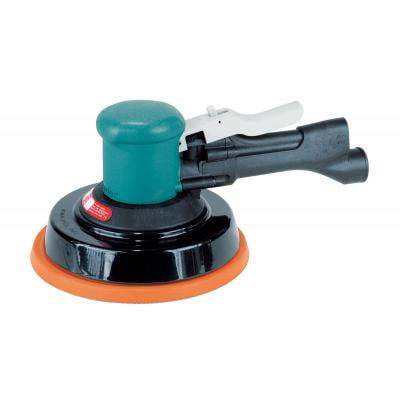




About Random Orbit Sanders in Sanders - Walmart.com
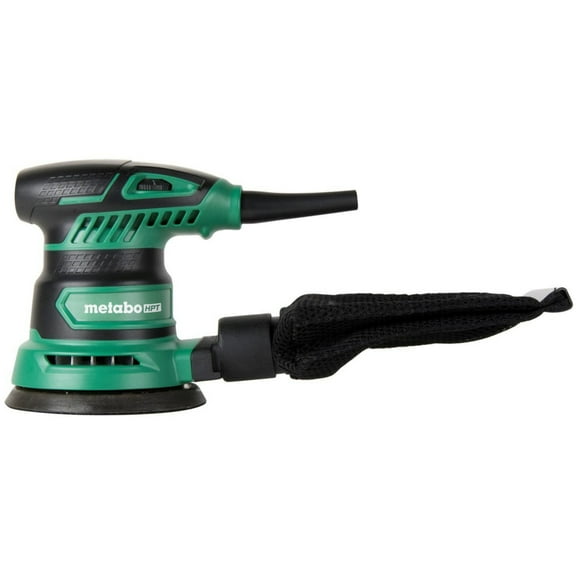
You can choose a random orbital sander that matches your project pace, finish goals, and workspace setup. You’ll notice this tool stands out by combining swirl-reducing motion with fast material removal on wood, filler, and painted surfaces.
When you compare browse options, you’ll want clear guidance on power source, disc size, speed control, and dust collection. You can use those four choices to narrow the right fit for furniture refinishing, drywall prep, cabinet work, and weekend repairs.
How to choose a random orbital sander
You should start with the material and finish you want before you compare motor specs. You’ll usually want a smoother finish than a belt sander gives, especially on tabletops, trim, and doors.
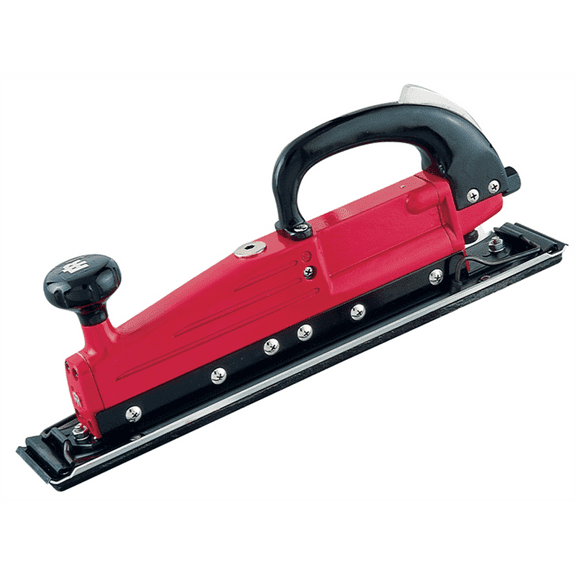
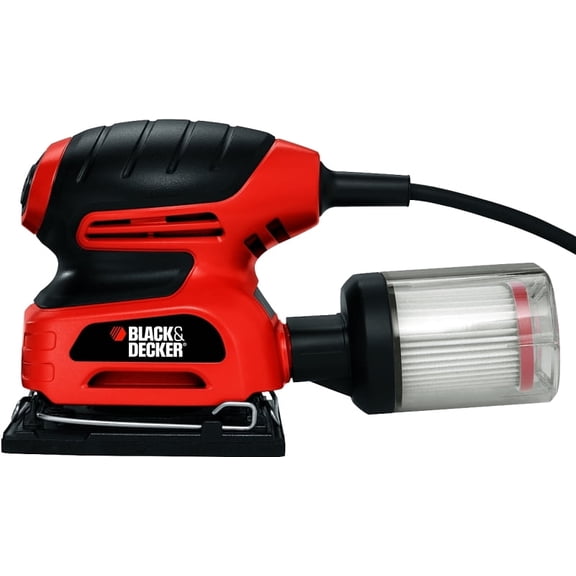
If you’re deciding between a random orbital sander and a sheet sander, you’ll see a key difference in pad motion. You’ll get circular sanding with offset orbit action here, while sheet sanders move in shorter back-and-forth strokes.
You can use this category when you need stock removal and finish prep in one tool. You’ll also find it easier to feather edges and blend patched spots without leaving straight sanding lines.
Choosing the right power source
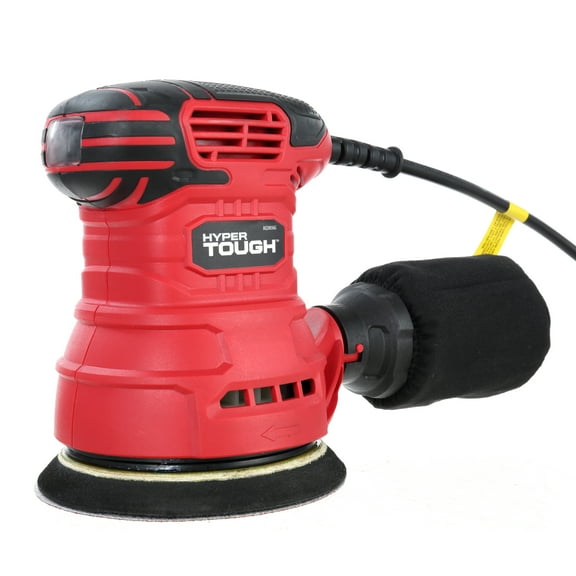
You should compare corded electric, cordless battery-powered, and pneumatic models based on where you work. You’ll often prefer corded tools for longer sanding sessions because you get steady output without battery swaps.
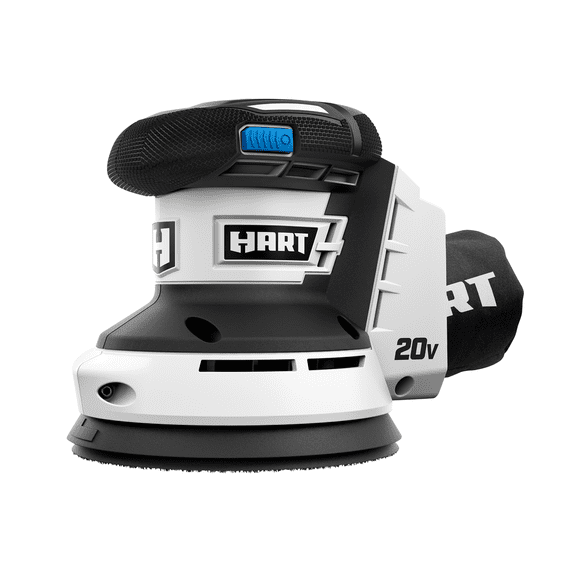
If you move around job sites or outdoor pieces, you may prefer cordless battery-powered options. You’ll want to check voltage and run time, since those details affect how long you can sand between charges.
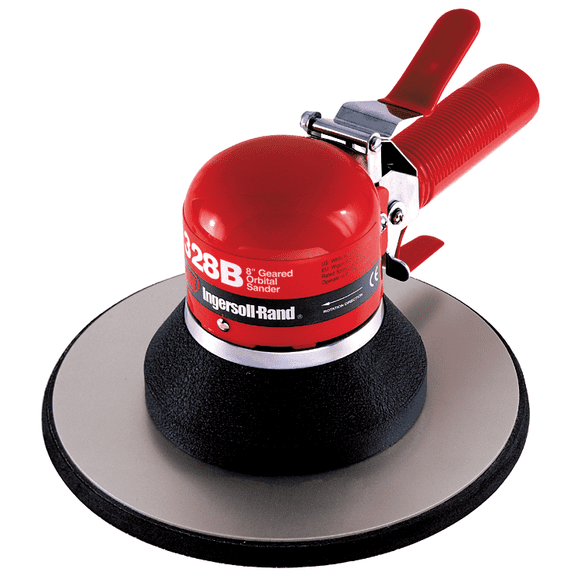
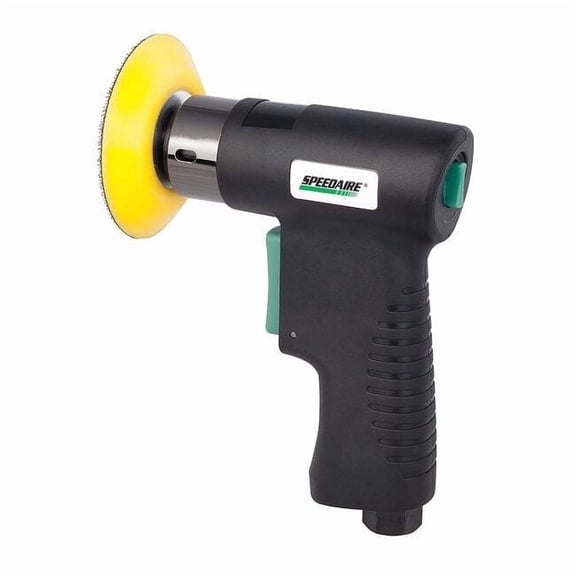
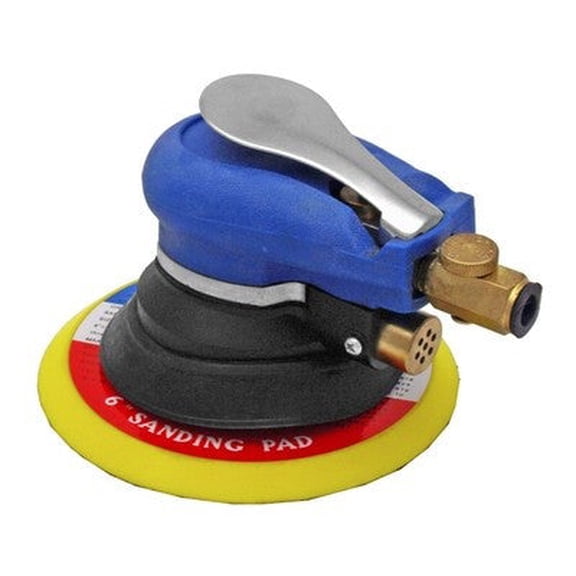
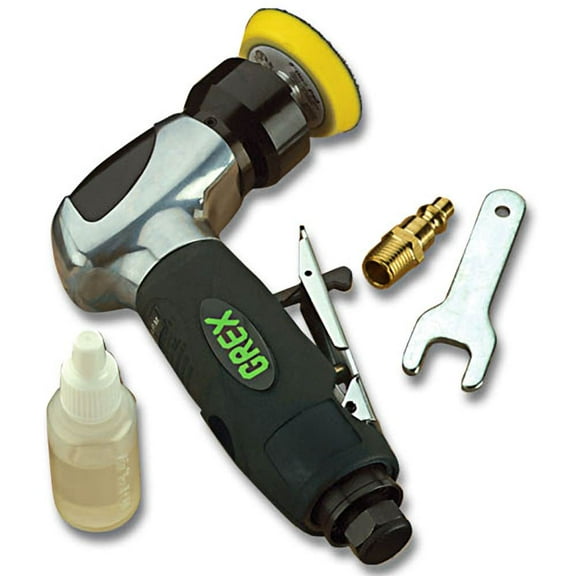
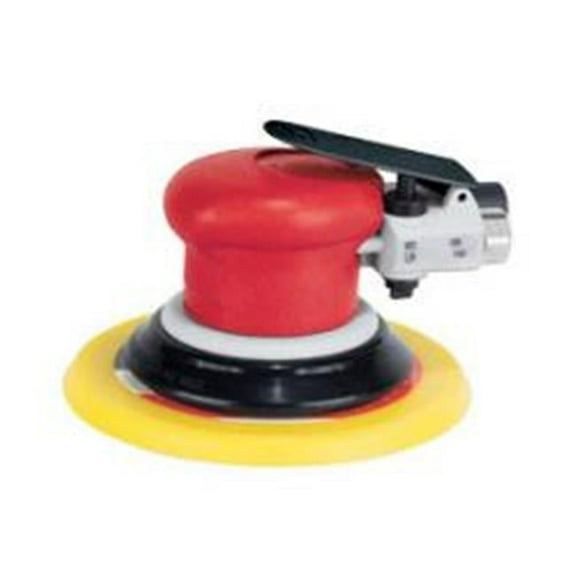
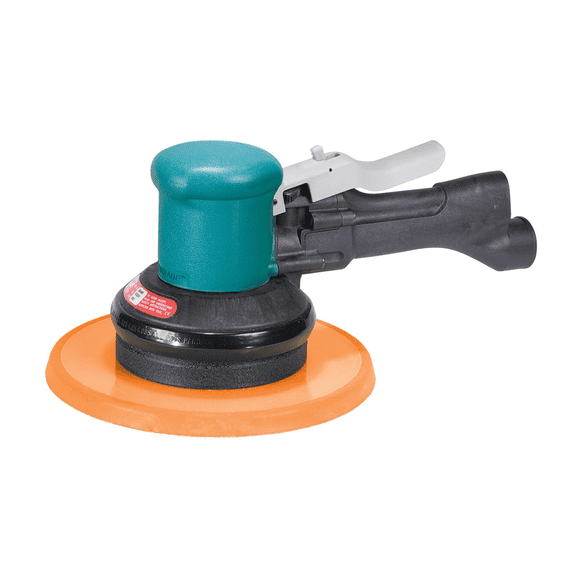
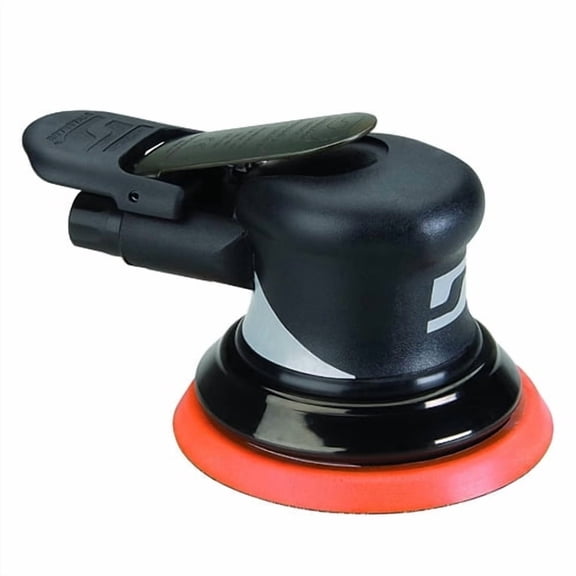
When you already use an air system, you may consider pneumatic options for shop setups. You’ll need compatible air supply equipment, but you can get a lightweight feel during repeated sanding passes.
- You can choose corded models for benches, garages, and longer refinishing sessions.
- You can choose cordless models when you need mobility on stairs, decks, or outdoor furniture.
- You can choose pneumatic models when your workshop already supports air-powered tools.
Choosing disc size and attachment
You’ll usually compare 5-inch and 6-inch sanders first because pad size affects control and coverage. You can use 5-inch sizes for common household projects, while 6-inch sizes cover larger surfaces faster.
If you sand cabinet doors, chairs, or trim, you may like the balance of a 5-inch pad. You’ll often get easier handling around curves, edges, and narrow work areas.
When you refinish tabletops, workbenches, or broad panels, you may prefer a 6-inch pad. You can cover more area per pass, which helps you move through larger sanding stages.
You should also check whether the pad uses hook-and-loop or PSA attachment. You’ll find hook-and-loop discs easier to swap during grit changes, while PSA discs stick firmly for longer continuous passes.
Comparing speed control for your project
You can narrow your choice quickly by comparing variable speed and single speed designs. You’ll want variable speed when you need more control on soft wood, painted surfaces, or finish sanding.
If you remove older finish or level filler, you may like a faster single speed approach. You’ll still want to match grit and pressure carefully so your surface stays even across each pass.
You should look at amp rating on corded tools and battery platform details on cordless tools. You’ll feel those specs in sustained sanding, especially when you work on hardwood or larger panels.
When you move from rough shaping to finish prep, you’ll appreciate speed adjustment. You can slow the pad for delicate areas, then raise speed for broader sections that need quicker material removal.
What to look for in dust collection
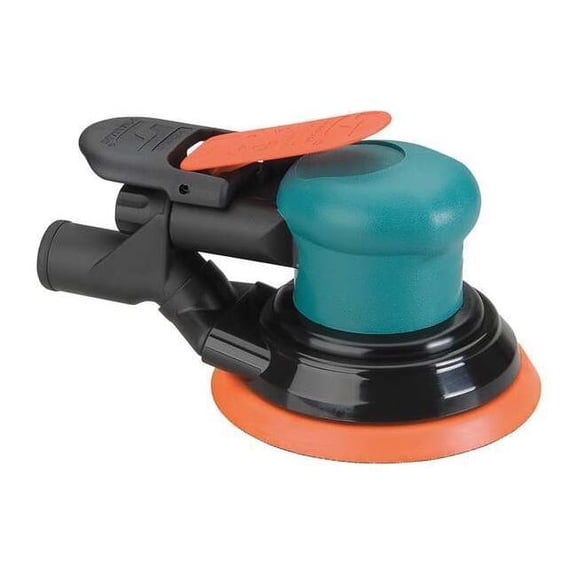
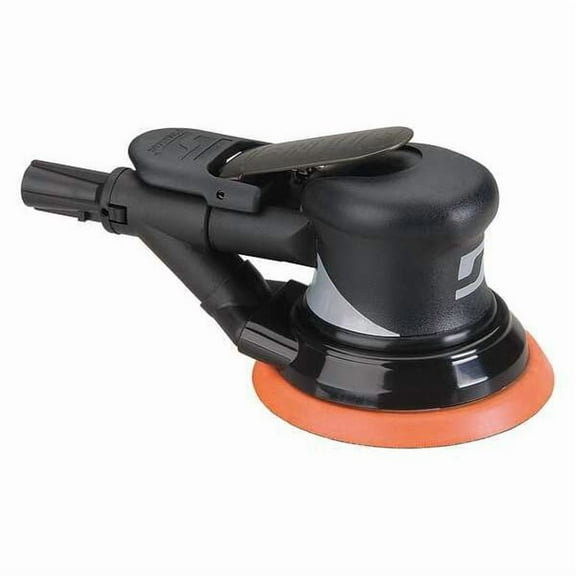
You should compare dust bag, vacuum hose adapter, and filter canister systems before you choose. You’ll keep your workspace cleaner when your sander captures sanding residue closer to the pad.
If you work indoors, you may want a vacuum hose adapter for longer cleanup control. You’ll often appreciate that setup on drywall patch prep, painted trim updates, and repeated furniture sanding sessions.
When you need a simpler setup, you may choose a built-in dust bag or filter canister. You can keep the tool more portable while still collecting a share of the sanding debris.
You should also check hole patterns and accessory compatibility when you compare sanding discs. You’ll want the pad and disc alignment to support airflow, especially when dust collection matters for indoor projects.
Using an orbital sander for common jobs
You can use an orbital sander for furniture refinishing, cabinet prep, paint removal stages, and smoothing patched areas. You’ll get the most from it when you match grit sequence, pad size, and speed to the surface.
If you’re refreshing a dresser or table, you may want a cordless or 5-inch model for easier movement. You’ll be able to work around legs, aprons, and corners before switching to hand sanding for tight details.
When you’re flattening broad panels, you may want a corded 6-inch setup with variable speed. You can maintain steady sanding across doors, shelves, and worktops without frequent stops.
If you need cleaner operation, you should compare models with vacuum hookup support or built-in collection. You’ll find that feature especially useful when you sand indoors and want less residue around the project area.
You may also search for where to buy random orbital sander options with quick pickup or delivery. You can compare key specs in one place, including disc size, speed choices, and dust collection details.
With the right random orbital sander, you can move from rough prep to final smoothing with fewer tool changes. You’ll get a cleaner finish path by choosing the power source, pad size, speed range, and dust setup that fit your project.