

Scaffold Ladder in Ladders















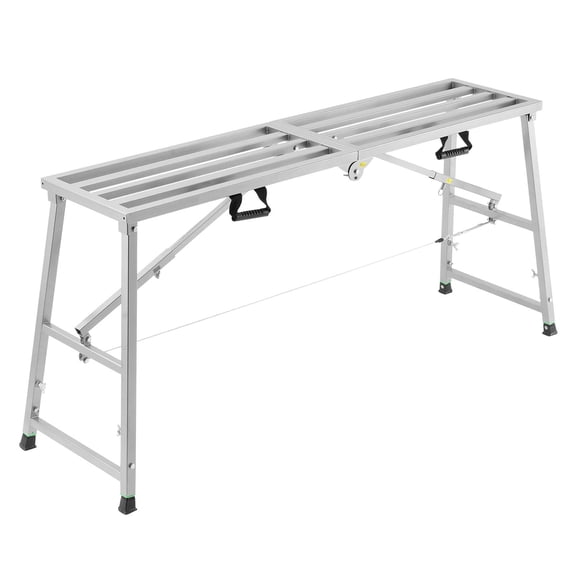

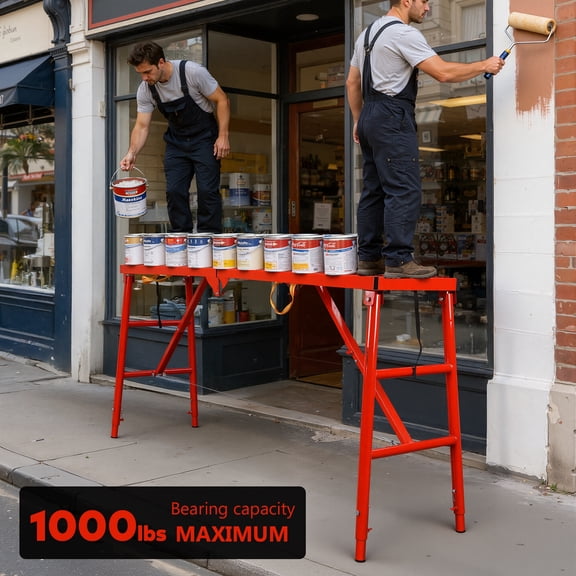

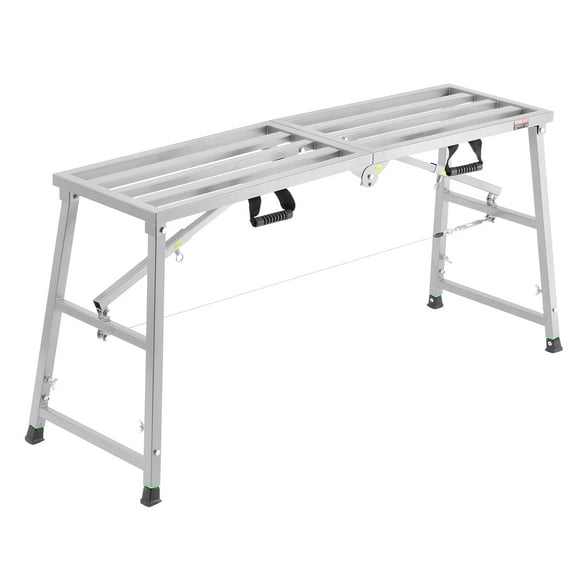



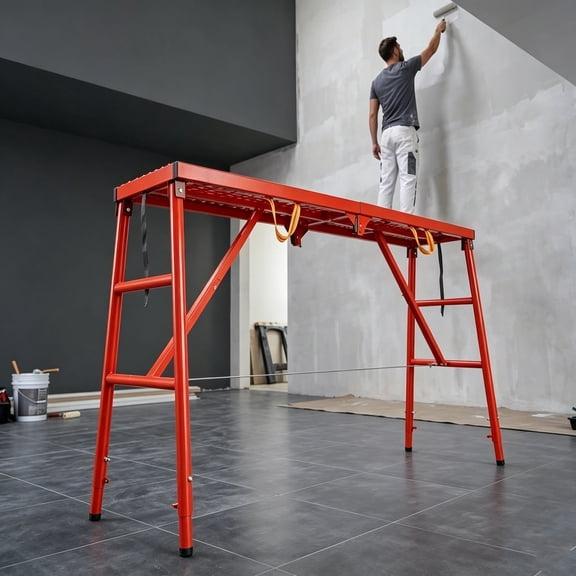
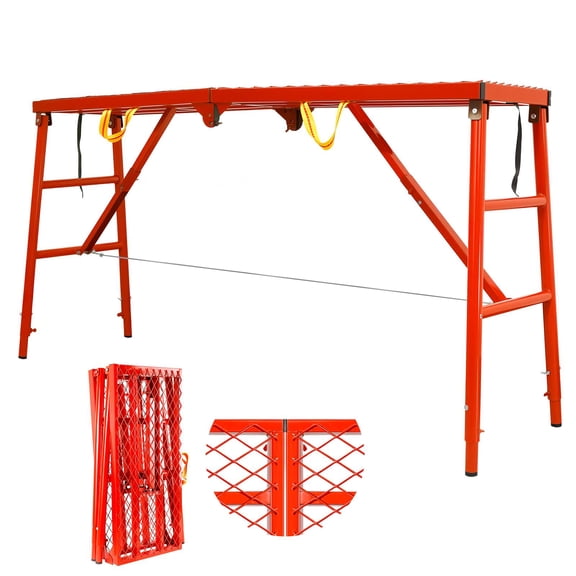
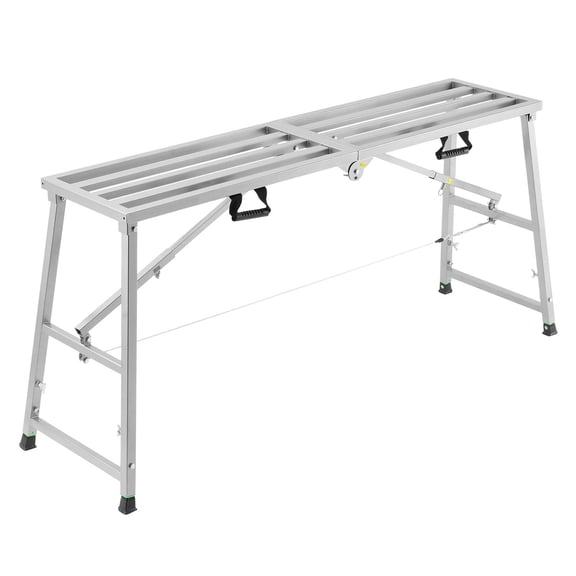

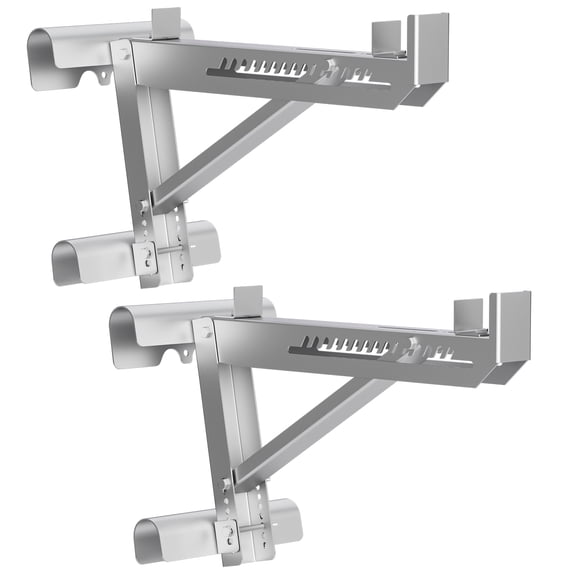

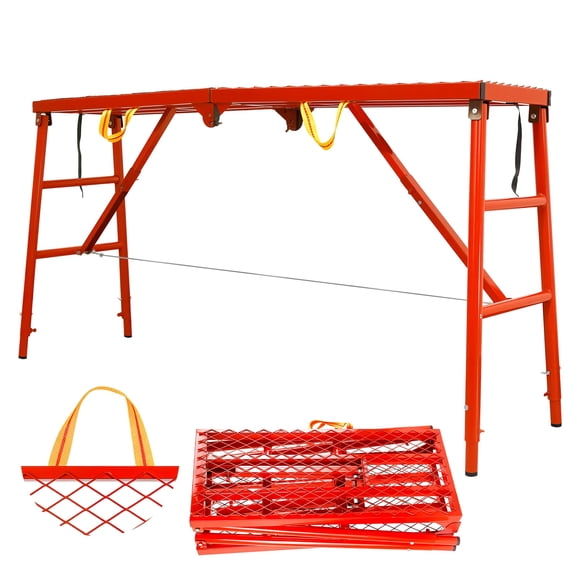
About Scaffold Ladder in Ladders - Walmart.com
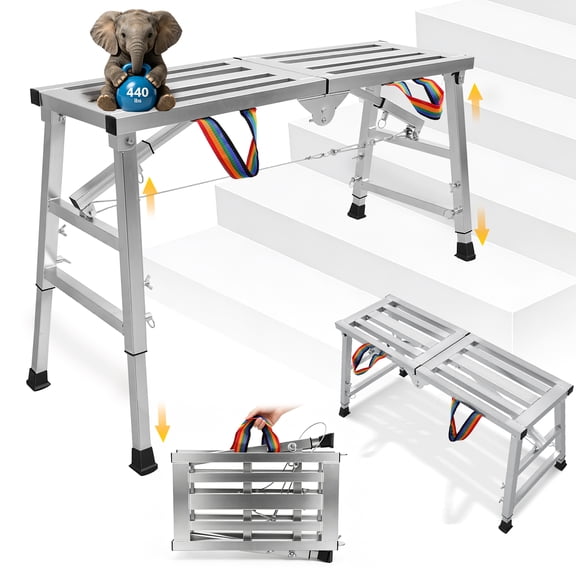
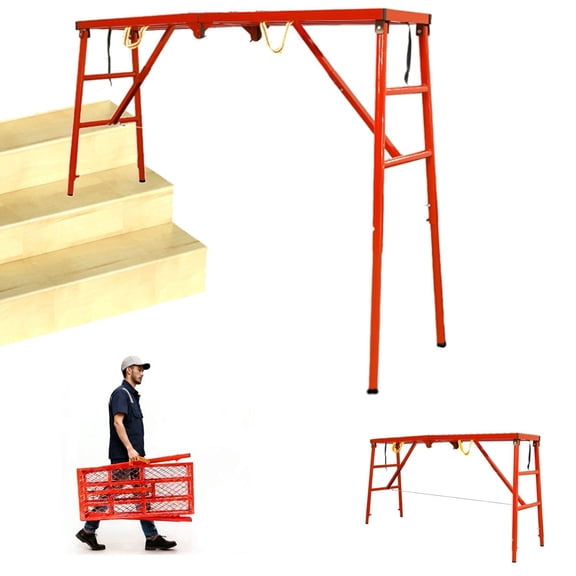
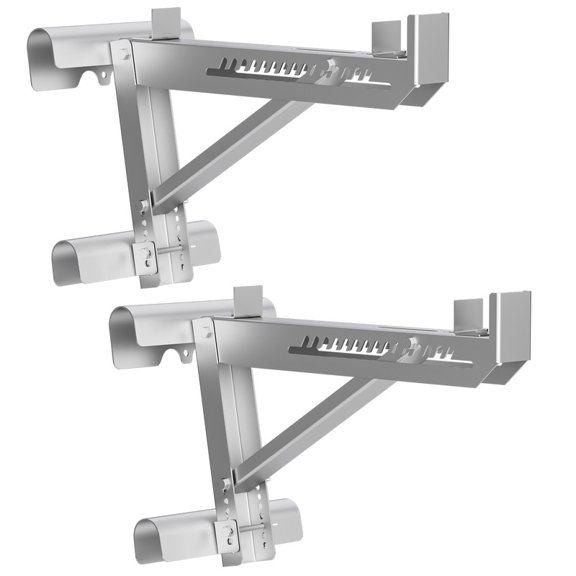
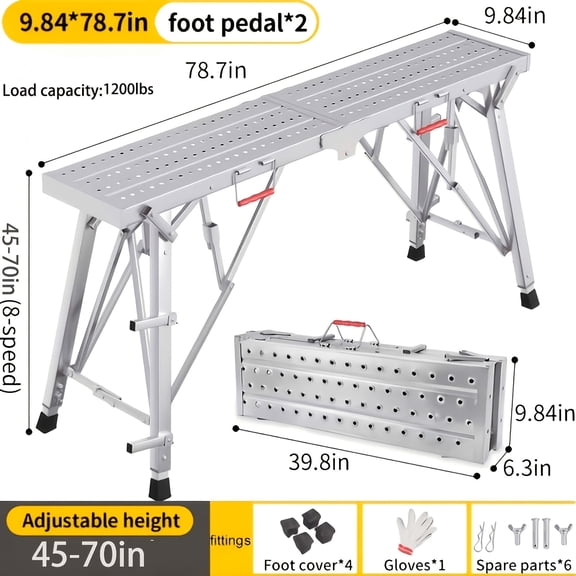
If you need a ladder that turns into scaffolding, you can compare platform support, folding design, and duty rating in one place. You’ll also find options built for painting, drywall work, trim installation, and other tasks that need a steady standing surface.
When you shop this category, you’re usually balancing reach, footing, and storage space at the same time. You can narrow your choice faster when you compare material, mechanism type, load capacity, platform style, and portability.
How to choose a ladder that turns into scaffolding
You should start with the conversion style because it shapes how easily your setup changes between climbing and platform work. You’ll want a design that locks firmly and gives your hands simple, clear adjustment points.
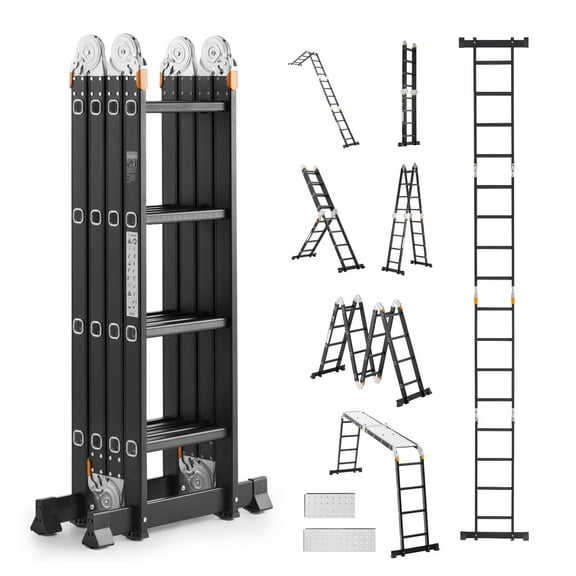
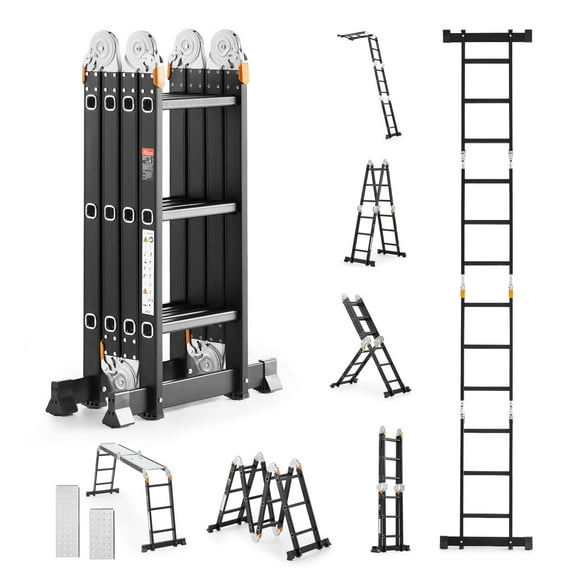
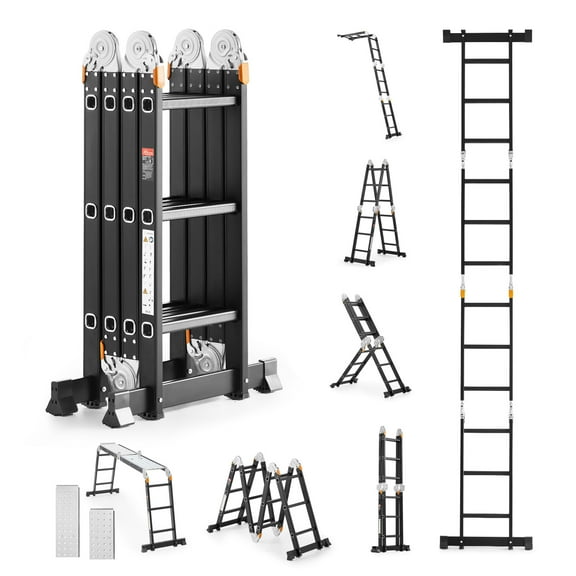
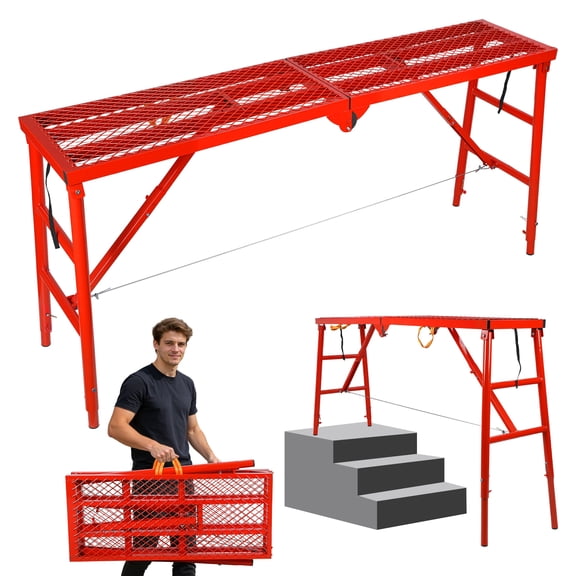
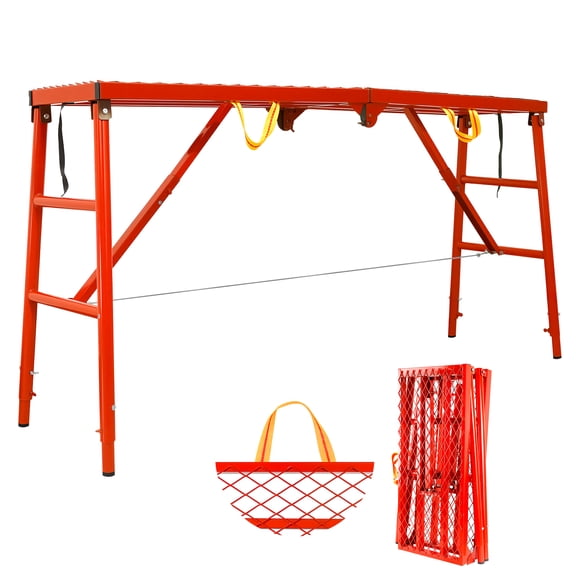
If you switch tasks often, you may prefer a folding scaffold ladder or multi-position frame that changes shape without extra parts. If you work across uneven ground, you should check whether adjustable legs or locking pins help level your platform.
You can also think about where your project happens and how often you move the unit. You’ll notice compact designs fit garages and service vans more easily than larger rolling frames.
Key benefits you can expect from a folding scaffold ladder
You get more than climbing height when you choose a scaffolding ladder with a platform layout. You can stand with a wider base under your feet, which helps during longer tasks like sanding, patching, or cutting-in along ceilings.
A platform scaffold ladder can also help you reposition less often across a wall section or workbench area. You’ll spend more time working side to side instead of stepping down after every small adjustment.
Another benefit comes from multi-use design that supports several project types with one tool. You can use the same unit for indoor finishing, exterior touchups, and overhead maintenance when the mechanism supports multiple positions.
- You can gain a broader standing area for painting, electrical work, and surface prep.
- You can fold many models into a compact shape that stores more easily between projects.
- You can compare load ratings and platform heights to match your tools and work style.
- You can choose adjustable folding scaffold options when you need flexibility on changing surfaces.
You may also appreciate easier transport when a foldable scaffold ladder fits into tighter storage spots. You’ll find that portability matters when you carry tools, move room to room, or load equipment into a vehicle.
What to look for in materials, load capacity, and platform design
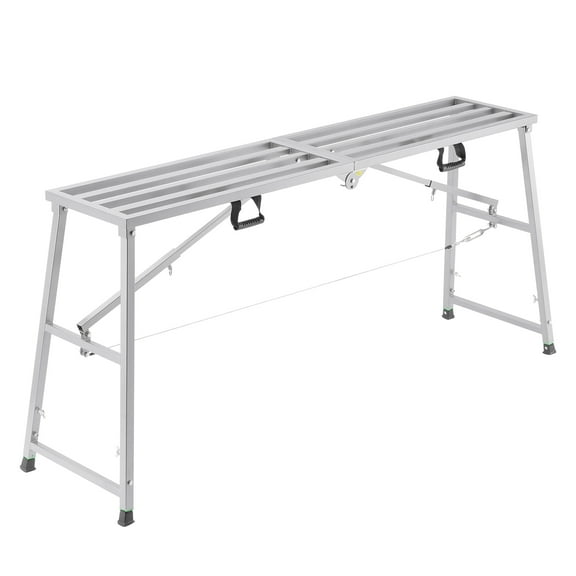
You should compare frame material first because it changes carrying weight and jobsite feel. You’ll often see an aluminum folding scaffold ladder when you want lighter handling and easier lifting during setup.
If you want added heft, you may compare steel designs for a more substantial frame feel. If you need nonconductive material for certain tasks, you should also review fiberglass options in the category.
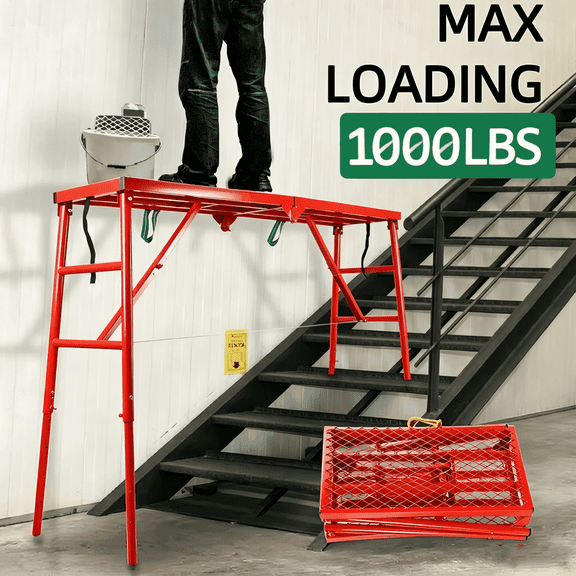
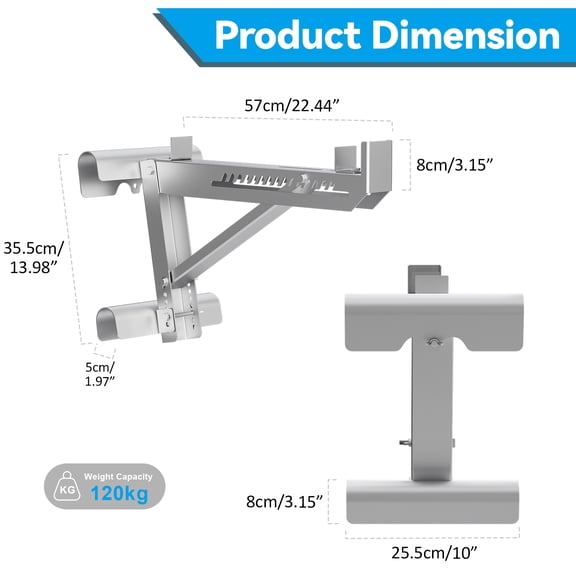
Load capacity deserves close attention because your rating needs to account for you, your clothing, and your tools. You should check whether a model lists 300 lbs, 330 lbs, or a heavy duty rating before you decide.
Technical terms can help you compare with more confidence when you understand what they mean in practice. You can use duty rating labels, such as Type IA or Type IAA, to judge how much working load a unit is built to handle.
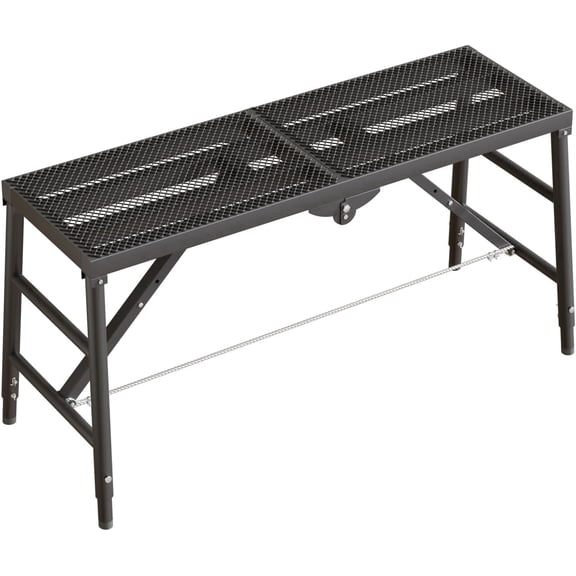
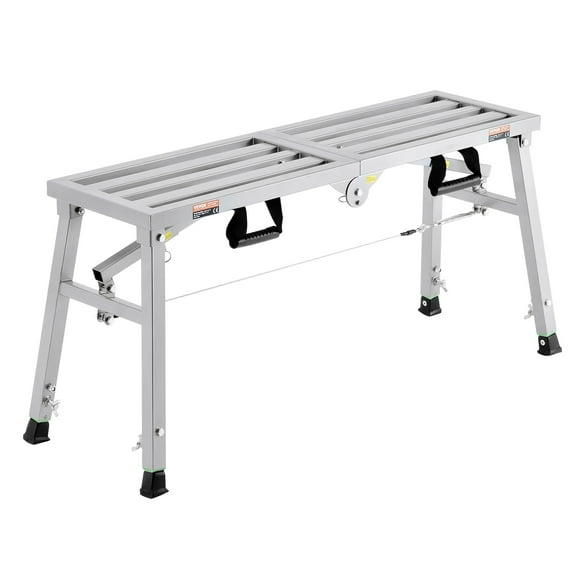
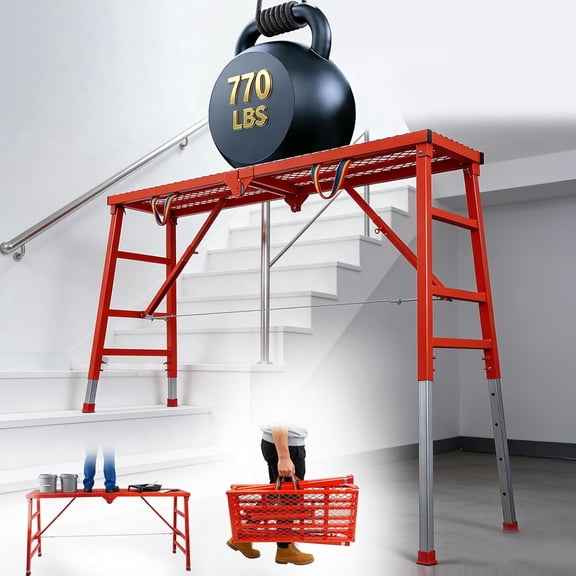
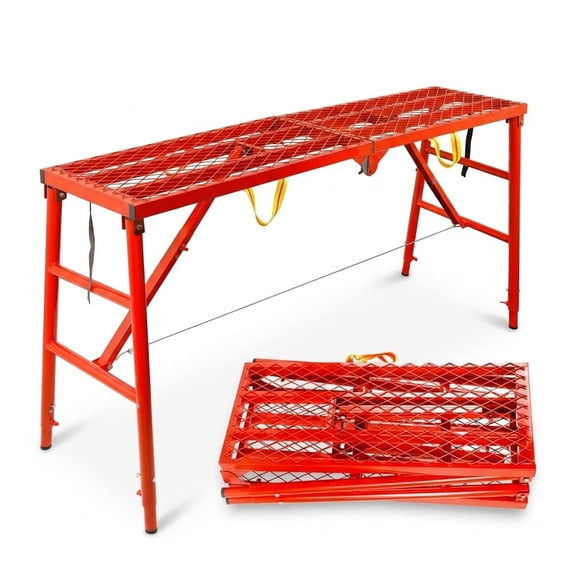
Platform type also matters because your standing area changes how your task feels over time. You may prefer an adjustable platform, a stool bench layout, or a broader work platform depending on your reach and motion.
You should measure the platform height range before you buy, especially for trim, ceiling, or window work. You’ll want locking pins or telescoping legs when you need fast height changes or support on uneven surfaces.
Choosing portability and mechanism type for your workspace
You can often narrow your options by looking at how the frame moves and stores. You should compare folding, multi-position, telescoping, and rolling styles based on how often you reset your setup.
Folding scaffolding ladder designs usually suit shoppers who want compact storage after each project. You can tuck many foldable frames into a garage corner, utility room, or truck bed with less hassle.
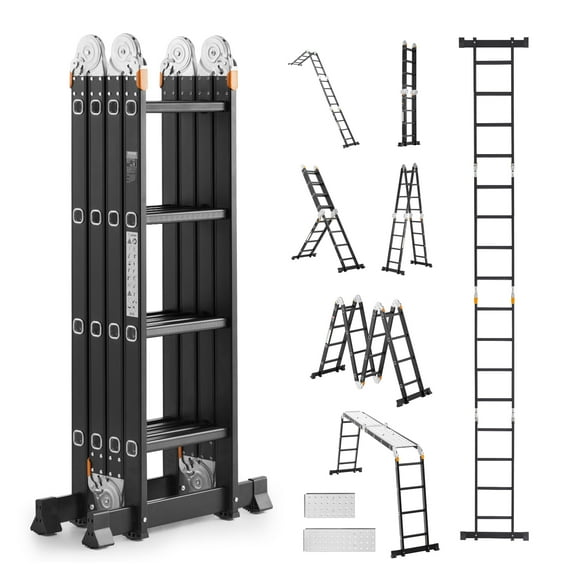
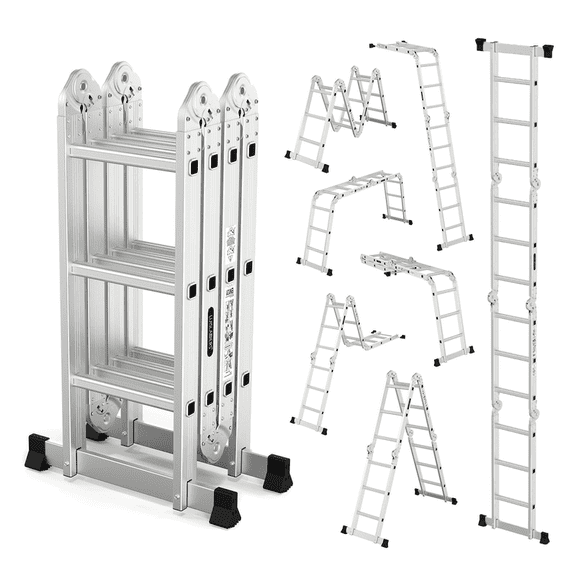
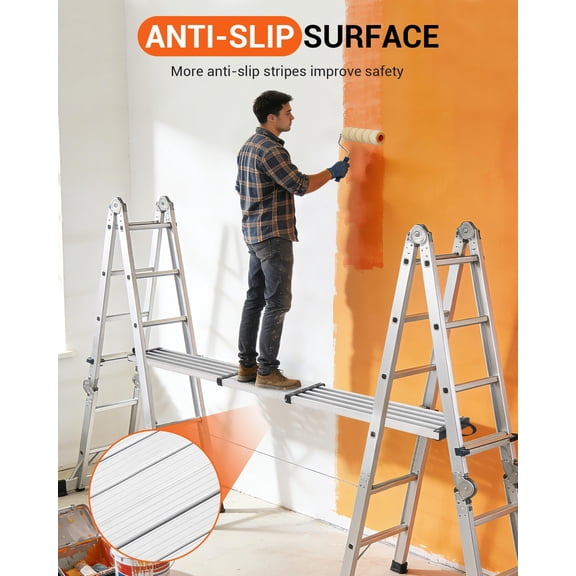
Multi-position units work well when you want one frame to support several setup modes. You can move from ladder use to ladder scaffolding support when your project shifts from climbing to standing work.
Telescoping features can help when you need controlled height changes in tighter spaces. You should check how the locks engage so your adjustments feel simple and repeatable during setup.
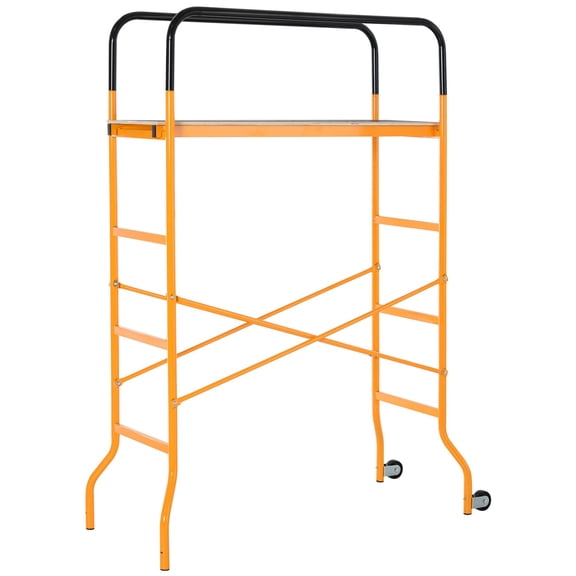
Rolling options may fit larger work areas where you need to move along a surface quickly. You can compare wheeled frames if your workspace has enough open floor area for smooth repositioning.
Compact portability becomes especially useful when you handle weekend projects or mobile service calls. You’ll likely want a foldable scaffold ladder if your storage space is limited and your setup needs to stay manageable.
Matching scaffold ladder features to real projects
You can use an adjustable folding scaffold for interior painting when you need room for a tray, tape, and hand tools. You’ll also appreciate platform support when you’re cutting in along ceilings or working across wider wall sections.
For drywall finishing or patch work, you may want a platform scaffold ladder with a broader standing area. You can shift your reach across seams and corners without climbing down as often.
If you handle home maintenance, you might prefer a ladder that turns into scaffolding for gutter touchups, light fixture changes, or trim repairs. You can keep one unit ready for both access and standing support.
In workshops and garages, you may compare stool bench or work platform styles for bench-height tasks. You can use those designs when you need a raised surface for painting doors, assembling parts, or reaching shelving.
For contractors and remodelers, material and duty rating often drive the final choice. You should compare aluminum frames for easier transport and heavier-duty ratings for tool-heavy workdays.
If your jobsite includes uneven surfaces, you’ll want to focus on adjustable legs and secure locking points. You can set up with more confidence when the frame gives you controlled leveling and clear height positions.
When you choose based on mechanism, material, and duty rating, you can match the category to your actual work instead of guessing. You’ll end up with a setup that supports steadier footing, smoother transitions, and easier storage.