

Guitar Picks in Guitar Accessories






























About Guitar Picks in Guitar Accessories - Walmart.com
Guitar picks help you shape your attack, guide your grip, and match your playing style through thickness, material, shape, and pack size. You can compare key choices here, so your practice, rehearsals, and live sets feel precise and comfortable.
Choosing guitar picks by thickness
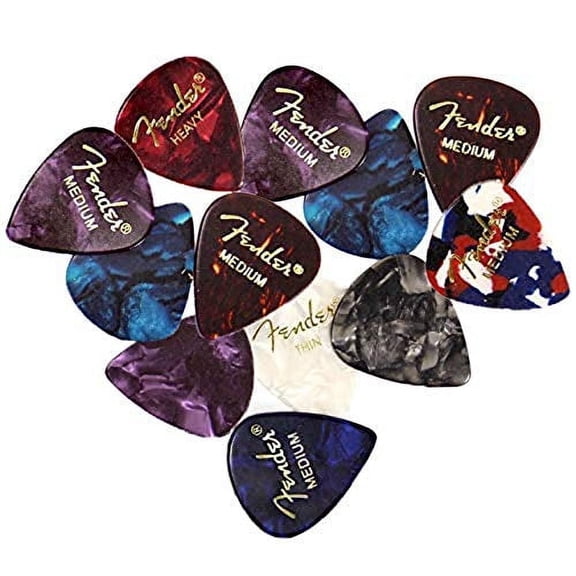
When you compare guitar picks, thickness is often your first decision because it changes how your strings feel under your hand. You’ll usually notice thin guitar picks flex, while heavy options feel firm and direct.
If you play rhythm parts, you may prefer thin or medium guitar picks because they glide across strings with a light touch. If you focus on lead lines, you may prefer heavy or extra heavy picks for controlled release.
As you narrow your options, consider how your playing style matches each gauge before you choose a guitar pick pack. You can use this quick guide to compare common goals and feel differences.
- You may choose thin guitar picks when your strumming style calls for added flex and a light response.
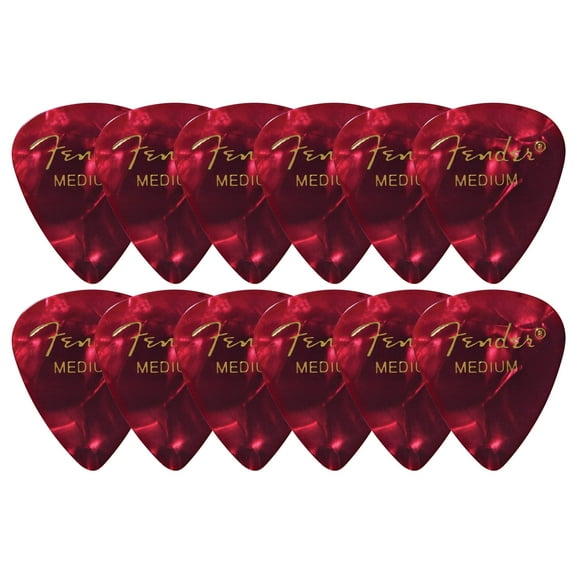
- You may choose medium guitar picks when you want a balanced feel for chords, riffs, and everyday practice.
- You may choose heavy guitar picks when your picking hand needs firmer contact for single notes and fast passages.
- You may choose extra heavy picks when your technique depends on minimal bend and a very steady release.
What to look for in material and grip
After you choose a gauge, you should compare materials because each one changes grip, glide, and feel in your fingers. You’ll often find that material plays a key role during longer practice sessions or repeated live sets.
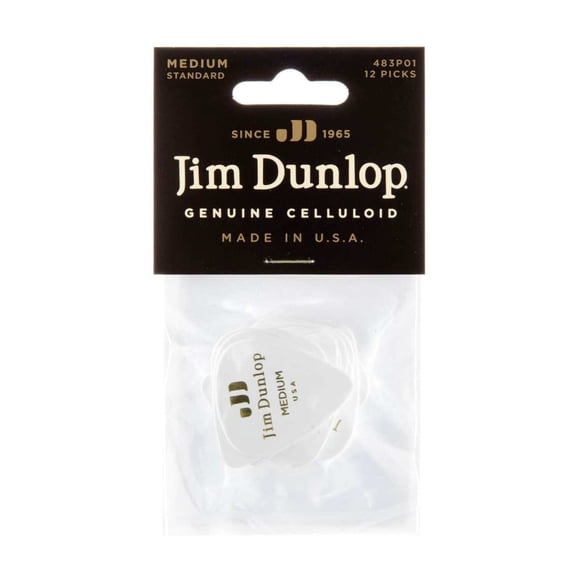
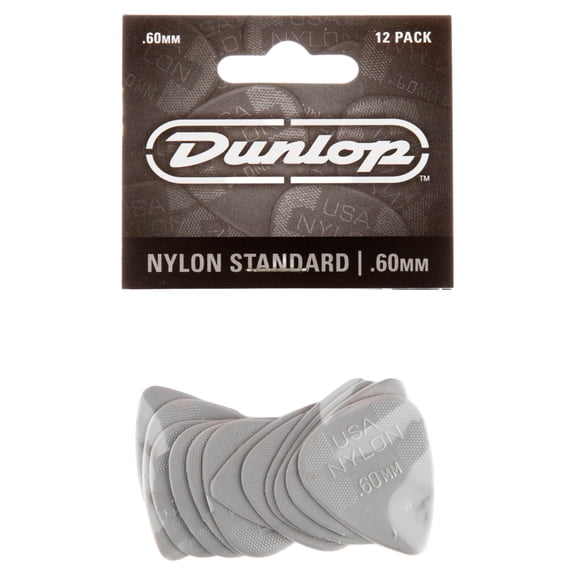
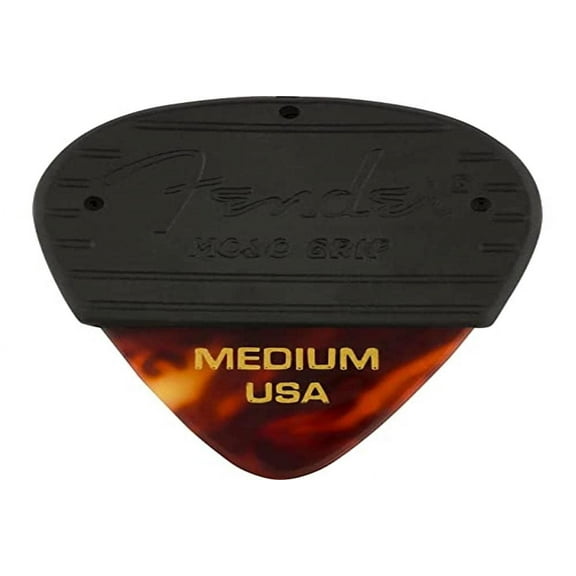
If your hand likes a flexible feel, you may lean toward nylon guitar picks for a softer response. If your style favors a classic surface feel, you may compare celluloid picks for a smooth, familiar release.
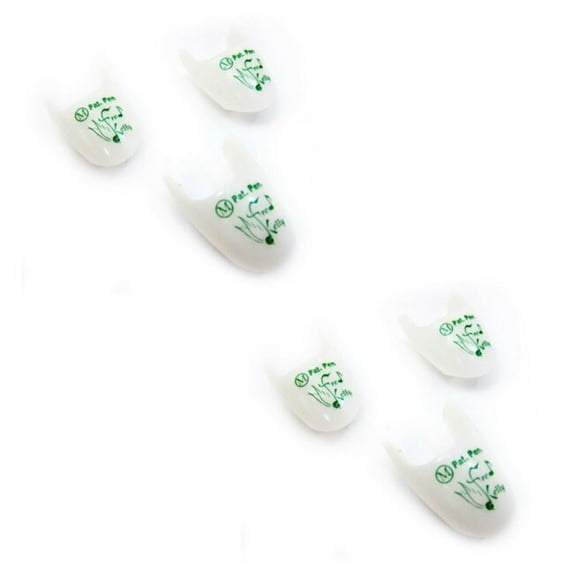
You can also look at tortex and delrin options when you want a firmer texture and steady control. If your setup calls for a very rigid edge, you may also compare metal picks for a distinct picking feel.
Because your hand pressure differs from player to player, you should compare surface texture along with gauge. You’ll get a clear fit when you match grip feel to your picking motion.
Choosing the right shape for your hand
Shape affects how much pick edge meets the string, so you should treat it as a real buying decision. You’ll often notice that a small shape feels quicker, while a larger one feels familiar.
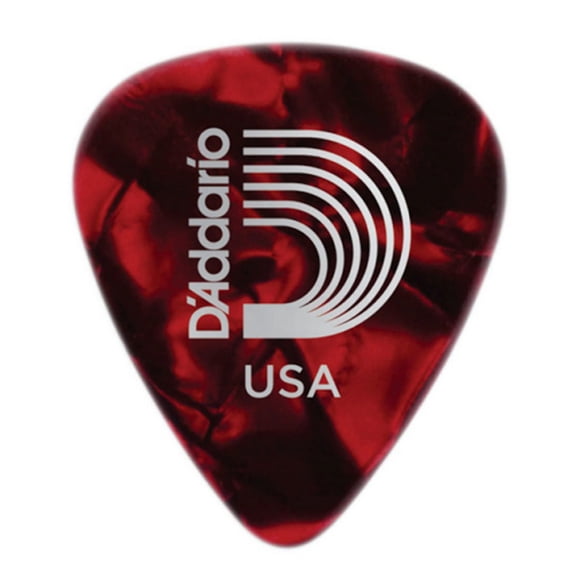
If you want an everyday starting point, you may choose standard 351 shapes because they offer a familiar size and hold. If your technique uses tighter movements, you may compare jazz-style picks for a smaller footprint.
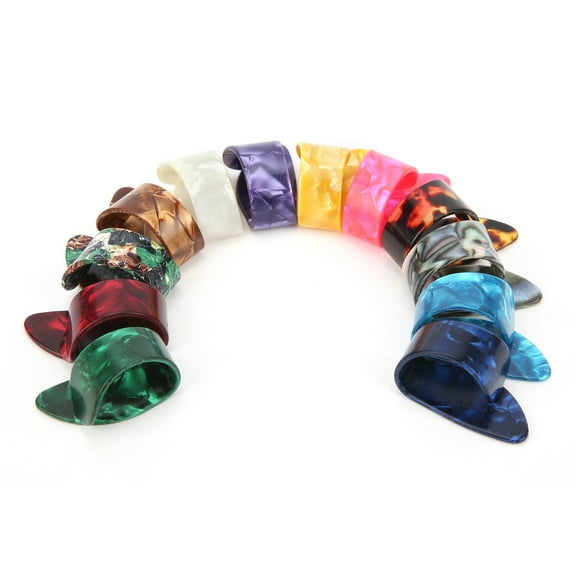
You can also check teardrop shapes when you want compact control without going extremely small. If your hand likes ample surface area, triangle picks can give your grip space to settle.
Since hand size and grip style vary, you should compare shape with thickness instead of choosing only one factor. You’ll often land on a comfortable option when both decisions work together.
Matching acoustic guitar picks and bass guitar picks to your instrument
You should also think about instrument type because string feel changes across acoustic, electric, bass, and ukulele setups. You’ll usually want a pick that matches your attack, string tension, and playing purpose.
If you play acoustic guitar, acoustic guitar picks in thin or medium gauges can support steady strumming and clear chord work. If you play electric guitar, you may prefer medium or heavy picks for riffs, solos, and palm-muted parts.
If your setup centers on bass, bass guitar picks often work well in heavier gauges that feel solid against thicker strings. If you play ukulele, you may compare lighter gauges and smoother materials for a gentler release.
Because instruments respond differently, you should consider how your strings feel before you settle on one gauge. You’ll get a smooth playing experience when your pick matches your instrument’s tension and response.
Choosing a guitar pick pack for practice and performance
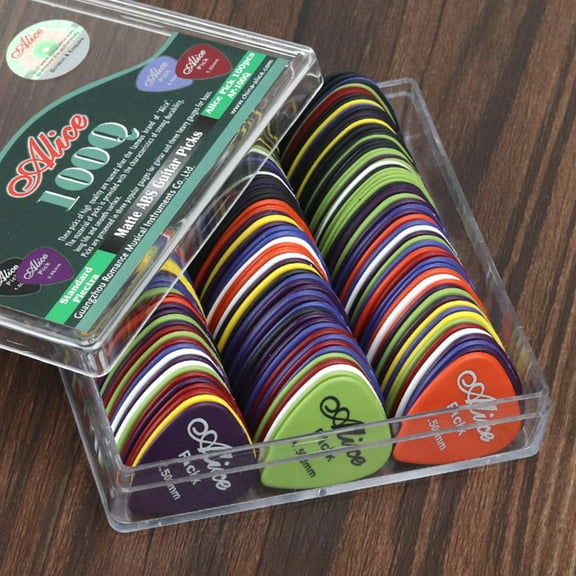
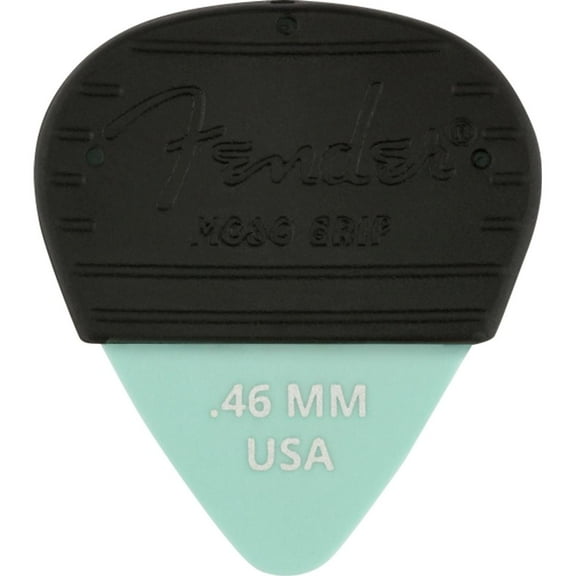
Pack size matters because you may want one feel for daily practice or several options for testing and switching. You can narrow your search quickly when you compare single picks, multi-pack options, variety packs, and bulk counts.
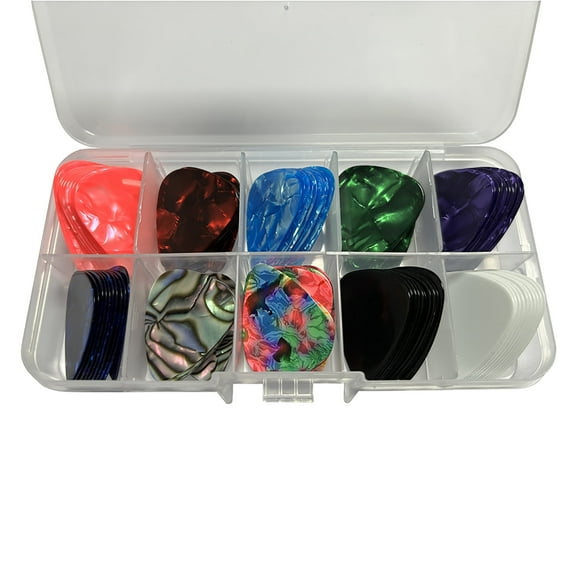
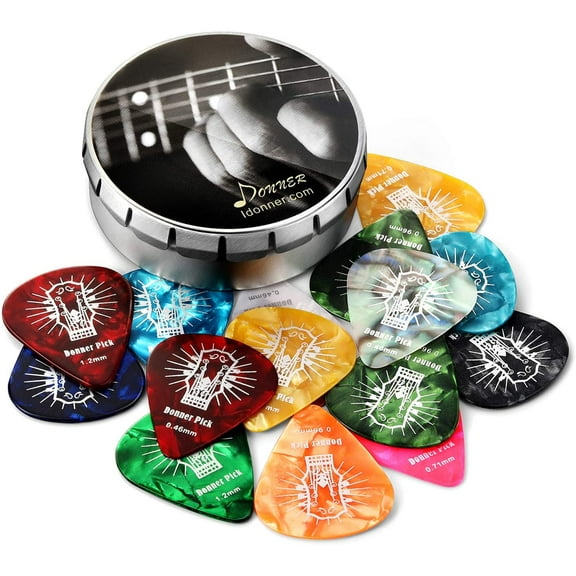
If you’re still learning what feels right, a guitar pick pack with mixed gauges can help you compare thin, medium, and heavy options. If you already know your preference, single-gauge packs can keep your case, desk, or studio stocked consistently.
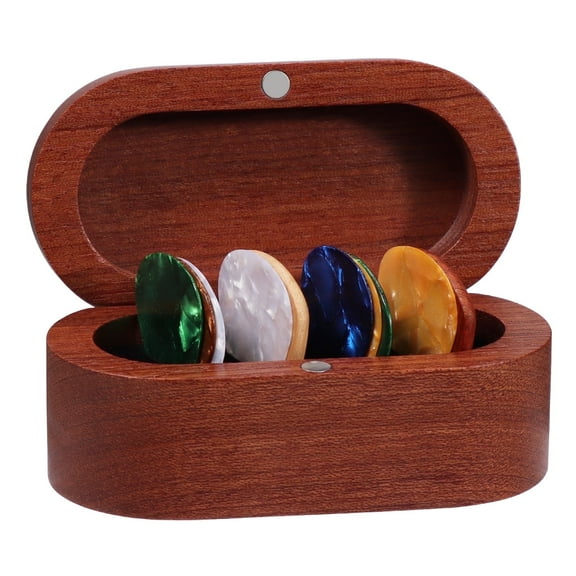
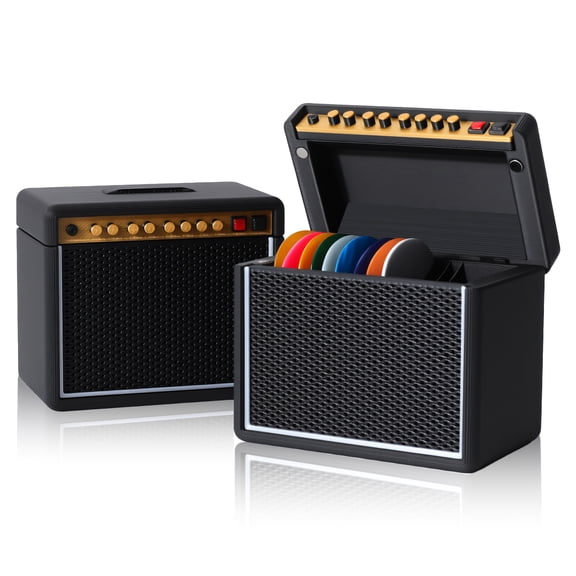
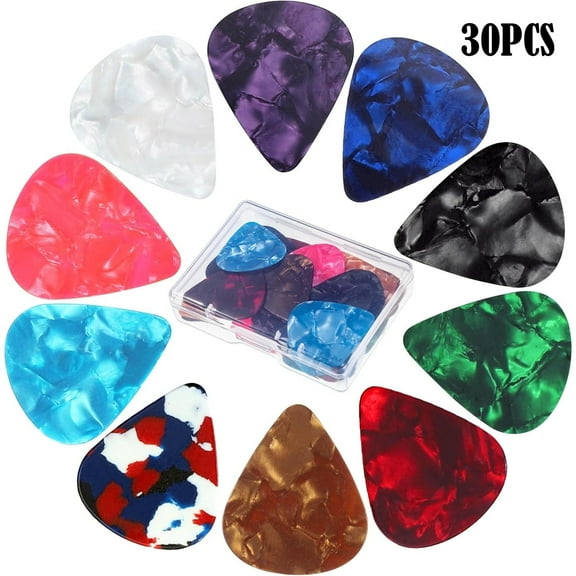
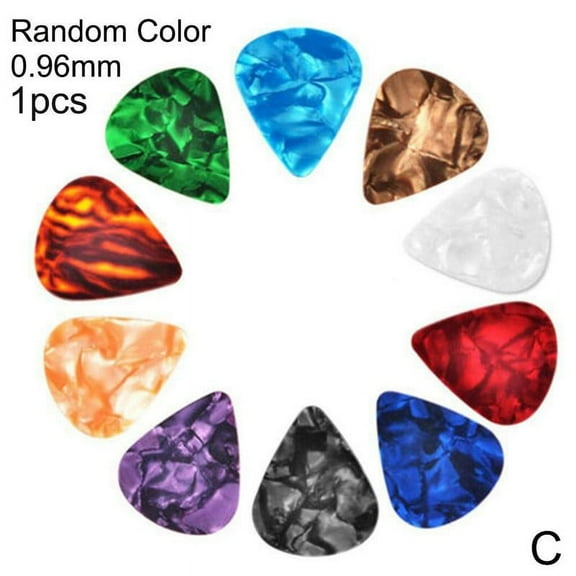
You may also want cool guitar picks when your stage setup, collection, or gift list calls for standout colors or graphics. If you lose picks often during rehearsals, bulk packs can keep extras close without constant reordering.
For new players, variety packs make it easier to test shape, thickness, and material in one purchase. For returning players, focused multi-packs can keep your familiar feel ready for every session.
How to choose with confidence
When you compare guitar picks, you should start with thickness, then narrow by material, shape, instrument, and pack size. You’ll make a clear choice when each decision reflects how your hand moves and how your strings respond.
With the right combination, your chords can feel smooth, your lead lines can feel clean, and your practice time can feel consistent. You’ll notice the benefit in your first few strums, picked notes, and repeated runs.