

Doorbell Chimes and Accessories for Entry Doors























About Doorbell Chimes and Accessories for Entry Doors - Walmart.com
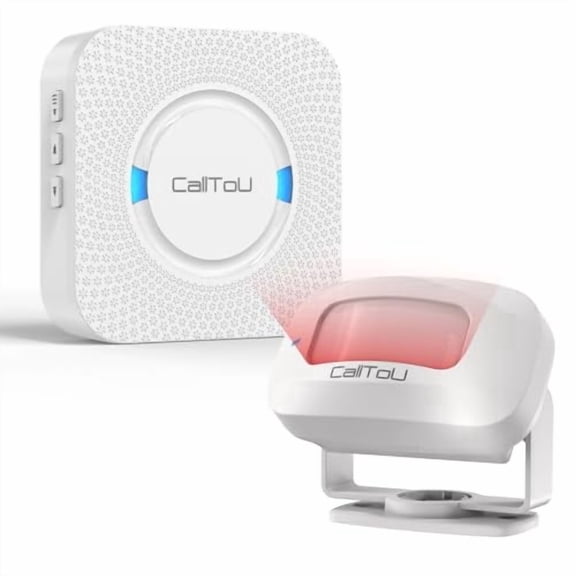
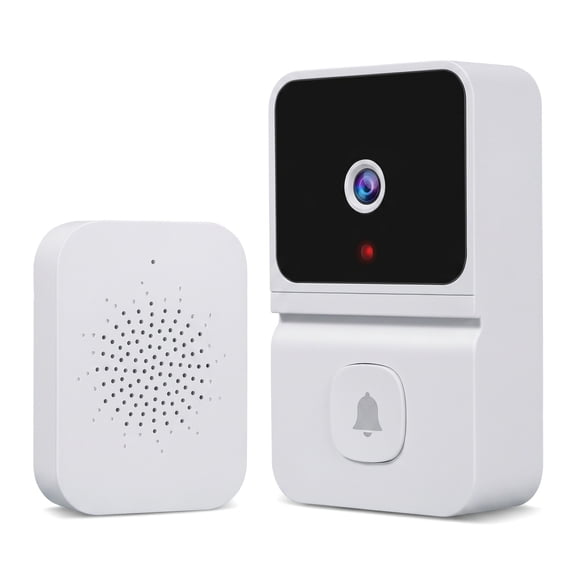
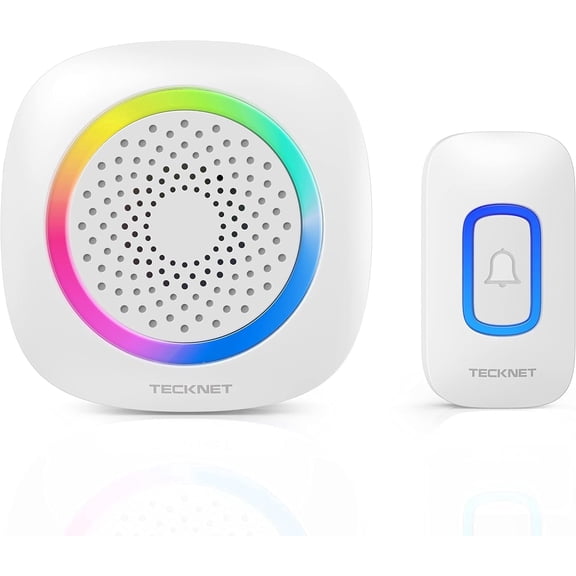
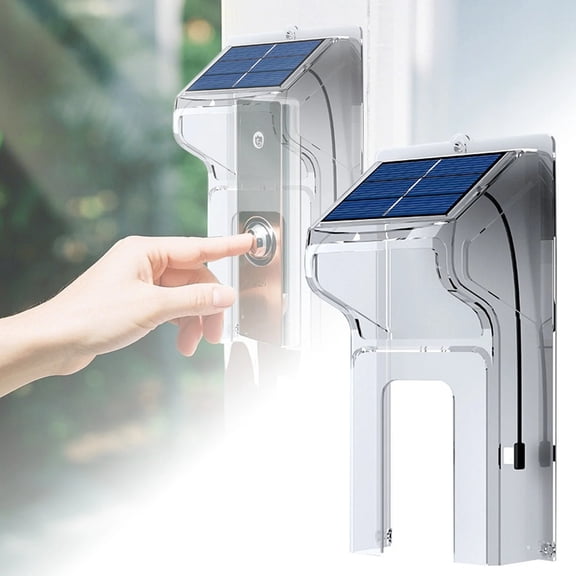
Doorbell chimes help you hear visitors clearly, and you can compare wired and wireless setups for your home's layout. You can also choose sound styles, power options, and range details that fit your entryway.
Choosing the right doorbell chimes
When you compare doorbell chimes, you should start with your current doorbell button and power setup. You can narrow choices faster when you know whether your home already uses wiring.
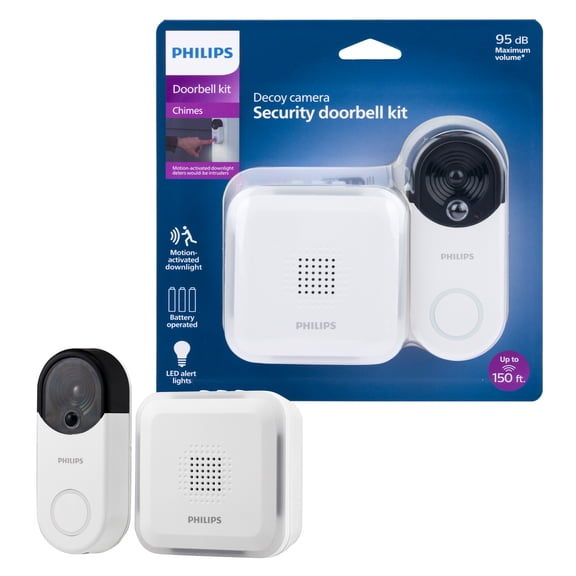
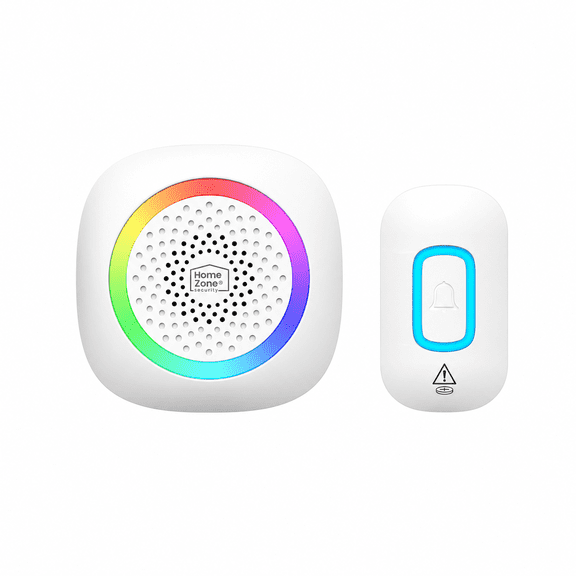
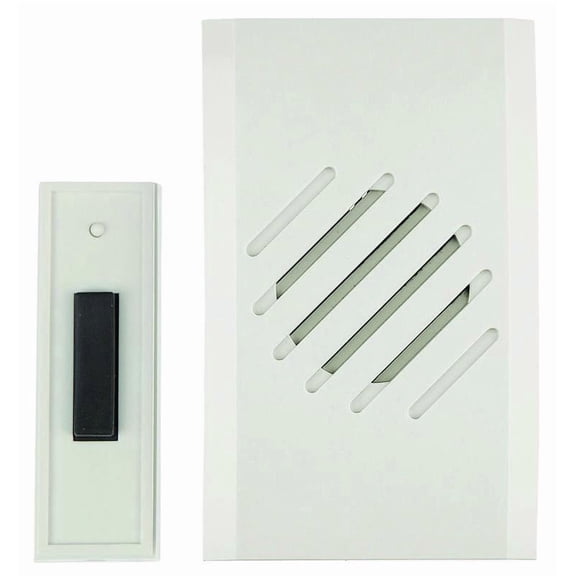
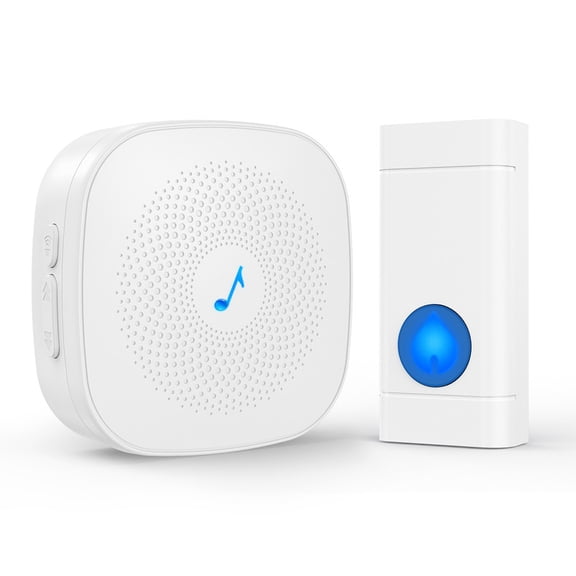
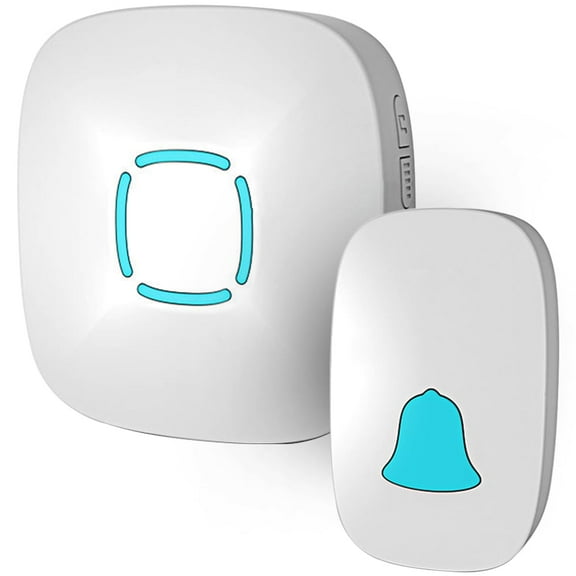
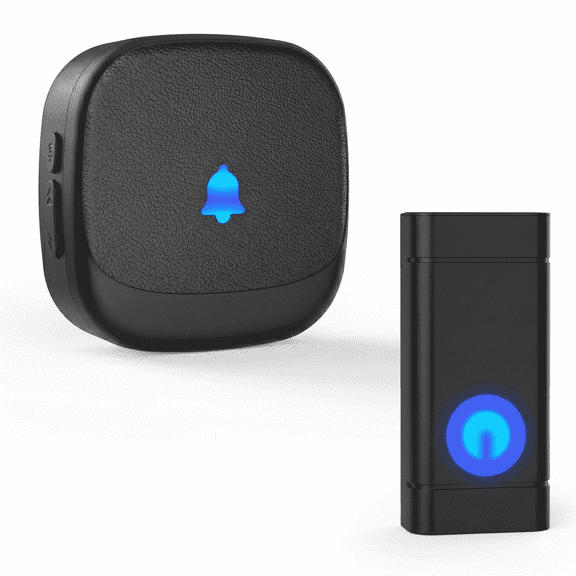
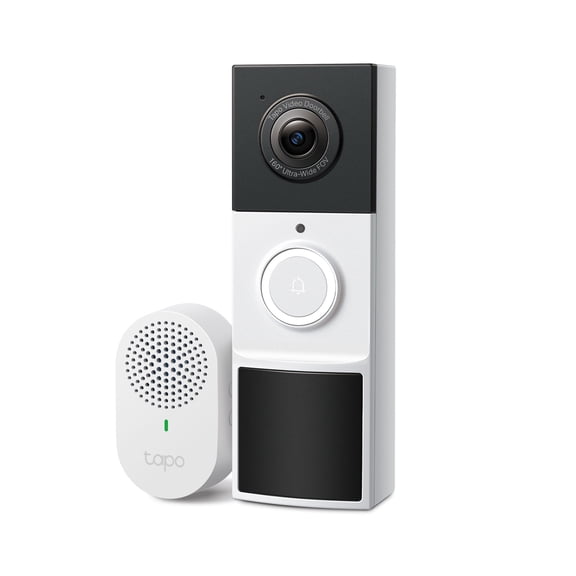
If you want a simple update, you may prefer wireless doorbell chimes with battery-operated transmitters or plug-in receivers. If you have existing low-voltage wiring, you may prefer a wired doorbell chime or doorbell chime box.
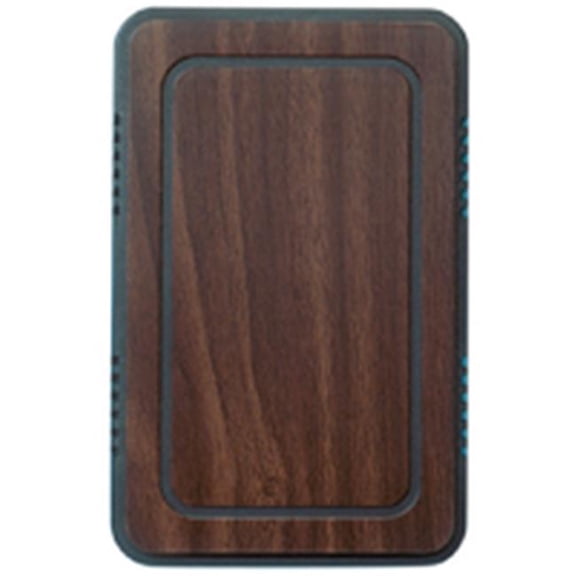
You can also compare chime type based on the sound you want in your home. A mechanical doorbell chime gives you a classic two-note sound, while digital and electronic options often offer more tones.
How connection type changes your setup
You should compare wireless and wired models by thinking about installation time and compatibility. Wireless options usually help you avoid opening walls, while wired options work with many existing doorbell systems.
- You can pick wireless models when you want flexible placement and easier setup.
- You can choose wired models when your home already has a compatible low-voltage system.
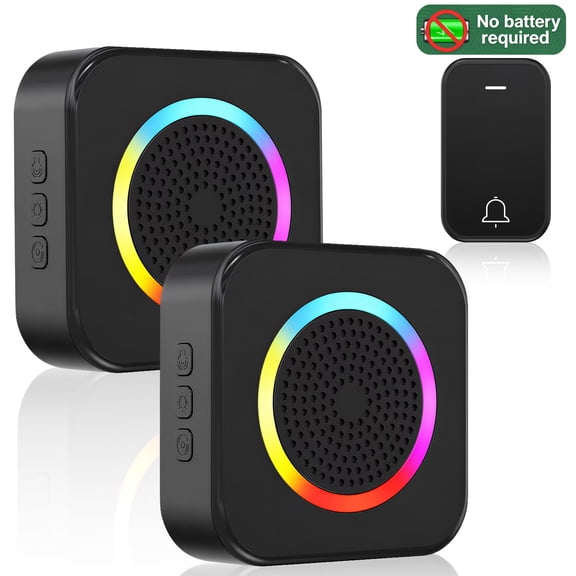
- You can use multi-receiver options when you want to hear visitors in more than one room.
- You can look for adjustable volume when you want clearer alerts during busy parts of the day.
Before you choose, you should check whether your button, transformer, and receiver use matching voltage requirements. You should also confirm whether a wireless unit uses a compatible frequency and pairing method.
For larger homes, you may want longer operating range and stronger signal penetration through walls. You can compare open-air range claims with real indoor layouts, since walls and floors affect performance.
Wireless doorbell chimes and plug in doorbell receiver options
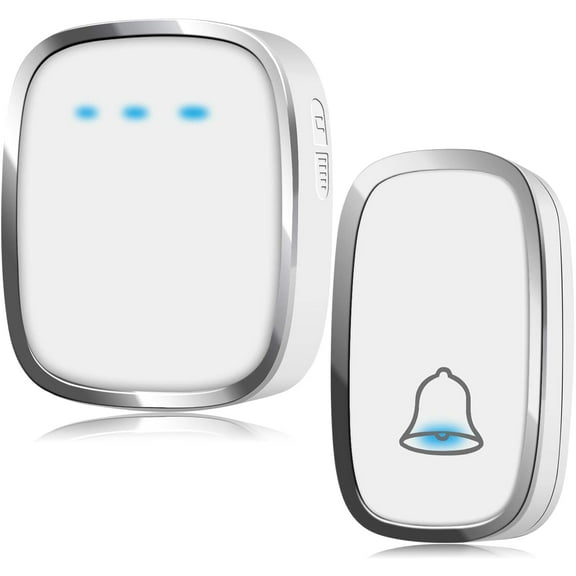
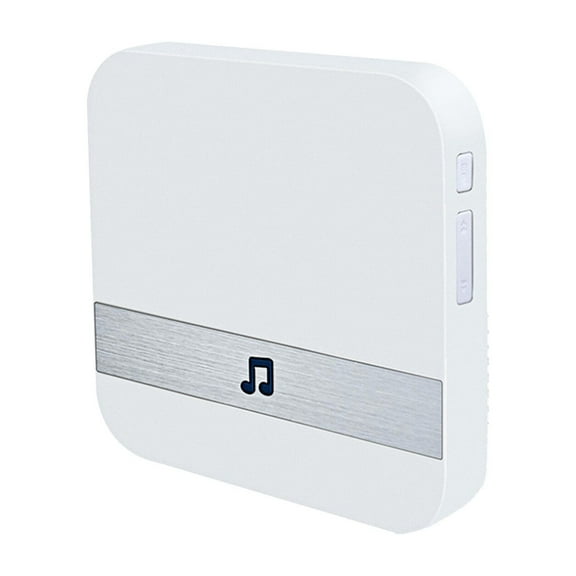
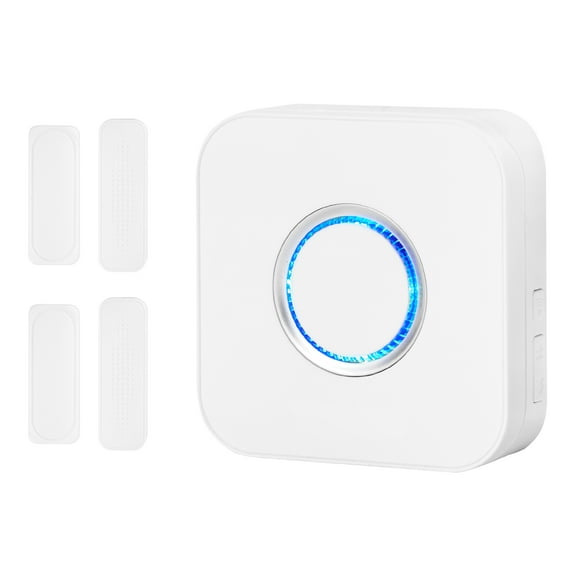
You may like wireless doorbell chimes when you want an easier path to entry alerts. You can place a plug in doorbell receiver in a hallway, kitchen, or upstairs room.
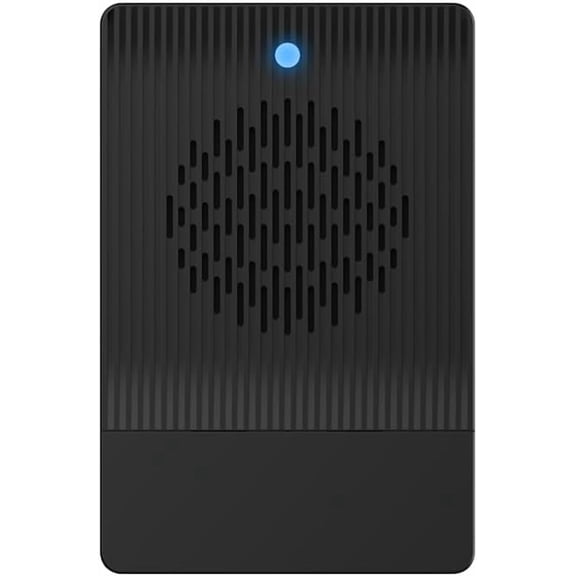
Plug-in receivers work well when you want steady power without frequent battery changes. Battery-operated receivers can help when you want more placement freedom away from outlets.
If you need wider coverage, you should compare short range, long range, and multi-receiver designs. You can improve convenience when you place receivers where you spend the most time.
You should also check how each receiver handles walls, doors, and distance between floors. A longer stated range can matter if your front door sits far from bedrooms or work areas.
What to look for in sound and chime type
You can compare sound options by looking at ringtone count, tone style, and volume control. More ringtone choices help you match your home, while adjustable volume helps you tailor daily alerts.
If you prefer a traditional entry sound, you may want a mechanical doorbell chime with familiar notes. If you want more variety, you may prefer digital or electronic chimes with selectable melodies.
You should review decibel information when you want a chime that suits your space. Higher volume can help in larger homes, while lower settings can suit quieter rooms.
Some setups also let you assign different sounds to front and rear doors. That feature helps you know where someone is without checking the door first.
Using compatibility details to narrow your choice
You can choose faster when you measure your installation needs before comparing models. You should check whether you need hardwired power, battery operation, or a plug-in receiver.
For existing systems, you should confirm transformer voltage and wiring type before choosing a wired unit. That step helps you focus on options designed for your home's current setup.
For newer flexible setups, you should compare transmitter pairing steps and receiver expansion options. Those details matter when you want to add extra receivers later.
You may also want to think about where you need alerts every day. A multi-receiver setup can help you hear visitors in a garage, home office, or back room.
Doorbell chimes for everyday home use
You can use these decision points to match a chime to apartments, single-story homes, or larger multi-level layouts. Wireless models often suit renters or quick upgrades, while wired models often suit established systems.
If your front entry is far from living spaces, you may want long range support and adjustable volume. If you want a familiar sound profile, you may prefer a mechanical doorbell chime.
When you want simple setup, you can focus on a plug in doorbell receiver and straightforward pairing. When you want to use existing wiring, you can focus on a wired doorbell chime or doorbell chime box.
With the right compatibility, range, and sound settings, you can choose doorbell chimes that fit your home and help you catch every visitor clearly.
Popular in Doorbell Chimes and Accessories for Entry Doors - Walmart.com
- Doorbell Door Frame
- Brass Wireless Doorbell Kit
- Push Button Doorbells
- And The Doorbell Rang
- Doorbell Housing
- Doorbell Power
- Best Sellers In Door Bells With No Security
- Industrial Door Bell
- Best Sellers In Door Bell Push Buttons
- Doorbell Voltage
- Best Sellers In Door Bells Wireless With No Ca
- Door Bell Push Button