
















Battle Ropes in Exercise & Fitness Accessories


























About Battle Ropes in Exercise & Fitness Accessories - Walmart.com
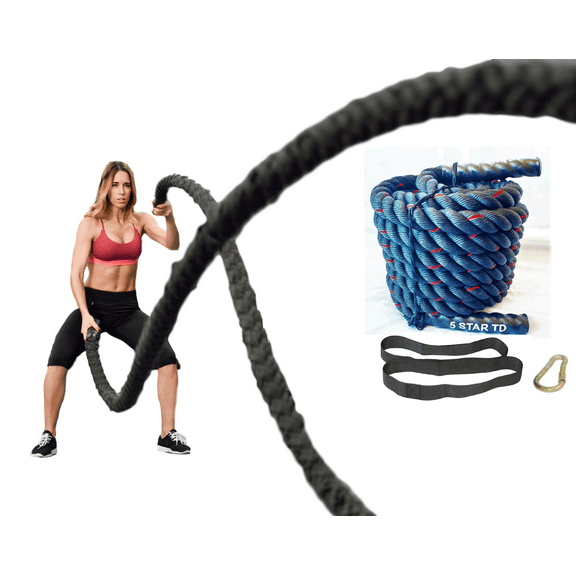
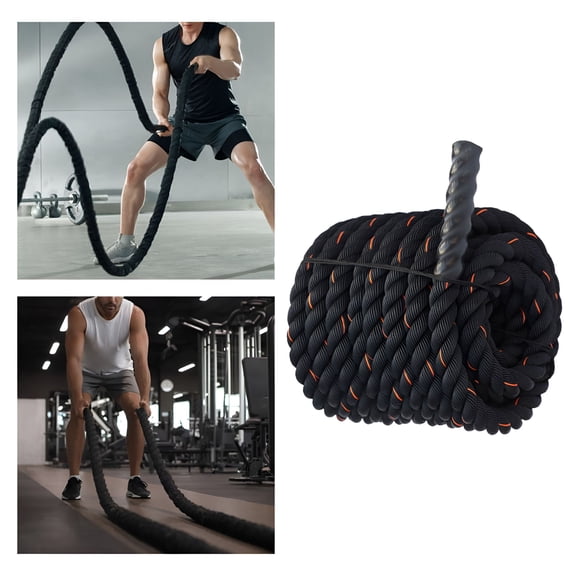
Battle ropes help you build a focused home gym with powerful full-body training in a compact setup. You can compare length, diameter, grip, and portability to match your space and workout style.
If you want fast intervals, strength circuits, or garage gym conditioning, you need details that fit your routine. You’ll find anchored ropes, portable battle ropes, and weighted ropeless battle ropes for different training setups.
How to choose battle ropes for home
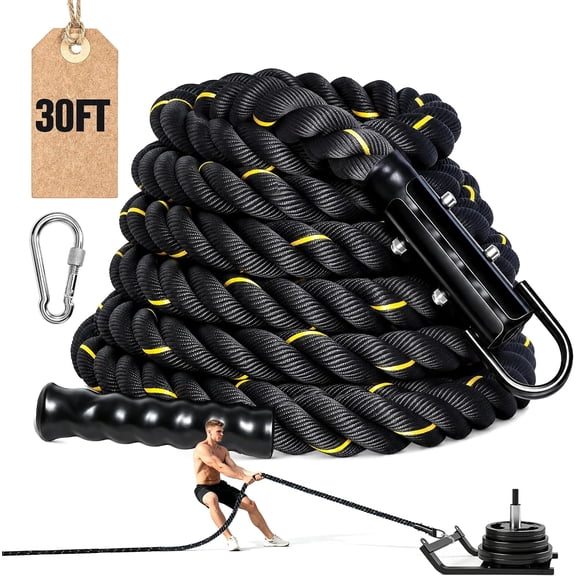
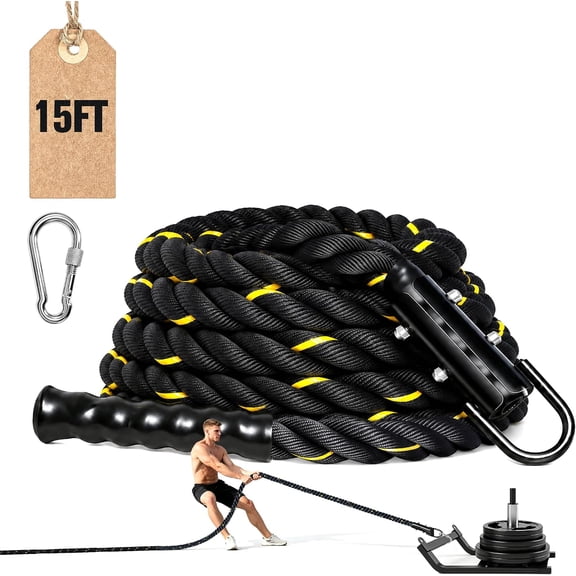
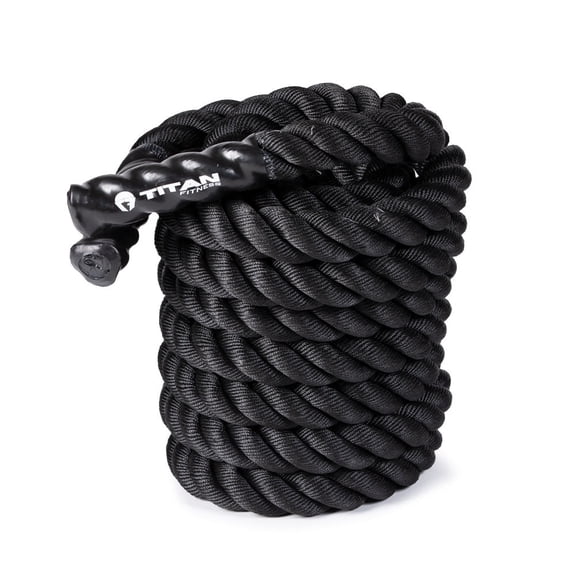
When you choose battle ropes for home, your available floor space matters first. You’ll usually need about 15 feet of clear space for a 30-foot rope.
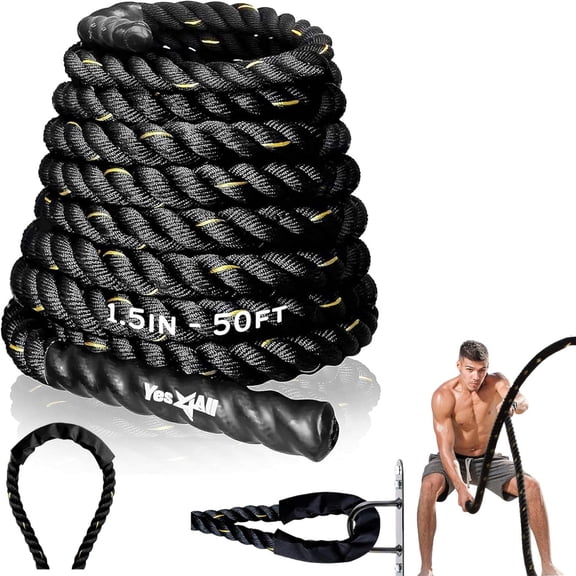
A 40-foot rope gives you a longer working length and a heavier feel during waves and slams. If your training area is larger, you may prefer a 50-foot rope for added challenge.
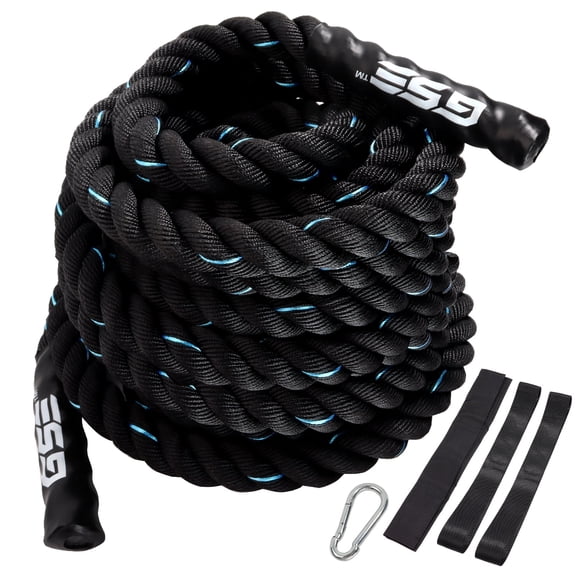
You should also compare rope diameter before you commit to a setup. A 1.5-inch rope often feels easier for faster intervals, while a 2-inch rope can emphasize grip demand.
- You can use shorter battle ropes when your garage, basement, or spare room has tighter open space.
- You can choose a thicker diameter when your training focuses on grip strength and slower, forceful movements.
- You can pick a lighter-feeling diameter when your workouts center on quick waves, alternating motions, and conditioning circuits.
- You can match rope style to your setup by comparing anchored, portable, and ropeless formats.
Choosing rope length, diameter, and grip
You should treat rope length as a training feel decision, not just a size number. Short battle ropes can suit smaller rooms and let you start fast without needing a long lane.
You may prefer 40-foot or 50-foot options when you want heavier resistance from the rope itself. That extra length can change how each wave, slam, and pull feels in your hands.
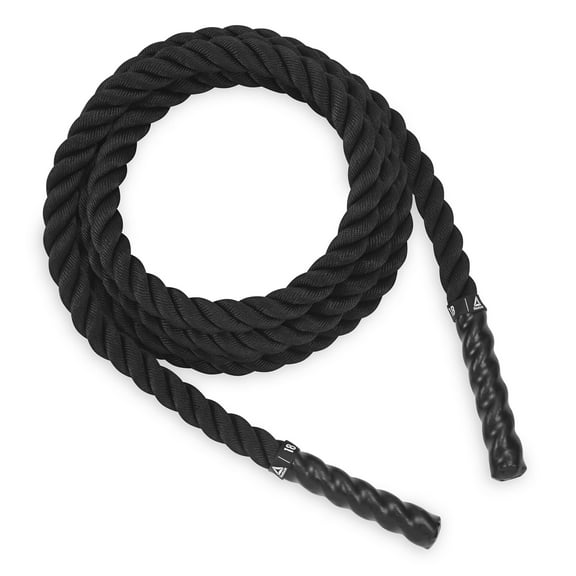
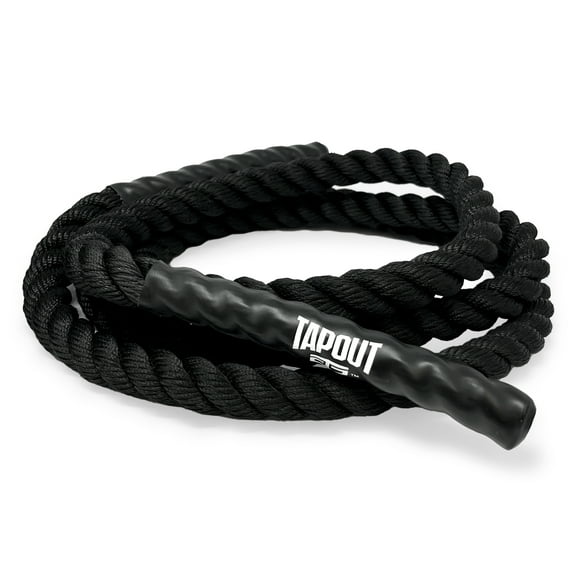
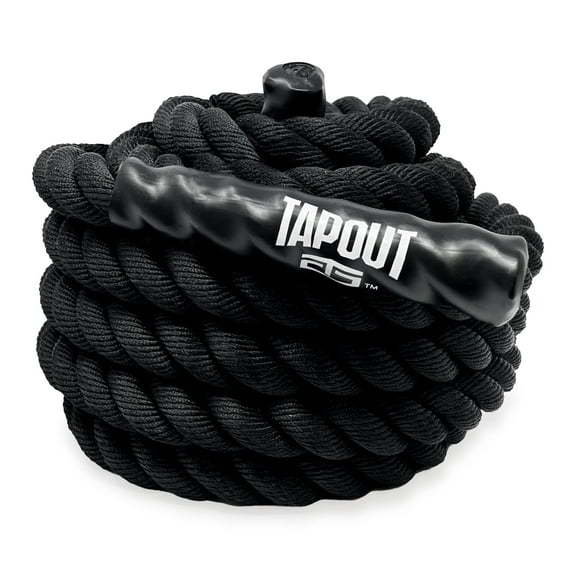
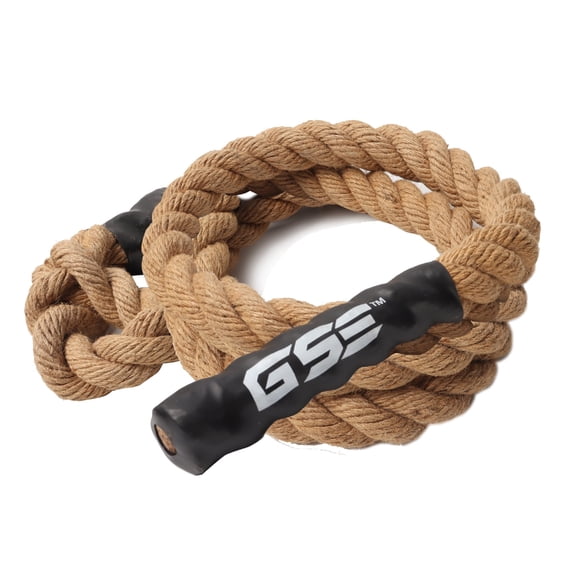
Grip type also shapes your session, especially during repeated intervals. You can compare shrink-wrapped handles and rubber grips based on how secure and firm you want the hold.
Shrink-wrapped handles can give you a direct feel with a simple finish. Rubber grips can feel more structured in your hand, which may help when you want a defined handle shape.
You should also think about hand size and workout pace when you compare diameters. A 1.5-inch option can support faster cardio-focused sets, while a 2-inch option can feel more demanding.
Portable battle ropes and setup options
You have more than one way to train with battle rope for home gym use. Anchored styles work well when you have a dedicated spot and want a classic training setup.
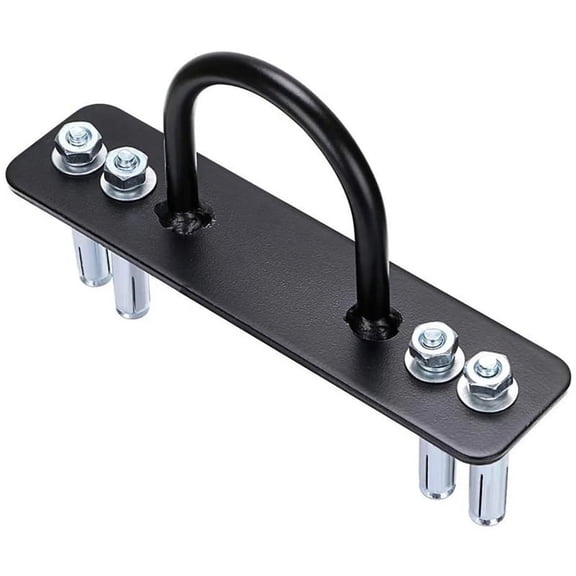
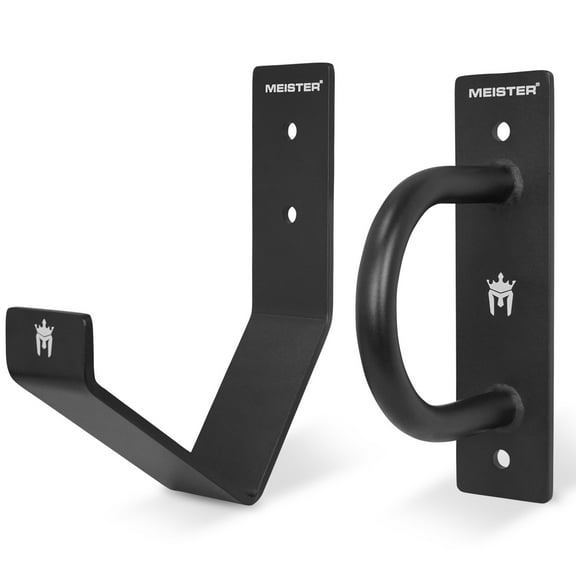
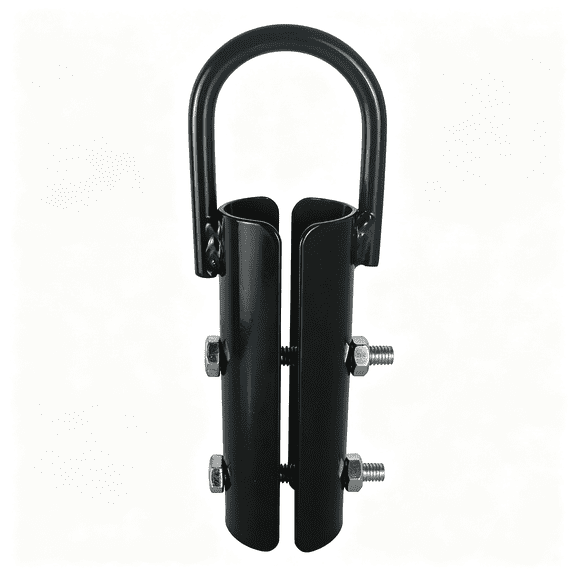
You’ll want to check whether your space works with a strap anchor or wall mount. A strap setup can wrap around a stable post, while a wall mount creates a fixed position.
If you move your equipment often, portable battle ropes can make setup more flexible. You can carry them between rooms, take them outdoors, or use them in shared workout spaces.
Ropeless formats can also fit your routine when open floor space is limited. You get the battle-rope motion in a compact form that’s easier to store between sessions.
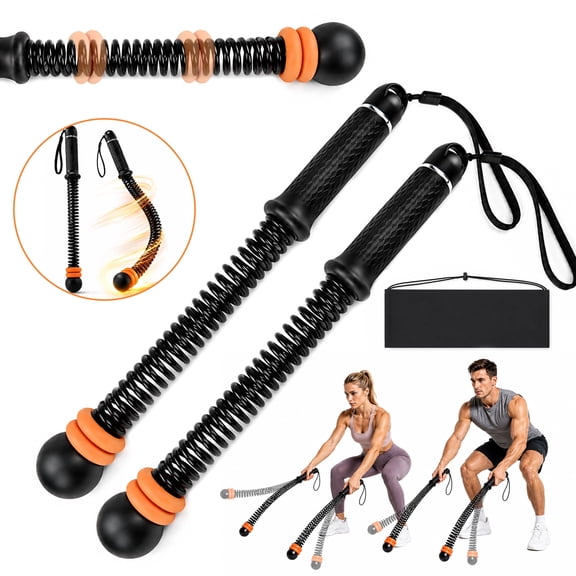
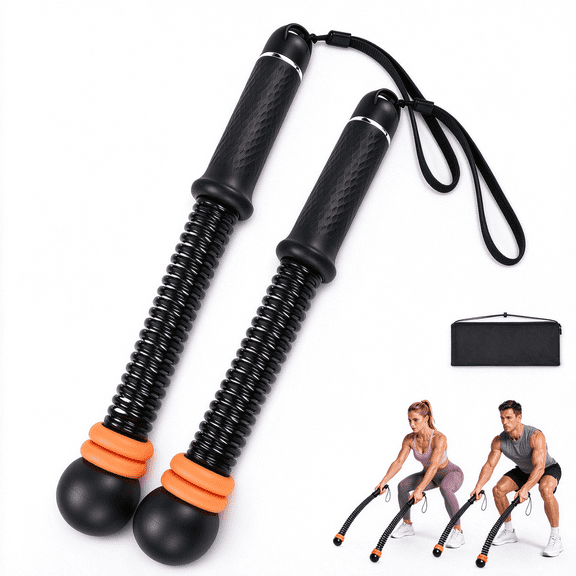
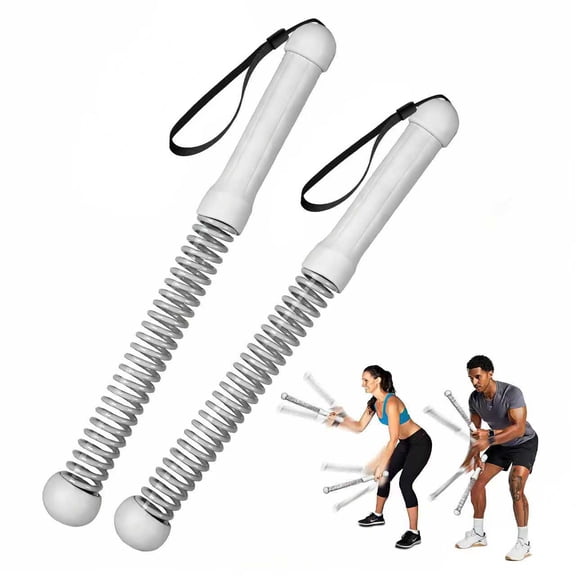
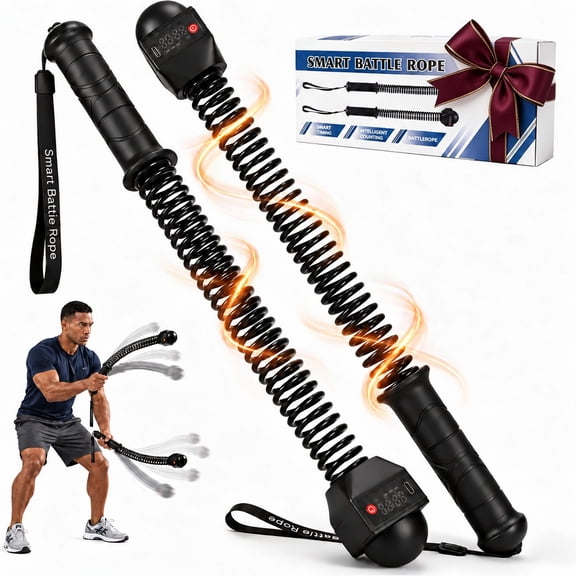
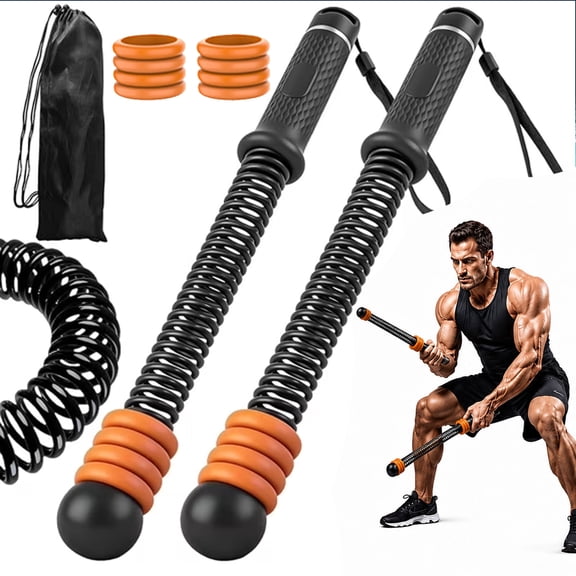
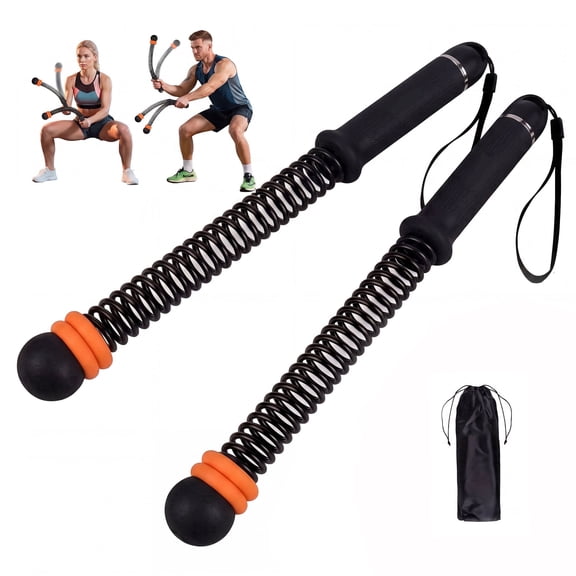
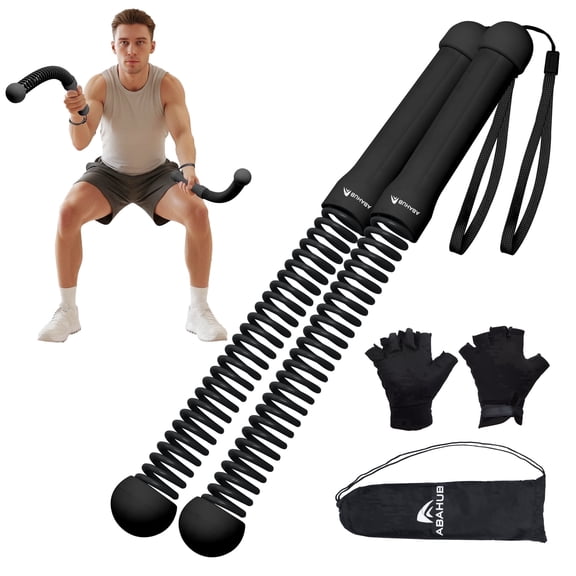
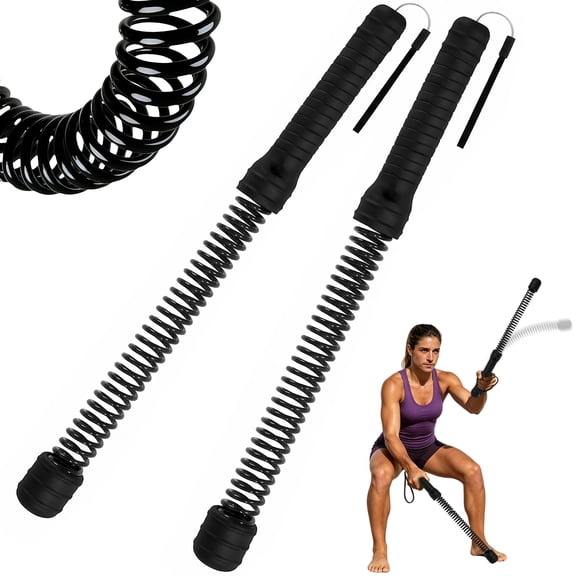
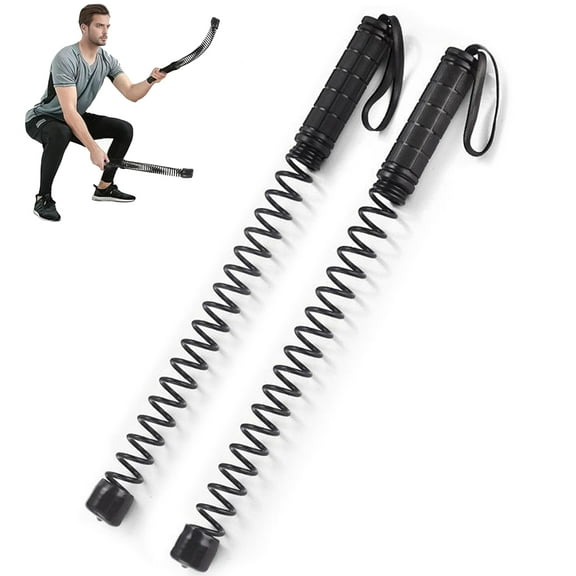
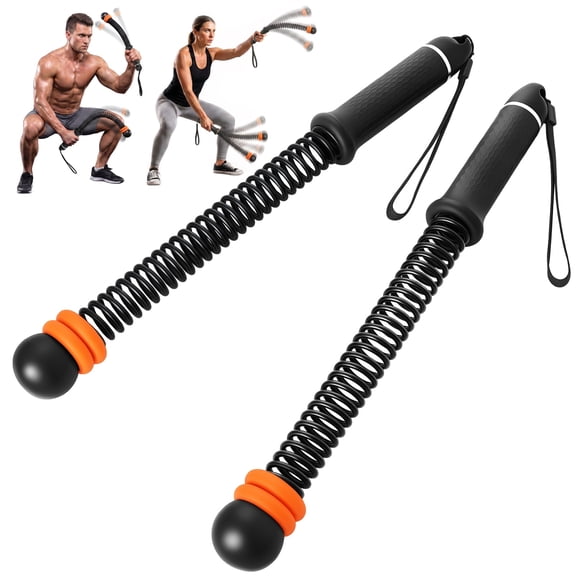
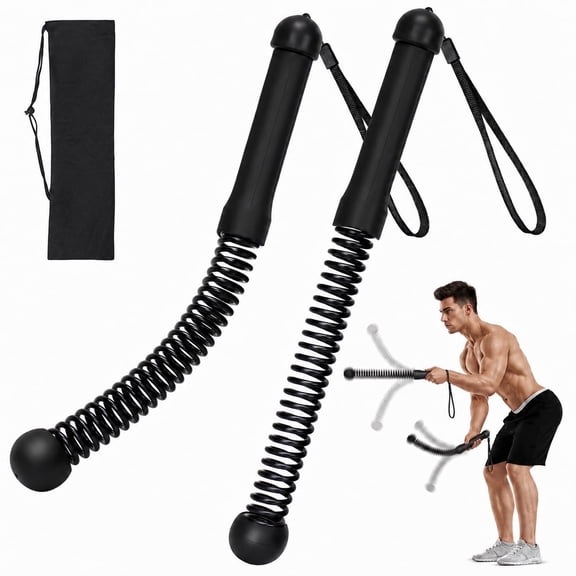
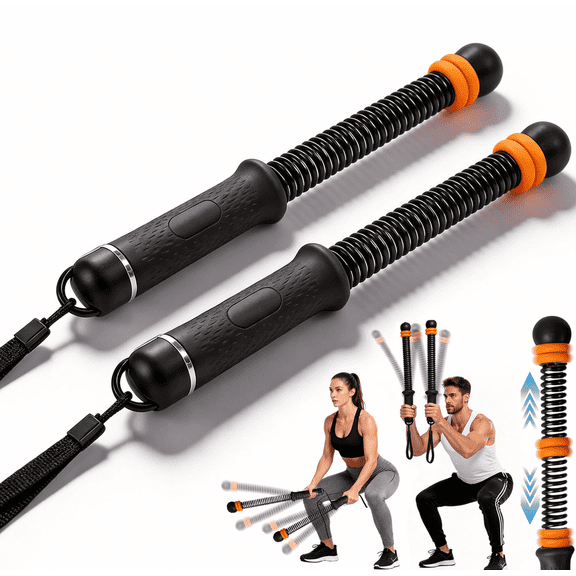
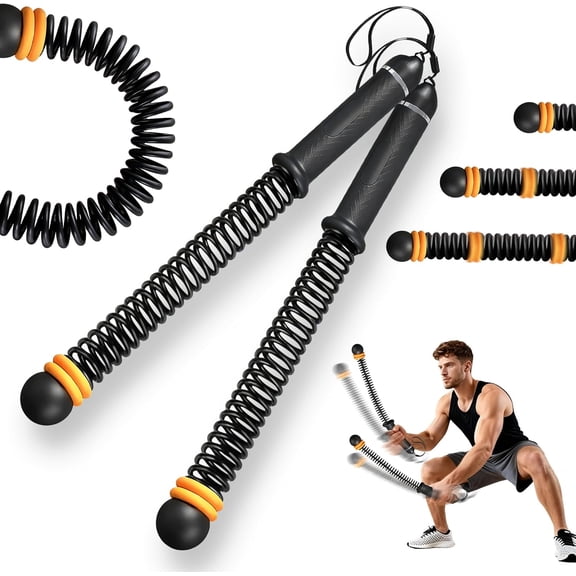
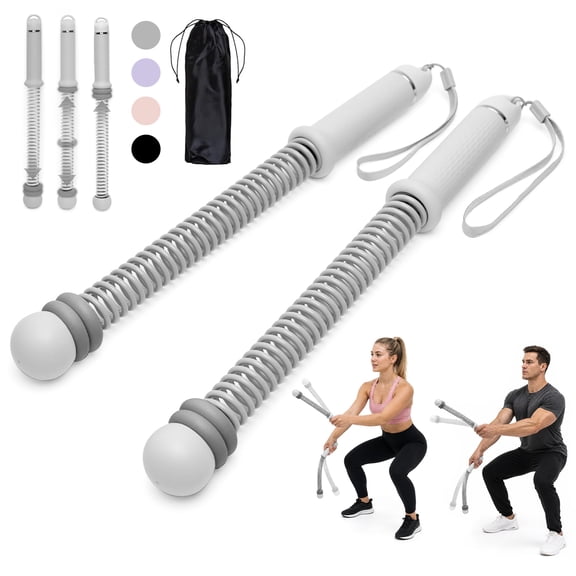
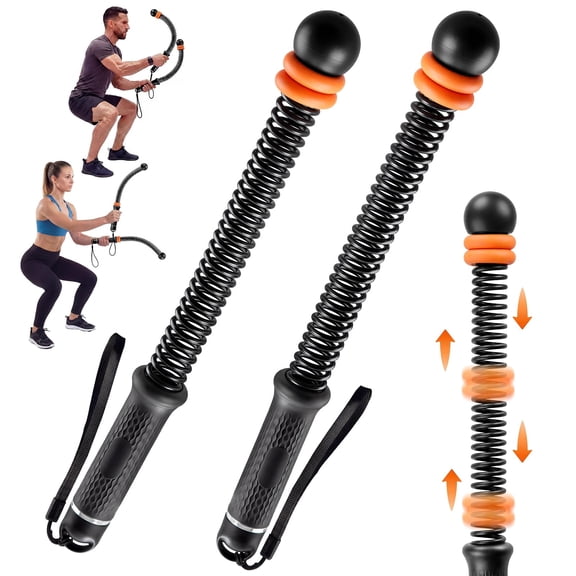
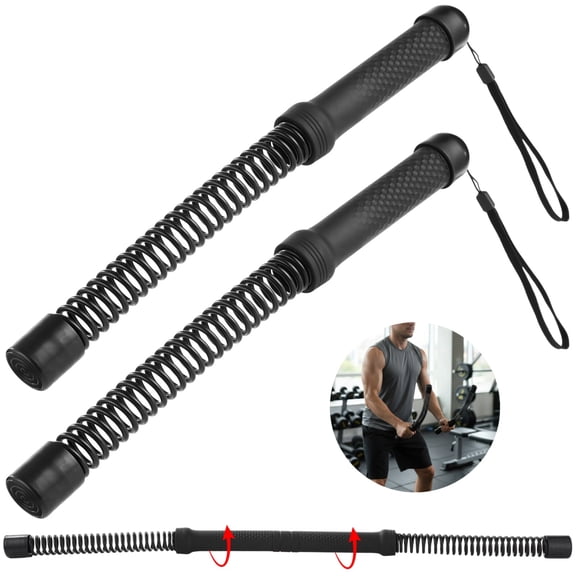
Some shoppers also compare battle rope sticks or hand held battle ropes for smaller training areas. You may like those styles when you want rope-style movement without managing long coils.
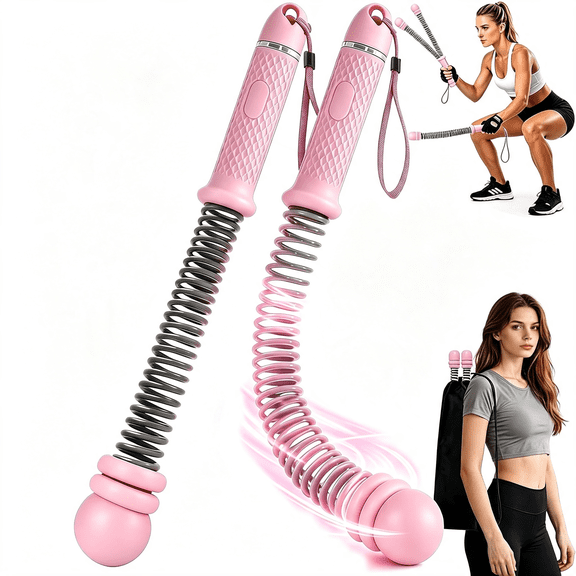
You can also see spring battle ropes in compact training formats. Those options can suit apartments, multipurpose rooms, or quick workouts where setup time matters.
Weighted ropeless battle ropes for small spaces
Weighted ropeless battle ropes can make sense when you want battle-rope patterns without a long anchor lane. You can use them in tighter rooms where traditional ropes would feel awkward.
You may prefer ropeless styles for intervals before work, circuit stations, or shared home gyms. They’re easier to pick up, move, and store when your workout area changes often.
Traditional anchored ropes can feel more familiar if you want full rope travel and visible waves. Ropeless designs can feel more controlled if you want compact movement and quicker transitions.
You should compare your training goals before choosing between the two formats. If you want classic slams and long waves, anchored ropes may fit, while compact sessions may favor ropeless options.
Using battle ropes in real training routines
You can use battle ropes for home circuits that combine cardio bursts with strength equipment. They pair naturally with dumbbells, kettlebells, benches, and exercise mats in a home gym layout.
You might rotate waves, slams, pulls, and side-to-side motions during timed intervals. That variety can help you keep sessions engaging without needing a large machine footprint.
If your workout room doubles as storage or parking space, you’ll need equipment that adapts quickly. Shorter ropes, portable battle ropes, and ropeless options can support that flexible setup.
You can also choose by workout intensity and session length. Faster conditioning blocks may pair well with a 1.5-inch rope, while slower power-focused work may fit a 2-inch rope.
When you compare battle ropes by space, grip, and setup, you make a clearer equipment choice. You’ll end up with training gear that fits your room and supports consistent full-body workouts.