


Elbow Guards in Baseball Protective Gear






















About Elbow Guards in Baseball Protective Gear - Walmart.com
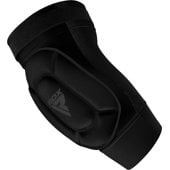
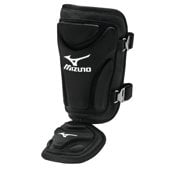
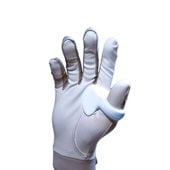
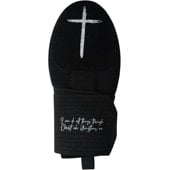
An elbow guard helps you step in with more confidence during baseball, softball, lacrosse, and training. You can compare fit, padding, and sport-specific design to match your swing, throw, or fielding routine.
How to choose the right elbow guard
You should start with your sport, because contact points change by activity. You may want fuller outer coverage for batting, while fielding and general athletics often call for lighter movement.
Your position also shapes the guard style you should compare. You might prefer a batting arm guard for plate appearances, while pitching and fielding can favor slimmer profiles.
You can narrow your options faster by focusing on these decision points first. You should compare protection level, size range, sleeve style, and league-friendly construction before you choose.
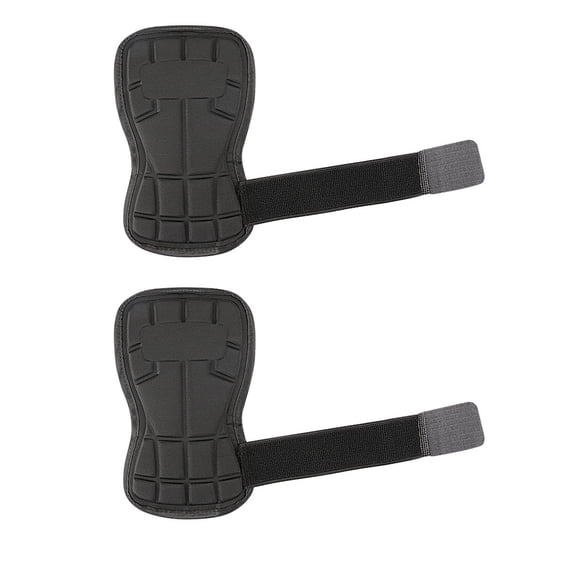
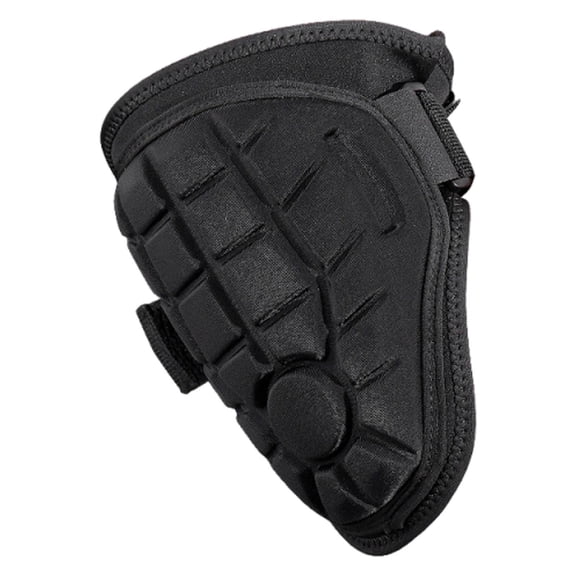
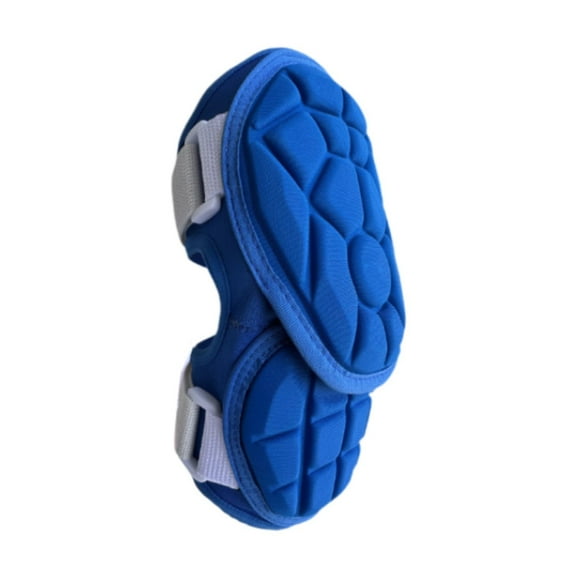
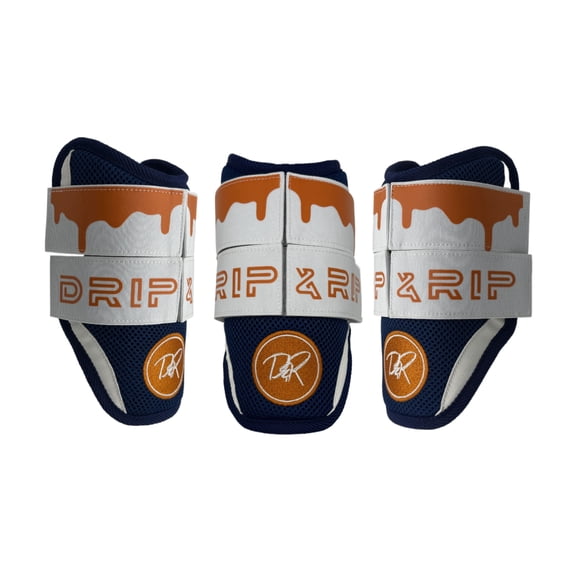
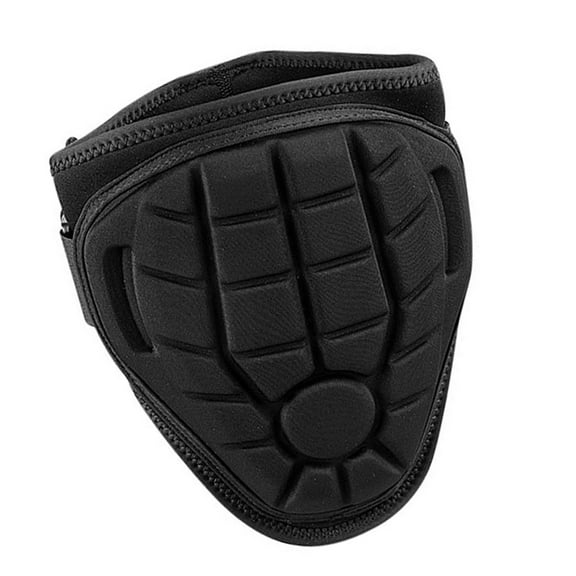
- You can use hard shell designs when you want firmer front coverage during batting.
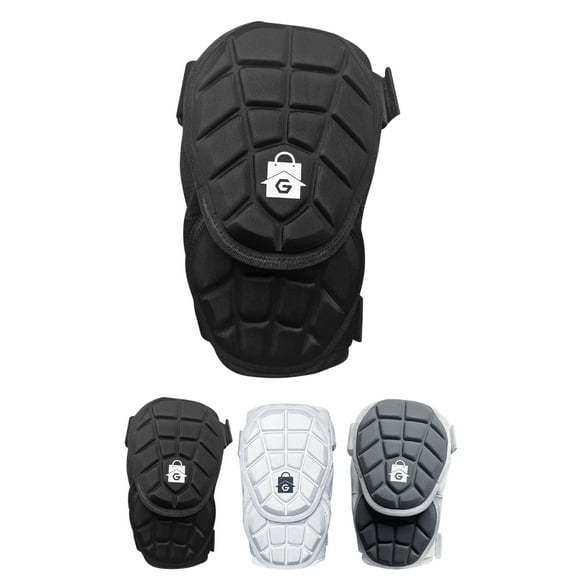
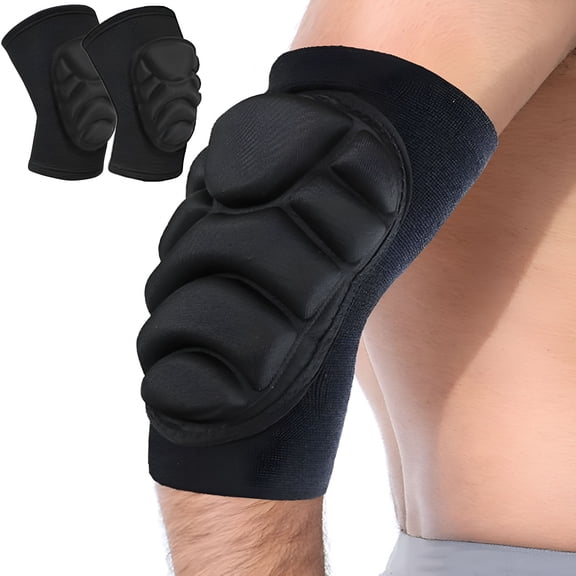
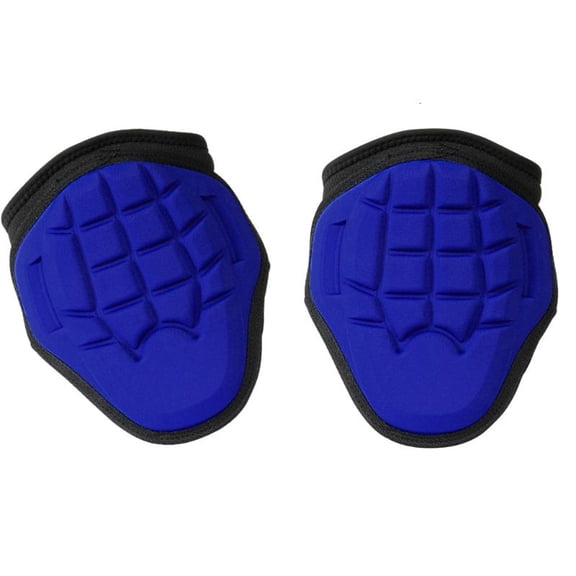
- You may choose soft padding when you want flexibility for practice, drills, or lighter contact.
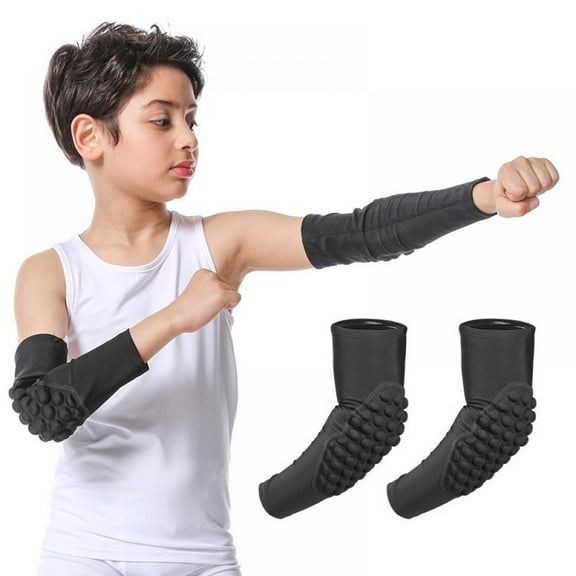
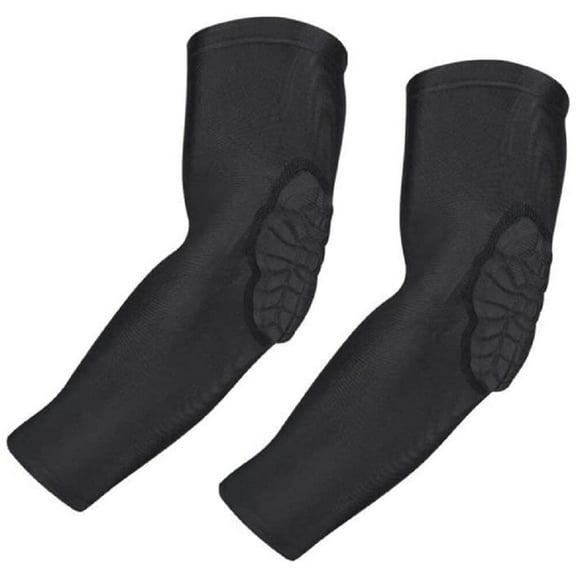
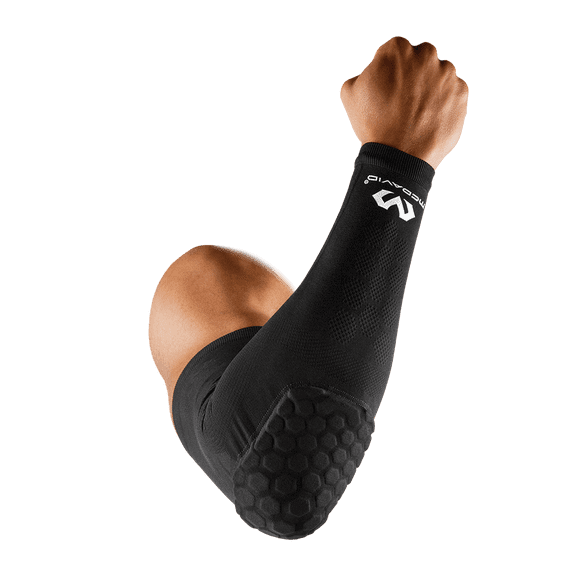
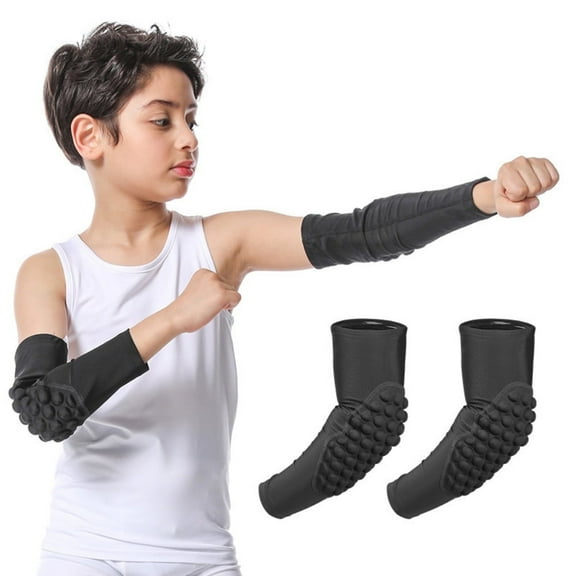
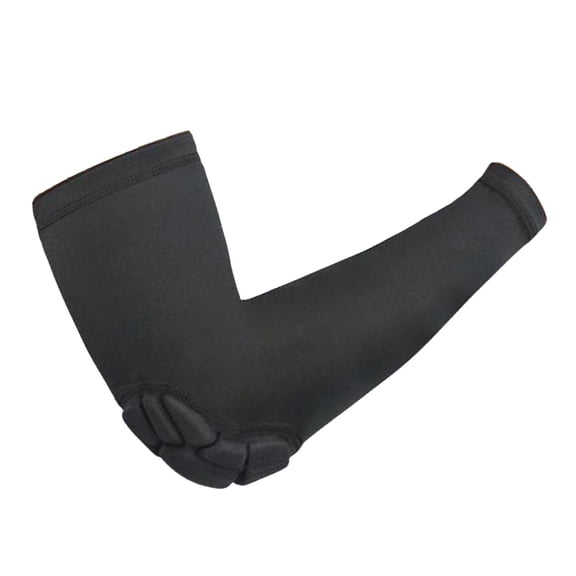
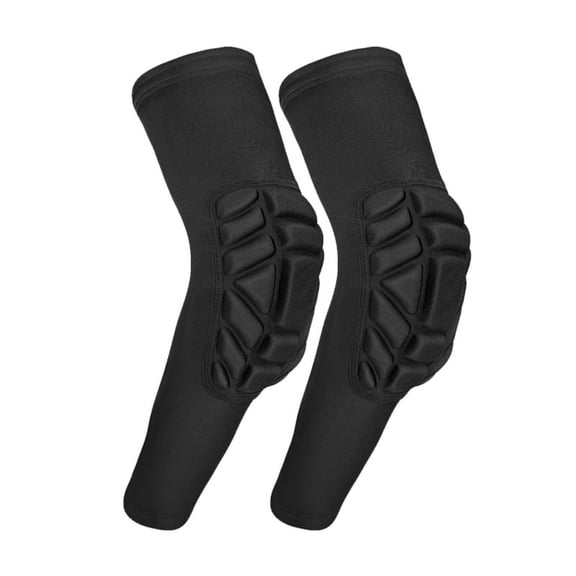
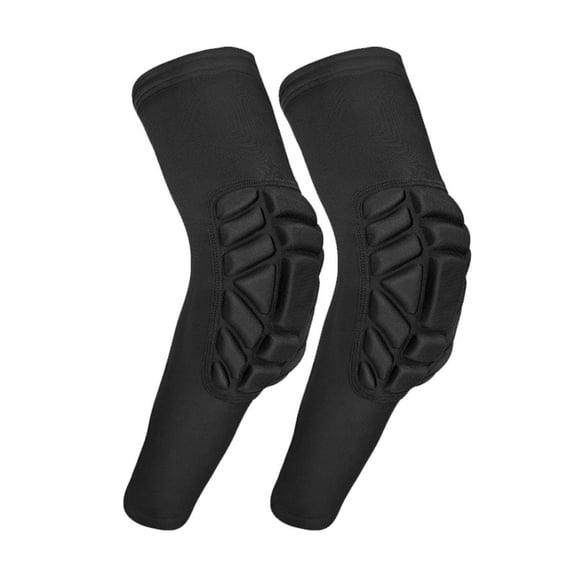
- You can pick an elbow guard sleeve when you want compression and a closer fit.
- You should check youth and adult sizing charts so your guard stays secure through swings and throws.
Choosing sport type and protection level
You should match the guard to the kind of impact you expect. You’ll often see baseball and softball styles shaped for batting stance coverage along the lead arm.
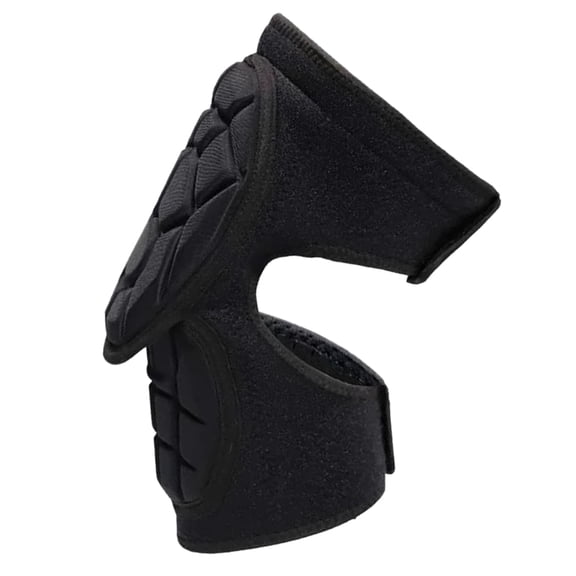
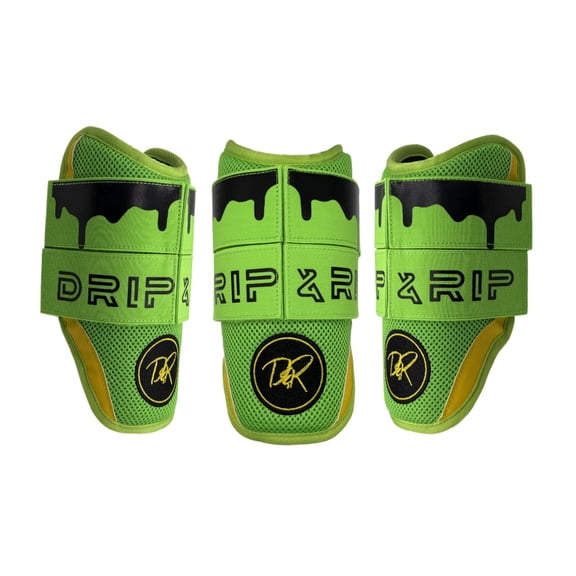
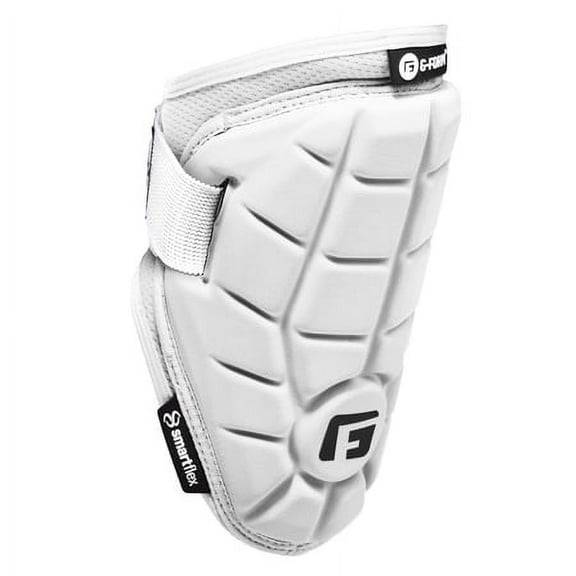
Your baseball setup may call for elbow pads baseball players use against repeated contact near the plate. You may prefer a hard shell when you want structure over the joint and forearm edge.
Your softball routine may favor a lighter profile that still covers key contact zones. You can look for curved padding that follows your arm without crowding your swing path.
You might choose lacrosse or general athletics styles when you need flexible movement during drills or multi-sport practice. You can compare soft padding for easier bending and less bulk.
Your protection choice should balance coverage with mobility. You’ll usually want firm shielding for batting, while lighter padding can feel easier during fielding sessions and warmups.
Checking size range and fit details
You should measure before choosing youth, kids, adult, or one size options. You can get a steadier fit by checking both bicep and forearm circumference against the size chart.
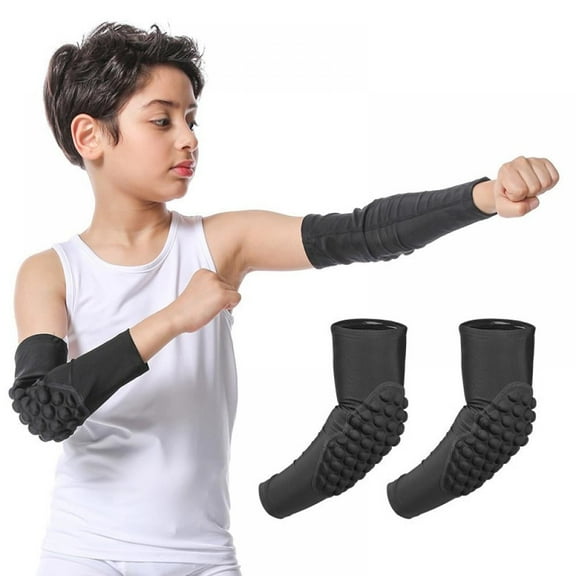
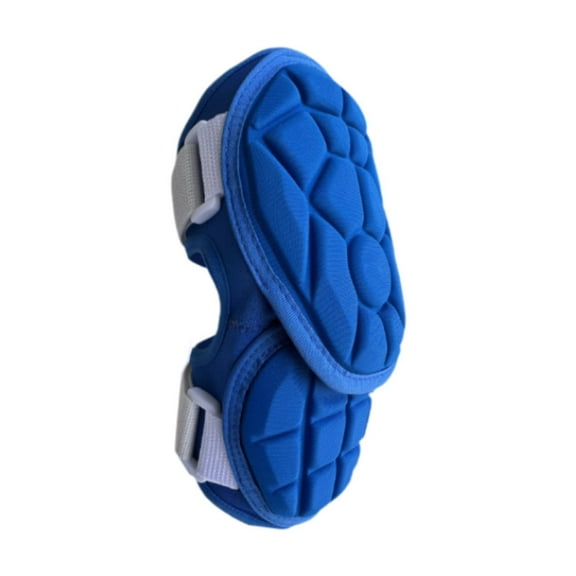
Your elbow guard for youth baseball should sit close without sliding during swings. You should look for straps or compression zones that help the guard stay centered through each motion.
You may shop elbow guards for kids when younger players need smaller proportions and easier adjustments. You can compare closures that young athletes can manage between innings and practice stations.
Your adult fit may need more length or wider wrap coverage around the arm. You should check whether the design covers the elbow point and the inside arm area you want protected.
You’ll notice that a secure fit supports comfort during longer sessions. You can avoid constant readjustment when the guard matches your measurements instead of relying on a loose guess.
Comparing guard type, comfort, and rules
You can sort options by hard shell, soft padding, compression sleeve, or support strap designs. You should choose the format that matches how much structure and flexibility you want.
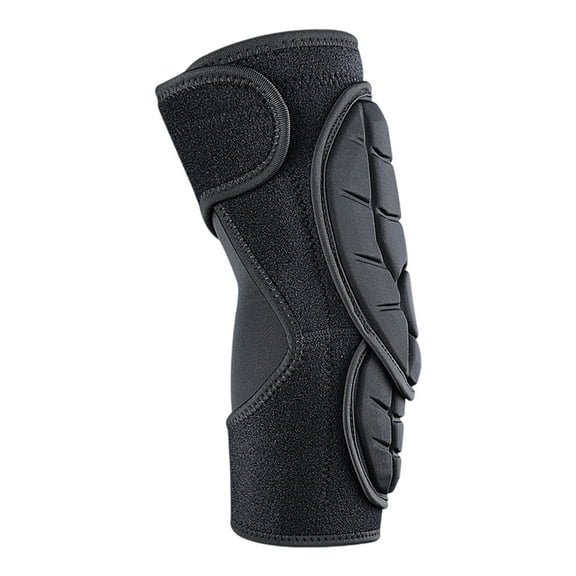
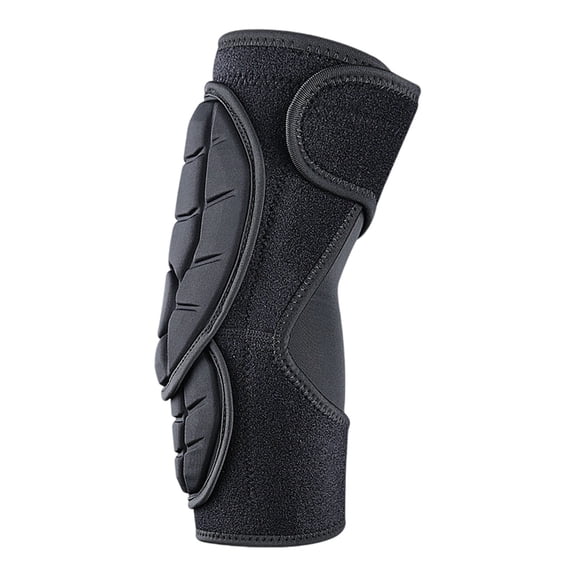
Your elbow guard sleeve can feel streamlined under a jersey and during repeated reps. You may like compression styles when you want close contact and easier layering with other baseball gear.
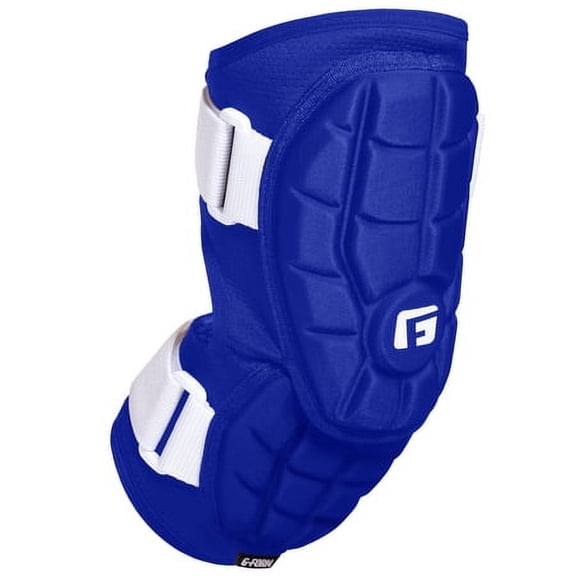
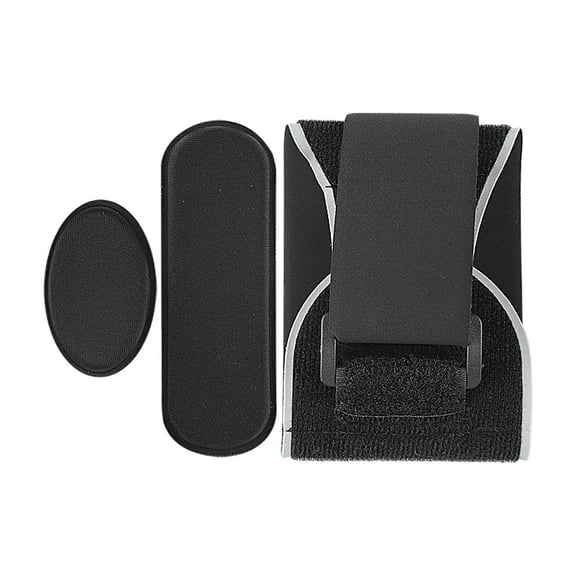
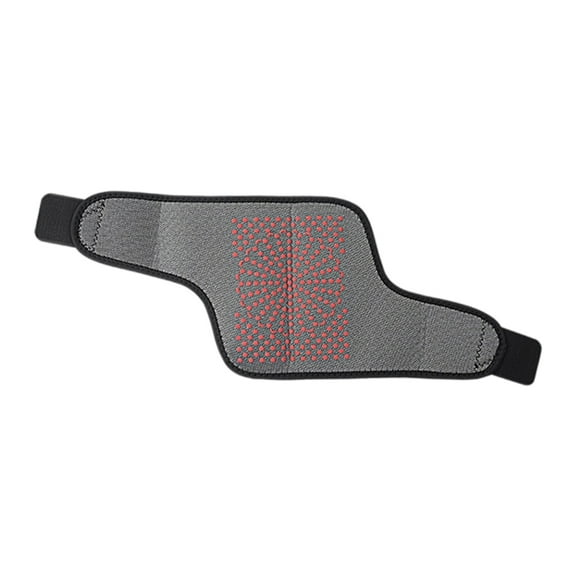
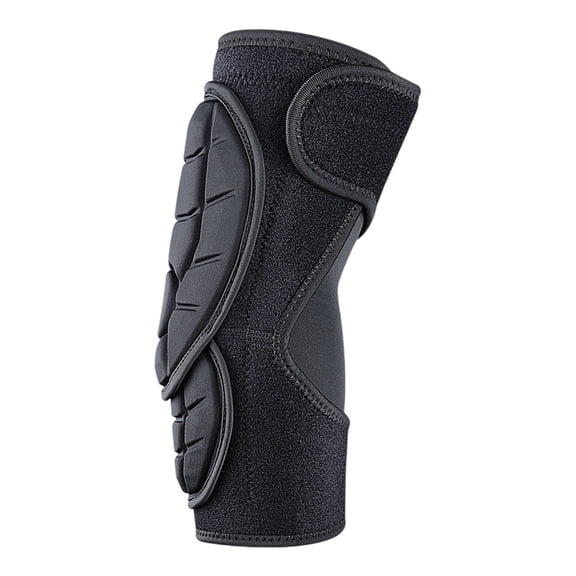
You can choose support strap designs when quick adjustment matters during practice or shared use. You should look for straps that tighten smoothly without pinching or shifting.
Your comfort often comes from breathable fabric, shaped padding, and balanced compression. You’ll want materials that feel lighter through heat, long innings, and indoor training sessions.
You should also check league or team equipment guidance before game use. You can review product details for youth play, school rules, or tournament expectations in plain language.
Your baseball elbow support should help you move naturally without distracting bulk. You can compare edge finish, liner feel, and sleeve stretch when comfort matters as much as coverage.
Matching elbow guards to real playing situations
You might want an elbow guard for baseball when you’re building a game-day batting setup. You can pair a firmer guard with batting gloves and a helmet for a more consistent plate routine.
Your youth player may need a smaller guard for practice, cage work, and weekend games. You can choose a youth elbow guard baseball style with adjustable fit for growing athletes.
You may prefer a batting arm guard for frequent live pitching sessions. You can focus on secure straps and arm-shaped coverage that stays aligned during full swings.
Your training plan might include fielding drills, throwing work, and multi-position reps. You can use softer, lower-bulk options when you want easier movement across different practice stations.
You may also want a compact design for equipment bags and quick gear changes. You can compare one size styles or sleeves when convenience matters during travel ball and tournaments.
Your final choice should reflect your sport, size, and protection preference. You’ll feel more prepared when your guard fits cleanly, moves smoothly, and matches the way you play.