

Acoustic Ceiling Tiles in Ceiling Tiles
































About Acoustic Ceiling Tiles in Ceiling Tiles - Walmart.com
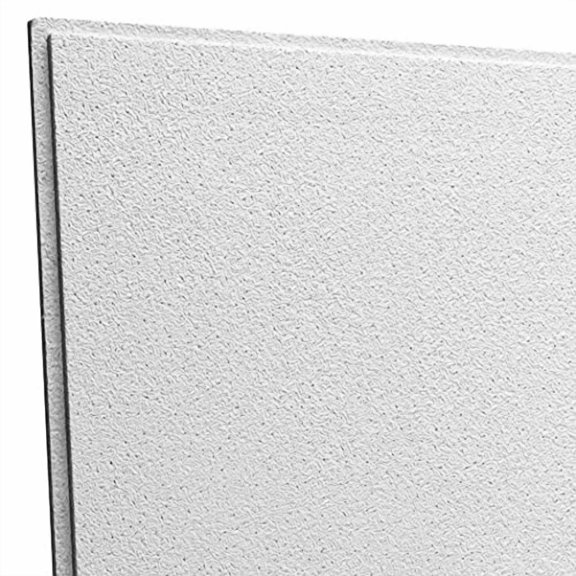
Acoustic ceiling tiles help you create a quieter room while keeping your ceiling project clean, organized, and easier to plan. You can compare sizes, grid fit, and NRC ratings here, so your upgrade matches your space.
How to choose acoustic ceiling tiles for your layout
You should start with size, because your grid determines which panels will fit without extra adjustments. You’ll usually compare ceiling tile 2x2 options, 2x4 panels, and some 12x12 styles for smaller spaces.
If you have a suspended grid, you should measure each opening before you choose drop ceiling tiles. You’ll get a cleaner fit when your panel size matches your grid exactly.
You can also compare edge details before you commit to a look. You’ll see square edge, reveal edge, and bevel edge options that change how your ceiling lines appear.
Square edge styles give your room a straightforward finish with simple panel alignment. Reveal and bevel profiles give your suspended ceiling tiles more depth, which can make a commercial or finished basement ceiling look sharper.
What to look for in soundproof ceiling tiles
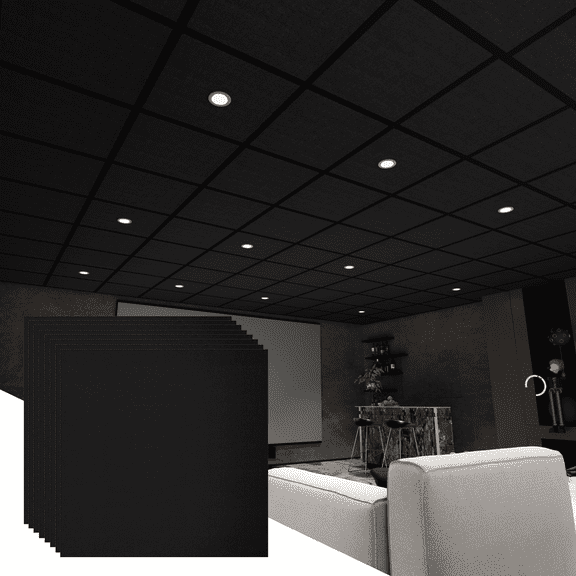
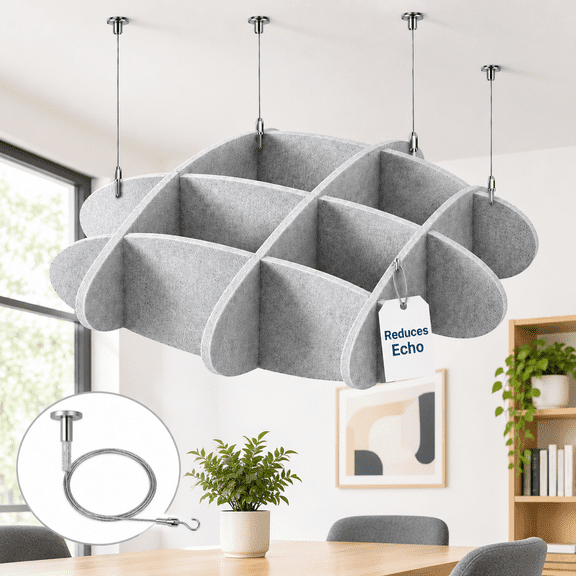
You should compare NRC ratings when you want stronger sound absorption in offices, basements, classrooms, or media spaces. You’ll notice that higher NRC numbers usually mean more echo control and a calmer room sound.
Standard ratings around 0.50 to 0.60 can work well when you want balanced everyday performance. If you need stronger sound control, you should look for soundproof ceiling tiles with ratings of 0.70 or higher.
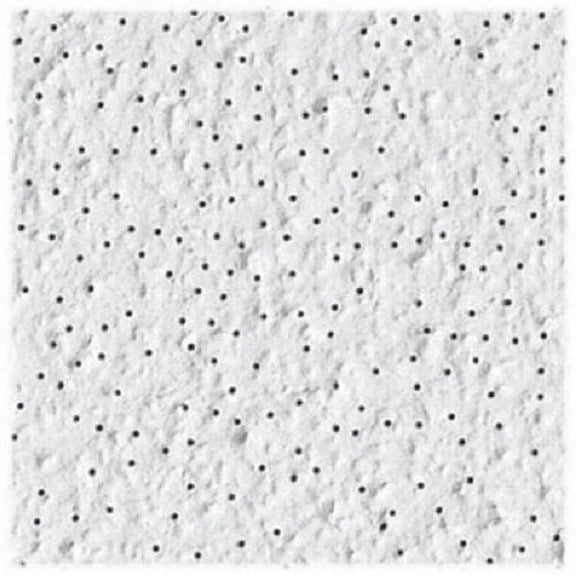
You may also compare materials because they affect both sound performance and appearance. You’ll often find acoustic ceiling panels in mineral fiber, fiberglass, pvc, and wood designs.
- You can use mineral fiber when you want familiar drop-in performance and broad grid compatibility.
- You can choose fiberglass when you want lighter panels and strong sound absorption.
- You can consider pvc when your room needs a wipe-clean surface and added moisture tolerance.
- You can pick wood looks when you want acoustic control with a warmer finished style.
You should think about room purpose before you choose a material. You’ll likely want different acoustic ceiling tiles for a basement office than for a retail checkout area.
Choosing the right installation type
You can narrow your options quickly when you compare drop-in, glue-up, and surface mount formats. You’ll want the installation style that matches your ceiling structure, timeline, and finish goals.
Drop-in panels work with suspended ceiling tiles and standard grid systems, so you can replace individual sections as needed. You’ll often prefer this setup in offices, classrooms, utility rooms, and finished basements.
Glue-up styles attach directly to a prepared ceiling surface, which can help when you don’t have a hanging grid. You should check surface condition first, because a smooth base supports a neater result.
Surface mount systems give you another option when you want a finished look without a traditional exposed grid. You can use them in remodels where ceiling height and existing structure affect your plan.
You should also check whether your room has higher humidity before you choose a panel. You’ll want sag-resistant and moisture-tolerant options in basement areas, break rooms, or other damp-prone spaces.
Comparing acoustic ceiling panels by room and project type
You can match 2x2 acoustic ceiling tiles to smaller rooms or layouts with denser grid patterns. You’ll often use 2x4 panels in larger commercial ceilings where broader coverage simplifies planning.
If you’re updating a home office, you may want a cleaner white finish with a higher NRC rating. You’ll get a space that sounds less echoey during calls, focused work, and everyday household activity.
In a basement, you should look at moisture tolerance along with sound absorption. You’ll want panels that help the room feel finished while supporting a more stable appearance over time.
If you’re planning for classrooms or shared work areas, you can compare acoustic ceiling tiles that soften conversation noise. You’ll notice that better sound control can make busy rooms feel more controlled and easier to use.
For retail, reception, or light commercial spaces, you may want commercial ceiling tiles with a polished edge profile. You can create a more intentional overhead finish while still keeping access to the plenum above.
You should also think about maintenance when you compare materials and finishes. You’ll appreciate panels that are easy to replace, easy to wipe, or easy to match across future ceiling updates.
Key differences between materials, edges, and performance ratings
You can use material choice as a shortcut when several options fit your grid. You should compare sound absorption, moisture handling, surface look, and cleaning needs before you decide.
Mineral fiber can suit many standard projects where you want familiar installation and a classic panel appearance. Fiberglass can appeal when you want lighter handling and stronger acoustic performance in active spaces.
Pvc can make sense when you want a smoother surface for utility rooms or damp-prone areas. Wood-style panels can help when your ceiling needs acoustic control without losing a more decorative look.
You should review edge detail with your grid style, because the wrong profile can change the finished appearance. You’ll get a more cohesive result when your reveal, bevel, or square edge matches your intended ceiling design.
When you compare acoustic ceiling tiles carefully, you can plan around fit, sound absorption, and room conditions with fewer surprises. You’ll end up with a ceiling that looks cleaner, sounds calmer, and fits your installation approach.