

Great Value Food Grocery Products
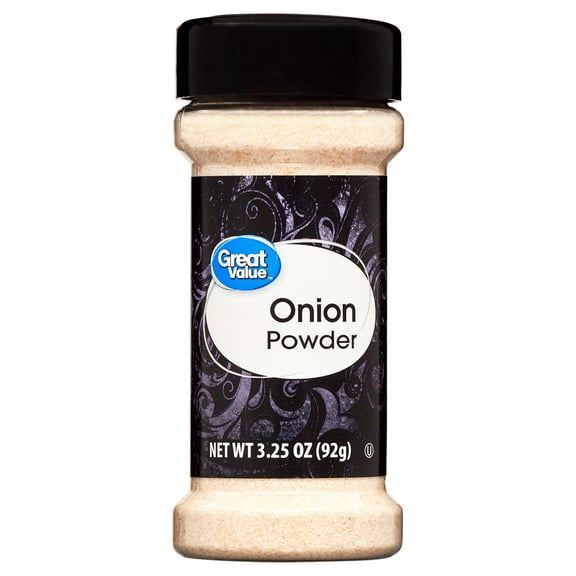

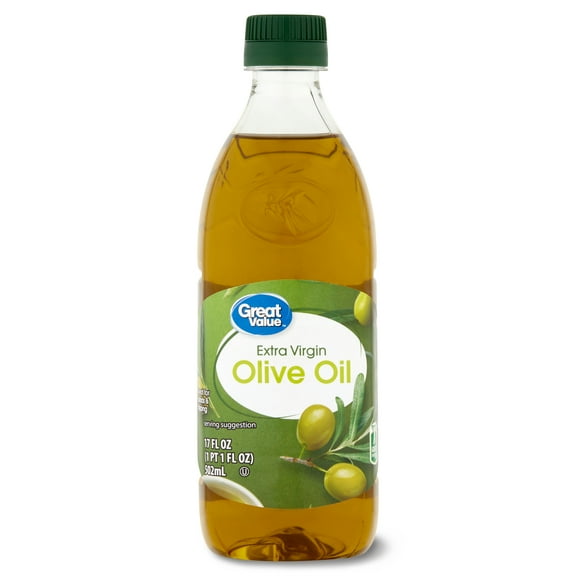

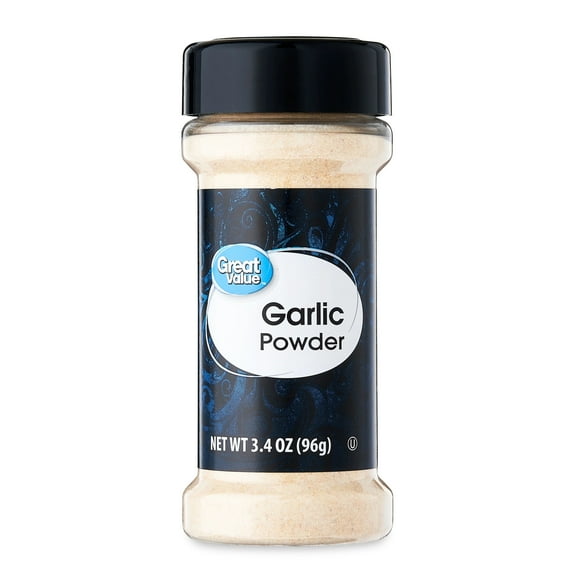
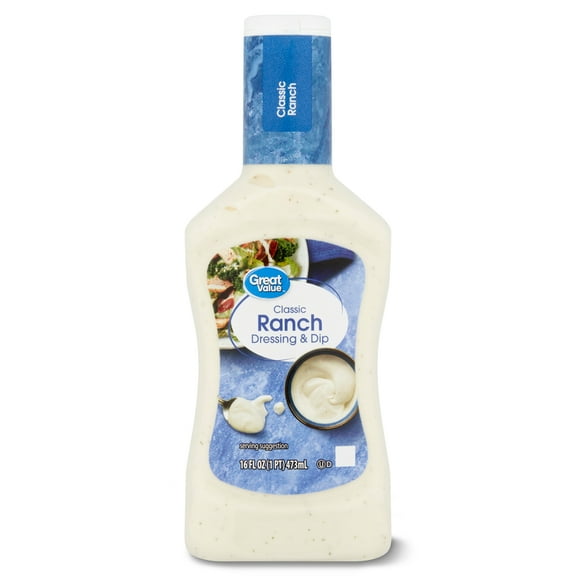
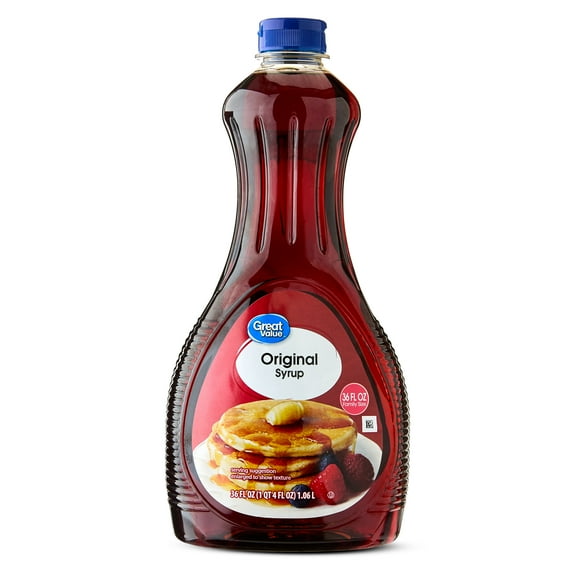
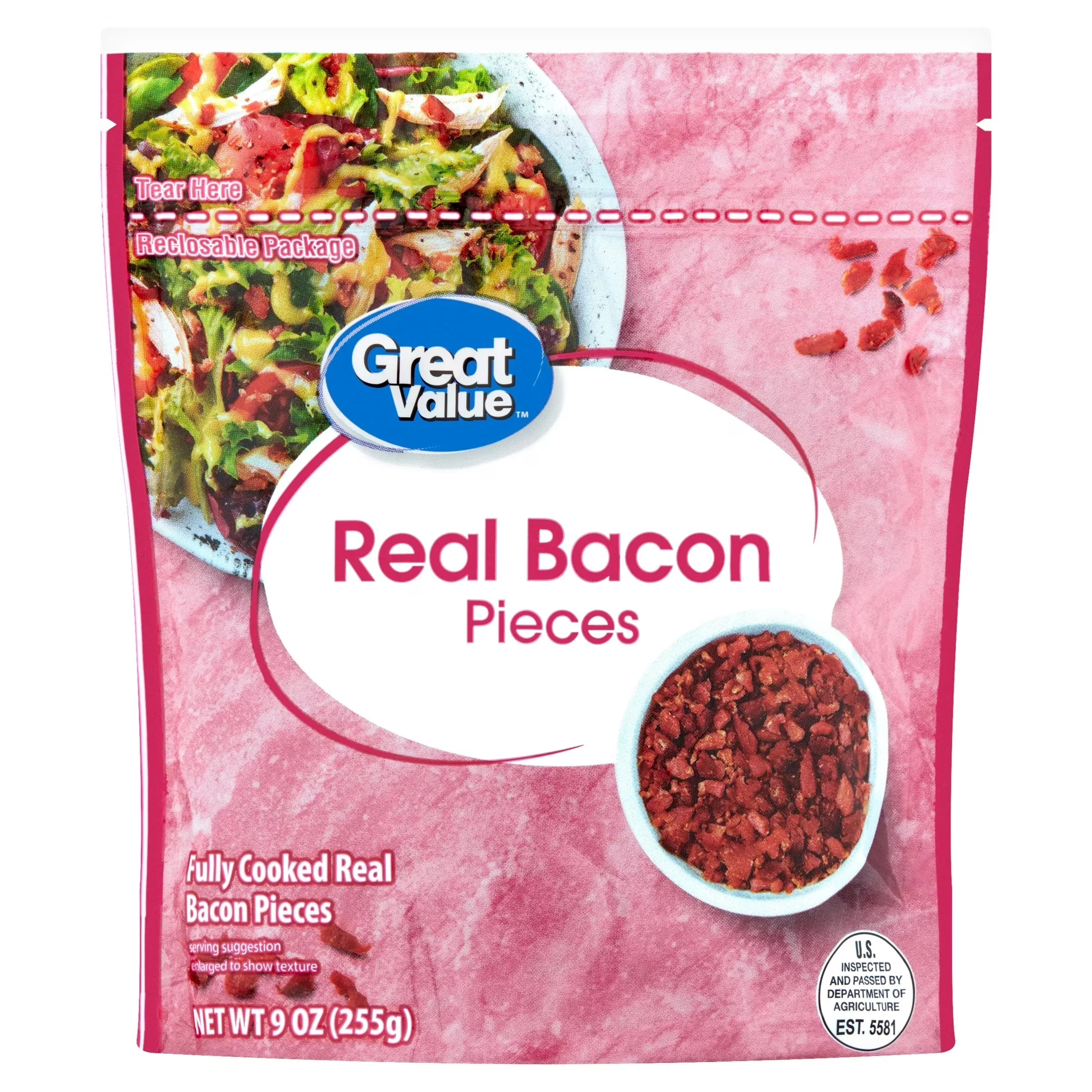
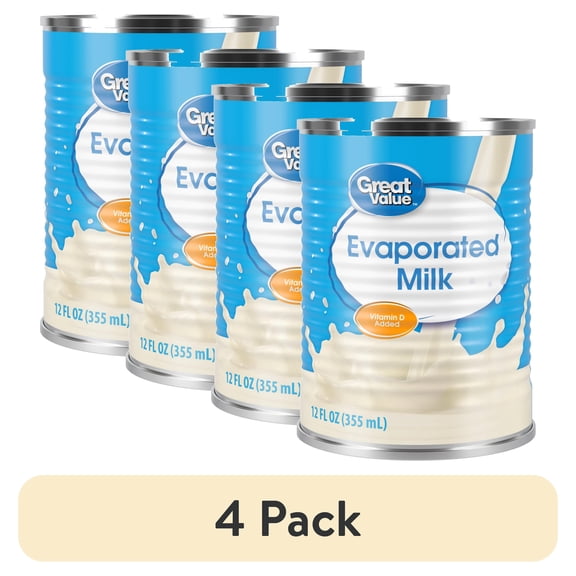
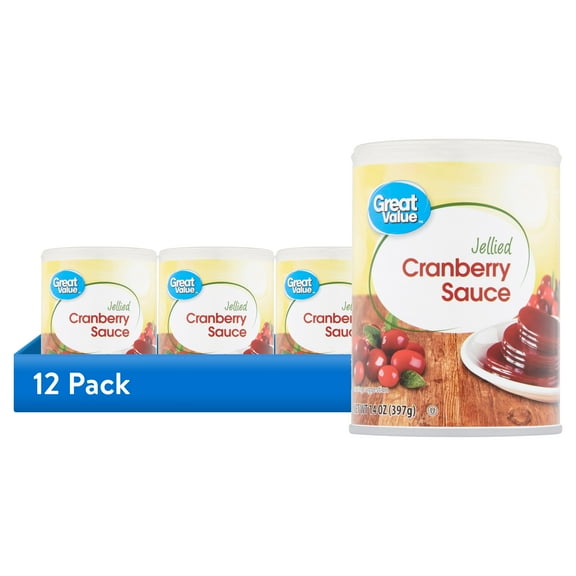
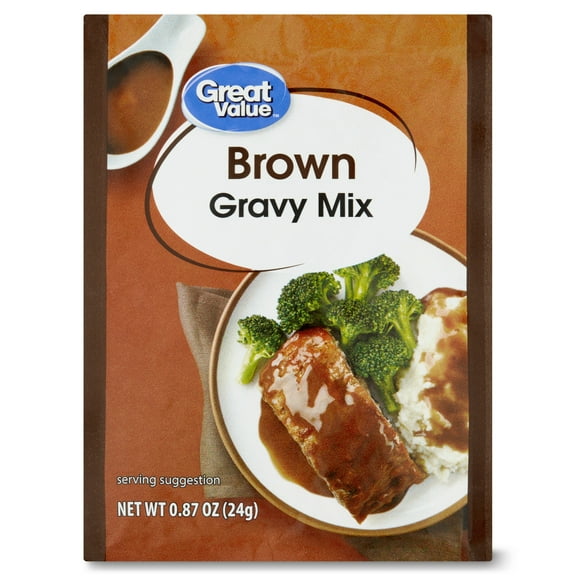
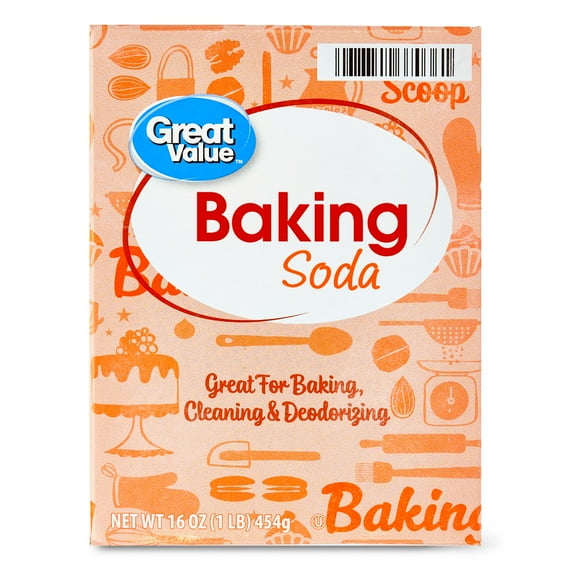

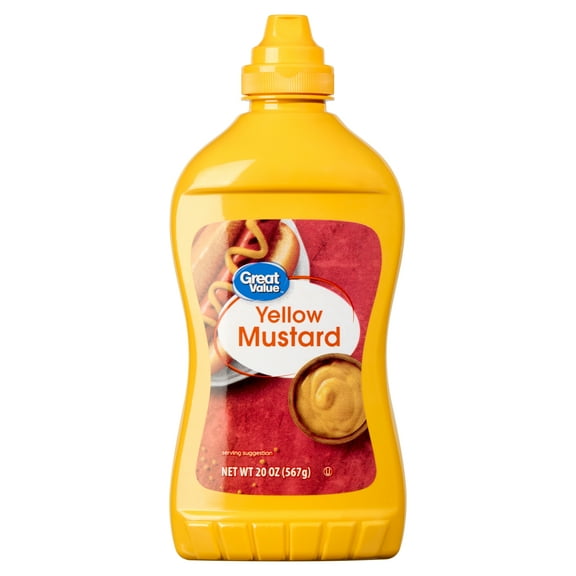






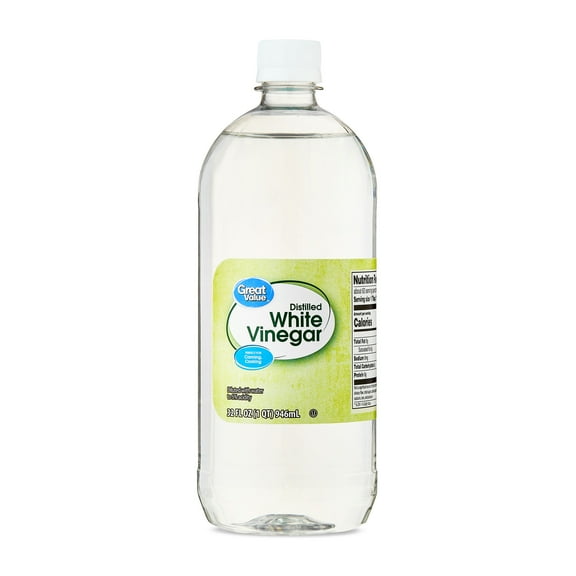
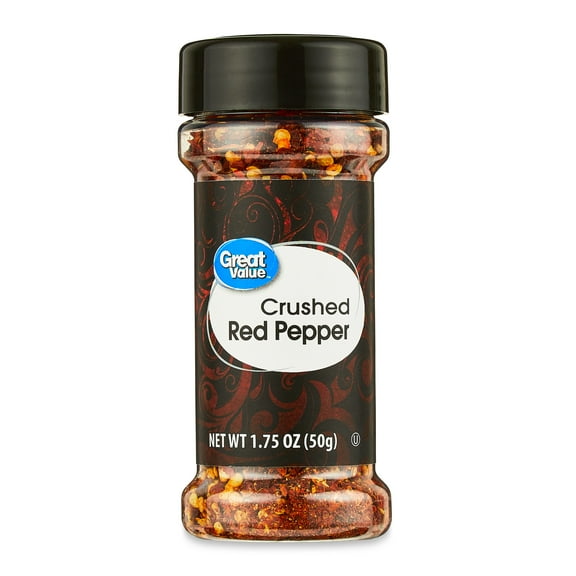
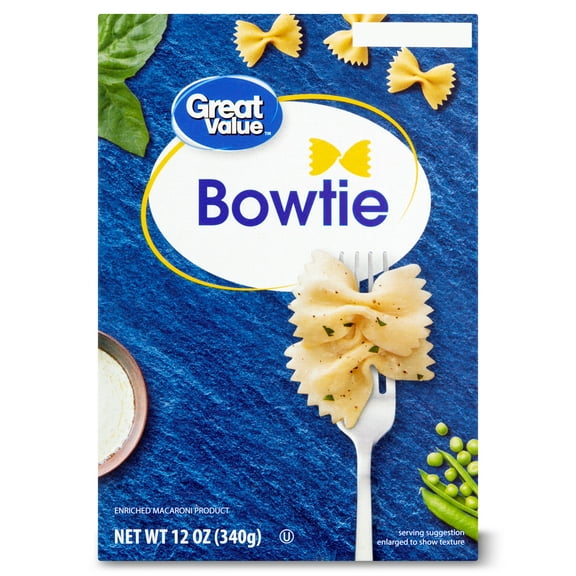
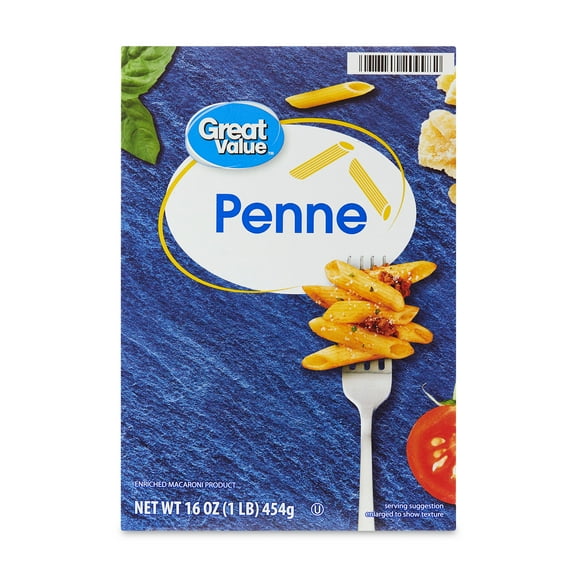
About Great Value Food Grocery Products - Walmart.com
Great value grocery helps you stock your kitchen with everyday basics across pantry, dairy, frozen, snack, and baking aisles. You can compare familiar formats, practical package sizes, and dietary labels in one brand-focused destination.
If you want dependable staples for daily meals, you can use this page as a clear starting point. You’ll find guidance that matches how you plan meals, store food, and choose household favorites.
Choosing great value grocery by food category
When you compare food categories first, you can narrow your options faster and build a smarter shopping list. You can look at pantry staples, dairy and eggs, frozen foods, snacks and beverages, and baking ingredients.
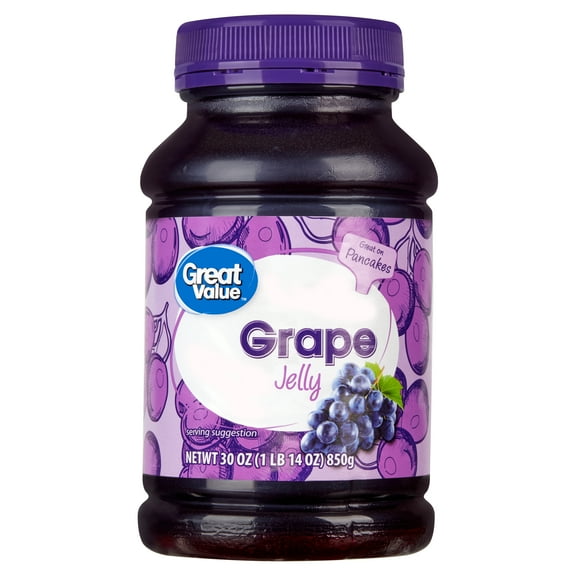
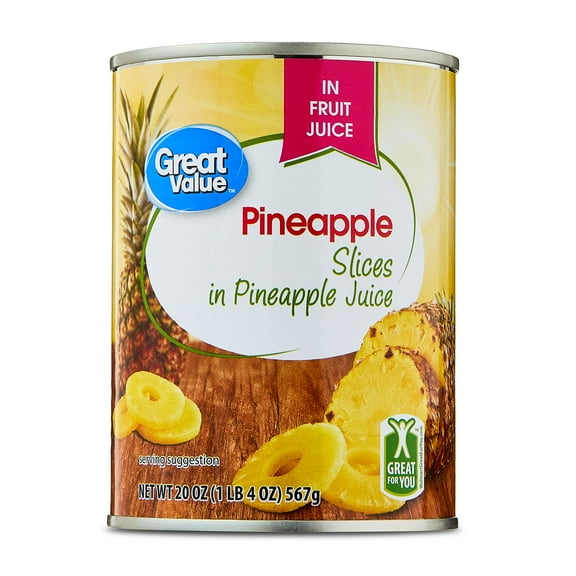
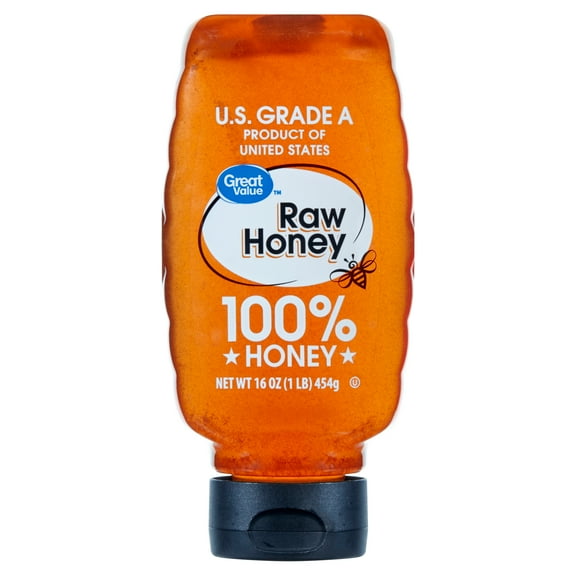
For pantry staples, you may want items like pasta, canned vegetables, broth, rice, oats, and condiments. You can keep shelf-stable basics ready for quick lunches, simple dinners, and easy side dishes.
In dairy and eggs, you can focus on everyday breakfast and cooking essentials that belong in refrigerated storage. You can compare milk, cheese, butter, creamers, and egg options based on how often your household uses them.
With frozen foods, you can plan around convenience and portion control for busy nights. You can choose vegetables, fruit, breakfast items, and meal starters that stay ready in your freezer.
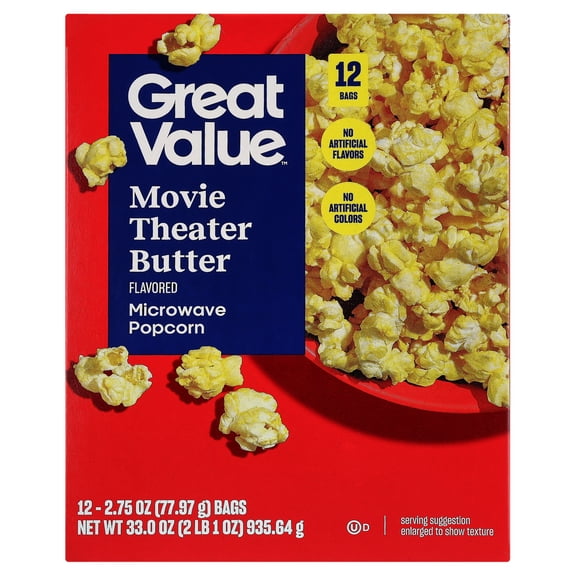
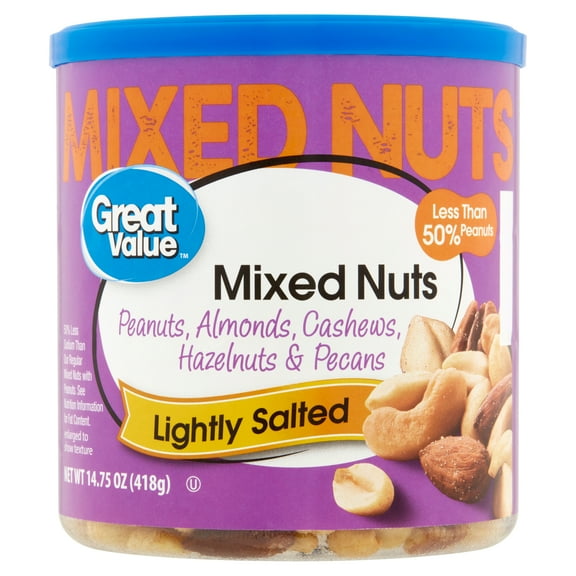
For snacks and beverages, you can match items to lunchboxes, afternoon breaks, and on-the-go routines. You can also compare multipacks, individual packs, and single-serve formats for easier daily planning.
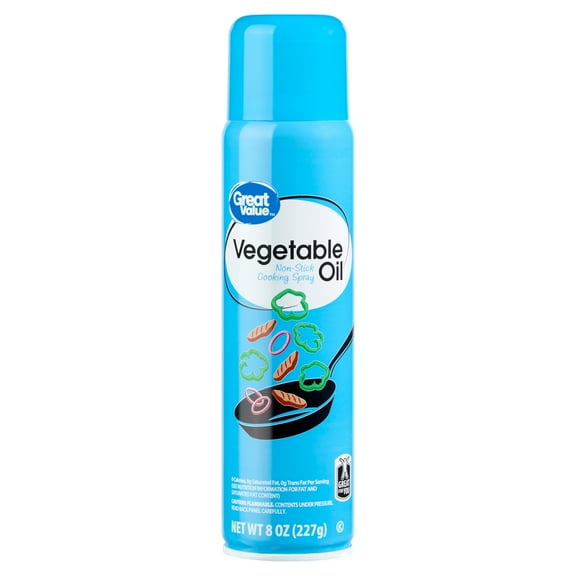
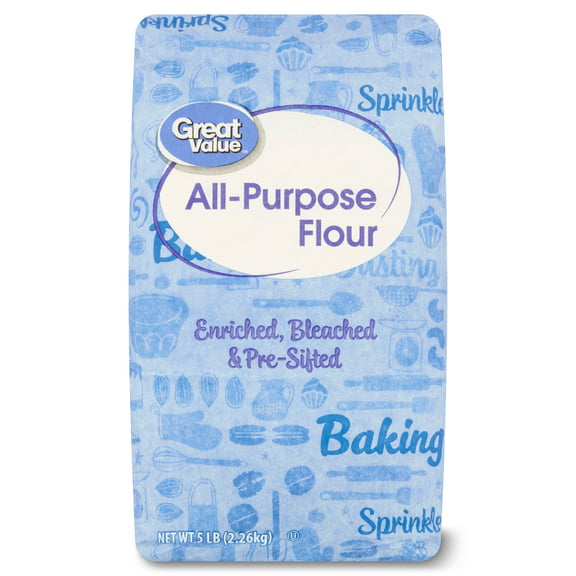
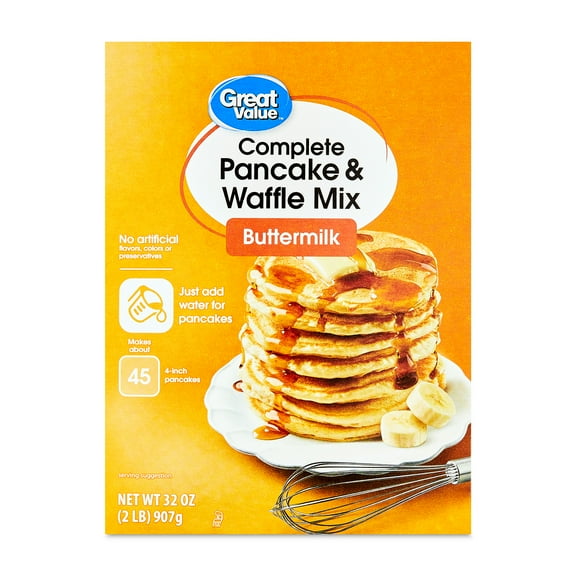
When you bake often, you can build around baking ingredients like flour, sugar, oils, mixes, and spices. You can keep repeat-use ingredients on hand, so your pantry supports both everyday cooking and weekend baking.
What to look for in great value food and dietary labels
If you compare labels closely, you can choose items that fit your household’s preferences without guessing. You can check whether an item is organic, gluten-free, low sodium, or sugar-free before you add it to your routine.
Dietary labels matter because you may shop for different needs across the same kitchen. You can pick one cereal for gluten-free preferences, another soup with lower sodium, and a sugar-free drink option.
Ingredient transparency also helps you compare great value brand products with familiar national-brand choices. You can review package details, serving information, and flavor descriptions before you decide what belongs in your cart.
- You can use organic labels when you want clearly identified ingredient standards.
- You can use gluten-free labels when you need simpler filtering across pantry and snack picks.
- You can use low sodium labels when you want more control over everyday meal planning.
- You can use sugar-free labels when you’re comparing beverages, snacks, and dessert ingredients.
Because dietary needs can change by meal, you can mix label types across categories. You can pair frozen vegetables, shelf-stable soups, and refrigerated staples around the labels that matter most to you.
Comparing packaging size and storage type
When you choose packaging size carefully, you can match each item to your household’s pace and pantry space. You can compare family size, individual packs, bulk sizes, and single-serve options based on how quickly you use them.
Family size packaging works well when you cook for several people or repeat the same favorites often. You can reduce midweek restocking by choosing larger cereal boxes, bigger snack packs, or larger frozen bags.
Individual packs and single-serve options make sense when you pack lunches or portion snacks ahead. You can keep servings organized in a backpack, desk drawer, or work break room.
Bulk sizes can help you stay stocked on staples you use regularly in cooking and baking. You can choose larger flour, sugar, rice, or oil packages when your pantry has room for them.
Storage type is another key decision because you need items to fit your kitchen setup. You can separate shelf-stable products for the pantry, refrigerated items for the fridge, and frozen foods for longer-term storage.
If your week is busy, you may want a mix of all three storage types. You can keep shelf-stable backups, refrigerated daily essentials, and frozen meal starters ready for flexible meal planning.
Using great value pantry staples for real meal planning
You can use great value pantry staples to build breakfasts, lunches, dinners, and baking projects without overcomplicating your routine. You can start with a few core categories and expand based on how your household eats.
For weekday breakfasts, you can combine cereal, oatmeal, dairy items, frozen fruit, and coffee basics. You can create faster morning routines when your essentials are grouped by meal instead of aisle.
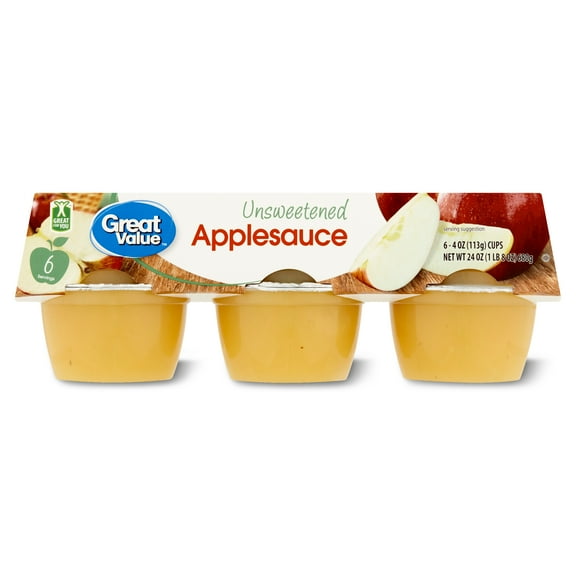
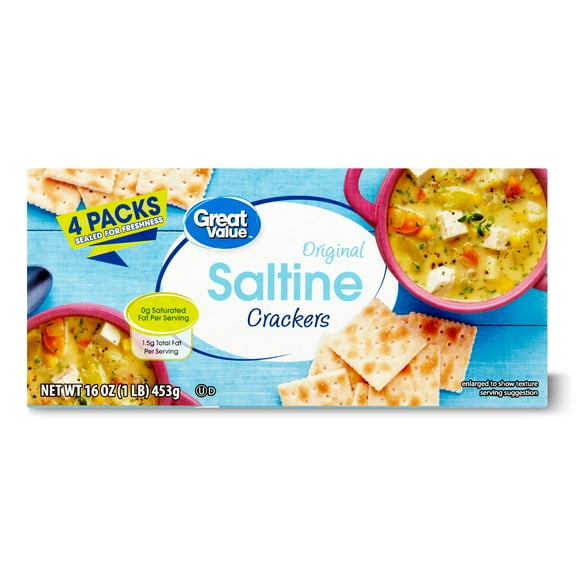
For lunches, you can lean on soups, crackers, snack cups, cheese, and beverage multipacks. You can prep grab-and-go combinations that fit workdays, school days, and quick breaks at home.
Dinner planning gets easier when you keep pasta, sauces, rice, canned vegetables, broth, and frozen sides available. You can turn a short ingredient list into several simple meals during a full week.
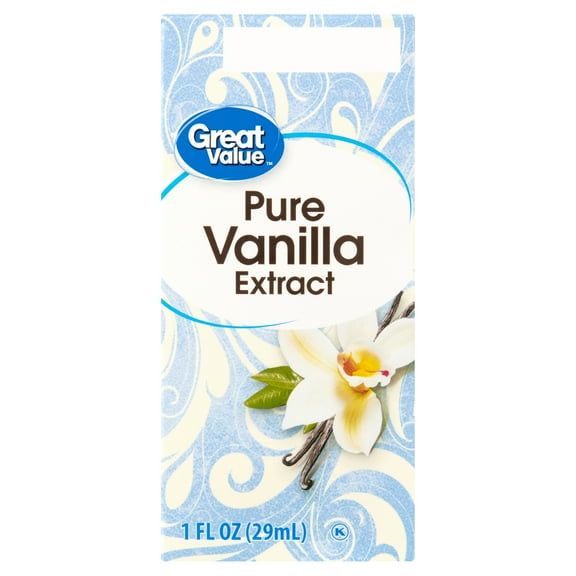
If you bake seasonally or every weekend, you can organize flour, sugar, extracts, and mixes by how often you use them. You can choose bulk sizes for repeat recipes and smaller packs for occasional baking.
When you compare category, dietary label, packaging size, and storage type together, you can shop with more clarity. You can build a kitchen that stays stocked with the great value grocery essentials you use most.
Popular in Great Value Food Grocery Products - Walmart.com
- Great Value Foods Under 2
- Best Sellers In Great Value Pantry Foods
- Great Value Groceries
- Great Value Refrigerated Food
- Pantry Food Great Value
- Best Sellers In Great Value Cocktail Sauce
- Great Value Sea Salt
- Great Value Seasonal
- Enlatados Great Value
- It Value
- Pantry Staples Great Value
- Best Sellers In Weekly Ads Grocery Great Value