














3D Printer Filament in 3D Printing








































About 3D Printer Filament in 3D Printing - Walmart.com
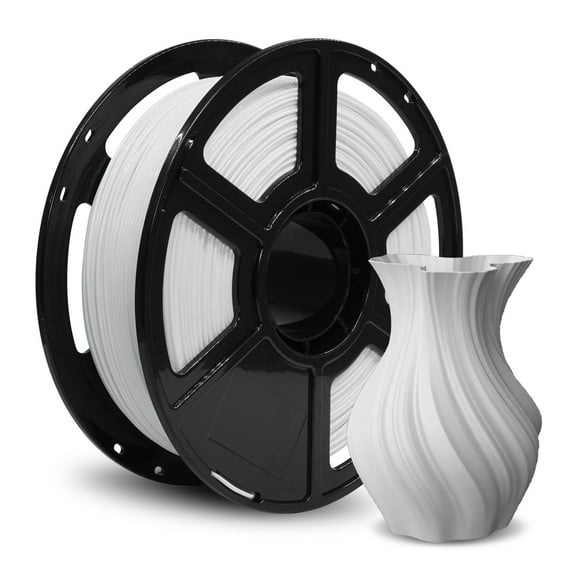
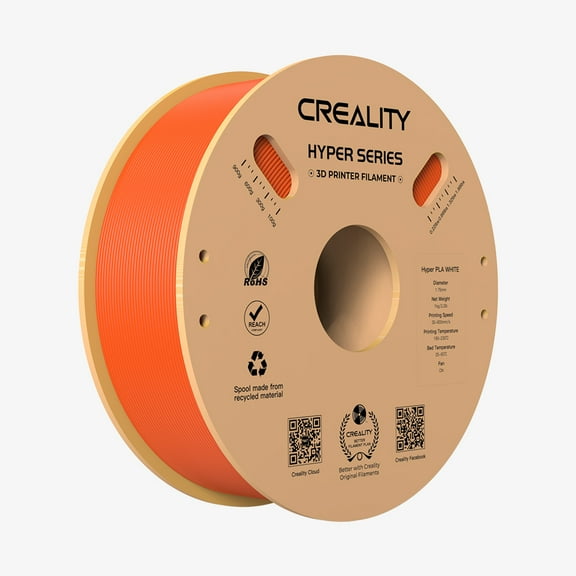
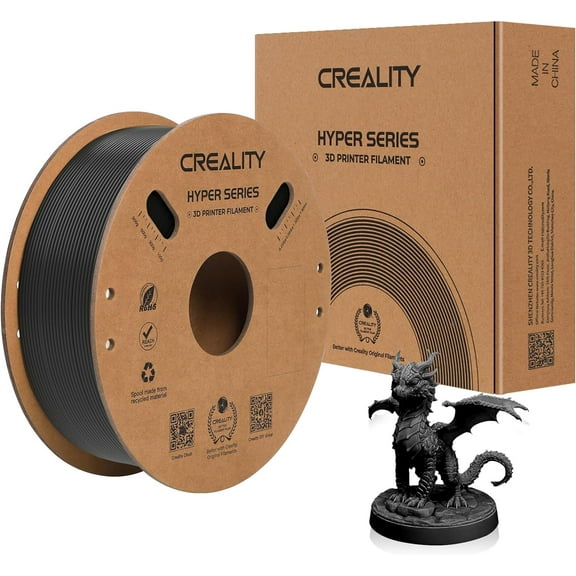
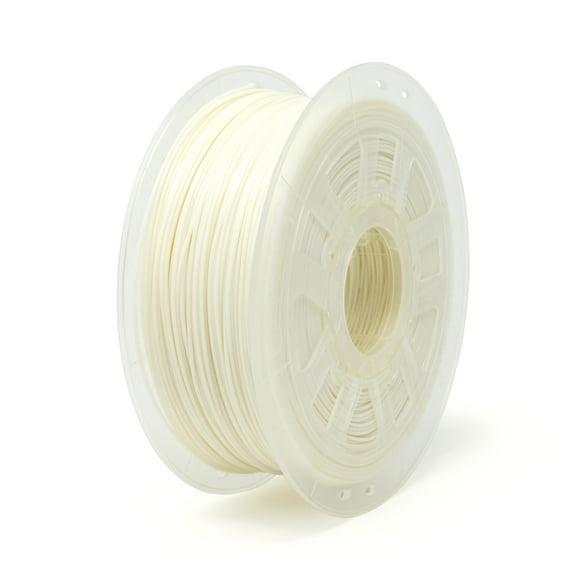
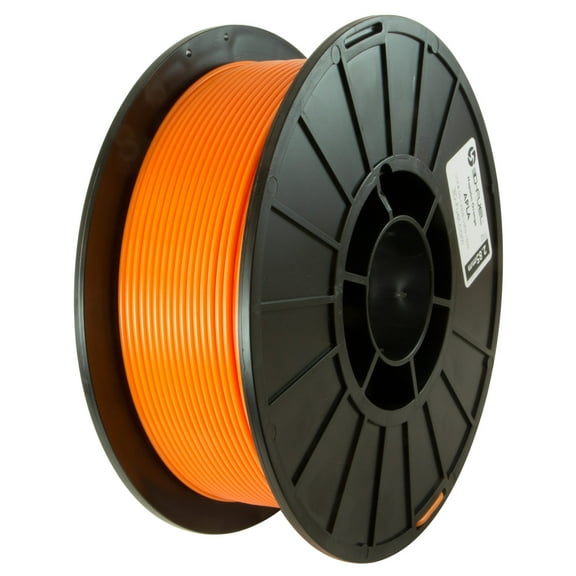
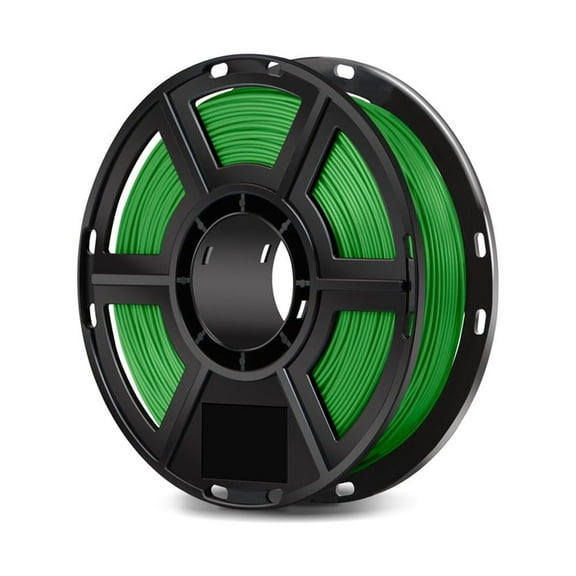
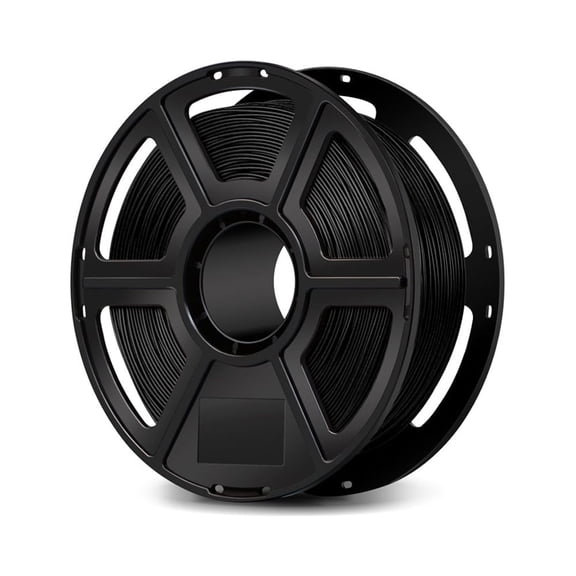
3d printer filament gives your printer the material it needs for crisp layers, reliable feeding, and project-ready results across PLA, ABS, PETG, and specialty blends. This category helps you compare spool sizes, diameters, and finishes fast. You can also check pickup and shipping options for convenient access when a print queue canu't wait.
Why 3d printer filament choice matters
The right filament affects print surface, layer bonding, and how smoothly your extruder feeds each spool. Material choice also shapes flexibility, rigidity, and finish for display pieces or functional parts.
Makers often choose PLA filament for easy printing, clean detail, and a wide color range. ABS works for tougher shop projects, while PETG balances durability and easier printing.
- PLA is great for prototypes, classroom models, and decorative prints with sharp detail.
- ABS suits enclosures, brackets, and parts that need post-processing like sanding or acetone smoothing.
- PETG fits organizers, bottle holders, and utility parts that need strength and a glossy finish.
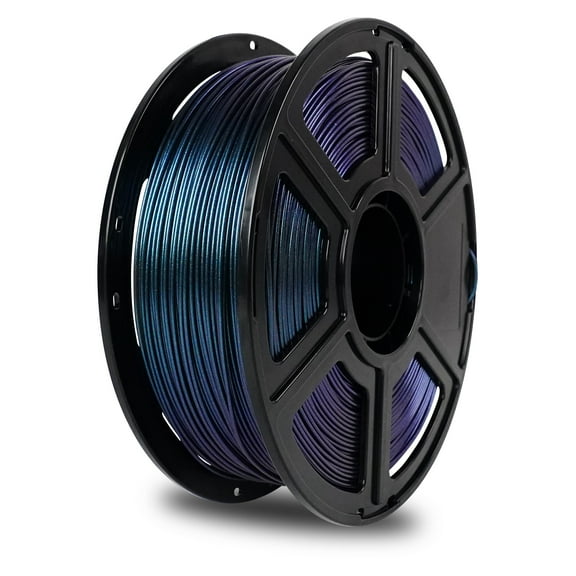
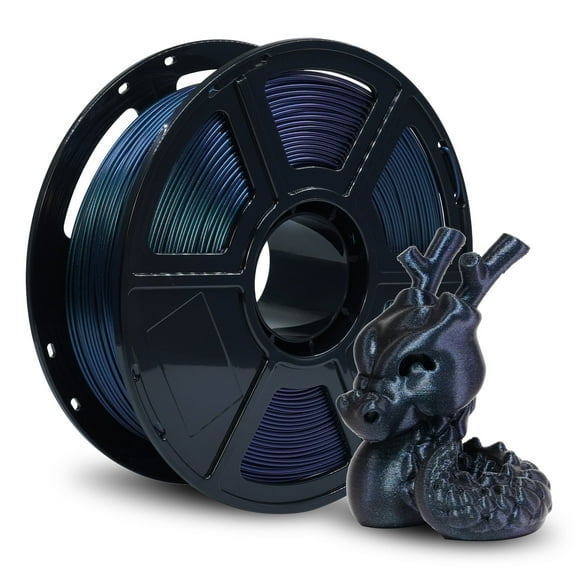
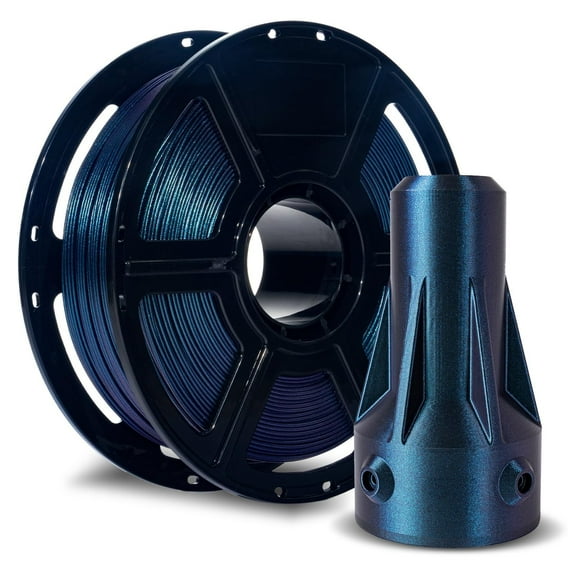
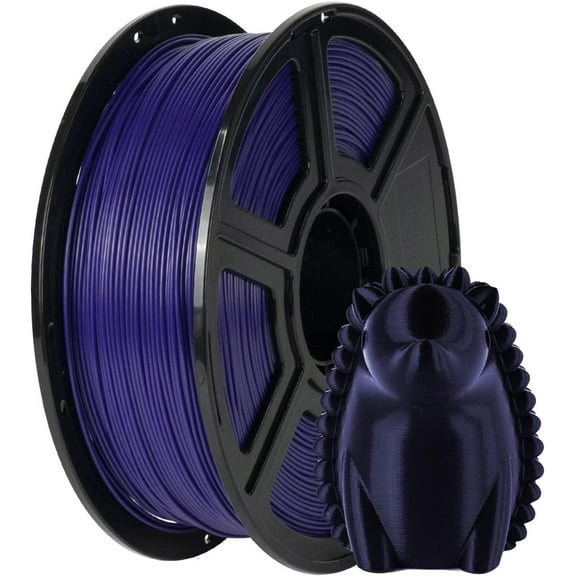
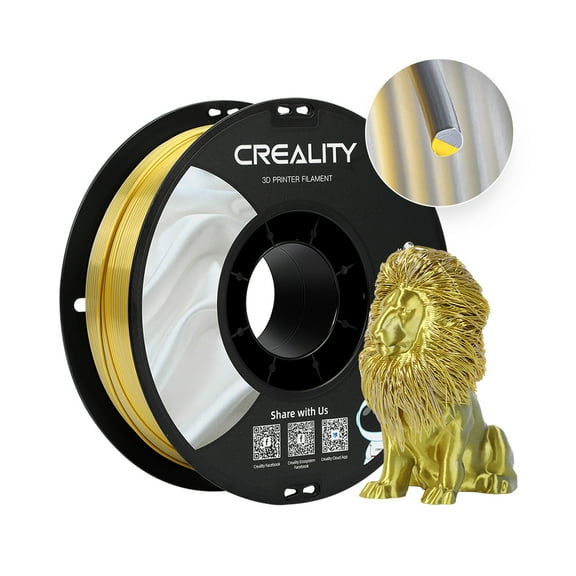
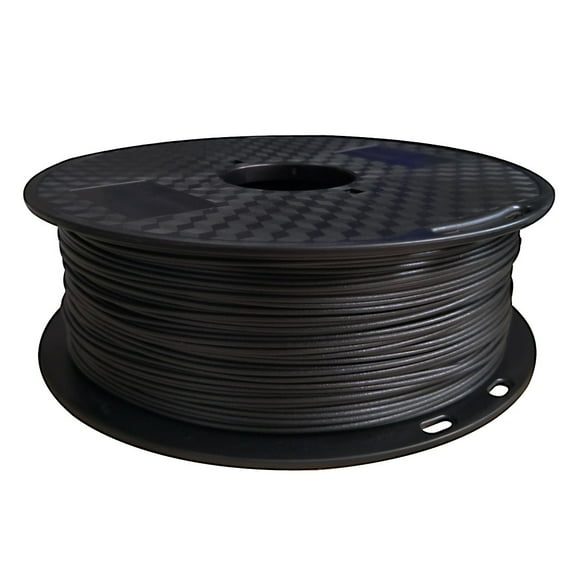
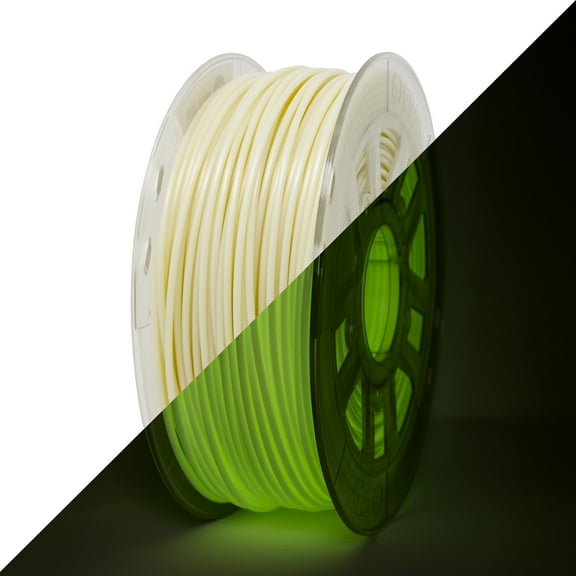
- Specialty options add effects like silk shine, wood texture, carbon fiber feel, or glow accents.
Material fit matters because a cosplay helmet needs different performance than a calibration cube. A tabletop miniature also needs different detail priorities than a garage hook.
Key features in 3d printer filament
Start with diameter compatibility. Most home printers use 1.75 mm filament, while some machines use 2.85 mm spools. Matching the correct size helps maintain steady extrusion.
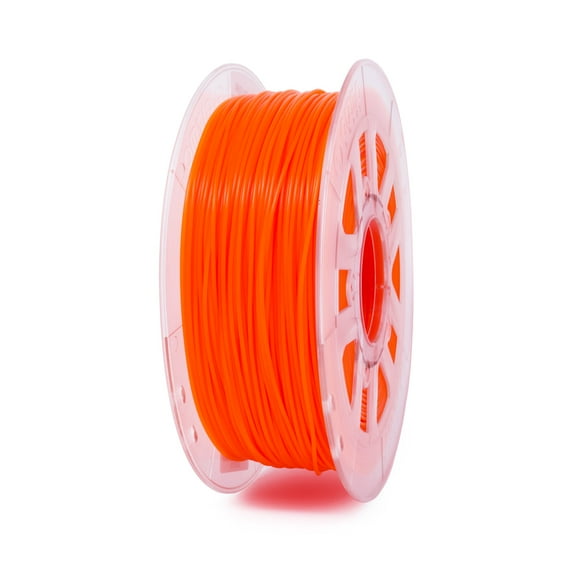
Spool weight is another core filter. One kilogram spools support longer runs, while smaller quantities help with testing new colors or specialty formulas. That makes sampling easier before larger projects.
Temperature range matters too. PLA usually prints at lower nozzle settings than ABS, and heated bed needs vary by material. Checking those ranges helps narrow options for your machine.
Look at finish and tolerance details when comparing 3d printing filament. Tight diameter consistency can support smoother feeding and cleaner layers on long prints. Matte, silk, translucent, and metallic looks also change the final appearance.
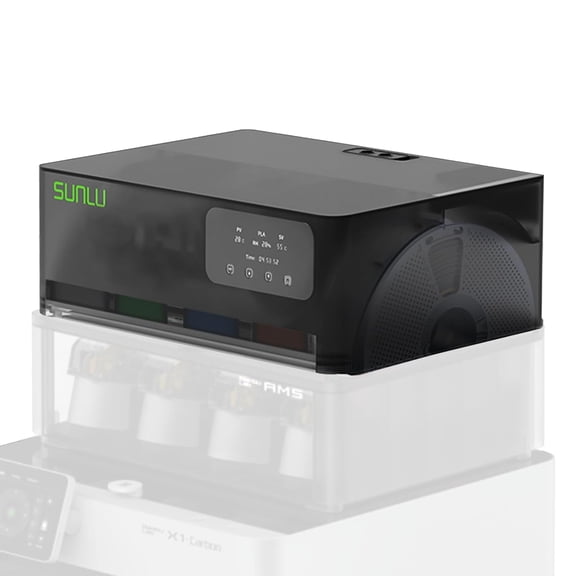
Some shoppers focus on winding quality because tangled spools interrupt overnight jobs. Others prioritize vacuum-sealed packaging, resealable storage, or color variety for multi-project benches. Those details can make everyday printing more predictable.
Where to buy 3d printer filament with flexible fulfillment
When youu're figuring out where to buy PLA filament, availability matters as much as material specs. This page supports quick comparison across brands, colors, and spool sizes in one place.
Shoppers often search for 3d printer filament nearby because a project deadline is already on the calendar. Pickup and shipping options help you choose what fits your timing and setup. That supports convenience without adding extra research steps.
If youu're replacing an empty spool before a weekend build, fast access can keep a printer running. Itu's also useful when you need matching color for a reprint or multipart assembly. That kind of availability matters for makerspaces, classrooms, and home workshops.
For gift makers, filament choice can shape the final look of ornaments, nameplates, and custom organizers. For hobby robotics, you may want PETG for brackets or ABS for housings. For art prints, silk and dual-color spools can add standout finish.
Understanding 3d filament cost and material differences
The cost of 3d filament depends on material type, spool weight, finish, and additive blend. Standard PLA often differs from carbon fiber, wood-filled, or flexible options. Larger spools and specialty effects can also change the price range.
Material selection affects total project planning. A simple prototype may work well with basic PLA, while an end-use fixture may call for PETG or ABS. Matching the material to the task helps avoid unnecessary reprints.
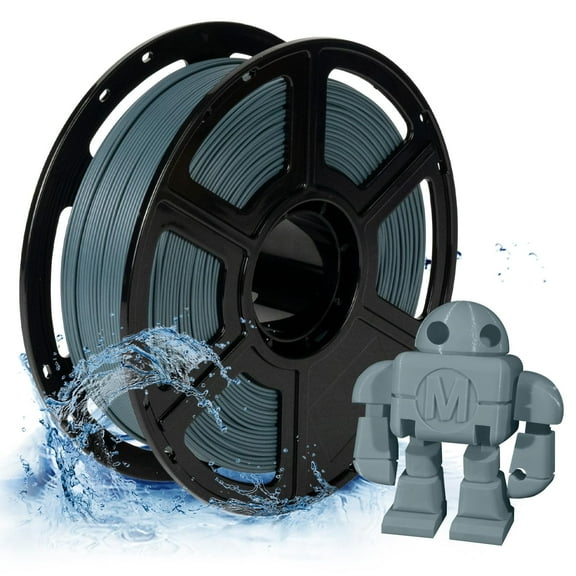
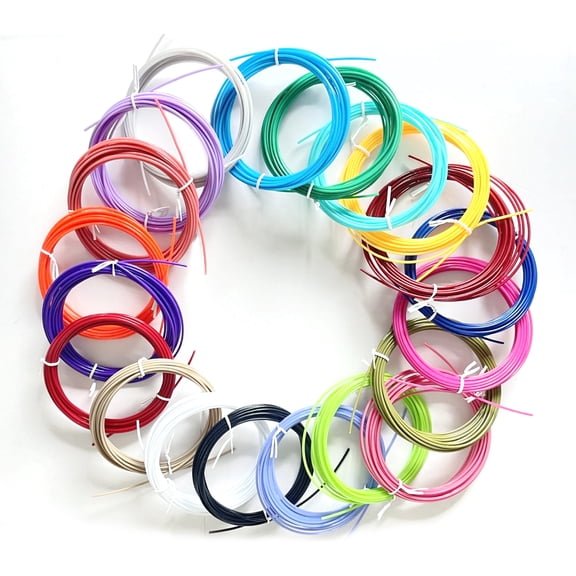
Color can influence selection too. Neutral shades work well for painting, while bright or translucent filament can be ideal for display pieces.
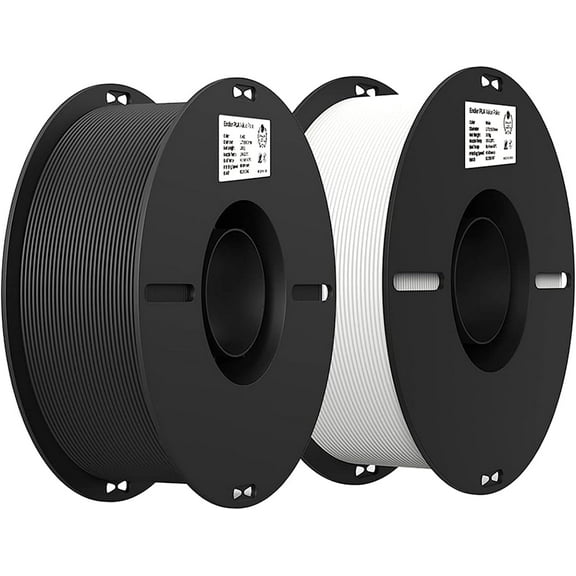
Some makers keep black, white, and gray on hand for everyday jobs. Others build a wider color wall for custom commissions.
Printer setup matters alongside cost. Bowden and direct-drive systems may handle materials differently, especially with flexible filament. Bed adhesion preferences, enclosure use, and nozzle material can also guide your final choice.
Common uses for filament by project type
Household printing often centers on drawer organizers, cable clips, planters, and replacement knobs. These parts usually need dependable layer lines and a material that matches the printu's purpose. PETG and PLA are common starting points for these everyday builds.
Educational use leans on geometric models, engineering prototypes, and classroom demonstrations. PLA filament often fits this work because it offers broad color selection and easy setup. It also supports fast iteration during design practice.
Workshop and garage printing can include mounts, bins, drill guides, and tool holders. Those jobs often benefit from materials chosen for toughness or temperature resistance.
ABS and PETG regularly enter the conversation for these practical prints.
Creative makers use specialty spools for cosplay props, figurines, signage, and lamp shades. Wood-look and silk finishes change the visual style right off the print bed. That can reduce painting time and support a more polished appearance.
Choosing the right 3d printer filament means matching diameter, material, finish, and fulfillment to the project in front of you. With clear filters for PLA, ABS, PETG, and specialty spools, itu's easier to land on a filament that prints smoothly and looks right.