

Shop All Winter Prep



















About
Your winter prep starts with clear decisions for your home, car, outdoor spaces, and daily cold-weather routines. You can use this seasonal hub to compare supplies by application area, weather severity, and prep phase.
Early planning helps you cover drafty doors, exposed pipes, icy walkways, and cold commutes before conditions shift. You can also organize freezing weather supplies in one place, so your checklist stays clear and manageable.
How to choose winter prep by application area
You should start with the area that faces significant winter stress. Your home may need weather stripping, your car may need antifreeze, and your porch may need snow removal tools.
For personal comfort, you can compare cold weather gear by layering needs, mobility, and daily use. You may also want outdoor items that support entryways, steps, and driveways during repeated snow events.
You can simplify winter storm prep by matching products to where problems usually begin. Your decision often comes down to indoor drafts, vehicle fluids, outdoor buildup, or everyday cold exposure.
- You can use home winterization essentials to help reduce indoor drafts and improve comfort.
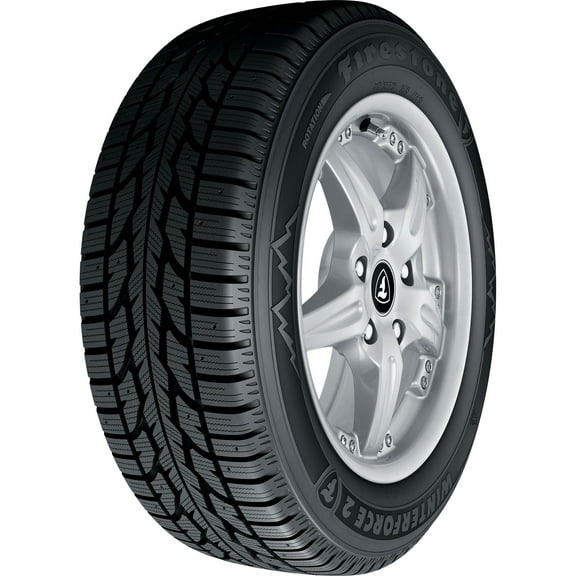
- You can choose winter car prep items that support seasonal maintenance and cold starts.
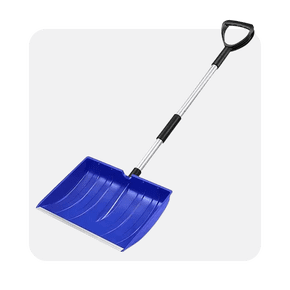
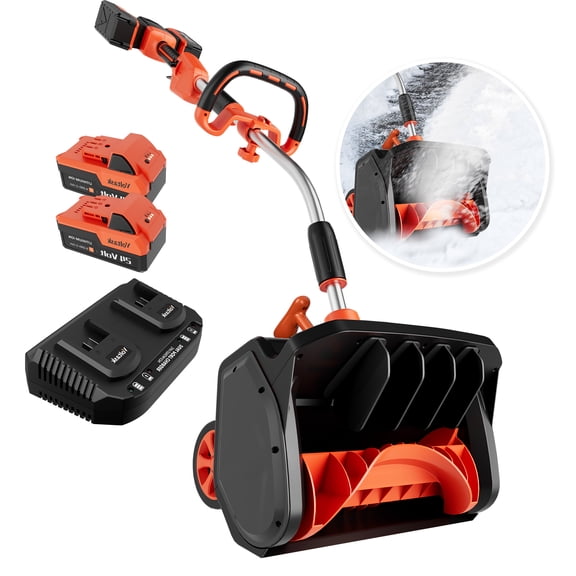
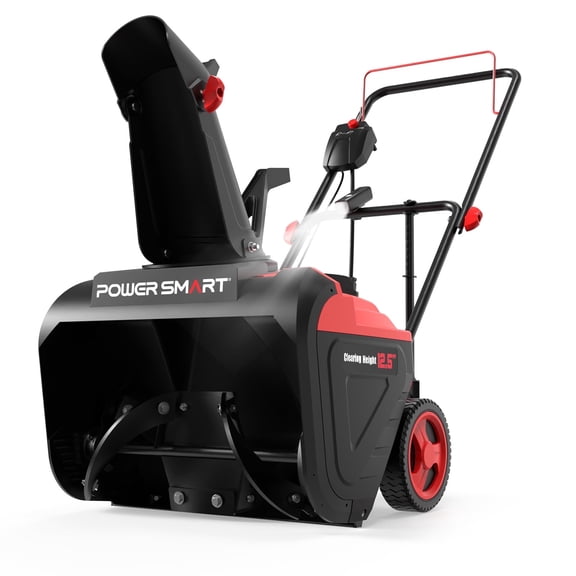
- You can keep snow removal tools ready for sidewalks, driveways, steps, and entry paths.
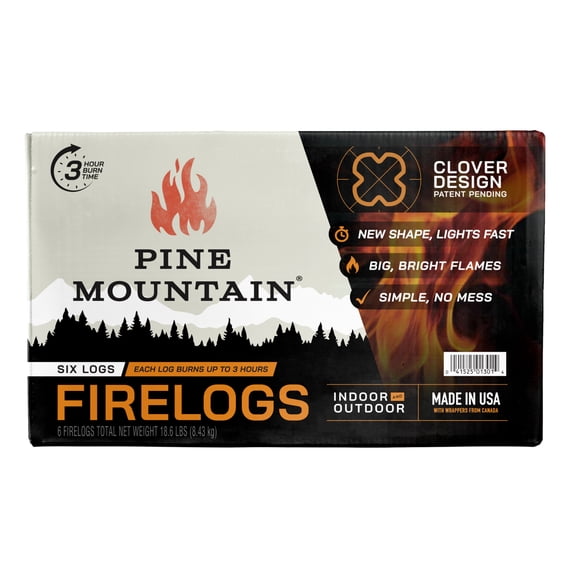
- You can build a winter emergency kit for power outages, road delays, or storm recovery.
Choosing home winterization essentials
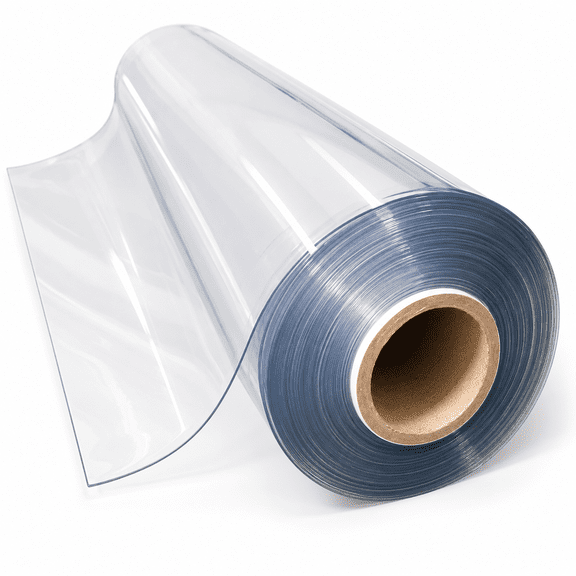
You should look for products that address heat loss, exposed openings, and cold-sensitive areas. Your checklist may include weather stripping, insulation materials, portable heaters, and basic backup lighting.
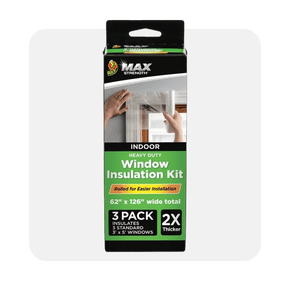
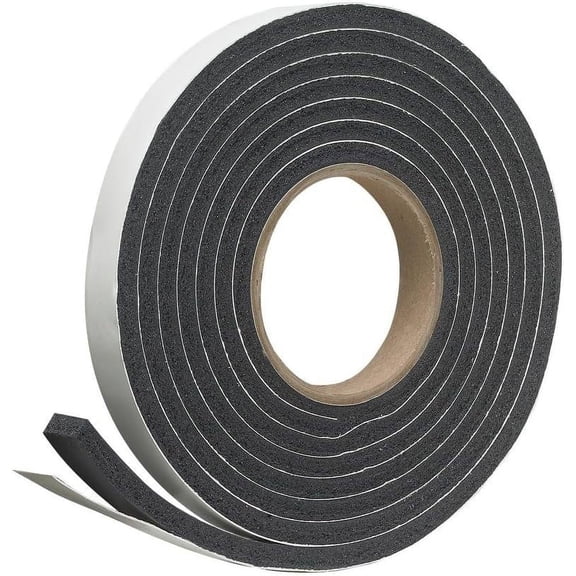
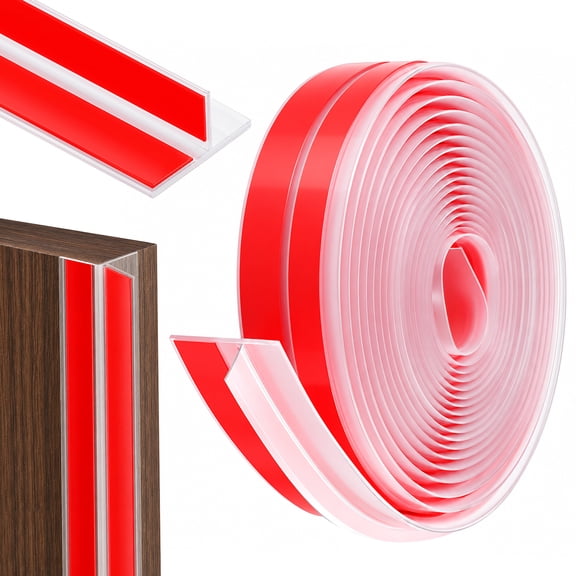
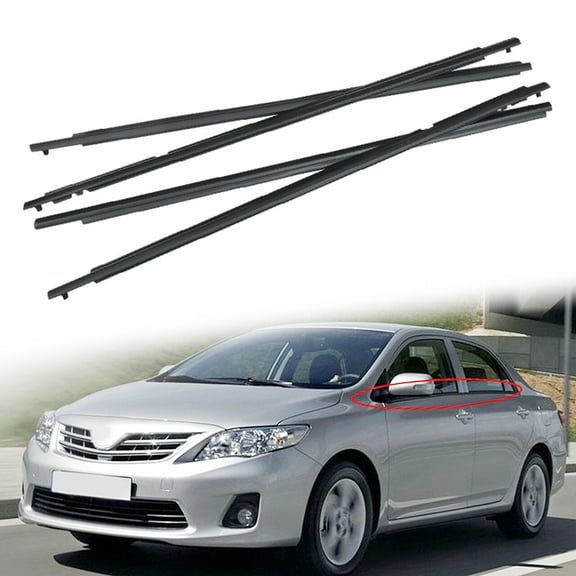
When you compare weather stripping, you should check door gaps, window frames, and installation style. Your seal should match the opening size, so it fits securely without constant adjustment.
If you compare insulation options, you may notice R-value listed on some materials. You can use that number as a guide, because higher R-value usually means stronger resistance to heat flow.
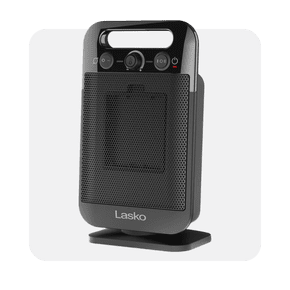
For heaters, you should measure your room size and placement needs before choosing. Your setup works smoothly when the heater matches the intended space and power source.
Choosing winter car prep for freezing temperatures
You can approach winter car prep as a routine check rather than a last-minute scramble. Your vehicle may need antifreeze, winter windshield care, battery support items, and traction-focused accessories.
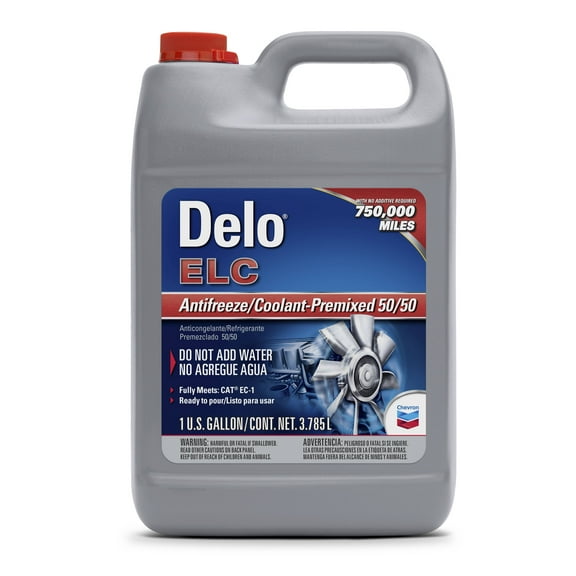
When you compare antifreeze, you should confirm the formula type your vehicle uses. Your manual can help you verify compatibility, so your maintenance plan stays straightforward.
If you shop for winter oils or related fluids, you may see viscosity grades on labels. You can use viscosity as a decision point, because it helps describe how the fluid flows in cold conditions.
You should also think about visibility and roadside organization during storms. Your winter emergency kit can include flashlights, blankets, gloves, and storage-friendly tools for the trunk.
Matching winter prep to weather severity
You should prepare differently for light frost than for a blizzard. Your checklist can stay flexible by scaling from quick touch-ups to full cold weather prep.
For light frost, you may focus on sealing drafts, topping off fluids, and setting aside basic cold weather gear. Your needs often center on comfort and routine upkeep rather than major snow buildup.
For freezing temperatures, you should prioritize pipe exposure, vehicle fluids, and entryway traction. Your home and car both benefit from supplies chosen for repeated cold snaps.
When heavy snow or blizzard conditions are common, you should plan for access and recovery. Your setup may include larger snow shovels, ice melt support items, backup light sources, and a fuller winter emergency kit.
Comparing prep phases for daily use and emergencies
You can divide winter prep into pre-season planning, active storm prep, and emergency recovery. Your priorities shift in each phase, so your shopping list should shift with them.
During pre-season planning, you should measure doors, inspect windows, and check vehicle fluids early. Your goal is to handle installation and replacements before freezing weather supplies become urgent household needs.
During active storm prep, you can focus on fast-access items and refill basics. Your home may need extra weather stripping, and your vehicle may need added traction and visibility support.
In emergency recovery, you should think about cleanup, warmth, and restocking. Your snow removal tools, backup batteries, and winter emergency kit help you reset after conditions improve.
What to look for in winter prep essentials
You should compare installation effort, storage size, and frequency of use before deciding. Your routine feels straightforward when products fit your space, tools, and maintenance habits.
If you want simple setup, you can look for peel-and-press weather stripping and compact storage shapes. Your time matters during seasonal prep, especially when multiple areas need attention.
You should also consider whether an item supports daily comfort or occasional storm response. Your cold weather gear may stay in regular rotation, while larger snow tools may stay stored until major weather hits.
This winter prep page helps you organize home winterization essentials, winter car prep, and storm-ready supplies with clear decision points. Your preparation stays highly practical when each item matches your space, forecast, and routine.