




Bedding Layers






































































About
You can build a more comfortable bed with bedding layers that adapt to changing temperatures and your preferred sleep setup. You’ll also get more control over texture, drape, and seasonal styling with quilts, coverlets, blankets, and duvets.
How to choose bedding layers for your bed
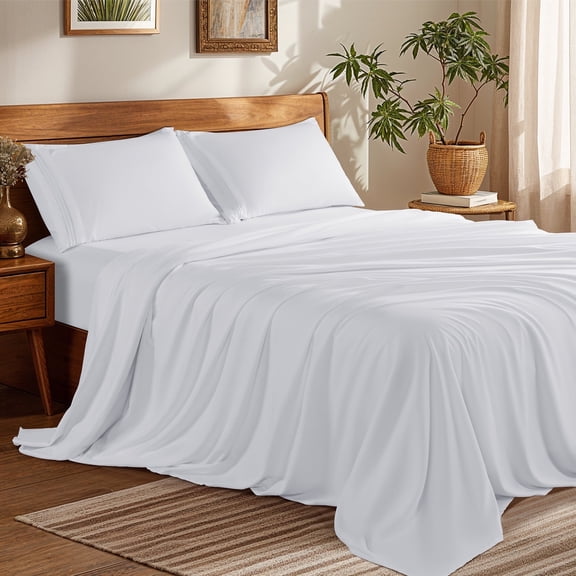
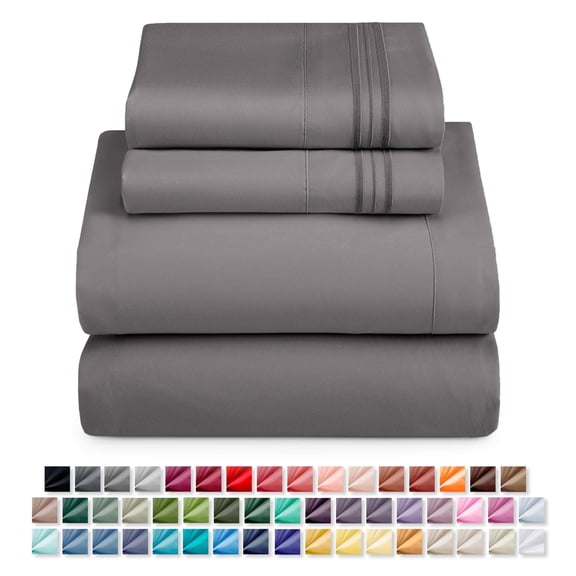
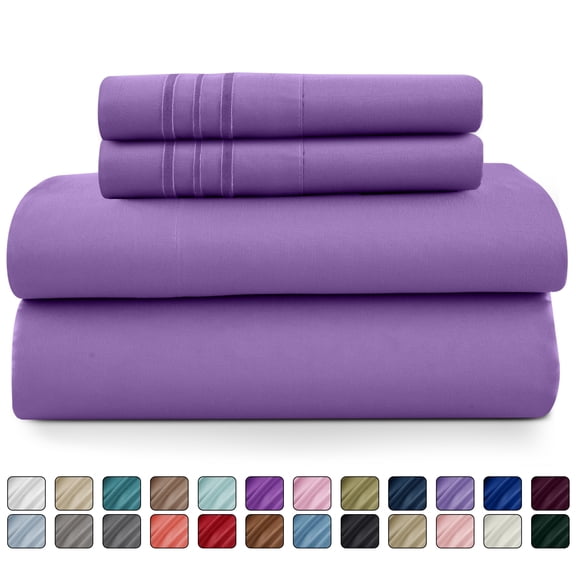
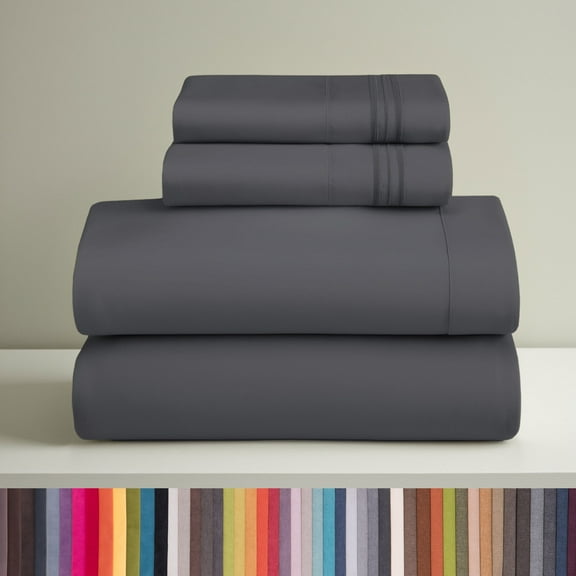
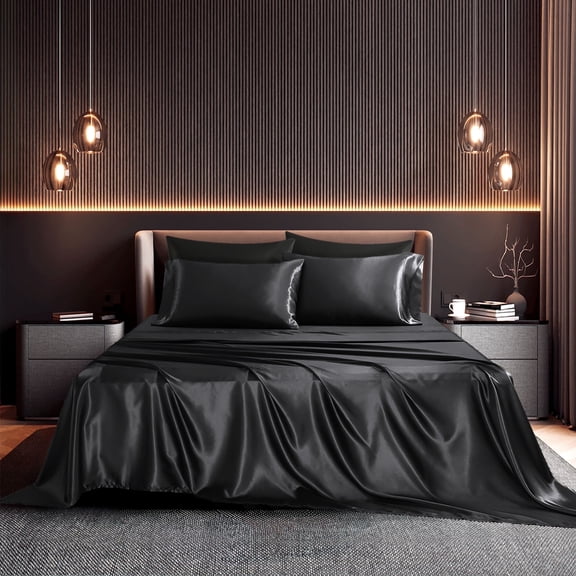
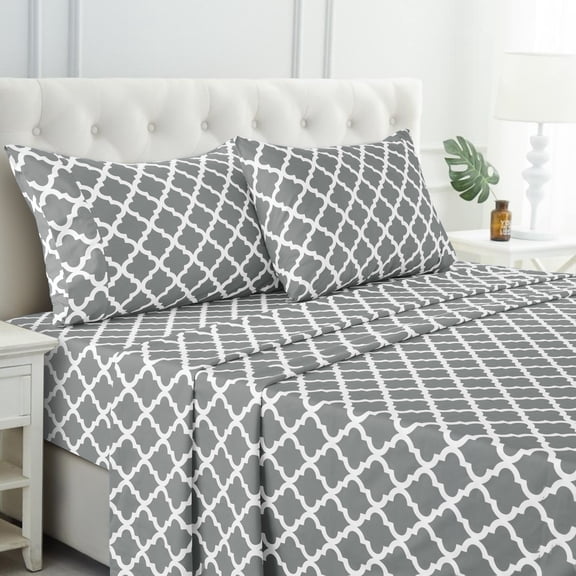
You’ll usually start with bedding sheets closest to your mattress, then add a middle layer and a finishing layer. You can place a blanket or quilt in the middle, then use a duvet for extra warmth and a fuller look.
When you compare bedding layering pieces, you should think about warmth, weight, and how much drape you want at the sides. You may prefer a coverlet for a cleaner profile, while your duvet creates a lofted finish.
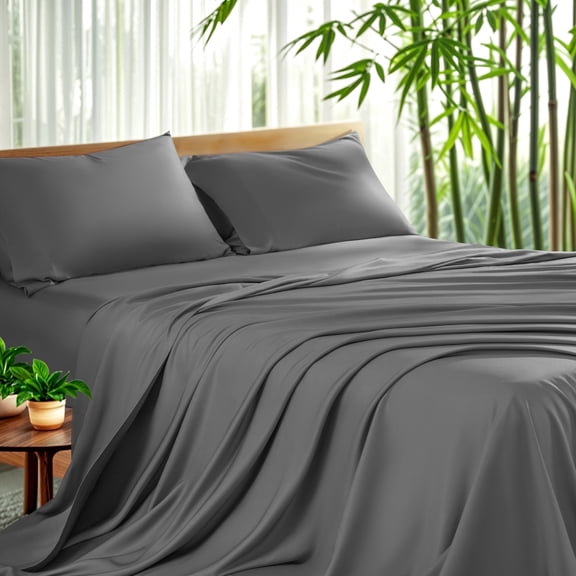
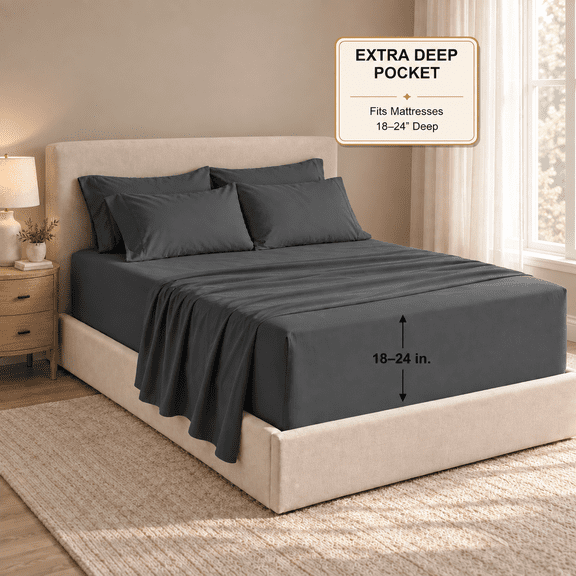
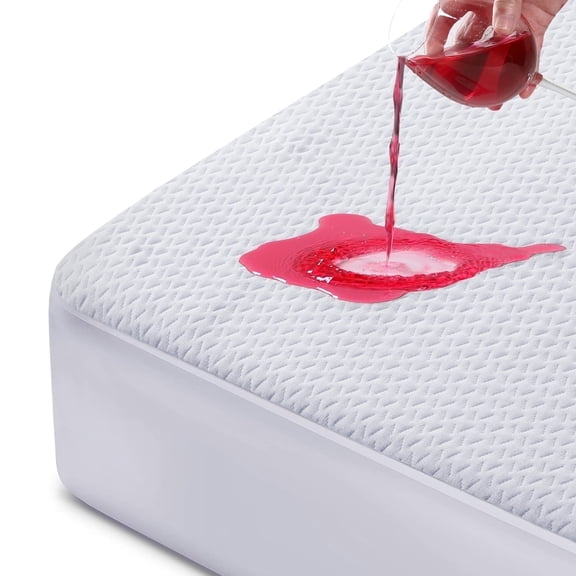
If you have a deep mattress, you should check dimensions and pocket depth before you choose fitted sheets. You’ll want enough width and length so your layers hang evenly without looking short.
Choosing the right bedding layering pieces
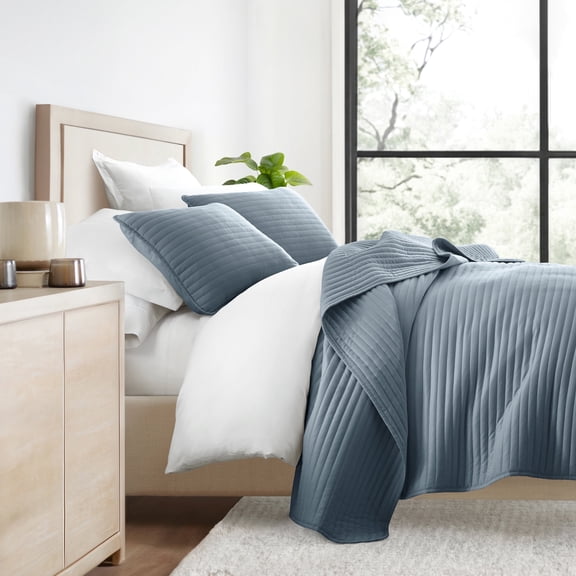
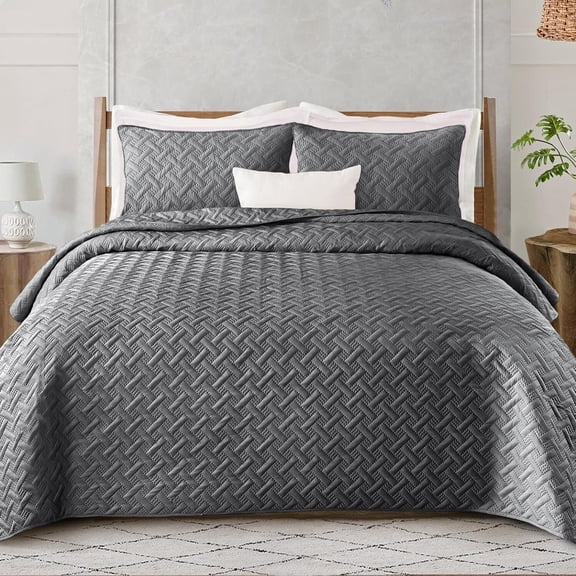
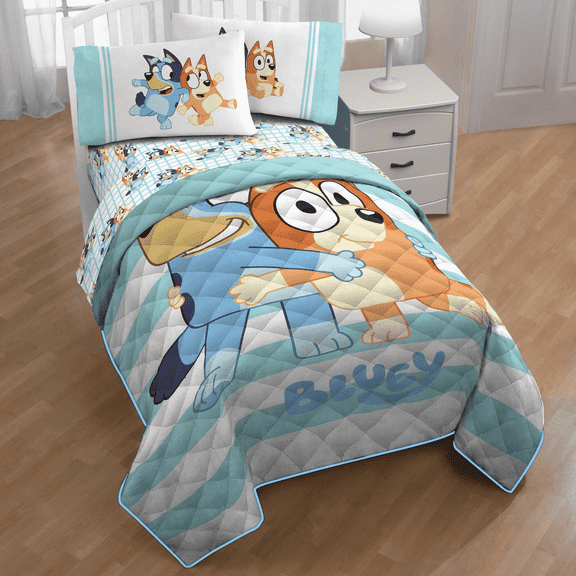
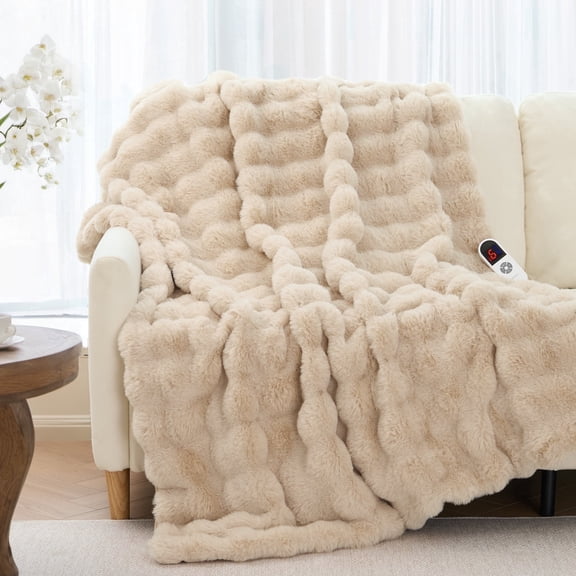
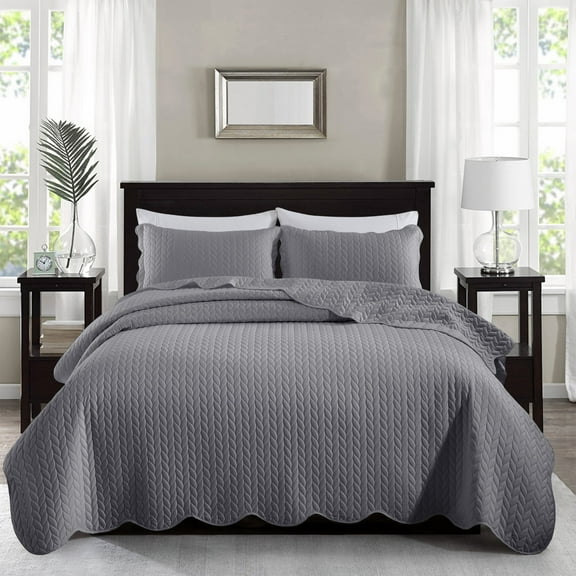
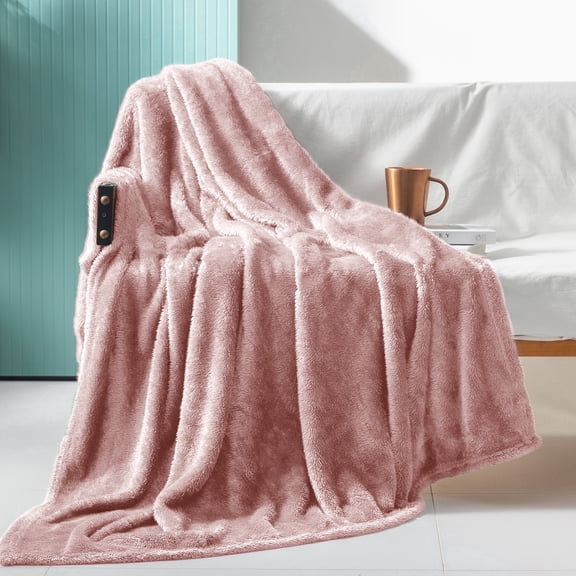
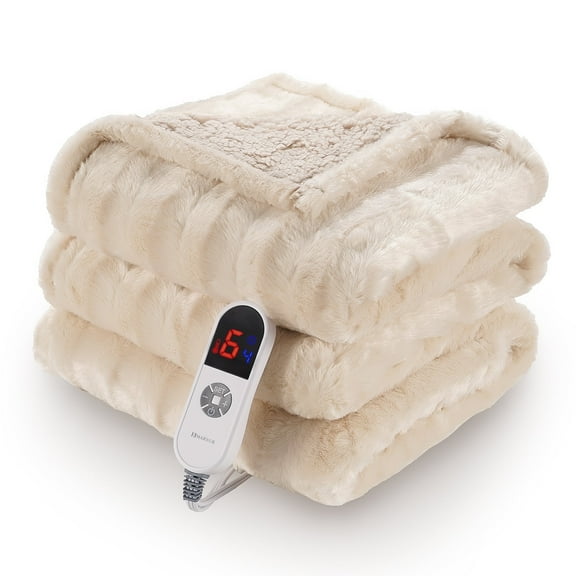
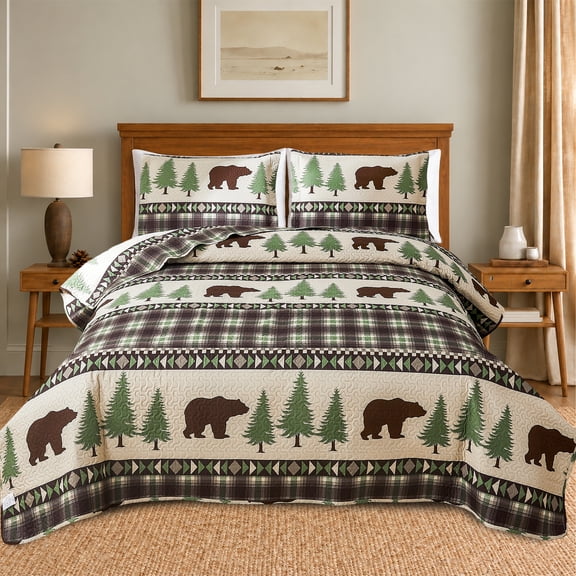
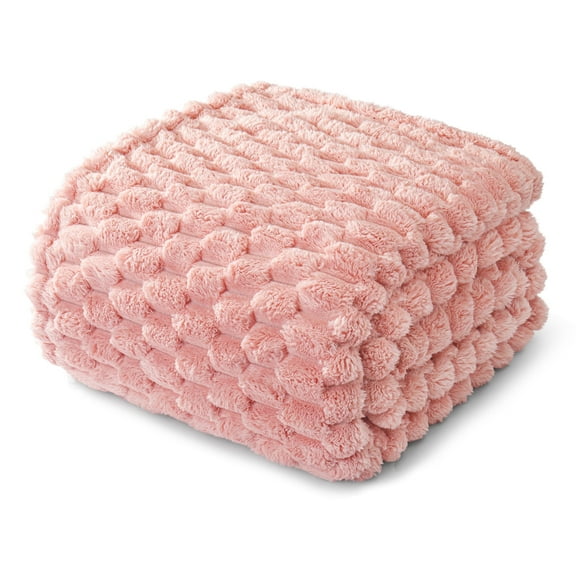
You can use a quilt when you want stitched texture and moderate warmth without too much bulk. You may choose a blanket when you want a simpler middle layer that folds easily and changes with the season.
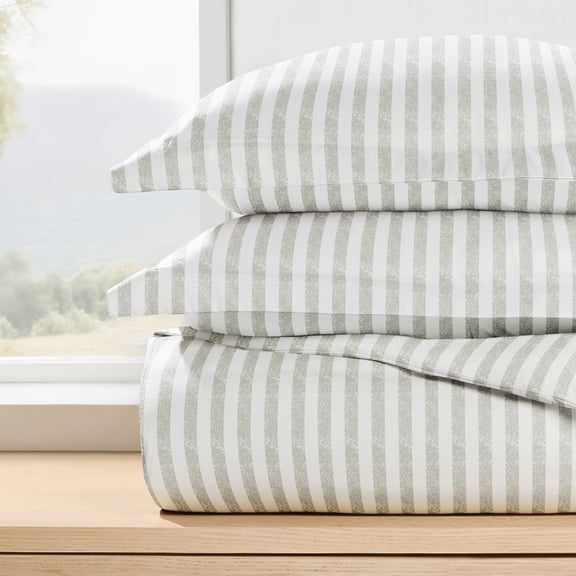
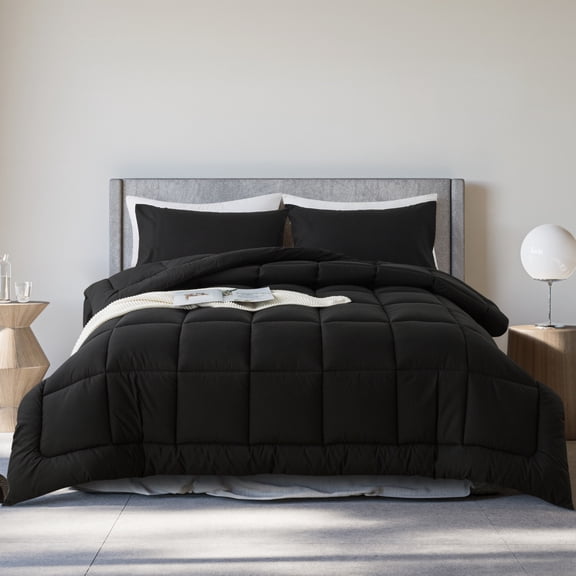
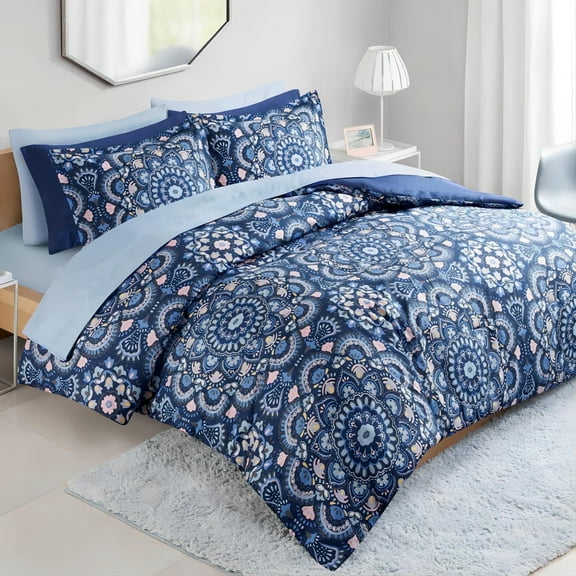
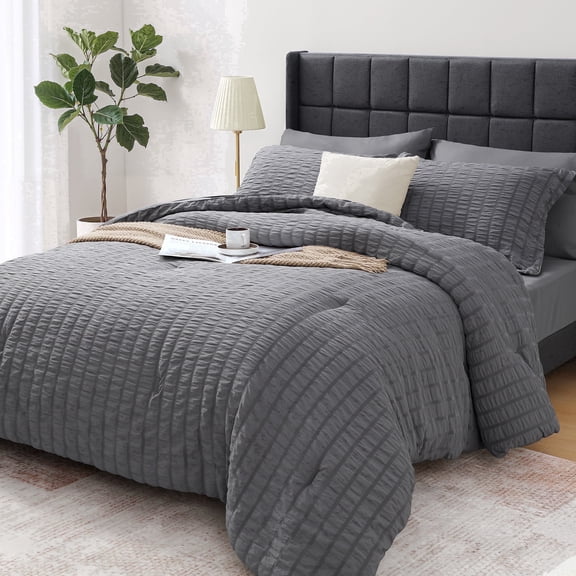
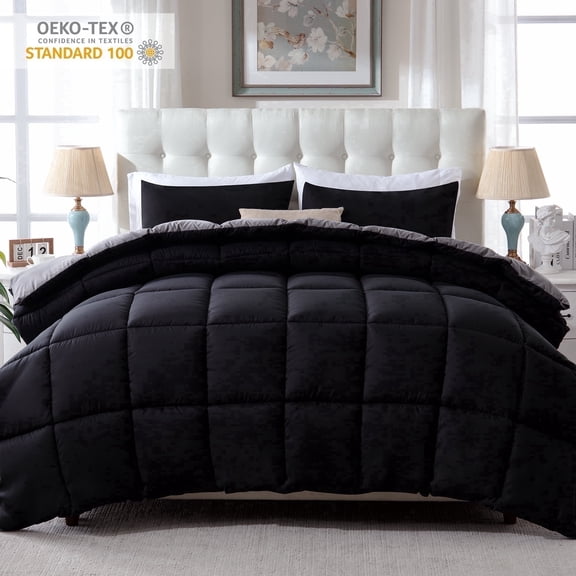
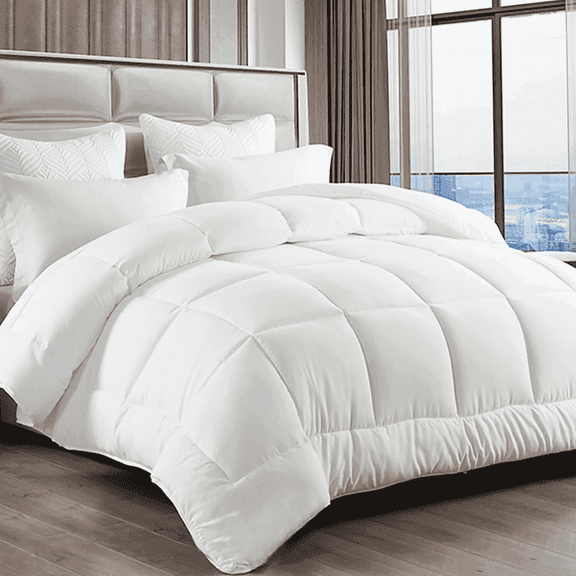
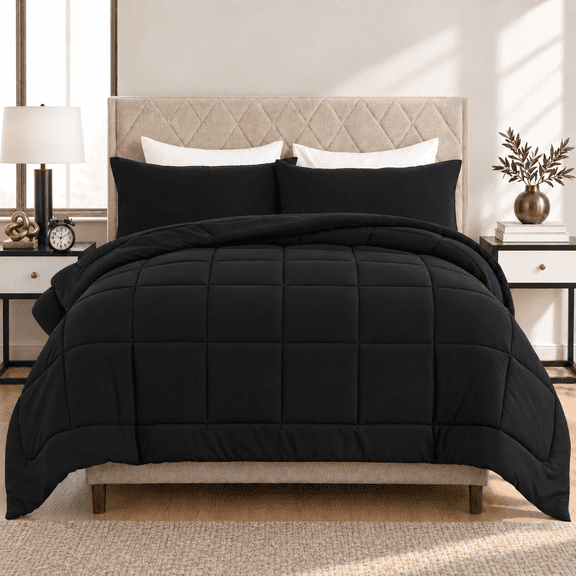
A coverlet gives your bed a flatter, tailored appearance that works well in guest rooms and everyday setups. A duvet lets you add volume and create a more wrapped, layered look for cooler nights.
- You can switch between lightweight and heavier layers as your room temperature changes.
- You can mix quilts, coverlets, and layering blankets to adjust texture without remaking your whole bed.
- You can create a neater drape by matching each layer’s dimensions to your mattress depth.
- You can coordinate color and weave details for a finished bed that looks intentional.
As you compare middle layers, you should also consider how each piece folds at the foot of the bed. You’ll often find quilts hold shape well, while blankets feel easier to stack or remove.
Comparing weight, warmth, and material
You should choose lightweight bedding layers when you want easier temperature control and a less bulky feel. You may prefer all-season options when you want one setup to work across warmer and cooler months.
For material, you can look to cotton when you want a breathable feel and a familiar finish. You may choose linen when you want airy texture, while microfiber can feel smoother and easier to maintain.
If you tend to sleep warm, you should compare thread count and weave type together instead of judging fabric by one number. You’ll often notice that breathable weaves feel lighter, even when thread count looks similar.
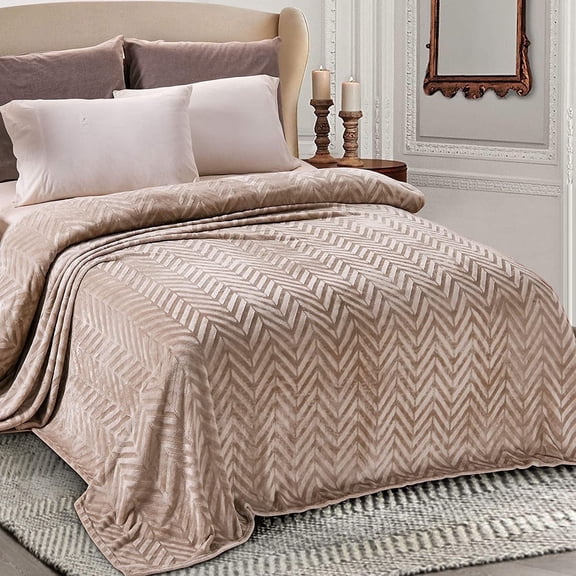
You can also use weave details to guide your choice of layering blankets and bedding quilts. You may like waffle weave for texture, quilted patterns for structure, herringbone for visual detail, or knit finishes for softness.
How to layer your bed for different seasons
You can keep fall bedding layers simple by starting with sheets, then adding a quilt or blanket for moderate warmth. You may fold a duvet at the foot of the bed so you can pull it up when nights feel cooler.
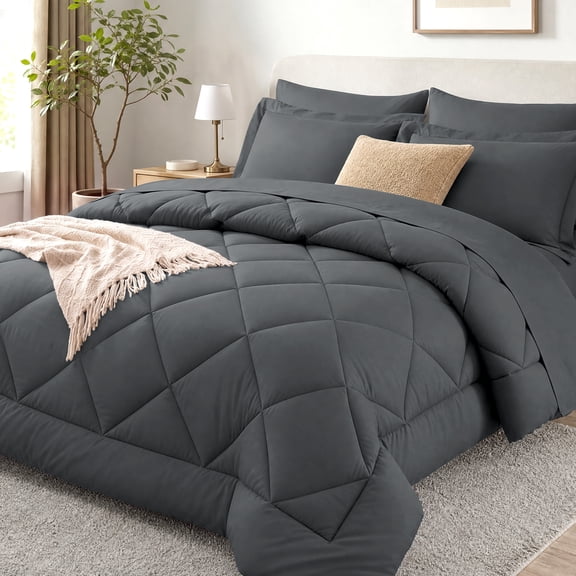
For winter bedding layers, you can combine sheets, a middle quilt, and a duvet for a fuller setup. You’ll get more flexibility when each layer works on its own and also stacks comfortably together.
During warmer months, you should focus on lightweight bedding layers in cotton or linen with breathable weave patterns. You can keep your bed looking finished without adding too much loft or heat.
If you’re setting up a guest bed, you can use layers that feel easy to understand at a glance. You may place a folded blanket within reach so guests can adjust warmth without changing the whole bed.
What to look for before you choose bedding layers
You should measure your mattress height before choosing fitted sheets, quilts, or coverlets for a deep bed. You’ll want to check pocket depth for sheets and overall dimensions for top layers that need proper drape.
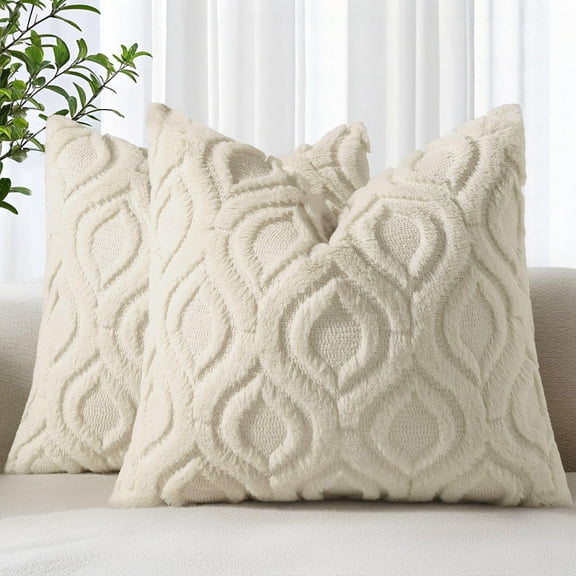
When you compare finishes, you should think about how each fabric feels against your sheets and how it looks folded back. You can create a cleaner bed with matching textures or add contrast with quilted and knit layers.
You should also consider how often you plan to swap layers during the week or across seasons. You’ll appreciate pieces that fold neatly, store easily, and work with the rest of your bedding setup.
With bedding layers, you can fine-tune warmth, texture, and fit instead of relying on one bulky top layer. You’ll end up with a bed that feels easier to adjust and looks more polished every night.