





Sonos

















About
Sonos speakers help you build a flexible home audio setup with wireless control, room-to-room syncing, and speaker types that match how you listen. You can compare soundbars, portable models, bookshelf speakers, and subwoofers in one place, so your setup feels connected from the start.
How to choose Sonos speakers for your space
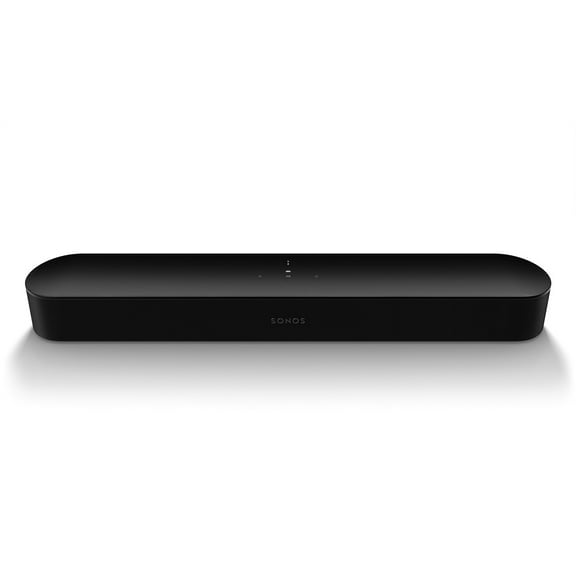
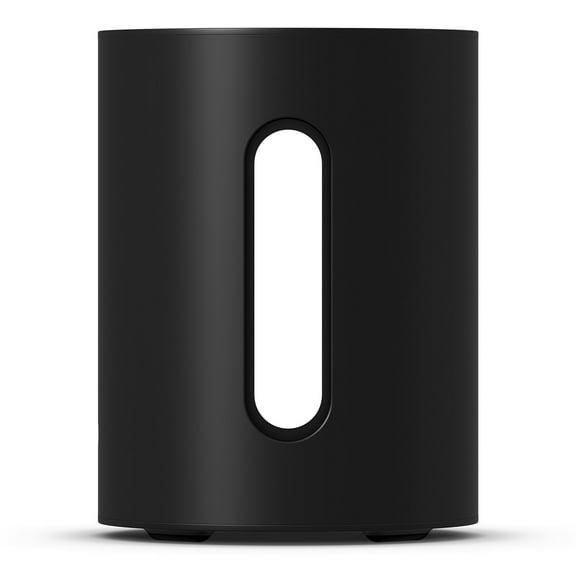
You should start with speaker type, because each format fits a different room and listening goal. You may want a soundbar for TV audio, a bookshelf speaker for music, or a subwoofer for deeper bass.
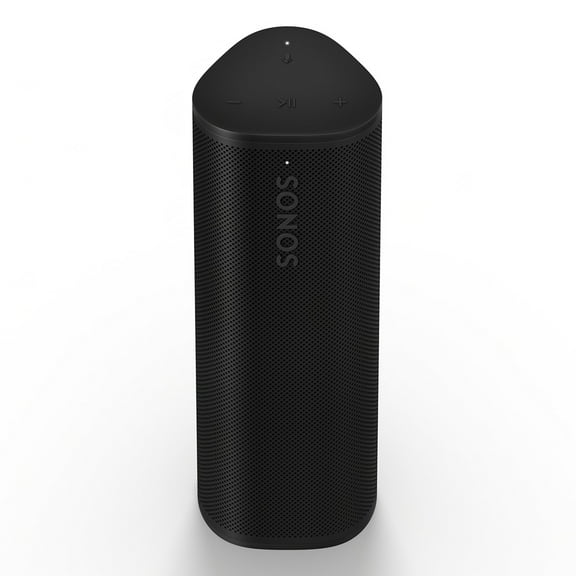
If you want sound that moves with you, you can compare a portable speaker with a plug-in model. You’ll notice battery-powered options fit patios, kitchens, and travel, while AC-powered speakers suit steady daily use.
You can also think about system configuration before you choose your first piece. You may begin with a single speaker, build a stereo pair, or create a surround sound system over time.
What you gain from a Sonos sound system
You get simple multi-room listening when your speakers sync over Wi-Fi across different spaces. You can start music in one room, then keep the same song moving through your kitchen, bedroom, and living room.
For TV watching, you can create a cleaner setup without stacking bulky audio gear around your screen. You’ll hear clearer dialogue, fuller effects, and room-filling sound that suits movies, sports, and gaming nights.
Portable options give you more listening flexibility without tying your sound to one outlet. You can carry your speaker outside, move it between rooms, or keep music close during gatherings.
- You can expand your setup one piece at a time.
- You can sync rooms for music, podcasts, or party playlists.
- You can choose voice controls for hands-free commands.
- You can mix TV audio and music listening around your home.
You may also care about how much is Sonos before you choose a setup path. You can compare sonos prices by format, because a single speaker, soundbar, or surround bundle fits different listening plans.
Comparing speaker type and connectivity options
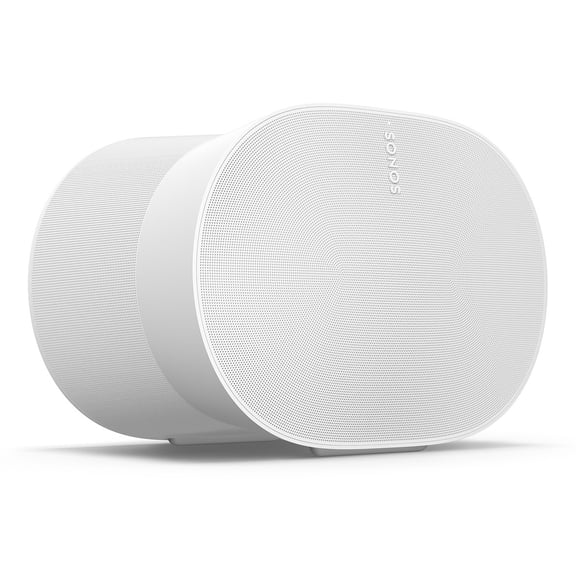
When you compare a soundbar with a bookshelf speaker, you should match the speaker to your main use. You’ll usually want a soundbar for your TV, while you may prefer bookshelf models for focused music listening.
If you’re building a living room setup, you should check for HDMI eARC on your TV. You’ll need that connection for Dolby Atmos passthrough on compatible soundbars, which helps you get more dimensional movie sound.
For portable listening, you can look at Wi-Fi, Bluetooth, and Apple AirPlay 2 support. You’ll get easy streaming at home over Wi-Fi, quick device pairing over Bluetooth, and smooth playback from Apple devices with AirPlay 2.
You should also compare power source and charging habits before you choose a sonos portable bluetooth speaker. You may want battery-powered listening for mobility, or plug-in AC power for a permanent room setup.
Weather-friendly portable use can matter if you plan to listen outside. You should check IP ratings, because those numbers tell you how well a speaker handles splashes or dusty spaces.
Voice assistant options can also shape your daily routine. You may want built-in voice control for timers, volume changes, or music requests when your hands are busy.
Matching your setup to real listening scenarios
If you mostly stream playlists in one room, you may prefer a single speaker with Wi-Fi and voice control. You’ll get simple everyday audio without planning a full surround layout.
For balanced stereo music, you can compare two matching speakers as a stereo pair. You’ll hear left and right channel separation that suits desks, bedrooms, and small living rooms.
If your focus is movie night, you should build around a soundbar first. You can add a subwoofer for stronger low-end impact and rear speakers for a fuller surround sound system.
When you want audio indoors and outside, you may prefer a portable speaker with Bluetooth and battery power. You can move it from the bedroom to the patio without reworking your whole setup.
You should also think about future expansion if you expect your system to grow. You can start small, then add speakers in new rooms as your listening habits change.
If you’re comparing sonos speakers with broad home audio options, you may care about ecosystem simplicity. You’ll appreciate how app-based control, wireless grouping, and shared sound profiles keep your setup easier to manage.
What to look for before you choose
You should measure your room, confirm your TV connections, and decide where portability matters most. You can narrow your options faster when you know whether music, movies, or multi-room listening comes first.
As you compare sonos speakers, you’ll have a clearer path when you match speaker type, connectivity, and system size to your space. You can build a setup that feels cohesive, easy to use, and ready for everyday listening.