


Pantry Essentials


















About
Pantry essentials help you keep everyday meals on track with shelf-stable basics, versatile ingredients, and easy-to-store options for cooking, baking, and snacking. You can stock your kitchen with canned goods, dry goods, spices and seasonings, and baking ingredients that fit quick meal prep and repeat recipes.
If you're building a reliable kitchen setup, you can use this page as a guide to common pantry staples and practical buying choices. You can compare food type, shelf life, package size, dietary profile, and primary use before you pick items that match your routine.
How to choose pantry essentials by food type
When you compare food types, you can start with the role each item plays in your kitchen. You may reach for canned goods when you want ready-to-use ingredients, while dry goods often support longer planning and batch cooking.
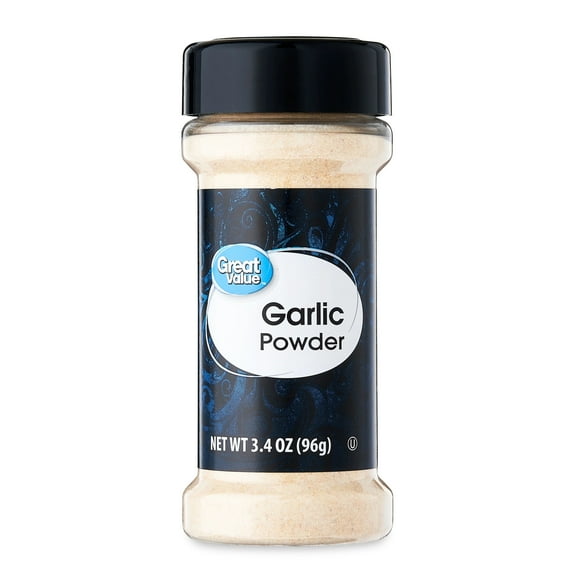
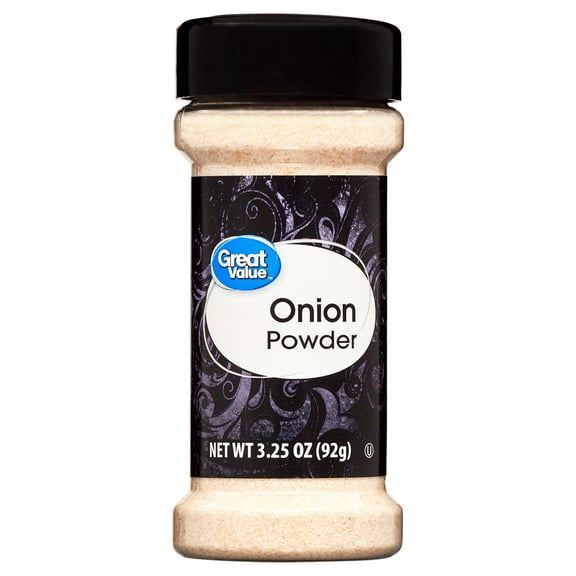
For everyday variety, you can keep spices and seasonings nearby for quick flavor changes across simple meals. You can also keep baking ingredients on hand when your recipes call for flour, sugar, mixes, or pantry-ready add-ins.
To build a balanced pantry, you can mix several food types so your ingredients work across breakfast, lunch, dinner, and snacks. You’ll notice that pantry staples feel more useful when you can combine them in several ways.
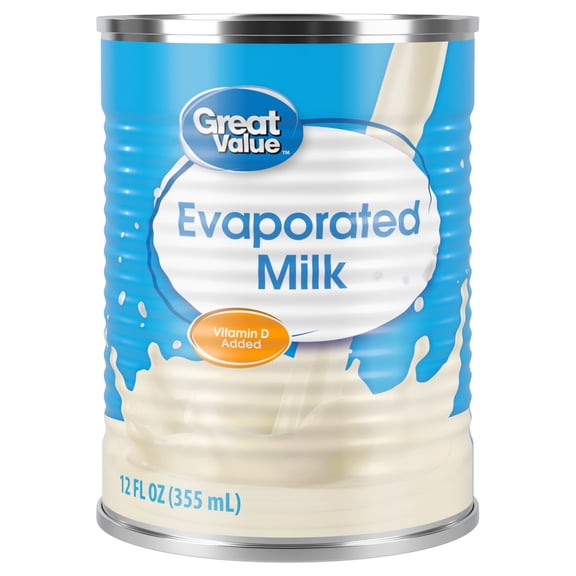
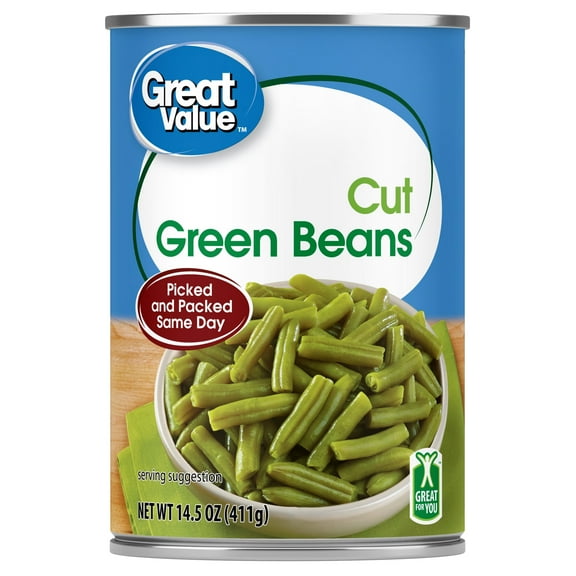
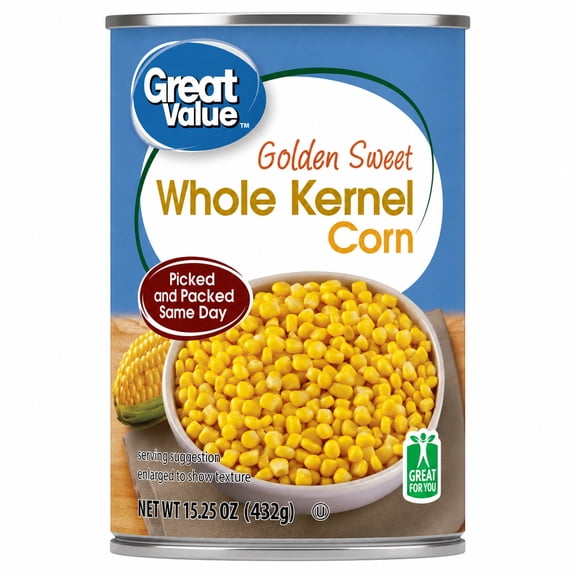
- You can use canned goods for soups, pasta sauces, beans, vegetables, and fast side dishes.
- You can use dry goods like rice, pasta, oats, and beans for flexible meal planning.
- You can use spices and seasonings to change flavor without changing your core ingredients.
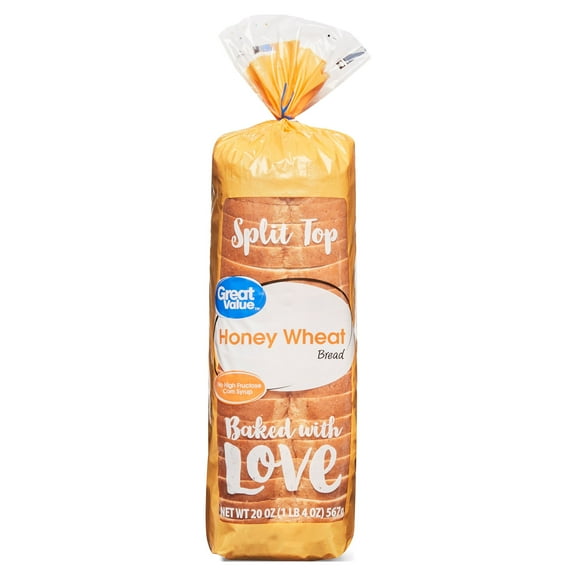
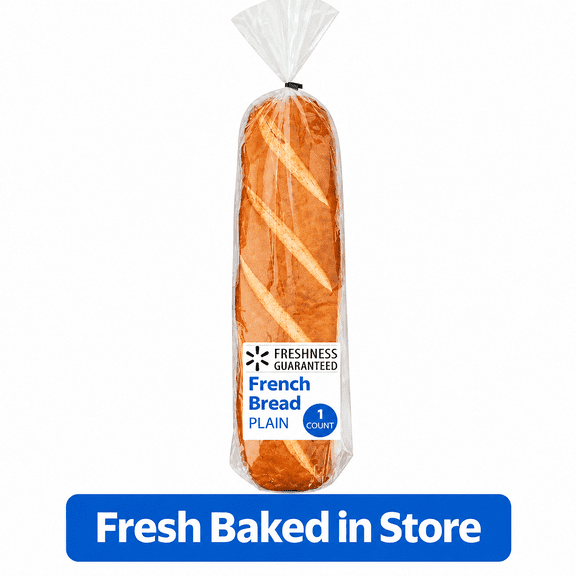
- You can use baking ingredients for desserts, breads, pancakes, and everyday cooking projects.
Choosing pantry staples by shelf life and storage
When you compare shelf life, you should look at whether an item is canned, shelf-stable, or long-lasting in a dry package. You can usually store canned goods for extended pantry use, while dry goods often stay ready when you keep them sealed and dry.
If you want fewer grocery trips, you may prefer shelf-stable options that stay organized in cabinets or pantry bins. You can group items by meal type, recipe use, or expiration date to keep your kitchen easier to manage.
For planning ahead, you can keep canned tomatoes, beans, broth, pasta, rice, flour, and seasoning blends within easy reach. You’ll appreciate how these pantry essentials support weeknight cooking without extra prep steps.
Checking package size for your household
Package size matters when you want your pantry to fit your household and storage space. You can choose a single pack for small kitchens, or you can compare bulk and value size options for repeat use.
If you cook for one or two people, you may want smaller quantities that rotate quickly through your pantry. If you prep several meals each week, you may prefer larger packs of dry goods or baking ingredients.
You should also measure shelf depth, container height, and how often you use each item before choosing larger packages. You can avoid clutter when your pantry staples match your cabinet space and cooking habits.
What to look for in dietary profiles
Dietary details can shape your pantry choices, especially when you need specific ingredient standards at home. You can check labels for gluten-free certification, kosher markings, organic claims, or low-sodium options before you decide.
If you’re comparing sodium content, you can review the nutrition panel and ingredient list side by side. You can use that step to narrow canned goods, broths, beans, and sauces that align with your meal planning preferences.
For baking ingredients and dry goods, you may also compare allergen statements and packaging notes before restocking your shelf. You’ll feel more prepared when your pantry essentials clearly match your household’s dietary needs.
Matching pantry essentials to baking, cooking, snacking, and meal prep
Primary use helps you decide which items will earn regular space in your kitchen. You can focus on baking ingredients for weekend projects, or you can prioritize canned goods and dry goods for daily cooking.
If your routine centers on meal prep, you can choose versatile basics that work across several dishes. You may use pasta, rice, beans, canned vegetables, and spices and seasonings in bowls, casseroles, soups, and skillet meals.
For snacking, you can keep simple pantry staples that support quick mixes, toppings, or grab-and-go portions. You can also choose ingredients that move easily from snack use to baking or cooking, which keeps your pantry more efficient.
Canned goods, baking ingredients, and dry goods for versatile recipes
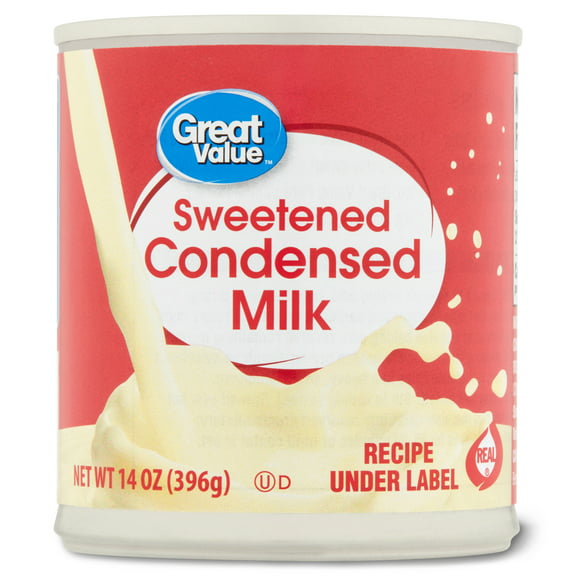
Versatility matters when you want each item to stretch across multiple recipes in the same week. You can use canned goods in chili, tacos, pasta bakes, and soups, while dry goods often anchor sides, bowls, and make-ahead meals.
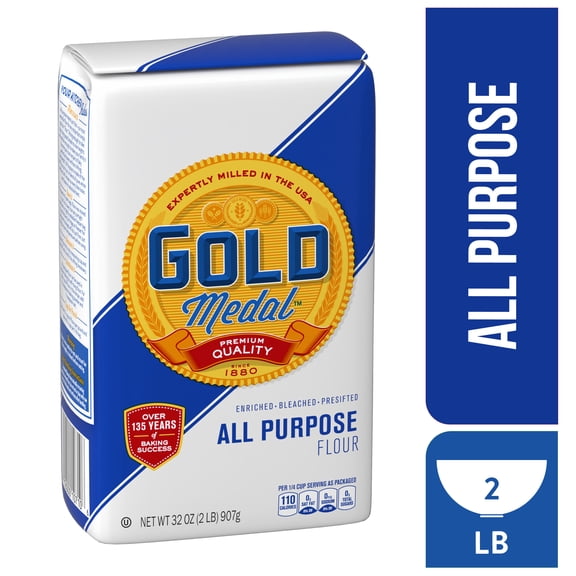
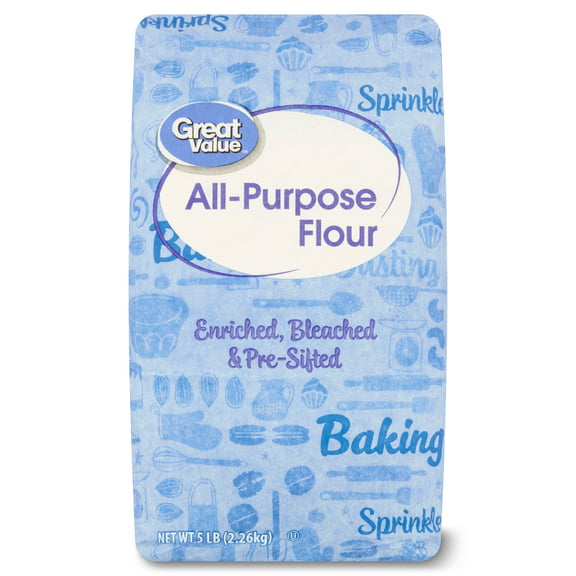
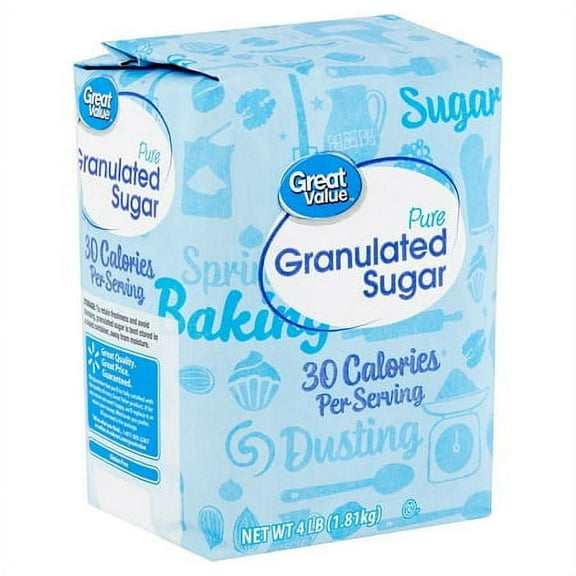
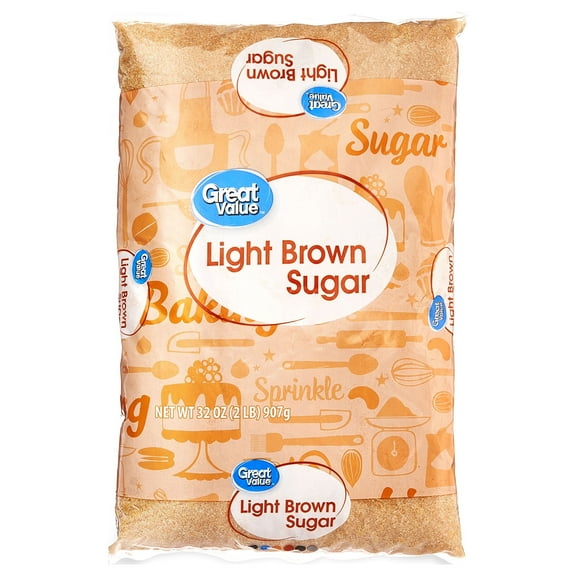
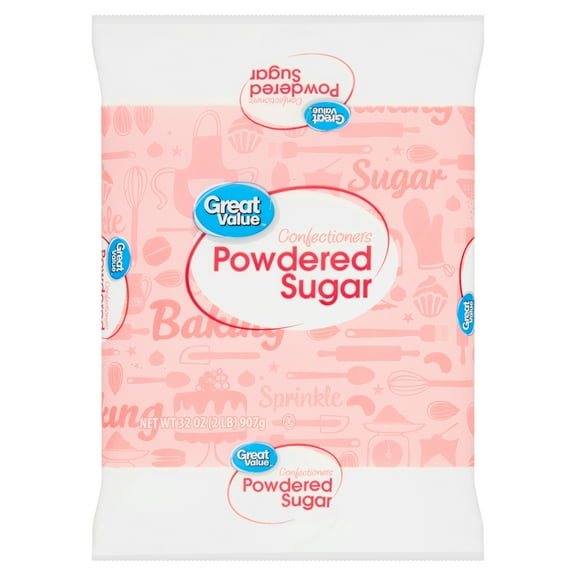
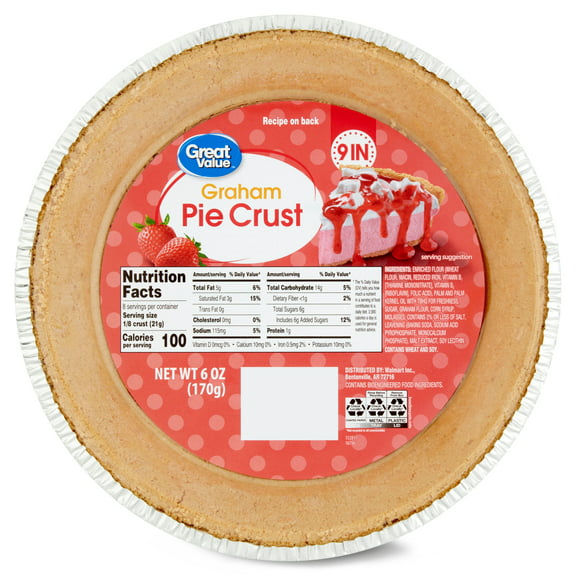
Baking ingredients can do more than support desserts when you stock your pantry with practical basics. You can use flour, sugar, cocoa, oats, and mixes for muffins, pancakes, coatings, batters, and homemade snacks.
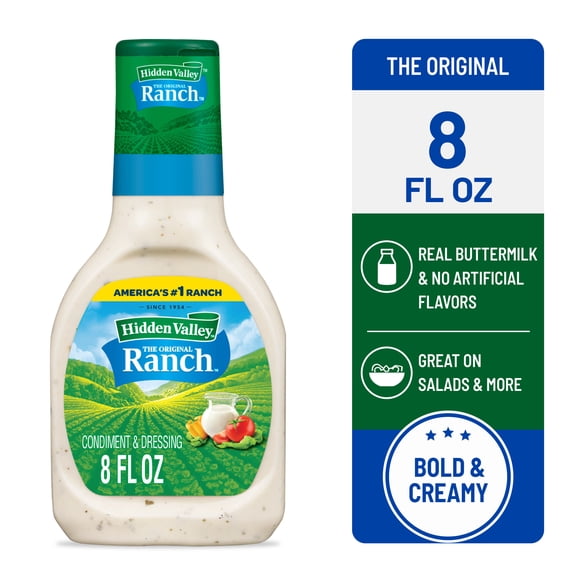
Spices and seasonings also help you change the direction of a meal without replacing your core ingredients. You can turn the same beans, rice, or pasta into different flavor profiles with a few pantry updates.
Common pantry questions to guide your choices
If you’re wondering how canned and dry goods differ, you can think of canned items as ready-to-use and dry goods as prep-friendly basics. You can often open canned ingredients quickly, while dry options usually give you more control over portions.
When you’re deciding between single pack and larger sizes, you should compare storage space, meal frequency, and recipe repetition. You can choose larger quantities when you use an item often and have room to keep it organized.
If you need easier pantry organization, you can group baking ingredients together and keep spices and seasonings near your prep area. You’ll cook faster when your pantry essentials are sorted by how you actually use them.
With the right pantry essentials, you can build a kitchen setup that supports quick meals, flexible recipes, and dependable storage. You’ll get more out of every ingredient when your pantry staples match your space, dietary preferences, and everyday cooking plans.