

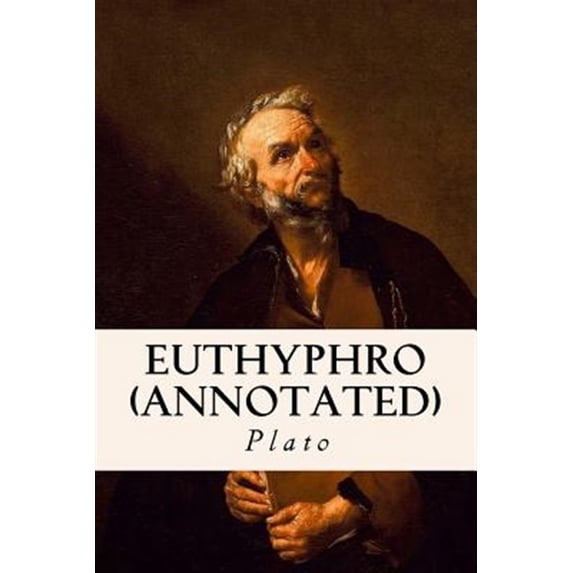
Euthyphro (annotated) (Paperback)
(No ratings yet)
Key item features
Euthyphro (annotated) (Paperback)
Specs
Publication date, November, 2015
Author, Prof Benjamin Jowett; Plato
Book format, Paperback
Genre, Philosophy/History & Surveys - Ancient & Classical, Philosophy/Logic
Pages, 64
Age group, Adult, Teen
Publication date
November, 2015
Author, Prof Benjamin Jowett; Plato
Author
Prof Benjamin Jowett; Plato
Book format, Paperback
Book format
Paperback
Genre, Philosophy/History & Surveys - Ancient & Classical, Philosophy/Logic
Genre
Philosophy/History & Surveys - Ancient & Classical, Philosophy/Logic
Pages, 64
Pages
64
Age group, Adult, Teen
Age group
Adult, Teen
About this item
Product details
In the Euthyphro, Socrates is awaiting his trial for impiety. But before the trial begins, Plato would like to put the world on their trial, and convince them of ignorance in that very matter touching which Socrates is accused. An incident which may perhaps really have occurred in the family of Euthyphro, a learned Athenian diviner and soothsayer, furnishes the occasion of the discussion. Translated by B. Jowett. The Euthyphro dialogue occurs near the court of the Archon basileus (Magistrate-king), where Socrates and Euthyphro encounter each other; each man is present at the court for the preliminary hearings to possible trials (2a). Euthyphro has come to present charges of murder against his father, who had allowed one of his workers to die of exposure to the elements without proper care and attention. (3e-4d) The dead worker, earlier had killed a slave from the family estate on Naxos Island. As Euthyphro's father awaited to hear from the exegetes (cf. Laws 759d) about how to proceed, the bound-and-gagged worker died in a ditch. Socrates is astonished by Euthyphro's confidence in being able to prosecute his own father for the serious charge of manslaughter, despite the fact that Athenian Law allows only relatives of the dead man to file suit for murder. Euthyphro dismisses the astonishment of Socrates, which confirms his overconfidence in his own critical judgement of matters religious and ethical. In an example of Socratic irony, Socrates says that Euthyphro obviously has a clear understanding of what is pious and impious Because he is facing a formal charge of impiety, Socrates expresses the hope to learn from Euthyphro, all the better to defend himself in the trial. Euthyphro says that what lies behind the charge of impiety presented against Socrates, by Meletus and the others, is Socrates' claim that he is subjected to a daimon, (divine sign) which warns him of various courses of action. (3b) From the perspective of some Athenians, Socrates expressed scepticism of the accounts about the Greek gods, which he and Euthyphro briefly discuss, before proceeding to the main argument of their dialogue: the definition of "piety". Moreover, Socrates further expresses critical reservations about such divine accounts that emphasise the cruelty and inconsistent behaviour of the Greek gods, such as the castration of the early sky-god Uranus, by his son Cronus; a story Socrates said is difficult to accept. (6a-6c) After claiming to know and be able to tell more astonishing divine stories, Euthyphro spends little time and effort defending the conventional, Greek view of the gods. Instead, he is led to the true task at hand, as Socrates forces him to confront his ignorance, by pressing Euthyphro for a definition of "piety"; yet, Socrates finds flaw with each definition of "piety" proposed by Euthyphro.(6d ff.) At the dialogue's conclusion, Euthyphro is compelled to admit that each of his definitions of "piety" has failed, but, rather than correct his faulty logic, he says that it is time for him to leave, and excuses himself from their dialogue. To that end, Socrates concludes the dialogue with Socratic irony: Since Euthyphro was unable to define "piety", Euthyphro has failed to teach Socrates about piety. Therefore, from his dialogue with Euthyphro, Socrates received nothing helpful to his defense against a formal charge of impiety
Euthyphro (annotated) (Paperback)
info:
We aim to show you accurate product information. Manufacturers, suppliers and others provide what you see here, and we have not verified it.
Specifications
Publication date
November, 2015
Author
Prof Benjamin Jowett; Plato
Book format
Paperback
Genre
Philosophy/History & Surveys - Ancient & Classical, Philosophy/Logic
Warranty
Warranty information
Please be aware that the warranty terms on items offered for sale by third party Marketplace sellers may differ from those displayed in this section (if any). To confirm warranty terms on an item offered for sale by a third party Marketplace seller, please use the 'Contact seller' feature on the third party Marketplace seller's information page and request the item's warranty terms prior to purchase.
Similar items you might like
Based on what customers bought
ALCIBIADES I/ ALCIBIADES II (annotated) (Paperback) $6.49
 $649current price $6.49
ALCIBIADES I/ ALCIBIADES II (annotated) (Paperback)
Cratylus (Annotated) $8.65
 $865current price $8.65
Cratylus (Annotated)
Apology (annotated) (Paperback) $6.85
 $685current price $6.85
Apology (annotated) (Paperback)
Symposium (Paperback) $7.99
 $799current price $7.99
Symposium (Paperback)
Plato: Apology (Paperback) $7.95
 $795current price $7.95
Plato: Apology (Paperback)
Signet Classics The Philosophy of Aristotle, (Paperback) $6.70
 $670current price $6.70
Signet Classics The Philosophy of Aristotle, (Paperback)
35 out of 5 Stars. 3 reviews5 out of 5 starsThe Allegory of the Cave (Paperback) $6.99
 $699current price $6.99
The Allegory of the Cave (Paperback)
25 out of 5 Stars. 2 reviews5 out of 5 starsCriton (Paperback) $7.75
 $775current price $7.75
Criton (Paperback)
Plato's Protagoras, (Paperback) $9.99
 $999current price $9.99
Plato's Protagoras, (Paperback)
Plato - Statesman: "Man - a being in search of meaning" $10.24
 $1024current price $10.24
Plato - Statesman: "Man - a being in search of meaning"
Timaeus (annotated) (Paperback) $10.81
 $1081current price $10.81
Timaeus (annotated) (Paperback)
Symposium $5.99
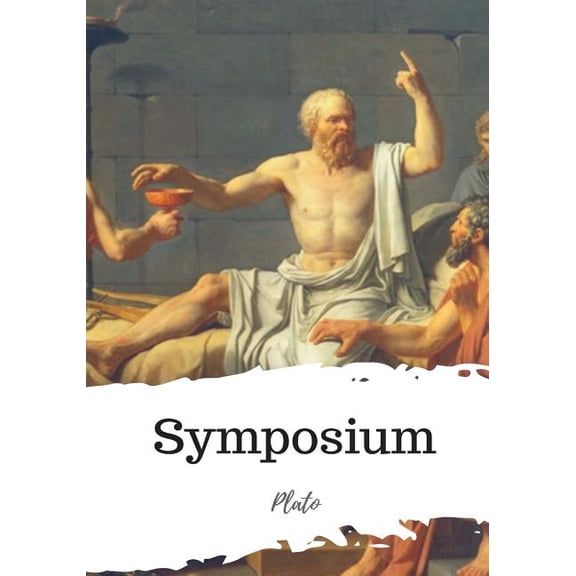 $599current price $5.99
Symposium
In 25+ people's carts, The Silent Patient (Paperback) $9.92
In 25+ people's carts $992current price $9.92
The Silent Patient (Paperback)
2924.6 out of 5 Stars. 292 reviews4.6 out of 5 starsMeno (Paperback) $6.87
 $687current price $6.87
Meno (Paperback)
Plato: Meno (Paperback) $7.95
 $795current price $7.95
Plato: Meno (Paperback)
Meno $7.99
 $799current price $7.99
Meno
Euthydemus, (Paperback) $6.96
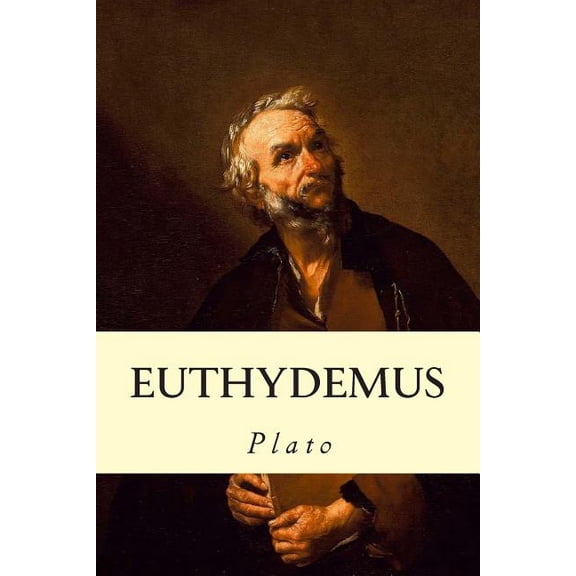 $696current price $6.96
Euthydemus, (Paperback)
Plato: Laws (Paperback) $11.95
 $1195current price $11.95
Plato: Laws (Paperback)
Apology (Paperback) $7.09
 $709current price $7.09
Apology (Paperback)
Critias (Annotated) $5.99
 $599current price $5.99
Critias (Annotated)
Customer ratings & reviews
0 out of 5 stars
This item does not have any reviews yet

Price when purchased online
More seller options (1)
Starting from $6.96