

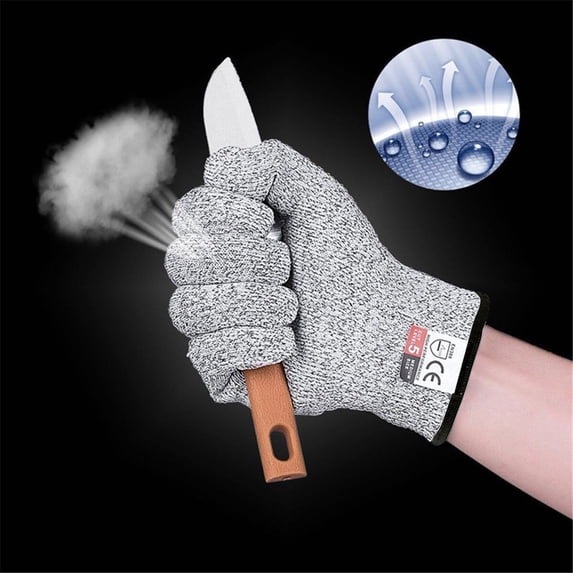
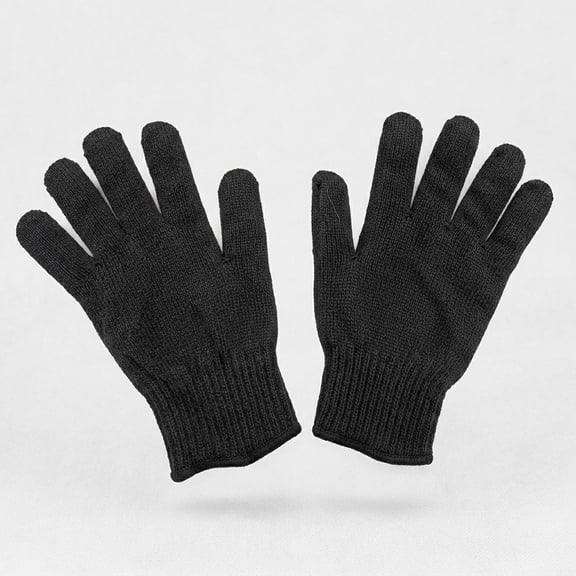
Hero image 0 of Xxs Hppe Level 5 Cut Resistant Gloves, Food Grade Anti-Cut Safety Glove for Petite Hands, Kids Cooking and Oyster Shucking, 0 of 4
Xxs Hppe Level 5 Cut Resistant Gloves, Food Grade Anti-Cut Safety Glove for Petite Hands, Kids Cooking and Oyster Shucking
(No ratings yet)
Xxs Hppe Level 5 Cut Resistant Gloves, Food Grade Anti-Cut Safety Glove for Petite Hands, Kids Cooking and Oyster ShuckingXxs Hppe Level 5 Cut Resistant Gloves Food Grade Anti Cut Safety Glove for Petite Hands Kids Cooking and Oyster ShuckingXl Hppe Level 5 Cut Resistant Gloves Food Grade Anti Cut Glove for Large Hands Fishing Meat Cutting and Yard WorkXs Hppe Level 5 Cut Resistant Gloves Food Grade Anti Cut Glove for Small Hands Mandoline Slicing and FishingSmall Hppe Level 5 Cut Resistant Gloves Food Grade Anti Cut Safety Glove for Kitchen Prep Gardening and Oyster Shucking
Color:A
A, $1.45
$1.45
B, $1.50
$1.50
C, $1.07, was $1.19
$1.07$1.19
F, $2.45
$2.45
Key item features
- XXS is the size most competitors do not carry, which is why kids and petite hands end up in loose adult gloves that bunch. A mandoline slicer is fast, it is consistent, and it will take a chunk out of a fingertip before you feel the blade touch skin. One trip to urgent care for stitches costs more than ten pairs of these gloves. The HPPE knit carries an EN 388 level 5 cut rating, which is the top of the household scale, so a slip on the mandoline, a cheese grater, or a boning knife usually ends with a scratched glove rather than a bandaged hand. The glove is not bulletproof, and a sharp blade pressed directly into the palm will still go through given enough force. What it does is stop the glancing cut, the slip on a wet potato, the moment you zone out while slicing a stack of carrots. That is the cut that sends most people to the ER. The knit is thin enough that you can still feel a shrimp, a grape, or a small screw, which is the difference between a glove you actually wear and one you leave on the counter. Food-contact rated, so it goes on right before prepping raw chicken, block cheese, or garden tomatoes. Rinse it under the tap after use and hang it by the cuff; do not put it in the dryer. Keep a spare in the drawer because gloves go missing in dishwater. The glove is not bulletproof, and a sharp blade pressed directly into the palm will still go through given enough force. What it does is stop the glancing cut, the slip on a wet potato, the moment you zone out while slicing a stack of carrots. That is the cut that sends most people to the ER. The knit is thin enough that you can still feel a shrimp, a grape, or a small screw, which is the difference between a glove you actually wear and one you leave on the counter. Food-contact rated, so it goes on right before prepping raw chicken, block cheese, or garden tomatoes. Rinse it under the tap after use and hang it by the cuff; do not put it in the dryer. If you are left-handed, the ambidextrous knit means you do not need a separate left-hand glove; either hand works. The knit is latex-free, so it works for hands that react to the rubber gloves used in food service. The knit has no seam across the palm, so there is no ridge to interfere with a knife grip. The knit breathes during long prep.
- Size is the part people get wrong. A glove that is too big bunches at the fingertips and you lose all dexterity; a glove that is too small splits the seam the first time you make a fist. The range runs XXS through XL so the same model fits a teenager doing summer prep, a petite adult, and a big-handed guy filleting fish on the dock. Measure around the palm if you are between sizes and go with the larger one. The XXS is the size most competitors do not carry, which is why kids and petite hands end up in loose adult gloves that bunch. The XS is for a teenager or a petite adult who finds small still loose across the knuckles. Small is the size most women's hands land on. Medium is the default for most adult men and larger women's hands. Large is for bigger adult hands, the ones that find medium tight across the palm. XL is the size big-handed cooks ask about in reviews. The knit stretches, but only so far. If your palm measures on the fence between two sizes, pick the larger one; a slightly loose glove is a nuisance, a too-tight glove splits at the thumb seam after a week. The elastic cuff stays up the wrist so the glove does not slide down when you reach into a deep bowl. The XXS is the size most competitors do not carry, which is why kids and petite hands end up in loose adult gloves that bunch. The XS is for a teenager or a petite adult who finds small still loose across the knuckles. Small is the size most women's hands land on. Medium is the default for most adult men and larger women's hands. Large is for bigger adult hands, the ones that find medium tight across the palm. XL is the size big-handed cooks ask about in reviews. The knit stretches, but only so far. If your palm measures on the fence between two sizes, pick the larger one; a slightly loose glove is a nuisance, a too-tight glove splits at the thumb seam after a week. The elastic cuff stays up the wrist. The knit does not stiffen when wet, so fishing gloves stay flexible after a dunk in the lake. For a child under ten, size XXS or XS is usually the right fit; measure the palm to confirm. The gloves are ambidextrous, so you do not waste a pair if one gets dirty. The cuff stays up the wrist.
- These are not just for the kitchen. The same glove that protects your hand on a mandoline works for shucking oysters, trimming artichokes, filleting fish on a camping trip, splitting kindling in the backyard, and pulling rose thorns out of a garden bed. The knit is thin enough that you can still feel a shrimp, a grape, or a small screw, which is the difference between a glove you actually wear and one you leave on the counter. It protects hands on a kite-fishing rig line, on a garden thorn, on a box cutter in the garage, on a bagel slicer on a camping trip. Fourth of July grill prep and summer oyster roasts are the seasons people remember they own them. Keep a pair clipped to the grill apron, a pair in the fishing tackle box, and a pair in the kitchen drawer. They are cheap enough to replace a pair every season, and thin enough that you forget they are on. The glove is ambidextrous, so you do not waste a pair if one gets dirty; rinse both and use whichever is dry. The palm is uncoated, which means it breathes during long prep sessions, but it also means it is not the glove you want for heavy-duty masonry. For the jobs where you need grip on wet metal, a nitrile-coated glove is a different product. This one is about feel and cut protection on sharp food and yard tools. It protects hands on a kite-fishing rig line, on a garden thorn, on a box cutter in the garage, on a bagel slicer on a camping trip. Fourth of July grill prep and summer oyster roasts are the seasons people remember they own them. Keep a pair clipped to the grill apron, a pair in the fishing tackle box, and a pair in the kitchen drawer. They are cheap enough to replace a pair every season, and thin enough that you forget they are on. The glove is ambidextrous, so you do not waste a pair if one gets dirty. The palm is uncoated, which means it breathes during long prep sessions, but it also means it is not the glove you want for heavy-duty masonry. For a winter kitchen, the knit holds a little warmth without being bulky, which matters when you prep cold food on a cold counter. The gloves are machine washable on cold, but air dry; the dryer degrades the HPPE over time. They are food-contact rated, safe for raw meat and block cheese. It works on oysters and artichokes.
- Food grade is not a throwaway word here. The HPPE yarn is rated for direct contact with food, so you can prep raw meat, slice cheese, and handle produce without worrying about what the glove is leaching into dinner. Rinse them under the tap after use, air them over a drawer handle, and they hold their shape for months. They are not bulletproof, treat a sharp knife with respect even while wearing them. The HPPE yarn is ten times stronger than leather by weight, which is how a glove that feels like a dress sock stops a blade that would otherwise go through skin. The 13-needle knit has no seam across the palm, so there is no bulky ridge to interfere with a knife grip. After a prep session, rinse under cold water, turn them inside out if there is meat residue, and hang them by the cuff over a drawer handle. Do not put them in the dryer; the heat degrades the HPPE yarn over time. With normal kitchen use a pair lasts a season, with heavy outdoor use a summer. If the knit starts to pill at the fingertips, it is time for a new pair; the cut protection drops once the yarn wears thin. Keep a spare in the drawer because gloves go missing in dishwater, and a week without them is a long week. The HPPE yarn is ten times stronger than leather by weight, which is how a glove that feels like a dress sock stops a blade that would otherwise go through skin. The 13-needle knit has no seam across the palm, so there is no bulky ridge to interfere with a knife grip. After a prep session, rinse under cold water, turn them inside out if there is meat residue, and hang them by the cuff over a drawer handle. Do not put them in the dryer; the heat degrades the HPPE yarn over time. With normal kitchen use a pair lasts a season, with heavy outdoor use a summer. If the knit starts to pill at the fingertips, it is time for a new pair. Keep a pair in the camping gear box; they protect hands on a camp knife and a fire-roasting fork. If you garden with thorny roses, the gloves stop the thorns but not a deep puncture from a shovel. The cuff stays up the wrist so the glove does not slide down mid-task. Rinse and hang to air.
- Summer is when people reach for them. Fourth of July grill prep, oyster roasts, kite fishing from the beach, backyard berry picking, the jobs where your hands are wet, sharp, and busy at the same time. Keep a pair clipped to the grill apron, a pair in the fishing tackle box, and a pair in the kitchen drawer. They are cheap enough to replace a pair every season, and thin enough that you forget they are on. They are not puncture-proof and they are not stab-proof, so treat a blade the way you would without the glove, but treat it with a little less panic. For a new cook moving into a first apartment, a pair of these in the utensil drawer signals that someone is serious about not going to the ER. For a dad who fishes, it is a small gift that actually gets used. For a home chef who owns a mandoline, it is the accessory that makes the mandoline safe enough to pull out once a month instead of once a year. Keep them within arm's reach of the prep counter; the best glove is the one you put on without thinking. If you wear them once a day, expect them to last a season; if you wear them for a daily job, budget for a new pair every few months. For a new cook moving into a first apartment, a pair of these in the utensil drawer signals that someone is serious about not going to the ER. For a dad who fishes, it is a small gift that actually gets used. For a home chef who owns a mandoline, it is the accessory that makes the mandoline safe enough to pull out once a month instead of once a year. Keep them within arm's reach of the prep counter; the best glove is the one you put on without thinking. If you wear them once a day, expect them to last a season; if you wear them for a daily job, budget for a new pair every few months. They are not puncture-proof, so treat a blade with respect. If the fingertips start to pill, it is time for a new pair; the cut protection drops once the yarn wears thin. Keep a pair in the camping box; they protect hands on a camp knife and a fire-roasting fork. Keep a spare pair in the drawer because gloves go missing in dishwater. It is the pair a ten-year-old uses to help prep in the kitchen, or a petite adult wears for oyster shucking.
Specs
Brand, Tryhome
Size, XXS - XL
Material, HPPE
Features, Safety Cuff
Pieces, 1
Has written warranty, No
Brand
Tryhome
Size, XXS - XL
Size
XXS - XL
Material, HPPE
Material
HPPE
Features, Safety Cuff
Features
Safety Cuff
Pieces, 1
Pieces
1
Has written warranty, No
Has written warranty
No
About this item
Product details
HPPE stands for high-performance polyethylene, and it is the yarn that lets a glove feel like a pair of dress socks while stopping a knife that would otherwise go through skin. These gloves are knit on 13-needle machines so there is no bulky seam across the palm, and the level 5 EN 388 rating is the highest household cut resistance you will find outside of a butcher shop's chainmail mitt. That rating is what makes them worth keeping on while you run a potato over the mandoline, shave chocolate with a vegetable peeler, or shuck the first oyster of the season. The sizing range is the part most competitors skip. Most gloves stop at small, medium, large, which leaves out kids, teens, and adults with very small or very large hands. This line runs XXS through XL, so a ten-year-old learning to help in the kitchen gets the same protection as a six-foot filleting station cook. The knit stretches, but only so far. If your palm measures on the fence between two sizes, pick the larger one; a slightly loose glove is a nuisance, a too-tight glove splits at the thumb seam after a week. They are rated food-contact safe, which means raw chicken, block cheese, and garden tomatoes are all fair game without a food-safety worry. After a prep session, rinse under cold water, turn them inside out if there is meat residue, and hang them by the cuff over a drawer handle. Do not put them in the dryer; the heat degrades the HPPE yarn over time. With normal kitchen use a pair lasts a season, with heavy outdoor use a summer. The same glove pulls double duty off the stove. It protects hands on a kite-fishing rig line, on a garden thorn, on a box cutter in the garage, on a bagel slicer on a camping trip. Fourth of July grill prep and summer oyster roasts are the seasons people remember they own them. They are not puncture-proof and they are not stab-proof, so treat a blade the way you would without the glove, but treat it with a little less panic. Keep a spare pair in the drawer; gloves get lost in dishwater, and a week without them is a long week.
- XXS is the size most competitors do not carry, which is why kids and petite hands end up in loose adult gloves that bunch. A mandoline slicer is fast, it is consistent, and it will take a chunk out of a fingertip before you feel the blade touch skin. One trip to urgent care for stitches costs more than ten pairs of these gloves. The HPPE knit carries an EN 388 level 5 cut rating, which is the top of the household scale, so a slip on the mandoline, a cheese grater, or a boning knife usually ends with a scratched glove rather than a bandaged hand. The glove is not bulletproof, and a sharp blade pressed directly into the palm will still go through given enough force. What it does is stop the glancing cut, the slip on a wet potato, the moment you zone out while slicing a stack of carrots. That is the cut that sends most people to the ER. The knit is thin enough that you can still feel a shrimp, a grape, or a small screw, which is the difference between a glove you actually wear and one you leave on the counter. Food-contact rated, so it goes on right before prepping raw chicken, block cheese, or garden tomatoes. Rinse it under the tap after use and hang it by the cuff; do not put it in the dryer. Keep a spare in the drawer because gloves go missing in dishwater. The glove is not bulletproof, and a sharp blade pressed directly into the palm will still go through given enough force. What it does is stop the glancing cut, the slip on a wet potato, the moment you zone out while slicing a stack of carrots. That is the cut that sends most people to the ER. The knit is thin enough that you can still feel a shrimp, a grape, or a small screw, which is the difference between a glove you actually wear and one you leave on the counter. Food-contact rated, so it goes on right before prepping raw chicken, block cheese, or garden tomatoes. Rinse it under the tap after use and hang it by the cuff; do not put it in the dryer. If you are left-handed, the ambidextrous knit means you do not need a separate left-hand glove; either hand works. The knit is latex-free, so it works for hands that react to the rubber gloves used in food service. The knit has no seam across the palm, so there is no ridge to interfere with a knife grip. The knit breathes during long prep.
- Size is the part people get wrong. A glove that is too big bunches at the fingertips and you lose all dexterity; a glove that is too small splits the seam the first time you make a fist. The range runs XXS through XL so the same model fits a teenager doing summer prep, a petite adult, and a big-handed guy filleting fish on the dock. Measure around the palm if you are between sizes and go with the larger one. The XXS is the size most competitors do not carry, which is why kids and petite hands end up in loose adult gloves that bunch. The XS is for a teenager or a petite adult who finds small still loose across the knuckles. Small is the size most women's hands land on. Medium is the default for most adult men and larger women's hands. Large is for bigger adult hands, the ones that find medium tight across the palm. XL is the size big-handed cooks ask about in reviews. The knit stretches, but only so far. If your palm measures on the fence between two sizes, pick the larger one; a slightly loose glove is a nuisance, a too-tight glove splits at the thumb seam after a week. The elastic cuff stays up the wrist so the glove does not slide down when you reach into a deep bowl. The XXS is the size most competitors do not carry, which is why kids and petite hands end up in loose adult gloves that bunch. The XS is for a teenager or a petite adult who finds small still loose across the knuckles. Small is the size most women's hands land on. Medium is the default for most adult men and larger women's hands. Large is for bigger adult hands, the ones that find medium tight across the palm. XL is the size big-handed cooks ask about in reviews. The knit stretches, but only so far. If your palm measures on the fence between two sizes, pick the larger one; a slightly loose glove is a nuisance, a too-tight glove splits at the thumb seam after a week. The elastic cuff stays up the wrist. The knit does not stiffen when wet, so fishing gloves stay flexible after a dunk in the lake. For a child under ten, size XXS or XS is usually the right fit; measure the palm to confirm. The gloves are ambidextrous, so you do not waste a pair if one gets dirty. The cuff stays up the wrist.
- These are not just for the kitchen. The same glove that protects your hand on a mandoline works for shucking oysters, trimming artichokes, filleting fish on a camping trip, splitting kindling in the backyard, and pulling rose thorns out of a garden bed. The knit is thin enough that you can still feel a shrimp, a grape, or a small screw, which is the difference between a glove you actually wear and one you leave on the counter. It protects hands on a kite-fishing rig line, on a garden thorn, on a box cutter in the garage, on a bagel slicer on a camping trip. Fourth of July grill prep and summer oyster roasts are the seasons people remember they own them. Keep a pair clipped to the grill apron, a pair in the fishing tackle box, and a pair in the kitchen drawer. They are cheap enough to replace a pair every season, and thin enough that you forget they are on. The glove is ambidextrous, so you do not waste a pair if one gets dirty; rinse both and use whichever is dry. The palm is uncoated, which means it breathes during long prep sessions, but it also means it is not the glove you want for heavy-duty masonry. For the jobs where you need grip on wet metal, a nitrile-coated glove is a different product. This one is about feel and cut protection on sharp food and yard tools. It protects hands on a kite-fishing rig line, on a garden thorn, on a box cutter in the garage, on a bagel slicer on a camping trip. Fourth of July grill prep and summer oyster roasts are the seasons people remember they own them. Keep a pair clipped to the grill apron, a pair in the fishing tackle box, and a pair in the kitchen drawer. They are cheap enough to replace a pair every season, and thin enough that you forget they are on. The glove is ambidextrous, so you do not waste a pair if one gets dirty. The palm is uncoated, which means it breathes during long prep sessions, but it also means it is not the glove you want for heavy-duty masonry. For a winter kitchen, the knit holds a little warmth without being bulky, which matters when you prep cold food on a cold counter. The gloves are machine washable on cold, but air dry; the dryer degrades the HPPE over time. They are food-contact rated, safe for raw meat and block cheese. It works on oysters and artichokes.
- Food grade is not a throwaway word here. The HPPE yarn is rated for direct contact with food, so you can prep raw meat, slice cheese, and handle produce without worrying about what the glove is leaching into dinner. Rinse them under the tap after use, air them over a drawer handle, and they hold their shape for months. They are not bulletproof, treat a sharp knife with respect even while wearing them. The HPPE yarn is ten times stronger than leather by weight, which is how a glove that feels like a dress sock stops a blade that would otherwise go through skin. The 13-needle knit has no seam across the palm, so there is no bulky ridge to interfere with a knife grip. After a prep session, rinse under cold water, turn them inside out if there is meat residue, and hang them by the cuff over a drawer handle. Do not put them in the dryer; the heat degrades the HPPE yarn over time. With normal kitchen use a pair lasts a season, with heavy outdoor use a summer. If the knit starts to pill at the fingertips, it is time for a new pair; the cut protection drops once the yarn wears thin. Keep a spare in the drawer because gloves go missing in dishwater, and a week without them is a long week. The HPPE yarn is ten times stronger than leather by weight, which is how a glove that feels like a dress sock stops a blade that would otherwise go through skin. The 13-needle knit has no seam across the palm, so there is no bulky ridge to interfere with a knife grip. After a prep session, rinse under cold water, turn them inside out if there is meat residue, and hang them by the cuff over a drawer handle. Do not put them in the dryer; the heat degrades the HPPE yarn over time. With normal kitchen use a pair lasts a season, with heavy outdoor use a summer. If the knit starts to pill at the fingertips, it is time for a new pair. Keep a pair in the camping gear box; they protect hands on a camp knife and a fire-roasting fork. If you garden with thorny roses, the gloves stop the thorns but not a deep puncture from a shovel. The cuff stays up the wrist so the glove does not slide down mid-task. Rinse and hang to air.
- Summer is when people reach for them. Fourth of July grill prep, oyster roasts, kite fishing from the beach, backyard berry picking, the jobs where your hands are wet, sharp, and busy at the same time. Keep a pair clipped to the grill apron, a pair in the fishing tackle box, and a pair in the kitchen drawer. They are cheap enough to replace a pair every season, and thin enough that you forget they are on. They are not puncture-proof and they are not stab-proof, so treat a blade the way you would without the glove, but treat it with a little less panic. For a new cook moving into a first apartment, a pair of these in the utensil drawer signals that someone is serious about not going to the ER. For a dad who fishes, it is a small gift that actually gets used. For a home chef who owns a mandoline, it is the accessory that makes the mandoline safe enough to pull out once a month instead of once a year. Keep them within arm's reach of the prep counter; the best glove is the one you put on without thinking. If you wear them once a day, expect them to last a season; if you wear them for a daily job, budget for a new pair every few months. For a new cook moving into a first apartment, a pair of these in the utensil drawer signals that someone is serious about not going to the ER. For a dad who fishes, it is a small gift that actually gets used. For a home chef who owns a mandoline, it is the accessory that makes the mandoline safe enough to pull out once a month instead of once a year. Keep them within arm's reach of the prep counter; the best glove is the one you put on without thinking. If you wear them once a day, expect them to last a season; if you wear them for a daily job, budget for a new pair every few months. They are not puncture-proof, so treat a blade with respect. If the fingertips start to pill, it is time for a new pair; the cut protection drops once the yarn wears thin. Keep a pair in the camping box; they protect hands on a camp knife and a fire-roasting fork. Keep a spare pair in the drawer because gloves go missing in dishwater. It is the pair a ten-year-old uses to help prep in the kitchen, or a petite adult wears for oyster shucking.
info:
We aim to show you accurate product information. Manufacturers, suppliers and others provide what you see here, and we have not verified it.
Specifications
Brand
Tryhome
Size
XXS - XL
Material
HPPE
Features
Safety Cuff
Directions
Fabric Care Instructions
Air Dry
Warranty
Warranty information
Please be aware that the warranty terms on items offered for sale by third party Marketplace sellers may differ from those displayed in this section (if any). To confirm warranty terms on an item offered for sale by a third party Marketplace seller, please use the 'Contact seller' feature on the third party Marketplace seller's information page and request the item's warranty terms prior to purchase.
Warnings
Similar items you might like
Based on what customers bought
In 25+ people's carts, Hyper Tough Performance Grip Gloves, ANSI Cut Resistant, Nitrile, Nylon, Spandex, Gray, Large $5.24
In 25+ people's carts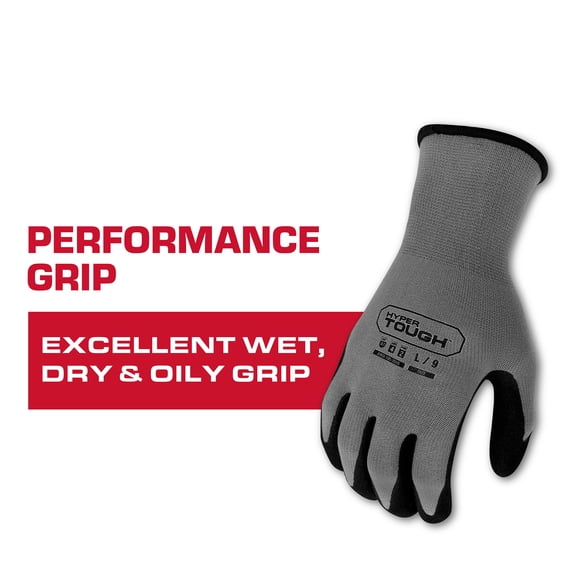 3 optionsAvailable in additional 3 options$524current price $5.24
Hyper Tough Performance Grip Gloves, ANSI Cut Resistant, Nitrile, Nylon, Spandex, Gray, Large
484.9 out of 5 Stars. 48 reviews4.9 out of 5 starsMuddy PVC Heavy-Duty Game Cleaning Gloves, Latex Free, L/XL $2.96
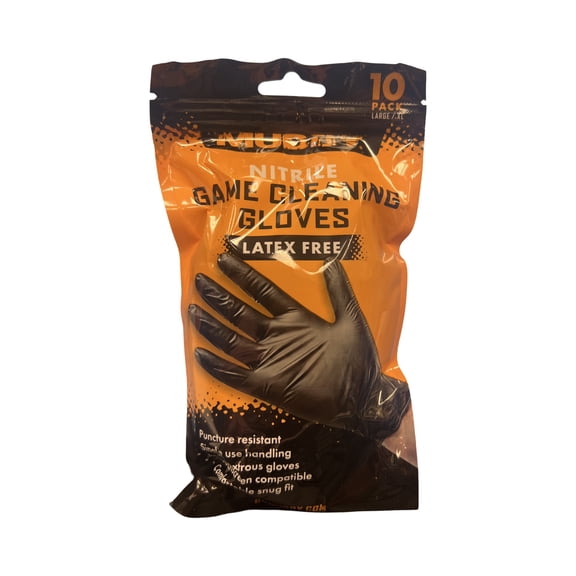 $296current price $2.96
Muddy PVC Heavy-Duty Game Cleaning Gloves, Latex Free, L/XL
15 out of 5 Stars. 1 reviews5 out of 5 starsClearance, Cut Resistant Gloves Medium, Anti-Scratch Kitchen Work Gloves for Cooking, Handling Knives, Slicing Food and DIY Crafts $3.77 Was $4.19
Clearance
 $377current price $3.77, Was $4.19$4.19
Cut Resistant Gloves Medium, Anti-Scratch Kitchen Work Gloves for Cooking, Handling Knives, Slicing Food and DIY Crafts
15 out of 5 Stars. 1 reviews5 out of 5 starsHWHCGZ Level 5 Cut Resistant Gloves, Food Grade Kitchen Knife Safety Gloves, Work Gloves for Chef, Oyster Shucking Meat Cutting Wood Carving (Gray Small) $2.66 Was $2.99
 5 optionsAvailable in additional 5 options$266current price $2.66, Was $2.99$2.99
HWHCGZ Level 5 Cut Resistant Gloves, Food Grade Kitchen Knife Safety Gloves, Work Gloves for Chef, Oyster Shucking Meat Cutting Wood Carving (Gray Small)
Clearance Under $3, 1 Pair Cut Resistant Gloves, Level 5 Protection Safety Work Gloves, HPPE Food Grade Gloves for Kitchen Prepping Fishing and Carving, Size(L) $1.58 Was $1.77
 $158current price $1.58, Was $1.77$1.77
Clearance Under $3, 1 Pair Cut Resistant Gloves, Level 5 Protection Safety Work Gloves, HPPE Food Grade Gloves for Kitchen Prepping Fishing and Carving, Size(L)
Cut Resistant Gloves Food Grade Level 6 Hand Protection,Kitchen Cut Gloves, Machine Washable, Food Grade, for Butcher, Oyster Shucking, Outdoor Use, Size XXS $1.03 Was $1.16
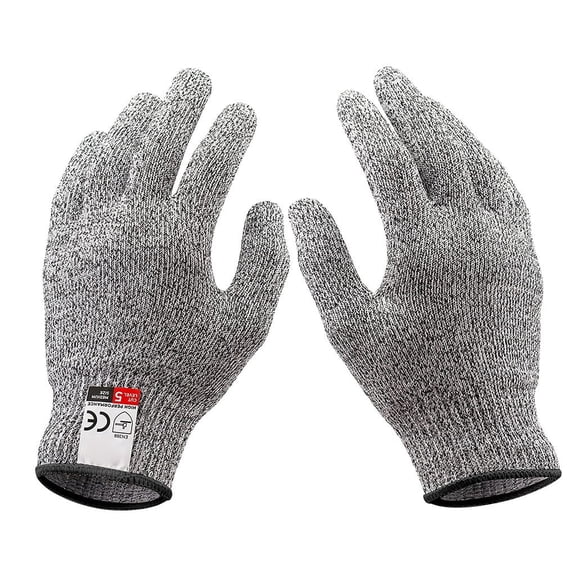 6 optionsAvailable in additional 6 options$103current price $1.03, Was $1.16$1.16
Cut Resistant Gloves Food Grade Level 6 Hand Protection,Kitchen Cut Gloves, Machine Washable, Food Grade, for Butcher, Oyster Shucking, Outdoor Use, Size XXS
WSTEER Cut Resistant Gloves Pair for Hand Safety, Kitchen Gloves for Cutting, Slicing, and Food Preparation (Black) $8.23
 $823current price $8.23
WSTEER Cut Resistant Gloves Pair for Hand Safety, Kitchen Gloves for Cutting, Slicing, and Food Preparation (Black)
14 out of 5 Stars. 1 reviews4 out of 5 starsGorilla Grip Insulated Gloves, Polymer Palm, Black, Men's X-Large $8.88 Was $9.94
 $888current price $8.88, Was $9.94$9.94
Gorilla Grip Insulated Gloves, Polymer Palm, Black, Men's X-Large
Clearance, A9 Cut Resistant Stainless Wire Mesh Metal Gloves, Grade 5 Protection for Kitchen Meat Cutting and Fish Filleting $4.49 Was $4.99
Clearance

 $449current price $4.49, Was $4.99$4.99
A9 Cut Resistant Stainless Wire Mesh Metal Gloves, Grade 5 Protection for Kitchen Meat Cutting and Fish Filleting
In 50+ people's carts, Hyper Tough Leather Palm Multi-Use Work Gloves, Glacier Gray $5.12
In 50+ people's carts 2 optionsAvailable in additional 2 options$512current price $5.12
Hyper Tough Leather Palm Multi-Use Work Gloves, Glacier Gray
5754.7 out of 5 Stars. 575 reviews4.7 out of 5 starsClearance, Level 5 Cut Resistant Fishing Gloves, Wear-Resistant Anti-Puncture Kite Gloves, Non-Skid Safety Hand Protectors $0.89 Was $0.99
Clearance
 $089current price $0.89, Was $0.99$0.99
Level 5 Cut Resistant Fishing Gloves, Wear-Resistant Anti-Puncture Kite Gloves, Non-Skid Safety Hand Protectors
Best seller, Hyper Tough Safety Pro Work Glove, Touchscreen, Large, HT88852-23 $5.00
Best seller $500current price $5.00
Hyper Tough Safety Pro Work Glove, Touchscreen, Large, HT88852-23
674.6 out of 5 Stars. 67 reviews4.6 out of 5 starsClearance, Cut Resistant Gloves Level 5 Anti Puncture Wear Resistant Kitchen Safety Gloves For Mandolin Grating Slicing Fishing Food Handling(15*16*1Cm) $1.99 Was $2.59
Clearance $199current price $1.99, Was $2.59$2.59
Cut Resistant Gloves Level 5 Anti Puncture Wear Resistant Kitchen Safety Gloves For Mandolin Grating Slicing Fishing Food Handling(15*16*1Cm)
Best seller, Wrangler Men’s Comfort Grip Work Gloves – Large, Touchscreen Compatible Glove, Breathable, Durable Grip $5.96
Best seller 3 optionsAvailable in additional 3 options$596current price $5.96
Wrangler Men’s Comfort Grip Work Gloves – Large, Touchscreen Compatible Glove, Breathable, Durable Grip
824.4 out of 5 Stars. 82 reviews4.4 out of 5 starsClearance, Puncture Resistant Gloves, Cut-Resistant Gloves for Fishing, Food Prep, Kite Flying & Outdoor(6 Sizes) $3.49 Was $3.99
Clearance $349current price $3.49, Was $3.99$3.99
Puncture Resistant Gloves, Cut-Resistant Gloves for Fishing, Food Prep, Kite Flying & Outdoor(6 Sizes)
1 Pair Cut Resistant Gloves Food Grade Level 5 Protection Cutting Glove $6.19
 $619current price $6.19
1 Pair Cut Resistant Gloves Food Grade Level 5 Protection Cutting Glove
2 Pairs Cut Gloves Food Grade Level 5 Hand Protection,Kitchen Cut Gloves for Oyster Shucking(Medium) $10.30
 $1030current price $10.30
2 Pairs Cut Gloves Food Grade Level 5 Hand Protection,Kitchen Cut Gloves for Oyster Shucking(Medium)
Clearance, Cut Resistant Level 5 Gloves, Wear and Puncture Proof Anti Slip Protective Gloves for Kite Flying, Fishing, Meat Processing, and Outdoor Activities, Safety Work Gloves,XXX $1.19 Was $2.29
Clearance$119current price $1.19, Was $2.29$2.29Cut Resistant Level 5 Gloves, Wear and Puncture Proof Anti Slip Protective Gloves for Kite Flying, Fishing, Meat Processing, and Outdoor Activities, Safety Work Gloves,XXX
ACDANC 2026 New 4 Pcs Cut Resistant Gloves Level 5 Protection for Kitchen,Upgrade Safety Anti Cutting Gloves for Meat Cutting,Wood Carving,Mandolin Slicing and More (Large) $8.92
 $892current price $8.92
ACDANC 2026 New 4 Pcs Cut Resistant Gloves Level 5 Protection for Kitchen,Upgrade Safety Anti Cutting Gloves for Meat Cutting,Wood Carving,Mandolin Slicing and More (Large)
Cut Resistant Gloves for Kids 7-9 Years, Level 5 Protection Cutting Gloves Food Grade for Cooking, Whittling, Wood Carving, Gardening and DIY(Grey-XXS) $5.13
3 optionsAvailable in additional 3 options$513current price $5.13Cut Resistant Gloves for Kids 7-9 Years, Level 5 Protection Cutting Gloves Food Grade for Cooking, Whittling, Wood Carving, Gardening and DIY(Grey-XXS)
15 out of 5 Stars. 1 reviews5 out of 5 stars
Customer ratings & reviews
0 out of 5 stars
This item does not have any reviews yet

Current price is USD$1.45
Price when purchased online
 Free Holiday returns until Jan 31
How do you want your item?
Ships to
Arrives between Nov 6 - Nov 12
|Shipping fee $4.90

Sold and shipped by yusioall

Extended holiday returns
Free Holiday returns until Jan 31