

Shop Top


Shop by category













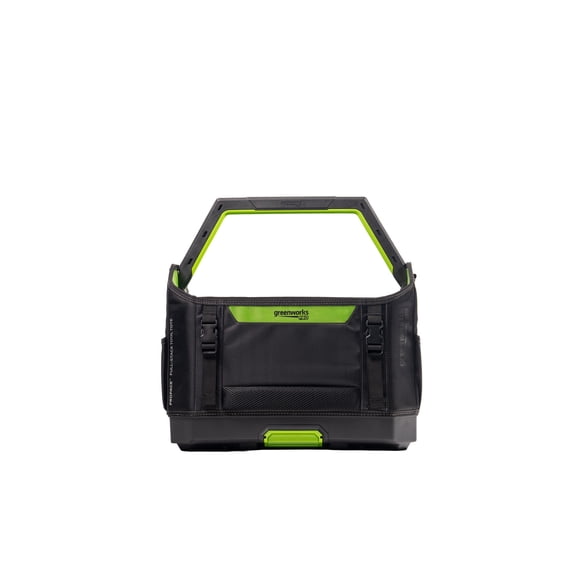


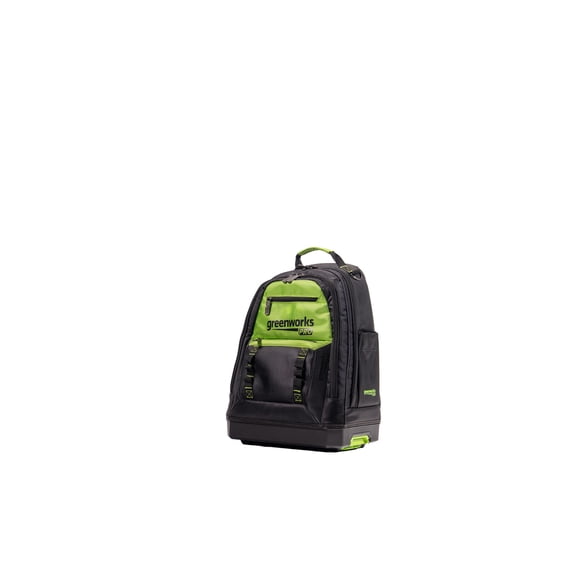


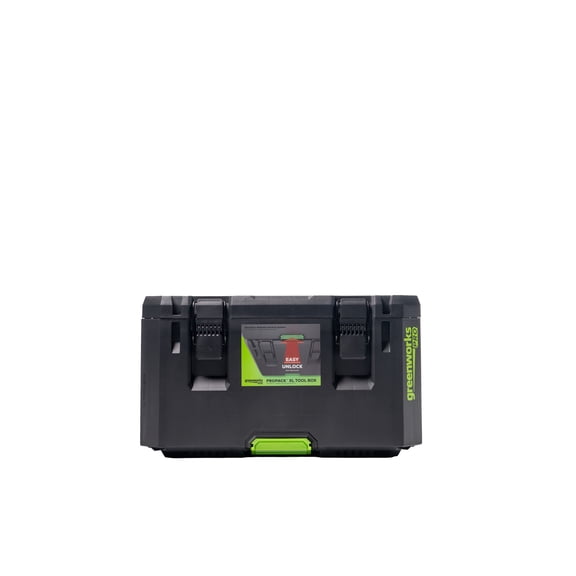
Shop by Brand






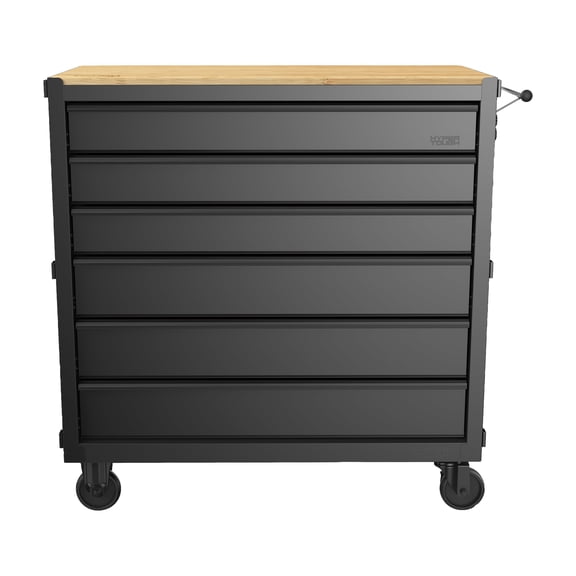
Hyper Tough New Arrivals








FAQ
About Shop Top-Quality Tools for Every Project Online - Walmart.com
Home decor helps you shape every room with style, function, and easy updates that fit daily life. You can compare home furniture, home accents, and wall decor in one place, so your rooms feel coordinated.
Choosing home decor by style
When you choose home decor, you should start with a style direction that keeps your space consistent. You can compare modern, rustic, traditional, boho, and industrial looks without losing your personal taste.
If you prefer modern home decor, you should look for clean lines, simple shapes, and restrained color palettes. If your taste leans rustic, you may prefer warm wood tones, textured fabrics, and weathered finishes.
For traditional rooms, you can layer symmetry, framed art, and classic silhouettes that create a polished look. For boho spaces, you can mix woven textures, patterned pillows, and relaxed shapes with natural materials.
If industrial design fits your home, you should compare metal details, darker finishes, and open silhouettes. You can also blend styles by repeating your colors, shapes, or materials across the room.
- You can create a cohesive look by repeating one main color in rugs, pillows, and wall art.
- You can mix styles more easily when you keep furniture shapes consistent across the room.
- You can add depth with layered textures like wood, ceramic, glass, and fabric accents.
- You can refresh a room faster when you start with a clear style and build outward.
Choosing home decor by room and scale
You should choose room decor with your space, layout, and daily routines in mind. You can narrow options by focusing on living room ideas, bedroom decor, kitchen accents, bathroom updates, or office setups.
In a living room, you may want rugs, lamps, and wall decor that anchor seating areas clearly. You should measure your sofa zone first, so your rug feels intentional instead of undersized.
For bedroom decor, you can use pillows, throws, and art to soften the room without crowding it. You should compare wall art width against your bed, because balanced scale makes the room feel finished.
In kitchens and bathrooms, you may prefer compact accents that add personality without taking up useful surfaces. You should look for trays, vases, and lighting that fit tighter footprints and still feel decorative.
For offices, you can combine storage-minded pieces with focused lighting and clean desk decor. You should check dimensions before buying, especially when shelves, rugs, or chairs must fit narrow areas.
When you choose rug size, you should measure length and width before matching the layout. For wall art, you should compare the piece width to your furniture, and aim for visual balance above it.
Comparing materials and upkeep
You should compare materials carefully, because they affect texture, appearance, and everyday maintenance. You can choose wood, metal, glass, ceramic, and fabric finishes based on how each room gets used.
Wood home furniture gives you warmth and visible grain that works in many styles. You should check whether the wood finish suits busy spaces and whether the surface wipes clean easily.
Metal frames and accents give you structure and a crisp look in modern or industrial rooms. You may prefer them when you want slimmer silhouettes and easier dusting around legs or bases.
Glass and ceramic pieces can brighten shelves, tables, and consoles with reflective or sculptural detail. You should place them where scale makes sense, so they complement your room instead of crowding it.
Fabric details matter when you choose decorative pillows, upholstered benches, or accent seating. You should compare fabric codes when listed, because they help you understand how the material handles regular use.
You should also review assembly details when you compare larger furniture pieces for your home. You can check tool needs, step counts, and part lists, so setup feels manageable for your space.
Choosing color palettes and product types
You can use color to tie rooms together, even when you mix several styles. You should choose neutral, bold, monochrome, or pastel palettes based on the mood you want each room to carry.
Neutral room decor gives you flexibility, because it pairs easily with wood tones, metal finishes, and seasonal accents. You can update the look with pillows, throws, or vases without changing larger pieces.
Bold palettes help you create contrast through saturated art, patterned rugs, or statement lighting. You should repeat one or two accent colors, so the room feels intentional instead of scattered.
Monochrome spaces use closely related tones to create a calm, edited look across furniture and accents. Pastel palettes can soften bedrooms, bathrooms, and nurseries with lighter color layering.
When you compare product types, you should think about what the room still needs visually. You can use wall art for vertical interest, rugs for grounding, lighting for ambiance, pillows for texture, and vases for finishing touches.
You can also plan for seasonal shifts with fall home decor or holiday decorations that work with your core palette. That approach helps your home feel current without changing your foundation pieces.
Using home decor for everyday spaces
You can build a living room around a rug, coffee table, and layered lighting for a grounded layout. You should add home accents like vases or pillows after your larger pieces establish the room.
For apartments, you may want apartment essentials that work harder in smaller footprints and shared spaces. You can choose mirrors, compact lamps, and multiuse furniture that support both function and style.
If you're refreshing a guest room, you can focus on bedroom decor that feels calm and easy to coordinate. You should use soft textures, scaled wall decor, and simple bedside lighting for a complete setup.
In entryways, you can use benches, baskets, and wall hooks to support home organization with decorative appeal. You should look for pieces that keep drop zones tidy while matching the rest of your home.
For open layouts, you can connect zones by repeating materials, finishes, or color across furniture and accents. You should use that strategy when your living, dining, and work areas share one visual flow.
You can create a more pulled-together home when you compare style, room, material, and scale before choosing. Your finished space feels more intentional when each piece supports comfort, function, and visual balance.