

Work Lights in Commercial Lighting












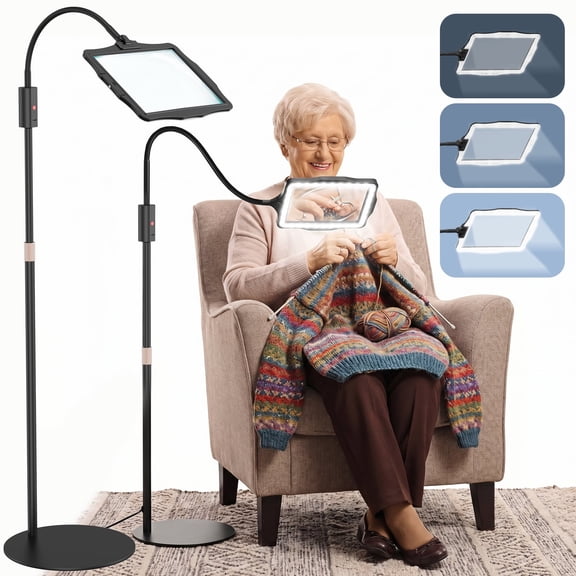
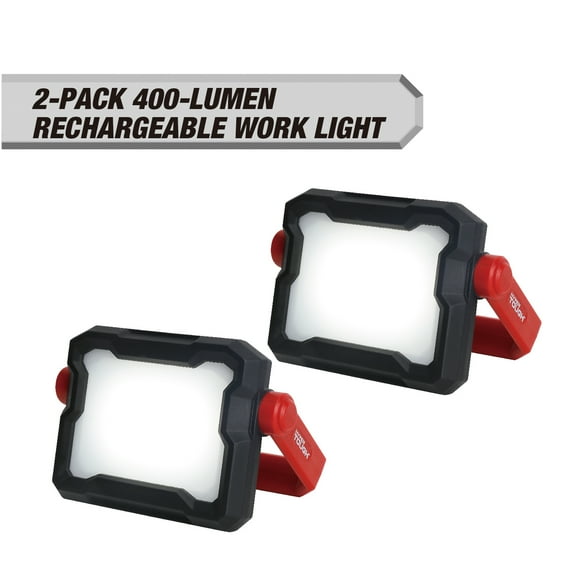
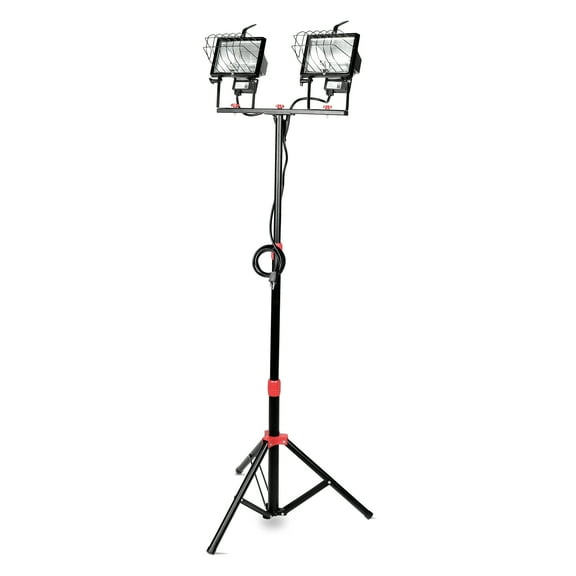
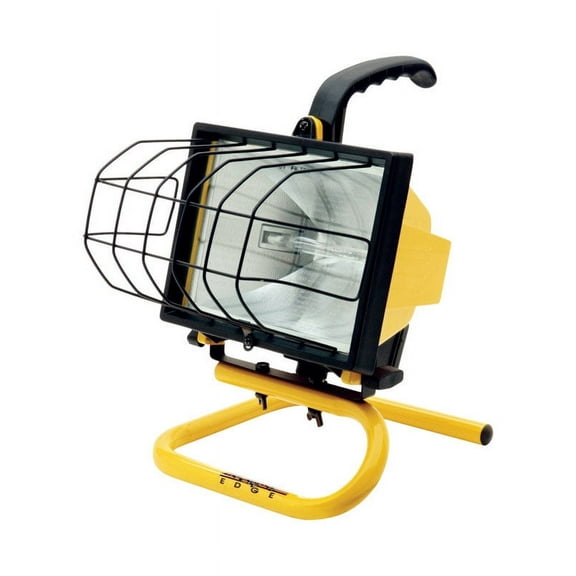











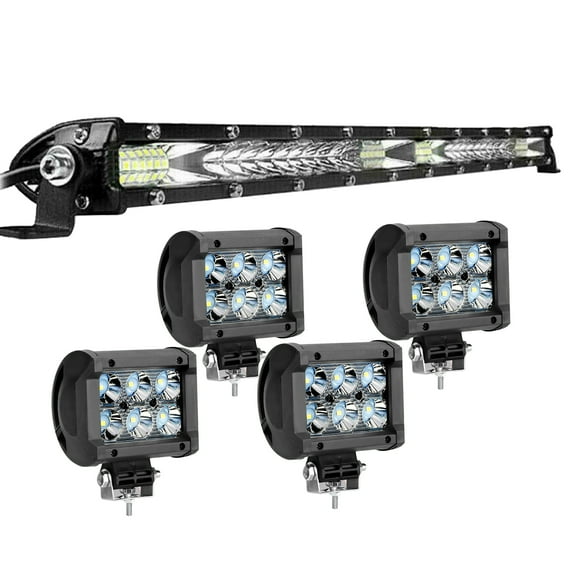

About Work Lights in Commercial Lighting - Walmart.com
Work lights help you see clearly in garages, jobsites, and workshops where overhead fixtures don't reach. You can compare power source, lumen output, and mounting style to match your workspace.
How to choose work lights for your tasks
When you shop work lights, you should start with the area you need to light. You may need a compact beam for repairs or a wide beam for larger projects.
You'll also want to compare runtime, cord access, and hands-free placement before you choose. Your setup matters because a bench repair needs different lighting than a framing job.
You can narrow your options faster by focusing on a few practical decisions first. Your choice often comes down to brightness, mobility, mounting, and durability.
- You can use LED output for bright, efficient illumination and steady color in detailed work areas.
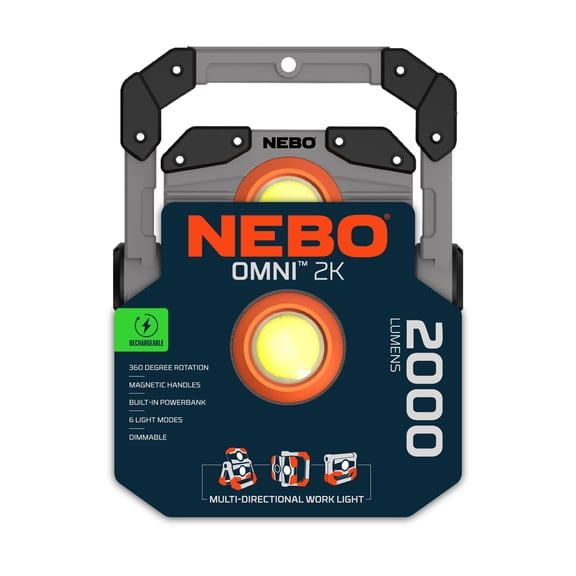
- You can pick rechargeable models when your job moves between spaces without reliable outlet access.
- You can choose magnetic, handheld, or stand-mounted designs for hands-free placement where you need it.
- You can compare commercial work lights with protective housings for dusty, damp, and active jobsite conditions.
Choosing between led work lights and other light sources
You should compare light source first because it affects brightness, heat, and everyday efficiency. You'll often see LED, halogen, and fluorescent options across commercial lighting assortments.
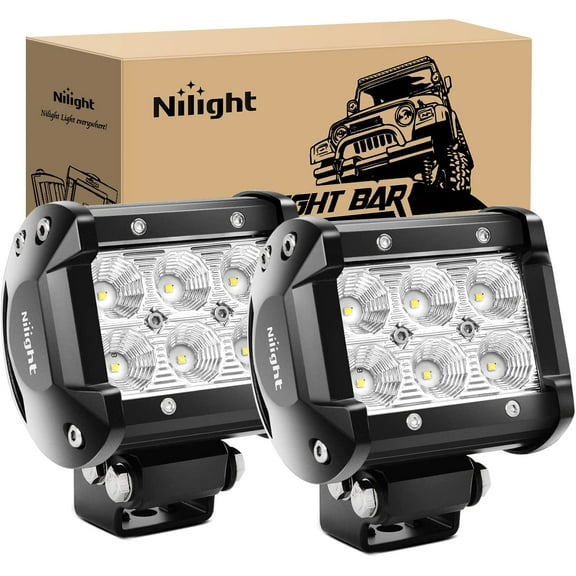
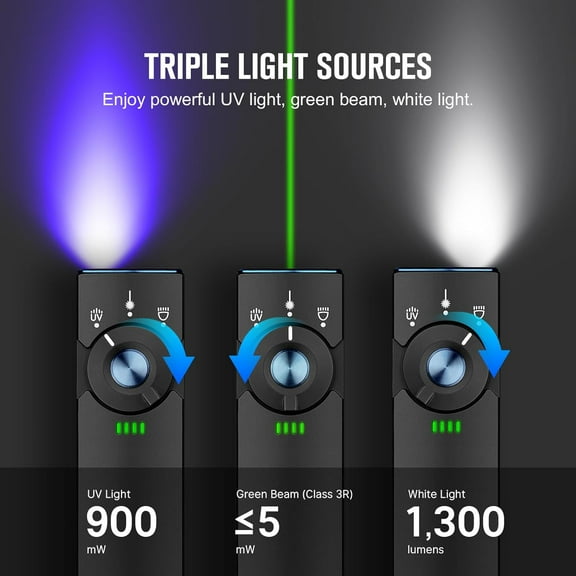
LED work lights give you strong output with less frequent bulb replacement and quick full brightness. You can use them for inspection work, garage projects, and larger areas that need consistent light.
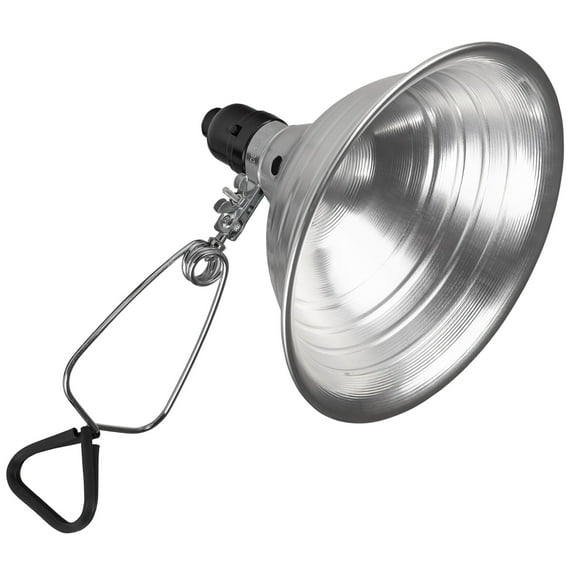
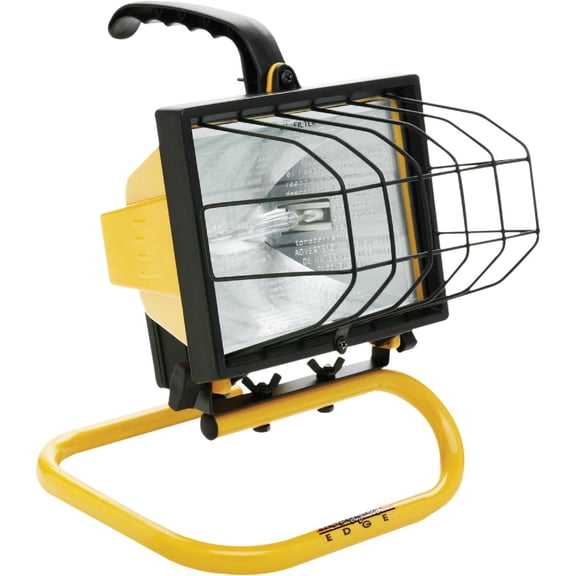
Halogen options can suit tasks where you want a concentrated beam and familiar output. You should check heat and placement needs when you compare them with LED designs.
Fluorescent styles can work well when you want broad light across benches or utility spaces. You may prefer them for steady area coverage instead of a tighter spotlight effect.
You should also compare lumen count with your workspace size before you decide. Around lower lumen levels, you can light close repairs, while higher outputs suit wider job areas.
Beam angle matters too because it changes how your light spreads across the space. You can use narrower beams for focused detail and wider beams for general coverage.
Comparing portable work lights by power source
You should look at power source next because it shapes where and how long you can work. Your options usually include rechargeable, corded, and battery operated models.
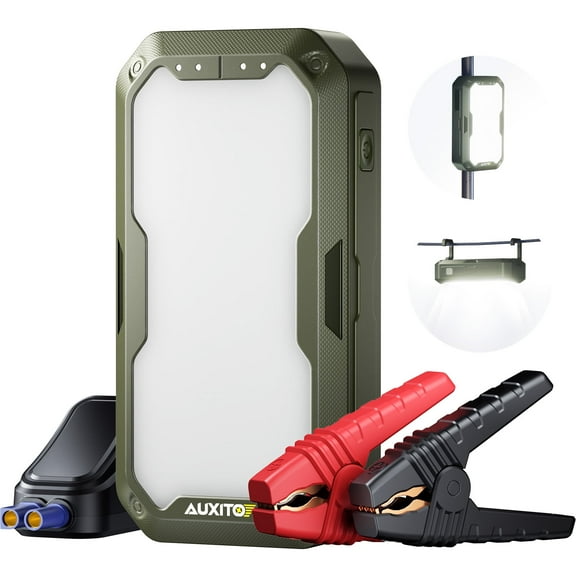
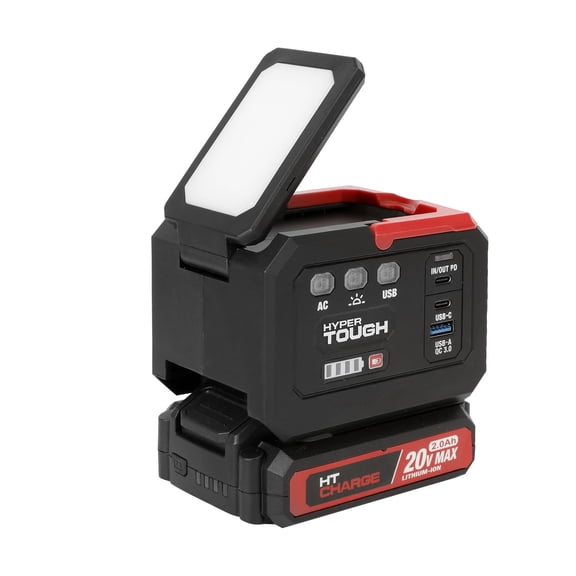
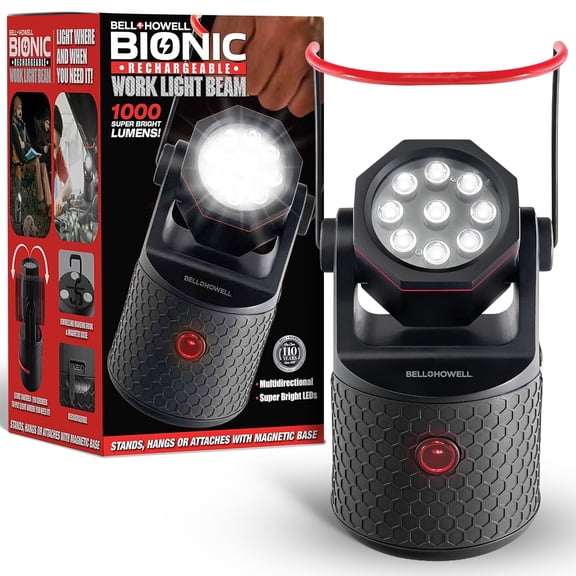
Rechargeable work lights fit jobs where you move often and can't rely on a nearby outlet. You can carry them between rooms, vehicles, shelves, and outdoor work zones with less setup.
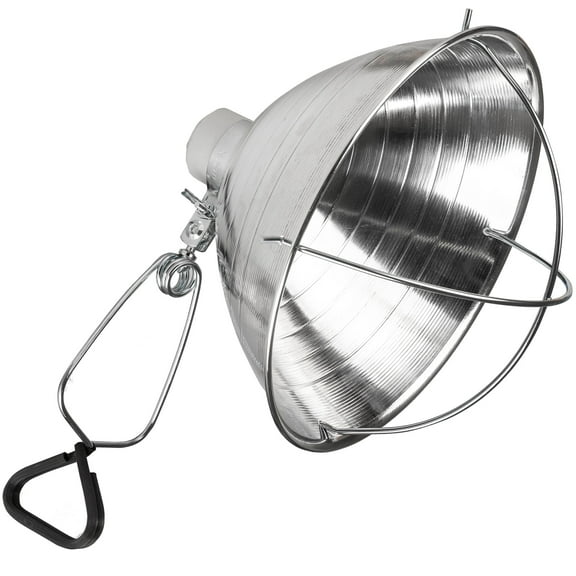
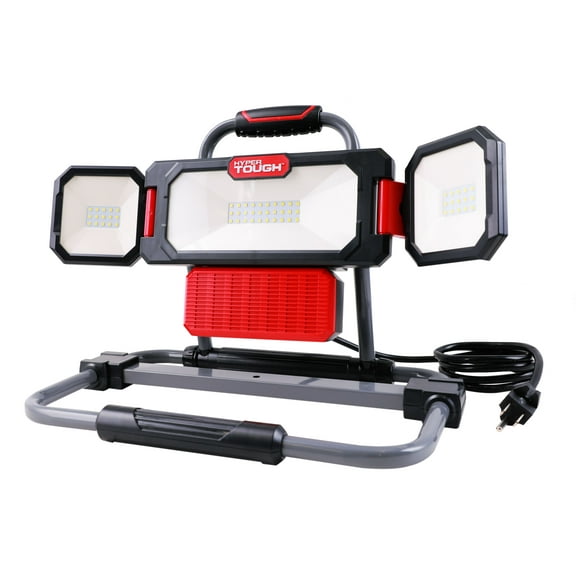
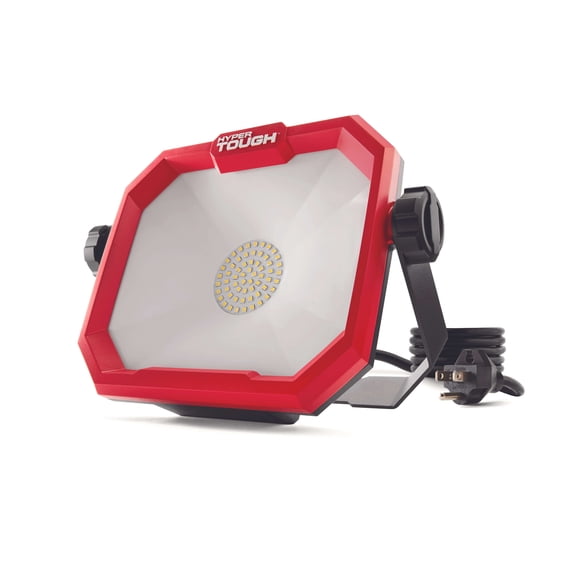
Corded work lights make sense when you want steady output for longer sessions in one place. You can plug in and keep working without planning around charge levels or spare batteries.
Battery operated models can help when you want quick grab-and-go lighting for smaller tasks. You should check battery type and expected runtime so your light matches the length of your project.
You can compare charging methods, runtime details, and brightness settings before you commit. Your workflow may favor a simple cord, a rechargeable pack, or replaceable batteries.
What to look for in mounting and hands-free options
You should choose a form factor that fits the way you work around tools and materials. Your options may include handheld units, stand work lights, and magnetic work lights.
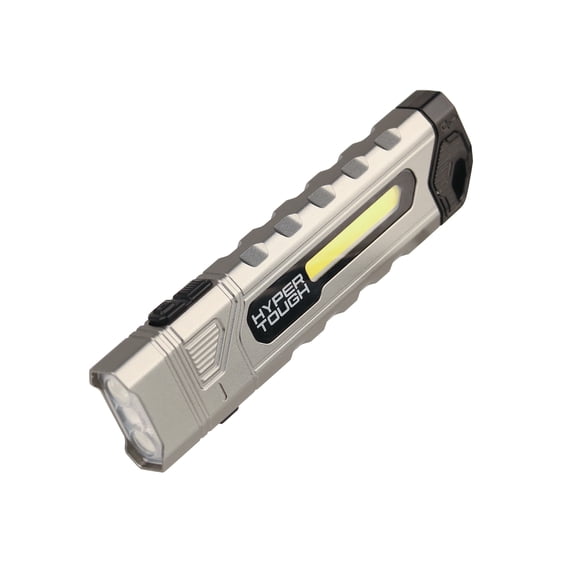
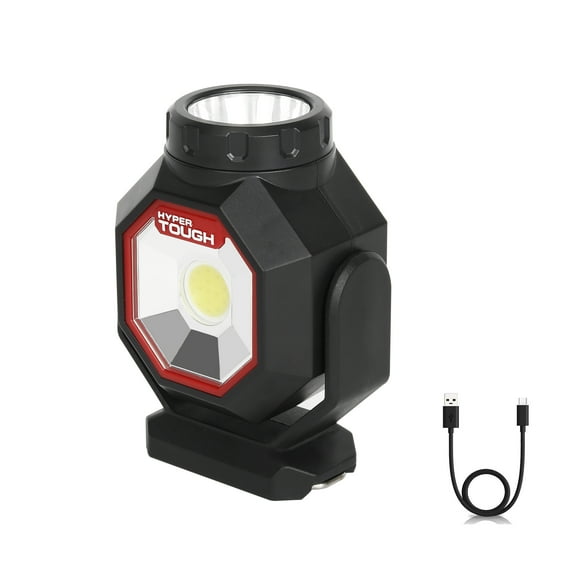
Handheld designs work well when you need to direct light into tight spaces or moving parts. You can reposition them quickly during inspections, repairs, and cleanup tasks.
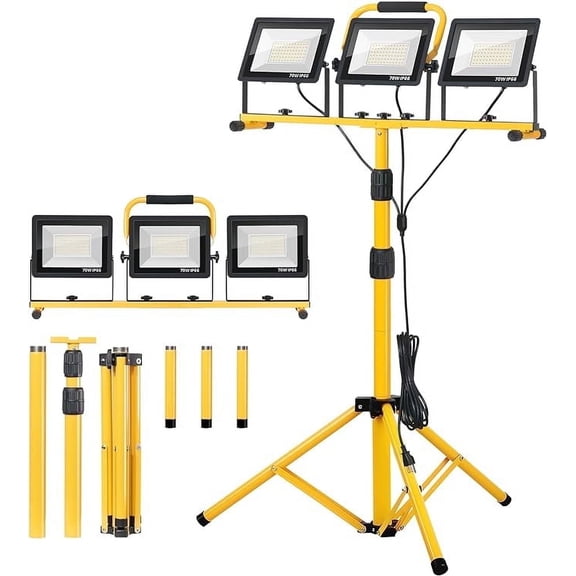
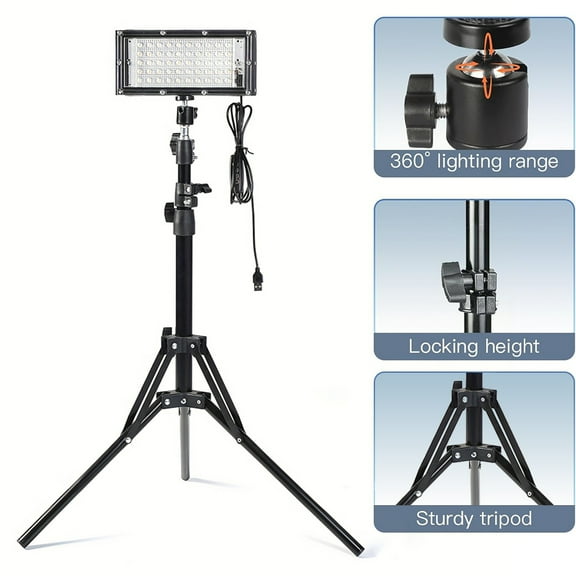
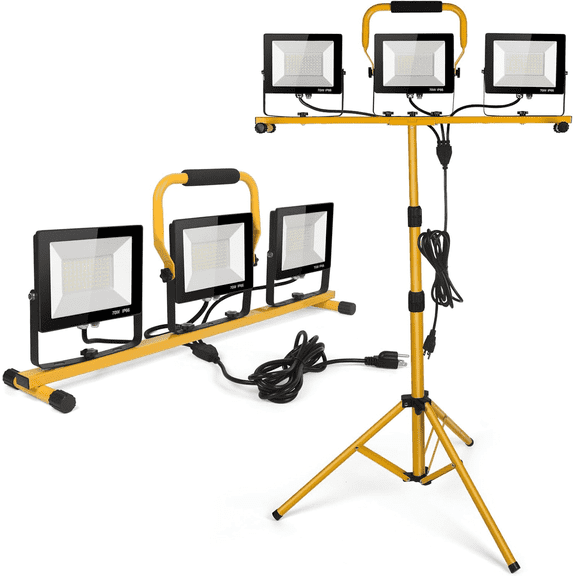
Stand-mounted lights help you cover a wider area without tying up one hand. You can aim them at floors, framing, painting zones, or larger benches that need broad visibility.
Magnetic work lights are useful when you want fast hands-free placement on metal surfaces. You can attach them to toolboxes, equipment frames, shelving, or vehicle panels during detailed jobs.
You may also want hooks, adjustable heads, or fold-out frames for added flexibility. Your mounting choice affects reach, stability, and how easily you can redirect the beam.
How commercial work lights handle demanding spaces
You should compare durability features when your lighting needs to handle active work environments. Your search may include waterproof, dustproof, and shatter-resistant designs.
Commercial work lights often include housings meant for rougher use around tools, cords, and changing conditions. You can look for protective materials that suit garages, warehouses, and jobsites.
An IP rating helps you compare resistance to water and dust in a clear way. You should check whether the rating matches damp spaces, outdoor tasks, or dusty indoor areas.
Shatter-resistant construction can matter when your light moves between trucks, shelves, and worktables. You can feel more confident using it in busy spaces with constant repositioning.
If your work shifts between indoor and outdoor areas, you should compare both durability and portability together. Your ideal setup may pair a sturdy housing with a rechargeable or magnetic design.
Matching work lights to real jobs
You can use rechargeable work lights for vehicle repairs, attic projects, and service calls where cords feel restrictive. Your mobility improves when you need to climb, crouch, or move between stations.
You can choose led work lights for detailed bench work, remodels, and utility tasks that need clear visibility. Your parts, markings, and edges are easier to see under bright, even output.
You can use stand work lights when you paint, install flooring, or light a broad section of a room. Your coverage stays more consistent when the beam sits above the task area.
You can pick magnetic work lights for under-hood work, metal shelving, and equipment maintenance. Your hands stay freer for tools when the light mounts directly to a nearby surface.
You should choose corded units for fixed stations where reliable outlet access supports longer sessions. Your setup works well for workshops, assembly tables, and repeating shop tasks.
With the right mix of lumens, power source, and mounting style, you can light your workspace with fewer interruptions. Your project moves forward with clearer visibility where overhead lighting falls short.