

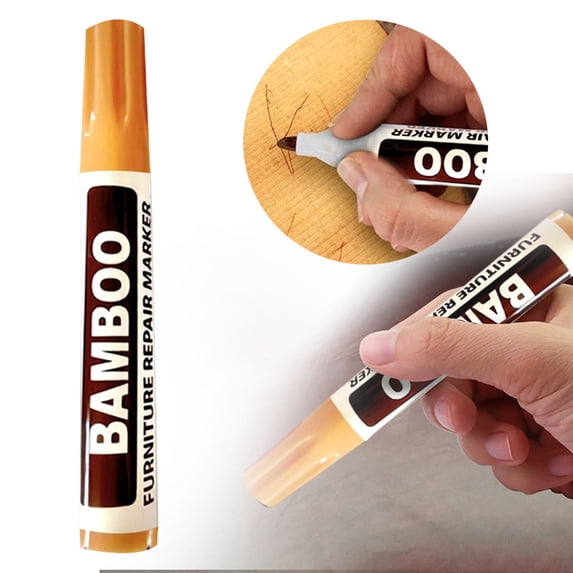
Hero image 0 of Wood Furniture Scratch Repair Marker Pen 2.5Ml, Touch Up Pen for Wood Floors Cabinets Tables and Furniture, 0 of 9
Clearance
Wood Furniture Scratch Repair Marker Pen 2.5Ml, Touch Up Pen for Wood Floors Cabinets Tables and Furniture
(No ratings yet)
Wood Furniture Scratch Repair Marker Pen 2.5Ml, Touch Up Pen for Wood Floors Cabinets Tables and FurnitureWood Furniture Scratch Repair Marker Pen 2 5Ml Touch Up Pen for Wood Floors Cabinets Tables and FurnitureWood Furniture Scratch Repair Marker Pen 2 5Ml Touch Up Pen for Wood Floors Cabinets Tables and Furniture
Actual Color:K
J, $0.82, was $0.92
$0.82$0.92
K, $0.82, was $0.92
$0.82$0.92
Key item features
- A scuffed oak table or a gouged cabinet does not have to be a refinishing project. A furniture repair marker lets you cover the nick in minutes, and the 2.5 ml barrel is enough for a whole room of touch-ups. It does one job, and it does it well. The felt nib lays color into a scratch the way a marker lays ink, so you control the width and stop before the whole board looks painted. Because it dries fast, you are not standing around holding your breath waiting for the repair to set; swipe, blend, and move on. It reads on hardwood floors, cabinet fronts, table tops, door frames, and furniture legs, so one pen handles the marks life puts on wood around a house. Pick the shade closest to the surface, test on a hidden spot, and go to town on the visible damage. Test the color before you trust it. Dab the marker on an unseen spot under a cabinet lip, inside a drawer, or on a scrap of the same wood, and let it dry to the final shade. Wood tones shift as they cure, and a wet marker often looks darker than the finished result. Once you know the shade, feather the color into the grain rather than laying it flat across the whole board. Thin layers build up; one thick blob just cracks and peels. Keep a soft cloth handy to wipe the wet edge so the repair melts into the surrounding finish. Test the tone on an unseen spot first, because wood markers darken as they cure and a wet swatch often reads darker than the finish. Once you know the shade, feather the color into the grain rather than laying it flat. Thin layers build; one thick blob cracks and peels. Keep a soft cloth handy to wipe the wet edge so the repair melts in. Test the tone, then feather it into the grain for a natural edge. Test the tone, then feather it into the grain. Bottom line: it does what it promises at a price that makes it an easy yes, and you will use it more than you expect once it is on hand. It is the kind of small purchase you do not think about until the day you need it, and then you wonder how you managed without it. Order one and see for yourself; you will be glad you did. That is a promise, not a sales line.
- The trick that makes these work is not the ink, it is restraint. A lot of people lay the marker on like a crayon and end up with a dark stripe that draws more attention than the scratch did. The right way is to feather the color into the wood grain, let it build in thin layers, and wipe the excess off the surrounding finish with a soft cloth while it is still wet. Done that way, the repaired area disappears into the grain instead of sitting on top of it. The 2.5 ml size is generous for a single pen; you are not rationing a single touch-up and then throwing the pen away. It lives in a kitchen drawer, moves between the living room table and the office desk, and is the first thing you grab when a chair leg or a moving box leaves a fresh mark. Keep one in every room that has real wood. The 2.5 ml barrel covers a surprising number of marks because each touch-up uses so little. You are not pouring paint; you are drawing along a scratch. That means one pen handles a whole room: the scuffed baseboard, the chip on the cabinet corner, the mark on the table edge, the nick on the door frame. Store it cap-on and upright so the nib stays wet, and recap between uses. If the tip dries, press it on a damp cloth until color flows, rather than squeezing hard. It lives in a kitchen drawer for the next unexpected mark. A 2.5 ml barrel covers a whole room because each touch-up uses so little. You are not pouring paint; you are drawing along a scratch. That means one pen handles the scuffed baseboard, the cabinet corner chip, the table edge mark, and the door frame nick. Store it cap-on and upright so the nib stays wet, and recap between uses. If the tip dries, press it on a damp cloth until color flows. One pen covers a whole room of small touches. One pen covers a whole room of small touches. Give it a week and you will stop thinking about the small problem it solved; it quietly becomes one of those things you keep on hand and forget you did not own. That is the sign of a useful buy, and it is why people end up ordering a second one for a different room. It just stays there, doing its job, without any fuss at all. You will not even have to think about it.
- We sized the nib for the marks people actually have. It flows enough to cover a shallow scratch along a baseboard but stops short of flooding a deep gouge, so a light touch keeps the repair looking natural. The ink levels with the existing finish as it dries, so a repaired edge does not feel raised or gummy once it cures. It works on sealed hardwood floors that have been dinged by chair legs, on cabinets that picked up marks during a move, on dressers and nightstands that show a decade of bumps, and on trim that got nicked hanging pictures. Because it is a pen rather than a brush and a bottle, it fits in a hand, stands up on a shelf, and does not spill if it tips over. It is the small repair kit that saves a piece of furniture you actually like from the goodwill pile. It works on sealed hardwood floors, cabinet fronts, table tops, door frames, chair legs, dressers, nightstands, and trim that got nicked hanging pictures. It also freshens a rental before you list it and a used piece before you put it on display. Do not use it on a deep gouge that reaches bare raw wood, or on waxed or oiled surfaces where the color will not grip. Clean the surface first, and avoid wax over the repaired area for a few days. It covers everyday marks, not structural damage, and that is the job it does well. It works on sealed hardwood floors, cabinet fronts, table tops, door frames, chair legs, dressers, nightstands, and trim nicked by hanging pictures. Do not use it on deep gouges reaching raw wood, or on waxed or oiled surfaces where the color will not grip. Clean the surface first and avoid wax over the repair for a few days. It covers everyday marks, not structural damage, and that is the job it does well. It covers everyday marks, not structural damage, and that is what it does well. It covers everyday marks, not structural damage. This is the kind of buy that looks obvious once you have used it for a few days, and it keeps working without maintenance or fuss. There is no setup to learn and no part that wears out fast, so it just stays on the job. Once you try it, it simply stays put and keeps working season after season, year after year, without complaint. It really is that easy, and it never asks for anything in return.
- Here is the honest comparison. Hiring a refinisher to fix a few nicks costs more than the piece is worth in many cases, and waiting for that magical someday refinish means you look at the damage every day. A 2.5 ml marker lets you make the marks stop nagging you on a Tuesday night, and it is easy enough that the whole household can use it. It is also a smart move before you list a house or a rental: a few minutes with a marker on scuffed trim and cabinet fronts makes the place look cared for without a full paint job. Use it after a furniture assembly, after moving day, after a holiday gathering where chairs got scraped, or after a dog nails a baseboard. The polished shade is chosen to blend with a warm wood tone; test it under the lip of a cabinet first, then blend outward. This is the tool that keeps a wood room looking put together between refinishes. For the best result, treat it like makeup. Start with a clean, wax-free surface, draw along the direction of the grain, feather the edges outward, and stop before you cover an area the size of a quarter. Let each layer dry before adding the next. Because it dries fast, you can build a repaired edge in a few minutes and run a finger over it an hour later without feeling a raised ridge. Keep the pen with the picture-hanging kit and the screwdriver, and grab it whenever you notice a fresh nick. It is the tool that keeps a wood room looking put together between refinishes. Treat it like makeup: a clean wax-free surface, draw along the grain, feather outward, and stop before a quarter-sized patch. Let each layer dry before adding the next. Because it dries fast, you build a repaired edge in minutes and run a finger over it an hour later without feeling a raised ridge. Keep the pen with the picture-hanging kit and grab it whenever a fresh nick appears. Thin layers and a soft cloth keep the repair invisible. Thin layers and a soft cloth keep the repair invisible. Keep it on hand and it quietly makes the room, the desk, or the routine work better, without asking for attention in return. It is the small upgrade that pays off every single day, not just on the day you unpack it. Give it a go this week and you will see the difference yourself, every single time you reach for it. It is a small thing, but it adds up.
- Think of it as makeup for wood. A thin layer, carefully blended, hides the scuff without hiding the character of the grain. It will not fix a deep gouge that goes through to raw wood, and it will not replace a full strip-and-restain project, but it absolutely covers the everyday marks that make a room look worn. Because it dries fast and cleans up with a damp cloth while wet, you do not need a dedicated workspace; a rag and a paper plate is enough. Keep the pen with the screwdriver and the picture-hanging kit, and grab it whenever you notice a fresh nick. It is the cheapest piece of home-maintenance gear you will buy this year, and it is the one you actually reach for. One pen covers a dozen rooms, and the repaired surfaces will look like they were always that way. Buy one for the house and keep a second one for the garage. A lot of people buy this pen to fix one mark and end up using it all over the house. That is the pattern. The scuff on the kitchen chair, the chip on the TV stand, the mark on the desk where a laptop slid, the nick on the stair trim; each is a two-second repair. It is also a smart thing to have when you assemble new furniture, because flat-pack wood always picks up a mark on the trip home. Keep one in the kitchen, one in the garage, and one in the moving box. Buy a second pen for the rooms you have not touched yet, because you will find marks you forgot about. A lot of people buy this pen to fix one mark and end up using it all over the house. It is also smart when assembling new flat-pack furniture, which always picks up a mark on the trip home. Keep one in the kitchen, one in the garage, and one in the moving box. Buy a second for the rooms you have not touched yet, because you will find marks you forgot about. Buy a second pen; you will find marks you forgot about. Buy a second pen; you will find marks you forgot. If you have been on the fence, this is the one that proves the upgrade was worth it, and it lasts long enough to hand down to the next person who needs it. Buy it once, use it for years, and you will not think twice about the price. Add it to the cart and try it this week; you will not look back. It is a decision you will not regret, not even a little. Trust us on this one.
Specs
Features, Multifunctional
Rec. use, Furniture
Brand, Tryhome
Product net content parent, 1 Each
Product net content uom, Each
Features
Multifunctional
Rec. use, Furniture
Rec. use
Furniture
Brand, Tryhome
Brand
Tryhome
Product net content parent, 1 Each
Product net content parent
1 Each
Product net content uom, Each
Product net content uom
Each
Similar items you might like
Based on what customers bought
Reduced price, Furniture Scratch Repair Paint Pen, 2.5ML Wood Touch-Up Pen for Scratches on Wooden Furniture, Doors, Cabinets, Floors, Tables, and Home Improvement $0.39 Was $3.09
Reduced price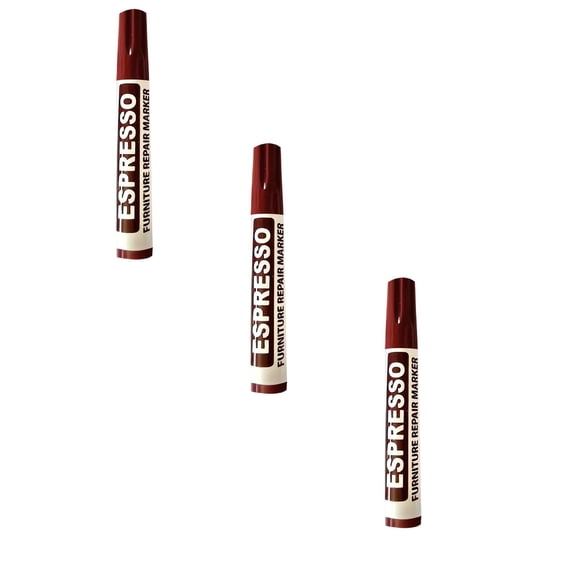 $039current price $0.39, Was $3.09$3.09
Furniture Scratch Repair Paint Pen, 2.5ML Wood Touch-Up Pen for Scratches on Wooden Furniture, Doors, Cabinets, Floors, Tables, and Home Improvement
Clearance, 1Pc Wood Furniture Scratch Repair Markers, Floor Touch Up Pens for Scratches, Laminate Scratch Remover, Wood Finish Restorer Crayon, Dark Wood Repair Kit, Furniture Renewal Markers $0.79 Was $0.89
Clearance $079current price $0.79, Was $0.89$0.89
1Pc Wood Furniture Scratch Repair Markers, Floor Touch Up Pens for Scratches, Laminate Scratch Remover, Wood Finish Restorer Crayon, Dark Wood Repair Kit, Furniture Renewal Markers
15 out of 5 Stars. 1 reviews5 out of 5 starsClearance, Cadorn Walnut - Color Wood Furniture Repair Pen, Scratch & Chip Fixer for Wooden Tables, Chairs & Cabinets $1.59 Was $2.13
Clearance $159current price $1.59, Was $2.13$2.13
Cadorn Walnut - Color Wood Furniture Repair Pen, Scratch & Chip Fixer for Wooden Tables, Chairs & Cabinets
Furniture Scratch Repair Pen - 2.5ML Wood Touch Up Marker - Scratch Cover for Wood Furniture Door Cabinet Floor Table - Home Improvement - 3 Pack Brick Red $0.88 Was $0.98
$088current price $0.88, Was $0.98$0.98Furniture Scratch Repair Pen - 2.5ML Wood Touch Up Marker - Scratch Cover for Wood Furniture Door Cabinet Floor Table - Home Improvement - 3 Pack Brick Red
Reddish Brown Furniture Touch Up Paint Pen, Wooden Door Scratch Repair Pen, Home Wood Cabinet Floor Restoration Marker $1.10
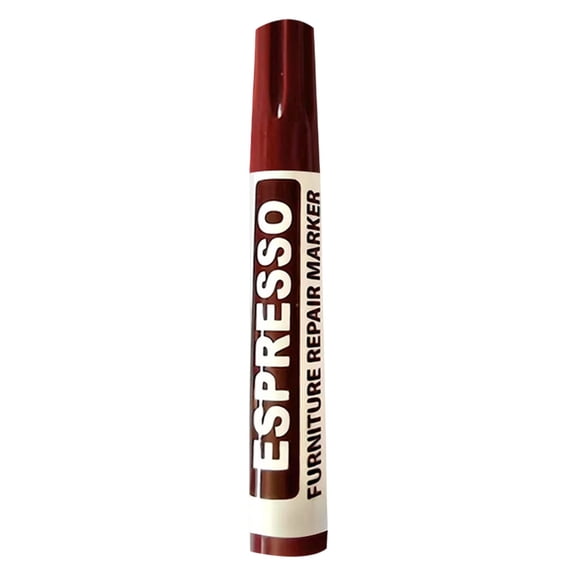


 $110current price $1.10
Reddish Brown Furniture Touch Up Paint Pen, Wooden Door Scratch Repair Pen, Home Wood Cabinet Floor Restoration Marker
1Pc Wood Furniture Scratch Repair Markers, Floor Touch Up Pens for Scratches, Laminate Scratch Remover, Wood Finish Restorer Crayon, Dark Wood Repair Kit, Furniture Renewal Markers $0.79 Was $0.89
 $079current price $0.79, Was $0.89$0.89
1Pc Wood Furniture Scratch Repair Markers, Floor Touch Up Pens for Scratches, Laminate Scratch Remover, Wood Finish Restorer Crayon, Dark Wood Repair Kit, Furniture Renewal Markers
Clearance, 1-Piece Wood Touch Up Marker, Furniture Repair Stain Pen For Scratches On Cabinets, Floors, Tables, And Doors, Wood Polish And Care Solution For Minor Damage $0.87 Was $0.99
Clearance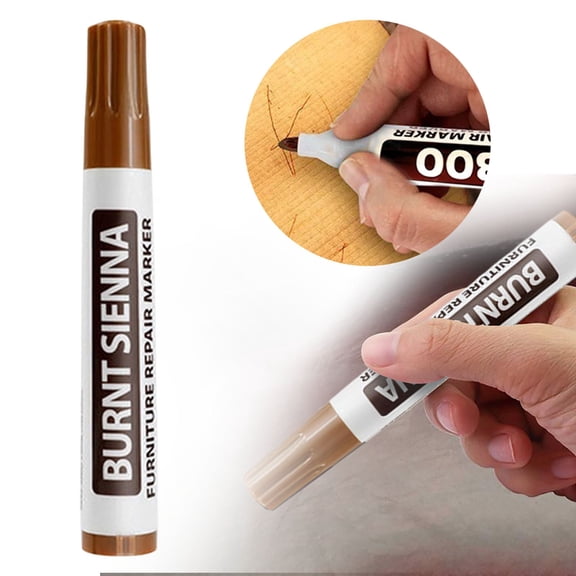 $087current price $0.87, Was $0.99$0.99
1-Piece Wood Touch Up Marker, Furniture Repair Stain Pen For Scratches On Cabinets, Floors, Tables, And Doors, Wood Polish And Care Solution For Minor Damage
Furniture Scratch Repair Pen - 2.5ML Wood Touch Up Marker - Scratch Cover for Wood Furniture Door Cabinet Floor Table - Home Improvement - 3 Pack Yellow Earth $0.87 Was $0.98
 $087current price $0.87, Was $0.98$0.98
Furniture Scratch Repair Pen - 2.5ML Wood Touch Up Marker - Scratch Cover for Wood Furniture Door Cabinet Floor Table - Home Improvement - 3 Pack Yellow Earth
CCOCC Wood Scratch Repair Kit Markers - Scratch & Stain Markers, Furniture Repair Pens for Touch-Up on Wood Furniture, Tables, Desks, Bedposts - Carpenter'S Toolkit $9.09
 $909current price $9.09
CCOCC Wood Scratch Repair Kit Markers - Scratch & Stain Markers, Furniture Repair Pens for Touch-Up on Wood Furniture, Tables, Desks, Bedposts - Carpenter'S Toolkit
Clearance, Furniture Scratch Repair Pen - 2.5ML Wood Touch Up Marker - Scratch Cover for Wood Furniture Door Cabinet Floor Table - Home Improvement - 3 Pack Bamboo Green $0.88 Was $0.98
Clearance $088current price $0.88, Was $0.98$0.98
Furniture Scratch Repair Pen - 2.5ML Wood Touch Up Marker - Scratch Cover for Wood Furniture Door Cabinet Floor Table - Home Improvement - 3 Pack Bamboo Green
Clearance, Furniture Scratch Repair Marker Paint Pen Floor Touch Up Wood Laminate $4.71 Was $5.89
Clearance $471current price $4.71, Was $5.89$5.89
Furniture Scratch Repair Marker Paint Pen Floor Touch Up Wood Laminate
Clearance, YCCMML Furniture Touch Up Markers, 6-Pack Wood Repair Pens for Floors and Furniture $5.99 Was $6.79
Clearance 2 optionsAvailable in additional 2 options$599current price $5.99, Was $6.79$6.79
YCCMML Furniture Touch Up Markers, 6-Pack Wood Repair Pens for Floors and Furniture
Clearance, Solivara 2.5Ml Wood Furniture Scratch Repair Paint Pen For Floor Door Cabinet And Table Home Improvement Crayon Plastic(Yellow*3,5.51*0.79*1.18in) $0.88 Was $0.98
Clearance$088current price $0.88, Was $0.98$0.98Solivara 2.5Ml Wood Furniture Scratch Repair Paint Pen For Floor Door Cabinet And Table Home Improvement Crayon Plastic(Yellow*3,5.51*0.79*1.18in)
Clearance, 40g White Furniture Touch-Up Paste with Brush, Professional Wood Filler & Wall Repair Cream for Scratches, for Furniture and Floor, Tables, Cabinets and Wooden Floors $6.86 Was $10.86
Clearance $686current price $6.86, Was $10.86$10.86
40g White Furniture Touch-Up Paste with Brush, Professional Wood Filler & Wall Repair Cream for Scratches, for Furniture and Floor, Tables, Cabinets and Wooden Floors
VELIMO 2026 New Wood Markers Furniture Repair,Furniture Markers Touch Up,Furniture and Wood Floor Markers,Furniture Scratch Repair Paint Pen,Wood Floor Scratch Repair,Furniture Touch Up Markers $6.15
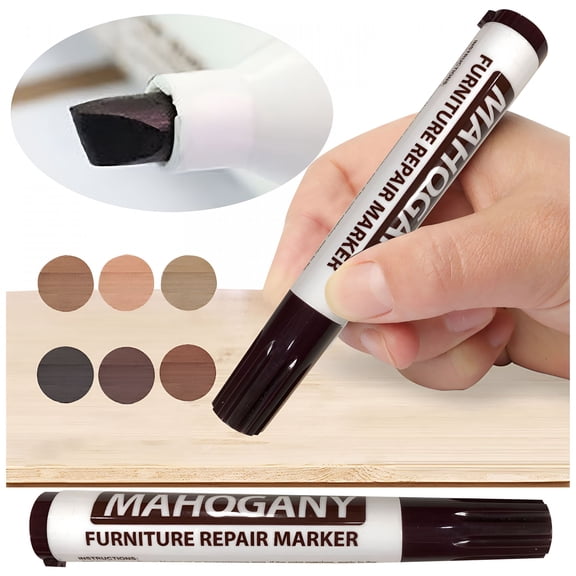 $615current price $6.15
VELIMO 2026 New Wood Markers Furniture Repair,Furniture Markers Touch Up,Furniture and Wood Floor Markers,Furniture Scratch Repair Paint Pen,Wood Floor Scratch Repair,Furniture Touch Up Markers
Furniture Touch Up Pen, 2.5ML Wood Scratch Repair Pen for Furniture, Cabinet, Floor & Door, Fast-Drying Wood Grain Markers, Home Improvement Scratch Cover Kit $0.39


 $039current price $0.39
Furniture Touch Up Pen, 2.5ML Wood Scratch Repair Pen for Furniture, Cabinet, Floor & Door, Fast-Drying Wood Grain Markers, Home Improvement Scratch Cover Kit
VELIMO Wooden Furniture Floor Scratch Repair Markers, Wood Touch Up Markers with Sharpener, Furniture Touch Up Pens for Wood Floors, Tables, Cabinets, Doors, Quick $10.77
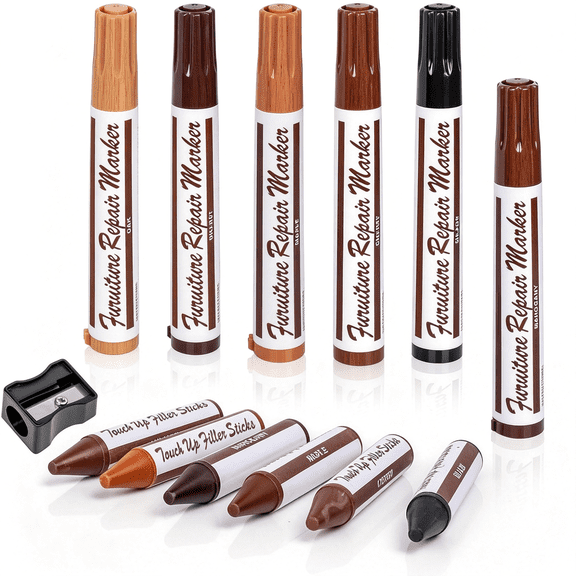 $1077current price $10.77
VELIMO Wooden Furniture Floor Scratch Repair Markers, Wood Touch Up Markers with Sharpener, Furniture Touch Up Pens for Wood Floors, Tables, Cabinets, Doors, Quick
Cozival 6-pack Furniture Touch Up Markers, Wood Scratch Repair Pen Set with Wax Crayons, Furniture Marker Paint Pen for Wood Floors, Cabinets, and Tables $8.02

 $802current price $8.02
Cozival 6-pack Furniture Touch Up Markers, Wood Scratch Repair Pen Set with Wax Crayons, Furniture Marker Paint Pen for Wood Floors, Cabinets, and Tables
Clearance, Furniture Markers Touch Up,Old English Scratch Cover for Wood,Wood Markers Furniture Repair for Wood Stains Scratches Under $5 Kilougeis $1.57 Was $1.75
Clearance3 optionsAvailable in additional 3 options$157current price $1.57, Was $1.75$1.75Furniture Markers Touch Up,Old English Scratch Cover for Wood,Wood Markers Furniture Repair for Wood Stains Scratches Under $5 Kilougeis
PPKVUFD Furniture Repair Kit Wood Markers, 1 Pcs Marker and Wax Sticks, Furniture Markers Touch Up for Scratches Stains Holes Bedposts Floors Tables Cabinets Desks $1.42 Was $1.99
4 optionsAvailable in additional 4 options$142current price $1.42, Was $1.99$1.99PPKVUFD Furniture Repair Kit Wood Markers, 1 Pcs Marker and Wax Sticks, Furniture Markers Touch Up for Scratches Stains Holes Bedposts Floors Tables Cabinets Desks
About this item
Product details
The Wood Furniture Scratch Repair Marker Pen covers the everyday nicks and scuffs that make a wood room look worn, without the time and cost of a full refinish. The felt nib lays wood-toned color into a scratch the way a marker lays ink, and the fast-drying formula lets you feather the repair into the grain and wipe excess off the surrounding finish with a soft cloth while it is still wet. The 2.5 ml barrel is enough for a whole room of touch-ups on hardwood floors, cabinet fronts, table tops, door frames, and furniture legs. Use it on sealed flooring dinged by chair legs, cabinets scuffed during a move, dressers that show a decade of bumps, and trim nicked by picture hanging. A pen beats a brush-and-bottle because it fits in a hand, stands on a shelf, and will not spill if it tips. It will not rebuild a deep gouge, but it hides the marks that nag at you every day, and it is the cheapest home-maintenance item that actually gets used. This wood furniture scratch repair marker covers the everyday nicks that make a room look worn, without a strip-and-restain project. Test the tone on an unseen spot first, because wood markers shift as they cure, then feather the color along the grain in thin layers while wiping the wet edge with a soft cloth. The 2.5 ml barrel covers a whole room because each touch-up uses so little, and the fast-drying formula builds to a natural edge that does not feel raised. It works on sealed hardwood floors, cabinet fronts, table tops, door frames, chair legs, dressers, and trim, and it freshens a rental or a used piece before a sale. Do not use it on deep gouges reaching raw wood or on waxed surfaces. Keep it with the picture-hanging kit and grab it whenever a fresh nick appears. It covers everyday nicks without a refinish project, feathering into the grain for a natural, invisible repair. It covers everyday nicks without a refinish project, feathering into the grain. It is priced like a small upgrade but earns its place fast, and the practical details are why buyers keep coming back for a second one. Keep it on hand and you will reach for it sooner than you expect.
- A scuffed oak table or a gouged cabinet does not have to be a refinishing project. A furniture repair marker lets you cover the nick in minutes, and the 2.5 ml barrel is enough for a whole room of touch-ups. It does one job, and it does it well. The felt nib lays color into a scratch the way a marker lays ink, so you control the width and stop before the whole board looks painted. Because it dries fast, you are not standing around holding your breath waiting for the repair to set; swipe, blend, and move on. It reads on hardwood floors, cabinet fronts, table tops, door frames, and furniture legs, so one pen handles the marks life puts on wood around a house. Pick the shade closest to the surface, test on a hidden spot, and go to town on the visible damage. Test the color before you trust it. Dab the marker on an unseen spot under a cabinet lip, inside a drawer, or on a scrap of the same wood, and let it dry to the final shade. Wood tones shift as they cure, and a wet marker often looks darker than the finished result. Once you know the shade, feather the color into the grain rather than laying it flat across the whole board. Thin layers build up; one thick blob just cracks and peels. Keep a soft cloth handy to wipe the wet edge so the repair melts into the surrounding finish. Test the tone on an unseen spot first, because wood markers darken as they cure and a wet swatch often reads darker than the finish. Once you know the shade, feather the color into the grain rather than laying it flat. Thin layers build; one thick blob cracks and peels. Keep a soft cloth handy to wipe the wet edge so the repair melts in. Test the tone, then feather it into the grain for a natural edge. Test the tone, then feather it into the grain. Bottom line: it does what it promises at a price that makes it an easy yes, and you will use it more than you expect once it is on hand. It is the kind of small purchase you do not think about until the day you need it, and then you wonder how you managed without it. Order one and see for yourself; you will be glad you did. That is a promise, not a sales line.
- The trick that makes these work is not the ink, it is restraint. A lot of people lay the marker on like a crayon and end up with a dark stripe that draws more attention than the scratch did. The right way is to feather the color into the wood grain, let it build in thin layers, and wipe the excess off the surrounding finish with a soft cloth while it is still wet. Done that way, the repaired area disappears into the grain instead of sitting on top of it. The 2.5 ml size is generous for a single pen; you are not rationing a single touch-up and then throwing the pen away. It lives in a kitchen drawer, moves between the living room table and the office desk, and is the first thing you grab when a chair leg or a moving box leaves a fresh mark. Keep one in every room that has real wood. The 2.5 ml barrel covers a surprising number of marks because each touch-up uses so little. You are not pouring paint; you are drawing along a scratch. That means one pen handles a whole room: the scuffed baseboard, the chip on the cabinet corner, the mark on the table edge, the nick on the door frame. Store it cap-on and upright so the nib stays wet, and recap between uses. If the tip dries, press it on a damp cloth until color flows, rather than squeezing hard. It lives in a kitchen drawer for the next unexpected mark. A 2.5 ml barrel covers a whole room because each touch-up uses so little. You are not pouring paint; you are drawing along a scratch. That means one pen handles the scuffed baseboard, the cabinet corner chip, the table edge mark, and the door frame nick. Store it cap-on and upright so the nib stays wet, and recap between uses. If the tip dries, press it on a damp cloth until color flows. One pen covers a whole room of small touches. One pen covers a whole room of small touches. Give it a week and you will stop thinking about the small problem it solved; it quietly becomes one of those things you keep on hand and forget you did not own. That is the sign of a useful buy, and it is why people end up ordering a second one for a different room. It just stays there, doing its job, without any fuss at all. You will not even have to think about it.
- We sized the nib for the marks people actually have. It flows enough to cover a shallow scratch along a baseboard but stops short of flooding a deep gouge, so a light touch keeps the repair looking natural. The ink levels with the existing finish as it dries, so a repaired edge does not feel raised or gummy once it cures. It works on sealed hardwood floors that have been dinged by chair legs, on cabinets that picked up marks during a move, on dressers and nightstands that show a decade of bumps, and on trim that got nicked hanging pictures. Because it is a pen rather than a brush and a bottle, it fits in a hand, stands up on a shelf, and does not spill if it tips over. It is the small repair kit that saves a piece of furniture you actually like from the goodwill pile. It works on sealed hardwood floors, cabinet fronts, table tops, door frames, chair legs, dressers, nightstands, and trim that got nicked hanging pictures. It also freshens a rental before you list it and a used piece before you put it on display. Do not use it on a deep gouge that reaches bare raw wood, or on waxed or oiled surfaces where the color will not grip. Clean the surface first, and avoid wax over the repaired area for a few days. It covers everyday marks, not structural damage, and that is the job it does well. It works on sealed hardwood floors, cabinet fronts, table tops, door frames, chair legs, dressers, nightstands, and trim nicked by hanging pictures. Do not use it on deep gouges reaching raw wood, or on waxed or oiled surfaces where the color will not grip. Clean the surface first and avoid wax over the repair for a few days. It covers everyday marks, not structural damage, and that is the job it does well. It covers everyday marks, not structural damage, and that is what it does well. It covers everyday marks, not structural damage. This is the kind of buy that looks obvious once you have used it for a few days, and it keeps working without maintenance or fuss. There is no setup to learn and no part that wears out fast, so it just stays on the job. Once you try it, it simply stays put and keeps working season after season, year after year, without complaint. It really is that easy, and it never asks for anything in return.
- Here is the honest comparison. Hiring a refinisher to fix a few nicks costs more than the piece is worth in many cases, and waiting for that magical someday refinish means you look at the damage every day. A 2.5 ml marker lets you make the marks stop nagging you on a Tuesday night, and it is easy enough that the whole household can use it. It is also a smart move before you list a house or a rental: a few minutes with a marker on scuffed trim and cabinet fronts makes the place look cared for without a full paint job. Use it after a furniture assembly, after moving day, after a holiday gathering where chairs got scraped, or after a dog nails a baseboard. The polished shade is chosen to blend with a warm wood tone; test it under the lip of a cabinet first, then blend outward. This is the tool that keeps a wood room looking put together between refinishes. For the best result, treat it like makeup. Start with a clean, wax-free surface, draw along the direction of the grain, feather the edges outward, and stop before you cover an area the size of a quarter. Let each layer dry before adding the next. Because it dries fast, you can build a repaired edge in a few minutes and run a finger over it an hour later without feeling a raised ridge. Keep the pen with the picture-hanging kit and the screwdriver, and grab it whenever you notice a fresh nick. It is the tool that keeps a wood room looking put together between refinishes. Treat it like makeup: a clean wax-free surface, draw along the grain, feather outward, and stop before a quarter-sized patch. Let each layer dry before adding the next. Because it dries fast, you build a repaired edge in minutes and run a finger over it an hour later without feeling a raised ridge. Keep the pen with the picture-hanging kit and grab it whenever a fresh nick appears. Thin layers and a soft cloth keep the repair invisible. Thin layers and a soft cloth keep the repair invisible. Keep it on hand and it quietly makes the room, the desk, or the routine work better, without asking for attention in return. It is the small upgrade that pays off every single day, not just on the day you unpack it. Give it a go this week and you will see the difference yourself, every single time you reach for it. It is a small thing, but it adds up.
- Think of it as makeup for wood. A thin layer, carefully blended, hides the scuff without hiding the character of the grain. It will not fix a deep gouge that goes through to raw wood, and it will not replace a full strip-and-restain project, but it absolutely covers the everyday marks that make a room look worn. Because it dries fast and cleans up with a damp cloth while wet, you do not need a dedicated workspace; a rag and a paper plate is enough. Keep the pen with the screwdriver and the picture-hanging kit, and grab it whenever you notice a fresh nick. It is the cheapest piece of home-maintenance gear you will buy this year, and it is the one you actually reach for. One pen covers a dozen rooms, and the repaired surfaces will look like they were always that way. Buy one for the house and keep a second one for the garage. A lot of people buy this pen to fix one mark and end up using it all over the house. That is the pattern. The scuff on the kitchen chair, the chip on the TV stand, the mark on the desk where a laptop slid, the nick on the stair trim; each is a two-second repair. It is also a smart thing to have when you assemble new furniture, because flat-pack wood always picks up a mark on the trip home. Keep one in the kitchen, one in the garage, and one in the moving box. Buy a second pen for the rooms you have not touched yet, because you will find marks you forgot about. A lot of people buy this pen to fix one mark and end up using it all over the house. It is also smart when assembling new flat-pack furniture, which always picks up a mark on the trip home. Keep one in the kitchen, one in the garage, and one in the moving box. Buy a second for the rooms you have not touched yet, because you will find marks you forgot about. Buy a second pen; you will find marks you forgot about. Buy a second pen; you will find marks you forgot. If you have been on the fence, this is the one that proves the upgrade was worth it, and it lasts long enough to hand down to the next person who needs it. Buy it once, use it for years, and you will not think twice about the price. Add it to the cart and try it this week; you will not look back. It is a decision you will not regret, not even a little. Trust us on this one.
info:
We aim to show you accurate product information. Manufacturers, suppliers and others provide what you see here, and we have not verified it.
Specifications
Features
Multifunctional
Rec. use
Furniture
Brand
Tryhome
Product net content parent
1 Each
Warranty
Warranty information
Please be aware that the warranty terms on items offered for sale by third party Marketplace sellers may differ from those displayed in this section (if any). To confirm warranty terms on an item offered for sale by a third party Marketplace seller, please use the 'Contact seller' feature on the third party Marketplace seller's information page and request the item's warranty terms prior to purchase.
Warnings
Customer ratings & reviews
0 out of 5 stars
This item does not have any reviews yet

Current price is USDNow $0.82
You save $0.10
was $0.92$0.92
You save$0.10
Price when purchased online
 Free Holiday returns until Jan 31
How do you want your item?
Ships to
Arrives between Dec 2 - Dec 10
|Shipping fee $3.90

Sold and shipped by yusioall

Extended holiday returns
Free Holiday returns until Jan 31