

WMC Auto Node 4




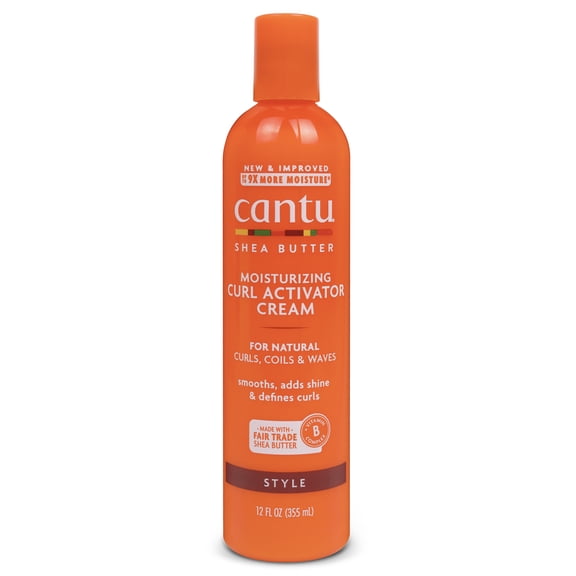


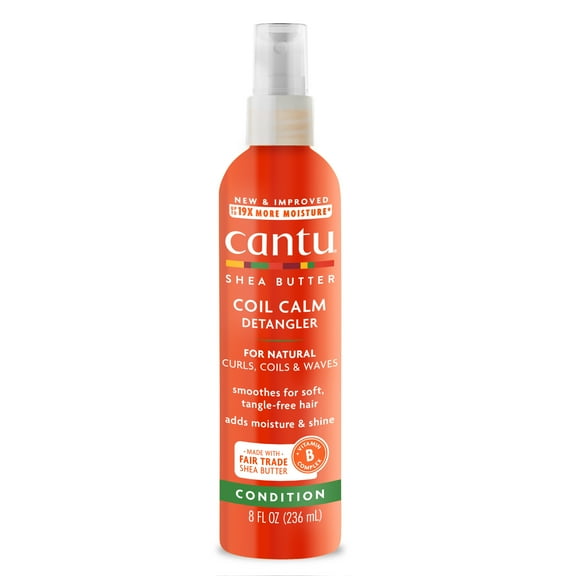



Shop more Cantu



FAQ
About WMC Auto Node 4 - Walmart.com
Automotive parts and accessories help you keep your vehicle ready for daily driving, weekend projects, and seasonal changes. You can compare fitment, installation, and durability in one place, so your search feels simple.
How to choose automotive parts and accessories
You should start with vehicle compatibility, because the right fit affects how smoothly your project goes. You can check year, make, and model details before choosing auto parts or add-ons.
When you compare universal fit, make model specific, and custom fit options, you can narrow choices quickly. You may prefer universal fit for simple upgrades, while custom fit supports a more tailored look.
You should also compare whether you need interior accessories, exterior accessories, replacement parts, or tools and equipment. You can use that category split to match your immediate task, from cabin cleanup to routine upkeep.
- You can target fitment details first, so your part matches your vehicle.
- You can compare installation types before you commit to a project.
- You can choose materials that suit daily driving and changing weather.
- You can separate upgrades from replacement car parts for a simpler decision.
Choosing replacement car parts and auto parts by fitment
You should verify year, make, and model when you shop replacement car parts. You can avoid guesswork when filters, bulbs, brakes, and other vehicle parts depend on exact compatibility.
If you want a simple add-on, you may consider universal fit items like organizers or some phone mounts. If you need a precise seal or alignment, you should look for make model specific or custom fit options.
You can also compare installation type before ordering. You may prefer easy DIY products for quick garage projects, while some auto parts need bolt-on hardware or professional installation.
When you review installation notes, you can tell whether you need hand tools, sockets, or specialty equipment. You can plan your time effectively when the setup matches your experience level.
Comparing car accessories by category and use
You can improve comfort, storage, and convenience when you choose the right car accessories for your routine. You may focus on interior accessories if you want clean surfaces, organized storage, or a tidy back seat.
Exterior accessories can help you tailor how your vehicle handles weather, cargo, and day-to-day wear. You might look for all-weather floor mats inside, then add exterior protection or utility items outside.
If your priority is upkeep, you can choose car maintenance tools and automotive supplies that support regular service. You may keep essentials on hand for fluid checks, cleaning tasks, and seasonal prep.
You can separate style upgrades from functional parts, which helps you compare quickly. You may want replacement car parts for performance needs, while accessories support convenience and appearance.
What to look for in materials and durability
You should compare materials based on where and how you drive. You can choose heavy duty options for frequent use, or weatherproof finishes for changing rain, heat, and road grime.
All-weather materials make sense when you track in mud, snow, or wet shoes through the year. You can look for surfaces that wipe clean easily and hold up through repeated entry.
If appearance matters, you may notice carbon fiber style details on select accessories. You should still check whether the finish suits your cabin or exterior, not just the visual pattern.
You can use durability details as a practical filter, especially for high-touch areas and cargo zones. You may want sturdier construction for seat covers, floor protection, and trunk organization.
Matching installation type to your project
You can save time when you match installation type to your tools and experience. You should look for easy DIY options if you want straightforward setup without extra appointments.
Bolt-on products can work well when you want a more secure attachment and clear mounting points. You may need to measure space, check hardware, and review fit notes before starting.
Some replacement parts call for professional installation because access, alignment, or calibration may be more involved. You can use that guidance to decide whether your project belongs in your driveway or a service bay.
You should also think about your timeline before you choose. You can move forward quickly when your selected product matches your confidence level and the tools you already keep nearby.
Using automotive supplies through the year
You can keep your vehicle ready for changing conditions when you rotate your setup by season. You may want car winter accessories and all-weather floor mats when wet gear and dirty shoes become part of daily driving.
During road trips, you can focus on organizers, chargers, cargo helpers, and cleaning essentials. You may also want tools and equipment that support quick checks before long miles.
For commuting, you can prioritize fitment, comfort, and easy maintenance. You might choose cabin accessories that reduce clutter, along with replacement parts that support routine service intervals.
You can also compare warranty details and brand reliability when you narrow final choices. You’ll feel more confident when your selection aligns with your vehicle, your project, and your driving habits.
Automotive parts and accessories work well when you choose them with fitment, materials, and installation in mind. You can make a simple decision when each product matches your vehicle and the way you actually drive.