

Water Skiing Equipment & Gear | Walmart



















About Water Skiing Equipment & Gear | Walmart - Walmart.com
With water skiing equipment, you can build a lake-ready setup for clean starts, steady pulls, and confident turns. You’ll find category guidance here that helps you compare ski type, length, bindings, and key water ski gear.
How to choose water skiing equipment
When you compare water skiing equipment, you should start with ski type because it shapes how your ride feels on the water. You’ll usually choose between combo water skis, slalom water skis, and trainer models for younger or first-time riders.
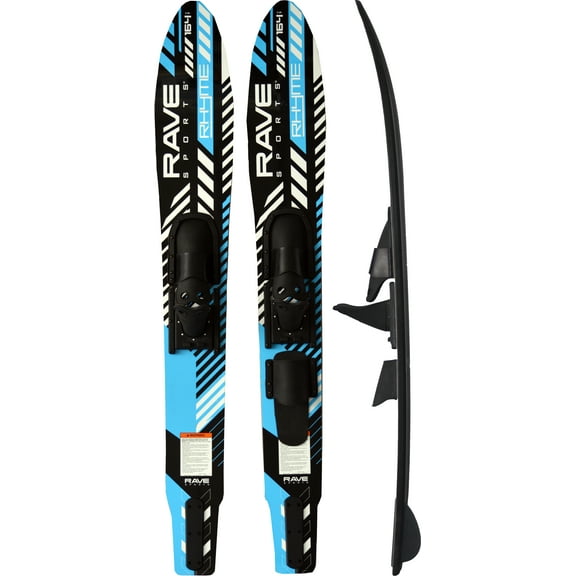
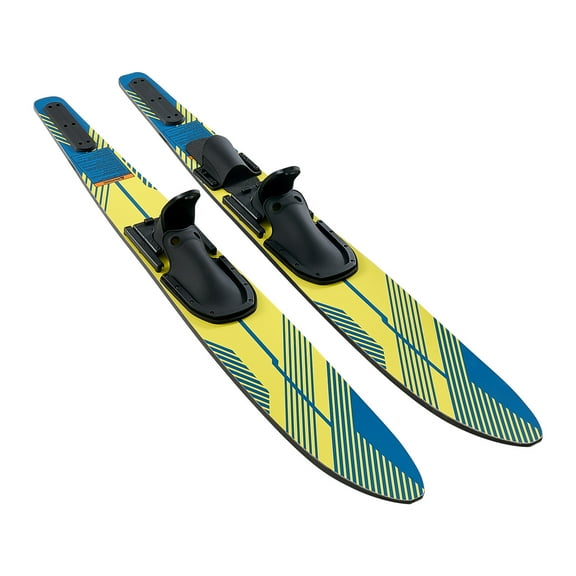
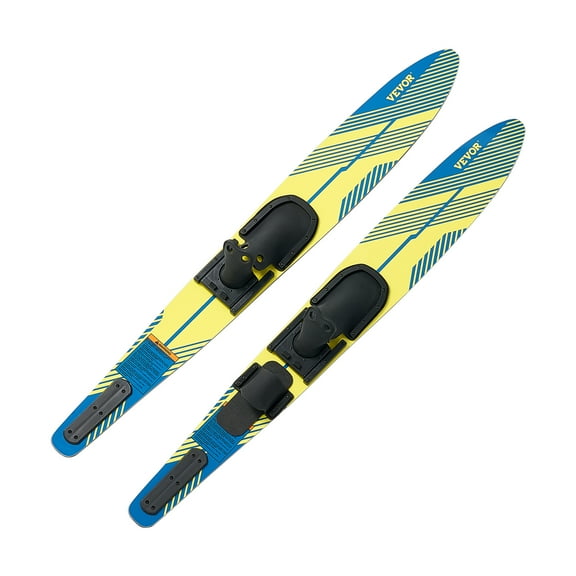
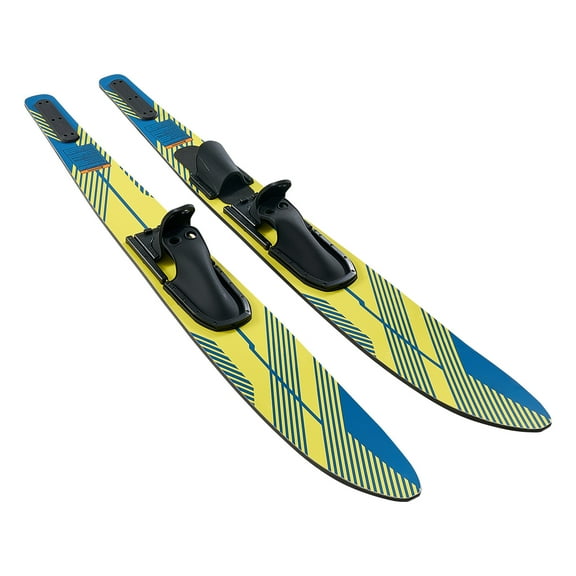
If you’re shopping for family lake days, you may prefer combo water skis because you can use two skis for easier deep-water starts. If you want harder cuts and a narrower ride path, you should compare slalom water skis built for one-ski carving.
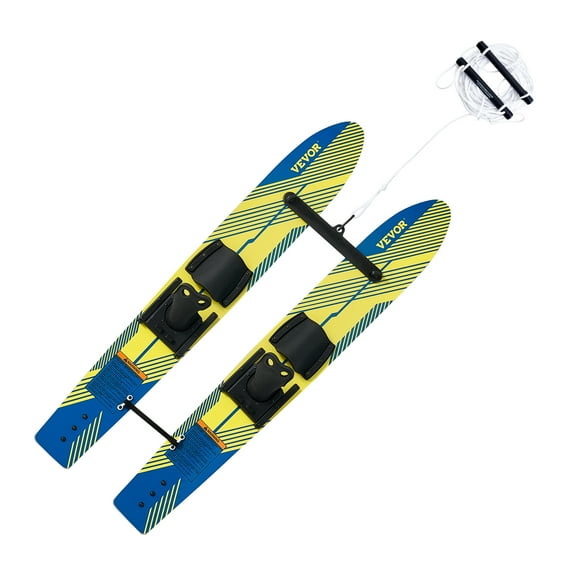
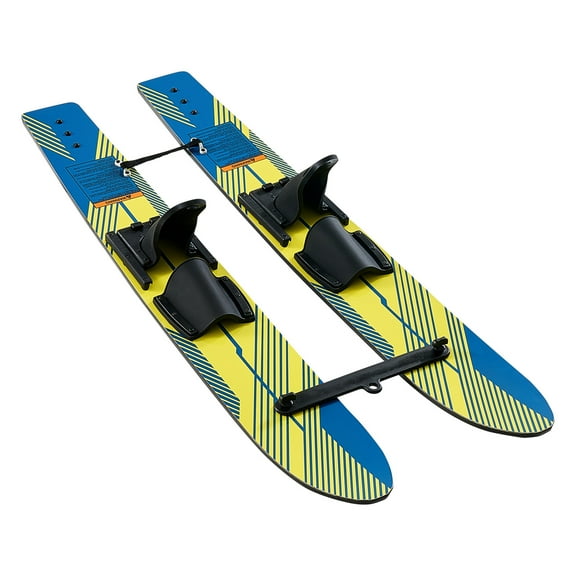
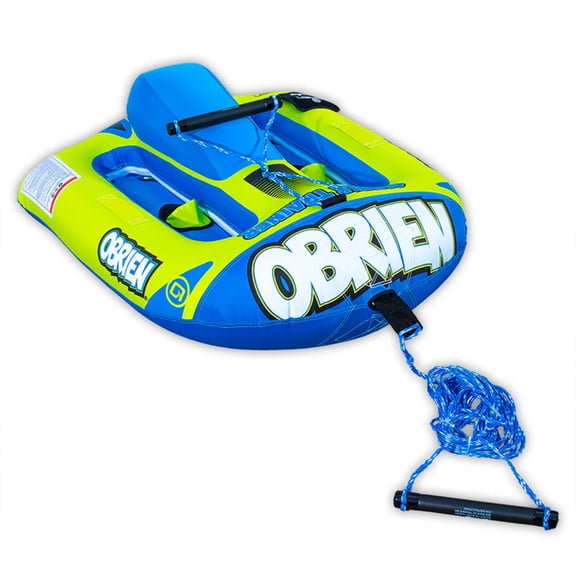
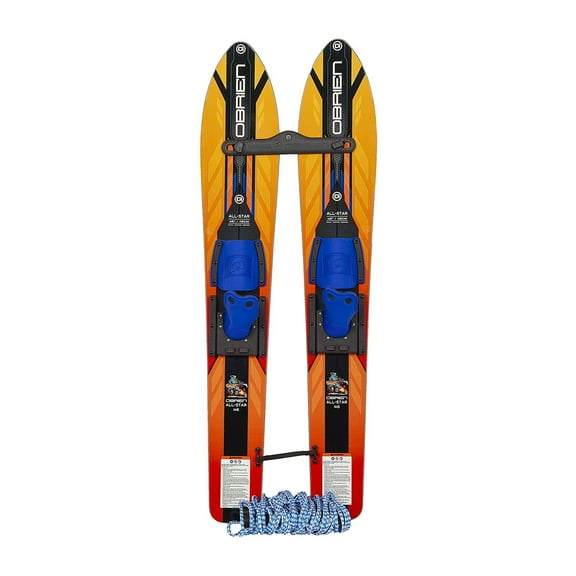
Trainer styles can help you guide early practice with stabilizing designs and beginner-focused shapes. You’ll want these options when your household needs simple learning steps before moving into combo or slalom setups.
- You can choose combo skis when your group wants easier starts and shared use.
- You can choose slalom skis when your riding focuses on carving, speed, and sharper edge control.
- You can choose trainer skis when your rider needs a more guided first experience.
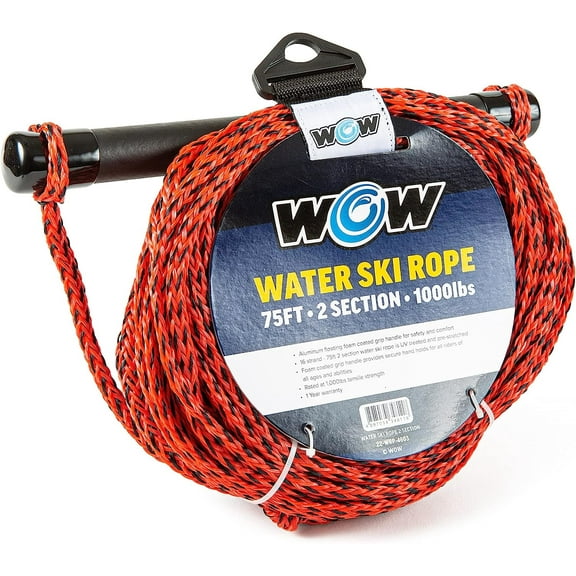
- You can add water ski ropes and water skiing life vests for a more complete setup.
Choosing ski type, skill level, and water skis
As you compare water skis, you should match the ski shape to your skill level instead of choosing by looks alone. You’ll usually get a friendlier learning curve from wider combo or trainer designs.
If your skill level is beginner, you should look for forgiving shapes, stable platforms, and bindings that adjust quickly. If your skill level is intermediate, you may want more responsive edges that still keep starts manageable.
When your skill level is advanced, you’ll likely focus on slalom profiles that support stronger cuts and tighter turns. You should compare how each shape tracks behind the boat at your usual speed.
You may also want to think about who shares the skis during a weekend at the lake. You’ll often find combo designs easier for mixed-experience groups because they support a wider range of riders.
Choosing length, materials, and water ski bindings
Length is a decision-critical detail, so you should check the inch size against skier weight and typical boat speed. You’ll often compare 65 inch, 67 inch, and 68 inch options when you want the right balance of lift and control.
If you need easier starts, you may prefer a length that gives you more surface area and support. If you ride faster and carve harder, you may lean toward a size that feels quicker edge to edge.
Material also affects how your skis feel underfoot during turns and across chop. You’ll usually see fiberglass, carbon fiber, and composite constructions with different levels of stiffness and response.
Fiberglass can give you a familiar, balanced feel for recreational riding and repeat sessions. Carbon fiber can feel lighter and quicker, while composite builds can help you compare versatile everyday options.
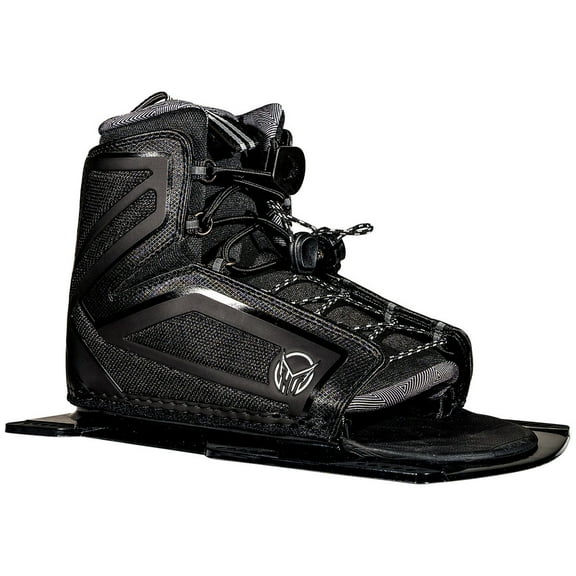
Binding style matters because your feet need a secure, comfortable connection to the ski. You should compare adjustable double boot designs with front boot and rear toe plate setups based on fit and shared use.
If several people use the same skis, you may want adjustable bindings that fit multiple shoe sizes with less setup time. If your ride style is more dialed in, you may prefer a front boot with rear toe plate feel.
What to look for in water ski gear and safety essentials
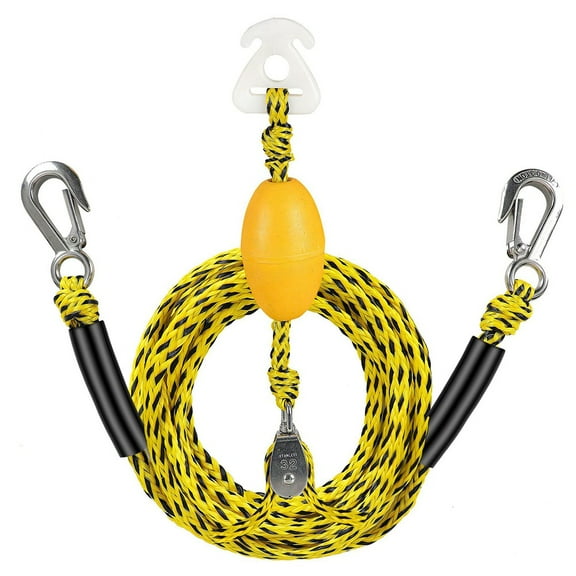
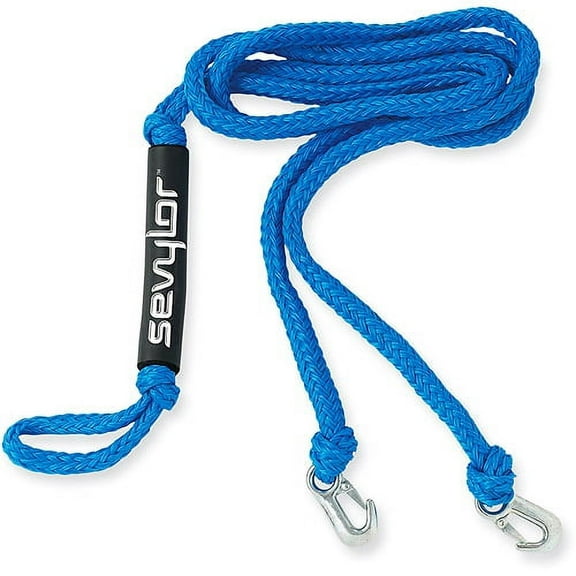
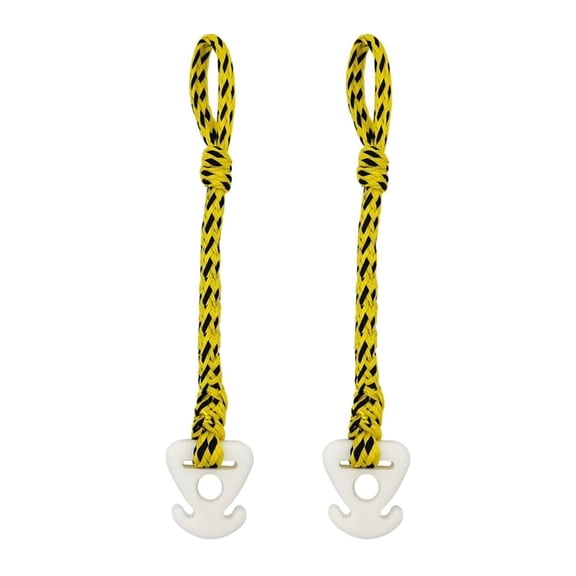
Your checklist should include more than skis because the right water ski gear supports smoother pullups and more organized days on the dock. You’ll want to compare ropes, handles, bindings, and storage-friendly accessories with your main setup.
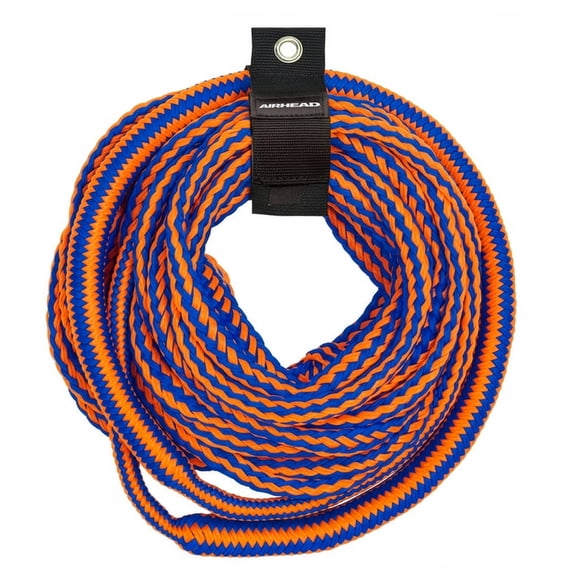
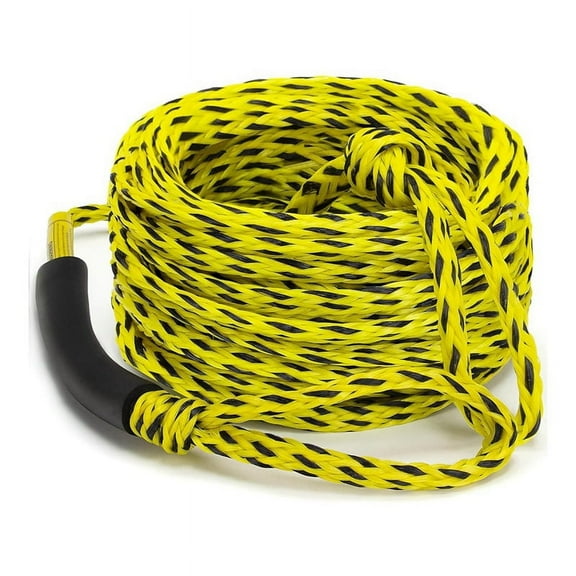
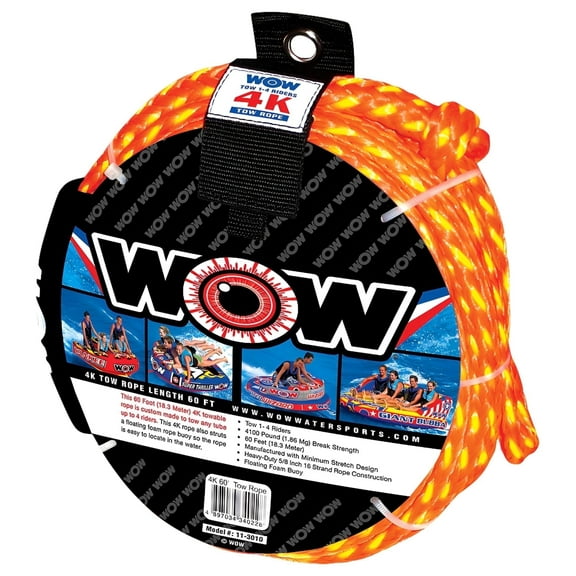
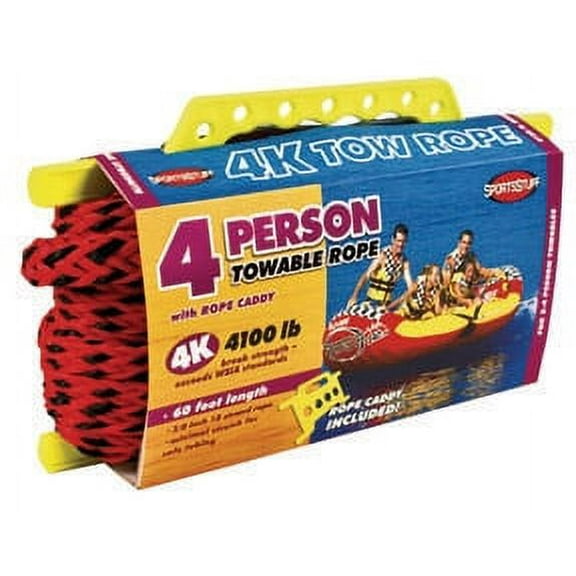
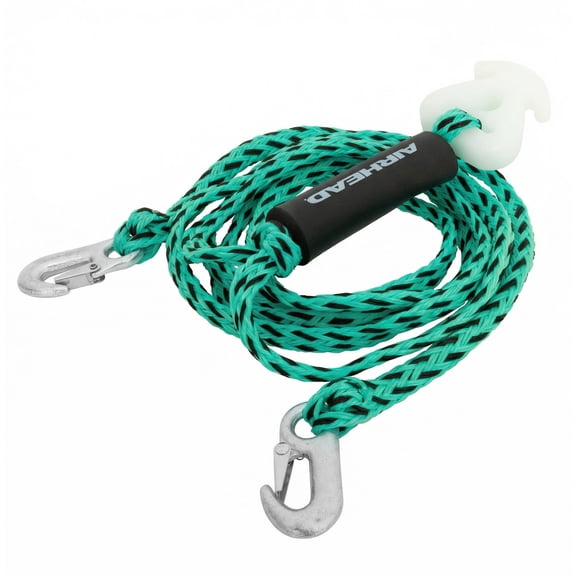
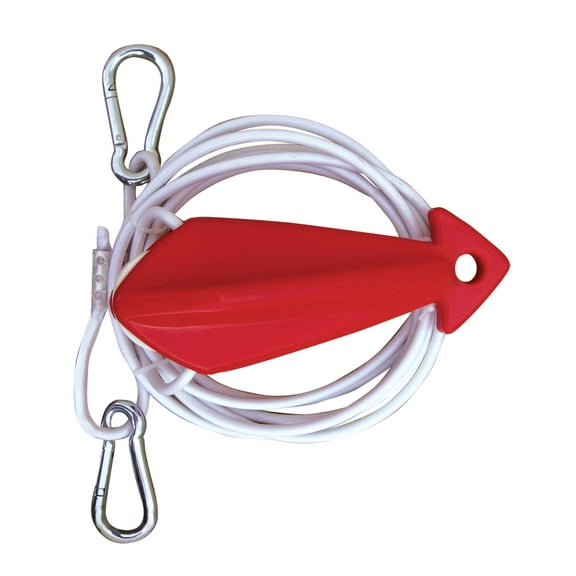
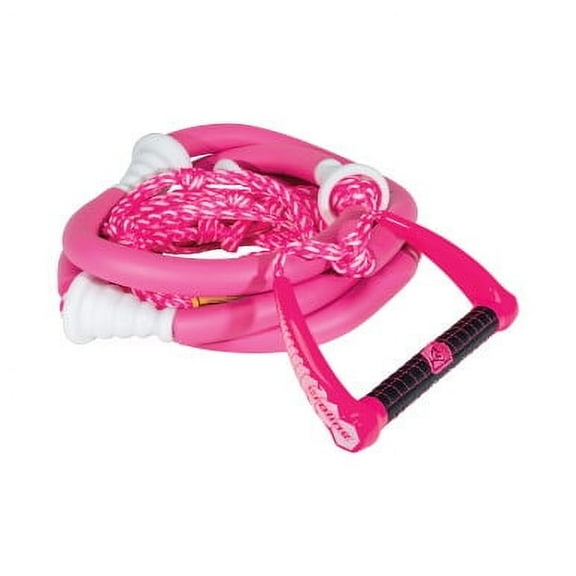
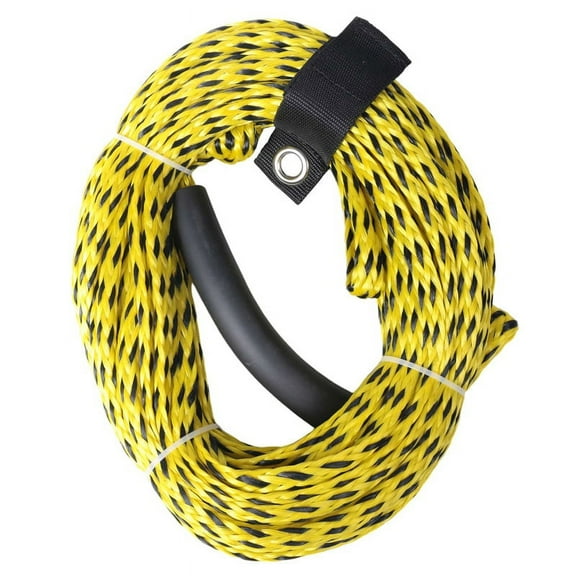
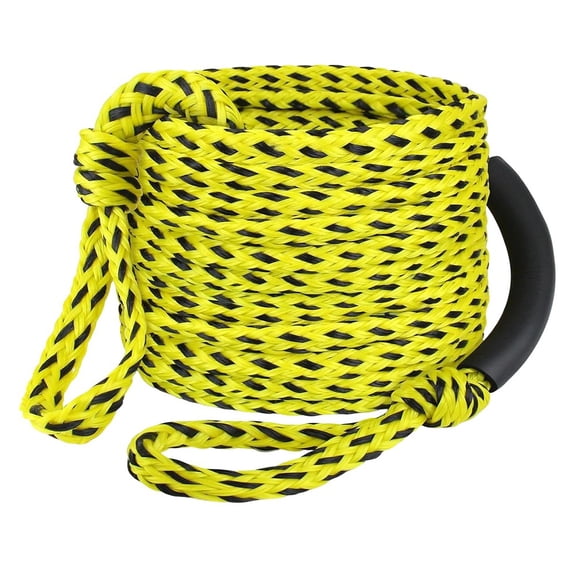
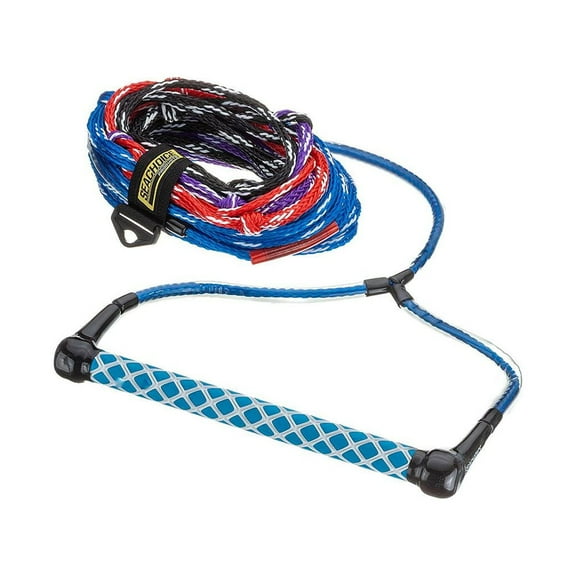
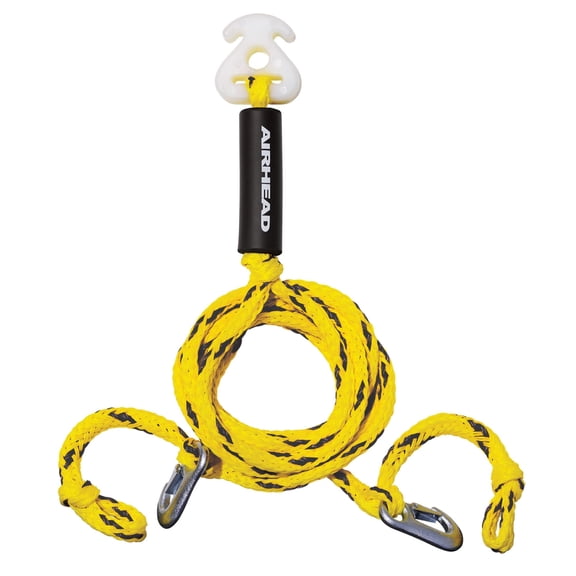
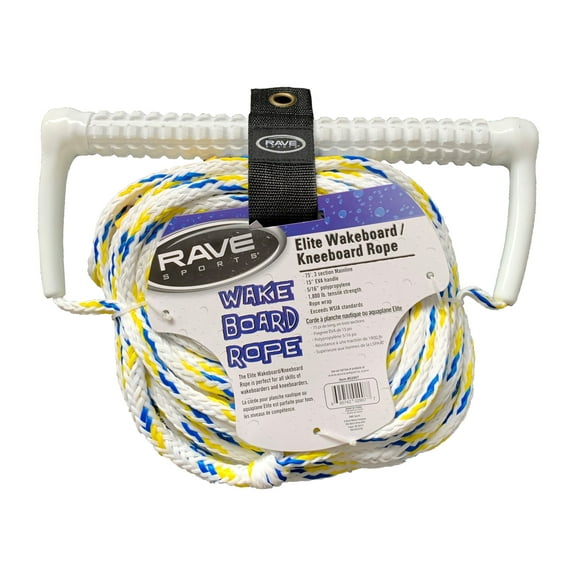
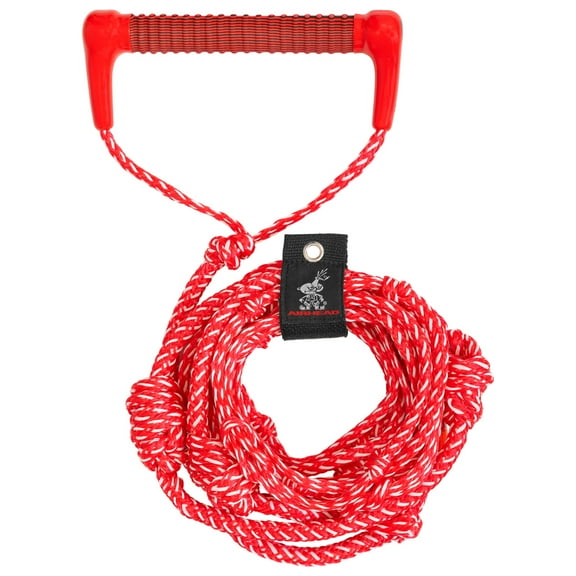
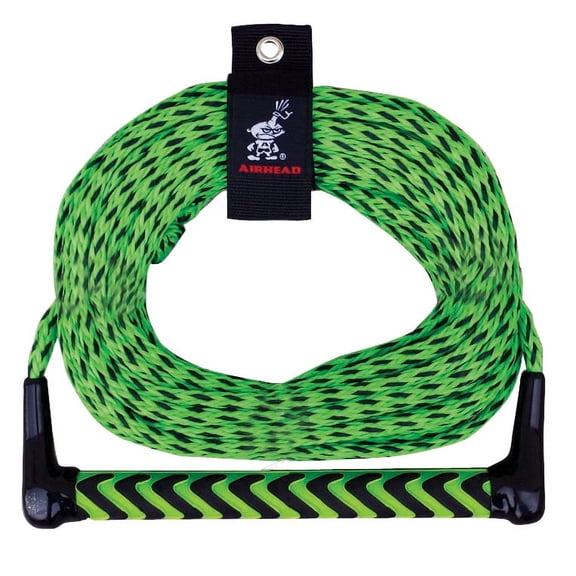
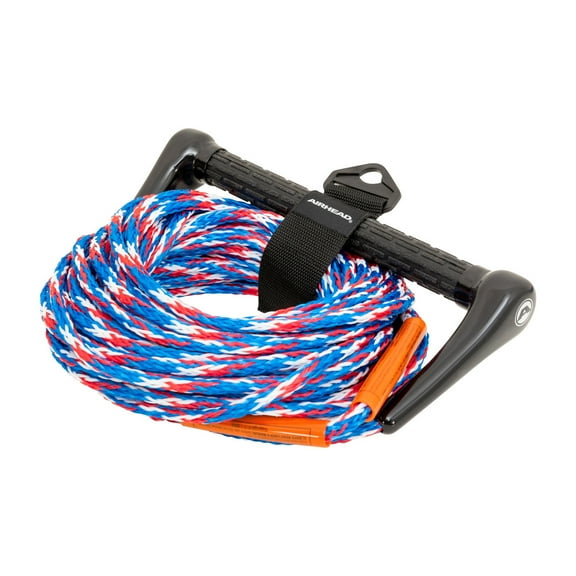
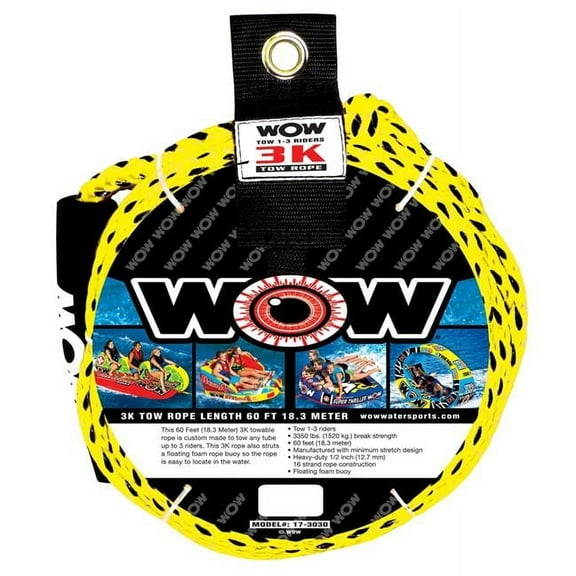
Water ski ropes feature designs optimized for towing, so you should look for options made specifically for skiing instead of general utility rope. You’ll notice purpose-built handles and line sections help you keep your setup consistent behind the boat.
You should also include water skiing life vests when you plan your gear list for adults or younger riders. You’ll want a secure fit that works with active movement and repeated starts from the water.
Many shoppers also pair skis with towable tubes for a full weekend watersports setup. If your crew rotates activities, you can build a flexible boat-day assortment without guessing what’s missing.
Matching your setup to real lake-day use
If your family shares equipment across ages and shoe sizes, you should consider combo skis with adjustable double boot bindings. You’ll get a setup that works well for beginners, casual riders, and repeat summer use.
If your goal is cleaner cuts across the wake, you may focus on slalom skis with a responsive material build. You should also check length guidance closely because sizing affects pull, stability, and turning feel.
When your rider is just starting out, you may want trainer styles and a supportive vest before moving into faster runs. You’ll create a more approachable progression by matching each piece of gear to experience level.
If your weekends include multiple activities, you can coordinate skis, ropes, life vests, and towable tubes in one order. You’ll spend less time sorting gear at the dock and more time getting on the water.
For seasonal lake homes and boat owners, you should keep an extra rope or shared-fit binding setup available. You’ll be ready for guests who want to try skiing without a long equipment adjustment process.
With the right water skiing equipment, you can compare ski type, length, material, and bindings with more clarity. You’ll feel more prepared to choose gear that fits your rider, your boat speed, and your lake-day routine.