

Shop Cameras by Type in Electronics




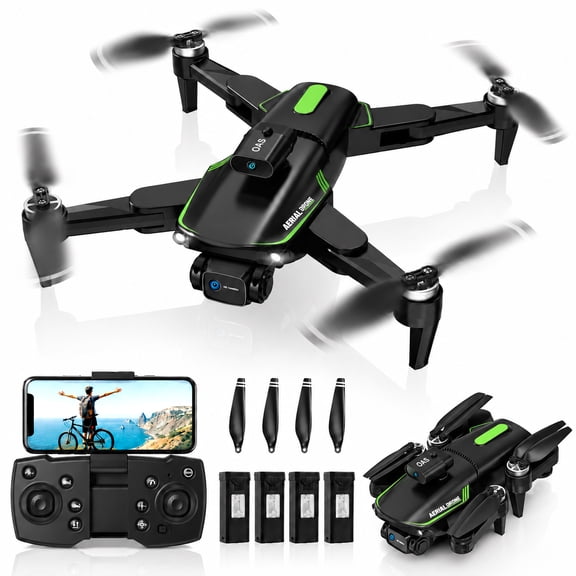
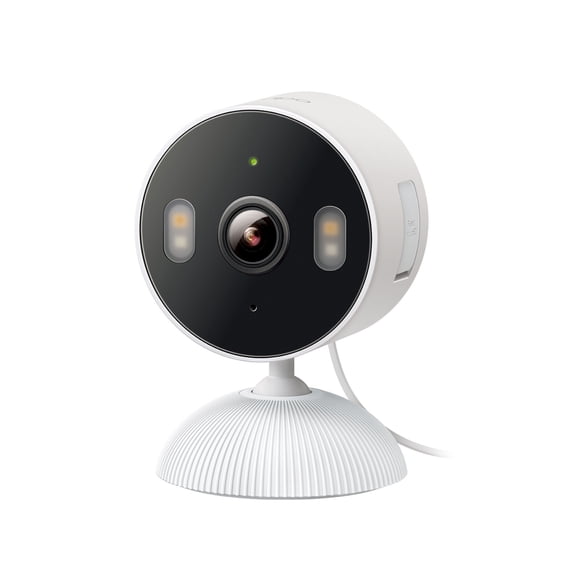


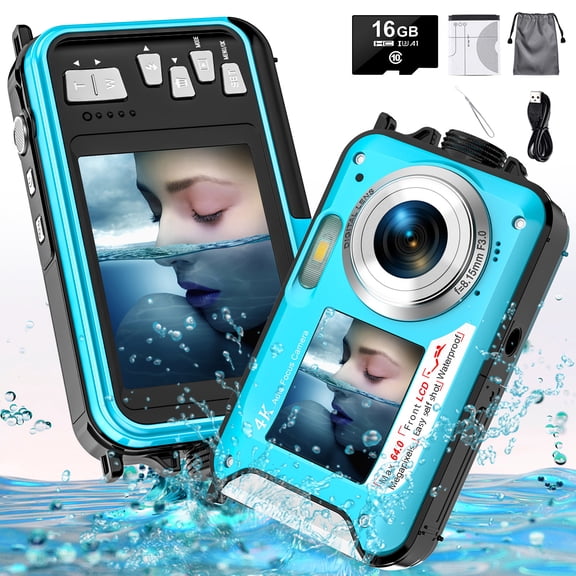








































About Shop Cameras by Type in Electronics - Walmart.com
Cameras by type help you narrow your options fast and match your gear to how you shoot every day. You can compare mirrorless, DSLR, point and shoot, and instant formats with clearer decision points.
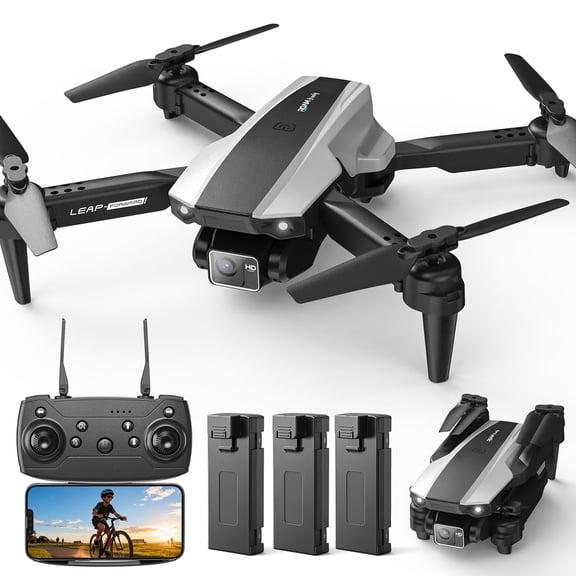
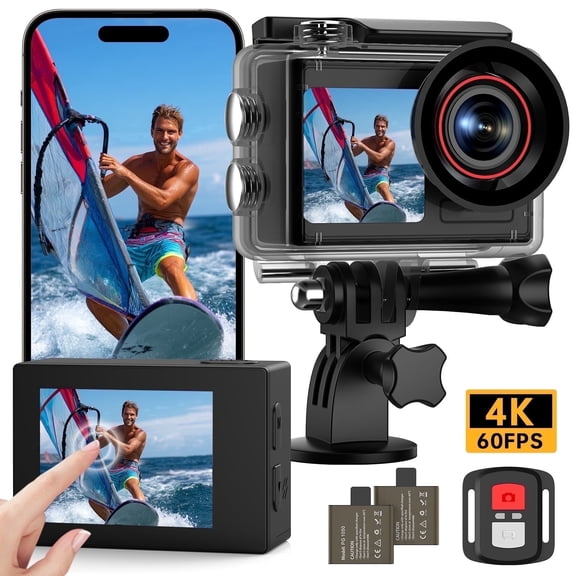
If you want travel-friendly gear, fast autofocus, or simple printing, you can use format differences to guide your choice. You can also find digital camcorders, vlogging cameras, and action cameras for specific shooting styles.
Choosing the right cameras by type
When you shop cameras by type, you can start with the format that fits your skill level and shooting goals. You may notice size, lens options, and controls change first.
Mirrorless cameras often suit you if you want interchangeable lenses in a lighter body. DSLR cameras may fit you if you prefer an optical viewfinder and a deeper hand grip.
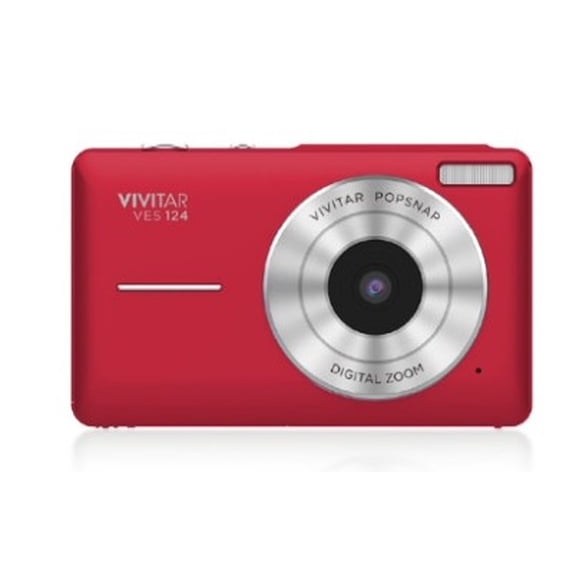
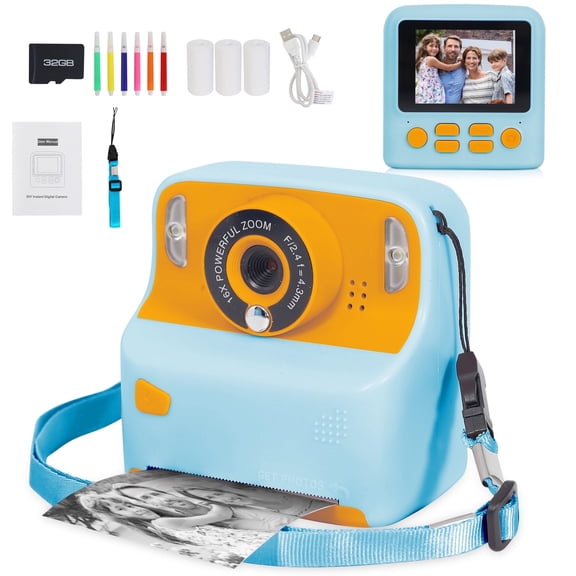
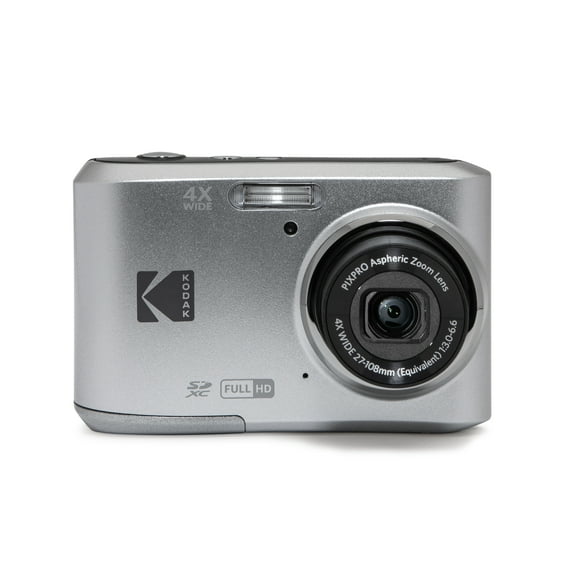
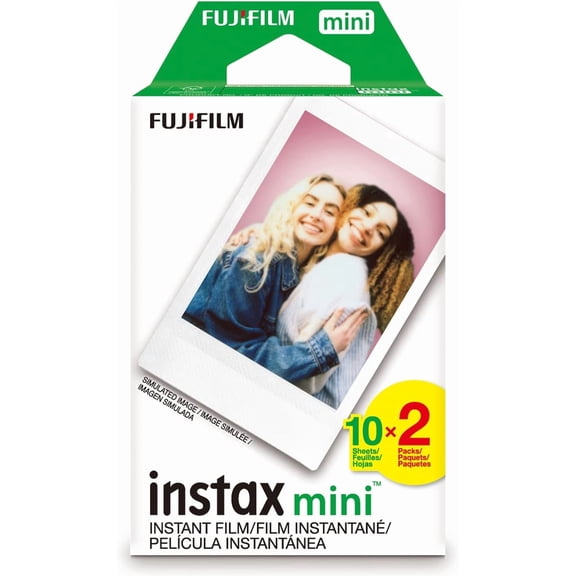
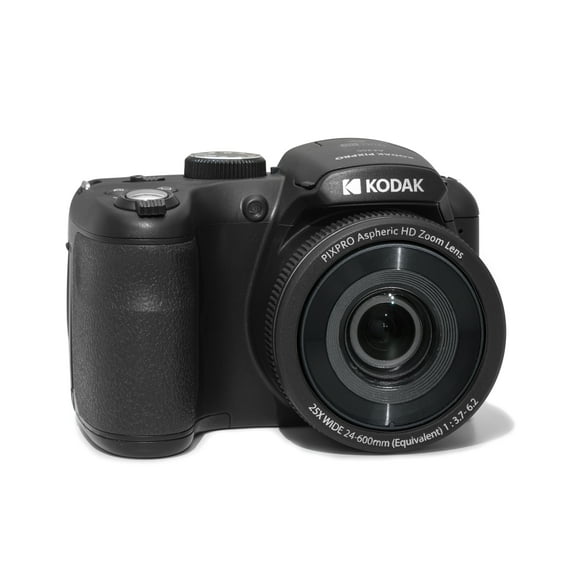
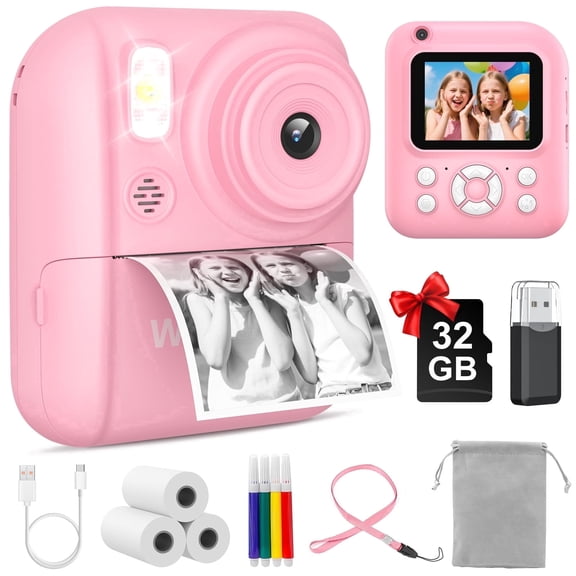
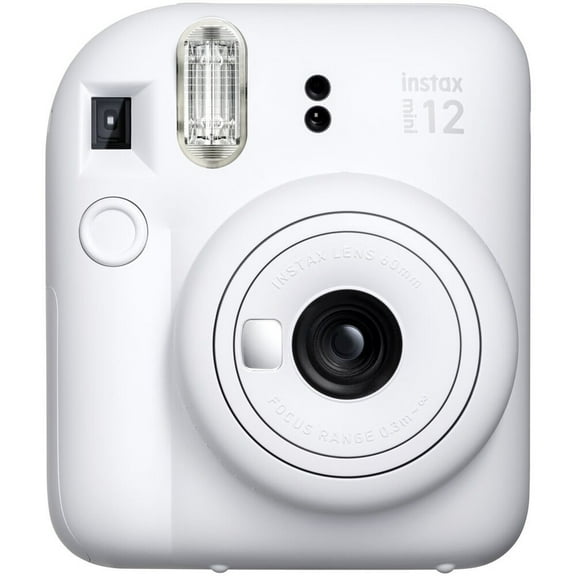
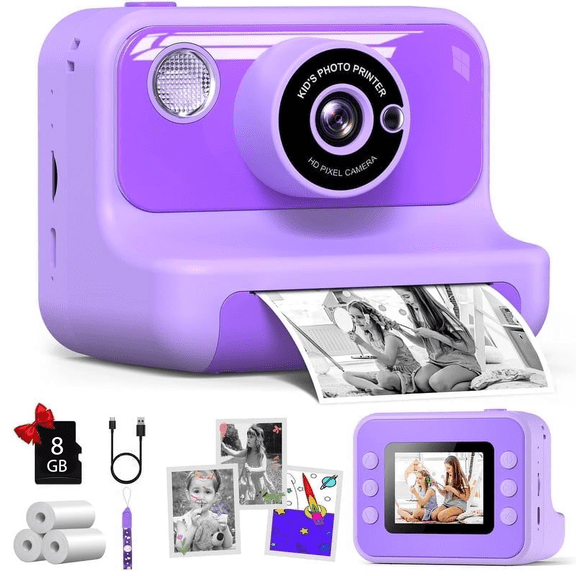
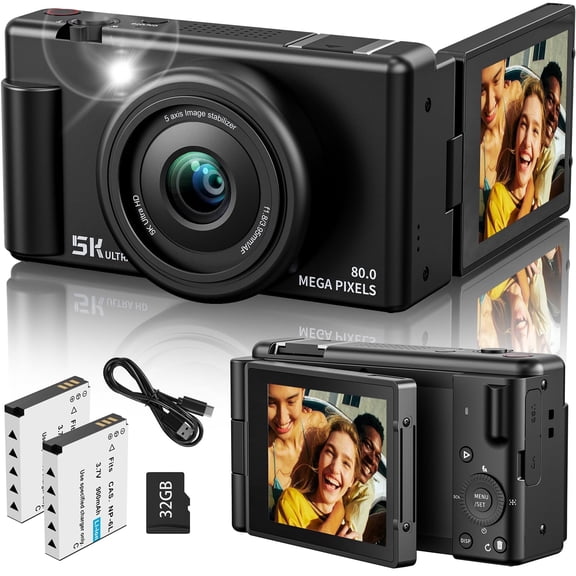
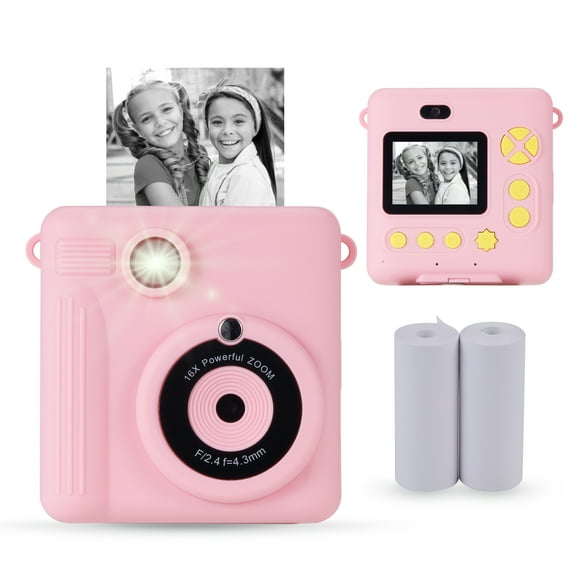
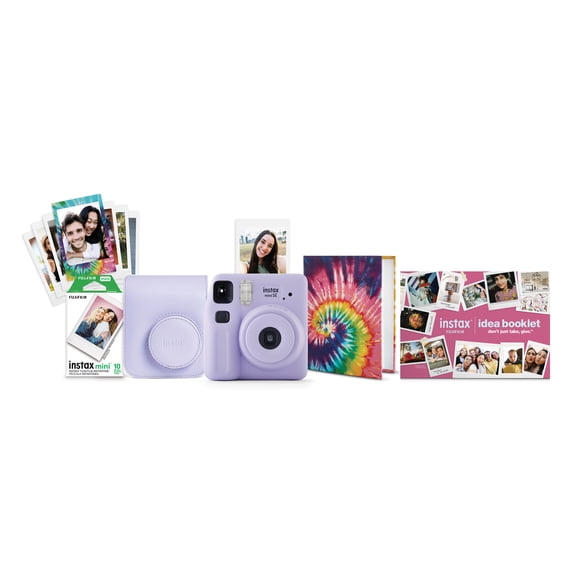
Point and shoot cameras work well when you want a simple setup for trips, family events, and everyday photos. Instant cameras fit you if you want a printed photo right after each shot.
- You can choose mirrorless models for compact bodies, electronic viewfinders, and fast subject tracking.
- You can choose DSLR models for familiar handling, optical viewing, and broad lens ecosystems.
- You can choose point and shoot cameras for pocket-friendly carry and easy automatic settings.
- You can choose instant cameras when your moments matter as printed keepsakes.
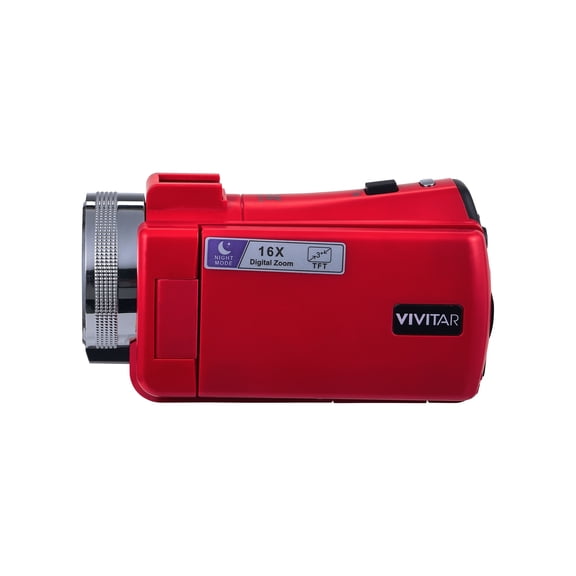
- You can choose digital camcorders or vlogging cameras when your priority is longer video recording and creator-focused controls.
How to compare mirrorless cameras and DSLR cameras
If autofocus performance matters to you, compare autofocus points and tracking modes before anything else. You can often get quick eye detection and live exposure preview with mirrorless bodies.
If you prefer a direct view through the lens, DSLR cameras give you an optical viewfinder instead of a screen-based preview. You may like that natural viewing style for bright outdoor shooting.
An electronic viewfinder can help you preview brightness, color, and white balance before you press the shutter. That means you can adjust settings sooner and review fewer missed shots.
Lens mount types matter because they determine which lenses fit your camera body. You should compare focal length range options if you shoot portraits, landscapes, sports, or close-up details.
If you want room to grow, check whether your format supports wide, standard, telephoto, and prime lenses. You can gain added flexibility when your lens ecosystem matches your future plans.
Choosing sensor size and resolution
Sensor size affects how your photos look in dim spaces and how much background blur you can create. You may see full frame, APS-C, one-inch, and medium format listed on product pages.
Full frame sensors can give you strong low-light results and wider dynamic range in many situations. APS-C sensors can suit you when you want a lighter setup with strong image quality.
One-inch sensors often work well if you want a compact camera with a step up from phone photography. Medium format can appeal to you when detail and large-image output are key priorities.
Resolution also shapes your choice, especially if you crop images or print larger photos. You can look at under 20MP, 20MP to 30MP, and 30MP to 50MP as practical ranges.
If you share online and shoot casually, under 20MP may be enough for your needs. If you edit heavily or print larger sizes, you may want 30MP or more.
Choosing the right skill level and handling
Your comfort with manual controls should guide your shortlist before you compare extra specs. You may want beginner models with guided menus and easy automatic shooting modes.
If you’re an enthusiast, you may want direct dials, custom buttons, and fast burst shooting. Those features help you change settings quickly when your scene changes.
If you shoot professionally, you may look for dual card slots, strong battery performance, and deeper lens support. You may appreciate those details during long sessions and demanding assignments.
Weight matters too, especially if you carry your camera all day on trips or at events. You should compare body size with the lens you plan to use frequently.
Matching camera type to your use case
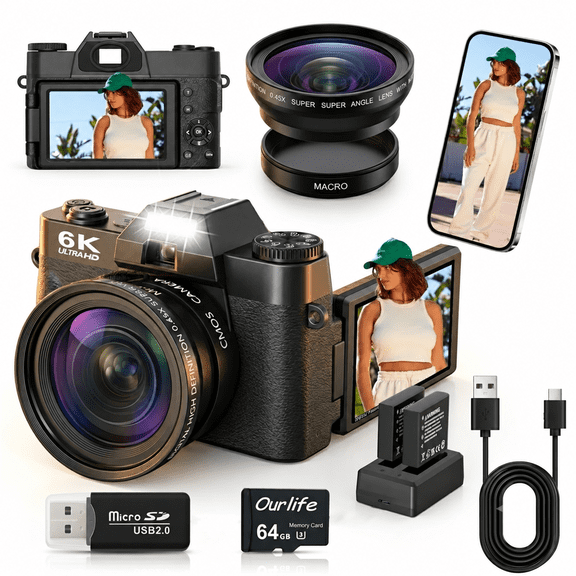
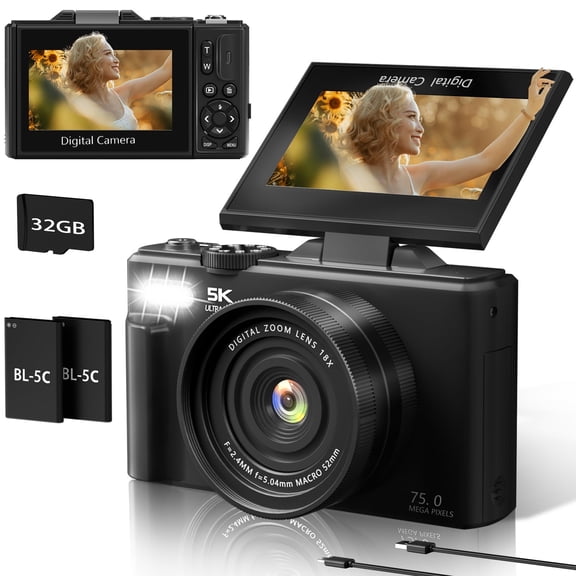
If you create content, vlogging cameras can help you frame yourself with flip screens and simple video controls. You may also want fast autofocus and microphone compatibility for cleaner creator setups.
If you travel often, point and shoot cameras and compact mirrorless options can lighten your bag. You may notice that smaller kits are easier to pack for flights, day trips, and city walks.
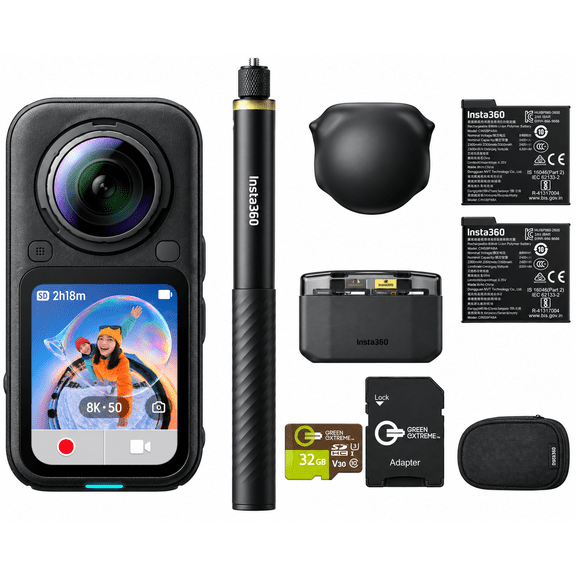
If you film movement, action cameras can fit tight mounts and active scenes with easy portability. You may prefer that format when your priority is compact recording on the go.
If portraits are your primary focus, you should focus on lens compatibility, sensor size, and focal length choices. You can gain precise control over background blur with the right body and lens pairing.
If your goal is everyday family photos, cameras by type make it easier to choose a format you’ll actually carry. You can feel more confident when your camera matches your routine, not just your wish list.
With a clear view of format, sensor size, resolution, and lens options, you can choose with less guesswork. You can select a camera type that fits your shooting style from the first outing.