


Find auto parts that fit
Let’s search for parts that fit your vehicle.UTV Instruments & Gauges in UTV Parts
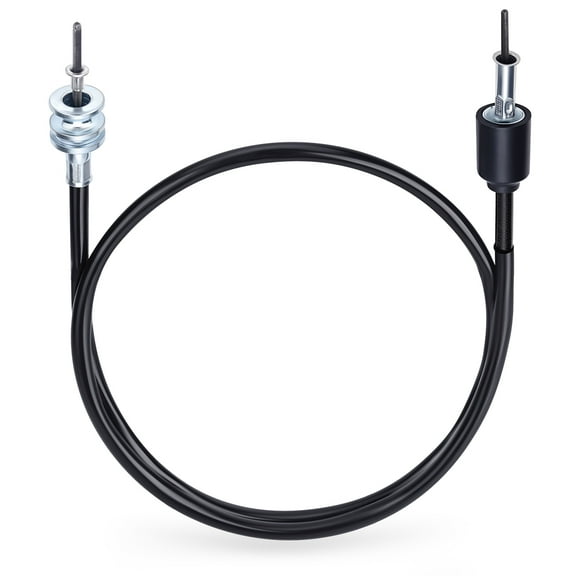
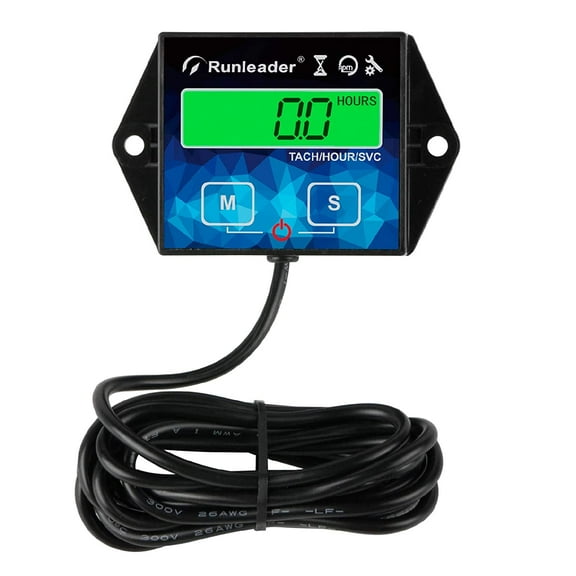

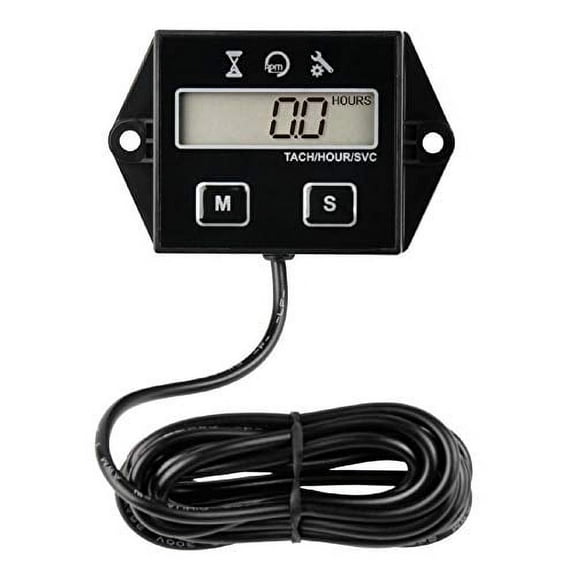
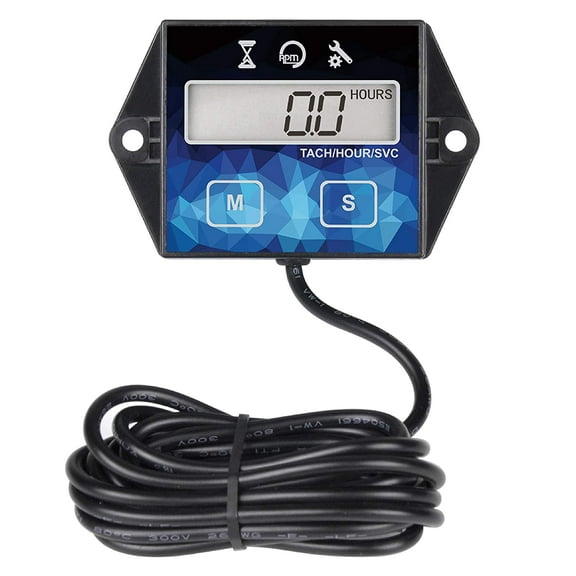


















About UTV Instruments & Gauges in UTV Parts - Walmart.com
UTV instruments and gauges help you track speed, temperature, voltage, and engine activity on every ride. When you replace a worn readout or plan a custom UTV dash panel, you can compare clear options here.
How to choose UTV instruments and gauges
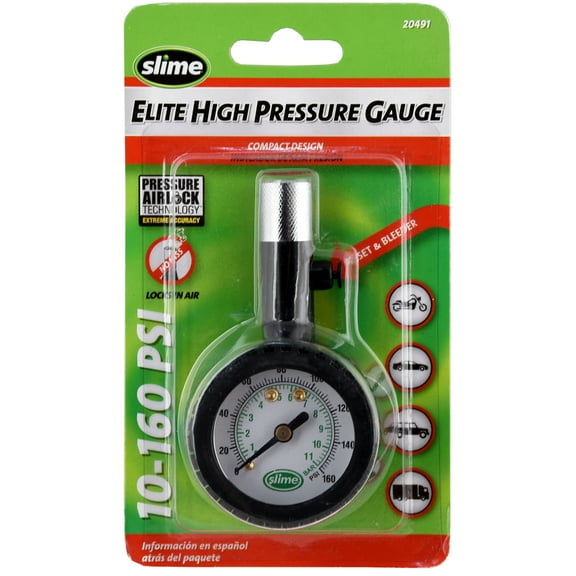
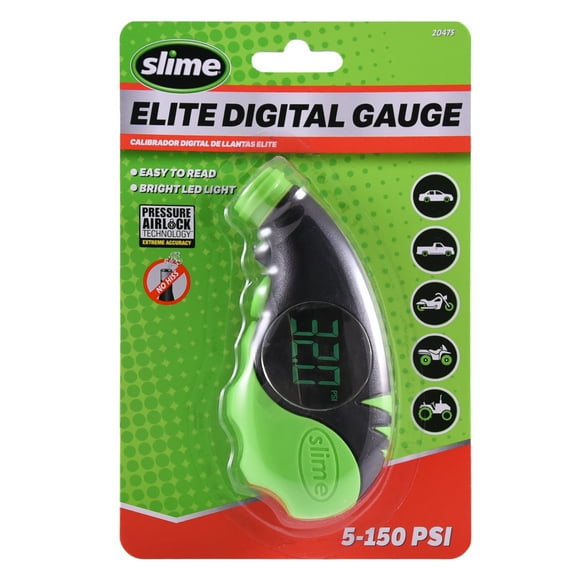
You should start with the gauge type that fits your riding style and your available dash space. Analog faces give you a classic look, while digital screens give you quick number checks.
If your layout feels crowded, you can compare multi-function units that combine several readings. That setup helps you keep your dash cleaner and your information easier to scan.
Display clarity matters when your trail turns dusty or your afternoon gets bright. High-contrast backlighting helps you read your gauge faster in direct sunlight.
- You can choose analog displays when your glance reading matters during rough terrain.
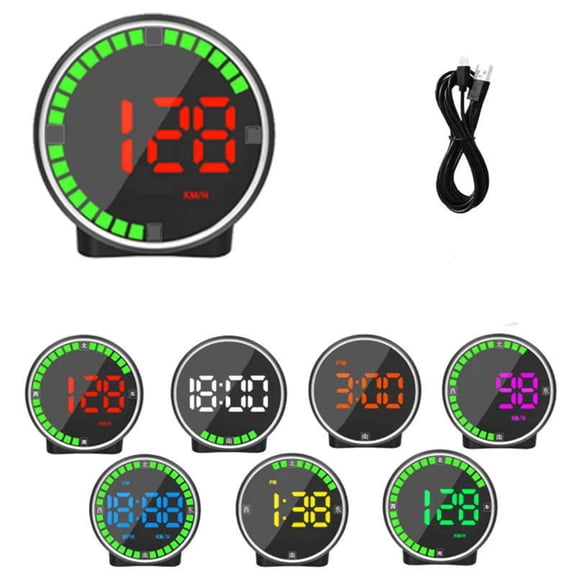
- You can choose digital displays when your compact dash needs clear numeric readouts.
- You can choose multi-function units when your panel has one opening for several measurements.
- You should compare universal and model-specific fitment before your installation begins.
- You should check waterproof, dustproof, or IP67 rated designs for muddy routes and washdowns.
Choosing measurement functions for your setup
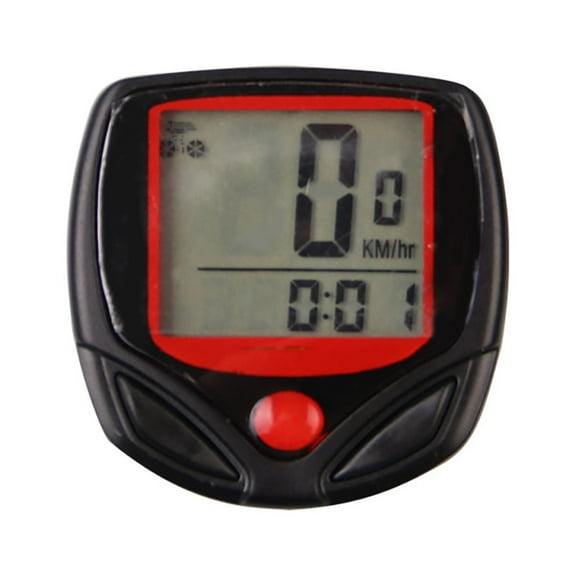
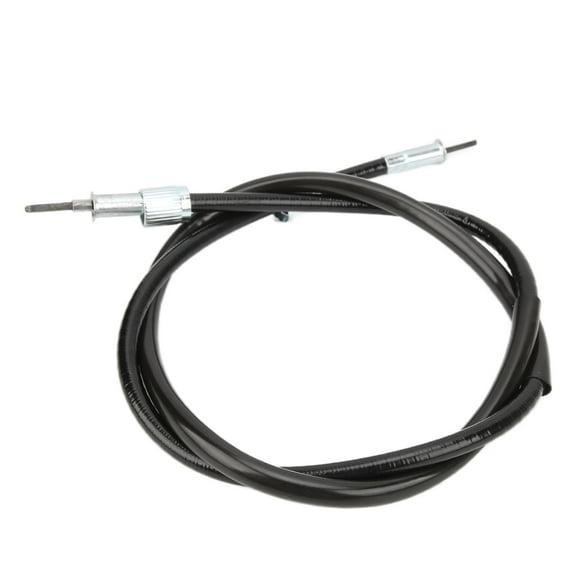
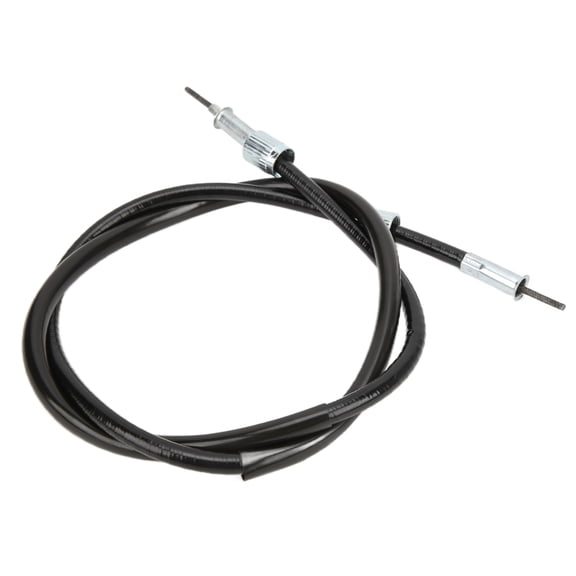
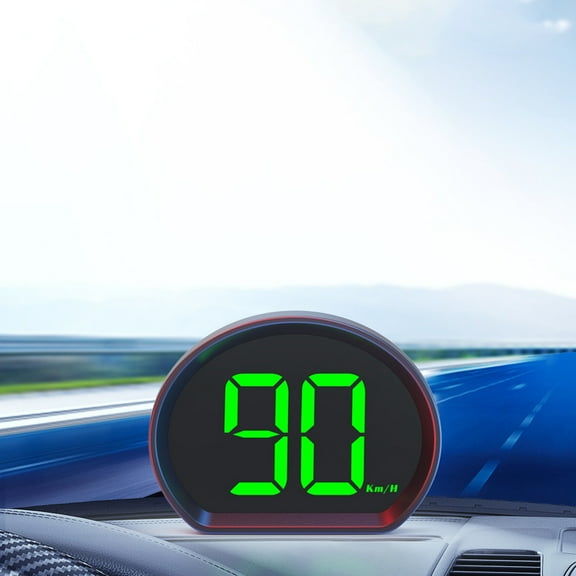
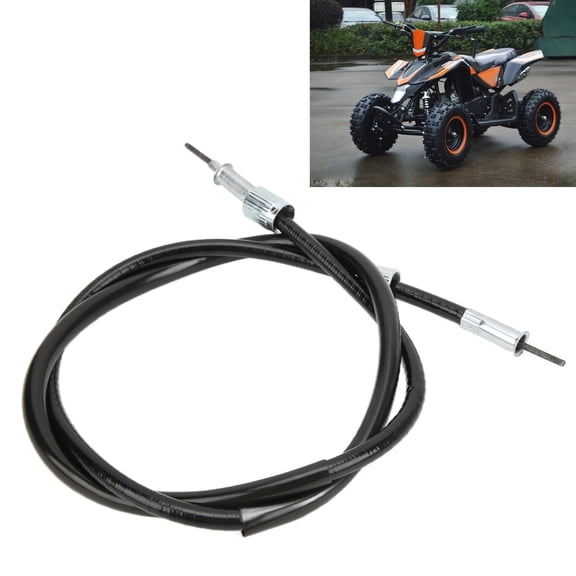
You should match each gauge to the reading you watch closely during rides. A UTV speedometer helps you pace trail sections, route rides, and property runs.
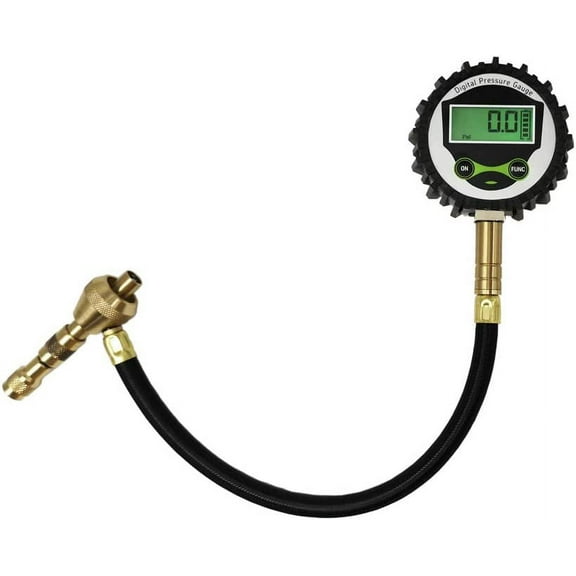
When engine heat stays in focus, you should compare each UTV temperature gauge by sender style and display range. That check helps your readout match your sensor plan and your mounting layout.
Your electrical accessories may make a UTV voltage meter worth adding to your panel. That reading helps you keep charging information visible when lights, audio gear, or winches draw power.
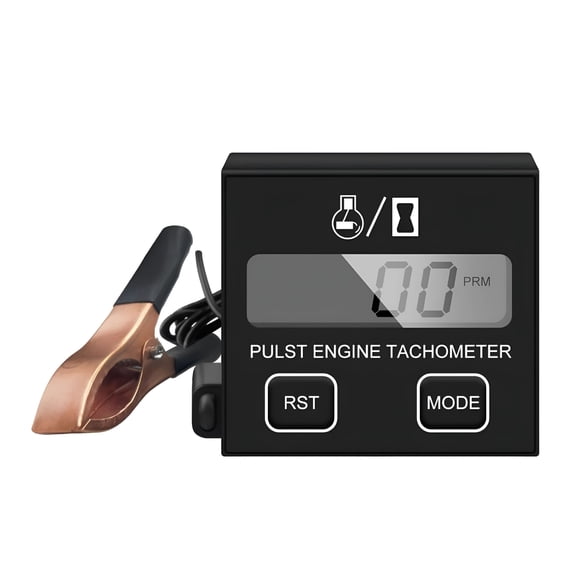
For engine-focused builds, you can compare a UTV tachometer by signal compatibility and face readability. That choice helps you track rpm changes when bumps and vibration make quick glances harder.
Checking fitment and wiring details
You should confirm whether your side by side gauges are universal or model-specific before you install anything. Measuring your dash cutout size first helps you avoid frustrating fit issues.
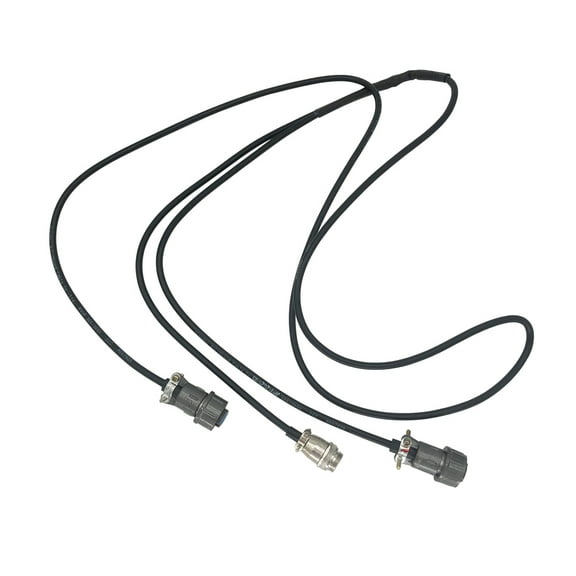
Plug-and-play wiring harness details deserve a close look when your machine supports them. You can shorten your install time when your connectors match your vehicle's existing setup.
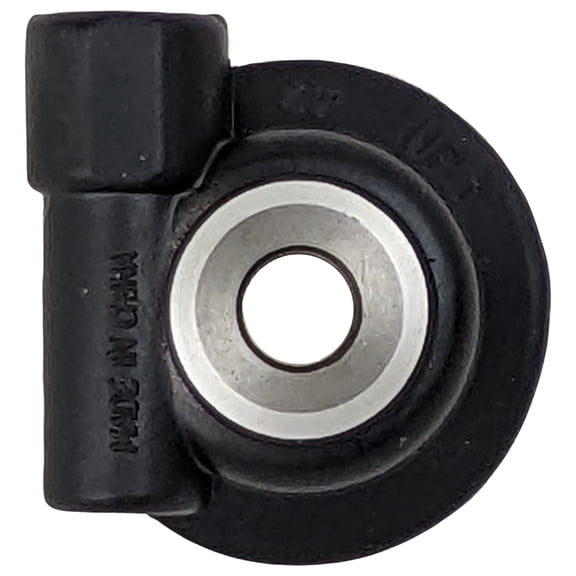
Sensor thread pitch matters when your gauge uses a sender for temperature or pressure-style inputs. That measurement helps you match the sender to your port without guesswork.
If your build uses a custom UTV dash panel, you should measure depth behind the mounting surface. Bezel width, gauge diameter, and rear housing length all affect your final fit.
Your gauge should also match standard 12V DC systems and common ground connections. That check helps you plan power routing with fewer surprises during installation.
Comparing weather resistance and readability
You need instruments that fit muddy trails, rough vibration, and regular washdowns. Waterproof, dustproof, and IP67 rated options help you narrow choices for outdoor use.
An IP67 rated design gives you a useful clue about sealing and housing protection. That spec helps you compare options when your machine sees mud, silt, and pressure washing.
Secure mounting hardware matters because your readings need to stay steady over ruts and rocks. Stable housings help you trust the display when your trail gets rough.
Lens clarity and backlighting affect how quickly you read numbers in changing light. You should compare contrast levels when your rides move from shade to open sun.
Matching side by side gauges to real riding needs
You might choose a dedicated UTV speedometer when your route riding depends on steady pace checks. Pairing it with a UTV voltage meter makes sense when your accessories add electrical demand.
If your rides include heat, climbs, or towing tasks, a UTV temperature gauge may deserve priority. That placement keeps an important reading in your line of sight during longer runs.
For utility-focused builds, multi-function side by side gauges can simplify a tight dashboard. That format helps you combine several measurements in one compact area.
Model-specific options may suit your machine when your factory opening guides your layout. Universal units may suit your project when your custom panel gives you more freedom.
You can narrow your choices faster when you compare gauge type, fitment, weather resistance, and power needs together. That approach helps you build a dashboard that stays readable and organized on every ride.
Your final setup should match your machine, your wiring plan, and your trail conditions. With the right readings in view, you can monitor your ride with more clarity and confidence.