







Umbro in Soccer Gear and Equipment



















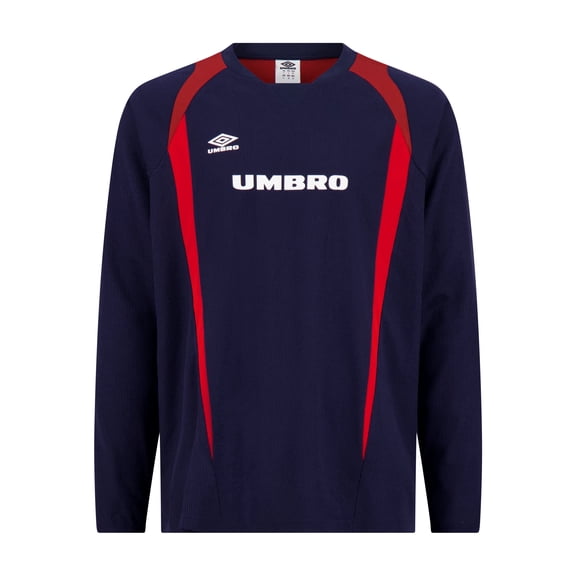


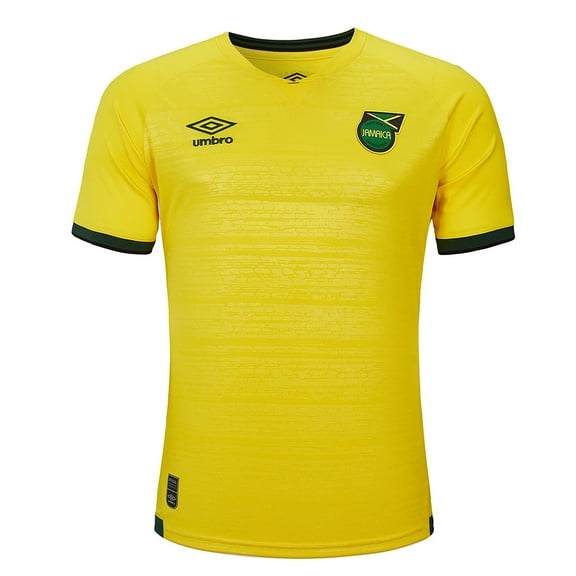
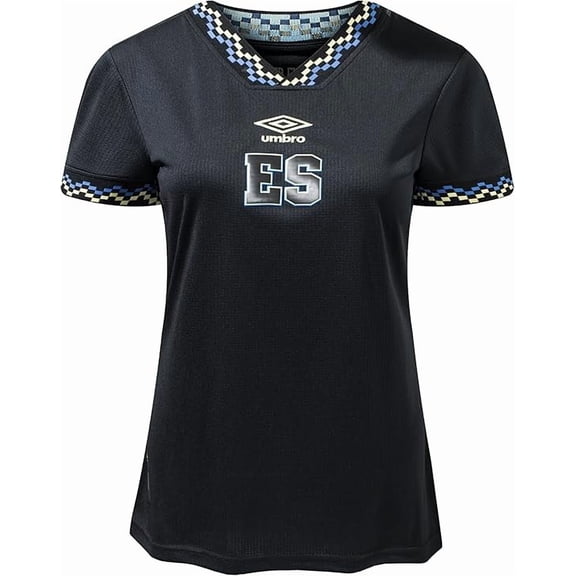
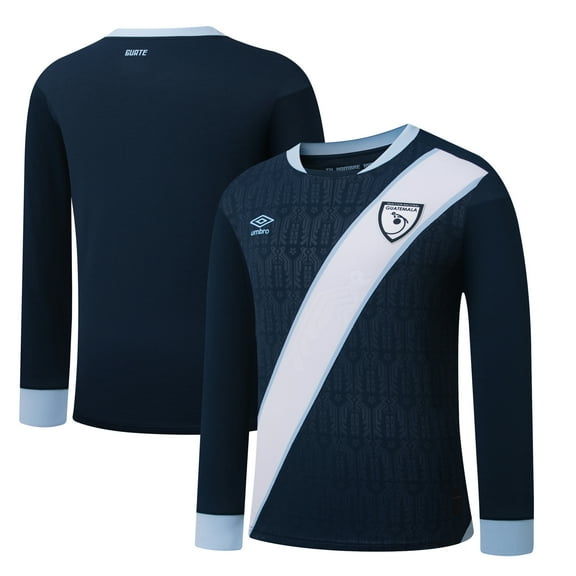

About Umbro in Soccer Gear and Equipment - Walmart.com
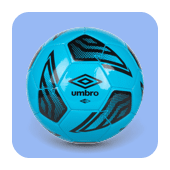
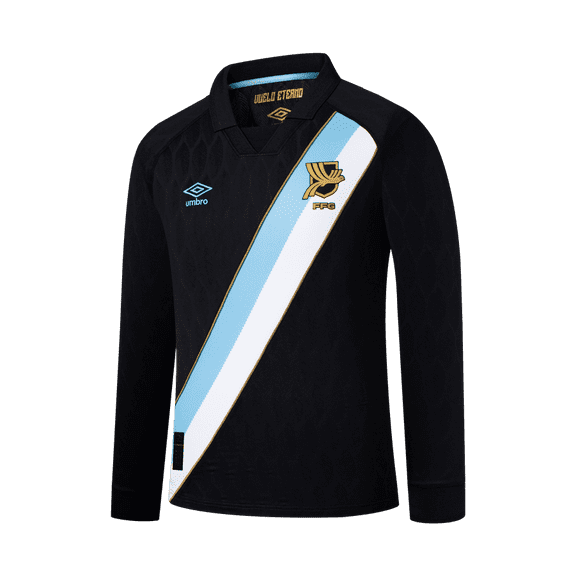
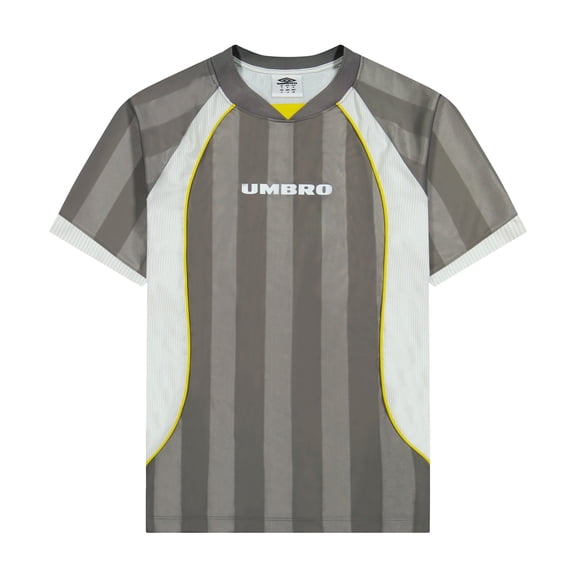
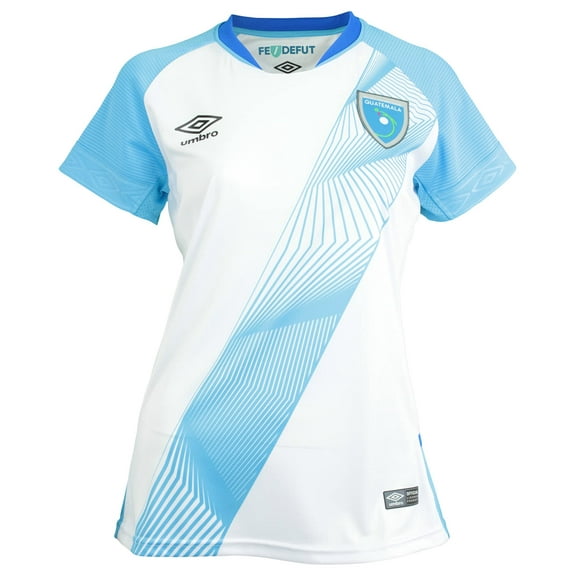
With umbro soccer gear, you can build your kit around match-ready essentials and training staples from one trusted soccer brand. You’ll find balls, cleats, shin guards, shorts, and jerseys that fit youth and adult players across different stages of play.
If you’re comparing brand pages, you’ll notice this category centers on soccer-specific choices like ball size, cleat surface, and shin guard fit. You can use those details to narrow your options quickly and choose gear that matches how and where you play.
How to choose umbro soccer gear by product type
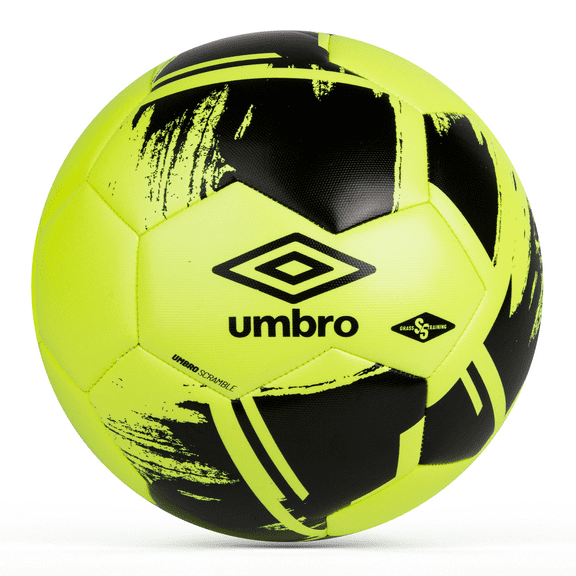
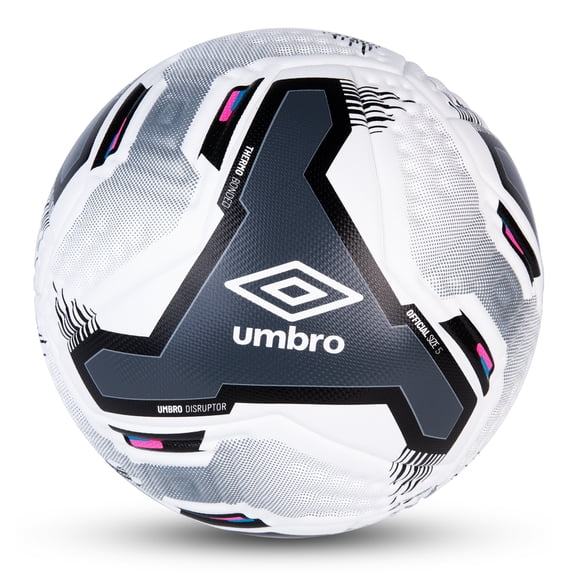
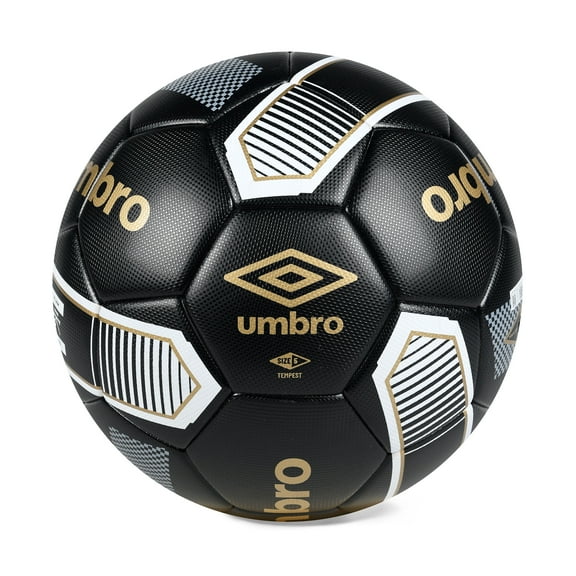
When you shop by product type, you can focus on the pieces that shape your setup on the field. You may start with an umbro soccer ball, then add footwear, protection, and apparel that support regular practice and match days.
For complete kits, you can compare umbro soccer cleats with umbro shin guards, then finish with shorts, jerseys, and socks. You’ll get a clear path to the right combination when you match each item to position, age group, and playing surface.
- You can choose soccer balls for drills, scrimmages, and organized matches.
- You can compare cleats by traction pattern and playing surface.
- You can check shin guards by coverage level and player height.
- You can pick shorts, jerseys, and socks by fit, fabric, and movement needs.
That product-by-product approach helps you avoid mismatched gear that feels out of place during training. You can keep your setup consistent when your ball, footwear, and apparel all align with your routine.
Choosing the right umbro soccer ball size
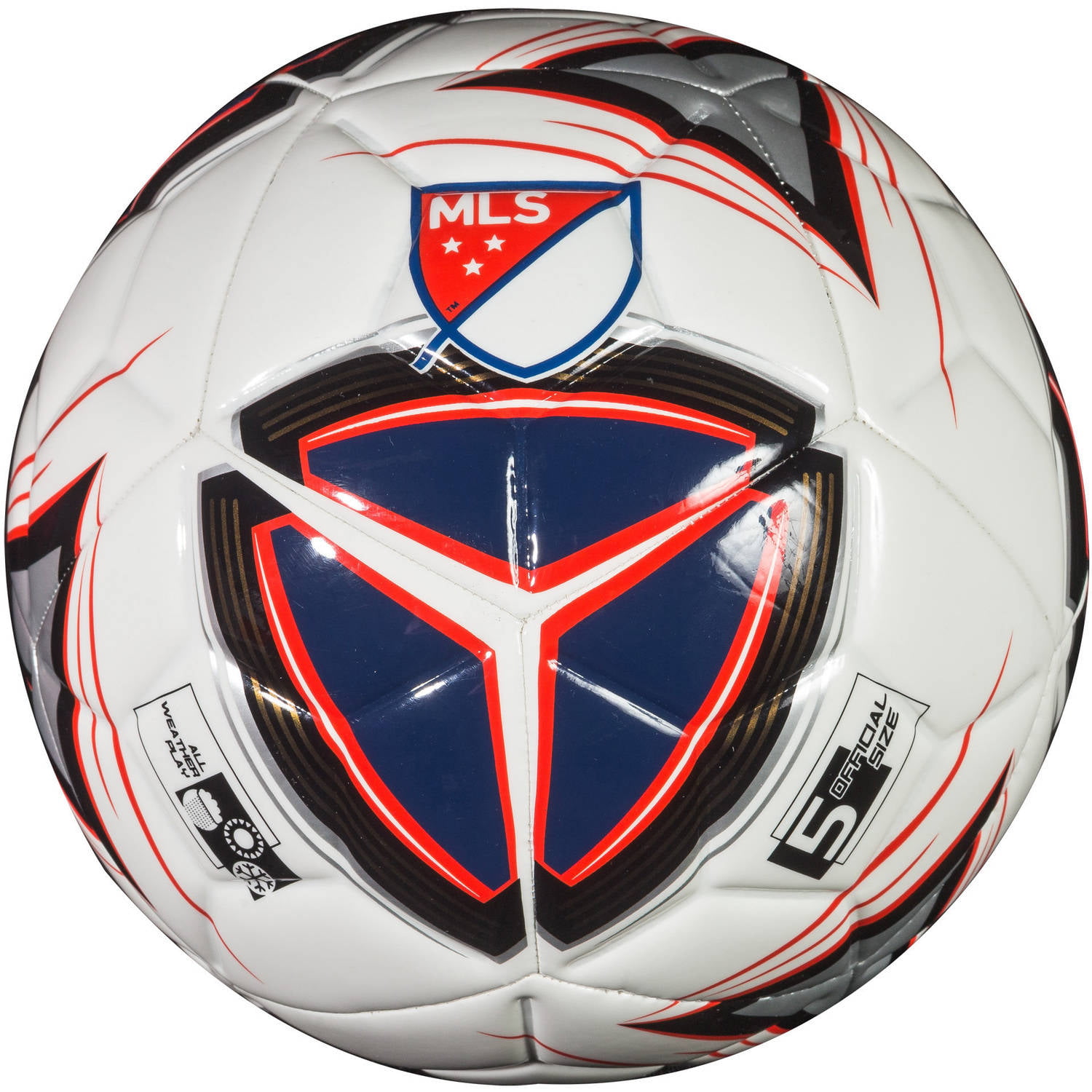
Ball size is an important decision you’ll make, because the right size changes how the ball feels at your feet. You should compare size three, size four, and size five before you choose a ball for practice or games.
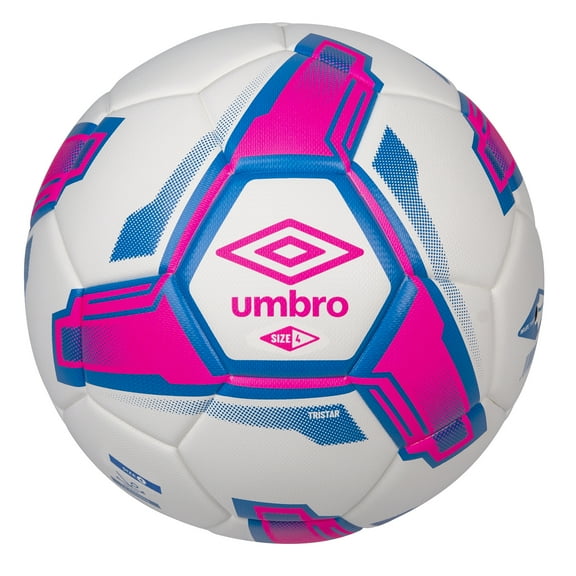
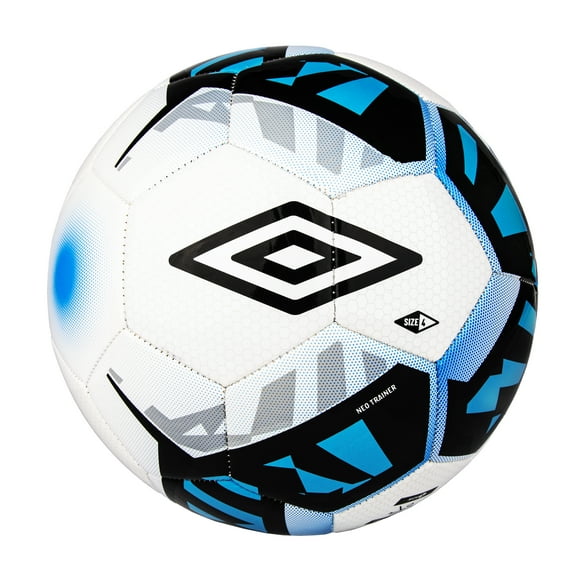
If your player is under eight, you’ll usually want size three for easy control and more natural touches. If your player is eight to 12, you’ll usually look for size four to match developing footwork.
For ages 13 and up, you’ll generally choose size five because that’s the full-size match standard. You can use that sizing guide to narrow your umbro soccer ball options quickly and avoid unnecessary guesswork.
Material also matters when you compare balls, because cover texture can affect touch and feel. You may notice synthetic leather or TPU constructions that help you balance responsiveness, everyday use, and repeated field sessions.
What to look for in umbro soccer cleats and shin guards
When you compare umbro soccer cleats, you should start with the surface where you play frequently. You can look for firm ground styles for natural grass, turf styles for artificial surfaces, or indoor designs for flat courts.
That choice matters because traction patterns change how your steps feel during cuts, stops, and quick turns. You’ll make an informed pick when your outsole matches the field instead of forcing one style into every setting.
Upper materials can also guide your choice, especially when you want a certain touch or fit. You may prefer synthetic leather for a smoother strike zone, while mesh panels can support airflow during active sessions.
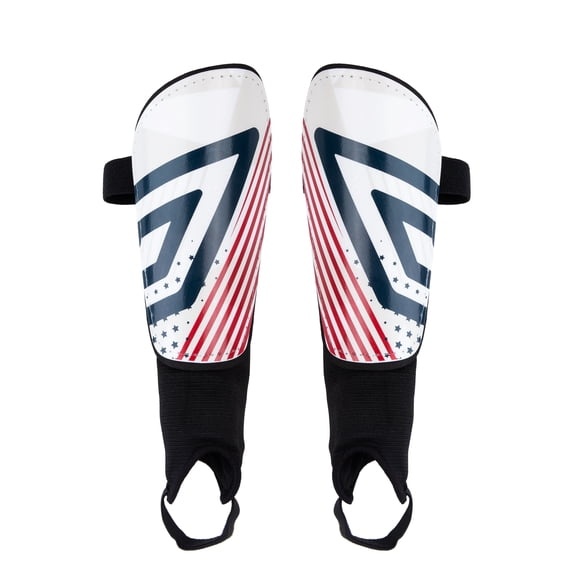
For umbro shin guards, you should focus on coverage, sleeve style, and overall fit against your leg. You can use player height as a simple guide, because taller players often need extended coverage through the lower leg.
If you want a streamlined feel, you may choose compact guards that fit easily under socks. If you want more structure, you can compare styles that offer broader front coverage during contact-heavy play.
Comparing apparel sizes for youth and adult players
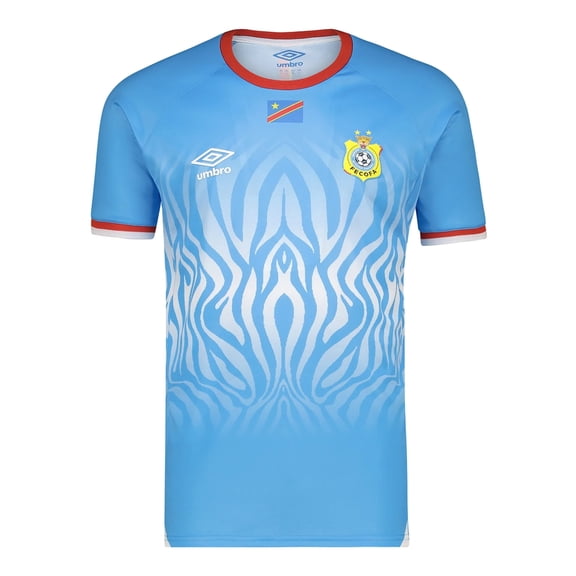
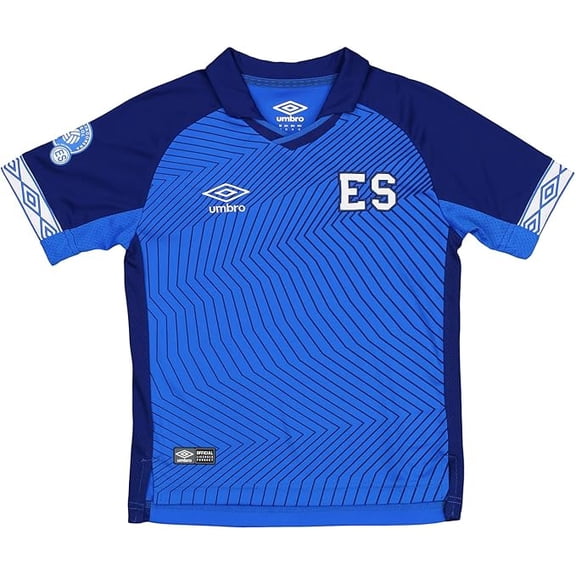
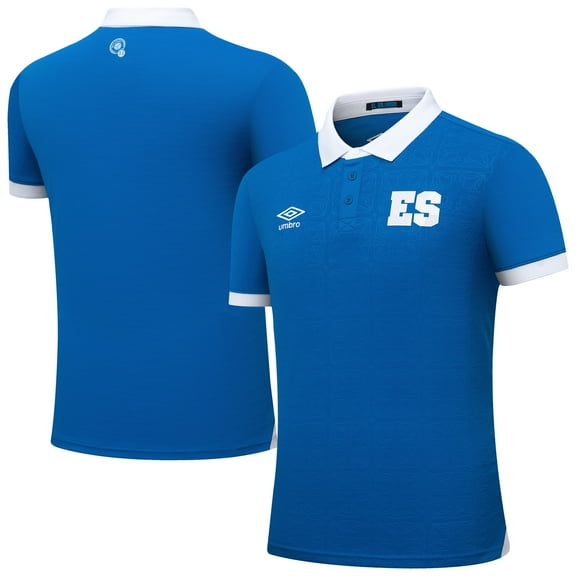
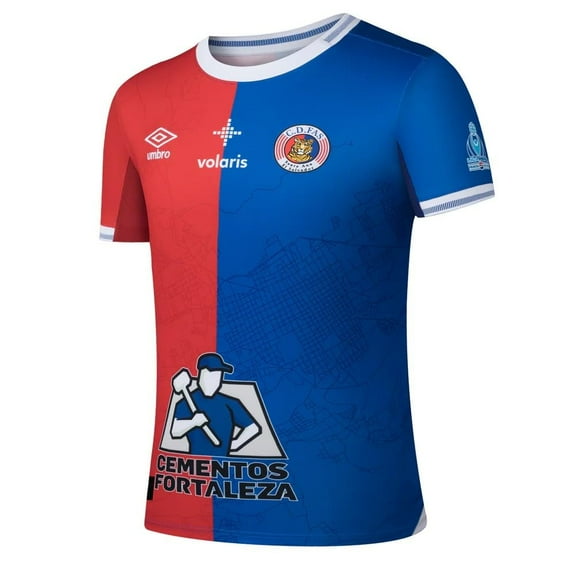
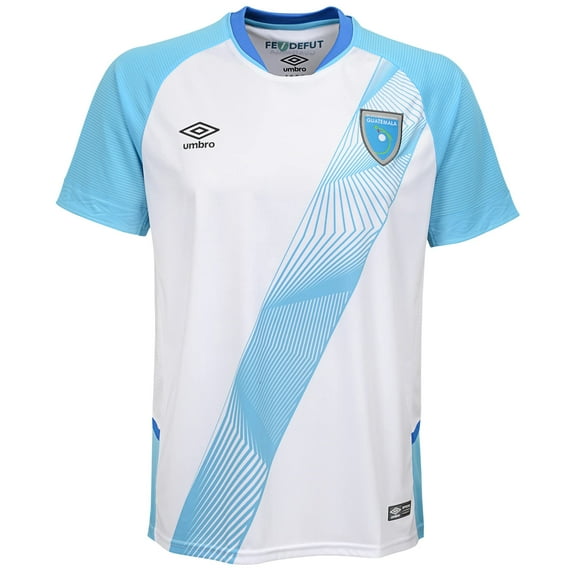
Apparel decisions become straightforward when you separate youth and adult sizing before you compare styles. You should check the size chart first, especially if you’re choosing an umbro soccer jersey or umbro soccer shorts for growing players.
You’ll want room for movement without choosing an oversized fit that shifts during drills. That balance can help you keep jerseys comfortable for passing sessions and shorts easy to wear through repeated sprints.
Fabric details can help you narrow options across training wear and game-day basics. You may see polyester builds that feel light, or mesh sections that support airflow during warm practices.
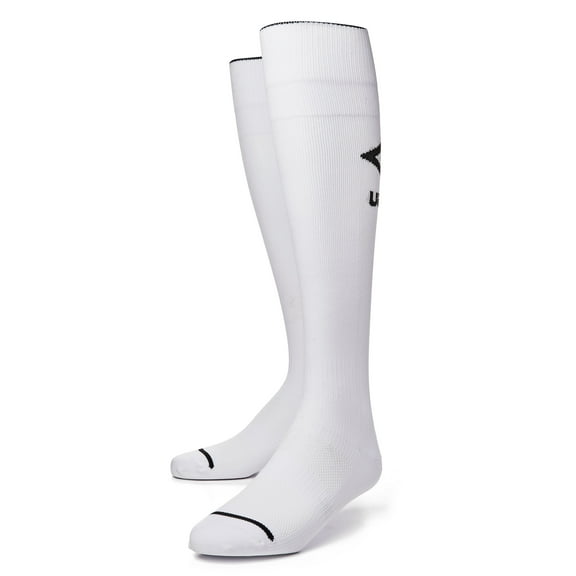
Socks also matter more than many shoppers expect, because they complete the fit around shin guards and cleats. You can compare length and stretch to make sure your umbro soccer socks work smoothly with your protective gear.
Matching umbro soccer gear to real playing situations
If you’re buying for a young beginner, you can start with a size three or size four ball and youth apparel sizing. You may also choose shin guards with easy-to-manage coverage and socks that hold them in place.
For middle school players, you might compare size four balls, firm ground cleats, and lightweight shorts for regular team practices. You can build a setup that feels consistent across training nights, weekend games, and skill work.
If you’re shopping for teen or adult players, you’ll usually move toward size five balls and adult sizing charts. You can also focus on surface-specific cleats and jerseys that fit comfortably over base layers or training tops.
Training-focused shoppers may want an extra ball, a second pair of shorts, and practice-ready socks for repeat sessions. You can create a rotation that keeps your core gear ready for drills, pickup games, and organized competition.
Across these scenarios, you’ll make informed choices when you compare size, material, and playing surface together. That practical approach helps you choose umbro soccer gear that feels coordinated from first touch to final whistle.
When you use product type, sizing, and surface as your guide, you can sort through this category with more clarity. You’ll end up with umbro soccer essentials that fit your player, your field, and your routine.