


Find bulbs that fit
Let’s search for bulbs that fit your vehicle.
Tail Light Combination Assemblies in Tail Lights






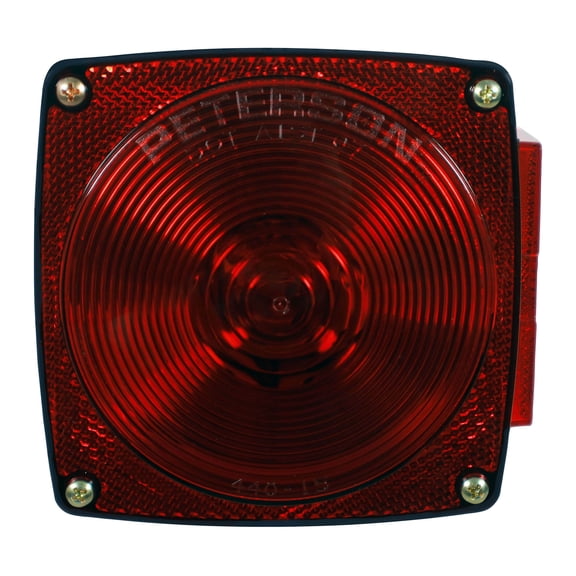
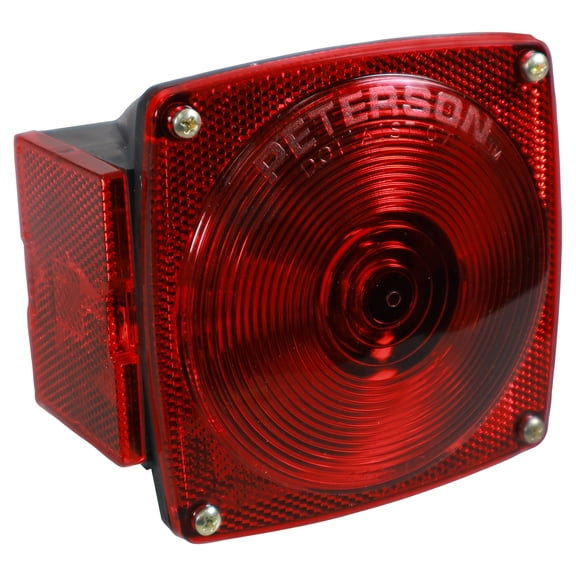
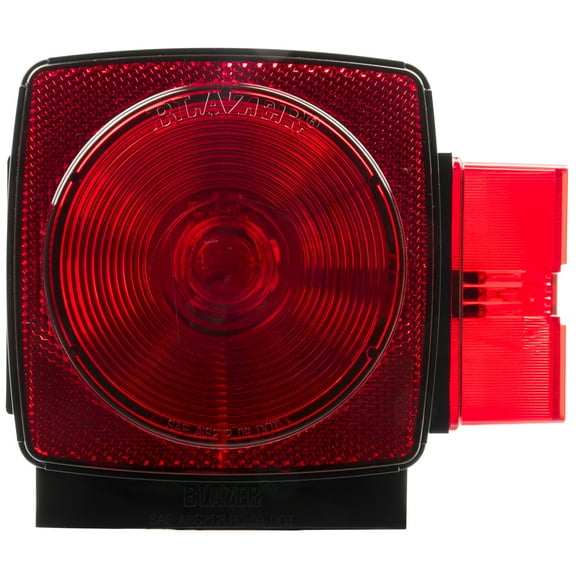


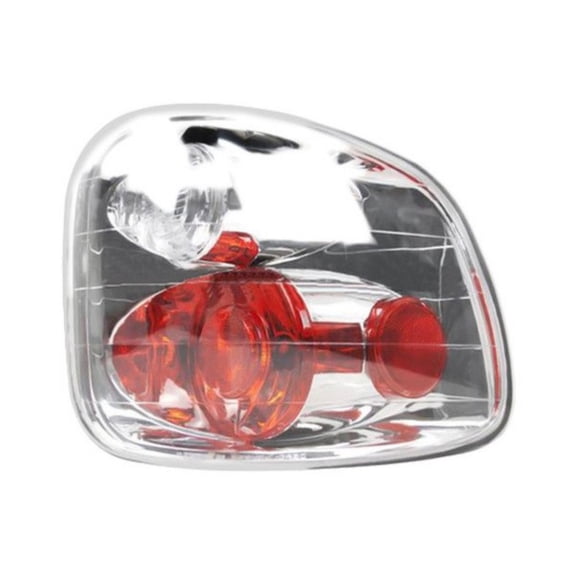





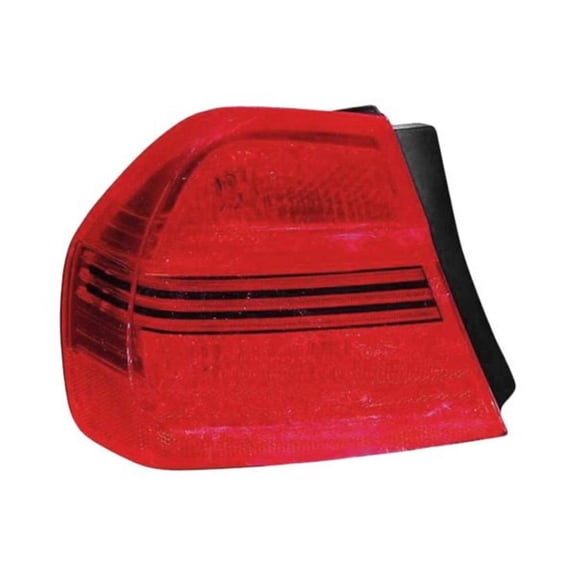
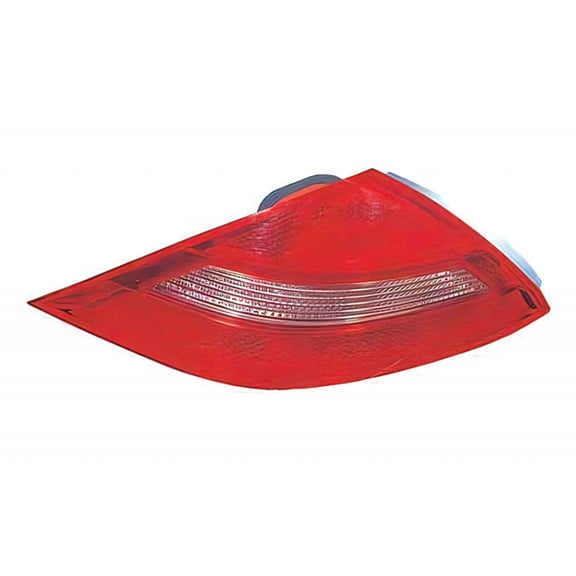
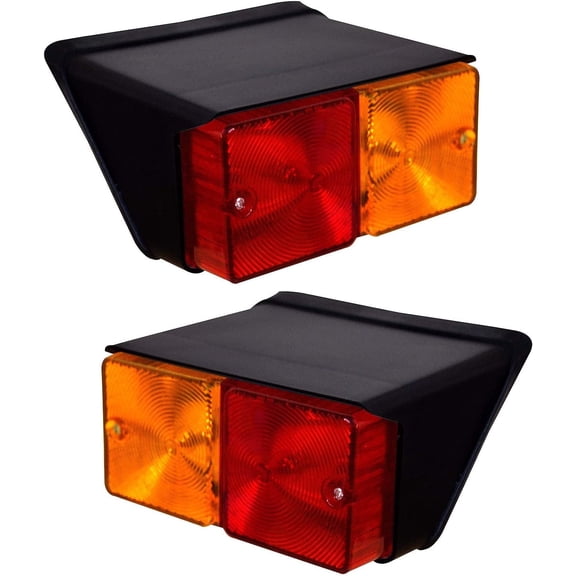
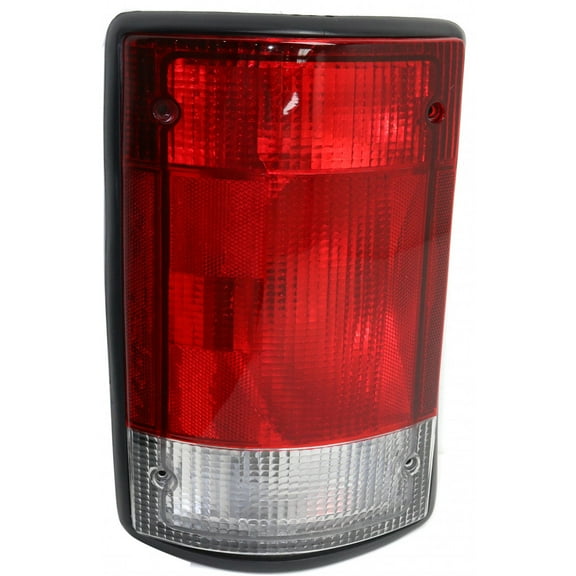
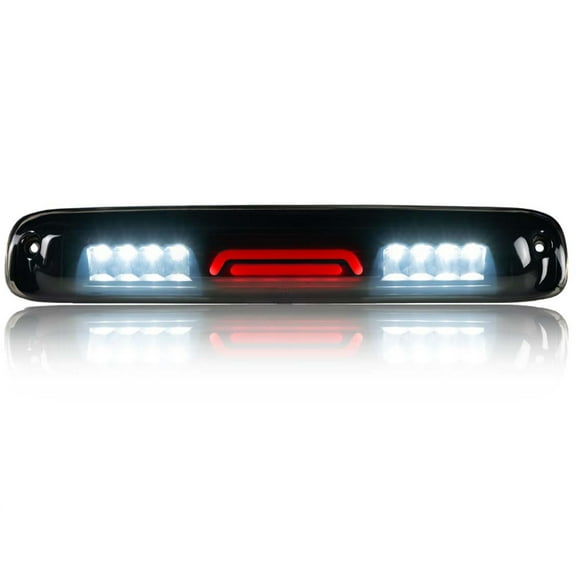
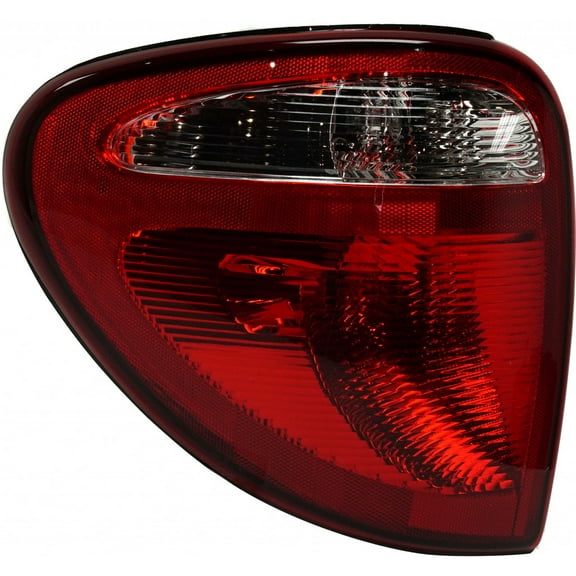
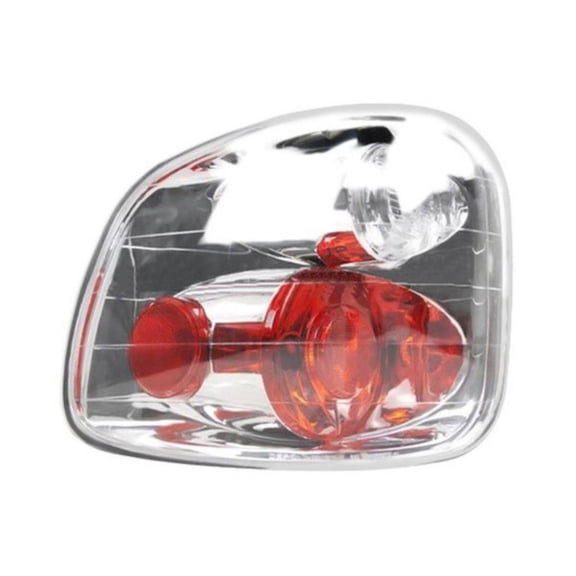
About Tail Light Combination Assemblies in Tail Lights - Walmart.com
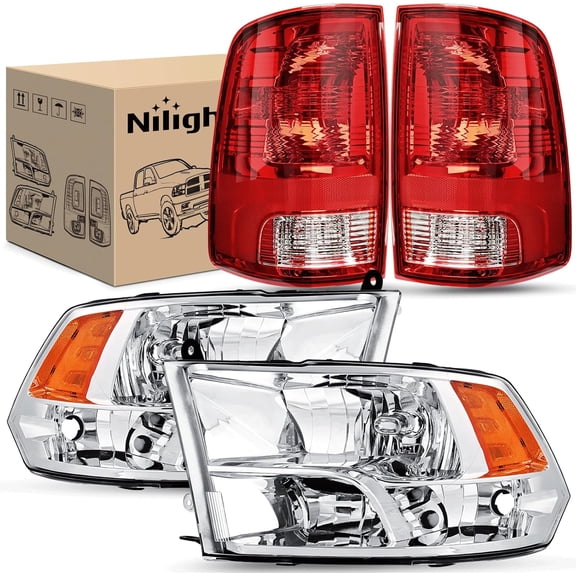
Your rear combination lamp choice affects fit, finish, and a clean factory-style look on your vehicle. You can compare side position, lens style, and wiring setup to narrow down the right replacement easily.
If you're replacing a cracked taillight assembly or updating a worn rear tail lamp assembly, you need clear fitment details. You can use this guide to compare truck, car, SUV, and universal-fit options with fewer surprises.
How to choose tail light combination assemblies
You should start with exact vehicle fitment, because year, make, model, trim, and body style all matter. You can avoid mismatched mounting points when you check each detail before ordering.
Some listings fit a truck tail light assembly application, while others fit cars or SUVs with different contours. You should also confirm whether you need rear left, rear right, or a pair.
When you compare a full combination assembly with housing-only options, you can match your repair to the parts you already have. If your bulbs still work, you may only need the housing.
- You can verify year, make, model, trim, and body style before you choose.
- You can match driver-side, passenger-side, or pair configurations to your repair.
- You can compare full assemblies, housing-only options, and bulb-included designs.
- You can narrow truck, car, SUV, or universal-fit listings with more confidence.
Choosing rear combination lamp fitment and position
You should treat fitment as your first filter, because exact compatibility affects mounting, wiring reach, and lens shape. You can often spot the right part quickly by checking part numbers too.
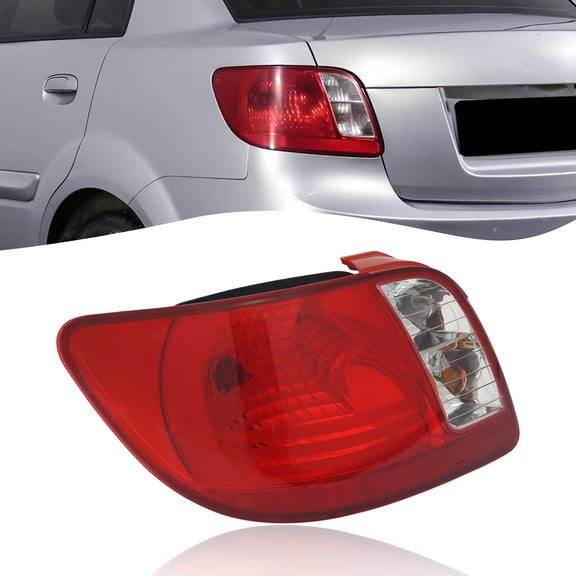
If you drive a pickup, you may need a truck tail light assembly shaped for a specific bed and tailgate design. If you drive a sedan or SUV, you should compare body lines and lamp depth.
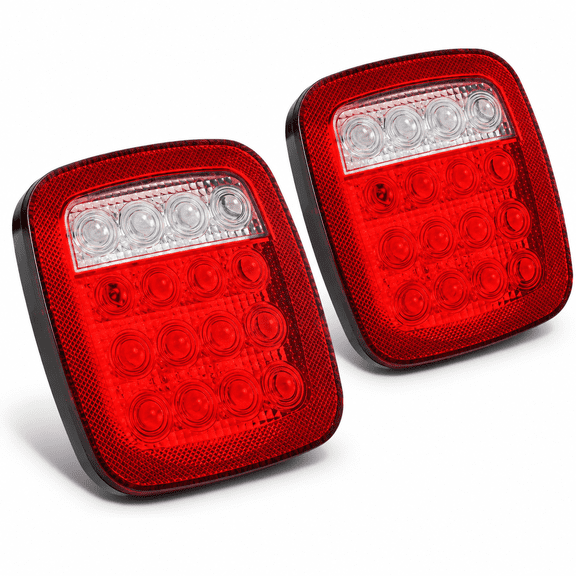
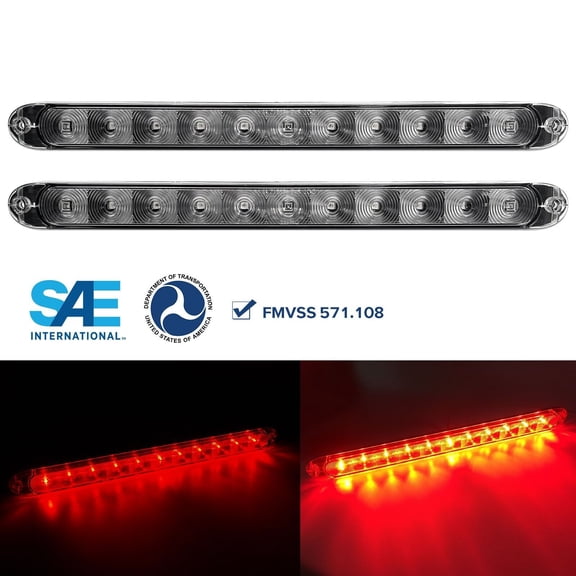
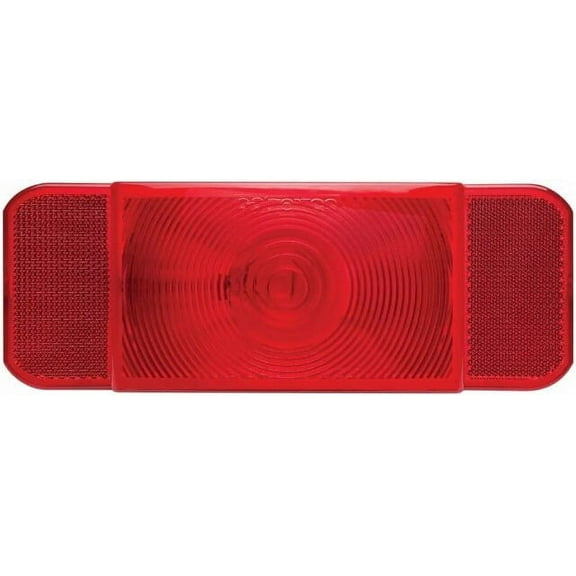
Universal-fit options can help when you need a flexible setup for trailers or custom builds. You should still measure space carefully, because bracket locations and wiring access can vary.
Driver-side and passenger-side lamps aren't interchangeable on many vehicles, because reflector patterns and housing contours differ. You can avoid a return when you confirm the exact rear left or rear right position.
Comparing lens, housing, and bulb technology
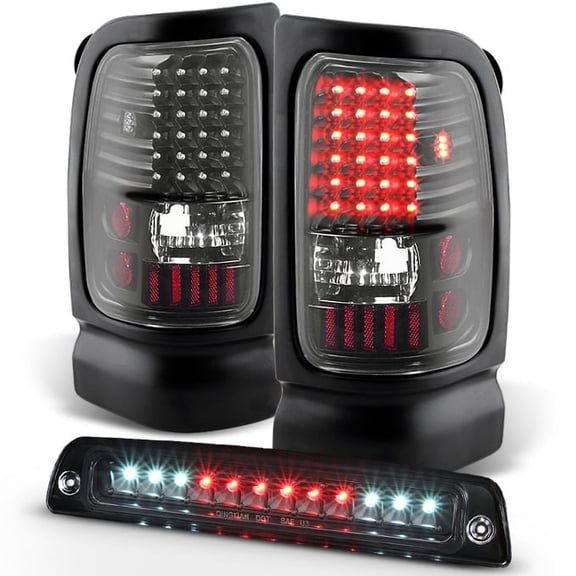
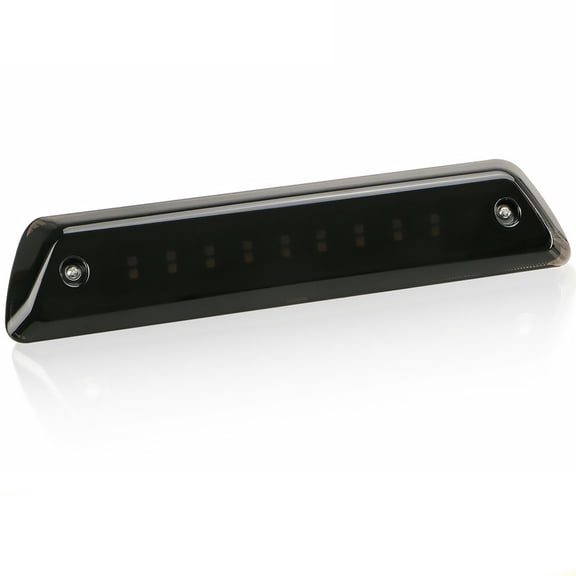
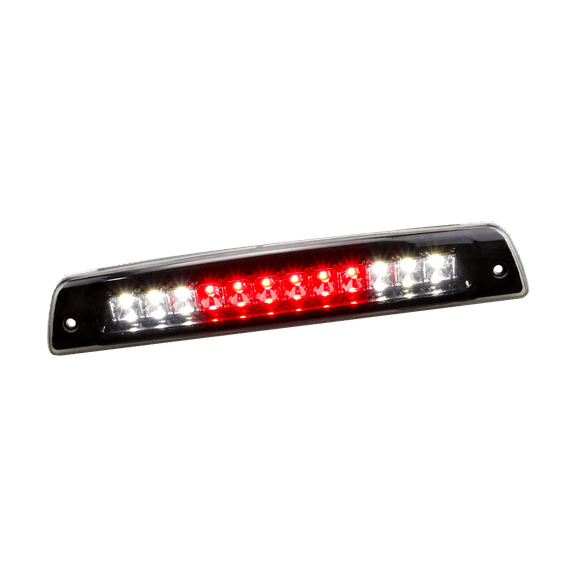
You can use lens and housing style to match your vehicle's look without guessing. Clear and red lenses usually support a factory-style appearance, while smoked and black styles create a darker custom look.
If you want your replacement to blend in, you should compare the lens color to your remaining lamp. If you want a coordinated update, you can choose matching housings for both sides.
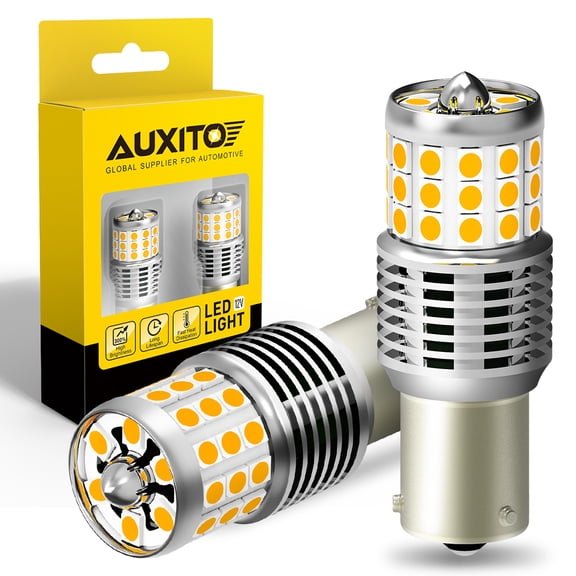
You may also compare bulb technology, because LED and standard halogen setups feel different during daily driving. LEDs usually give you crisp illumination and a modern appearance, while halogen setups keep a familiar replacement path.
Some rear combination lamps include bulbs, while others require separate bulbs from your current setup. You should check that detail early, because it affects what you need for installation day.
What to look for in wiring and installation
You should review the connector style before you buy, because plug-and-play designs can simplify installation. If you need to modify the wiring, plan for extra time and pay close attention to harness details.
A taillight assy with a plug-in harness can help you replace a damaged lamp with fewer added parts. If you prefer a direct replacement, you should look for matching connectors and mounting points.
You can also compare included hardware, seals, and access points around the housing. Those details matter when you want your tail light assembly to sit flush against the body.
When you check these features first, you can reduce guesswork during installation. You can also decide whether a full auto tail light assembly makes sense compared to reusing older components.
Matching use cases to your vehicle and style
If you need a daily-driver replacement after rear-end damage, you should focus on exact fitment and side position first. You can then compare bulb-included options for a simpler parts checklist.
When you restore an older pickup, you may want a rear combination lamp that follows the original lens color and housing shape. You can preserve a factory-style look by matching the opposite side closely.
If you customize an SUV or sport compact, you might compare smoked lenses or black housings for a darker finish. You should still confirm that the assembly matches your trim and body style.
For trailers, utility builds, or modified vehicles, you may consider universal-fit lamps with flexible mounting needs. You should measure your available space and review the connector style before deciding.
If you're replacing both sides at once, you can choose a pair for a more consistent look across the rear. You can also compare a headlight tail light assembly search term carefully, because this page focuses on rear lamp parts.
When you balance fitment, position, lens style, and wiring, you can choose rear combination lamps with more confidence. You end up with a replacement that fits your vehicle cleanly and looks right from the start.