


Find tires that fit
Let’s search for tires that fit your vehicle.Summit Tires in Shop by Brand

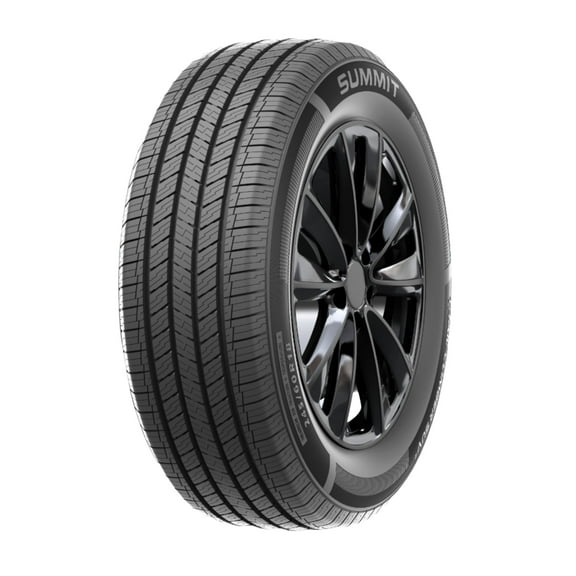
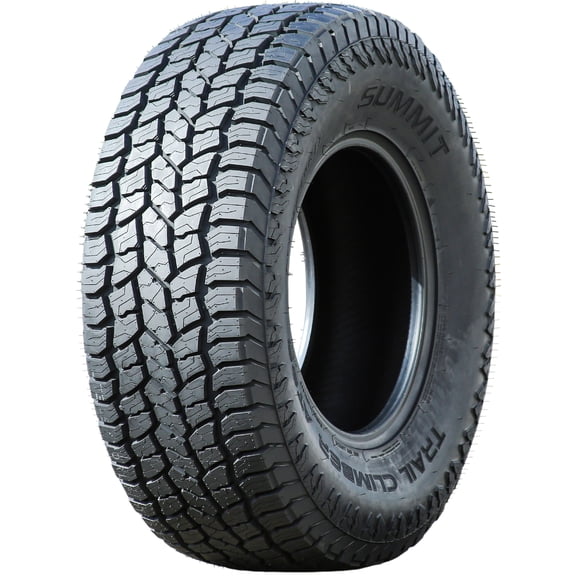


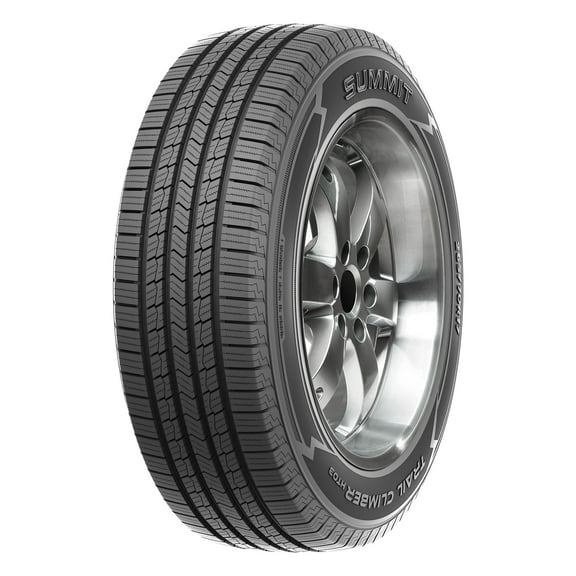
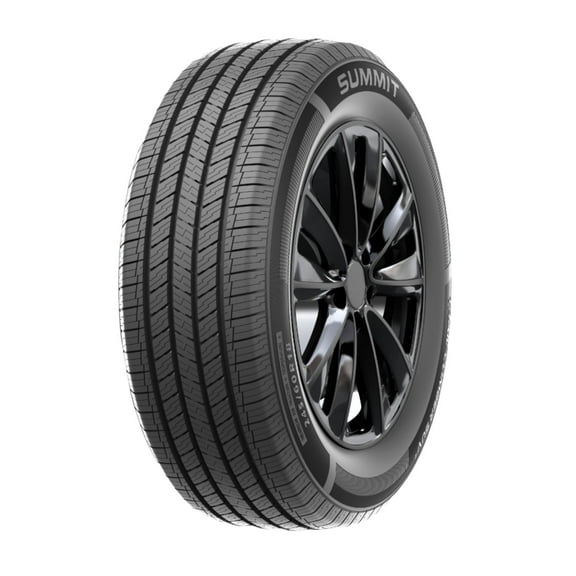
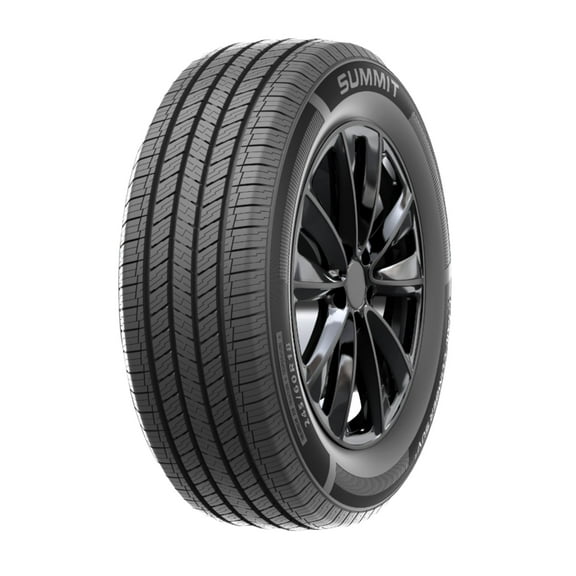


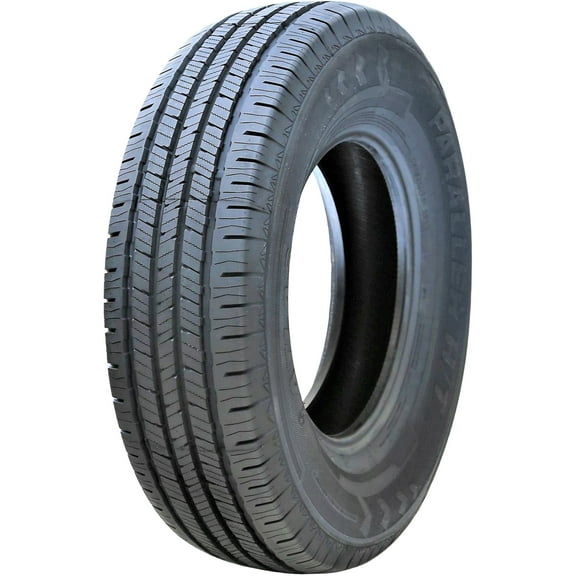
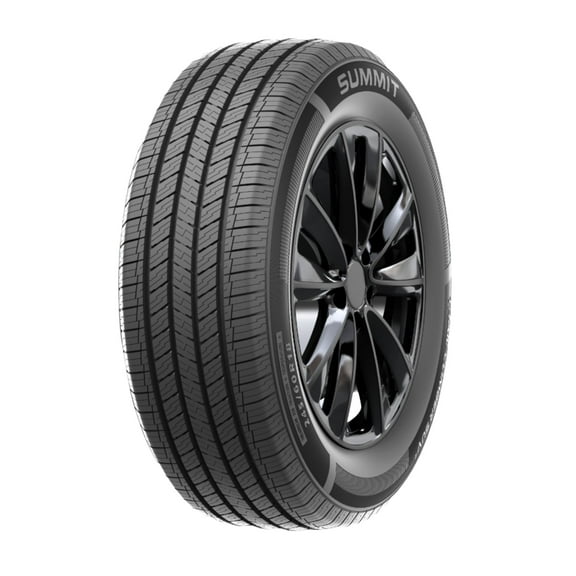


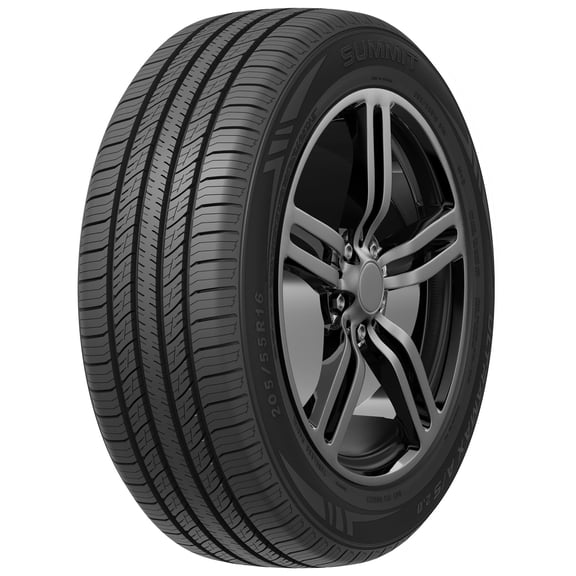
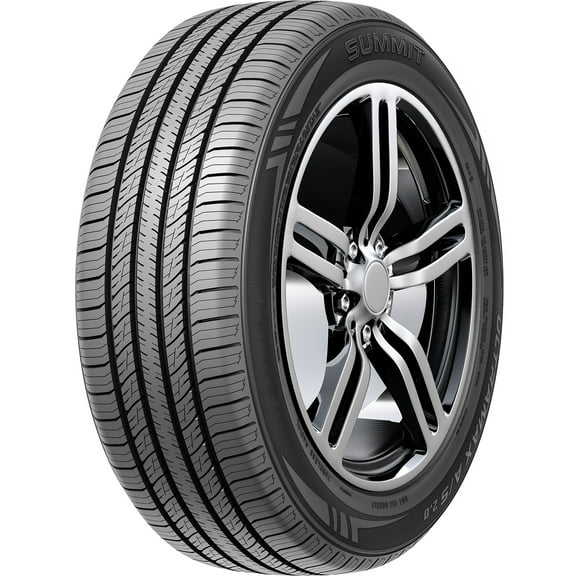

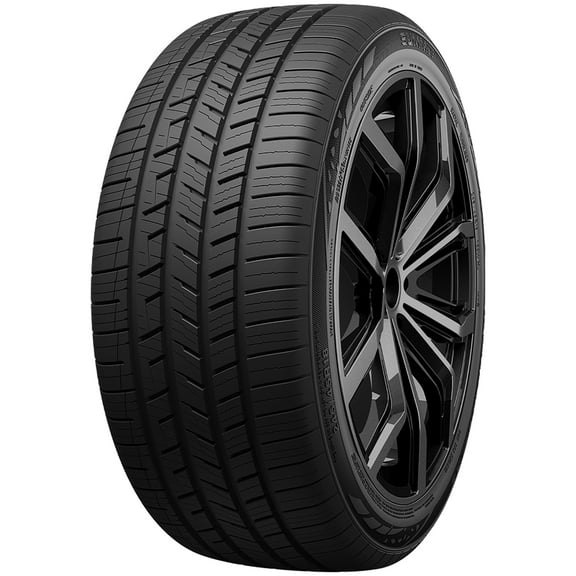
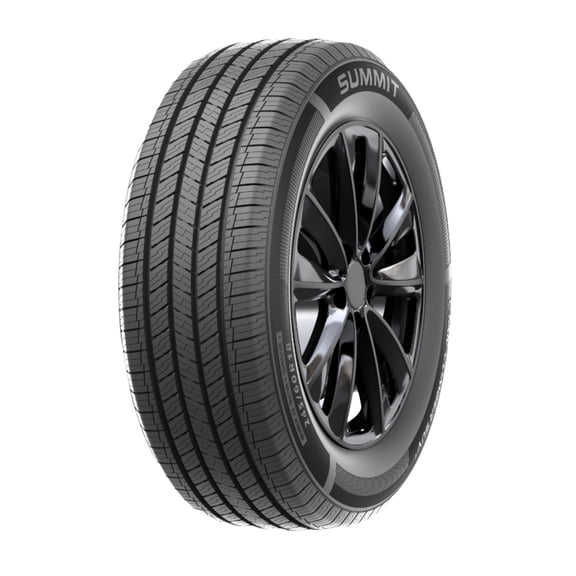


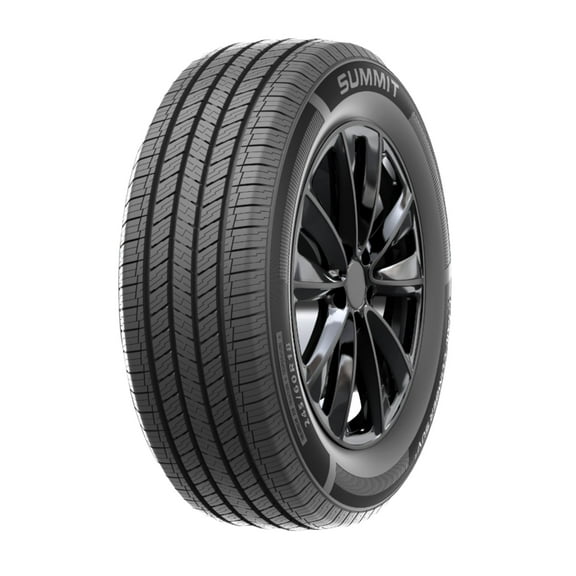
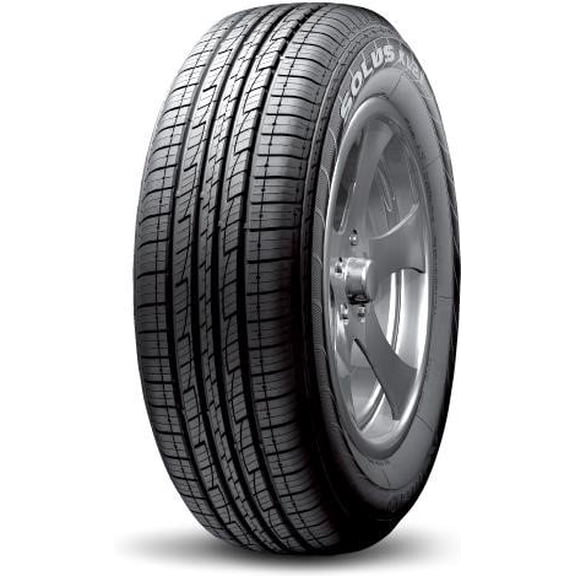

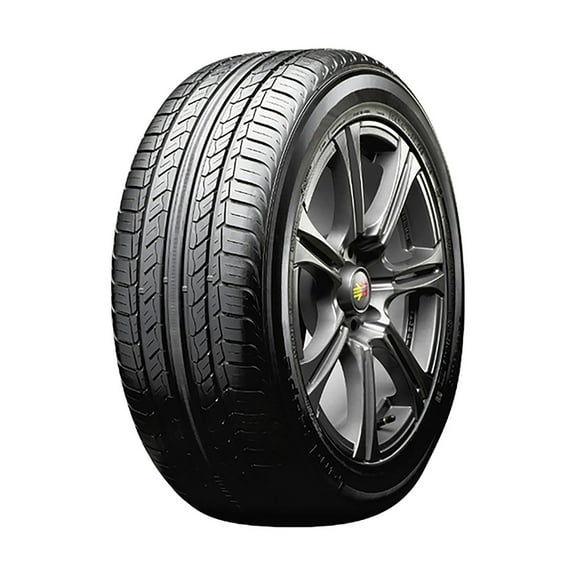
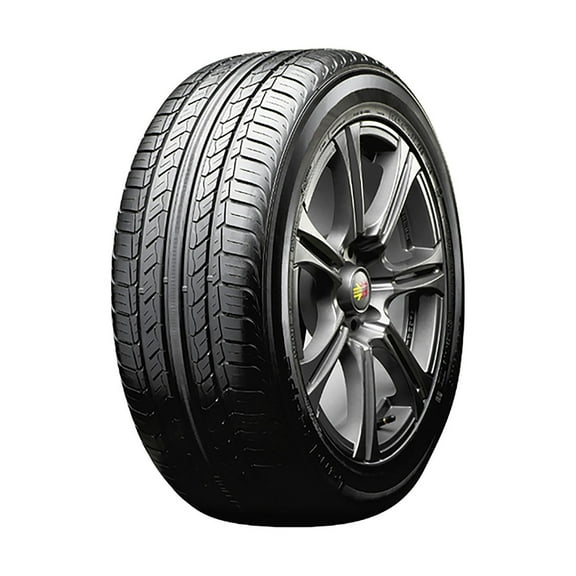


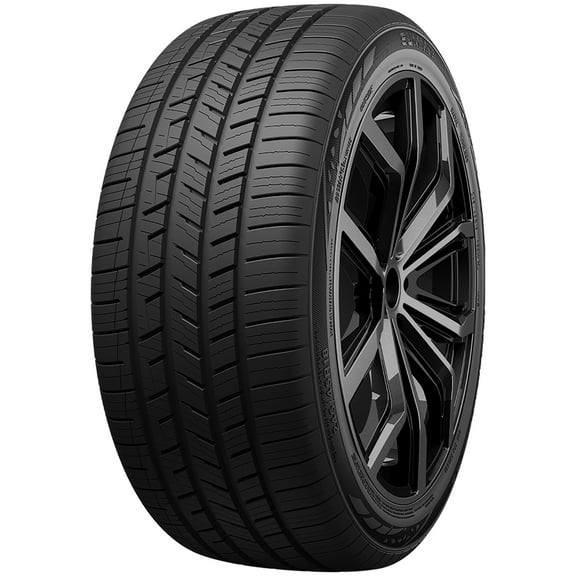
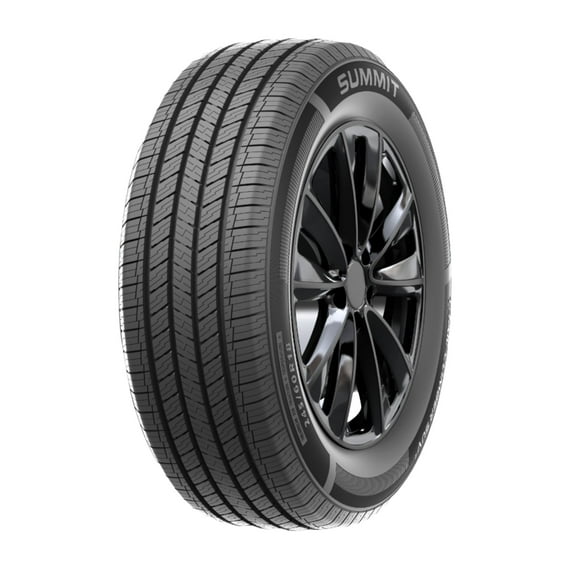

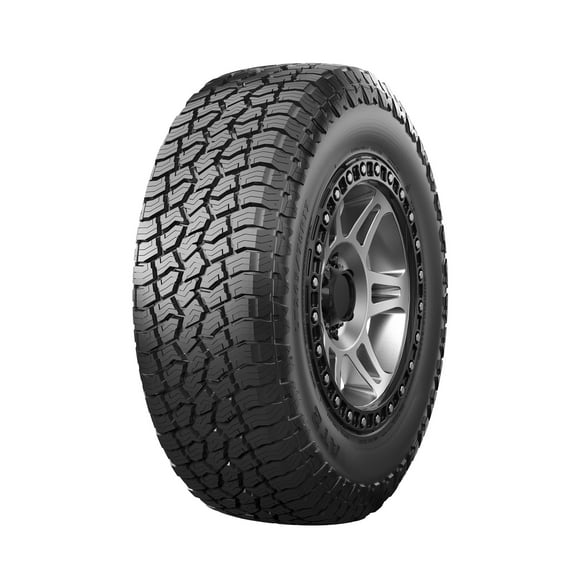

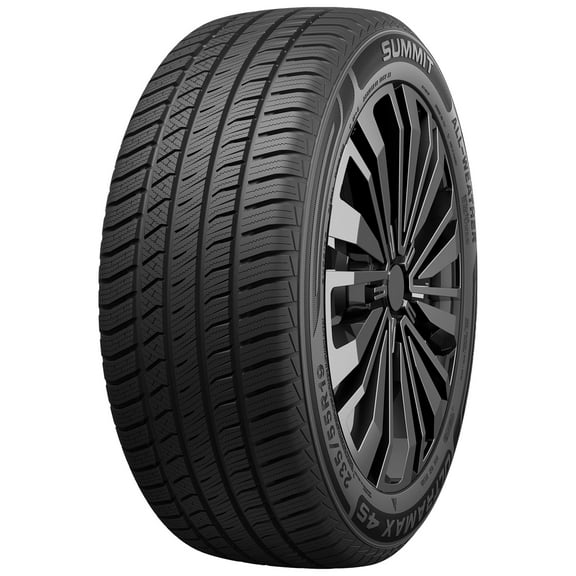
About Summit Tires in Shop by Brand - Walmart.com
When you ask who sells summit tires, you can find Walmart makes fitment shopping easier for your passenger car, SUV, or light truck. You can compare sizes, season options, and tread styles in one place, so your next set matches your vehicle and your routine.
If you’re replacing worn tires or planning for a weather change, you need details that help you choose clearly. You can review Summit tires by vehicle type, road use, and rim diameter without jumping between unrelated categories.
Who sells summit tires
You’re often looking for a summit tire shop that lets you sort by the specs your vehicle actually uses. You can check size, seasonality, and performance class together, which helps you narrow choices faster.
Because your vehicle fit matters first, you should start with the numbers on your current sidewall or driver information label. You can match section width, aspect ratio, and rim diameter before comparing tread patterns or ride feel.
As you compare Summit tires, you may want a simple way to weigh everyday driving needs against road conditions. You can use the category filters to focus on commuter use, highway travel, or mixed on-road and trail routes.
- You can match tires to passenger cars, SUVs, and light trucks without guessing about intended vehicle type.
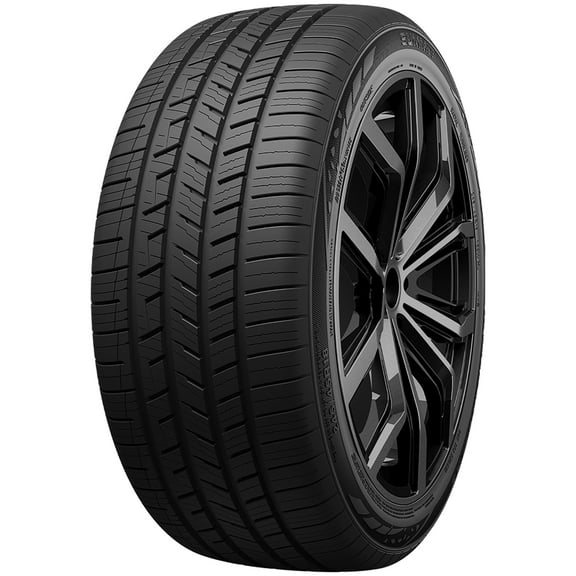
- You can compare all-season, summer, and winter options based on the roads and temperatures you expect.
- You can sort common 15-inch, 16-inch, 17-inch, and 18-inch sizes to align with your wheel diameter.
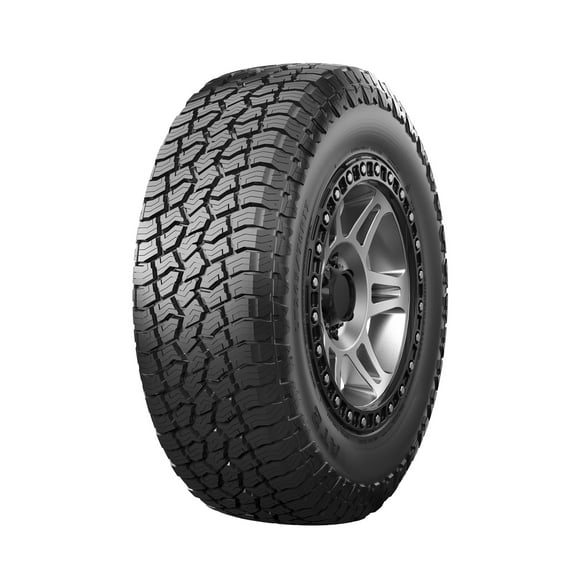
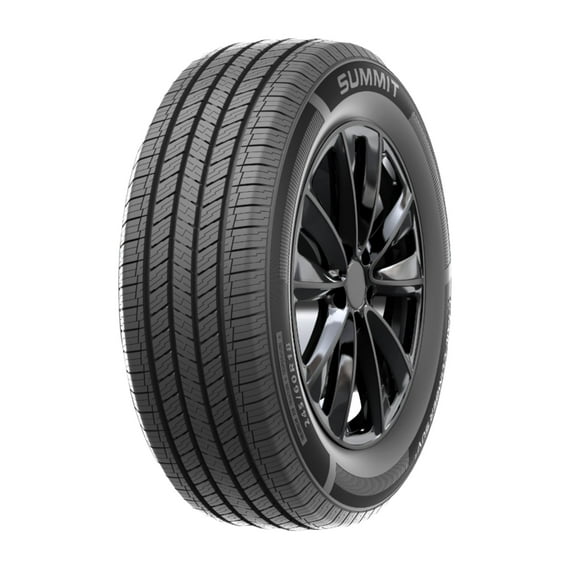
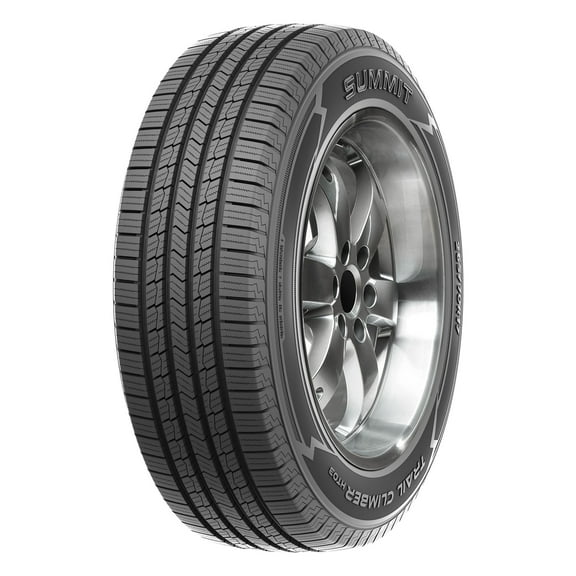
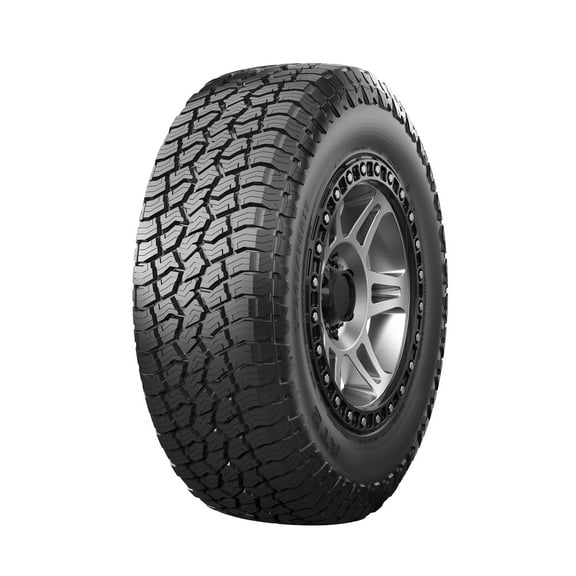
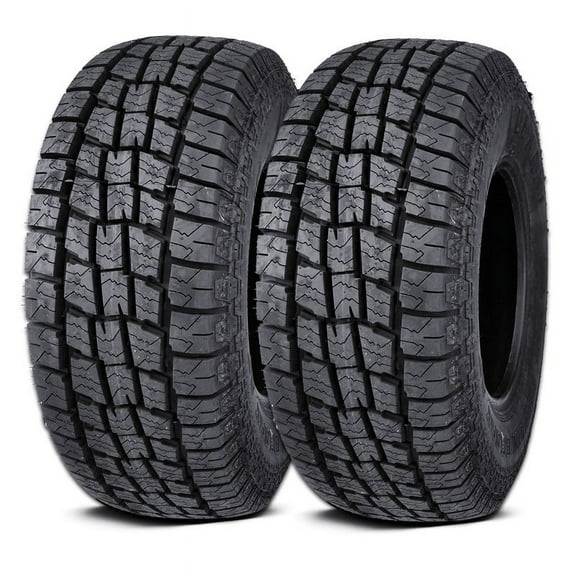
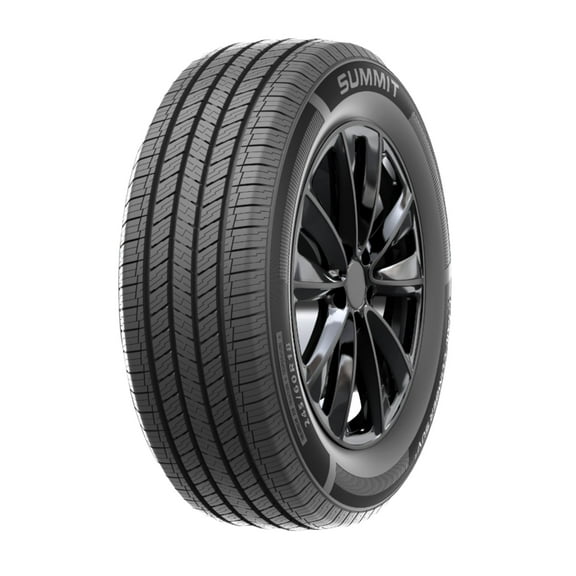
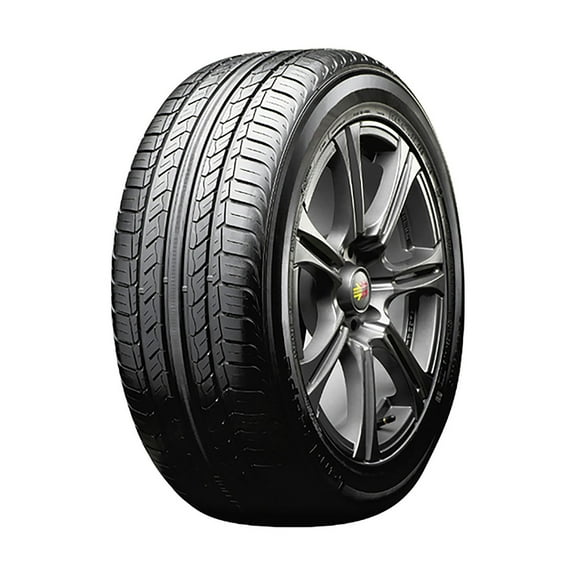
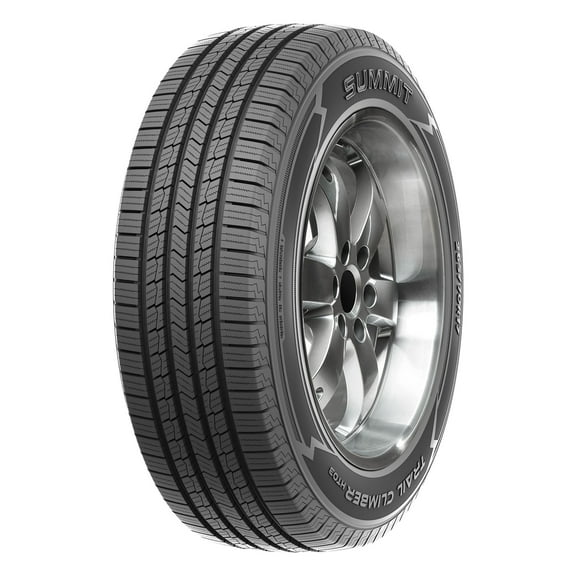
- You can review touring, highway terrain, and all-terrain designs by how and where you drive.
Choosing Summit tires by fit and performance
You should measure fitment before anything else, because the wrong size can change your vehicle’s intended setup. You can look for section width, aspect ratio, and rim diameter in the exact order shown on your current tire.
If your vehicle uses a 17-inch rim, you may want a tire built for that wheel diameter, not a close guess. You can then compare sidewall height and width to keep your ride feel and appearance consistent.
You may also need to check load index and speed rating, especially if your SUV or light truck carries cargo often. You can use those numbers to confirm the tire supports your vehicle’s expected load capacity and road use.
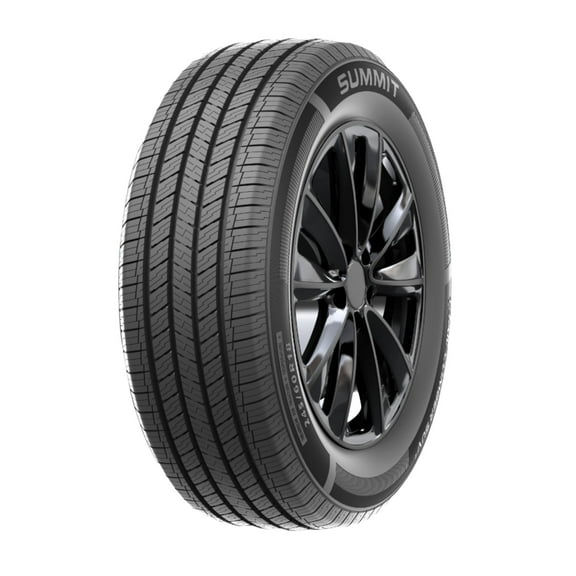
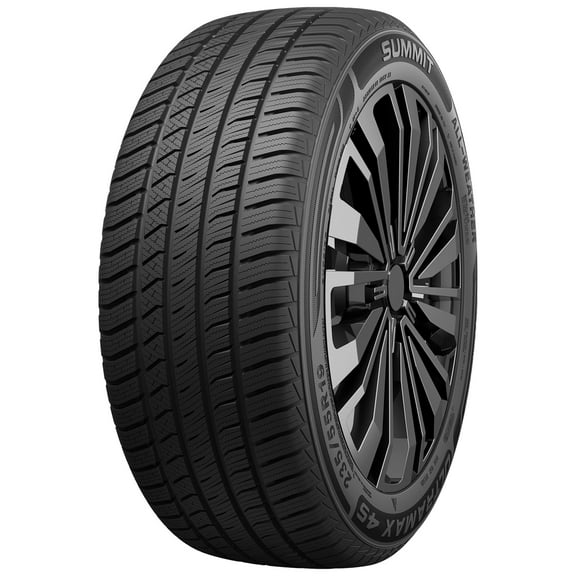
For daily commuting, you may often prefer touring designs that support a calm highway feel and steady road manners. For pickups and utility driving, you may prefer highway terrain or all-terrain patterns with a different tread layout.
When you compare the summit tire brand across categories, you should focus on what the tread does. You can look for highway-focused grooves, all-terrain blocks, or seasonal compounds that fit your route and climate.
How to choose a summit tire for season and road use
You should compare all-season, summer, and winter options based on temperatures and traction needs in your area. You can keep all-season tires in mind for year-round driving, while summer and winter types suit narrower conditions.
If you spend most of your time on paved roads, you may want a touring or highway terrain setup. You can prioritize a tread pattern that supports predictable highway use and regular commuting miles.
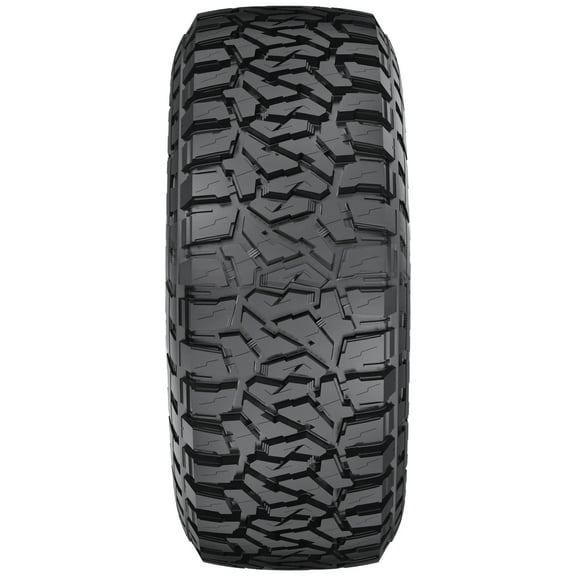
When your light truck sees gravel roads, job sites, or weekend trails, you may want an all-terrain pattern. You can expect a more aggressive tread design that aligns with mixed-surface driving.
You may also be comparing summit tires prices while deciding between tread styles and seasons. You can balance long-wear expectations and intended use with Walmart’s everyday low prices while keeping fitment in focus.
If you searched for Summit tires in Spanish, you’re still looking for the same fitment details and seasonal options. You can compare vehicle type, season category, and wheel size to narrow choices with less guesswork.
Using Summit tires for common driving needs
You might need tires for a passenger car that handles school runs, commuting, and steady freeway miles each week. You can focus on touring patterns in common 15-inch through 18-inch sizes for a practical daily-driver setup.
If your SUV handles family travel and changing weather, you may want all-season coverage with the right load index. You can match the tire to your owner’s manual guidance and your usual cargo demands.
For a light truck that stays mostly on pavement, you may prefer highway terrain construction for routine work travel. You can keep ride comfort and consistent road contact in mind while checking size and load capacity.
When your truck or SUV splits time between paved roads and rougher surfaces, you may consider all-terrain options. You can compare tread shape and sizing carefully, so your choice fits both your wheels and your route.
If you’re replacing one worn set before a long driving season, you should confirm every spec before checkout. You can avoid mismatches by checking rim diameter, aspect ratio, section width, speed rating, and load index together.
You can get an ideal result when your Summit tire choice matches your vehicle, your climate, and your road routine. You can use those details to narrow the category with confidence and choose a tire that fits correctly.