



Running Vests in Running Gear































About Running Vests in Running Gear - Walmart.com
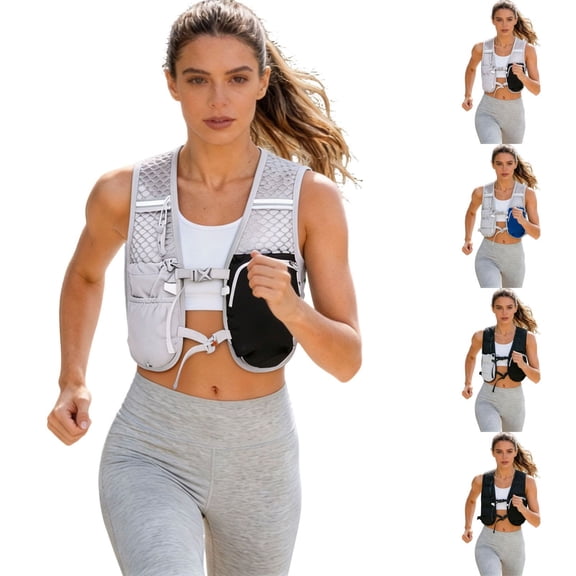
Running vests help you carry water, fuel, and essentials without disrupting your stride. When you compare liters, fit, and storage, you can choose gear that stays steady on roads or trails.
If your training includes short loops, long runs, or race prep, your setup needs to move with you. A close fit, reachable hydration, and breathable materials help your miles feel more organized.
How to choose running vests for your distance
Start with capacity, because liters shape how much fluid and gear you can bring. For shorter training runs, 2L options often keep your carry lighter and simpler.
As your route gets longer, 5L styles give your essentials more room without adding bulk. For trail days or changing weather, 10L and 12L+ options hold layers, fuel, and extra water.
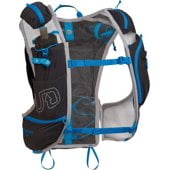
A running hydration vest keeps hydration close to your chest or upper back for easier access. That setup helps your carry feel balanced while you keep your pace more consistent.
- Select 2L capacity when your route is short and your carry list stays minimal.
- Choose 5L volume when your run includes water, gels, keys, and a phone.
- Consider 10L or 12L+ storage when your miles include trails, layers, or longer efforts.
- Compare soft flask and water bladder options based on how you prefer to drink.
- Look for easy-access pockets when you want fuel and small essentials within reach.
Choosing the right running hydration vest
Compare hydration type before you focus on extra storage details. If you want quick sipping, a running vest with water bottle access can keep flasks close at the front.
Soft flask designs place water within easy reach and can simplify mid-run drinking. If you need more fluid for longer stretches, a water bladder can provide larger capacity.
If you already carry hydration another way, no-hydration styles can free up space for gear. That choice works well when your priority is nutrition, layers, or phone storage.
Your fit matters as much as your fluid volume. Adjustable chest straps and a snug shape help your vest stay close while you move.
Men's, women's, and unisex fits can change how the vest sits across your shoulders and torso. Careful size-chart checks help your gear feel secure instead of loose.
What to look for in a trail running vest
A trail running vest usually calls for more storage and stable carry than a road-focused style. Before longer routes, check for space for layers, nutrition, and small essentials.
If your route includes uneven ground, trekking pole attachments can support smoother transitions. Reachable pockets also help you access gear without stopping as often.
Your storage layout shapes how easy your run feels from start to finish. Compare gel pockets, zippered phone pockets, and larger rear compartments around what you actually carry.
A dedicated phone pocket keeps maps, music, or tracking tools close to your body. That placement helps you avoid searching through larger compartments during your run.
When you carry keys, cards, and fuel, separated storage keeps small items easier to find. A clear pocket layout helps your routine stay consistent mile after mile.
Comparing lightweight running vest materials and fit
Consider materials with comfort in mind, especially during warm weather or longer efforts. Mesh panels can increase airflow, while lightweight running vest designs can feel less bulky.
Lightweight nylon can give you a balance of structure and lower carry weight. If your route includes shifting conditions, weather-resistant panels can add adaptable coverage in key areas.
Your comfort also depends on how seams, edges, and straps sit against your body. Check adjustability and panel placement, because those details shape how smooth the vest feels.
For daily training, breathable fabric and a close fit can layer easily over your shirt. That combination helps your movement stay natural while your gear feels light and secure.
Matching running vests to your training plans
If your runs stay short and close to home, a smaller vest may cover the basics. Front storage can keep your essentials reachable while your setup stays lighter.
For longer road sessions, a running hydration vest can hold enough fluid and fuel for steady pacing. Easy bottle or bladder access helps you drink without breaking rhythm.
If your plan includes trails, elevation, or changing weather, extra volume can support a fuller carry. Secure pockets help you pack layers, snacks, and gear without relying on handheld bottles.
For race training, compare bounce-free fit, bottle access, and pocket placement together. A stable setup helps your gear feel consistent from your first mile to your last.
Cleaning matters when your gear joins you on frequent runs. Removable hydration parts and simple pocket layouts can make regular care easier after training.
When you choose running vests with the right liters, fit, and storage, your setup feels more dialed in. That means your water, fuel, and essentials stay close and steady through every mile.