


Find auto parts that fit
Let’s search for parts that fit your vehicle.Road Armor in Auto & Tires Shop By Brand













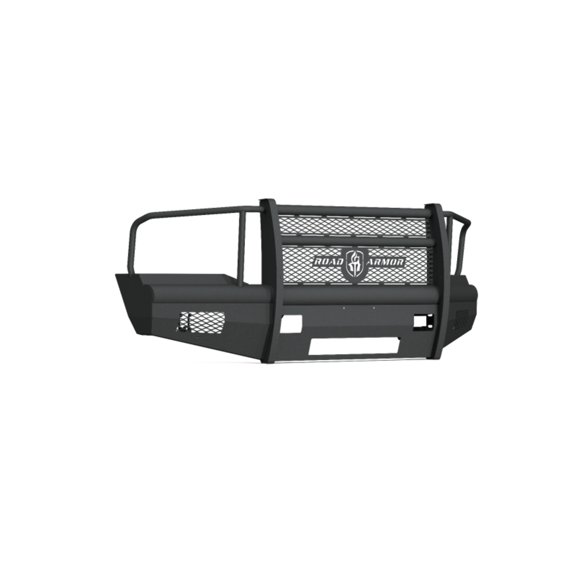


About Road Armor in Auto & Tires Shop By Brand - Walmart.com
With road armor parts, you can outfit your trailer for smoother towing and more confident fit decisions. You’ll find guidance here for trailer tires, suspension equalizers, and shock absorbers built around real trailer setups.
If you’re comparing travel trailers, fifth wheels, or toy haulers, you need parts that match your axle and weight needs. You’ll also want sizes and load ranges that support steady tracking on long highway miles.
How to choose road armor for your trailer
When you shop this category, you’ll first want to compare product type with your trailer’s current setup. You may be replacing trailer tires, updating suspension equalizers, or adding shock absorbers for a more controlled ride.
Each choice affects how your trailer behaves behind the tow vehicle. You may notice the difference on rough pavement, bridge joints, gravel approaches, and campground roads.
- You can choose trailer tires for load support, tread contact, and highway towing stability.
- You can compare suspension equalizers when your leaf spring setup needs smoother movement between axles.
- You can add shock absorbers when you want greater bounce control and less trailer hop.
- You can match parts to travel trailers, fifth wheels, and toy haulers with different weight demands.
These benefits matter because your trailer carries weight differently than a passenger vehicle. You’ll want parts designed around tandem axle movement, trailer sway control, and repeated towing miles.
If your search starts with roadarmor, you may be comparing both tires and suspension parts. You should compare support, ride control, and fitment before you narrow your options.
Choosing road armor product type, load range, and size
Product type is your first decision because each part supports a different towing need. You’ll want trailer tires for rolling support, suspension equalizers for axle articulation, and shock absorbers for damping motion.
Load range is your next key filter because it shows how much carrying support a tire provides. You should compare Load Range D, Load Range E, and Load Range F with your trailer’s actual loaded weight.
In plain terms, a higher load range supports heavier trailer setups. You’ll want enough margin for cargo, water, gear, and how you use your trailer.
Tire size also needs a close match because clearance and wheel fit matter on trailers. You should check whether 15 inch or 16 inch tires match your current wheel size and trailer specifications.
For suspension equalizers, you’ll want to measure hanger spacing and compare the dimensions with your existing hardware. You should also confirm bolt patterns and bushing compatibility before choosing replacement parts.
For shock absorbers, you’ll want to check mounting points and travel length. You can use those measurements to narrow choices that fit your axle and frame arrangement.
What to look for in trailer compatibility
Compatibility is where you may spend extra time, because small measurement differences affect installation. You should measure axle setup, bolt patterns, and hanger spacing before choosing suspension components.
If you’re replacing tires, you’ll want to confirm sidewall size markings and wheel diameter first. You should also compare load range with your trailer’s gross weight and typical cargo load.
Travel trailers often need a balance of load support and ride comfort for long road trips. You may prefer parts that help keep cabinets, cookware, and interior gear more settled in transit.
Fifth wheels usually carry more weight and place different demands on tire load capacity. You’ll want to compare stronger load ranges and suspension parts that support steady tandem axle movement.
Toy haulers can change weight distribution as you load and unload equipment. You should look for fitment details that match your cargo pattern, axle design, and tire size requirements.
If you tow often on mixed pavement, you may want suspension components that help smooth repetitive vibration. You’ll notice this decision matters when your trailer crosses expansion joints and uneven highway surfaces.
Using road armor for smoother towing
You can use road armor components to tune your trailer for how you actually tow. You might prioritize load support for a fully packed fifth wheel or ride control for a weekend travel trailer.
On long highway trips, you’ll want tires and suspension parts that work together for steadier tracking. You may notice less bounce over bridge seams when your setup matches your trailer weight and axle design.
At campgrounds and access roads, you may appreciate components chosen for repeated bumps and slower uneven surfaces. You can reduce harsh trailer motion by matching equalizers and shocks to your suspension layout.
If you’re refreshing an older trailer, you should compare current measurements with worn parts before replacing anything. You can make a more confident choice when you verify tire size, hanger spacing, and bolt fit first.
When you maintain a toy hauler, you may need flexibility for changing cargo loads from trip to trip. You should keep load range and suspension movement in mind as your hauling needs shift.
If your search started with roadarmor, you’re likely looking for brand-specific fit and function. You can narrow options faster when you compare application, size, and load details together.
You can get the full benefit of this category when your tires, equalizers, or shocks match your trailer’s real dimensions. You can tow with fewer fitment surprises and a smoother, more controlled feel on the road.