


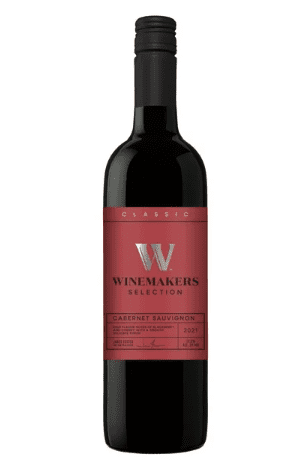
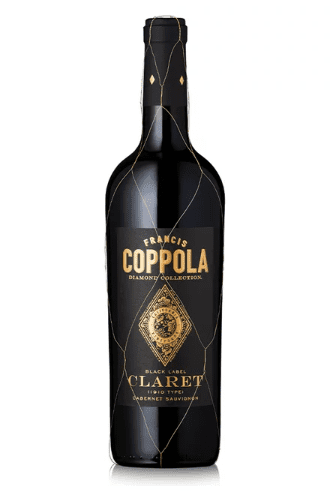
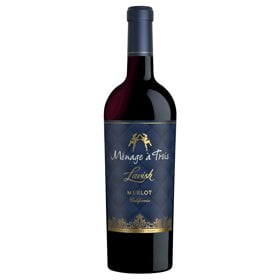

Red Wine in Wine







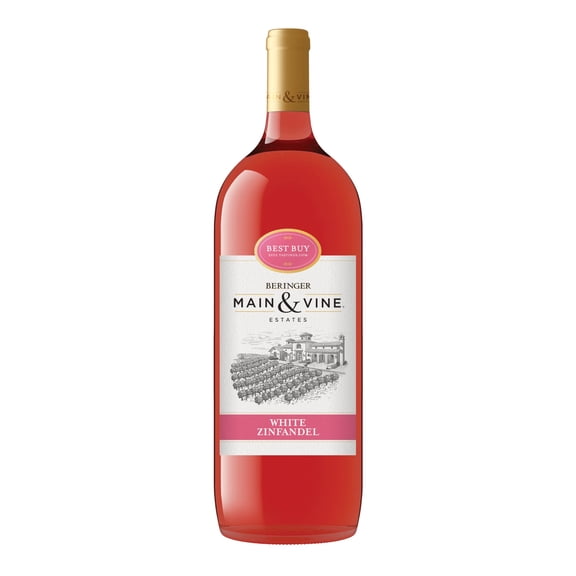


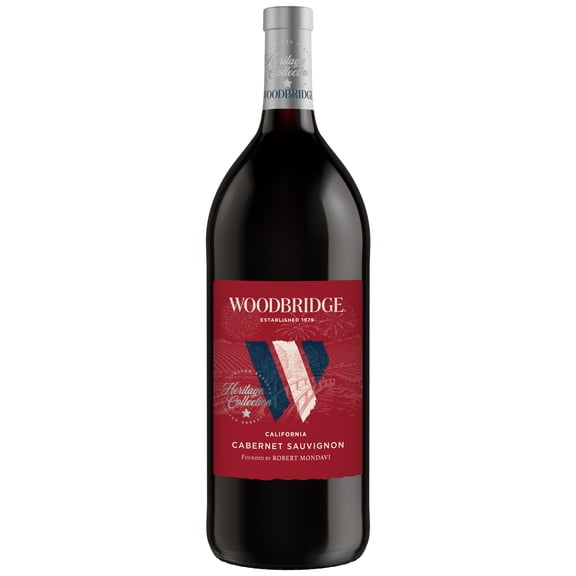


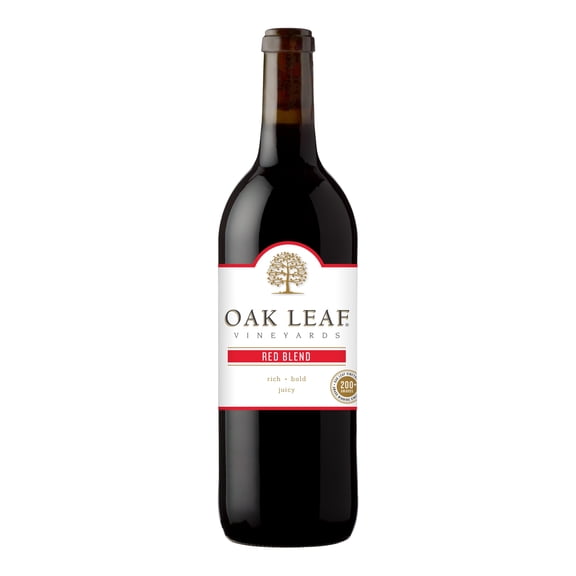





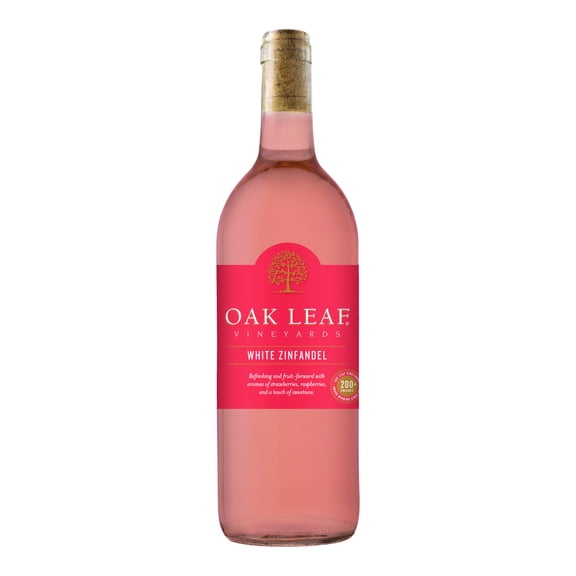
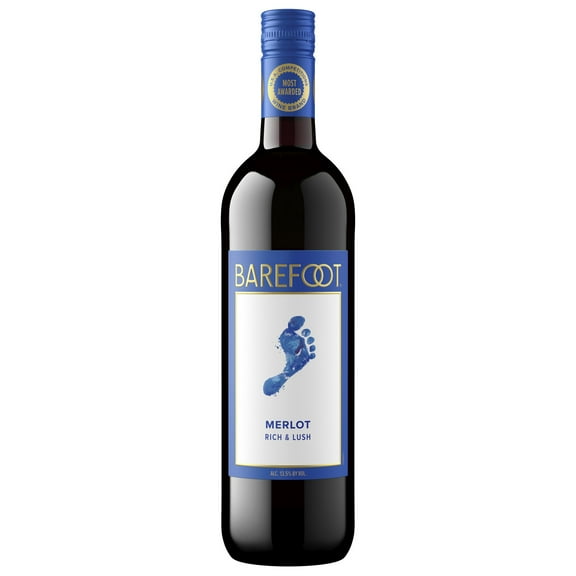


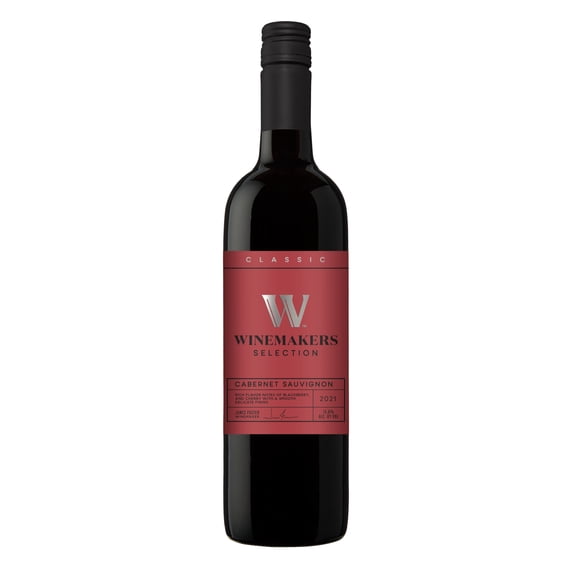


About Red Wine in Wine - Walmart.com
When you shop red wine, you want clear choices by varietal, sweetness, body, and bottle size. You’ll find options for weeknight dinners, gifts, and stocked wine racks in one easy category.
If you’re comparing styles, you can narrow your search fast with familiar labels and flavor cues. You can move from bold cabernet sauvignon to soft merlot or bright pinot noir without guesswork.
Choosing red wine by varietal
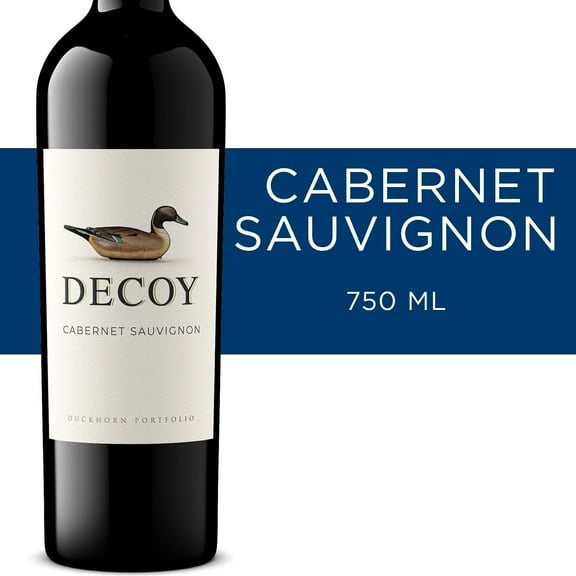
You should start with varietal because it shapes aroma, body, and finish in the glass. You’ll usually notice cabernet sauvignon tastes fuller, while pinot noir drinks lighter and smoother.
If you prefer darker fruit notes, you may compare merlot, shiraz, malbec, and red blend wine. You can use tannin and acidity as simple guides for texture and freshness.
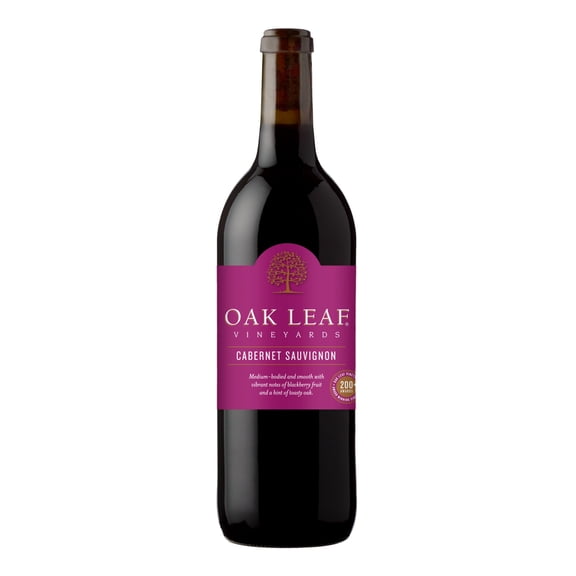
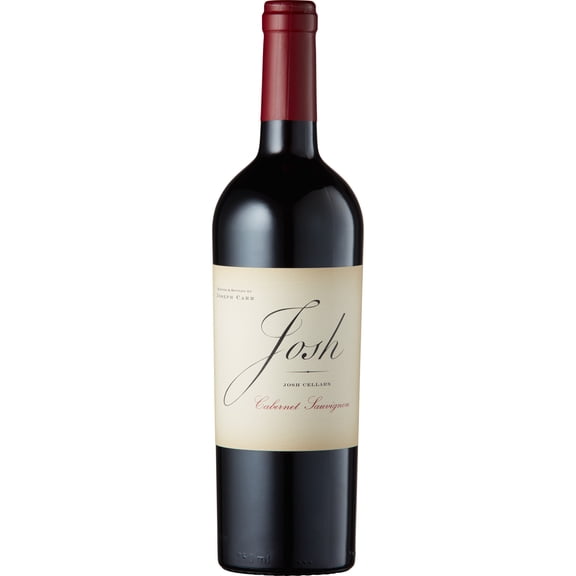
With cabernet sauvignon, you’ll often taste black fruit and oak-aged notes with a firmer structure. With pinot noir, you’ll usually get lighter body, softer tannins, and a more delicate finish.
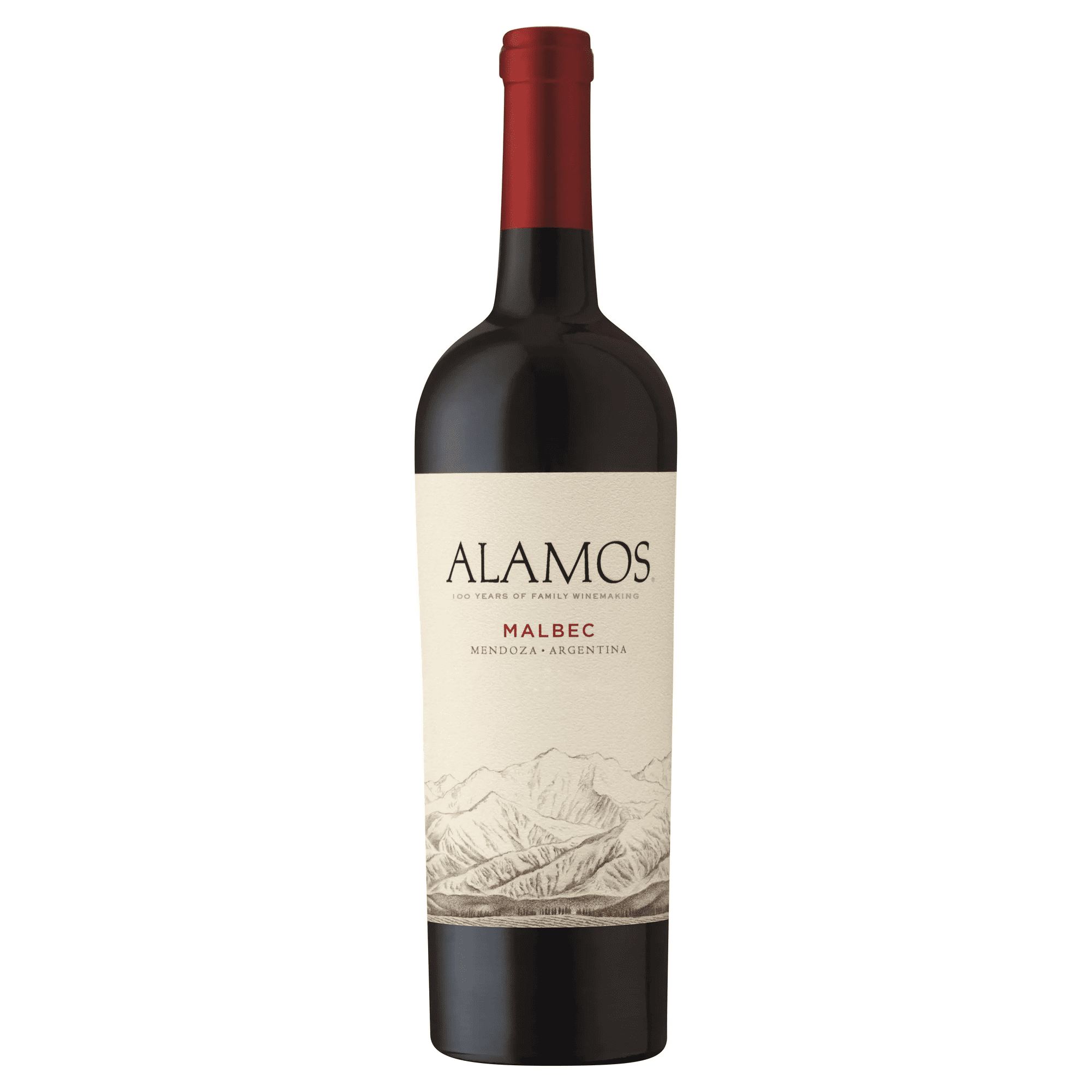
When you choose merlot, you can expect a rounder feel and easy pairing with many meals. If you pick shiraz or malbec, you’ll often get fuller body and richer spice notes.
- You can choose cabernet sauvignon for fuller flavor and steak dinners.
- You can pick pinot noir when you want lighter body and versatile pairing.
- You can reach for merlot when you want smooth texture and soft fruit notes.
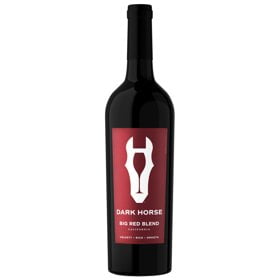
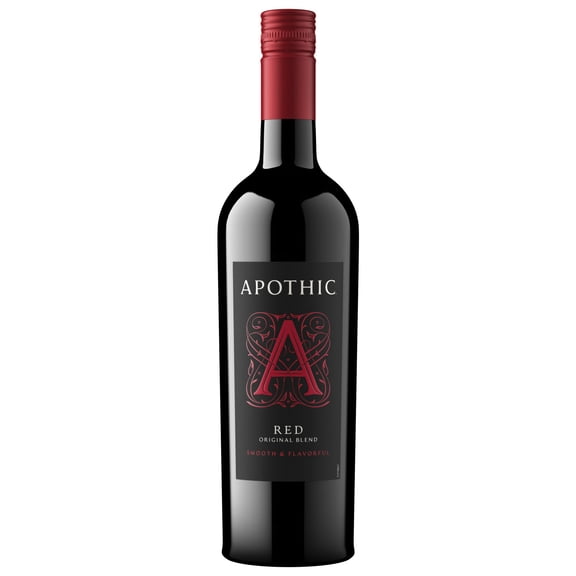
- You can explore red blend wine for mixed flavor profiles and flexible serving options.
Comparing sweetness, body, and sweet red wine options
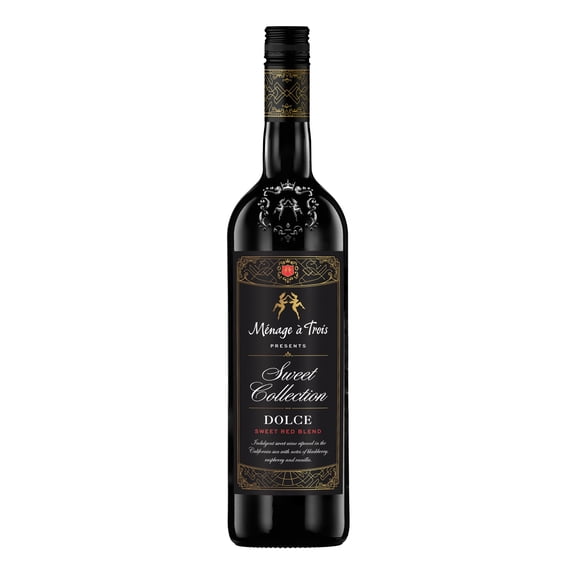
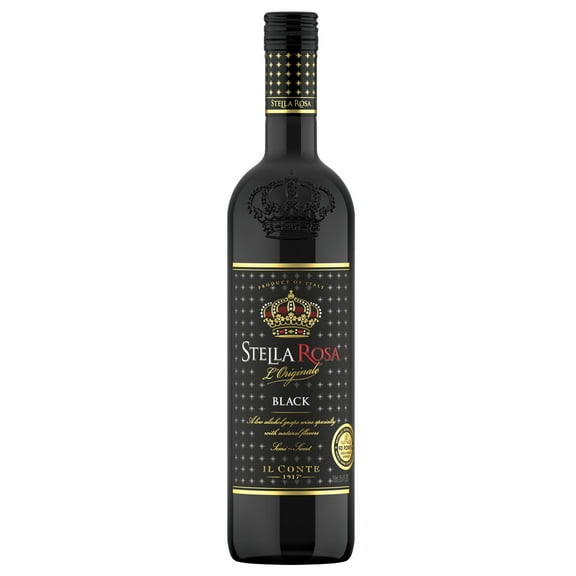
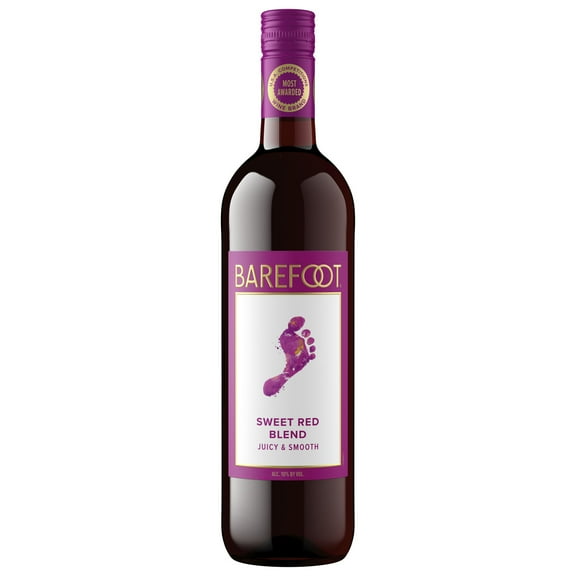
You should compare sweetness level next because it changes how a wine feels with food. You can sort between dry, semi-sweet, and sweet red wine styles based on your palate.
If you enjoy less sugar perception, you’ll likely prefer dry red wine with a crisp finish. If you want a softer sip, you may lean toward semi-sweet or sweet styles.
You can also compare body, which tells you how light or full a wine feels. Light-bodied reds feel gentler, medium-bodied reds feel balanced, and full-bodied reds feel richer.
When you read tannin levels, you’re checking how much grip or structure you may taste. When you check acidity, you’re judging how lively and food-friendly your pour may seem.
If you see oak aging, you can expect notes like vanilla, toast, or spice. If you skip oak-heavy bottles, you may get fresher fruit and a cleaner finish.
Matching red wine to meals and occasions
You can make your choice easier by matching red wine to what you’re serving. You’ll often want fuller styles with steak, burgers, or hearty roast dishes.
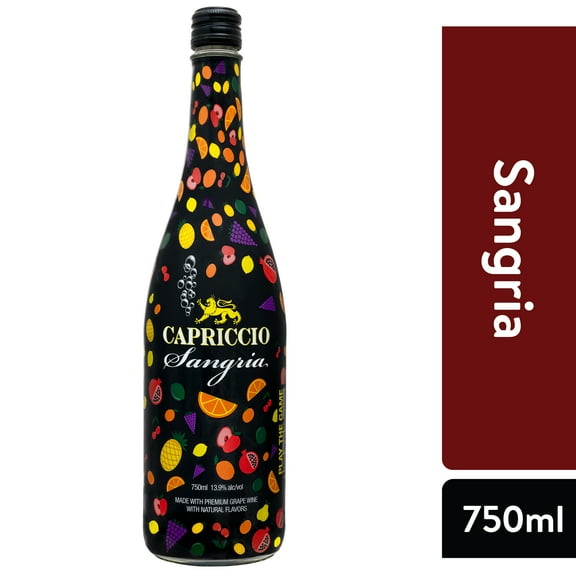
For pasta, pizza, and tomato sauces, you may like merlot, sangria-style reds, or balanced blends. For salmon, mushrooms, or roast chicken, you may prefer pinot noir’s lighter touch.
If you’re building a cheese board, you can compare dry and semi-sweet bottles for contrast. You can pair firmer reds with aged cheeses and softer styles with creamy cheeses.
When you’re planning a casual dinner, you may want a versatile bottle that pleases different tastes. When you’re bringing a host gift, you may choose a classic varietal with a polished label.
During cooler months, you can also look for seasonal picks that suit mulled wine recipes. Around holidays, you may consider a holiday red wine gift set for easy gifting.
Checking pack sizes, boxed red wine, and practical formats
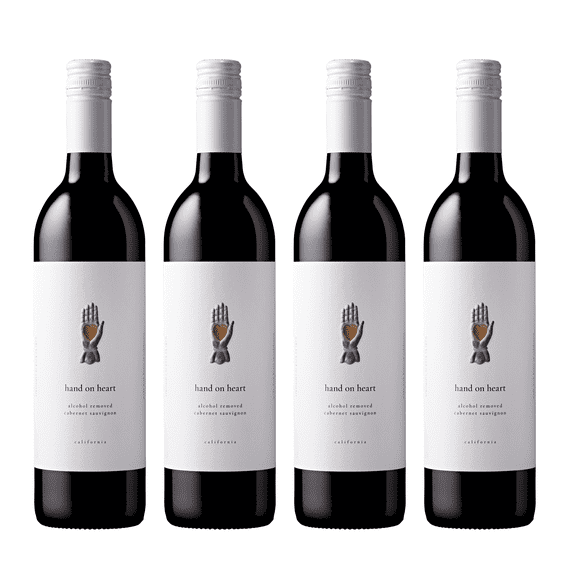
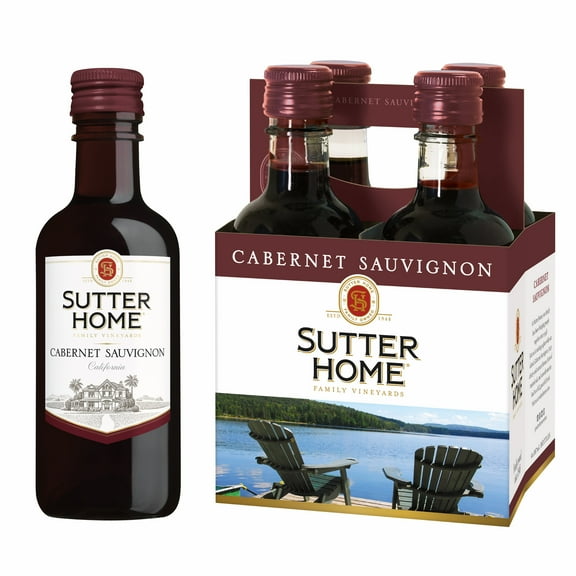
You should check pack size because format affects convenience, storage, and serving plans. You can choose a single bottle, a four-pack, or boxed red wine for different needs.
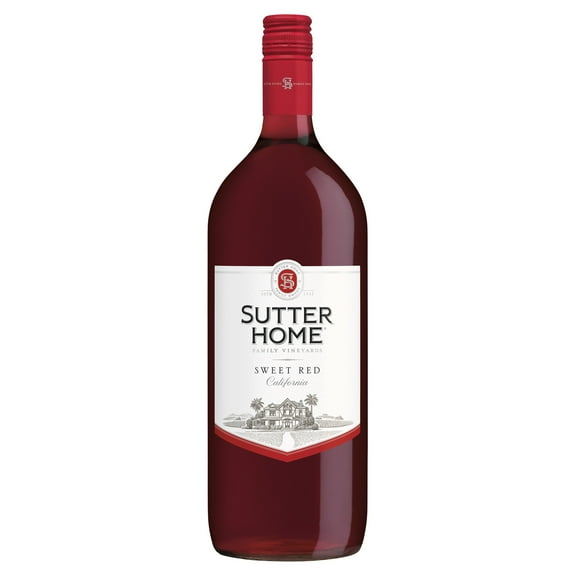
If you’re trying a new varietal, you may start with a 750ml bottle. If you’re serving a group, you may prefer a 1.5L bottle or value-sized format.
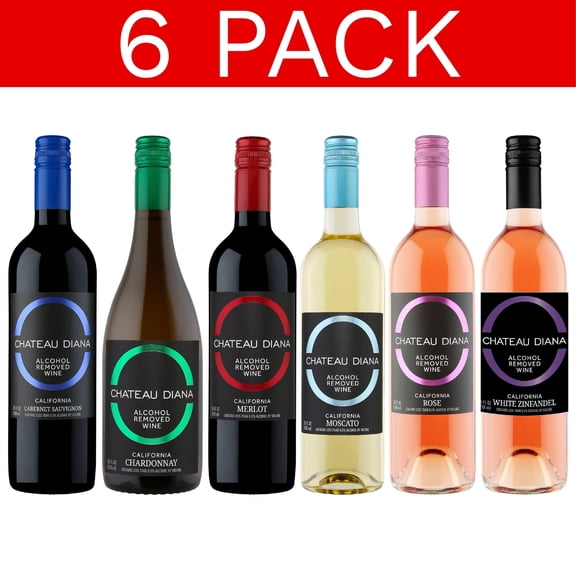
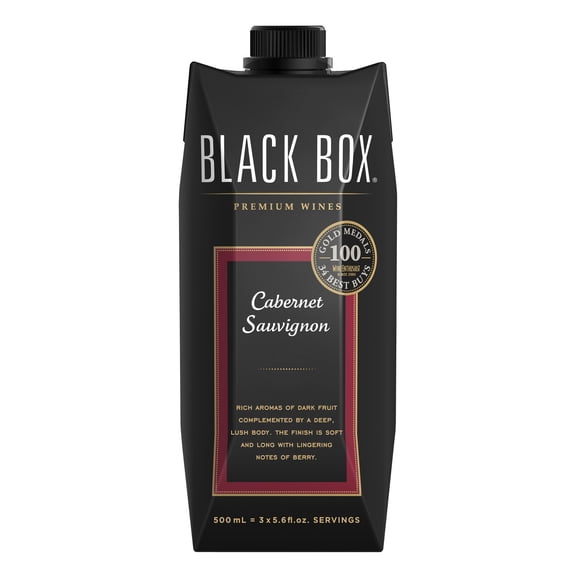
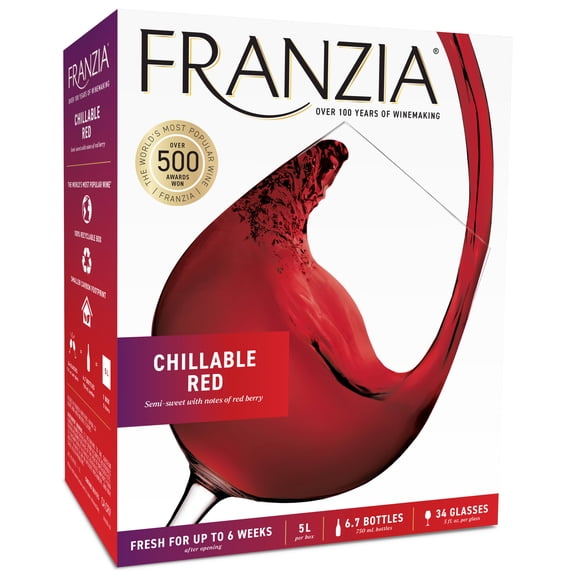
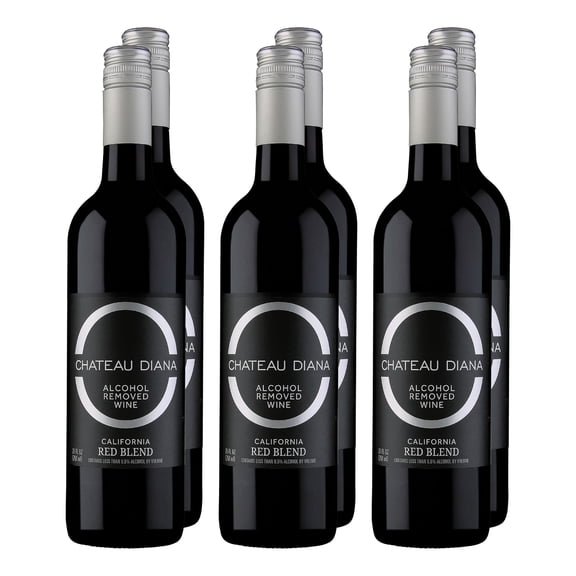
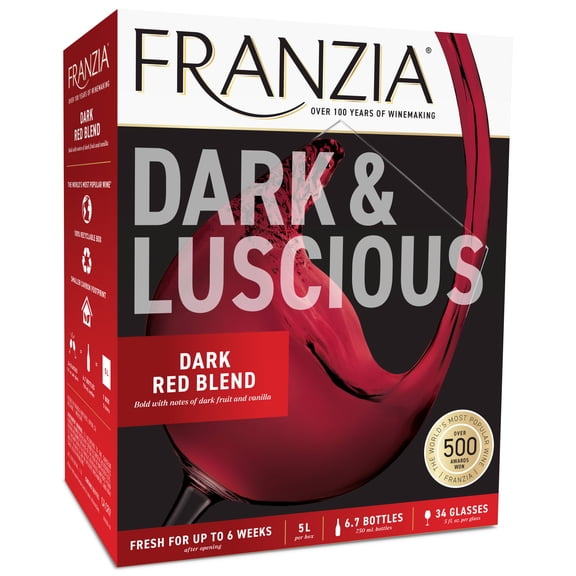
When you choose boxed red wine, you can simplify pouring for parties and relaxed gatherings. When you pick multipacks, you can keep several bottles ready for dinners or gifts.
You’ll also want to compare everyday sipping bottles with more formal gift choices. You can use brand reputation, varietal familiarity, and label style as easy decision points.
If you’re restocking for regular meals, you may focus on versatile reds with steady flavor. If you’re gifting, you may favor recognizable varietals that feel easy to present.
What to look for when buying red wine online
You can shop more confidently when you compare labels with a few clear filters. You should look at varietal, sweetness level, body, volume, and serving occasion first.
If you want bolder flavor, you can look for full-bodied styles and oak-aged notes. If you want flexibility, you can choose medium-bodied reds that pair with many dishes.
You may also compare pickup and delivery options when timing matters for meals or events. You can keep your planning simple by choosing the format and style that fits your table.
With the right red wine, you can match the bottle to your menu, your guests, and your schedule. You’ll enjoy a smoother decision when flavor, body, and format all line up.