




Power & cables in Cell Phone Accessories

























About Power & cables in Cell Phone Accessories - Walmart.com
Cell phone power cables help you keep your devices charged across your home, car, desk, and travel bag. You can compare connector type, charging speed, cable length, and material to match your phone and routine.
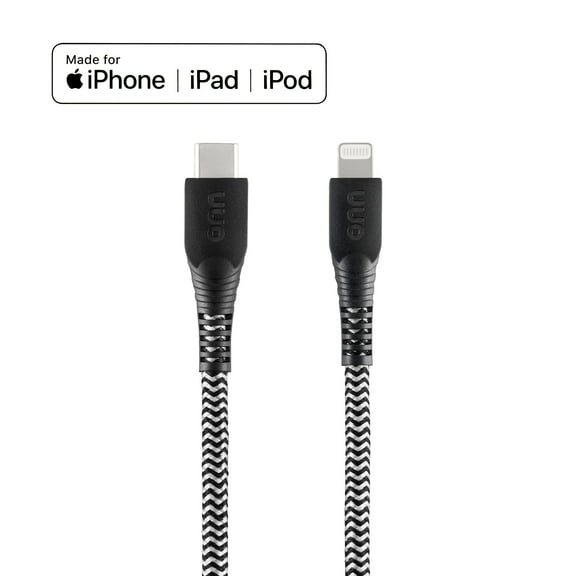
If you use newer Android phones, tablets, or select accessories, you may need USB-C ends for a secure fit. If you use many iPhone models, you may look for Lightning connectors that match your current setup.
How to choose cell phone power cables by connector type
You should start with connector type, because your cable needs to match your phone's charging port. You can choose USB C charging cables, lightning power cables, or micro USB cables based on your device.
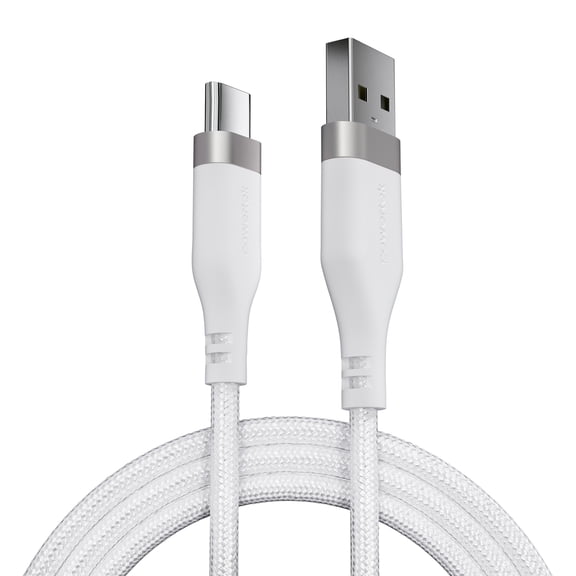
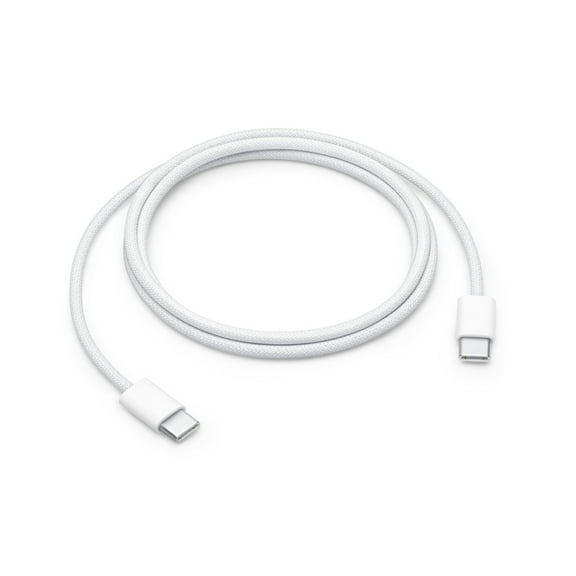
With USB-C, you often get a reversible plug that connects easily in either direction. You may prefer this option if your phone, tablet, or earbuds already use one cable style.
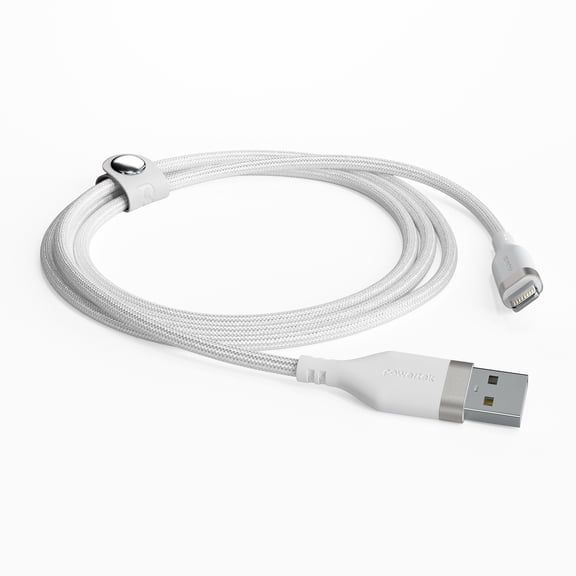
With Lightning, you can keep a familiar connection for many iPhone and accessory setups. You may choose this type when your current wall chargers, car chargers, or docks already support it.
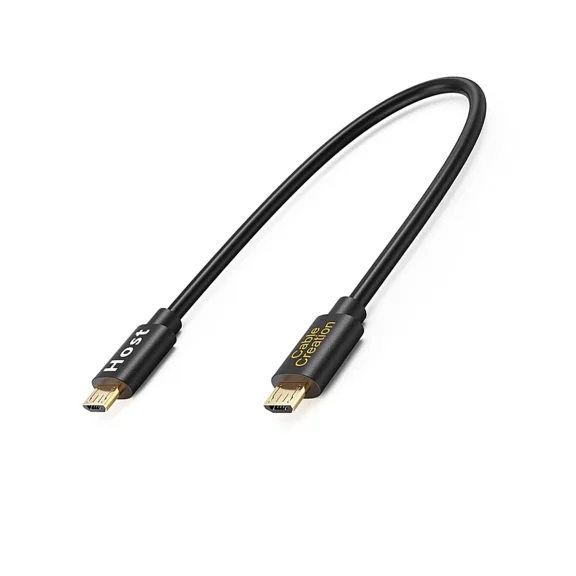
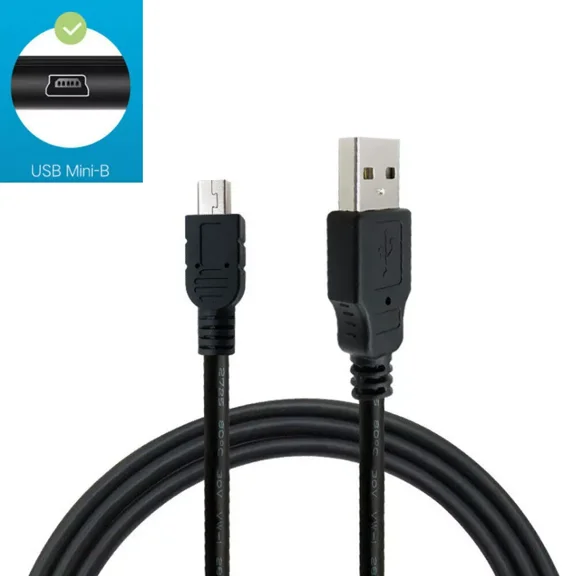
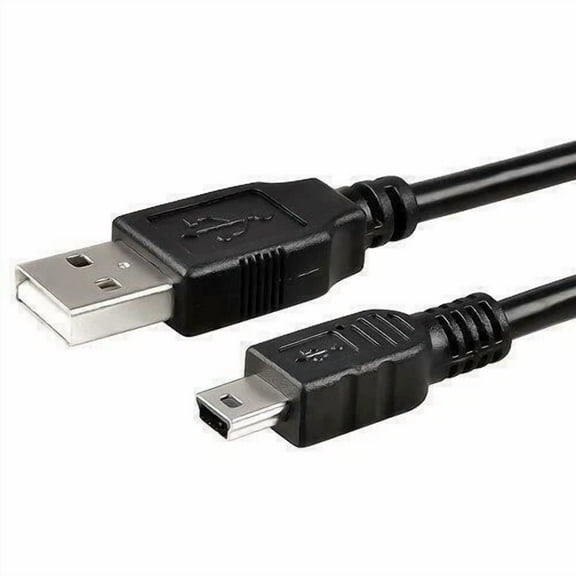
With Micro-USB, you can connect older phones, speakers, cameras, and backup accessories without replacing your existing gear. You may find this option useful for drawers, travel kits, or secondary charging stations.
Choosing fast charging cords and speed support
You should also compare charging speed support before you pick phone charger cables. You can look for standard charging, fast charging cords, or Power Delivery support based on your adapter.
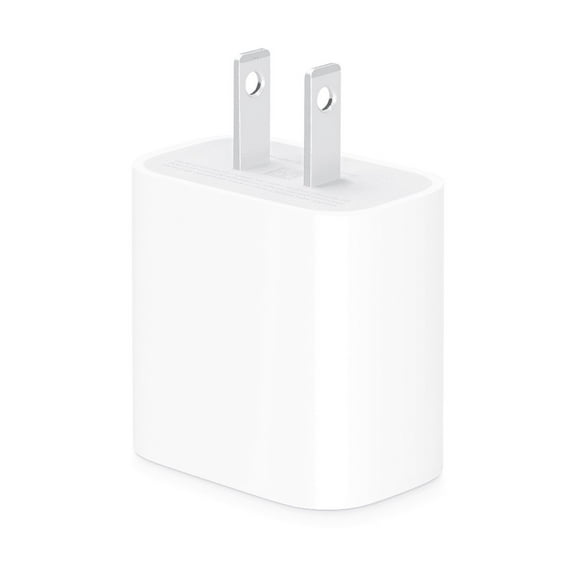
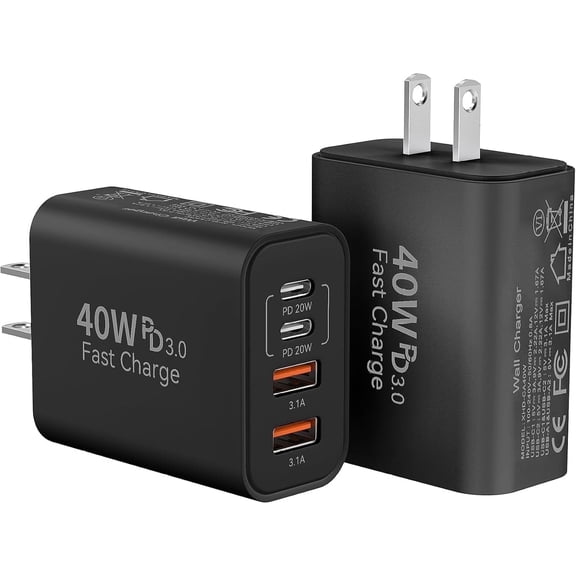
Power Delivery matters when you want quicker charging from compatible USB-C adapters and devices. You should check whether your phone, wall charger, and cable all support the same charging standard.
Fast charging support can help you power up during short breaks, commutes, or busy workdays. You may prefer this feature if you switch between navigation, streaming, gaming, and messaging throughout the day.
- You can match USB-C cables with compatible Power Delivery adapters for higher-speed charging support.
- You can keep Lightning or Micro-USB options for older devices, backup cords, or shared household chargers.
- You can compare standard and fast charging support to fit your device and adapter combination.
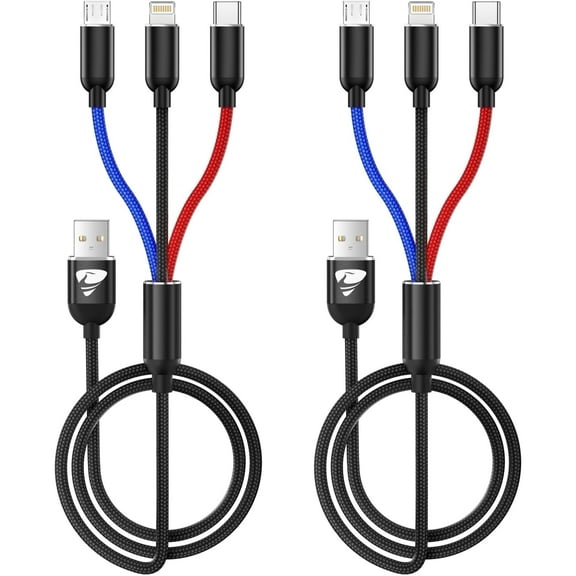
- You can choose multi port charging cables when you want fewer cords in a travel bag or desk drawer.
Choosing the right cable length for everyday use
You should measure where you'll charge before you pick a cable length. You can compare three-foot, six-foot, and 10-foot options based on reach and setup.
A three-foot cable often works well on desks, nightstands, and car consoles where your outlet stays close. You may like the shorter reach when you want less slack and a tidier surface.
A six-foot cable gives you more flexibility between couches, beds, and nearby wall outlets. You can use this length when your charging spot changes throughout the day.
A 10-foot option can help you reach distant outlets in larger rooms or shared spaces. You may also need long phone chargers where furniture placement limits access to power.
Comparing braided charging cords and cable materials
You should compare material choices if you pack, bend, or move your cable often. You can look for braided nylon, TPE, or reinforced silicone based on how you use it.
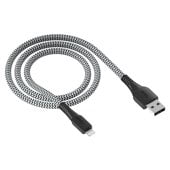
Braided charging cords can give you a textured outer layer that feels sturdy in bags and drawers. You may choose braided nylon when you want a cable that handles frequent winding and unwinding.
TPE jackets usually feel smooth and flexible, which can help you route a cable around desks and nightstands. You may prefer this material when you want a simple everyday cord.
Reinforced silicone can feel soft and pliable while still handling regular movement. You can consider it when your cable bends frequently around furniture edges, car consoles, or charging stands.
You should also look at strain relief near each connector, because that area bends frequently. You may want reinforced ends when you unplug and pack your cable several times each day.
Matching cell phone power cables to your routine
You can narrow your options quickly when you match cable details to where and how you charge. You should think about your device, your adapter, and your usual charging locations together.
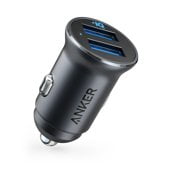
For travel, you may want travel charger cables with compact lengths and easy packing. You can also keep car charging cords in your console for maps, music, and quick connection between stops.
For shared households, you may want several connector types available in one place. You can use multi port charging cables or separate cords to cover tablets, older phones, and current models.
For bedside charging, you may prefer a longer cable that reaches around headboards or side tables. You can pair that length with a flexible jacket that sits neatly without constant repositioning.
For work setups, you may want a cable that reaches from wall outlets to desks without stretching. You can also choose a braided outer layer if your cord moves between office, home, and commute bags.
When you compare connector type, speed support, length, and material, you can choose a cable that fits your devices and routine. You end up with charging that feels simpler, neater, and easier to keep ready.